
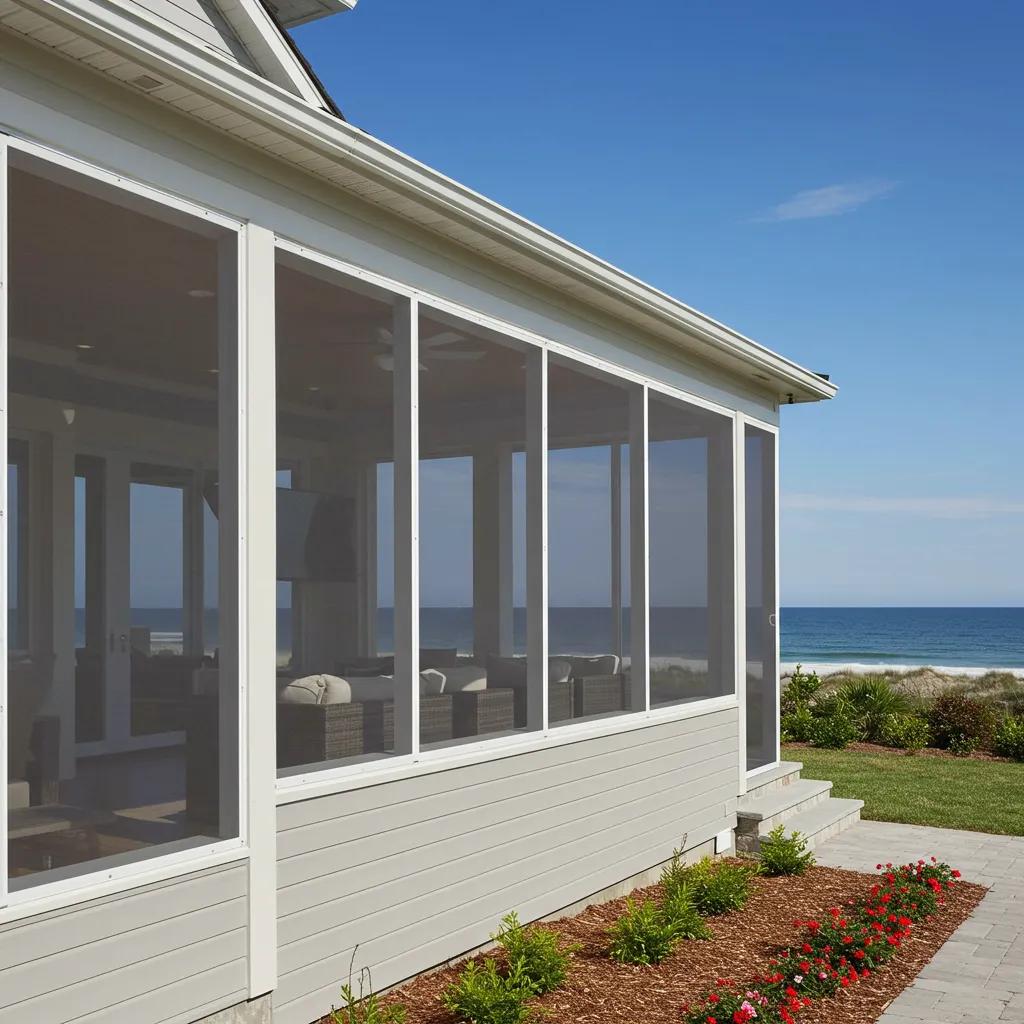
Hurricane Mesh Screens: Unveiling the Unexpected Advantages for Homeowners
Hurricane mesh screens offer a lightweight approach to storm protection. They feature engineered mesh fabric within sturdy frames, designed to shield openings while still allowing visibility and airflow. This guide dives into the benefits of hurricane mesh screens you might not expect, covering how they deflect debris, reduce wind pressure, and even provide year-round lifestyle and energy advantages. Many coastal homeowners think shutters solely block debris, but mesh screens actually absorb and redirect impact energy, cut down on solar heat gain, and filter UV rays, all while keeping your views clear. We’ll explore the mechanics of protection, quantifiable energy and UV benefits, aesthetic and privacy perks, how they stack up against traditional shutters in terms of use, and the long-term financial picture. You’ll learn how the mesh fabric, frame, mounting hardware, and fasteners work together to safeguard homes. Plus, we’ll offer practical comparisons with roll-down, accordion, Bahama, colonial, clear and aluminum panels, and impact windows. Keep reading for actionable lists, comparison tables, and examples relevant to our area to help you decide if hurricane mesh screens are the right storm protection for your property.
What Are the Hidden Storm Protection Benefits of Hurricane Mesh Screens?
Hurricane mesh screens provide three crucial, often overlooked, storm protections. They combine impact-deflecting mesh, secure mounting, and pressure-equalizing ventilation to lessen structural loads and minimize water intrusion. The mesh fabric dissipates strike energy, while the frames transfer loads to structural members, reducing concentrated stress on windows and doors. This means your home’s structure stays sound, with fewer secondary issues like shattered glass or detached trim. Understanding these principles clarifies why mesh screens are a solid alternative to solid panels in many coastal settings.
Hurricane mesh screens offer several protection advantages beyond just blocking debris:
- Impact deflection and energy absorption lessen the force transferred to openings.
- Wind pressure reduction through controlled airflow lowers the risk of uplift on windows and doors.
- Water intrusion mitigation via drainage channels and pressure equalization limits wind-driven rain entry.
These three benefits work in concert to protect both the building envelope and its contents during storms. Below is a straightforward comparison to illustrate where mesh screens shine compared to conventional options.
This table shows how mesh screens balance protection with ventilation and visibility. Mesh systems are particularly effective when maintaining airflow and views is important, while still providing significant impact and wind resistance. Understanding these trade-offs helps homeowners select the protection type that best suits their site conditions and risk tolerance.
How Do Hurricane Mesh Screens Deflect Debris and Resist High Winds?
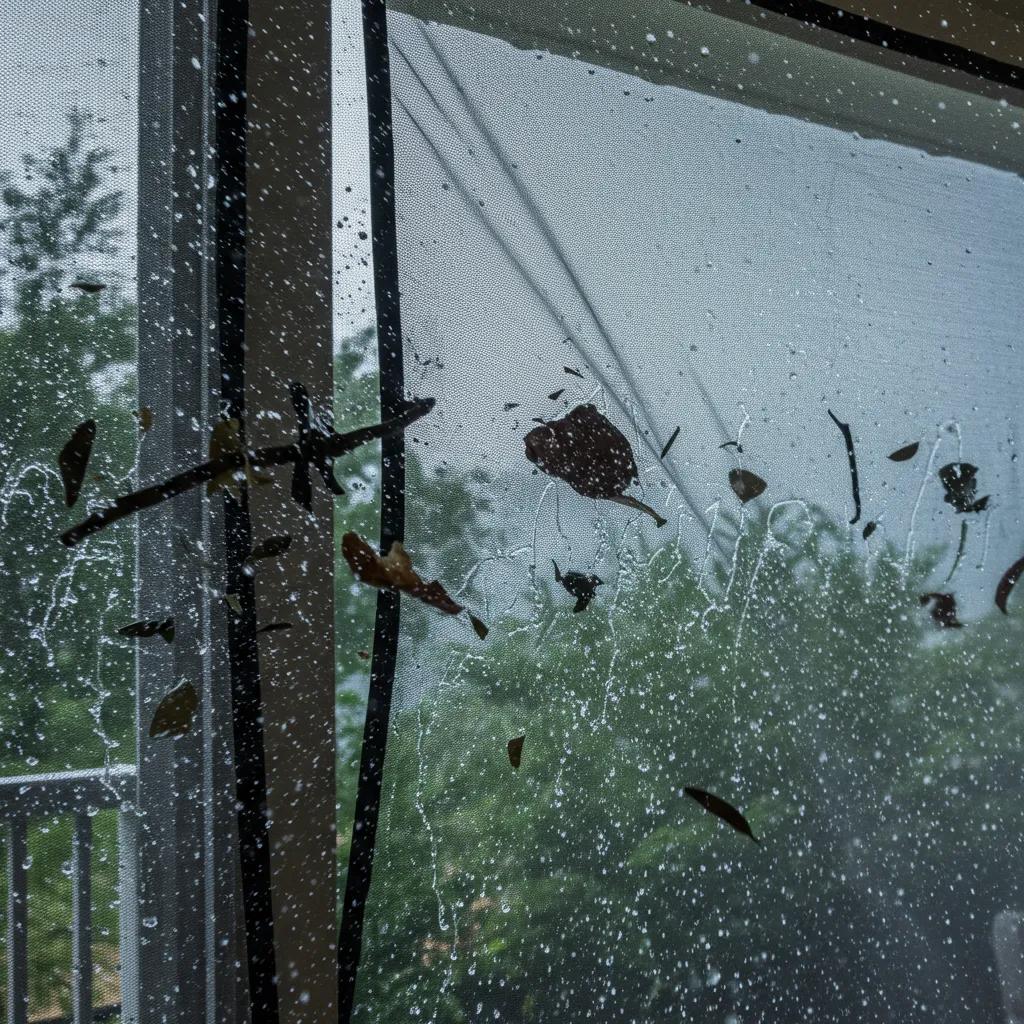
Hurricane mesh screens deflect debris using a tightly woven, high-strength mesh that spreads kinetic energy across the fabric and into the frame, which then transfers it to structural anchors. The mesh’s weave and tensile strength, along with frame rigidity and the use of corrosion-resistant fasteners, determine how much energy is absorbed before the hardware gives way. Properly specified mounting distributes loads to studs or structural framing, not just the glass, reducing the chance of projectiles breaching the opening. These mechanics mean mesh screens act as a sacrificial, energy-absorbing layer that preserves the primary building envelope during impact events.
Can Hurricane Mesh Screens Prevent Water Intrusion While Allowing Airflow?
Mesh screens reduce wind-driven rain intrusion by allowing controlled airflow that equalizes pressure on both sides of an opening and by directing water toward drainage paths instead of forcing it through seals. The screen’s porosity allows ventilation, while the frame and threshold details channel water away from interior spaces. In porch and large-opening situations, a correctly installed mesh system can keep interiors drier than rigid shutters that trap pressure differentials. Homeowners gain ventilation and reduced pressure loads while still minimizing water entry during severe weather.
How Do Hurricane Mesh Screens Save Energy and Protect Your Home’s Interior?
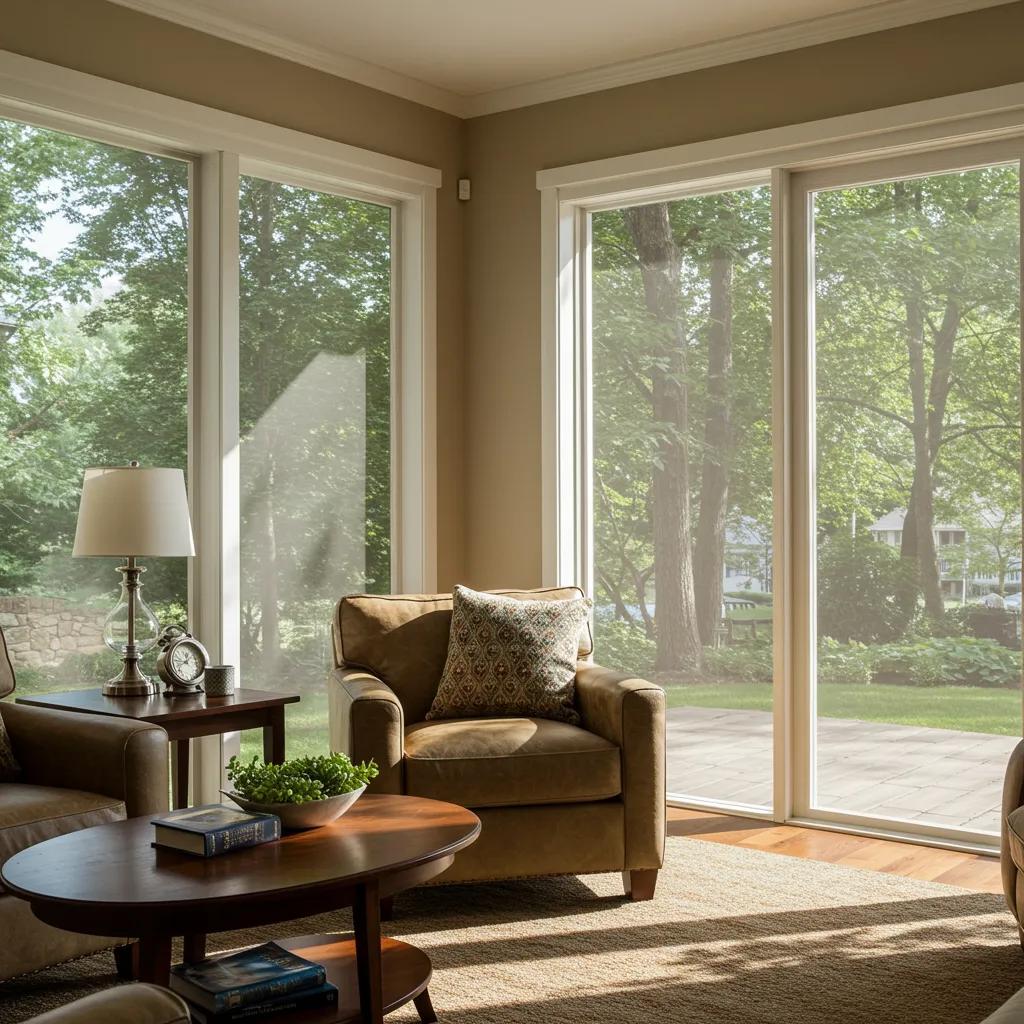
Hurricane mesh screens save energy by shading windows and reducing solar heat gain, which lowers HVAC cooling demands in warmer climates. They also filter UV rays that can damage interiors. The mesh acts as an external shading device, intercepting direct sunlight before it turns into heat inside, thereby reducing peak cooling needs. This mechanism protects furnishings and flooring from fading and contributes to lower energy consumption when shading is combined with natural ventilation. The overall result is less strain on air conditioning systems and extended life for interior finishes.
External shading and ventilation produce predictable energy effects:
- Reduced Solar Gain: Mesh intercepts direct sunlight before it hits the glass, lowering indoor temperatures.
- Lower Cooling Load: Shaded windows reduce the runtime of your HVAC system during sunny periods.
- Interior Preservation: UV filtration slows the fading of fabrics, wood, and finishes.
These effects combine to offer operational savings and preservation benefits that add up over the seasons. The table below summarizes typical qualitative energy and preservation outcomes for homeowners.
This table shows that energy savings and interior protection are measurable outcomes of shading and UV filtration, though the exact savings depend on your home’s orientation, climate, and characteristics. For precise estimates, homeowners should pair product selection with a local design-pressure analysis.
In What Ways Do Hurricane Screens Improve Thermal Insulation and Reduce HVAC Costs?
Hurricane screens enhance thermal performance primarily through shading and secondarily by enabling cross-ventilation, which lowers effective indoor temperatures during non-storm periods. Shading reduces heat gain through windows, cutting peak cooling loads. Ventilation reduces the need for mechanical conditioning when outdoor conditions are favorable. Together, these mechanisms decrease compressor runtime and contribute to modest HVAC cost savings over a season. Homeowners should consider mesh screens as one part of a comprehensive cooling strategy that includes insulation, window choices, and shading.
How Do Hurricane Mesh Screens Block Harmful UV Rays to Preserve Furnishings?
The woven polymer or coated fabrics used in hurricane mesh block a significant amount of ultraviolet radiation, slowing the rate at which fabrics, carpets, and wood finishes fade. UV blocking occurs because pigments and coatings in the mesh absorb or scatter UV light before it reaches interior surfaces. Over time, reduced UV exposure means slower color degradation and less frequent replacement of soft goods and finishes. This preservation benefit complements energy savings by protecting the useful life of interior materials.
What Aesthetic and Lifestyle Benefits Do Hurricane Mesh Screens Offer?
Hurricane mesh screens provide lifestyle advantages by maintaining outward visibility, allowing natural light, and offering customization that complements architectural styles, all while adding privacy and noise dampening. Because mesh is translucent, homeowners retain views and daylighting that solid shutters block, creating a less confined feel year-round. Custom frames and fabric colors can be matched to colonial, Bahama, or contemporary designs, and low-profile mounting keeps sightlines clean. These features make mesh screens ideal for homeowners who value their living experience as much as protection.
To illustrate design options, consider this customization list and guidance.
- Fabric color and openness levels: Choose darker meshes for reduced glare and lighter meshes for brighter interiors.
- Frame finishes and profiles: Match frame color to trim for a cohesive look.
- Mounting styles: Low-visibility recessed mounts preserve architectural lines.
These customization options offer practical ways to blend protection with curb appeal and interior comfort. Homeowners can coordinate choices with contractors to maintain a cohesive design vision.
How Do Hurricane Mesh Screens Maintain Natural Light and Outdoor Views?
The translucency of mesh fabric preserves sightlines and diffuses daylight, keeping interiors bright without exposing occupants to direct sun glare. Unlike solid panels that create a “cave effect,” mesh maintains a connection to the outdoors, supporting mental well-being and a sense of spaciousness. Mesh openness levels can be selected to balance privacy and visibility, with higher openness percentages offering clearer views. The net effect is a protected yet visually open enclosure that enhances daily living.
What Customization Options Enhance Home Design with Hurricane Fabric?
Customization of hurricane fabric includes color choices, openness percentages, and complementary frame profiles that suit historic or modern architecture. Fabric pigments and coatings also offer UV resistance and color stability, while custom frames can be powder-coated to match trim. These options allow retrofits on colonial and Bahama-style homes or contemporary structures without compromising aesthetics. Designers can prioritize either maximum transparency or enhanced shading based on client priorities.
Can Hurricane Mesh Screens Provide Added Privacy and Noise Reduction?
Hurricane mesh screens enhance daytime privacy by reducing visibility into interiors while maintaining outward views, and they offer moderate noise dampening by disrupting direct sound paths. The fabric’s density determines privacy levels; denser weaves obscure interior details while still allowing light. Noise reduction is typically moderate—mesh contributes to a quieter perimeter but doesn’t replace specialized acoustic treatments. For porches and pool areas, mesh screens create comfortable semi-private spaces that reduce exposure to street noise and sightlines from neighbors.
Why Are Hurricane Mesh Screens Convenient and Easy to Use Compared to Traditional Shutters?
Hurricane mesh screens are convenient because they deploy quickly, require minimal storage space, and offer both manual and motorized operation options to suit homeowners’ lifestyles. Retractable housings can be stored compactly when not in use, unlike bulky panels that need offsite or garage storage. Motorized assemblies simplify deployment for large openings, and manual options remain reliable for smaller spans. These usability features reduce the hassle of storm preparedness, making mesh screens an attractive alternative to some traditional shutter types.
Below is a practical deployment checklist homeowners can use to evaluate convenience.
- Storage footprint: Retractable housings are compact and often wall-mounted for out-of-sight storage.
- Deployment speed: Motorized systems deploy in seconds; manual systems in minutes depending on opening size.
- Maintenance needs: Periodic inspection of mesh, tracks, and fasteners keeps systems operational.
These points highlight how convenience lowers barriers to consistent storm protection and supports year-round use of protected openings. Next, let’s look at specific deployment and motorization details.
How Quick Is the Deployment and Storage of Hurricane Mesh Screens?
Motorized hurricane mesh screens typically deploy in seconds via a switch or remote, while manual units commonly roll or slide into place within a few minutes per opening. Stored housings are compact and mount above or beside openings, freeing up attic or garage space that rigid panels would occupy. For large openings, coordinated installation of guides and thresholds streamlines operation and minimizes user effort. Homeowners appreciate that deployment is fast enough for last-minute readiness when storms approach.
What Are the Differences Between Motorized and Manual Hurricane Screen Options?
Motorized hurricane mesh screens offer one-touch convenience and faster deployment for large openings, while manual options are more budget-friendly and simpler to service. Motorized systems provide ease of use for high or wide openings and can include backup manual override features; they require electrical components and occasional motor maintenance. Manual systems avoid the need for power but may be less convenient for frequent use on large spans. The choice between them depends on budget, opening size, and desired convenience.
Note: American Hurricane Shutter offers Hurricane Screens in both motorized and manual configurations and provides emergency service and installation to support rapid deployment needs.
How Do Hurricane Mesh Screens Deliver Financial Benefits and Long-Term Value?
Hurricane mesh screens provide financial value through potential insurance recognition, reduced replacement costs for interior furnishings, and durable construction that spreads investment over its service life. Insurers often consider attachment, design, and certification when adjusting premiums, so properly specified mesh systems can support risk mitigation discussions. The fabric and frame materials require less maintenance compared to frequently replaced soft goods, and a clear warranty enhances ownership confidence. Evaluating the warranty, expected lifespan, and insurer recognition together shapes the return-on-investment picture.
This table clarifies that warranty and documentation are important for quantifying long-term value, and that local service and records support insurer recognition. Homeowners seeking precise ROI should request a site-specific analysis.
Can Hurricane Mesh Screens Lower Homeowners’ Insurance Premiums?
Hurricane mesh screens can contribute to insurance discussions when installed with documented design pressure analysis and professional installation records; insurers may offer recognition for reduced vulnerability. The key is demonstrating attachment methods, fastener types, and maintenance plans to underwriting representatives. Because insurers vary in their criteria, homeowners should present installation documentation and warranty details to their carrier. Engaging a local installer who provides design-pressure analysis improves the likelihood of insurer recognition.
How Do Hurricane Mesh Screens Increase Property Value?
Mesh screens add value by improving resilience and liveability—features attractive to coastal buyers who value protective measures that preserve views and comfort. Functional upgrades that reduce storm risk and protect interiors tend to enhance marketability, especially when supported by warranties and professional installation. Compared to cosmetic improvements, storm protection offers both functional and perceived value that resonates in coastal markets. Documented installations and transferable warranties increase buyer confidence during sale processes.
What Is the Expected Durability and Warranty Coverage of Hurricane Mesh Screens?
Hurricane mesh screens typically last a decade or more with basic maintenance such as track cleaning and fabric inspection; many systems reach 10–20 years depending on exposure and care. American Hurricane Shutter provides a local leading 7-year warranty covering workmanship and materials for qualifying installations, offering homeowners an extra layer of assurance. Routine maintenance extends lifespan and preserves appearance, while corrosion-resistant components like 18-8 stainless steel fasteners and robust aluminum frames enhance longevity. For a precise assessment and warranty details, request a site-specific estimate and design-pressure analysis from the local provider.
For residents in the Wilmington, NC area and nearby communities, American Hurricane Shutter — a family-owned, disabled-owned company established locally — can provide free estimates, emergency service, and a design-pressure analysis to evaluate Hurricane Screens for your home. Contact options include phone at +1 (910) 256-1288 or email at [email protected] for additional information and to request a local assessment.
Frequently Asked Questions
What maintenance is required for hurricane mesh screens?
Maintaining hurricane mesh screens is relatively straightforward. Regular inspections should be conducted to check for any wear or damage to the mesh fabric and frame. Cleaning the mesh with mild soap and water helps remove dirt and debris that can accumulate over time. Additionally, it’s important to inspect the tracks and fasteners to ensure they are free from corrosion and functioning properly. Routine maintenance can extend the lifespan of the screens and ensure they perform effectively during storm events.
How do hurricane mesh screens compare to traditional storm shutters in terms of cost?
While the initial investment for hurricane mesh screens may be higher than some traditional storm shutters, they often provide better long-term value. Mesh screens can reduce energy costs by improving insulation and lowering HVAC demands, which can offset their upfront cost over time. Additionally, their durability and low maintenance requirements can lead to fewer replacement costs compared to traditional shutters, which may need more frequent repairs or replacements. Homeowners should consider both initial and ongoing costs when evaluating options.
Are hurricane mesh screens effective against all types of storms?
Hurricane mesh screens are specifically designed to withstand high winds and flying debris associated with hurricanes and tropical storms. They are effective in protecting against these types of storms, but their performance can vary based on the severity of the weather conditions. For extreme weather events, such as tornadoes or severe hailstorms, additional protective measures may be necessary. Homeowners should assess their specific risk factors and consult with professionals to determine the best protection strategy for their area.
Can hurricane mesh screens be installed on any type of home?
Hurricane mesh screens can be installed on a variety of home types, including single-family homes, condos, and commercial buildings. However, the installation process may vary based on the architectural design and structural features of the property. It’s essential to work with a qualified installer who can assess the specific requirements of your home and ensure that the screens are properly fitted and secured. Customization options are also available to match the aesthetic of different home styles.
What is the lifespan of hurricane mesh screens?
The lifespan of hurricane mesh screens typically ranges from 10 to 20 years, depending on factors such as material quality, environmental exposure, and maintenance practices. Regular upkeep, including cleaning and inspections, can help maximize their durability. Many manufacturers, like American Hurricane Shutter, offer warranties that cover workmanship and materials, providing homeowners with added assurance regarding the longevity of their investment. It’s advisable to consult with local providers for specific lifespan expectations based on your installation.
Do hurricane mesh screens require professional installation?
While some homeowners may choose to install hurricane mesh screens themselves, professional installation is highly recommended to ensure optimal performance and safety. Professionals have the expertise to assess the specific needs of your home, select appropriate materials, and ensure that the screens are securely mounted. Proper installation is crucial for maximizing the protective benefits of the screens, especially in high-wind areas. Additionally, professional installation may be necessary to maintain warranty coverage.
How do hurricane mesh screens affect home insurance premiums?
Hurricane mesh screens can potentially lower home insurance premiums by demonstrating to insurers that a property is better protected against storm damage. Insurers often consider the installation of protective measures when assessing risk, which can lead to premium discounts. To maximize these benefits, homeowners should keep documentation of the installation and any design-pressure analysis performed. Engaging with a knowledgeable insurance agent can help clarify how these screens may impact your specific policy and premiums.
Conclusion
Hurricane mesh screens offer a unique blend of storm protection, energy efficiency, and aesthetic appeal, making them an ideal choice for coastal homeowners. By effectively deflecting debris, reducing wind pressure, and allowing for natural light and airflow, these screens enhance both safety and comfort. Investing in hurricane mesh screens not only protects your home but also contributes to long-term savings and increased property value. Discover how our range of hurricane mesh screens can elevate your home’s resilience and style today.
