
Average Costs for Accordion Shutters Explained: Your Complete Guide to Pricing, Installation, and Long‚ÄëTerm Value
Accordion shutters are a permanent, fold‑away storm protection system that slide into tracks beside windows and doors to create a continuous impact barrier. They defend homes against wind loads and flying debris, and their price depends on material, size, and installation complexity—details this guide breaks down clearly. Below we explain how installers usually calculate shutter pricing, what causes per‑square‑foot and whole‑project variation, and how to estimate total cost of ownership including maintenance and expected lifespan. If you live on the North or South Carolina coast, you’ll find local considerations, permit and code notes, financing options, and side‑by‑side comparisons with other hurricane protection choices. Continue for a straightforward cost‑per‑square‑foot breakdown, installation and maintenance tables, practical checklists, and steps to request a free estimate with our online cost calculator.
What Are Accordion Shutters and How Do They Protect Your Home?
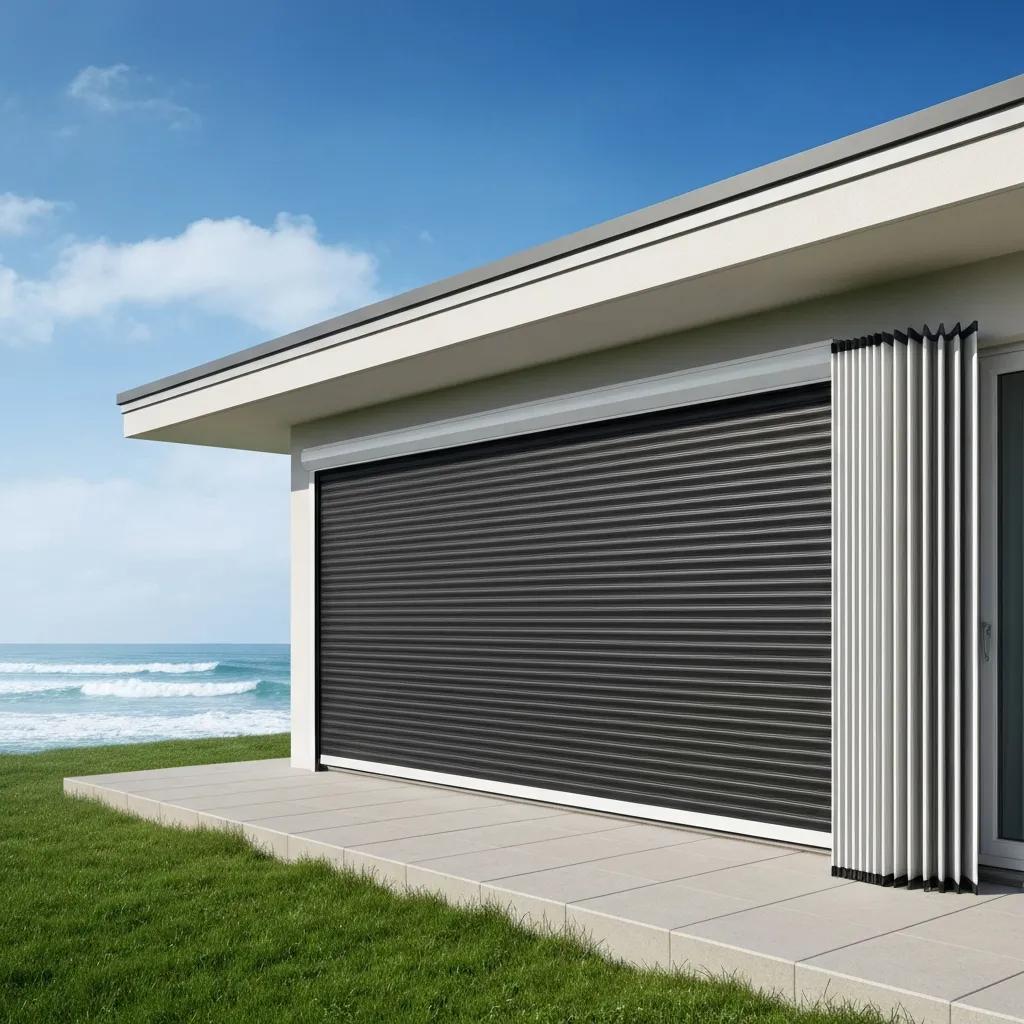
Accordion shutters are rigid panels that fold horizontally and slide on tracks mounted to the window or door frame so they snap into place quickly when needed. Deployed, they form a continuous face that resists wind pressure and absorbs or deflects debris impacts—meeting the impact and wind‑load functions many building codes require. Common materials include extruded aluminum, reinforced aluminum with stainless‑steel fasteners, and polycarbonate panels; each choice influences durability and cost. Knowing these basics helps you weigh upfront expense against long‑term protection and code compliance in coastal settings.
What Features Define Accordion Hurricane Shutters?
Accordion hurricane shutters combine folding panels, a track‑and‑guide assembly, secure locks, and corrosion‑resistant fasteners that anchor the system to the structure. When not in use, the panels fold neatly to the side; when closed they transfer wind loads through tracks and mounting brackets into the home’s framing. High‑quality installs use corrosion‑resistant hardware—typically stainless‑steel fasteners—and reinforced tracks to resist salt‑air corrosion and keep attachments secure in coastal climates. Those hardware and material choices drive performance, maintenance needs, and price, so selecting the right components is critical for coastal homeowners.
How Do Accordion Shutters Provide Hurricane Protection?
Accordion shutters protect by forming a rigid, anchored barrier that intercepts debris and routes wind loads into the building structure, which reduces glass breakage and water intrusion. Impact resistance depends on panel stiffness, track strength, and anchoring quality; together these elements limit inward pressure and prevent catastrophic failure. Because shutters are permanently mounted and simple to deploy, they avoid the on‚Äësite installation errors and delays associated with removable panels. For coastal properties, attachment methods and corrosion‚Äëresistant components are central to long‚Äëterm reliability under repeated storm exposure.
What Is the Average Accordion Shutter Cost Per Square Foot?

Per‑square‑foot costs for accordion shutters generally fall into low, mid, and high ranges based on material and hardware quality—useful benchmarks when you’re budgeting. The ranges below offer a conservative starting point before you add installation, permits, or custom work. Use them to compare materials and set expectations for initial pricing.
Different materials create distinct price and durability profiles for accordion shutters.
The table illustrates how material choices affect per‑square‑foot pricing and long‑term corrosion resistance—an important consideration for Carolina coast homeowners.
How Does Material Type Affect Accordion Shutter Pricing?
Your material choice affects both initial cost and future maintenance. Denser extrusions and stainless‚Äësteel hardware cost more up front but resist salt corrosion better. Extruded aluminum is common and budget‚Äëfriendly, while reinforced systems specifying 18‚Äë8 stainless‚Äësteel fasteners and beefed‚Äëup tracks raise the price but greatly reduce corrosion risk in coastal conditions. Polycarbonate adds cost while offering light transmission and impact properties. Choosing higher‚Äëgrade materials increases the upfront price but typically lowers lifecycle repairs and replacements in salty air.
How Do Size and Customization Influence Pricing?
Larger openings and non‑standard shapes increase fabrication time, require stronger tracks or reinforcement, and sometimes need engineering reviews—each adds cost and lead time. Sliding glass doors, arched or bay windows, and extra‑long spans often carry per‑item premiums. Custom paint, integrated locks, and special finishes also raise fabrication complexity. Allowing extra lead time for custom work helps ensure accurate quotes and makes it easier to compare per‑square‑foot estimates to total project cost.
What Are the Typical Installation Costs for Accordion Shutters?

Installation costs commonly include labor, travel, possible scaffolding for multi‚Äëstory jobs, permit handling, and any structural reinforcement needed to properly anchor tracks. These items combine with material cost to produce the total project price and vary with access, height, and local labor rates. The table below breaks down typical installation factors, usual cost ranges, and when each applies.
Installation tasks and premiums influence final project budgets in predictable ways.
Knowing these line items helps you translate a per‚Äësquare‚Äëfoot material number into a realistic installed budget.
What Factors Affect Accordion Shutter Installation Pricing?
Key variables that raise or lower installation cost include access (single‚Äëstory vs multi‚Äëstory), whether structural reinforcement is required, the complexity of openings, and local permitting rules. Hard‚Äëto‚Äëreach areas add labor when lifts or scaffolding are needed; weak framing requires reinforcement that increases materials and labor. Permit procedures can add administrative fees and scheduling delays. Comparing bids with these factors in mind helps you avoid surprises and pick contractors who document reinforcements and handle permits properly.
How Long Does Accordion Shutter Installation Take?
Install times vary from under an hour for a single standard window to several days for a full‑house job with many or complex openings. A single, accessible window typically takes one to two hours (mounts and locks included), while a 10–20 opening whole‑house installation can span several days depending on crew size and weather. Lead times lengthen when custom fabrication or permitting is required. Planning for fabrication, inspections, and weather contingencies keeps timelines predictable.
How Much Does Accordion Shutter Maintenance Cost and What Is Their Lifespan?
Accordion shutters need periodic maintenance—cleaning, lubrication, fastener checks, and occasional minor repairs—to perform well, especially in coastal areas where salt speeds corrosion. The expected maintenance activities below help homeowners forecast 10– to 20‑year ownership costs. Use the table to build a practical maintenance budget.
Planned maintenance protects your investment and clarifies lifecycle cost.
Regular maintenance reduces repair frequency and extends shutter life, particularly when stainless‚Äësteel fasteners and reinforced tracks are used in coastal installs.
What Are Common Maintenance Tasks for Accordion Shutters?
Routine care includes rinsing salt residue, lubricating moving parts, tightening or replacing corroded fasteners, and inspecting track alignment and locks for wear. Homeowners can handle cleaning and basic lubrication; professional service is recommended for fastener replacement, track realignment, and post‑storm checks. Small annual expenses for inspection and upkeep can prevent larger, costlier repairs later—proactive maintenance saves money and keeps shutters ready.
How Long Do Accordion Shutters Typically Last?
With proper materials—especially corrosion‑resistant fasteners—and routine maintenance, accordion shutters commonly last 15 to 20 years or more before major components need replacement. Coastal exposure shortens life if lower‑grade materials are used, while stainless‑steel hardware and reinforced tracks extend service life and help maintain code compliance. Warranties vary by manufacturer, so review coverage for panels, tracks, and hardware when calculating long‑term costs. Using a 15–20 year window is a sensible basis for total cost‑of‑ownership comparisons.
What Are the Benefits of Investing in Accordion Shutters?
Accordion shutters offer layered benefits beyond storm protection: improved security, potential energy savings through shading and air sealing, and stronger resale appeal for coastal properties when properly documented. They provide a permanent, ready barrier that enhances safety, deters intruders, and reduces glass‚Äëbreakage‚Äërelated water intrusion. Many insurers offer premium discounts for impact‚Äëresistant systems that meet their standards and are documented and inspected. These tangible and intangible returns are important to weigh against upfront and lifecycle costs.
Accordion shutters deliver advantages that matter year‚Äëround.
- Storm Protection: Certified impact and wind‚Äëload resistance for vulnerable openings.
- Home Security: A physical barrier to forced entry when closed.
- Energy & Comfort: Lowers solar heat gain and can reduce cooling load through shading.
- Resale Value: Proven hurricane protection is attractive to buyers in coastal markets.
Weighing these benefits helps determine whether the upfront investment fits your long‑term safety and financial goals—and naturally leads to financing questions.
If you’re ready to move forward after reviewing benefits, American Hurricane Shutters invites you to request a free estimate through our cost calculator and to learn about local code compliance and 18‑8 stainless‑steel installation options. We specialize in engineered hurricane protection across coastal North and South Carolina and provide free estimates and service guidance to turn budget sketches into an actionable plan. You can also call American Hurricane Shutters to discuss details and schedule an estimate.
How Do Accordion Shutters Compare to Other Hurricane Protection Options?
Accordion shutters compare well with alternatives depending on your priorities: they deploy faster than storm panels, are usually less expensive than motorized roll‚Äëdown systems, and are more convenient day‚Äëto‚Äëday than removable panels. Durability, convenience, and looks vary by product, so a side‚Äëby‚Äëside view helps you weigh trade‚Äëoffs. The quick comparison below summarizes cost direction, durability, and ease of use to guide your choice.
Quick comparative snapshot of common hurricane protection options:
This comparison highlights when accordion shutters are the right balance of protection, convenience, and cost—and when another product might better match aesthetic or budget goals.
What Are the Cost Differences Between Accordion and Roll-Down Shutters?
Accordion shutters typically sit in the mid‑range per square foot, while roll‑down systems—especially motorized models—trend higher because of mechanisms and automation. Roll‑down shutters can offer a sleeker look and motorized convenience but usually come with higher upfront cost and potential motor maintenance. Many homeowners trade the lower operational complexity of accordion shutters for automation only when convenience justifies the extra cost—for example, with large or hard‑to‑reach openings.
How Do Accordion Shutters Stack Up Against Colonial, Bahama, and Storm Panels?
Colonial and Bahama shutters are more architectural and may cost less to produce but often provide lower impact protection unless specifically reinforced and certified. Storm panels are the lowest up‑front cost but add storage and installation work. Accordion shutters strike a balance: they’re permanent, quick to deploy, and offer continuous coverage unlike removable panels. For repeat‑storm readiness and coastal code compliance, reinforced accordion systems commonly deliver the best mix of everyday usability and performance.
What Financing Options Are Available for Accordion Shutters?
Several financing paths can make accordion shutters more affordable by turning a lump‑sum expense into manageable monthly payments while keeping your home protected. Common options include home improvement loans, contractor payment plans, and personal or home‑equity lines of credit—each changes monthly payment size and total interest. Use the cost calculator to generate an accurate project number, then compare loan terms, rates, and requirements. For personalized financing figures, request a free estimate and discuss options with your installer.
Common financing approaches and what to consider:
- Home improvement loans or unsecured personal loans with fixed terms.
- Contractor or vendor payment plans with short‚Äëterm installments.
- Home equity loans or lines of credit (when available) for larger projects.
Choosing the right financing depends on interest rates, tax implications, and how the payments fit your household budget.
How Can Financing Make Accordion Shutters More Affordable?
Financing spreads material and installation costs over a term so you pay predictable monthly amounts rather than a single large sum. Longer terms lower monthly payments but increase total interest; shorter terms reduce interest but raise monthly cost. Plug a cost‚Äëcalculator result into loan calculators to compare scenarios. After you get a detailed estimate, talk with the installer about payment plans that match your timeline and cash flow.
Where Can You Get a Free Estimate for Accordion Shutters?
To get a free estimate, start with our online cost calculator—enter window and door counts, opening sizes, and material preferences—then request follow‑up for an on‑site verification or virtual sizing review. An estimator will ask for measurements, photos, and whether your home is single‑story or multi‑story to confirm anchoring and permit needs, then provide a written quote and financing or scheduling options. Expect prompt follow‑up after submitting the cost‑calculator details; the estimator will confirm whether a site visit is required to finalize pricing. American Hurricane Shutters offers free estimates and uses the calculator output to prepare localized proposals that emphasize code compliance, 18‑8 stainless‑steel installation standards, and service across coastal North and South Carolina.
Frequently Asked Questions
What Maintenance Is Required for Accordion Shutters?
Accordion shutters need routine care—cleaning, lubrication, and fastener checks—especially in coastal environments. Clean every 3–6 months to remove salt and debris, lubricate tracks and hinges annually, and inspect fasteners and locks once a year. Minor repairs like track alignment may be needed after storms. Homeowners can manage some tasks themselves, but professional servicing is recommended for fastener replacement, track realignment, and post‑storm inspections. Regular maintenance helps extend life and prevent costly repairs.
How Do Accordion Shutters Impact Home Insurance Premiums?
Installing accordion shutters can lower home insurance premiums if the system meets an insurer’s impact standards and you provide proper documentation. Many insurers offer discounts for certified impact protection. Notify your insurance company after installation and share compliance paperwork and inspection records—this proactive step often yields savings and helps justify the investment.
Can Accordion Shutters Be Customized for Unique Window Shapes?
Yes—accordion shutters can be customized to fit non‑standard openings, including arches and bay windows. Customization may add cost and lead time because of engineering and fabrication needs. Discuss specific shapes and aesthetic goals with your installer to ensure the finished product delivers both the look and the level of protection you need.
What Is the Lifespan of Accordion Shutters?
With proper installation and maintenance, accordion shutters typically last 15 to 20 years. Material quality, coastal exposure, and upkeep affect longevity. Choosing stainless‚Äësteel fasteners and reinforced tracks extends service life; check manufacturer warranties for exact coverage when estimating long‚Äëterm costs.
Are There Any Environmental Considerations with Accordion Shutters?
Accordion shutters can improve energy efficiency by reducing solar heat gain and improving insulation when closed, which may lower cooling costs. Durable, corrosion‚Äëresistant materials reduce the need for frequent replacements and associated waste. If environmental impact matters to you, ask manufacturers about sustainable practices and recycled material options.
How Do Accordion Shutters Affect Home Aesthetics?
Accordion shutters can complement a home’s exterior with a clean, modern look and are available in various colors and finishes to match your style. When closed they create a uniform appearance that can boost curb appeal. Because they’re permanently installed, you won’t have the storage or visual clutter that comes with removable panels.
How Much Do Accordion Hurricane Shutters Cost on Average?
Accordion hurricane shutters generally range from modest to premium per‑square‑foot depending on material and hardware. Expect a mid‑range per‑square‑foot cost for many installs; adding installation and permit fees produces typical single‑window or whole‑house totals. Exact figures depend on chosen materials, window count, and installation complexity—using the per‑square‑foot ranges above lets you run quick sample calculations. Requesting a detailed quote turns those estimates into an exact project total.
Do Accordion Shutters Require Special Permits in North and South Carolina?
Permit requirements vary by city and county. Permanent shutters may require permits—especially when structural reinforcement or changes to exterior openings are involved. Coastal homeowners should check local building departments (for example, Wilmington or Myrtle Beach municipal offices) to confirm permit and inspection rules. When unsure, include permit handling in your project quote. A professional estimator will typically flag permit requirements during the quoting process and can help prepare inspection documentation.
Are Motorized Accordion Shutters More Expensive Than Manual Ones?
Motorized accordion shutters are more expensive up front because of motors and controls and may add ongoing maintenance for the motor and electronics, so lifecycle costs are higher than manual systems. Motorization delivers convenience and fast deployment, which can be worth the premium for large or hard‚Äëto‚Äëreach openings. Manual shutters remain reliable and cost‚Äëeffective for many homeowners.
Conclusion
Accordion shutters give homeowners reliable storm protection, added security, and potential energy savings—making them a smart addition for coastal properties. Understanding material, installation, and maintenance costs lets you make informed choices that fit your safety and financial priorities. Ready to see real numbers? Request a free estimate with our online cost calculator and explore how American Hurricane Shutters can help secure your home.
