
Affordable Accordion Shutters vs Other Options — What to Know About Cost, Benefits, and Protection
Accordion shutters are permanently mounted, folding hurricane shutters that slide along a track for fast deployment, protecting windows and openings from wind‑borne debris. They hit a practical sweet spot for many coastal homes—balancing upfront cost, everyday convenience, and rated protection. This guide shows how accordion shutters work, compares them with roll‑down shutters, panels, Bahama and Colonial styles, and impact windows, and lays out what homeowners in North and South Carolina should expect for pricing, installation, and upkeep. Coastal buyers often prioritize corrosion resistance, code compliance, and predictable performance; knowing about materials, Design Pressure Analysis (DPA), and installation tradeoffs helps you pick the right option for your budget, look, and insurance goals. Below you’ll find side‑by‑side comparisons, typical cost ranges, maintenance checklists, and the extra perks—like improved security and energy savings—that accordion shutters can deliver. We also cover when DIY makes sense and how professional engineering and coastal‑grade components affect long‑term value. Read on for clear comparisons, quick EAV tables, and concrete next steps to get estimates and prepare your home for storm season.
What Are Accordion Shutters and Why Are They a Cost-Effective Hurricane Protection Solution?
Accordion shutters are permanent, hinged panels that fold together when not in use and slide on tracks to cover openings, giving immediate impact‑resistant protection without the need for external storage. Vertical leaves nest compactly at either side of a window or door, so one person can usually deploy them quickly and no extra hardware is needed after installation. The result is a low‑profile, durable barrier that balances initial cost with ongoing convenience and security—especially useful for homes that need frequent readiness during hurricane season. Learning how they operate and what materials are best for coastal environments is the first step in comparing them to other storm‑protection choices.
American Hurricane Shutters is a local installer serving coastal North and South Carolina locations—including Wilmington, Myrtle Beach, Oak Island, Topsail, New Bern, and Pawleys Island—and we offer free estimates and a cost calculator to help homeowners budget for accordion installations. That local presence and free estimate option give region‑specific pricing and planning without committing up front. With that local context in mind, the sections that follow explain how accordion shutters are built and why material selection matters in salty coastal air.
How Do Accordion Shutters Work and What Materials Are Used?
Accordion shutters slide folded leaves along a track and lock into place across an opening, creating a continuous protective surface that resists impact and wind pressure when anchored correctly. Tracks fasten to the structure, and the panels nest in a compact stack when retracted, preserving sightlines and eliminating external storage. Material choice is critical on the coast because salt air speeds corrosion; higher‚Äëgrade aluminum alloys and corrosion‚Äëresistant fasteners lengthen service life and lower maintenance. Marine‚Äëgrade alloys and stainless fasteners resist pitting and galvanic corrosion, keeping tracks moving and anchors sound in salty environments. Knowing these options helps homeowners compare long‚Äëterm value and reliability among protection systems.
What Are the Key Benefits of Accordion Hurricane Shutters Compared to Other Options?

Accordion shutters offer a mix of convenience, permanence, and protection that sits between removable panels and higher‑cost permanent solutions like impact glazing. They deploy quickly from the interior, need no external storage, and provide a visible security barrier when closed—deterring intrusion in addition to stopping debris. Accordion systems are typically more affordable up front than full impact windows while providing rated protection when installed to the correct design pressures. For coastal homeowners who want fast readiness, no storage headache, and a moderate budget, accordion shutters are often the most cost‑effective compromise.
How Do Accordion Shutters Compare to Other Hurricane Protection Types?
Accordion shutters are one of several viable strategies for storm protection. Choosing among roll‑down shutters, panels, Bahama/Colonial styles, and impact windows depends on priorities such as automation, appearance, permanence, and budget. Each option sits at a different point on the convenience–cost–permanence spectrum, and coastal‑grade materials plus engineering determine how well each performs over time. The next paragraphs outline the key tradeoffs and when each system makes sense.
Accordion shutters compare to roll‑down shutters on operation, price, and maintenance. Roll‑down systems often include motorized options and hide hardware in a headbox, but they usually carry a higher initial price and may depend on power for deployment. Accordions are manual, fast to operate, and visible when stowed—tradeoffs some homeowners accept for lower cost and simpler upkeep. The EAV table below summarizes typical per‑square‑foot ranges and primary attributes for quick reference.
Introductory table: quick cost and attribute comparison between accordion and roll-down shutters.
This table shows where accordion shutters sit in the market: pricier than panels, usually less than motorized roll‚Äëdowns and impact glazing. The sections below go deeper into each comparison.
What Are the Differences Between Accordion Shutters and Roll-Down Shutters?
Accordion shutters are folding panels that operate manually or with assistance and require no power, while roll‑down shutters use curtain‑style slats that retract into a housing and can be manual or motorized. Roll‑downs hide hardware in a headbox and offer one‑touch automation, which appeals to homeowners who prioritize convenience, but automation increases initial cost and potential maintenance. Accordions have fewer moving parts, which can simplify repairs and reduce points of failure—though the retracted stack is visible. For those balancing cost and ease of use, accordion shutters often represent a sensible middle ground.
How Do Accordion Shutters Stack Up Against Hurricane Panels, Bahama, and Colonial Shutters?
Compared with removable hurricane panels, accordion shutters remove the need for storage and the labor of installing panels before each storm, but they require a higher initial investment as a permanent system. Panels (aluminum or polycarbonate) are usually the lowest‑cost option but demand seasonal storage and deployment effort—which matters when storms are frequent or for older homeowners. Bahama and Colonial shutters often serve aesthetic and shading roles; their protection depends on whether they’re engineered and rated—Bahama styles can offer debris protection, while Colonial shutters are frequently decorative unless built to a rated standard. Accordion shutters give stronger, permanent protection without the storage compromise of panels and at lower upfront cost than impact windows.
How Do Accordion Shutters Compare to Impact Windows in Cost and Protection?
Impact windows replace the glass permanently and remove the need for exterior shutters, offering continuous protection and potential energy and noise benefits—but they require a much larger capital outlay. Accordion shutters let homeowners protect openings for less up front and keep the option to upgrade glazing later, which can make them attractive for budget‑minded owners or rental properties. Impact glazing lowers maintenance and improves insulation and sound control, while accordion systems deliver rated storm protection with lower replacement cost if individual parts are damaged. The right choice depends on long‑term plans, budget, and whether you prefer a permanent glazing upgrade or modular shutter protection.
What Costs Should You Expect for Accordion Shutters and Alternative Hurricane Protection?
Installed costs vary across systems based on materials, labor, and coastal engineering requirements; accordion shutters typically sit in the mid‑range compared with panels and impact windows. Local price drivers include the number and size of windows, unusual shapes, multi‑story access, and whether a Design Pressure Analysis is needed to meet code wind loads. Upfront material and installation choices change long‑term ownership costs through maintenance and possible insurance mitigation credits, so comparing lifecycle cost—not just per‑window price—gives a clearer picture of value. The table below lists typical cost ranges and the main influencing factors for quick budgeting.
What Factors Influence Accordion Shutter Pricing in Coastal NC and SC?
Several coastal‑specific factors raise costs versus inland installs, including the need for corrosion‑resistant materials, custom engineering for local wind loads, and sometimes longer travel for installers. Salt air favors 6063‑T6 marine‑grade aluminum and 18‑8 stainless steel fasteners to limit corrosion—this raises material cost but cuts long‑term maintenance and failure risk. Custom Design Pressure Analysis (DPA) is often required to confirm shutters meet local code wind‑load requirements, adding engineering time and expense but smoothing permit approvals and insurance acceptance. Access and installation complexity—like multi‑story height, irregular openings, or retrofits into existing cladding—also increase labor and equipment needs.
Intro to list of common price drivers and their impact.
- Material selection: Coastal‚Äëgrade alloys and stainless fasteners raise upfront cost but reduce maintenance.
- Engineering and DPA: Custom calculations for local wind loads add professional fees.
- Installation complexity: Height, multi‚Äëstory access, and odd openings increase labor and equipment costs.
Summary: These factors explain why coastal installs need tailored quotes rather than generic per‚Äëwindow pricing, and they lead into how accordion costs compare with alternatives.
How Does the Cost of Accordion Shutters Compare to Other Shutter Types and Impact Windows?
On a per‚Äësquare‚Äëfoot basis, accordion shutters usually fall below impact windows and above basic removable panels, with motorized roll‚Äëdowns at the top of the shutter price range. For example, protecting ten standard windows with accordion shutters will typically cost less than converting those openings to impact glazing, while removable panels cost less initially but require storage and labor for each storm. Consider motorization, warranty coverage, and DPA engineering fees to understand total project cost. For financing and ROI planning, ask for itemized estimates and confirm whether quoted materials are coastal‚Äëgrade and whether the installer performs DPA.
How Should You Approach Installation and Maintenance for Accordion and Other Hurricane Shutters?
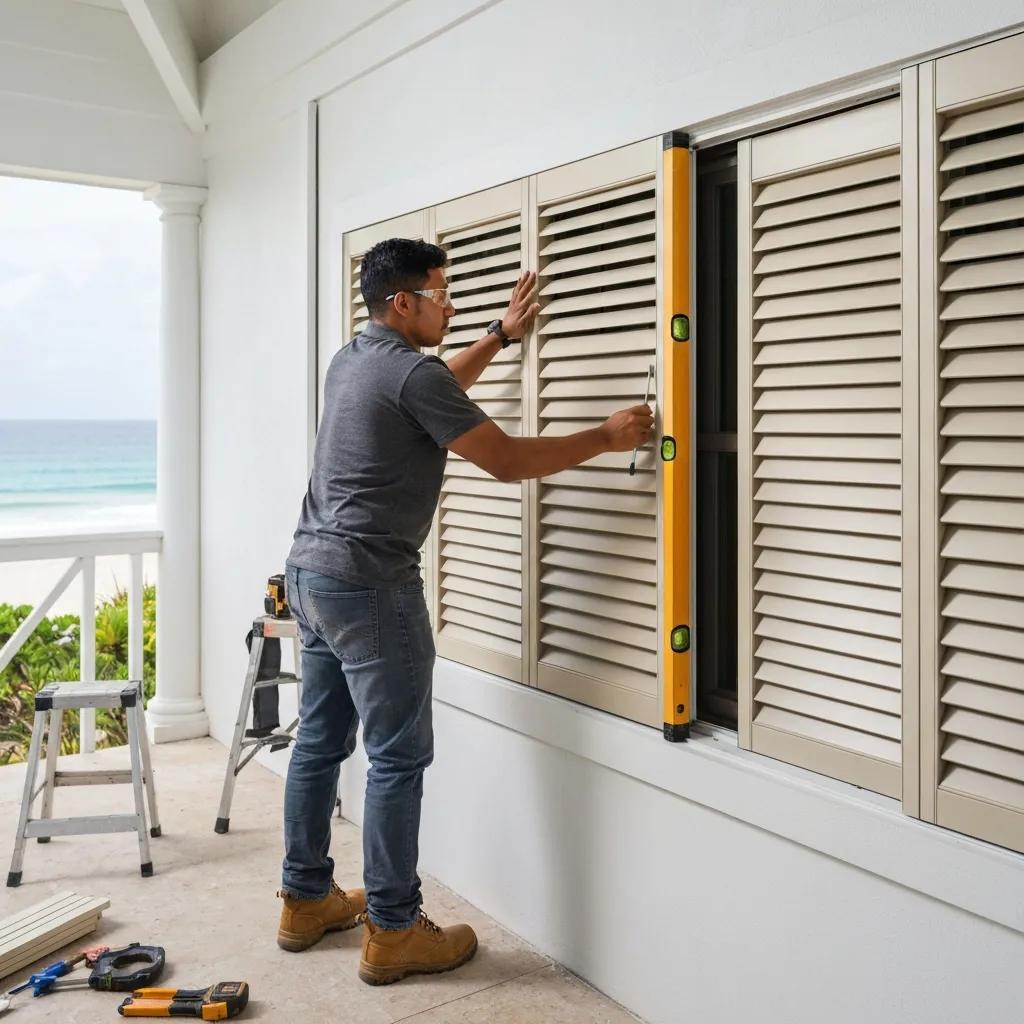
Correct installation and regular maintenance are essential for any shutter system to meet its rated protection—poorly anchored panels or corroded fasteners are common failure points during storms. Professional installation ensures accurate sizing, proper anchoring into structural members, and compliance with local codes and required design pressures. Routine maintenance keeps tracks, seals, and fasteners functional and lowers the chance of deployment failure when a storm approaches. The following H3s explain why professionals matter, when DIY is reasonable, and a seasonal checklist to keep your shutters storm‑ready.
Why Is Professional Installation Recommended for Accordion Shutters?
Professional installers deliver precise measurements, secure anchoring, and code‑aware installation that are critical for performance under design pressure—incorrect fasteners or missed structural attachment points can cause catastrophic failures. A properly sized shutter anchored into framing and fitted with corrosion‑resistant fasteners will perform as intended; amateur installs often fail because of undersized anchors or wrong fastener materials. Custom Design Pressure Analysis lowers liability and verifies the system meets local wind‑load requirements, helping with permits and insurance documentation. Investing in professional installation reduces the risk that a protected opening becomes a point of failure in a severe storm.
When hiring a pro, verify they specify coastal‑appropriate materials and provide written warranty coverage; the next section explains when DIY is and isn’t appropriate.
When Is DIY Installation Suitable and What Are the Risks?
DIY is generally appropriate for temporary storm panels or straightforward seasonal mountings where the homeowner is comfortable measuring, storing, and securing panels. It’s rarely recommended for permanent accordion or roll‑down systems. Risks of DIY on permanent systems include incorrect anchor placement, using non‑corrosion‑resistant fasteners, voiding manufacturer warranties, and failing to perform required Design Pressure Analysis for code compliance. For multi‑story installs or uniquely framed openings, professionals bring equipment and engineering most homeowners don’t have. If you consider DIY panels, weigh the ongoing labor and storage burden against the lower upfront material cost.
What Maintenance Is Needed to Keep Accordion Shutters Storm-Ready?
A short seasonal checklist preserves deployment reliability and reduces corrosion‑related failures: inspect tracks and seals, test full deployment and locking mechanisms, clean salt and debris from moving parts, and ensure fasteners remain tight and corrosion‑free. Lubricate moving parts where recommended and replace any compromised seals or gaskets that allow water or salt into track areas. Annual or biannual inspections catch wear before it becomes costly, and documented maintenance can help with insurance and resale. Call a professional for structural concerns, bent tracks, or corrosion that suggests component replacement—routine care preserves safety and performance.
Intro to maintenance checklist below.
- Inspect tracks and fasteners at least twice per year to detect corrosion or loosening.
- Clean salt and debris from tracks and moving parts after major storms or seasonal exposure.
- Test deployment, locks, and seals before the start of hurricane season each year.
Summary: Regular maintenance and prompt professional repairs keep shutter systems reliable so they perform when you need them most.
What Additional Benefits Do Accordion Shutters Offer Beyond Storm Protection?
Beyond impact and wind resistance, accordion shutters can boost security, cut solar heat gain, reduce exterior noise, and act as an attractive permanent feature that appeals to buyers in hurricane‚Äëprone markets. As a physical barrier they deter forced entry and add an extra layer of security when closed; their ability to block direct sun reduces cooling load on your HVAC. These secondary benefits improve comfort, lower energy use, and enhance resale appeal in coastal communities where rated protection matters. The table below links benefits to typical impacts so you can see value beyond storm defense.
How Do Accordion Shutters Enhance Home Security and Energy Efficiency?
When closed, accordion shutters form a solid barrier that makes casual break‑ins harder and provides an obvious visual deterrent—part of a layered security strategy. Energy‑wise, shutters cut direct solar radiation on glass and add thermal resistance when closed, reducing peak cooling demand in hot coastal months. Together these effects improve occupant comfort and can lower HVAC runtime, delivering measurable seasonal energy savings. Homeowners should weigh these ongoing benefits alongside upfront costs to assess total cost of ownership and comfort improvements.
Can Accordion Shutters Increase Home Value and Lower Insurance Premiums?
Documented, rated storm protection can make a property more attractive to buyers in hurricane‑prone markets, and some insurers offer wind mitigation credits or premium reductions when systems meet local code and engineering standards. Levels and requirements vary by carrier and region, so keep receipts, product ratings, and any Design Pressure Analysis documents to present to your insurance agent. While shutters don’t guarantee a premium drop, providing proper documentation and using certified materials makes mitigation credits more likely. In real estate, permanent, rated protection is often a notable selling point for coastal listings.
Why Choose American Hurricane Shutters for Accordion Shutter Installation in Coastal Carolina?
American Hurricane Shutters is a local, insured storm‑shutter installer serving coastal North and South Carolina with solutions built for the region’s weather and corrosion challenges. We emphasize 6063‑T6 marine‑grade aluminum and 18‑8 stainless steel fasteners for corrosion resistance, perform custom Design Pressure Analysis to meet local wind loads, and stand behind our work with a 7‑year installation warranty. Our services include installation, repairs, maintenance, retrofits, and planning tools—like a cost calculator and FAQs—plus free estimates to start the evaluation. For local homeowners, these elements reduce uncertainty about materials, engineering, and post‑installation support.
What Makes American Hurricane Shutters’ Materials and Custom Design Pressure Analysis Unique?
We specify 6063‑T6 marine‑grade aluminum and 18‑8 stainless steel fasteners to resist the accelerated corrosion that salt air creates, preserving structural integrity and operation over time. We also perform custom Design Pressure Analysis so each installation is engineered to meet local wind‑load requirements, aligning with permit and insurance documentation. These material and engineering choices target common coastal failure points—fastener corrosion and undersized anchoring—raising the chance your system performs at rated loads. Choosing an installer who provides these elements reduces the risk of shortened service life from environmental exposure.
How Does the 7-Year Warranty and Free Estimate Process Work?
Our 7‑year warranty is a clear post‑installation assurance covering workmanship and component performance for a defined period, giving homeowners documented protection after purchase. To get started, request a free estimate—this typically includes an initial consultation, site assessment, custom Design Pressure Analysis as needed, and a written quote detailing materials and scope. The free estimate helps you understand local pricing drivers and creates written documentation for permitting and insurance. That structured approach—coastal materials, DPA, warranty, and a free estimate—helps homeowners make informed decisions and prepares paperwork useful for mitigation credits and resale.
- Local service: American Hurricane Shutters serves coastal NC and SC communities for site‚Äëaware installs.
- Coastal-grade materials: 6063‚ÄëT6 aluminum and 18‚Äë8 stainless fasteners reduce corrosion risk.
- Engineering and warranty: Custom DPA and a 7‚Äëyear warranty provide documentation and post‚Äëinstallation assurance.
Summary: These verified service attributes address the main coastal concerns of longevity, code compliance, and after‚Äësale support for homeowners considering accordion shutter installations.
Frequently Asked Questions
1. What are the main differences between accordion shutters and other types of hurricane protection?
Accordion shutters are permanently mounted and deploy quickly without external storage, unlike removable panels. They balance cost and convenience—cheaper than impact windows but more permanent than panels. Roll‑down shutters offer motorized convenience at a higher price, while impact windows provide continuous protection with a larger upfront investment. Each option has tradeoffs depending on your priorities for convenience, aesthetics, permanence, and budget.
2. How do I choose the right type of hurricane protection for my home?
Choose based on your needs, budget, and preferences. Consider how often storms occur, how much convenience you want, and how much you value a permanent look versus modular protection. Accordion shutters suit homeowners seeking affordability and quick deployment; impact windows fit those wanting a permanent upgrade. Talk with local installers to match options to your home’s design and local code requirements.
3. What maintenance is required for accordion shutters to ensure their effectiveness?
Regular maintenance is important. Inspect tracks and fasteners at least twice a year for corrosion or loosening, clean salt and debris after storms, and test deployment and locks before hurricane season. Follow a seasonal checklist and address issues early to prolong service life and keep the shutters ready when needed.
4. Can accordion shutters provide benefits beyond storm protection?
Yes. Accordion shutters improve security by acting as a solid barrier, reduce solar heat gain to lower cooling costs, and dampen exterior noise. These added benefits contribute to comfort, energy savings, and resale appeal in coastal markets where rated protection is valued.
5. How does the installation process for accordion shutters work?
Installation starts with a consultation and site assessment. Precise measurements are taken and a custom DPA may be performed to ensure code compliance. Installers anchor shutters into structural members with corrosion‚Äëresistant fasteners. Proper installation is critical for performance, so hiring a qualified pro is recommended.
6. What factors can affect the cost of accordion shutters?
Costs depend on material grade, window complexity, and installation access. Coastal‑grade materials like marine‑grade aluminum cost more but last longer in salt air. Window size and shape, required engineering for wind loads, and installation complexity—especially on multi‑story homes or retrofits—also raise costs. Plan for these variables when budgeting.
7. Are there any insurance benefits associated with installing accordion shutters?
Potentially. Many insurers offer wind mitigation credits or premium discounts for rated storm protection that meets local code. Keep installation receipts, product ratings, and any DPA documentation for your insurance agent. While discoun
