

Accordion Shutters vs. Impact (Hurricane) Windows — Which Is the Most Cost‑Effective?
Choosing hurricane protection affects both your immediate budget and your home’s long‑term value. This guide compares accordion shutters and impact (hurricane) windows in plain terms — how each system works, how they perform, and which lifecycle costs matter most: purchase, installation, maintenance, and replacement. You’ll get a clear look at deployment mechanics, the cost drivers that move pricing, regional code and engineered‑installation considerations, and a simple process to estimate project pricing for coastal properties. We map the tradeoffs across durability, energy performance, aesthetics, and convenience, then explain how to get reliable local pricing and professional advice. To match homeowner search intent, we use practical phrases like cost of accordion shutters, hurricane window installation prices, and Accordion shutters vs impact windows cost. Read on for side‑by‑side comparisons, cost tables, checklists, and a straightforward framework to choose the most cost‑effective storm protection for coastal NC/SC homes.
What Are Accordion Shutters and Traditional Hurricane Windows?
Accordion shutters are permanently mounted metal panels that fold and slide along tracks to cover openings quickly. They lock into the jamb and anchor to the structure, so they deploy fast for large openings like sliding doors and big windows. The system uses interlocking aluminum panels that glide into place and secure at the frame; when engineered and fastened per a Design Pressure Analysis, accordion shutters meet high‑wind requirements and let you keep unobstructed views when retracted. By contrast, impact (hurricane) windows provide continuous, passive protection — the protection is always in place and requires no action when a storm approaches.
How Do Accordion Shutters Work for Hurricane Protection?
Accordion shutters run on a top‑and‑bottom track where hinged aluminum panels fold and stack to one side when open, then expand across an opening when closed to form a continuous barrier. Manufacturers use corrosion‑resistant aluminum alloys, weather seals, and locks that secure the shutter to the frame, while engineered attachments transfer design pressure loads into the structure. In everyday use you slide the panels along the tracks and engage jamb locks — a fast, simple process useful for last‑minute preparations. A Design Pressure Analysis is commonly used to verify attachment methods and code compliance, and choosing corrosion‑resistant fasteners (for example, 18‑8 stainless steel) greatly improves longevity in coastal environments. Those mechanics set the stage for understanding how impact windows differ by delivering always‑on protection.
What Defines Traditional Hurricane Windows and Their Features?
Impact or hurricane windows use laminated multi‑layer glazing bonded inside reinforced frames to deliver passive storm protection without external panels or deployment steps. Typical impact glazing is a laminated assembly (two panes with a resilient interlayer) that holds fragments on impact, and reinforced frame systems anchor the glazing to the structure for rated performance under design pressure. Because impact windows are always in place, they preserve daylighting and curb appeal, require no homeowner action before a storm, and can add resale value. They also affect energy metrics like U‑factor and SHGC, which can lower HVAC load — a permanence that creates a different lifecycle cost profile compared with deployable shutters.
After you’ve seen the basics, many homeowners want product examples and engineering credentials from local providers. American Hurricane Shutters offers a full range of hurricane protection products — including accordion shutters, roll‑down shutters, colonial and Bahama styles, storm panels, and hurricane screens — and emphasizes engineered protection through Design Pressure Analysis and corrosion‑conscious fastener choices like 18‑8 stainless steel. Their model highlights professional installation and free estimates, plus an online cost calculator for preliminary pricing; that helps homeowners locate vendor options while this guide stays focused on impartial comparison.
How Do Accordion Shutters and Hurricane Windows Compare in Cost?
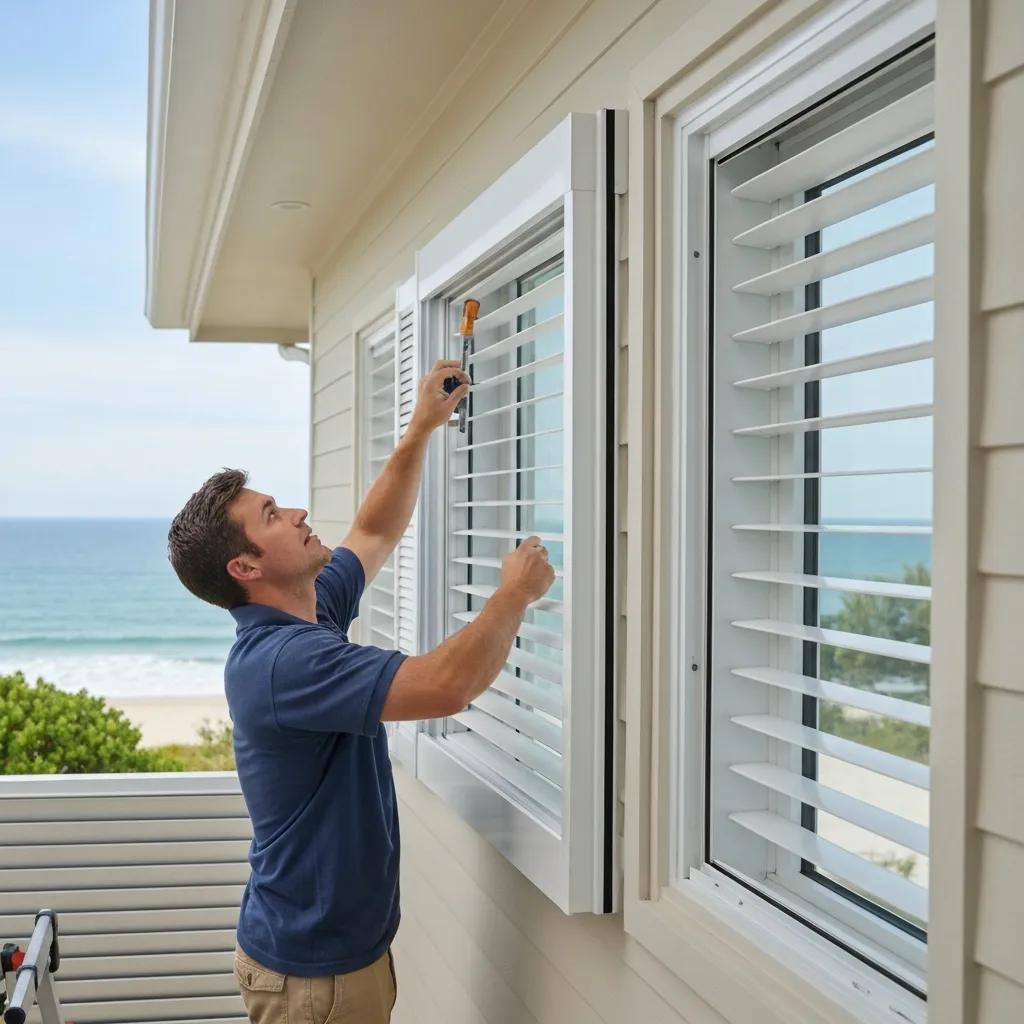
True cost‚Äëeffectiveness comes from comparing upfront price, installation labor, and long‚Äëterm maintenance. Major cost drivers include opening size, number of openings, retrofit vs. new construction complexity, local wind‚Äëzone requirements, and engineered attachment needs that add labor and materials. A practical approach: compare per‚Äëopening accordion shutter quotes with per‚Äësquare‚Äëfoot impact window pricing, then annualize maintenance and expected replacement to calculate lifecycle cost per year. The table below isolates purchase, installation, and typical maintenance/yearly costs so you can visualize differences between accordion shutters and impact windows.
What Is the Installation Cost for Accordion Shutters vs. Impact Windows?
Installation differs because accordion shutters are often less invasive to fit on existing openings than full‚Äëframe window replacements; both systems, however, require secure attachment to resist design pressures. Shutter installs include track mounting, jamb reinforcement, anchors, and labor to fit panels to nonstandard openings. Impact window installs require removal of old frames, setting new reinforced frames, glazing work, sealing, and sometimes structural adjustments for thicker frames. Retrofits typically add labor, permit work, and engineered‚Äëattachment documentation. Ask for itemized estimates that separate materials, labor, and any required DP documentation so you can compare apples to apples.
How Do Maintenance and Replacement Costs Differ Between the Two?
Accordion shutters need periodic track lubrication, seal inspection and replacement, occasional panel repair after impacts, and corrosion checks in salt air — work that routine servicing can manage. Impact windows usually need less frequent maintenance (sealant and frame checks), but if glazing or a frame fails the repair can be costly because the system is integrated. Annualized examples often show smaller recurring shutter upkeep but higher one‑time replacement risk for windows. Weigh these maintenance patterns against expected lifespan and local salt‑air and storm exposure when calculating lifecycle cost.
What Are the Benefits and Drawbacks of Accordion Shutters vs. Impact Windows?
Your choice depends on priorities: durability, security, energy performance, aesthetics, cost, and how much effort you’ll put into operation. Accordion shutters offer visible, deployable protection, rapid closure for large openings, and straightforward retrofits, but they change the look of a home when closed and require homeowner action. Impact windows give passive, always‑on protection, preserve daylight and curb appeal, and often improve energy performance, but they cost more up front and can be pricier to repair after severe damage. The short table below highlights key performance tradeoffs to help homeowners evaluate value.
How Do Accordion Shutters Perform in Durability and Security?
Accordion shutters stop windborne debris using interlocking panels and anchored tracks that transfer loads into the structure. Material choices — such as marine‑grade aluminum and corrosion‑resistant fasteners — influence how long they last in salt air. Anchors and lock designs affect forced‑entry resistance; deployed shutters create a visible, physical barrier that deters casual intrusion when engineered correctly. Corrosion protection is especially important in coastal NC/SC: specifying 18‑8 stainless steel fasteners and documented design‑pressure compliance improves resilience and reduces long‑term repair risk.
What Are the Energy Efficiency and Aesthetic Differences?
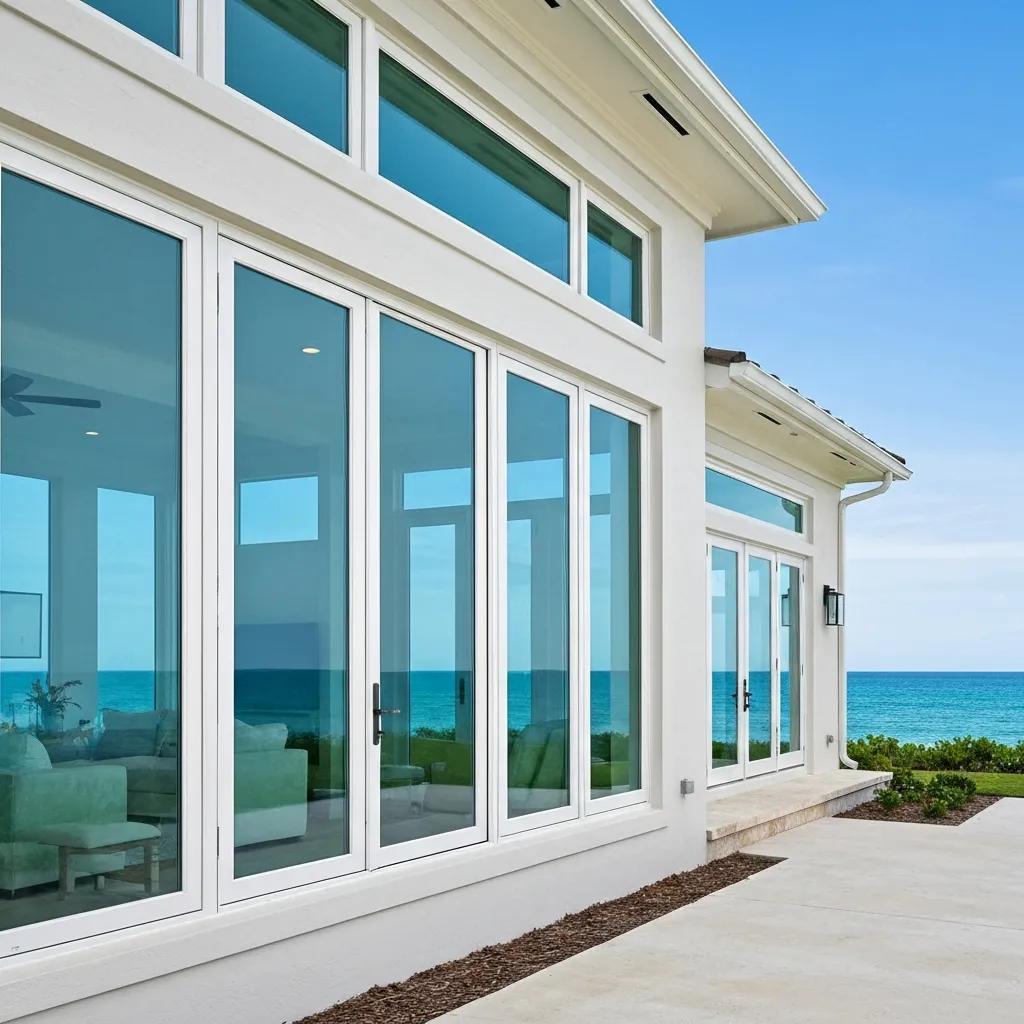
Impact windows improve thermal performance (U‑factor) and solar heat gain control (SHGC), delivering continuous insulation benefits that can cut HVAC demand and enhance comfort year‑round. Accordion shutters provide shading and modest insulation when closed, but they’re typically used only during storms, so their energy value is intermittent. Aesthetically, impact windows maintain architectural lines and support resale, while shutters offer stylistic options (colonial, Bahama, etc.) but change a home’s appearance when deployed. Match your aesthetic priorities to performance and budget to determine which system delivers better lifecycle value for your coastal setting.
Which Hurricane Protection Solution Offers Better Value for Coastal Homes?
Value depends on opening sizes, how often storms occur, local code requirements, potential energy savings, and the availability of experienced installers who understand regional wind zones and corrosion issues. Accordion shutters often make financial sense for very large openings and when lower upfront cost and quick deployment matter most. Impact windows generally offer stronger lifecycle value if passive protection, energy savings, and curb appeal drive resale value. Insurance incentives and code documentation also affect ROI — engineered, code‑compliant installs can ease insurance underwriting and verify performance. The table below maps local value drivers so coastal homeowners can align choices with their priorities.
How Do Accordion Shutters Meet Florida Building Code and Storm Standards?
When manufactured and installed to certified test ratings and paired with a Design Pressure Analysis that confirms attachment adequacy for the local wind zone, accordion shutters can meet or exceed regional storm standards. Ask for DP ratings, product approvals, and test certificates that show code compliance, and request installation documentation listing fastener type and spacing. Proper certification and engineered attachment help with insurance underwriting and liability by proving the installed system performs to required pressure ratings. Verifying credentials before you buy ensures the system meets code and delivers expected protection.
What Are the Local Service and Installation Advantages in Coastal NC/SC?
Local installers bring practical benefits: they know regional wind maps, common framing details, and corrosion mitigation strategies for salt‑laden environments, which reduces surprises and long‑term maintenance. Nearby service teams can respond quickly after a storm or for warranty callbacks, and local contractors can show references and documented installations in similar conditions. Vet contractors for engineered installation experience, evidence they use corrosion‑resistant fasteners like 18‑8 stainless steel, and a clear scope and timeline — these qualities often matter more than the lowest bid when it comes to long‑term value.
How Can Homeowners Estimate Costs and Get Professional Advice?
Accurate estimates start with measured data and clear input about exposure, opening sizes, and the protection level you want. Key inputs include window and door measurements, orientation and exposure (for example, windward sides), whether the project is a retrofit or new construction, and material/finish choices that affect corrosion resistance. Use cost calculators for preliminary ranges and bring photos and dimensions to site visits for precise quotes. The checklist below shows the information installers typically request and speeds up the estimating process.
- Measure each opening: Record width and height for every window and door you want protected.
- Document exposure: Note orientation, nearby obstructions, and elevation relative to the shore.
- Photograph installation areas: Provide clear images of frames, trim, and interior/exterior conditions.
Preparing these items ahead of a site visit reduces estimation error and shortens on‚Äësite time. The next section explains where to find free estimates and what common calculators ask for.
Where to Find Free Estimates and Cost Calculators for Hurricane Protection?
Many reputable providers and local installers offer free estimates and interactive cost calculators that return price ranges based on inputs like opening count, average size, and product type. Calculators typically ask for the number of openings, approximate dimensions, desired protection (accordion shutters, roll‚Äëdown, impact windows), and project location to factor in regional wind zones; they give ranges rather than final bids. Preparing measurements, photos, and notes about retrofit complexity improves accuracy and speeds up follow‚Äëup site quotes. For a practical first step, American Hurricane Shutters provides a free estimate and a cost calculator you can use to get an initial range and schedule a site visit.
What Should You Expect from Expert Installation Services?
Expert installation begins with a site assessment that verifies openings, framing conditions, and design pressure requirements. Deliverables should include a written proposal, DP analysis or product approvals, and a clear list of fasteners and anchors used for attachment. Typical timelines depend on project size but include measurement, fabrication (if needed), installation, and final inspection; installers should leave maintenance instructions and warranty paperwork. Expect documentation of anchor type and fastener material (corrosion‚Äëresistant options for coastal properties), any permit support, and proof of compliance with applicable storm standards. Ask for references, sample documentation, and a maintenance schedule to ensure the system will meet performance expectations and hold long‚Äëterm value.
What Are Alternative Hurricane Protection Options Compared to Accordion Shutters and Windows?
Besides accordion shutters and impact windows, you can consider roll‑down shutters, Bahama and colonial styles, storm panels, and hurricane screens. Each option has tradeoffs in cost, convenience, and protection level. Roll‑down shutters offer fast deployment and can be automated (at a higher cost); Bahama and colonial shutters add architectural style while providing protection. Panels and screens are budget‑friendly but require storage and manual installation or offer limited impact resistance, so they’re often chosen for seasonal or rental properties. The subsections below explain when each alternative makes sense.
How Do Roll-Down and Bahama Shutters Compare in Cost and Benefits?
Roll‚Äëdown shutters deliver automated convenience and strong protection; motorized units add upfront cost but reduce manual effort for frequent use, while manual roll‚Äëdowns are a middle ground. Bahama shutters hinge out and provide shading plus moderate storm protection; colonial shutters give a traditional look and solid panel protection when closed. Cost differences come from automation, material grade, and installation complexity: roll‚Äëdown systems sit at the higher end, Bahama/colonial styles are mid‚Äërange, and accordion shutters remain competitive for very large openings. Match automation needs, frequency of use, and architectural preferences to your budget when choosing.
When Are Hurricane Screens or Panels a Better Choice?
Hurricane screens and storm panels work well when budget is the top priority, openings are irregular, or seasonal protection is acceptable and storage is available. Panels give strong impact resistance but require storage and can be labor‚Äëintensive to deploy; screens offer airflow and insect protection but limited impact resistance, suitable for lower‚Äërisk areas. These options fit rental or seasonal homes where owners trade continuous protection for lower capital expenditure, but be mindful of their limits compared with permanent shutters or impact windows.
- Panels and screens are lower‚Äëcost alternatives that suit specific needs and budgets.
- Deployable systems require storage and labor, which add hidden lifecycle costs.
- Permanent systems (impact windows, fixed shutters) often provide higher resale and insurance value despite higher upfront expense.
Choosing the right alternative depends on storm frequency, occupancy, storage capacity, and long‚Äëterm goals; weigh these factors with the lifecycle comparisons above to find the right fit for your coastal home.
Frequently Asked Questions
1. What are the main differences in energy efficiency between accordion shutters and impact windows?
Accordion shutters offer limited energy benefits — mainly shading when closed — and are typically used only during storms, so their insulation is intermittent. Impact windows provide continuous thermal performance through laminated glazing and better U‑factor/SHGC ratings, which lower HVAC demand year‑round. For steady energy savings, impact windows are usually the better choice.
2. How do insurance premiums vary between homes with accordion shutters and those with impact windows?
Insurance premiums can vary. Impact windows often qualify for better discounts because they provide continuous protection and are straightforward to document as code‑compliant. Accordion shutters can also reduce premiums if they’re properly installed and documented, but available discounts depend on insurer requirements and the installer’s certification. Check with your carrier for specifics.
3. What factors should homeowners consider when choosing between accordion shutters and impact windows?
Key factors include opening size and count, budget, desired appearance, storm frequency, and how much effort you want to spend deploying protection. Also consider installation complexity, maintenance expectations, energy savings, and potential insurance or resale benefits. Consulting experienced local installers and verifying code compliance will help you make an informed choice.
4. Are there any specific maintenance requirements for accordion shutters and impact windows?
Yes. Accordion shutters need periodic track lubrication, seal inspections, and corrosion checks, especially in coastal environments, plus panel repairs after impacts as needed. Impact windows require less frequent upkeep — primarily sealant and frame inspections — but glazing or frame repairs can be costly. Regular maintenance keeps both systems performing over time.
5. How do local building codes affect the installation of accordion shutters and impact windows?
Local codes set required design pressure ratings and acceptable installation methods so systems can withstand local wind and impact conditions. Verify that products meet or exceed those standards and that installers are familiar with regional regulations. Code‚Äëcompliant installations not only improve safety but can also affect insurance and property value.
6. What are the aesthetic considerations when choosing between accordion shutters and impact windows?
Impact windows maintain a home’s architectural lines and curb appeal, which supports resale. Accordion and other shutters come in various styles and can complement a home, but they change the look when deployed. Consider how each option fits your home’s style and resale goals when deciding.
7. Can accordion shutters and impact windows be combined for enhanced protection?
Yes. Many homeowners install impact windows for continuous protection and energy savings and add accordion shutters for extra security or rapid deployment during severe storms. If you combine systems, ensure compatibility and that both meet local building codes to maximize safety and effectiveness.
Conclusion
Deciding between accordion shutters and impact windows comes down to your priorities: quick deployment and lower upfront cost for large openings, or passive protection, energy savings, and curb appeal for a higher upfront investment. Understanding lifecycle costs, maintenance needs, local codes, and installer expertise will help you choose the most cost‚Äëeffective solution for your coastal home. For tailored guidance and local pricing, reach out to experienced professionals in your area.
