
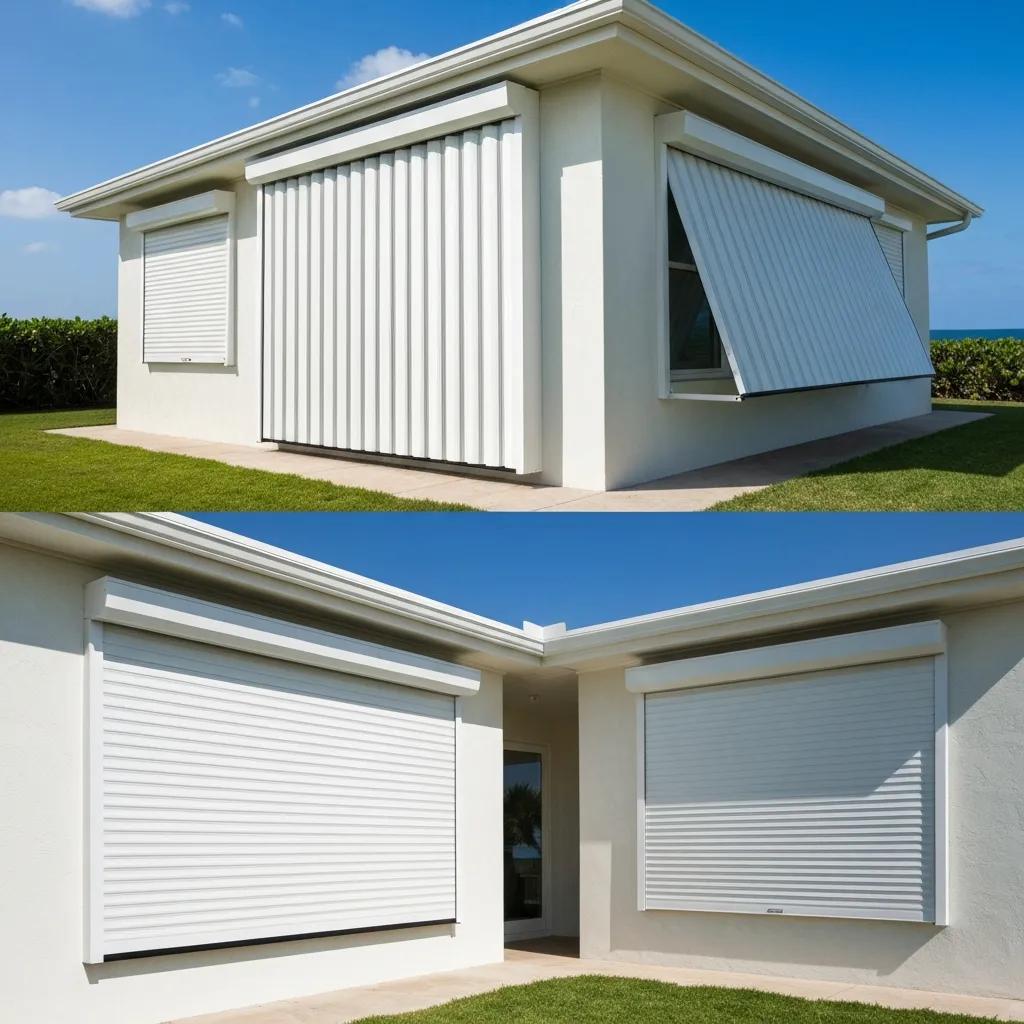
Accordion vs. Roller Shutters: Which Protects Your Home Better from Hurricanes and Break‚ÄëIns?
Accordion and roller (roll‑down) shutters are two common storm‑protection systems for coastal homes, each balancing cost, convenience, and performance in different ways. Accordion shutters are fixed, folding panels mounted at openings for quick manual closure. Roller shutters use interlocking slats that roll into a headbox and can be manual or motorized for a cleaner look and, when specified correctly, higher tested performance. Below we explain how each system works, compare protection, durability, cost, usability, aesthetics, and secondary benefits like security, energy savings, and noise reduction — all geared to homeowners along coastal North Carolina and South Carolina. You’ll find clear technical comparisons, side‑by‑side tables for impact and wind resistance, representative cost ranges, practical deployment tips, and local considerations for building codes and insurance. Use our hurricane shutter cost calculator and request a free estimate to move from research to a site‑specific plan.
What Are Accordion Shutters and Roller Shutters?
Accordion shutters are permanently mounted, interlocking folding panels that slide sideways across an opening to form a robust, manually closed barrier. They rely on vertical tracks and locking hardware to resist wind pressure and flying debris without motors or housings. Roller shutters, also called roll‑down shutters, are made of slats that roll up into a header housing; they can be operated by crank or motor and — when built with heavier slats and reinforced tubes — frequently achieve higher impact and design pressure (DP) ratings. Both systems are types of hurricane protection and include components such as slats, tracks, motors, and locks that determine long‑term performance in coastal settings.
What Are the Key Features of Accordion Shutters?
Accordion shutters are commonly extruded aluminum panels that fold on vertical tracks anchored to the window frame or wall, offering a ready‑to‑use barrier you close by hand. Their strength is simplicity: few moving parts, no motors, and mechanical latches that keep servicing needs low for many homeowners. In salty coastal air, finish systems and fastener choice matter — marine‑grade coatings and stainless hardware extend service life. Accordion systems are often chosen for large openings where side‑to‑side deployment is fast and dependable, and their visible presence provides year‑round, low‑maintenance protection.
Hurricane Risk and Coastal Property Owner Choices: Mitigation Measures
Examples of mitigation measures that can reduce hurricane damage include storm shutters, strengthened garage doors, and roof strapping.
Hurricane risk and coastal property owner choices, CF Dumas, 2011
How Do Roller Shutters Work and What Are Their Main Characteristics?
Roller shutters close by lowering a curtain of interlocking slats into place from a headbox mounted above the opening. They operate by manual crank or electric motor controlled by switches or remotes. The roller tube, slat gauge, and motor specification determine strength — heavier gauges and reinforced tubes improve wind and impact resistance and help with thermal and acoustic performance when insulated slats are used. Motorized systems add speed and convenience and should include manual override and backup power options for outages. When retracted, roll‑down shutters are largely concealed, which preserves daylight and views until you need protection.
How Do Accordion Shutters and Roller Shutters Compare in Protection and Durability?

Both accordion and roller shutters can meet hurricane protection standards, but they differ in tested ratings, sensitivity to installation details, and long‚Äëterm corrosion resistance in salt air. Roller shutters often post higher impact and DP results because the continuous curtain transfers loads into a reinforced roller tube and end supports. Accordion systems perform very well in many wind zones but depend more on track integrity and anchorage. Correct product specification, certified testing, and professional installation are the deciding factors for code compliance and long‚Äëterm durability in coastal NC and SC homes.
Which Shutter Type Offers Better Wind and Impact Resistance?
Roller shutters typically deliver higher wind and impact resistance when specified with heavier slats and reinforced rollers, and many tested roll‑down assemblies show stronger DP/impact numbers. Accordion shutters still provide solid protection, especially with heavy‑gauge panels and stainless fasteners, but their real‑world performance depends on secure anchorage and well‑installed tracks. Always match certified test reports to your local wind zone and insist on installer documentation — a rated product installed correctly outperforms an uncertified system or DIY retrofit every time.
Overview of what the protection comparison table shows and how to read it.
The table shows both systems can be code‚Äëcompliant, but they reach protection in different ways. Prioritize certified ratings and experienced installers. Next, consider materials and coastal durability.
What Are the Material Differences Affecting Longevity and Security?
Finishes and fasteners determine how long shutters hold up in salt air. Anodized or powder‑coated aluminum and stainless‑steel fasteners resist corrosion best. Roller slats can be hollow or insulated — insulated slats add stiffness and R‑value — while accordion panels have fewer sealed cavities but depend on edge seals and gaskets to prevent corrosion pockets. Warranty terms, finish systems, and replaceable components (like sacrificial slat sections) affect long‑term maintenance costs. Regular inspections, lubrication, and seal checks extend service life and lower the chance of a mechanical failure when you need protection most.
What Is the Cost Difference Between Accordion and Roller Shutters?
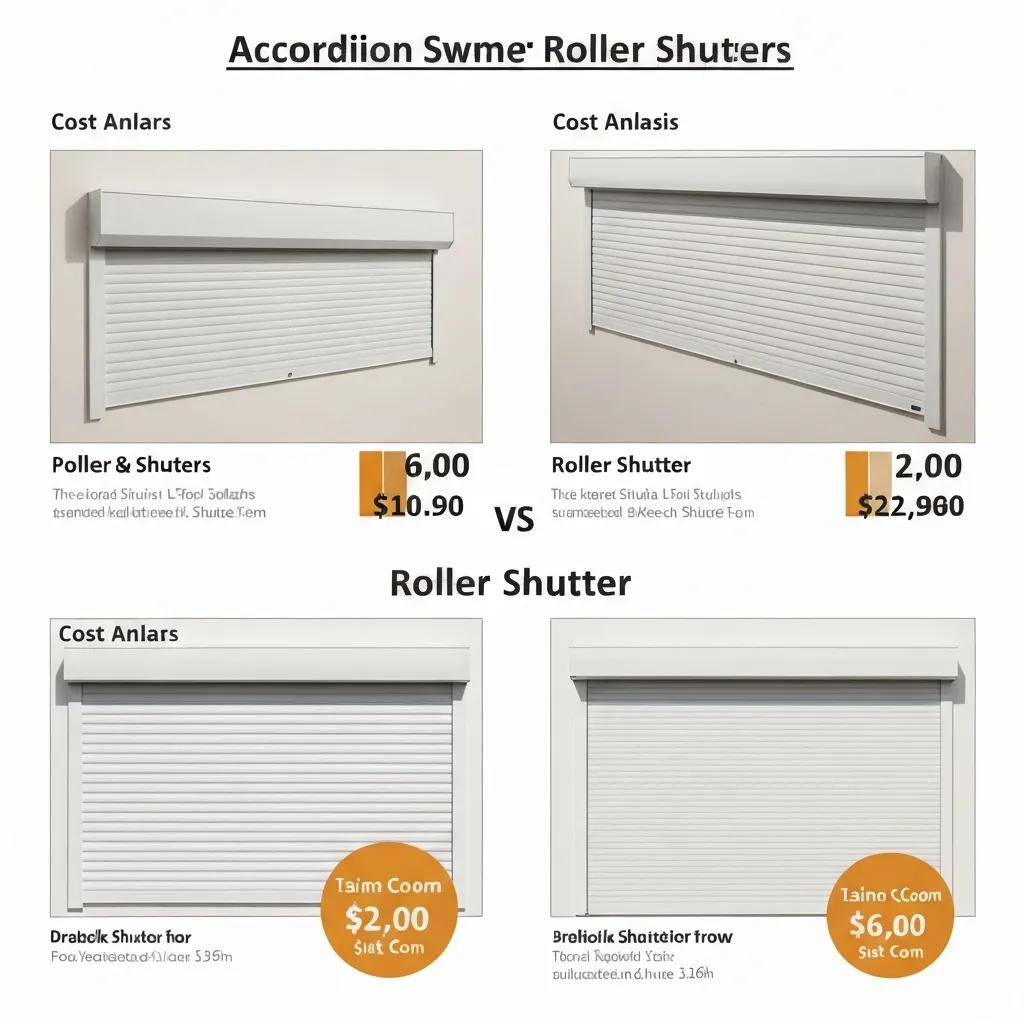
Accordion shutters generally cost less per opening than motorized roller shutters, but total installed price depends on the number and size of openings, retrofit complexity, and whether you add motorization. Roller systems span a wider price range because slat gauge, insulation, and motor options vary. Motorization raises the initial cost but can deliver convenience and potential energy or security benefits over time. When evaluating value, include material and labor, motor service or replacement, and likely impacts on insurance and resale in coastal NC and SC. The table below breaks out typical ranges to help you budget.
How the cost table can help you create a realistic budget for your home.
The table highlights that roller shutters can cost more, especially with motorization, while slat gauge and insulation choices shift both price and long‚Äëterm benefit. To turn these ranges into a tailored budget, try our cost calculator and request a free on‚Äësite estimate.
How Does Installation Cost Vary for Accordion vs Roller Shutters?
Installation cost depends on opening size and count, retrofit complexity, and whether structural reinforcement or permits are required. Older homes often need more labor to align tracks, reinforce frames, or alter trim, which raises costs compared with new construction installations. Motorized roller systems add electrical work, wiring, and possible backup power, increasing initial expense and future maintenance. Factor in permit fees, any required anchorage upgrades, and the advantage of certified installation — it’s an investment in long‑term performance and code compliance.
What Are the Long-Term Value and Maintenance Costs for Each Shutter Type?
Accordion shutters have fewer moving parts and typically lower routine maintenance costs, though track wear, seal replacement, and corrosion checks are expected. Roller shutters — especially motorized models — need motor servicing, limit switch calibration, and occasional battery or backup power upkeep, which raises lifetime service costs versus manual systems. Warranty coverage, easy part replacement, and a clear maintenance plan influence total cost of ownership. When comparing 10‑ to 20‑year costs, include routine service, component replacement, and any motor or control upgrades.
Which Shutters Are More Convenient and User-Friendly?
Convenience comes down to deployment speed, motor options, storage profile, and emergency operation. Roller shutters offer fast, motorized deployment and tuck away in a headbox, making them appealing if you want minimal visual impact and hands‑free protection. Accordion shutters provide reliable manual operation without electricity — a benefit if you prefer a simpler, fail‑safe solution. Household makeup matters: motorized systems help accessibility, while manual accordion panels reduce mechanical complexity and maintenance points.
Are Motorized Roller Shutters Worth the Investment?
Motorized roller shutters add real convenience — one‑button deployment and remote control — but you should weigh that against motor lifespan, maintenance needs, and backup power requirements. For seniors, people with mobility limits, or families who want the fastest possible protection, motorization is often worth the extra cost. Some insurance and resale factors may offset part of that expense depending on local policies. Choose systems with manual override and battery backup to keep them working during outages and protect your investment.
How Easy Is It to Deploy and Store Accordion Shutters?
Accordion shutters slide along tracks and lock with simple mechanical latches, offering predictable, quick manual closure for most openings. With practice and a family plan, deployment is fast under storm timelines. When retracted, panels sit alongside the opening and remain visible — there’s no hidden housing to access, which simplifies readiness but affects aesthetics compared with concealed roller boxes. Train household members on the deployment sequence and lock checks so everyone can close shutters correctly when time is short.
How Do Accordion and Roller Shutters Compare in Aesthetics and Home Design?
Appearance depends on retracted profile, visible hardware, finish options, and how the system fits your home’s architecture. Roller shutters can be hidden in headboxes and finished to match the facade, preserving daylight and views when open. Accordion shutters are visible year‑round and can be treated as an architectural element — many homeowners powder‑coat or paint them to blend with trim and siding. Balance curb appeal, local neighborhood style, and how comfortable you are with a permanent protective feature when choosing a design path.
What Are the Design and Visibility Differences When Shutters Are Retracted?
Retracted roller shutters sit in a discreet housing above the opening, keeping sightlines and daylight intact and suiting modern facades. Retracted accordion shutters remain beside the window and present a constant protective presence that can be softened with trim or matching finishes — an advantage for those who prefer a visibly storm‑ready look. Consider how often you want unobstructed views versus a permanent visual reassurance of protection, and request photos and samples to see how each option works with common coastal styles.
Can Both Shutter Types Be Customized to Match Home Styles?
Yes. Both systems offer color options, textured coatings, and trim choices. Roller housings can be concealed or integrated into soffits, and accordion shutters are typically powder‚Äëcoated or painted to match trim and siding. Custom finishes may affect lead times, costs, and warranty coverage, so document any non‚Äëstandard choices with your installer. Traditional coastal cottages often suit visible accordion solutions, while modern or historic‚Äësensitive homes may prefer concealed roller options. Review design samples and finish warranties before you finalize selections.
Which Shutter Type Provides Better Security, Energy Efficiency, and Noise Reduction?
Both shutter types improve security, energy efficiency, and sound control, but they do so differently. Roller shutters with tight seals and insulated slats deliver measurable R‚Äëvalue and acoustic benefits, while accordion shutters provide a strong, visible physical barrier that deters intruders. Forced‚Äëentry resistance depends on material gauge, locking hardware, and anchorage more than style alone. The table below summarizes typical secondary benefits so you can compare expected performance.
How to read the security, efficiency and acoustic comparison table.
Roller shutters usually provide greater insulation and acoustic damping when insulated slats are chosen, while accordion shutters give strong physical security and clear visual deterrence. After you review these benefits, installation and a maintenance plan are the practical next steps; American Hurricane Shutters installs both accordion and roll‚Äëdown systems and offers product pages and a maintenance guide for customers.
How Do Accordion and Roller Shutters Enhance Home Security and Privacy?
Both types strengthen security by forming a continuous barrier that resists forced entry and blocks interior sightlines. Accordion shutters use mechanical latches and slide bolts, while roller shutters rely on bottom‚Äëbar locks and, when motorized, motor interlocks; either system can be tied into alarm systems for added protection. Material gauge, lock quality, and anchorage drive resistance to prying or impact. For homeowners focused on security, specify reinforced panels/slats and high‚Äëquality locks and have a professional installer document the work.
What Are the Energy Savings and Noise Reduction Benefits of Each Shutter?
Insulated roller shutters reduce heat transfer and can lower cooling load during peak sun exposure, giving modest R‑value improvements in hot, humid coastal climates. Accordion shutters block drafts and provide shade but usually offer smaller R‑value gains since they aren’t typically insulated; their tight fit still reduces convective losses when closed. For noise, insulated roller slats with good seals typically provide more dB reduction than accordion panels, though both improve interior acoustic privacy relative to unprotected windows.
How to Choose Between Accordion and Roller Shutters for Your Coastal Home?
Choosing the right system means balancing exposure, budget, deployment needs, and design preferences while checking local code and insurance implications for coastal North Carolina and South Carolina. Start with a prioritized checklist considering wind zone, storm frequency, mobility needs, visual goals, and whether motorization matters. Review certified test data, permitting requirements, and potential insurance impacts. The decision checklist below helps you narrow options before requesting an estimate or scheduling an onsite evaluation.
Use this decision checklist to organize priorities before you request an on-site quote.
- Assess Exposure: Identify your local wind zone and storm frequency to select appropriately tested protection.
- Set a Budget: Balance upfront cost per opening with desired features like motorization or insulated slats.
- Prioritize Convenience: Pick motorized roller shutters for fast deployment or accordion shutters for simple manual reliability.
- Match Aesthetics: Choose profiles and finishes that fit your home and neighborhood character.
- Confirm Code & Insurance: Verify certified product ratings for permitting and potential insurance savings.
With these priorities set, the logical next step is a site‚Äëspecific estimate and design plan.
What Factors Should Coastal NC and SC Homeowners Consider?
Consider local exposure, wind zone, salt‑air corrosion risk, building code requirements, permit processes, insurance impacts, and resale preferences when choosing shutters along the NC and SC coasts. Material choices — especially coatings, sacrificial fasteners, and stainless components — reduce corrosion and extend service life. Certified testing and documented compliance help with permits and may influence insurance underwriting. Also plan for installation logistics like access to elevations, retrofit complexity, and coordination with other trades to avoid delays or unexpected costs.
How Can American Hurricane Shutters Help You Decide and Get a Free Estimate?
American Hurricane Shutters offers tools and local expertise to turn your checklist into a practical plan. Use our hurricane shutter cost calculator and request a free consultation and estimate. We install both accordion and roll‑down systems across coastal North Carolina and South Carolina — including Wilmington, Myrtle Beach, Oak Island, Topsail, New Bern, and Pawleys Island — and we’ll match certified products to local wind zones and permit needs. A free site visit connects your protection goals, budget, and design preferences to a compliant product recommendation and installation timeline.
Frequently Asked Questions
What Maintenance Is Required for Accordion and Roller Shutters?
Both systems need regular upkeep to stay reliable. Accordion shutters typically benefit from an annual check of tracks, seals, and locks to spot corrosion or wear. Roller shutters — especially motorized models — should have motors and electrical components inspected every 3–5 years, plus routine seal checks. Keep a maintenance log and follow manufacturer guidance to avoid costly repairs and ensure the shutters perform when a storm arrives.
How Do I Choose the Right Shutter for My Home?
Pick a shutter based on your wind exposure, budget, and aesthetic preferences. Start by assessing storm frequency and the level of protection you want. Decide between manual and motorized operation and consider the visual impact on your home. A professional installer can advise on local code requirements and recommend certified products that meet both safety and design goals.
Can I Install Accordion or Roller Shutters Myself?
Although some homeowners attempt DIY installation, we generally recommend a certified professional. Proper installation is critical to meet local building codes and ensure effective storm protection. Professionals handle structural anchorage, electrical work for motorized systems, and permit documentation — helping avoid mistakes that could cost more over time.
What Are the Insurance Implications of Installing Shutters?
Installing certified hurricane shutters can lower homeowner insurance premiums because they reduce storm risk. Many insurers offer discounts for certified systems, but you must inform your provider and keep installation documentation. Product test reports and installer certificates help with claims and underwriting, so retain all paperwork after installation.
How Do Shutters Affect Home Resale Value?
Hurricane shutters can boost resale value by adding security and storm protection that appeals to coastal buyers. The resale benefit depends on shutter type, appearance, and how well the system integrates with the home’s design. Talk to a local real estate agent to understand how shutters influence value in your specific market.
What Are the Environmental Considerations for Shutter Materials?
Aluminum is common for its durability and corrosion resistance in coastal climates. Look for eco‑friendly coatings and finishes when possible. Insulated roller shutters can also improve energy efficiency by reducing heat transfer and lowering cooling loads. Choosing durable, recyclable materials and energy‑saving options benefits the environment and your home’s performance.
Are Rolling Shutters Better Than Accordion Shutters?
“Better” depends on your priorities. Roller shutters win when you want motorized convenience, higher tested DP/impact ratings, and a concealed housing. Accordion shutters are preferable for lower upfront cost, simple manual operation, and a permanently visible protective element. Match the system to your exposure, budget, and family needs rather than assuming one style is universally superior. Reviewing certified ratings and installation practices will show which system fits your property.
Which Hurricane Shutters Are Easiest to Use?
Motorized roller shutters are the easiest day‑to‑day option — one button or remote closes all openings quickly, which helps households with mobility limits. Manual accordion shutters are simple and reliable without electrical dependence. Both systems can be user‑friendly with the right features: remote controls and backups for rollers; ergonomic latches and clear deployment steps for accordions. Plan for backup power on motorized systems and practice deployment so everyone knows what to do in an emergency.
What Is the Cost Difference Between Accordion and Roll-Down Shutters?
Accordion shutters typically have a lower baseline cost per opening than roll‚Äëdown systems; motorized roll‚Äëdown shutters add a separate premium for motors and controls. Final pricing depends on opening size, slat gauge, insulation, and installation complexity. Use a cost calculator with your window counts and options to model scenarios, then request a free estimate to verify site‚Äëspecific conditions and firm up your budget.
Do Both Shutter Types Meet Hurricane Protection Standards?
Yes. Both accordion and roller shutters can meet hurricane protection standards when manufactured to certified test procedures and installed per code and manufacturer instructions. The critical steps are selecting products with appropriate DP and impact ratings for your wind zone and working with certified installers who document compliance for permits and insurance.
Which Shutters Provide Better Security for Homes?
Both improve security. Roller shutters with reinforced, insulated slats and secure bottom‑bar locks often resist forced entry effectively and integrate well with motor interlocks; accordion shutters provide a strong visible barrier with robust latches. Lock quality, material gauge, and anchorage matter more than style alone — choose higher‑grade hardware and a professional install for the best protection. For maximum security, consider alarm integration and motorized systems with tamper detection plus manual override.
- Regular Maintenance Tasks: Inspect tracks, lubricate moving parts, and check seals annually for corrosion and wear.
- When to Service Motors: Schedule motor checks every 3–5 years or per manufacturer guidance to ensure reliable operation.
- Documentation: Keep installation and test certificates for permits and insurance benefits.
This guide lays out the technical comparisons, cost transparency, checklists, and local considerations you need to choose between accordion and roller shutters for coastal prope
