
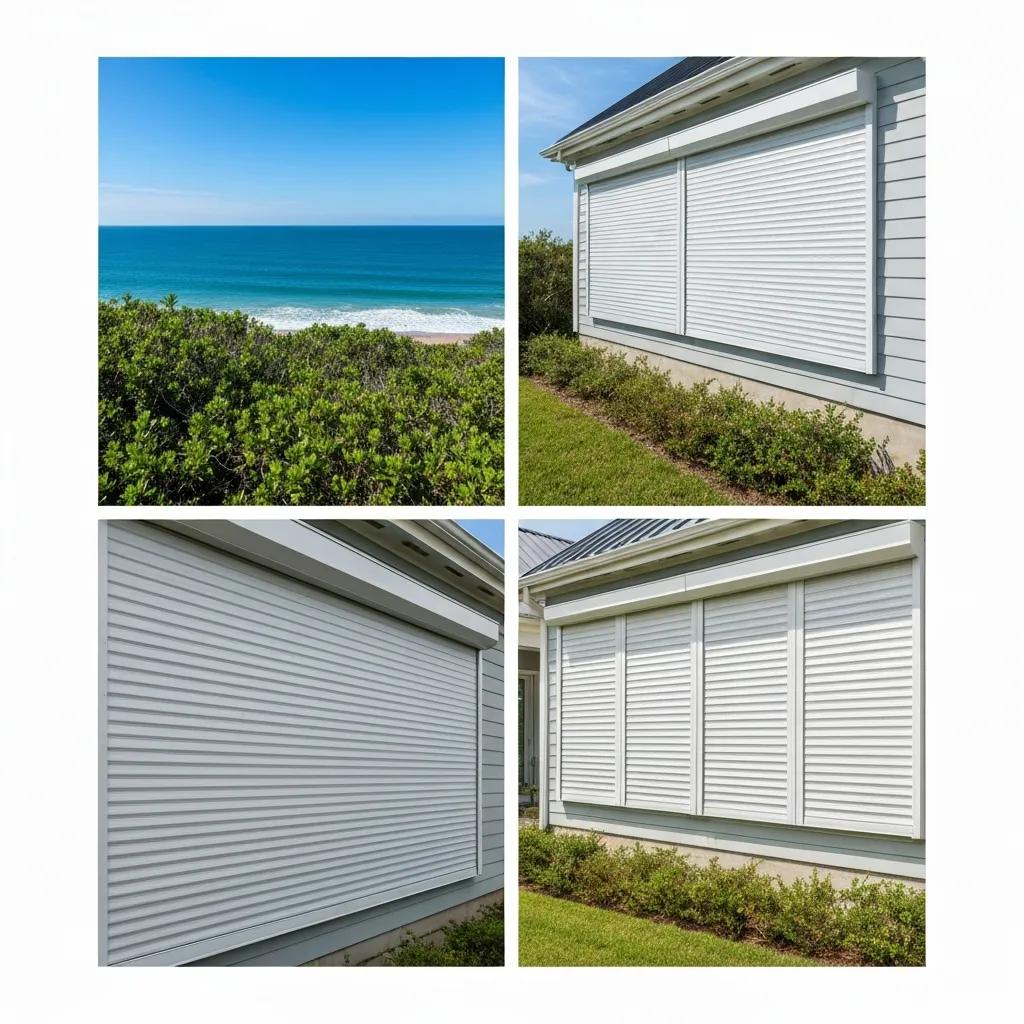
Accordion Shutters vs Roll-Down Shutters: Which Is Better for Coastal Carolina Homes?
Hurricane shutters are one of the smartest investments a Coastal Carolina homeowner can make. They cut wind and debris damage, boost security, and often help resale value. This guide walks you through how accordion and roll-down shutters work, what materials and installation practices matter in salt-air conditions, what to expect for cost and maintenance, and how each choice can affect energy use and insurance in coastal North and South Carolina. We focus on protection, convenience, and long-term value—then point out the factors that change our recommendation: budget, exposure, motorization, and aesthetics. Each H2 section below defines the system, explains operation, lists pros and cons, and gives actionable decision points. Later sections cover installation steps, maintenance checklists, and typical impacts on energy bills and insurance. Read the side-by-side breakdown to see which shutter fits your property, then request a free estimate or quote when you’re ready.
What Are Accordion Shutters? Features, Benefits, and Drawbacks

Accordion shutters are fixed, hinged panels that fold together and slide along vertical tracks to cover windows and doors. You pull the panel across the opening and latch it in place—creating a continuous barrier against wind-borne debris. That folding, interlocking design makes accordion shutters especially useful for long spans like patio doors and wide openings. Most are made from marine-grade aluminum with protective coatings to resist coastal corrosion; the longevity of the system depends heavily on quality fasteners and track anchors in salt-air conditions. Because they’re simple and manual, accordion shutters remain a popular, budget-friendly choice for many Coastal Carolina homeowners who want quick, reliable protection.
The tracks for accordion shutters stay visible when retracted, which is fine for homeowners who accept a visible footprint in exchange for low-maintenance, tool-free deployment. Installation typically starts with secure header and side-track mounting, then panel alignment and fastening with corrosion-resistant hardware. Accordion shutters offer fast, dependable coverage for large openings, but they have limited motorization options and a more noticeable presence when not in use. That mix of speed, cost, and visibility explains why they fit many local properties.
How Do Accordion Shutters Work and What Materials Are Used?
Accordion shutters slide and fold along vertical tracks. One panel is pulled across the opening until it latches, forming an interlocked barrier that can resist projectiles and high wind pressure. Typical materials include marine-grade aluminum with powder-coat finishes to fight salt corrosion, and long-lasting performance depends on stainless or marine-grade fasteners and properly anchored tracks. Proper attachment to framing—not just siding—prevents premature failure and reduces galvanic corrosion risks in coastal climates. Well-specified accordion shutters strike a balance between lightweight operation and panel strength so they protect glass and frames while minimizing upkeep in salty conditions.
The mechanical design is straightforward, which makes accordion shutters easy for most households to use. Still, hinges, tracks, and locking pins need periodic inspection and lubrication. Because they are mainly manual systems, motor units aren’t common—so if you need remote deployment during a fast-moving storm, accordion shutters may not meet that need. For large openings where dependable manual closure and robust anchoring matter most, accordion shutters are often the recommended choice.
What Are the Key Advantages and Limitations of Accordion Shutters?
Accordion shutters are reliable and low-complexity: they’re affordable, quick to deploy by hand, and have fewer mechanical parts that can fail during storms. They’re especially attractive when budget and fast manual deployment are your priorities. On the flip side, stacked panels are visible when retracted and motorization options are limited compared with roll-down systems—an important consideration for multi-story or absentee homeowners who want remote operation. Maintenance generally centers on track cleaning, hinge lubrication, and occasional fastener checks to prevent salt-related wear and keep alignment tight.
Accordion shutters make sense when affordability and broad coverage outweigh the desire for a hidden housing or automated convenience. They perform best when installed with marine-grade fasteners and professional alignment. If minimal visual impact or automated closure is a priority, roll-down shutters may be worth the higher upfront cost. The next section explains roll-down design and operation so you can see the tradeoffs side by side.
For product specifics, code-compliant designs, and stainless-steel fastener best practices available in Coastal Carolina, review American Hurricane Shutters’ accordion shutter product offerings and request a free estimate from their cost calculator. That tool highlights professional installation and code-focused options while keeping the emphasis on helping you decide if accordion shutters suit your home.
What Are Roll-Down Shutters? Features, Benefits, and Drawbacks
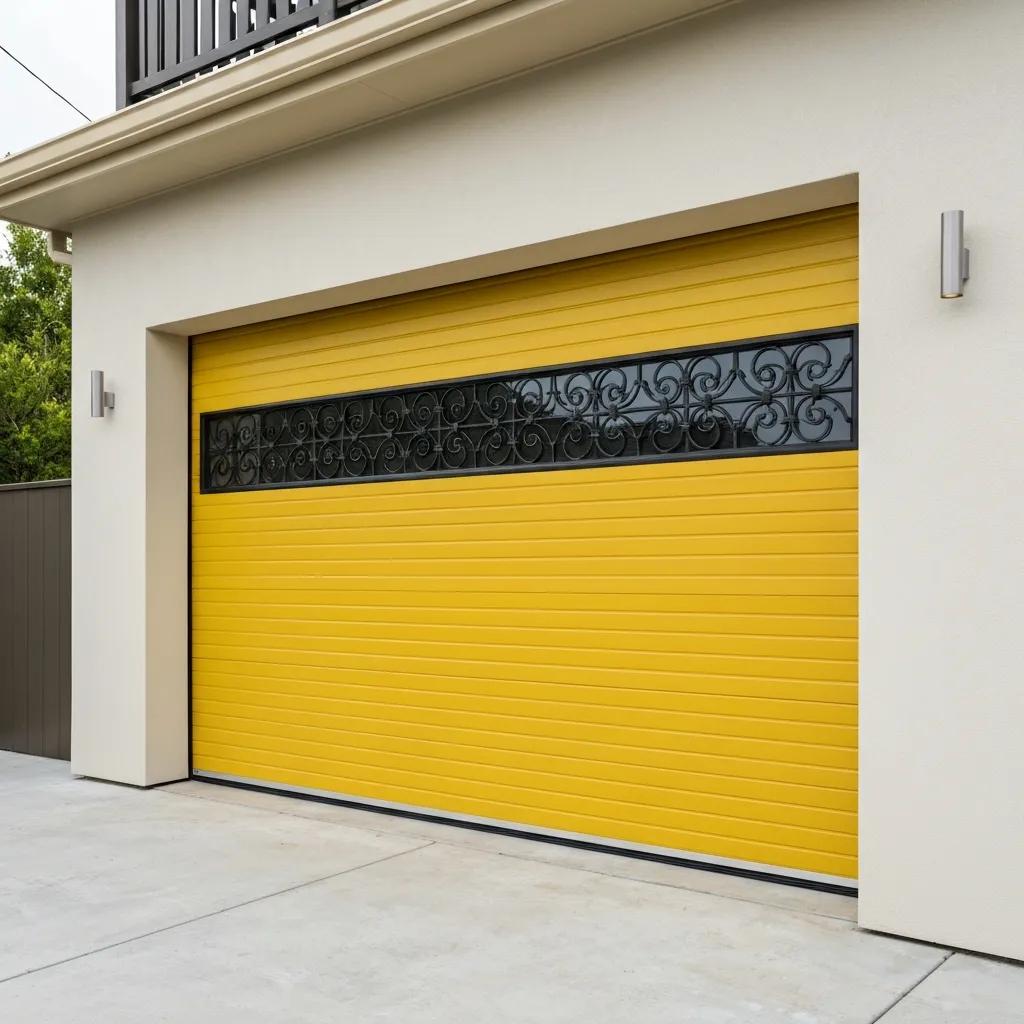
Roll-down shutters are slatted curtains that roll into a housing box above the opening and move down on guide tracks to form a continuous shield. The system includes interlocking slats, a roller tube inside a protective box, guide tracks, and either a manual crank/strap or an electric motor. That component set—slats, housing box, and motor—drives performance and convenience. Roll-downs offer strong impact resistance, tighter sealing against drafts and water, and a concealed look when retracted, which makes them a top choice for homeowners seeking year-round energy efficiency and enhanced security. The tradeoffs are higher upfront cost and the need to maintain motors and electrical components.
Roll-down shutters are available in manual and motorized versions. Motorized units add remote control and automation but introduce components that need service—motors, limit switches, and backup power sources. The concealed housing preserves curb appeal and reduces visual clutter, so roll-downs are popular when appearance and daily use matter. They also improve insulation and noise reduction. Plan for battery backup or a manual override so shutters work during power outages. The next subsection explains manual vs motorized operation and how to prepare for reliable performance during storms.
How Do Manual and Motorized Roll-Down Shutters Operate?
Manual roll-down shutters use a hand crank, strap, or push-bar to turn the roller tube so you can raise or lower the slats—simple and dependable but physically demanding for larger openings. Motorized roll-down shutters include an electric motor in the housing box that winds and unwinds the slatted curtain, enabling remote control, timers, and security-system integration; motors usually include limit switches and remotes for consistent operation. For coastal homeowners—especially renters or owners of multi-story homes—we recommend battery backup or a reliable manual override so shutters remain operable during grid outages. Choosing between manual and motorized comes down to initial cost versus convenience and automation.
Operational reliability depends on choosing quality motor units and planning redundancy: battery backups, manual override options, and scheduled motor servicing reduce failure risk during storms. Motorized systems are ideal for elderly or absentee owners who value remote operation, but those added electrical components require routine inspection and occasional parts replacement to stay dependable long term.
What Are the Main Benefits and Considerations of Roll-Down Shutters?
Roll-down shutters deliver high security, a discreet retracted profile, and improved sealing that can reduce drafts and energy use—making them the best choice when year-round comfort and automation matter. Interlocking slats resist impact and integrated locks deter intruders, while motor controls enable remote deployment—valuable in high-exposure coastal zones. Considerations include higher upfront cost, professional installation to ensure proper housing and motor setup, and routine motor and slat maintenance to prevent salt-air wear. If you choose motorized models, budget for motor servicing and backup power to ensure operation when it matters most.
When energy efficiency and concealed storage are priorities, roll-down shutters typically outperform accordion systems. But weigh the long-term maintenance budget and confirm code-compliant designs for hurricane-prone areas before committing. The next section contrasts both systems directly to help you match features to common Coastal Carolina needs.
How Do Accordion and Roll-Down Shutters Compare? Side-by-Side Analysis
Most Coastal Carolina homeowners ask the same practical question: which shutter gives the best balance of cost, coverage, and convenience? In short—accordion shutters usually win for lower-cost, wide-span manual protection; roll-down shutters shine when hidden aesthetics, motorization, and tighter sealing are priorities. Below is a focused comparison highlighting the key attributes to evaluate: cost ranges, protection level, ease of use, and maintenance. Use this to match features to your property and lifestyle.
Each shutter type carries typical tradeoffs around price, lifespan, and upkeep in coastal conditions.
What Are the Differences in Cost, Durability, and Security?
Accordion shutters generally come with a lower purchase and installation price than motorized roll-downs—reflecting simpler mechanics and manual operation. Durability depends on materials and fasteners: aluminum with corrosion-resistant coatings performs well in salt air when anchored with marine-grade stainless fasteners. Security differences hinge on slat strength and locks—roll-down shutters with interlocking slats and integrated locking typically score higher for forced-entry resistance, while accordion shutters provide solid debris protection but offer less concealment and slightly lower forced-entry resistance. Factor in maintenance, motor servicing for powered units, and how installations affect insurance premiums when evaluating long-term value.
We recommend prioritizing whether lower upfront cost or higher sealing and automation matters more for your property’s exposure and use. The next subsection compares ease of use, aesthetics, and upkeep.
How Do Ease of Use, Aesthetics, and Maintenance Compare?
If you prioritize day-to-day convenience, motorized roll-down shutters win‚Äîremote operation and automation make them easy to use. Accordion shutters provide immediate, tool-free manual deployment that‚Äôs simple and reliable. Visually, accordion shutters are visible when retracted and can alter curb appeal; roll-down shutters hide in a housing box and preserve the home’s lines. Maintenance for accordion shutters focuses on cleaning tracks, lubricating hinges, and checking fasteners; roll-down systems add motor checks, slat inspections, and housing seal reviews. These differences affect total cost of ownership: roll-downs often deliver better year-round comfort, but expect additional upkeep and occasional part replacement.
Deciding usually comes down to whether you value concealed storage and automation or prefer a lower-maintenance manual solution. The next section maps those tradeoffs to common Coastal Carolina property types.
Which Hurricane Shutter Is Best for Your Coastal Carolina Property? Key Decision Factors
Pick the right shutter by weighing four primary factors: budget, convenience (including motorization), exposure to ocean-driven winds, and aesthetic or resale priorities. If budget and wide manual coverage are most important—especially for large patio openings—accordion shutters are often the practical choice. If you want hidden housings, remote operation, or tighter sealing, motorized roll-down shutters are usually worth the additional investment. Clarifying which factor matters most will point you to the appropriate solution.
Other property details matter too. Absentee owners and multi-story properties typically benefit from motorization and backup power. Owner-occupied single-family homes with easy window access may prefer the simpler manual systems. Use the checklist below to match common situations to recommended shutter approaches.
- Budget prioritization: Choose accordion shutters for lower upfront investment and broad coverage.
- Convenience and absentee ownership: Choose motorized roll-down shutters with battery backup for remote deployment.
- Aesthetics and resale: Choose roll-down shutters to preserve curb appeal with hidden housings.
- High exposure properties: Prefer systems with certified code-compliant designs and corrosion-resistant fasteners.
Use this checklist to weigh priorities and arrive at a clear recommendation for your home. The note below highlights research tying visible hurricane features to home values.
Research shows visible features—like hurricane shutters—can affect home prices.
Visible Hurricane Shutter Features and Home Prices
Examples of visible features include roof shape of the home and existence of hurricane shutters.
The impact of hurricane mitigation features and inspection information on house prices, D Gatzlaff, 2018
For local guidance across Coastal North Carolina and South Carolina, American Hurricane Shutters offers project evaluations and a cost-estimating tool that compares accordion and roll-down options, including motorized models and documentation of code-compliant installations with stainless-steel fasteners. Their experience in Wilmington, Myrtle Beach, Oak Island, Topsail, New Bern, and Pawleys Island helps balance protection, curb appeal, and insurance considerations when recommending solutions.
What Should You Know About Installation, Maintenance, and Longevity of Both Shutter Types?
Longevity and performance come down to proper installation, the right materials, and a good maintenance plan. Installers should measure precisely, specify corrosion-resistant materials, and anchor shutters to structural members for rated performance. Typical steps include field measurement and templating, custom fabrication, secure mounting of tracks or housing, weather sealing, and final testing—professional installation reduces the risk of misalignment that can undermine protection. Using marine-grade or 18-8 stainless fasteners where specified reduces corrosion risk in salt-air environments and extends service life. Follow local building codes and verify the system meets applicable standards.
A practical maintenance routine keeps shutters reliable: rinse housings and tracks with fresh water to remove salt deposits, lubricate moving parts, inspect motors on powered units, and replace seals when they show wear. Schedule at least annual inspections and address loose anchors, worn gaskets, or motor anomalies promptly. The table below gives a realistic view of installation and maintenance timeframes for both systems.
What Is the Installation Process for Accordion and Roll-Down Shutters?
Installation starts with accurate measurement so panels or housings fit without gaps that compromise performance. For accordion shutters, installers mount vertical tracks and header supports, fasten panels to those tracks, and adjust latches and alignment for smooth folding and secure locking. For roll-down shutters, installers set the housing box and roller tube above the opening, anchor guide tracks, and wire and test motors when present. Use corrosion-resistant fasteners and seals in Coastal Carolina to prevent premature failure; professional installers should anchor to structural framing—not just siding. After installation, the crew should run a test deployment and sealing check to confirm rated performance and make any final adjustments.
Professional installation reduces warranty headaches and helps meet insurer documentation needs. When code compliance or insurance incentives matter, ask for product ratings and installation records at handover to simplify future claims and premium reviews.
How Can You Maintain Your Shutters for Long-Term Performance?
Follow a seasonal maintenance checklist to keep shutters ready: rinse housings and tracks with fresh water to clear salt, apply manufacturer-recommended lubricants to hinges and tracks, and inspect fasteners and anchors for corrosion or looseness. For motorized roll-down systems, test the motor, check limit switches, and verify manual override and battery backups; schedule motor servicing per the manufacturer to avoid unexpected failures. Keep records of inspections and service work—those records support warranties and may be needed for insurance discounts. Repair damaged slats, bent tracks, or worn seals quickly to prevent worsening damage and reduced protection.
Regular maintenance lengthens service life and ensures shutters deploy reliably when you need them—benefiting both safety and insurance outcomes. The next section details how shutters affect energy bills and insurance premiums in Coastal North Carolina and South Carolina.
How Do Accordion and Roll-Down Shutters Impact Energy Efficiency and Insurance Savings?
Shutters help reduce solar heat gain, limit drafts, and improve window sealing—cutting cooling loads in hot coastal summers and reducing heating loss in cooler months. Roll-down shutters often provide a tighter seal when closed, while accordion shutters mainly block direct sun. In effect, shutters act as an external shading and insulating layer that lowers heat transfer through glass and reduces air infiltration, which shortens HVAC run time and trims energy use. Savings depend on orientation, climate, and how you use the shutters, but both types can make measurable reductions in cooling costs when used during peak heat. The table below outlines typical impacts.
Can Hurricane Shutters Reduce Energy Costs in Coastal Homes?
Yes—shutters cut solar heat gain by shading glass and lowering radiative heat transfer, which reduces peak cooling load and can modestly lower overall energy use. Roll-down shutters usually seal more tightly and may deliver higher savings than accordion shutters when used consistently during the hottest hours. Typical reductions range from low to mid-single-digit percentages up to roughly 10–15% in favorable orientations and climates, but results depend on window type, insulation, and homeowner behavior. Combine shutters with other measures—window film, attic insulation, and a programmable thermostat—for the best results.
Track pre- and post-installation energy use to set realistic expectations and to document benefits for insurers or appraisers.
How Do Shutters Help Lower Insurance Premiums in NC and SC?
Many insurers offer premium reductions for homes with code-compliant, impact-rated hurricane shutters because these systems lower the risk of wind and debris damage to openings—a frequent claim source during storms. To qualify, insurers typically require documentation of product ratings, certified installation practices, and proof that installations meet local building codes. Providing manufacturer certificates and installation records makes it easier to secure discounts. Premium reductions vary by carrier and location, but documented, code-compliant protection can produce meaningful savings. Keep proof of professional installation and corrosion-resistant materials to improve your chances of capturing available discounts.
Clear documentation reduces friction during underwriting and helps with smoother claims handling after events.
American Hurricane Shutters offers local homeowners product guidance, code-compliance documentation, and a free estimate option via an online cost-estimating tool to compare accordion and roll-down choices. Their focus includes professional installation with corrosion-resistant fasteners and certified designs tailored for Coastal Carolina conditions. Request a free estimate, view past projects, or get the documentation insurers may require.
If you live in Coastal North Carolina or South Carolina and want a tailored recommendation, request a professional estimate and installation plan from a local shutter specialist to ensure the system matches your exposure, budget, and insurance goals. End of article.
Frequently Asked Questions
1. What factors should I consider when choosing between accordion and roll-down shutters?
Think about budget, convenience, aesthetics, and exposure to coastal winds. Accordion shutters are generally more affordable and provide fast manual deployment—great for budget-conscious homeowners
