Accordion Shutters vs. Storm Panels — Which Protects Carolina Homes Best?
The right hurricane window protection can be the difference between a quick repair and catastrophic loss for coastal Carolina homes. This guide explains accordion shutters and storm panels—how each system works, how well they resist wind and debris, and which features matter most for North and South Carolina properties that face frequent tropical storms and hurricanes. You’ll get clear information on materials, deployment methods, durability, installation timelines, visual impact, insurance implications, and scenario-based recommendations for budget-minded owners, rental properties, and historic homes. We also compare code performance and show how to use local cost tools and free estimates so you can decide with confidence. Expect straightforward lists, side-by-side comparisons, and practical next steps tied to Carolina coastal conditions.
What Are Accordion Shutters and How Do They Protect Your Home?
Accordion shutters are permanently mounted panels that fold along vertical tracks to form a continuous barrier over windows and doors. When closed, they distribute wind loads into the house structure through reinforced tracks and locking hardware, blocking flying debris and reducing the chance of broken glass and interior water intrusion. Because they’re integrated with the opening, accordion shutters close in seconds and don’t require seasonal storage—an important convenience for coastal homeowners. When certified and installed correctly, they also support insurance documentation and long-term protection with minimal daily maintenance.
Accordion shutters are one of several shutter styles—others include roll-down and Bahama systems—so understanding materials and tradeoffs helps homeowners pick the right balance of function and curb appeal. The next section covers common materials and design choices that affect longevity and operation.
What Materials and Designs Are Used in Accordion Shutters?
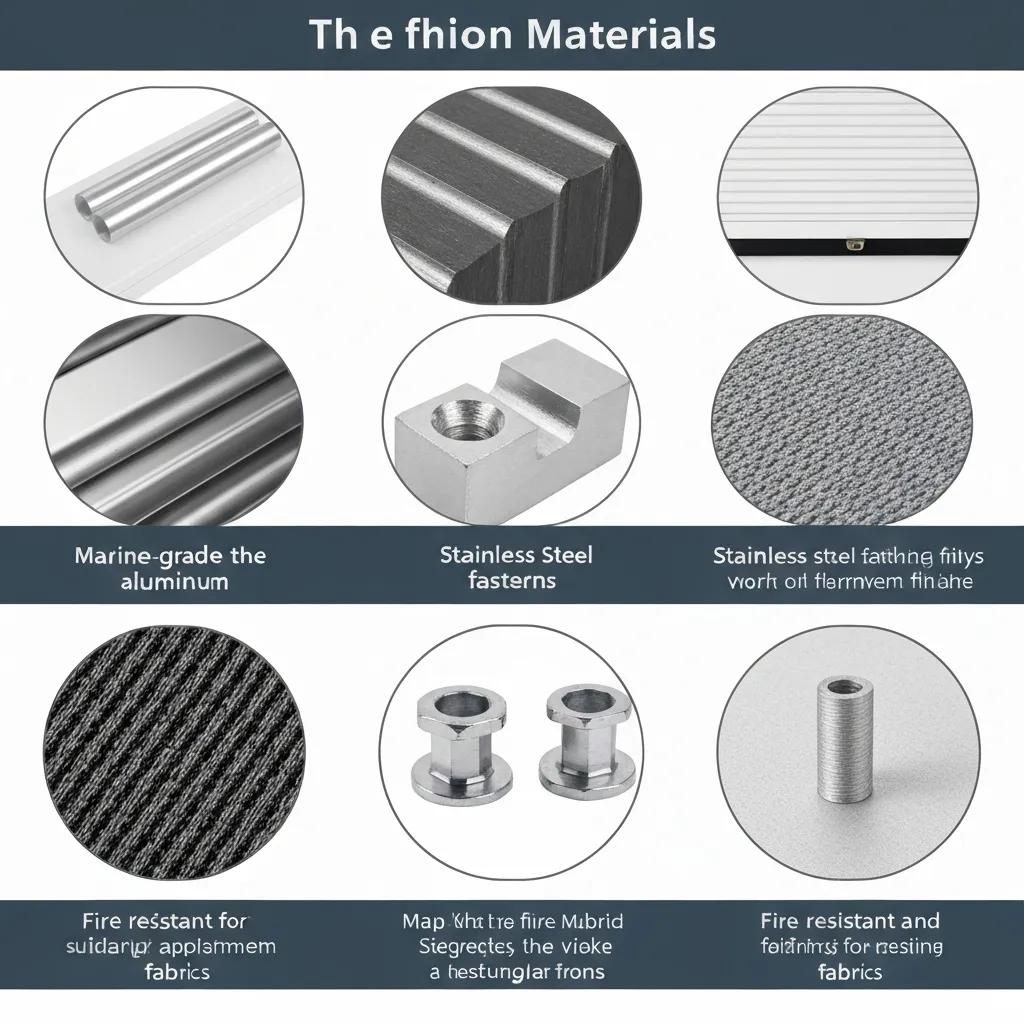
Most accordion shutters are built from marine-grade aluminum with stainless-steel fasteners and reinforced tracks to resist corrosion in salty air. Options range from manual slide systems to motorized units with remote control and integrated locks—helpful for older homeowners or properties that need quick activation. Powder-coated finishes match exterior palettes and cut maintenance, and manufacturers can often create custom profiles for oversized or irregular openings. Choosing corrosion-resistant alloys and certified hardware is key to long-term performance and meeting local code requirements.
Knowing these material choices makes it easier to weigh the day-to-day benefits and limits of accordion shutters during storm season and beyond.
What Are the Advantages and Disadvantages of Accordion Shutters?
Accordion shutters offer rapid deployment, permanent coverage, strong wind-load distribution, and added home security—traits that make them popular for year-round coastal protection. The tradeoffs are a higher upfront cost per opening compared with seasonal solutions and a permanent visual presence that may require customization on historic or design-sensitive homes. Maintenance is generally simple—periodic track cleaning and lubrication—but salt-spray environments warrant regular inspection to prevent binding. Homeowners should balance convenience, resale value, and continuous protection against budget and aesthetic priorities.
Next, we’ll compare accordion shutters with the common seasonal alternative—storm panels—and highlight how those tradeoffs affect typical buying decisions.
What Are Storm Panels and How Do They Compare as Hurricane Protection?
Storm panels are removable sheets—usually metal or polycarbonate—that fasten over windows and doors before a storm and are taken down afterward. Properly anchored to preinstalled mounts, they create a physical barrier that resists impact and wind pressure. Panels are a cost-effective, flexible option for seasonal protection, lower upfront investment, or for property managers who store panels between storms. Their removable nature requires storage and deployment planning, which is the main operational difference from permanent shutters.
Different panel types serve different needs. The next subsection explains the common materials and where each fits best.
What Are the Different Types of Storm Panels and Their Benefits?

Storm panels are typically made from aluminum, steel, or clear polycarbonate (flat Lexan). Aluminum panels are lightweight, affordable, and suitable for most exposures. Steel panels offer higher strength for extreme sites but are heavier to handle. Clear polycarbonate panels let light and views through while still providing impact resistance—good for homeowners who want visibility during an event. Your choice should balance cost, ease of handling, storage needs, and whether you prioritize sightlines or maximum strength.
These material differences shape the pros and cons of removable panels versus permanent shutters, which we outline next.
What Are the Pros and Cons of Using Storm Panels?
Storm panels are appealing for their lower initial cost, removability, and portability across multiple properties—advantages for seasonal residents and rental owners. Downsides include the need for dry, secure storage; time and physical effort to install and remove; and reliable anchoring to meet wind-load requirements. Improper installation diminishes protection. Panels work well in a hybrid strategy alongside permanent solutions, letting homeowners prioritize expensive openings while protecting the rest seasonally. Plan for storage space, installation logistics, and whether family or contractors will handle deployment when choosing panels.
With the core differences clear, the next section lays out side-by-side comparisons across the attributes homeowners care about.
How Do Accordion Shutters and Storm Panels Compare Across Key Factors?
This section compares cost, installation, durability, security, aesthetics, light transmission, and storage so you can decide which option fits your priorities. The table below presents a quick attribute-by-attribute snapshot, followed by focused notes on cost, compliance, and appearance.
This snapshot clarifies baseline tradeoffs. Below we expand on cost and installation, durability and compliance, and aesthetics and storage.
How Do Cost and Installation Time Differ Between Accordion Shutters and Panels?
Accordion shutters almost always require professional measurement and installation, which raises upfront cost but gives fast deployment and less labor when a storm approaches. Storm panels offer a lower-cost entry and can be DIY-installed on simple openings, though complex layouts or code requirements may still need a contractor. For homeowners in Wilmington, Morehead City, or Myrtle Beach, local exposure and code rules influence material choices and installation complexity. Use local cost calculators and free estimates from area providers to get accurate installed pricing rather than relying on national averages. Plan for professional installation where codes or large openings demand certified anchoring.
Local cost tools convert general comparisons into concrete budget numbers for Carolina properties.
How Do Durability, Security, and Code Compliance Compare?
Accordion shutters typically deliver better long-term durability and security because they’re permanently mounted with reinforced tracks and locks, and they’re easier to certify to strict code tests. Storm panels can meet required design loads when manufactured and installed correctly, but performance depends on careful storage and repeated handling. Always request engineering documentation, test reports, and certified installation records no matter which option you choose, and verify the products meet the hurricane protection standards for your coastal Carolina jurisdiction. Proper certification and installation are central to both performance and potential insurance savings.
What Are the Differences in Aesthetics, Light Visibility, and Storage Requirements?
Accordion shutters add a permanent visual element and block daylight when closed, though modern profiles, custom powder-coat finishes, and motorized options can reduce visual impact. Storm panels can be removed to restore unobstructed windows and clear polycarbonate keeps daylight and views during storms, but panels need dry, secure storage and careful handling to avoid corrosion or damage. Storage racks, wall mounts, or a dedicated shed are common solutions; check garage or off-site capacity before choosing a panel strategy. Many homeowners use a hybrid approach—permanent shutters on primary elevations and removable panels on less-visible openings—to balance looks and cost.
To make this actionable, the following section matches homeowner profiles to recommended solutions and includes a quick decision table.
Which Hurricane Protection Option Is Best for Your Carolina Home?
Your best choice depends on priorities: budget, occupancy, speed of deployment, and aesthetic constraints. Many Carolina homes find a hybrid solution—permanent accordion shutters on primary elevations and panels on secondary openings—balances cost, convenience, and curb appeal while meeting code and insurance needs. Consider wind exposure, window orientation, and whether remote deployment is important for off-site properties. The table below maps common scenarios to practical options so you can identify the right path.
Ready to move from research to action? American Hurricane Shutters offers free estimates and a cost calculator that produces localized pricing and installation guidance for Carolina homes. Requesting a free estimate from a provider familiar with North and South Carolina coastal codes will help confirm compliance and align solutions with your budget and design goals.
Which Option Is Best for Budget-Conscious Homeowners?
Budget-conscious homeowners often choose storm panels because they require less upfront capital and can be installed selectively to protect the most vulnerable openings first. Panels also let you phase upgrades—start with panels on critical windows and add permanent shutters over time—spreading cost while maintaining protection. Consider storage and installation labor; if storage is limited, a mix of selective accordion shutters on primary facades and panels elsewhere can offer balanced protection. Long-term value shows up in reduced storm damage and possible insurance savings when systems are certified and documented.
Which Option Offers the Best Ease of Use and Security?
Accordion shutters generally offer the best combination of ease and security: they slide closed quickly, lock into place, and remove the need for seasonal storage and manual mounting. Motorized systems add convenience for older homeowners and speed when storms develop fast, while reinforced tracks and locks improve intrusion resistance. Panels can be secured effectively but demand careful handling; they work best when backed by clear installation procedures or professional service to ensure reliable performance. Weigh convenience, security, and budget when choosing between permanent and removable systems.
How Can Accordion Shutters and Storm Panels Affect Your Home Insurance and Safety?
Both accordion shutters and storm panels can lower the risk of wind-driven rain, broken glass, and interior damage—outcomes insurers recognize when products are certified and installation is documented. Certification to recognized hurricane standards and keeping installation records are common insurer requirements for potential discounts. The table below summarizes typical impacts each option can have on insurance, safety, and resale potential.
How Do Hurricane Shutters Influence Insurance Premiums?
Insurers typically require certified products and proper installation before offering premium discounts. Keep engineering certifications, product test reports, and installation receipts and present them to your insurer as part of a mitigation package. Discount structures vary across coastal North and South Carolina, so get a free estimate and compliance confirmation from a qualified provider before assuming a specific premium reduction. Confirming certification at purchase simplifies later conversations with your agent and supports resale documentation.
What Safety Benefits Do Accordion Shutters and Panels Provide During Storms?
Both systems reduce the chance of broken glass, interior water damage, and secondary structural harm by blocking debris and breaches when correctly installed and certified. Accordion shutters, because they’re permanently anchored, excel at distributing wind loads and preserving window integrity during long events. Storm panels offer solid protection when anchored and are useful for quick shielding if stored and installed properly. Pair physical protection with other preparedness steps—secure outdoor items and review evacuation plans—to maximize safety.
Frequently Asked Questions
1. How do I choose between accordion shutters and storm panels for my home?
Start with your priorities: budget, how often you’re on-site, how quickly you need to deploy protection, and appearance. If you live full time on the coast and want fast, low-effort protection, accordion shutters are a strong choice. If you’re seasonal or need a lower upfront cost, storm panels can work well. Consider installation complexity, storage, and aesthetics before deciding.
2. What maintenance is required for accordion shutters and storm panels?
Accordion shutters need occasional track cleaning and lubrication to avoid corrosion, especially in coastal environments. Storm panels should be stored dry and checked for wear before each season. Regular inspections keep either system ready when storms arrive.
3. Can I install storm panels myself, or do I need a professional?
Many homeowners can install simple storm panels themselves, but complex openings, heavy panels, or code requirements often warrant professional installation. A pro ensures proper anchoring and compliance, which improves reliability during a storm.
4. How do local building codes affect my choice of hurricane protection?
Local codes dictate acceptable materials, installation methods, and performance standards. Always consult local authorities or a qualified contractor to confirm that your chosen system complies—this affects both safety and insurance eligibility.
5. What are the insurance implications of installing hurricane protection?
Certified hurricane protection can lead to insurance discounts, but insurers typically require documentation of product testing and professional installation. Keep those records to support premium reductions and claims handling.
6. Are there any aesthetic considerations when choosing between the two options?
Yes. Accordion shutters are permanent and change a home’s look, though modern profiles and custom finishes can blend in. Storm panels are removable and preserve the home’s appearance when not in use; clear polycarbonate keeps views during a storm. For historic or design-sensitive homes, consider custom solutions or a selective approach.
7. How do I ensure my hurricane protection system is effective during a storm?
Effectiveness comes from proper installation, regular maintenance, and correct deployment. For shutters, confirm they lock and operate smoothly. For panels, follow mounting instructions and anchor guidelines carefully. Regular inspections and adherence to local codes will improve performance when it matters.
Accordion Shutters or Storm Panels: Which Is Better for Coastal Carolina?
Accordion shutters are often the best choice for full-time coastal residents who want rapid deployment, continuous protection, and no seasonal storage. Storm panels are a reliable, lower-cost option for seasonal residents, rentals, or phased upgrades. Many Carolina properties benefit from a hybrid approach—permanent shutters on primary elevations and removable panels elsewhere—to balance appearance, cost, and convenience.
- Accordion shutters suit year-round residents and high-exposure facades.
- Storm panels fit budget constraints, rentals, and seasonal properties.
- A hybrid approach can optimize cost and curb appeal across a property.
Your final choice should reflect occupancy, local exposure, and aesthetic priorities. A free estimate and local cost calculation will help tailor the right mix for your home.
How Much Do Accordion Shutters and Storm Panels Cost in 2025?
Costs vary by material, opening size, local labor rates, and required engineering documentation. Rather than rely on per-square-foot averages, use a local cost calculator and request a free estimate to get an accurate installed price that reflects Carolina conditions and code needs. Factors that affect price include material (aluminum vs. polycarbonate), motorization, certified engineering, and any structural modifications required for installation.
If you want a precise local estimate for accordion shutters or panels, request a free estimate and use the cost calculator from American Hurricane Shutters to compare installed scenarios and confirm compliance with local building codes and insurance documentation needs.
- Ready to act: Gather window measurements and exposure details before requesting an estimate.
- Documentation: Ask providers for code compliance and test reports to support insurance discussions.
- Compare scenarios: Use cost tools to model accordion shutters, panels, and hybrid approaches to find the best fit.
Following these steps moves you from research to a documented plan that fits your Carolina home and budget.
Conclusion
Choosing the right hurricane protection for your Carolina home affects both safety and insurance costs. Accordion shutters provide rapid deployment and year-round security, while storm panels offer flexible, budget-friendly protection. Understanding the strengths of each option helps you make a practical choice that fits your needs and aesthetic priorities. For tailored guidance, request a free estimate and try our cost calculator—then take the next step toward securing your home with confidence.
