
Accordion Shutters vs. Other Storm Protection: Aesthetic Appeal and Functional Comparison for Coastal Homes
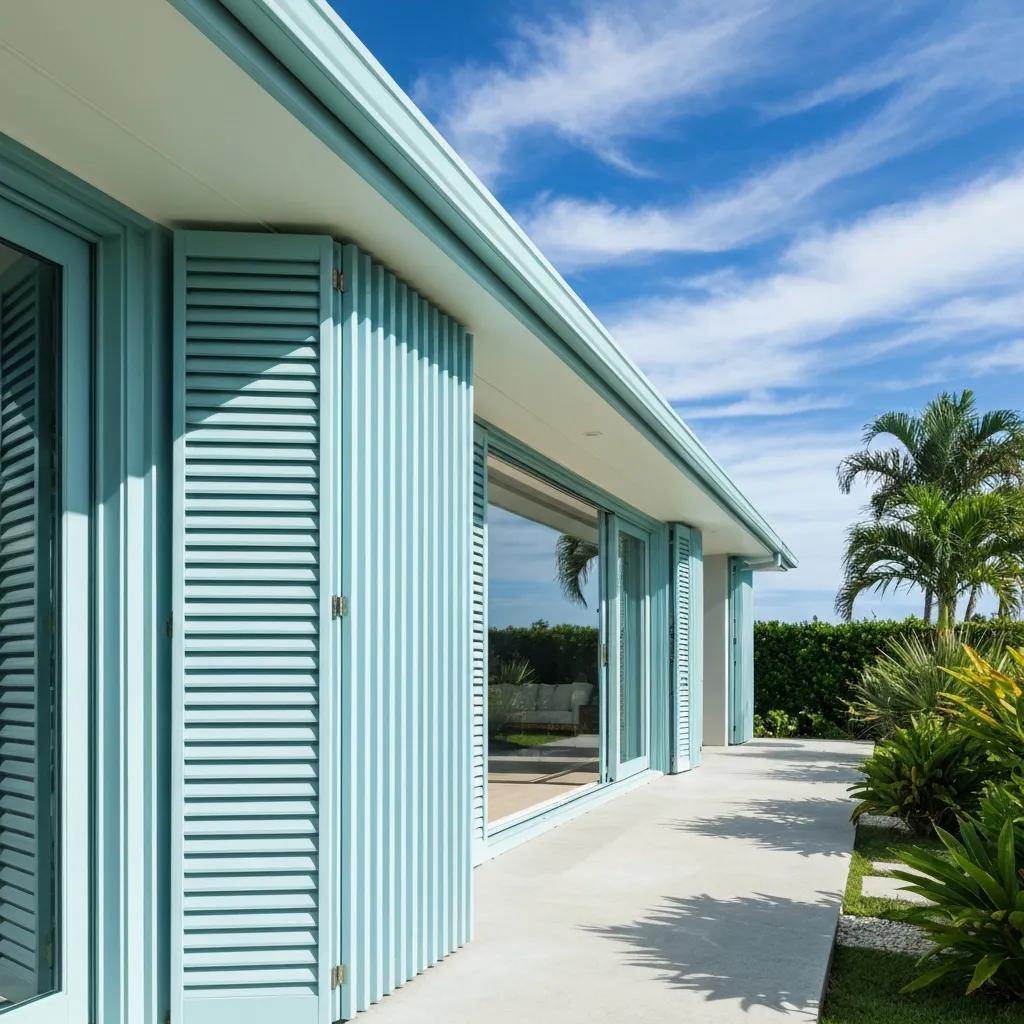
Accordion shutters are permanently mounted, folding panels that tuck beside a window or door and slide out on tracks to cover openings quickly. They combine impact resistance with fast, tool-free deployment — a practical choice for coastal homeowners. This guide explains how accordion systems work, compares their look and performance to roll-downs, Bahama and Colonial styles, storm panels, and hurricane screens, and explains why those differences matter for safety, insurance, and curb appeal. Coastal owners often balance code compliance, upkeep, and appearance; here you’ll find clear definitions, aesthetic pros and cons, performance metrics, cost drivers, local code and weather considerations, plus realistic expectations for installation and maintenance. Helpful tables and checklists make it easy to compare wind ratings, deployment methods, and cost factors. When you’re ready, the page closes with straightforward next steps to get a site-specific estimate for coastal NC and SC.
What Are Accordion Shutters and How Do They Compare to Other Storm Protection Options?
Accordion shutters are fixed, folding panels that glide on vertical tracks to cover windows and doors instantly — no loose panels to store. Their interlocking metal sections and locking hardware are built to stop windborne debris, so they’re a strong choice for frequently used openings where speed matters. Because they stay installed year‑round, they remove the storage and labor of removable panels and sit between decorative options like Bahama or Colonial shutters and more automated systems such as roll-downs. Below we break down those key alternatives so you can see the trade-offs.
What Defines Accordion Shutters and Their Key Features?
Accordion shutters are made of vertical, interlocking panels that fold like an accordion and run in top and bottom tracks anchored to the building. Coastal-grade aluminum is the most common material, available in different gauges and finishes that affect strength, weight, and appearance. Main parts include top tracks, bottom rails, locking bolts or cams, and reinforced brackets — each piece helps the system resist wind and impact. Their biggest practical benefits are fast manual deployment, no off-site storage, and suitability for large doors and windows where quick closure reduces storm exposure.
Which Other Storm Protection Types Are Commonly Used?
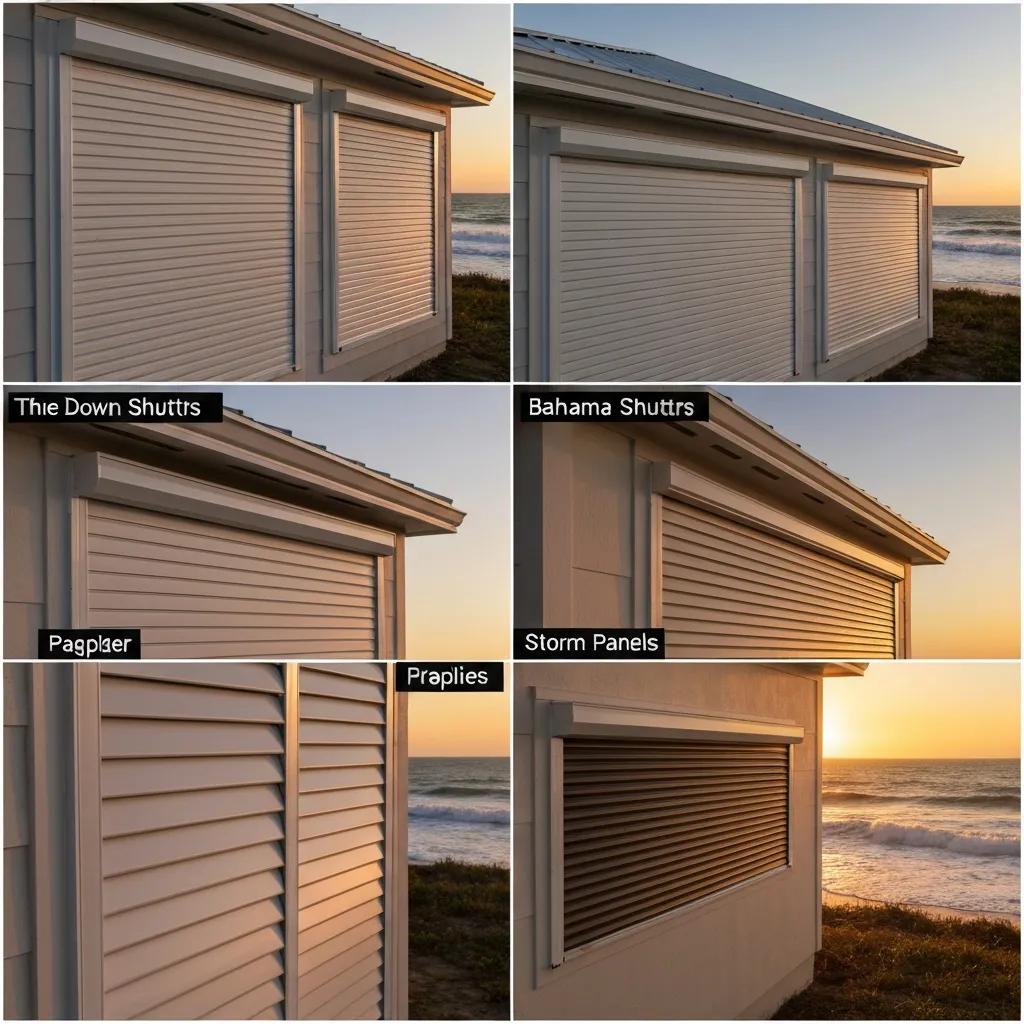
Different systems serve different homeowner priorities — appearance, cost, automation, or shading — and each has its own deployment and care needs. Roll-down shutters lower from a headbox by motor or crank and are popular for automation and a low profile when stowed. Bahama shutters hinge at the top for shade and a tropical look, while Colonial shutters use hinged side panels as a classic accent. Storm panels (aluminum or polycarbonate) are removable sheets that are economical but require storage. Hurricane screens are fabric systems that block debris while keeping light and airflow, useful for large openings and porches. Knowing these use-cases helps you match performance and curb appeal to what matters most for your home.
How Do Accordion Shutters Compare in Aesthetic Appeal to Other Hurricane Shutters?
When stowed, accordion shutters show a vertical profile beside windows, but modern slim profiles and color-matched finishes reduce bulk and help them blend with coastal styles. The main visual trade-off is permanence versus removable or hidden options: Bahama and Colonial shutters add decorative character, while roll-downs disappear into a headbox for a cleaner facade. With custom finishes, narrower panels, and recessed tracks, accordion systems can meet curb-appeal goals without sacrificing protection.
What Are the Visual Advantages and Drawbacks of Accordion Shutters?
Designed well, accordion shutters can read like an architectural detail rather than seasonal hardware: matching paint and low projection improves integration with siding and trim. The downside is visible stowed panels, which some homeowners find bulkier than concealed roll-down housings or removable panels. Newer low-profile extrusions and powder-coat finishes lessen that effect. Designers often suggest matching shutter color to trim or choosing narrower panels on decorative facades to balance protection with style.
How Do Bahama and Colonial Shutters Enhance Home Curb Appeal?
Bahama shutters give a relaxed, coastal look and double as shade and protection when needed, popular on cottages and vacation homes. Colonial shutters offer a symmetrical, traditional accent that frames windows even when not in use. Both styles provide decorative value but usually offer less continuous impact coverage than accordion or roll-down systems unless reinforced. Your choice should weigh whether curb appeal or maximum protection is the priority.
What Functional Benefits Do Accordion Shutters Offer Compared to Other Storm Protection?
Accordion shutters marry quick manual deployment, continuous coverage, and sturdy locking hardware to deliver reliable impact resistance and security without seasonal storage. Their wind and impact performance depends on panel gauge, track anchoring, and installation quality — properly installed systems provide strong resistance to debris and intrusion. Because they have no motors or headboxes, accordion shutters are typically lower maintenance than automated systems, though coastal corrosion protection and periodic track checks remain important. The table below summarizes protection attributes across common shutter types so you can compare performance at a glance.
This side-by-side shows how accordion shutters balance continuous protection with lower maintenance, which leads into wind resistance and security specifics.
How Do Accordion Shutters Perform in Wind Resistance and Security?
Accordion shutters resist wind well when engineered to local design pressures and anchored with the correct fastener spacing and reinforced brackets. Security gains come from interlocking panel geometry and reliable locks that reduce window vulnerability during storms. Longevity depends on material quality and coastal corrosion protections like marine-grade powder coats; regular inspection of tracks and fasteners lowers failure risk. These operational details set accordion systems apart from roll-downs and storm panels, which we compare next.
How Do Roll-Down and Storm Panels Differ in Operation and Maintenance?
Roll-down shutters use motors or hand cranks for convenient, fast deployment but introduce mechanical parts that need periodic service — motors, seals, and headboxes require attention. Storm panels are manual and inexpensive upfront but need storage and physical installation for each event and may need replacement after impacts. Accordion shutters sit in the middle: fewer moving parts than roll-downs but more permanent than panels, requiring routine track lubrication and corrosion checks rather than motor service or seasonal storage care. Consider these maintenance profiles when deciding how much upkeep you want to manage.
What Is the Cost of Accordion Hurricane Shutters Compared to Other Options?
Accordion shutters usually sit in a mid-to-upper price range compared with removable storm panels and below fully motorized roll-down systems when wind ratings are comparable. Total installed cost depends more on panel gauge, opening sizes, customization, and installation complexity than on base material alone. Options like motorization (for other systems), custom colors, and reinforcement for large openings raise the price. Insurance discounts and stronger resale appeal can offset the initial investment; properly documented, code-compliant installs often help with favorable insurance considerations. The table below outlines primary cost drivers and typical examples to guide ROI thinking.
Use this breakdown to guide whether the upfront investment fits your budget and long-term goals — or try our online cost tool or a professional estimate for precise numbers.
What Factors Influence the Cost of Accordion Shutters?
Main cost drivers are panel material and gauge, total window and door square footage, access and scaffolding needs, chosen finish, and whether structural reinforcement is needed for high wind zones. Labor rates vary by local market and the technical demands of anchoring tracks to rated substrates, so installations on elevated or hard-to-reach areas cost more. Motorization is uncommon for accordion shutters but is a consideration when comparing with roll-downs. Marine-grade powder‚Äëcoat finishes increase corrosion resistance and add to the upfront price. Balancing these factors helps homeowners decide between budget, performance, insurance savings, and long-term durability.
How Does Accordion Shutter Investment Affect Insurance and Property Value?
Code-compliant hurricane protection can lower insurance premiums and boost buyer confidence because insurers and buyers value documented mitigation measures. Proper installation paperwork, engineering reports, or product certifications make it easier to pursue discounts where insurers recognize rated systems. Accordion shutters that meet local codes signal a durable, low-maintenance upgrade that can improve resale appeal and reduce lifecycle costs. Keep installation records and product certifications to submit for insurance verification and to show future buyers.
How Do Homeowners in Coastal North and South Carolina Choose the Right Storm Protection?
Choosing the right system for coastal North and South Carolina means matching product selection to local wind zones, architectural style, exposure, and homeowner priorities for automation, storage, and curb appeal. Shoreline distance, typical storm tracks, and municipal code requirements influence whether accordion shutters, roll-downs, or reinforced panels are best. Reviewing local case studies and installer references shows how options performed in places like Wilmington, Myrtle Beach, Oak Island, Topsail, New Bern, and Pawleys Island. The table below connects common considerations to practical actions homeowners can take.
Use this map to narrow choices based on local factors, then call a trusted installer for a site-specific recommendation.
What Local Building Codes and Weather Conditions Affect Shutter Choice?
Local codes set required wind ratings, attachment methods, and documentation for permits, so match product certifications to your jurisdiction’s design pressures. Coastal North and South Carolina include different exposure levels and microclimates that change how aggressively systems must be anchored and whether extra reinforcement is needed for elevated structures. Ask installers for engineering documentation and test reports that line up with your local code to avoid delays and to support insurance claims.
How Do Customer Reviews and Case Studies Inform Shutter Selection?
Customer reviews and local case studies show installation quality, post-storm performance, repair responsiveness, and how well aesthetics matched expectations. Look for reviews that describe performance after specific storms, warranty handling, and whether follow-up adjustments were needed. Local references and before/after photos give realistic insight into how systems fit nearby architectural styles and exposures. This real-world evidence helps separate product capability from installation quality.
If you want site-specific guidance, request a free estimate from local providers who know coastal NC/SC conditions. American Hurricane Shutters installs rated accordion systems and other options, offers professional installation, and provides an online cost estimator to help you compare choices and get a no-cost estimate from our team. Local support ensures the chosen system meets code, wind-zone requirements, and your aesthetic goals in Wilmington, Myrtle Beach, Oak Island, Topsail, New Bern, and Pawleys Island.
What Are the Maintenance and Installation Considerations for Accordion Shutters vs. Other Types?
Maximum protection starts with professional installation using rated anchor patterns, correct fasteners, and a final check that seals, levels, and locking points meet manufacturer and code specs. Accordion shutter maintenance centers on periodic track inspection, lubrication of sliding surfaces, corrosion checks in coastal settings, and lock testing. Roll-downs add motor and seal upkeep; storm panels need seasonal storage inspection and bolt checks. A clear maintenance schedule and documented installation help extend service life and simplify insurance claims. Below are simple installation and maintenance steps to follow.
- Pre-installation verification: Confirm site measurements, substrate strength, and permit needs before ordering materials.
- Anchor and fastener inspection: Use rated fasteners and confirm spacing to meet product load requirements during installation.
- Post-install testing: Operate each shutter, check seals, and document the installation for insurance and permit records.
- Annual maintenance schedule: Inspect tracks, lubricate moving parts, and check fasteners for corrosion or loosening.
How Is Professional Installation Ensured for Maximum Protection?
Certified installers follow a clear process: verify product ratings against local wind loads, confirm substrate suitability, use engineered fastener patterns, and provide post-install documentation for permits and insurance. Key checkpoints include level and plumb track alignment, torquing fasteners to spec, and ensuring locks and cams engage consistently. Installers should also demonstrate operation and explain maintenance to homeowners so the system performs reliably over time. Proper installation reduces repairable failures and ensures the shutters work when it matters most.
What Are the Maintenance Requirements for Accordion and Alternative Shutters?

Routine care for accordion shutters includes annual track cleaning, lubricating sliding surfaces, checking for coastal corrosion, and testing locking hardware for consistent engagement. Roll-down systems need motor checks, headbox seal inspections, and occasional belt or spring service; storm panels require seasonal storage inspection and bolt integrity checks before redeployment. For all systems, keep service records and photos to support insurance claims and resale value. Regular preventive care extends life and keeps both function and appearance in top shape.
Frequently Asked Questions
1. What are the main advantages of accordion shutters over other storm protection options?
Accordion shutters give fast, tool-free deployment, continuous coverage, and no seasonal storage. Permanently mounted, they’re ready at a moment’s notice and their locking hardware adds security against forced entry and storm damage. Compared with motorized roll-downs, they usually need less mechanical maintenance, making them a practical, dependable choice for many coastal homeowners.
2. How do accordion shutters perform in terms of energy efficiency?
Closed accordion shutters add an insulating layer that can reduce heat gain in summer and heat loss in winter, helping regulate indoor temperatures. They also block direct sunlight, which reduces cooling load in hot months. While not a replacement for dedicated insulation, they can contribute to comfort and modest energy savings.
3. Are accordion shutters suitable for all types of coastal homes?
Yes — accordion shutters fit a wide range of architectural styles, from modern to traditional coastal homes. They’re available in multiple finishes and colors to match your exterior. Always confirm local building codes and wind-zone requirements and consult a professional installer to ensure the right fit for your home.
4. What is the typical lifespan of accordion shutters?
With proper installation and regular maintenance, accordion shutters often last 20 years or more. Lifespan depends on material quality, coastal exposure, and how well tracks and fasteners are cared for. Following the manufacturer’s maintenance recommendations and using marine-grade finishes where appropriate extends service life.
5. How do I choose the right color and finish for my accordion shutters?
Choose a color and finish that complements your home’s trim and siding for a cohesive look. Powder-coated finishes resist fading and corrosion and are widely available. If you’re unsure, ask your installer for samples or use visualization tools to preview colors on your home.
6. Can accordion shutters be installed by homeowners, or is professional installation recommended?
While DIY installation is possible for some skilled owners, professional installation is strongly recommended. Certified installers ensure shutters meet local codes, are anchored correctly, and function smoothly. Professional installation also often includes warranties and the documentation needed for permits and insurance.
7. What should I do if my accordion shutters require repairs?
Contact a qualified shutter technician for repairs. Common issues include lock problems, track misalignment, or corrosion. A trained pro can diagnose and fix these issues safely. Keeping up with regular maintenance reduces the likelihood of major repairs.
Conclusion
Accordion shutters offer a practical mix of curb appeal and dependable protection for coastal homes: they deploy fast, provide continuous coverage, and require less mechanical upkeep than motorized options. Understanding the trade-offs among accordion, roll-down, decorative, and removable systems helps you pick the right balance of safety, appearance, and cost. When you’re ready, contact us for a personalized estimate and expert guidance so your shutter choice matches your home’s location, code needs, and aesthetic goals.
