
Accordion Shutters vs. Impact-Resistant Glass: A Homeowner’s Guide to Choosing Hurricane Protection
Choosing the right hurricane protection is a balance: budget, durability, energy performance, curb appeal and local code requirements all matter. This guide walks coastal homeowners through those trade-offs in clear, practical terms. Accordion shutters are deployable aluminum panels that lock into place to shield openings when a storm approaches. Impact-resistant glass is a laminated window system that gives continuous protection and keeps your view year‑round. We’ll explain how each solution works, compare costs and maintenance, and highlight specifics for coastal North Carolina and South Carolina—insurance incentives, permitting, and building-code considerations. You’ll find side‑by‑side comparison tables, concise pros and cons, and a simple checklist to match options to your budget and lifestyle. Along the way we point out regional risks—storm surge, windborne debris, and local permitting—and list the questions to ask installers and insurers. By the end you’ll know the mechanics, long‑term value, and next steps for getting a tailored estimate for your property.
What Are Accordion Shutters and How Do They Protect Your Home?
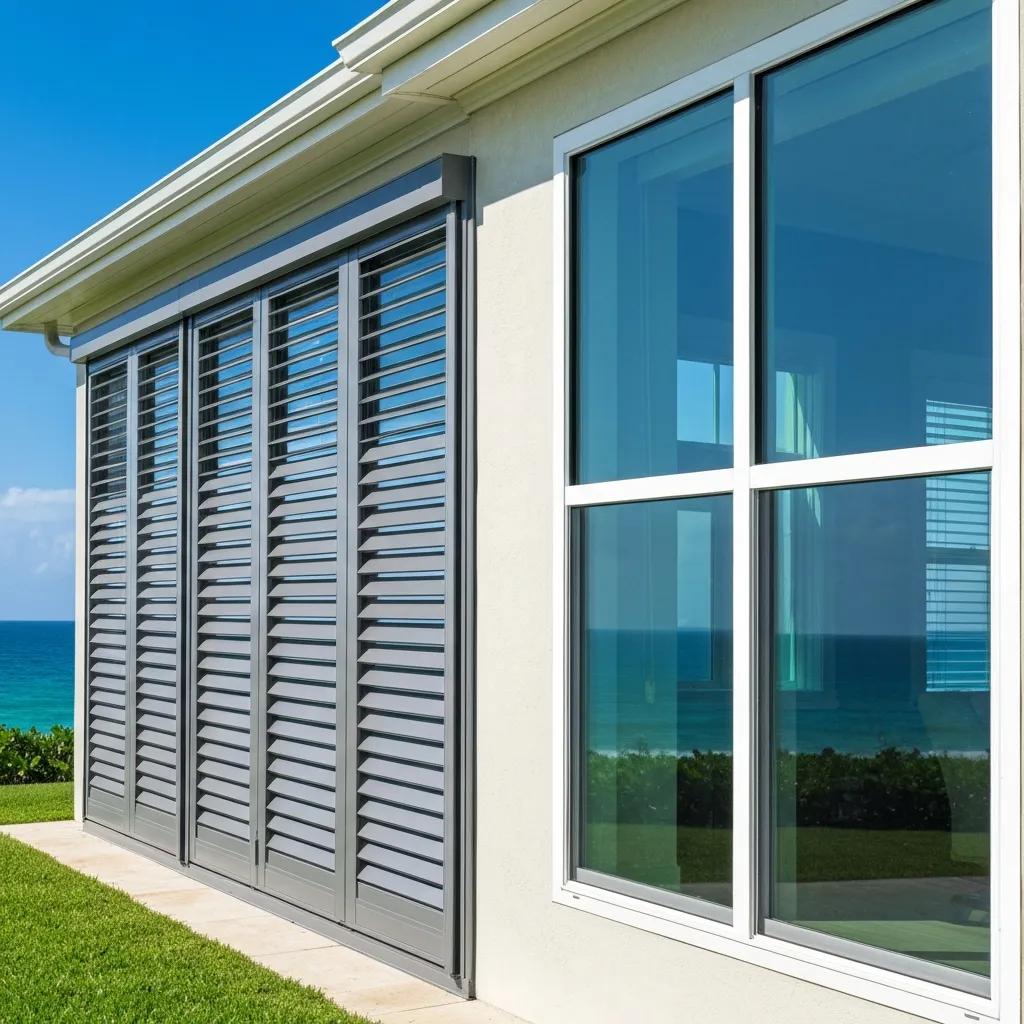
Accordion shutters are hinged aluminum panels that fold back like an accordion to cover windows and doors, forming a rigid barrier against wind and flying debris. Interlocking vertical panels slide into top and bottom tracks and latch at the jamb, creating a continuous protective skin that resists wind loads and impact. Because they deploy quickly, shutters protect glazing and openings with minimal setup time and add a layer of security when closed. When not in use they stack beside the opening so they’re out of the way. Those simple operational features explain why accordion shutters remain a popular, cost‑effective choice for many coastal homeowners.
What Materials and Operation Types Define Accordion Shutters?
Most accordion shutters are made from corrosion‚Äëresistant aluminum with a powder‚Äëcoat finish to handle salt air and coastal exposure. Panels include reinforced ribs, integrated hinges and track guides that route wind loads into the opening frame. For larger openings or accessibility needs, motorized operators offer push‚Äëbutton deployment. Installers commonly match colors and finishes to the home exterior, and professional mounting ensures the system ties into window frames and structural conditions correctly. These material and operational choices affect price, longevity and how quickly you can secure your home before a storm.
What Are the Main Benefits and Considerations of Accordion Shutters?
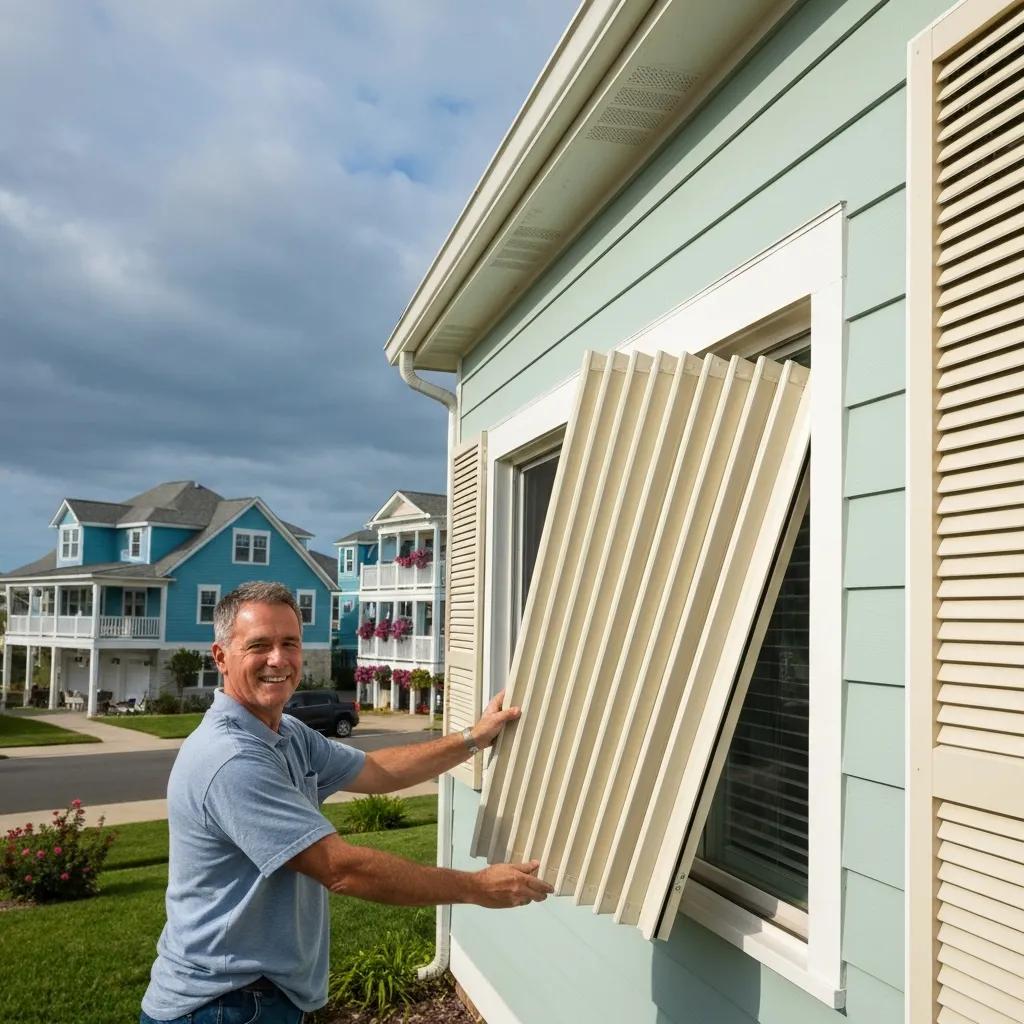
Accordion shutters give fast protection, a lower upfront cost than full window replacement, and solid debris resistance without changing your existing windows—appealing to homeowners focused on budget and deployability. Tradeoffs include the visual impact when shutters are closed (some owners feel they affect curb appeal) and the need for periodic inspections and track maintenance in coastal climates. Shutters are modular and repairable, so individual damaged panels can be replaced instead of swapping an entire window, which can reduce long‑term repair costs compared with full replacements. Understanding these tradeoffs helps you decide whether a deployable system or a permanent upgrade better fits your lifestyle and property goals.
Accordion shutters offer three primary advantages:
- Fast deployment: Panels slide into place quickly so you can secure openings when a storm is on the way.
- Lower upfront cost: Typically less expensive per opening than replacing windows with impact glazing.
- Physical protection: Solid panels block windborne debris and deter unauthorized entry.
Those strengths make accordion shutters attractive for seasonal homeowners and budget‚Äëminded property owners who need reliable protection on demand.
How Does Impact-Resistant Glass Work and What Are Its Advantages?
Impact‑resistant glass is a laminated glazing assembly that bonds multiple glass plies with a tough interlayer—commonly PVB—to absorb impact energy and keep broken fragments in place, preserving the building envelope during hurricanes. Combined with reinforced framing and tempered outer plies, the system resists penetration from windborne projectiles while maintaining visibility and insulation. As a permanent solution, impact glazing protects continuously without homeowner intervention, and it often improves comfort, reduces noise and can boost energy performance compared with unprotected openings. Knowing these technical basics helps you weigh a longer‑term, higher‑cost upgrade against seasonal, lower‑cost options.
What Technology and Materials Are Used in Impact-Resistant Glass?
Impact windows usually use laminated glass—two or more glass layers bonded with a polymer interlayer like polyvinyl butyral (PVB)—often paired with tempered outer plies for extra strength. The interlayer holds glass fragments together on impact, preventing dangerous shards and maintaining a barrier against wind pressures and projectiles. Reinforced sashes and frames are essential for overall performance. Manufacturers test full window assemblies to certify wind‑load and missile‑impact resistance, and proper installation seals and anchors the unit into the structural opening. Those construction details explain why impact glazing provides permanent protection while also improving daylight, sound control and thermal performance.
What Are the Key Benefits and Limitations of Impact-Resistant Glass?
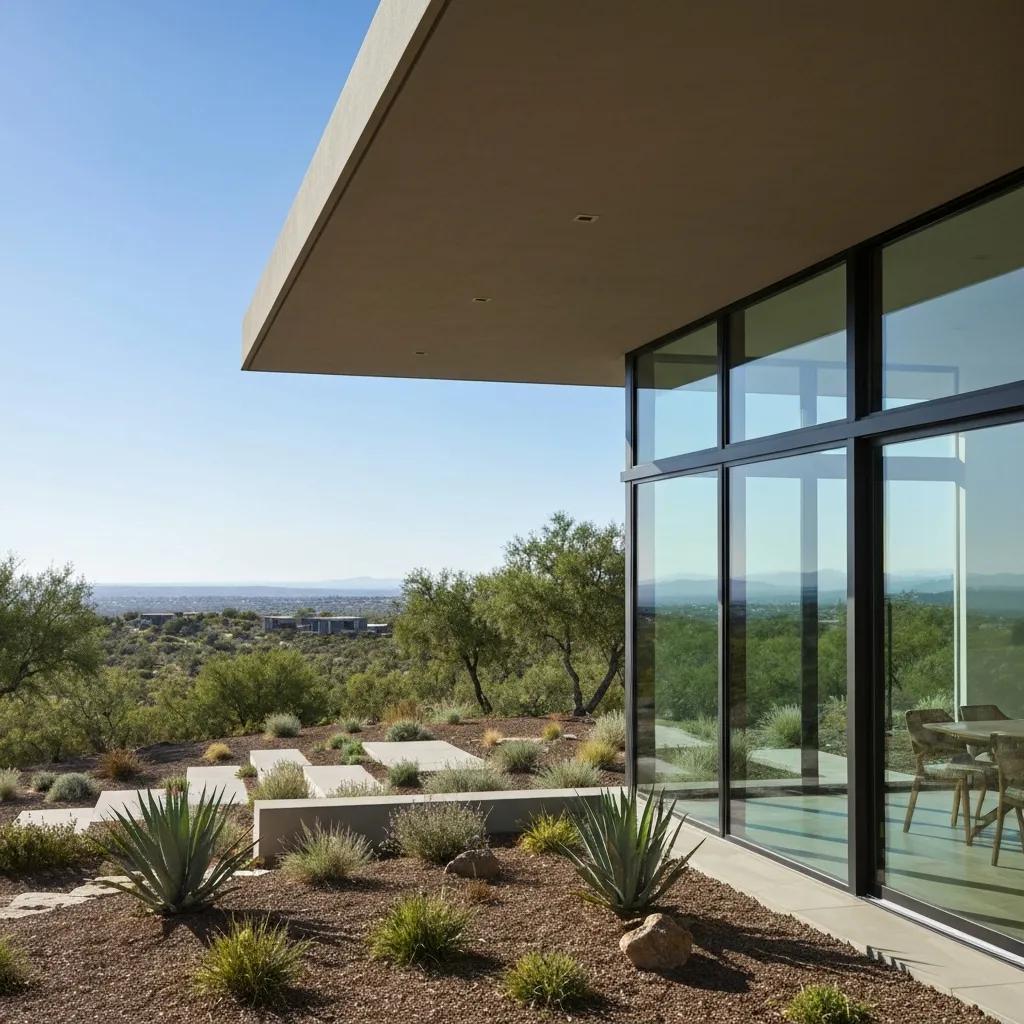
Impact‑resistant glass preserves views and natural light while acting as a structural barrier that removes the need for manual deployment before storms—a major convenience for full‑time residents. Benefits include better noise control, potential energy savings from improved U‑factor and SHGC, and higher curb appeal because protection is integrated and invisible in daily life. Limitations include a higher upfront cost, full‑window replacement work and possible frame upgrades—especially in older homes. Compare lifecycle costs, energy and acoustic benefits, and installation impact when weighing this permanent option against deployable shutters.
- Permanent, low‚Äëmaintenance protection that preserves views.
- Improved acoustics and year‚Äëround energy performance when specified correctly.
- Higher initial investment and more complex installation compared with shutters.
How Do Accordion Shutters and Impact-Resistant Glass Compare on Cost, Durability, and Maintenance?
To compare cost and durability, look at upfront installation expense, expected lifespan and routine maintenance to estimate total cost of ownership. Accordion shutters usually cost less per opening and are easier to replace panel‑by‑panel, while impact‑resistant glass requires a larger initial investment but typically delivers long‑term, maintenance‑light protection. Durability depends on materials, coastal exposure and installation quality—properly installed impact units resist degradation and need little upkeep, whereas shutters need periodic track, hardware and finish checks. The table below summarizes core differences so homeowners can scan cost, lifespan and maintenance at a glance.
Our goal is to inform homeowners about hurricane protection options, generate leads through free estimates, and support existing customers with practical guidance.
This comparison shows accordion shutters lower initial spending while impact glazing often delivers longer maintenance‑free performance—so weigh short‑term budget limits against lifetime convenience and energy savings.
What Is the Cost Difference Between Accordion Shutters and Impact Glass?
Accordion shutters usually offer a lower cost entry point because modular aluminum panels mount to existing frames and require less invasive work than full window replacements. Impact‚Äëresistant glass requires replacing the window unit, reinforcing frames and sometimes structural adjustments, which raises the initial investment but reduces the need for seasonal deployment and often lowers long‚Äëterm maintenance. Price drivers for either option include opening size, installation complexity, required framing upgrades and finish choices. Use per‚Äësquare‚Äëfoot ranges as a starting point and get local estimates to capture site‚Äëspecific variables.
How Do Durability and Protection Levels Differ Between These Solutions?
Impact‚Äëresistant glass offers a continuous, permanent barrier that preserves visibility and insulation even after minor impacts, while accordion shutters provide a removable physical shield that can be repaired panel‚Äëby‚Äëpanel. Durability depends on corrosion‚Äëresistant materials and quality finishes in coastal settings; shutters can suffer track wear and finish erosion if neglected, while laminated glazing relies on frame integrity and seal longevity. Both systems can meet high wind‚Äëload requirements when engineered and installed correctly, so verify product approvals and installation quality before you buy.
What Are the Maintenance Requirements and Lifespan of Each Option?
Accordion shutters need periodic inspection of tracks, hinges and latches, occasional lubrication and touch‑ups to coatings exposed to salt air—regular maintenance keeps them operable and attractive. Impact‑resistant glass assemblies usually need minimal routine care beyond seal and frame inspections and generally offer a longer maintenance‑light service life. Environmental exposure, owner maintenance and installation quality strongly affect lifespan for either system; scheduling regular professional checks is a smart part of coastal home care.
Which Solution Offers Better Energy Efficiency, Noise Reduction, and Aesthetic Appeal?
Energy performance, acoustic comfort and curb appeal often tip homeowner decisions. Impact glazing typically delivers better year‑round insulation and consistent noise reduction, while accordion shutters provide shading and seasonal energy benefits when closed. Performance depends on measurable values like U‑factor, SHGC and laminated interlayer acoustical damping—and on how you use shutters. Aesthetically, impact glass preserves uninterrupted sightlines and modern lines; shutters are visible when deployed and change daytime appearance, though customization options exist for both. The table below summarizes measurable performance characteristics to help you compare.
In short: impact glazing generally excels for continuous energy and acoustic performance, while shutters provide seasonal shading and protection that can help with cooling when used.
How Do Impact-Resistant Glass and Accordion Shutters Affect Energy Savings?
Impact‑resistant glass improves thermal performance through multi‑pane assemblies, insulating frames and optional low‑E coatings, which reduce heating and cooling loads year‑round. Accordion shutters save energy mainly by shading—when closed on sunny days they lower solar gain and reduce cooling demand. The net benefit depends on climate and how often shutters are used: full‑time residents seeking consistent insulation tend to favor impact glazing, while seasonal homeowners may prefer shutters for storm‑season protection and lower upfront cost. Compare U‑factor and SHGC values when evaluating glazing options.
What Are the Noise Reduction Benefits of Each Hurricane Protection Option?
Laminated impact glass dampens sound by combining glass layers and polymer interlayers that interrupt acoustic transmission, delivering steady noise reduction even with windows exposed. Accordion shutters add mass and block some noise when closed, but because they’re not sealed glazing their acoustic performance is generally lower than certified laminated windows. If you live on a busy road or value quiet interiors, impact glazing—with insulated frames and multi‑layer laminates—usually offers the better solution.
How Do Aesthetics and Views Differ Between Permanent Glass and Deployable Shutters?
Impact‑resistant glass preserves sightlines, natural light and a modern exterior—features many buyers find appealing. Accordion shutters come in colors and finishes but are visible when deployed and can block views and daylight, which some homeowners accept as a tradeoff for lower cost and quick protection. Both approaches have customization options—tinting or decorative films for glass, painted finishes and architectural profiles for shutters—so you can balance performance with curb appeal. The choice often comes down to whether you prefer permanent, low‑visibility protection or deployable, lower‑cost protection.
What Local Building Codes, Insurance Benefits, and Regional Factors Affect Your Choice in Coastal NC and SC?
Local building codes, insurance rules and regional storm behavior in coastal North Carolina and South Carolina play a big role in which options are viable. Certified systems and engineered installations often determine permit approval and whether insurers offer discounts. Building departments typically require compliance with wind‑load rules and may ask for product approvals or engineered drawings for permanent glazing or approved shutter systems—so check your local permitting office. Insurance carriers often provide discounts for certified impact products or approved shutters, but discount levels and paperwork vary by company and jurisdiction. Regional risks—storm surge, windborne debris frequency and elevation—also affect whether permanent glazing or deployable systems better match a property’s exposure.
This table underscores that code compliance and insurer documentation are decisive—gather approvals and certifications before seeking discounts or permits.
What Are the Coastal North Carolina and South Carolina Hurricane Protection Regulations?
State and local codes in coastal NC and SC reference wind‑load and impact‑resistance rules that affect both window replacement and shutter installation, and these standards change over time. Product certification and engineered installation drawings commonly support permit applications and may be required by building departments for permanent glazing upgrades or major façade changes. Contact your local building office for the latest requirements and confirm whether your chosen product needs stamped engineering or special anchorage. Staying current avoids costly rework and ensures systems qualify for potential insurance incentives.
How Do Insurance Premiums and Discounts Vary for Accordion Shutters vs. Impact Glass?
Insurers often offer discounts for recognized impact protection systems, but the availability and size of discounts vary by company, policy terms and how local authorities classify the product. Documentation proving product approval and professional installation is usually needed. To pursue savings, collect product approvals, install records and any engineering paperwork and present them to your insurer for review. Because discounts aren’t uniform, check with your carrier before relying on premium reductions to justify a major upgrade.
What Regional Storm Risks Should Homeowners Consider When Choosing Protection?
Consider storm surge exposure, typical local wind speeds and how often storms produce windborne debris—these factors influence whether permanent protection or a deployable barrier is a better match. Homes facing repeated minor impacts may benefit from permanent impact glazing for continuous defense and less operational burden. Properties that see lower frequency but high peak risk may find shutters offer a cost‑effective strategy that can be used as needed. Consult regional risk maps and NOAA/FEMA guidance to match protection choices to likely hazards and set installation priorities.
How Can Homeowners Decide Between Accordion Shutters and Impact-Resistant Glass?
Use a simple decision framework: weigh budget, permanence, energy and noise goals, aesthetic preferences, and local permitting and insurance considerations—and then prioritize those factors based on your lifestyle. Start by listing must‑haves (continuous protection, minimal maintenance) versus nice‑to‑haves (unobstructed views, lower upfront cost), then score how each option aligns with those priorities and local requirements. For many coastal homeowners, the choice comes down to whether they want a permanent, low‑maintenance upgrade or a deployable, lower‑cost solution that still offers strong debris protection. Next steps: use per‑square‑foot estimators, collect product approvals and schedule local inspections to confirm framing and opening conditions for accurate proposals.
Our mission is to educate homeowners about hurricane protection options, generate leads through free estimates, and provide ongoing service to existing customers.
When you’re ready for a local assessment, American Hurricane Shutters offers free on‑site or virtual estimates across coastal North and South Carolina. With local teams in Wilmington, Myrtle Beach, Oak Island, Topsail, New Bern and Pawleys Island, we follow regional practices and code expectations. A local estimate turns generic ranges into a site‑specific recommendation that accounts for framing, opening geometry and your performance goals.
What Factors Should Influence Your Hurricane Protection Choice?
Use this prioritized checklist when choosing between accordion shutters and impact glass: budget limits, whether you want permanent or deployable protection, energy and noise goals, visual preferences and eligibility for insurance incentives. Seasonal homeowners and renters often prefer lower upfront cost and deployability, while full‚Äëtime residents typically favor the convenience and continuous performance of impact glazing. Also consider whether current frames support window replacement, whether HOA or historic rules apply, and how often you realistically can deploy shutters. These criteria help align your protection investment with daily life and long‚Äëterm resilience.
- Budget: Compare upfront cost versus lifecycle cost for each approach.
- Permanence: Decide if you want protection permanently in place or only during storms.
- Performance: Prioritize energy, acoustic and visibility needs.
Use this checklist to frame the right questions when getting local estimates and product documentation.
How Can You Get a Free Estimate and Expert Advice from American Hurricane Shutters?
We offer free estimates and local expertise across coastal North and South Carolina. To prepare, gather basic details like property type, a list of openings and any known framing concerns, and note your aesthetic or performance priorities. A typical estimate includes measuring openings, checking frame condition and recommending options—deployable accordion shutters or impact‑resistant glazing—followed by a written proposal that reflects local code and installation needs. Request a free estimate to connect with a local installer who understands regional storm risks and can explain cost calculator results in the context of your property.
What Are the Most Common Questions About Accordion Shutters vs. Impact-Resistant Glass?
Homeowners often ask which option is “better,” how long systems last, whether insurance discounts are available and what installed costs look like per square foot. The short answers below focus on decision drivers and common operational concerns, helping you gather the right information for estimates, insurance conversations and quick comparisons.
Are Accordion Shutters Better Than Impact Windows?
No single solution is best for everyone—“better” depends on your priorities. Accordion shutters suit homeowners who want lower upfront cost and who can manage seasonal deployment. Impact windows fit those who want permanent protection, steady energy savings and minimal operational involvement. Consider whether you’re a seasonal or full‑time resident (or an investor), then get local estimates to see how each option performs with your frames and local code environment.
How Long Do Accordion Shutters and Impact-Resistant Glass Last?
Lifespans vary: properly maintained accordion shutters often last 15–20 years or more, with life extended by finish renewal and hardware care. Impact‑resistant glass units typically last 20–30 years or longer with minimal routine maintenance unless damaged by severe events. Local exposure, maintenance habits and installation quality are the main factors that influence longevity—so follow recommended maintenance schedules and arrange periodic professional checks.
Do Impact Windows or Accordion Shutters Lower Home Insurance Costs?
Yes—insurers commonly offer discounts for certified protection systems, but eligibility and discount size depend on the insurer, product certification and underwriting rules. To seek savings, document product approvals, professional installation records and any engineering certifications, then present that paperwork to your carrier. Because discounts differ, confirm specifics with your insurer before relying on premium reductions to justify a purchase.
Can You See Through Impact-Resistant Glass?
Yes—impact‑resistant glass is made to be clear and preserve views. Laminated interlayers and coatings can slightly change visual characteristics, and you can choose tints or low‑E coatings to balance glare, UV control and aesthetics. These tradeoffs are usually minor compared with the benefit of uninterrupted sightlines and daylight; discuss coatings and tints with your installer to match performance goals without sacrificing clarity.
How Much Do Accordion Shutters Cost Per Square Foot Installed?
Installed cost per square foot varies with opening size, finish, motorization options and local labor rates. Accordion shutters typically fall into a lower per‑square‑foot range than full‑window impact replacements. Final pricing depends on frame condition, required anchors and opening complexity, so per‑square‑foot numbers are a starting point—not a final quote. For accurate budgeting, use a local cost calculator and request a free estimate that considers your home’s unique features.
Different protection choices serve different homeowner needs and budgets:
- Accordion Shutters: Lower initial cost, deployable protection, visible when closed.
- Impact-Resistant Glass: Higher upfront investment, permanent protection, preserves views and improves year‚Äëround comfort.
- Decision Tip: Match the solution to your occupancy pattern, aesthetic preferences and willingness to perform seasonal deployment.
These quick comparisons will help you decide which system fits your priorities and what to ask about next.
Frequently Asked Quest
