
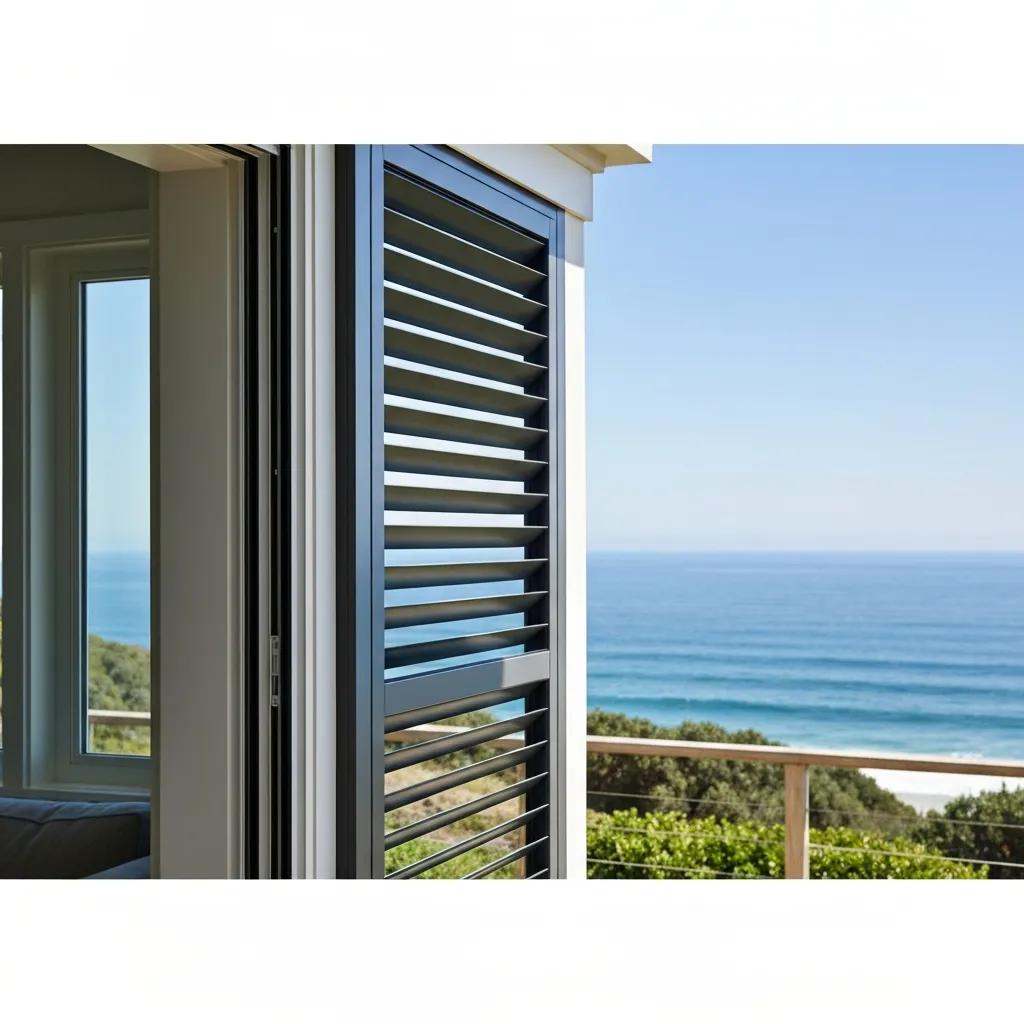
Accordion Shutters: How They Protect Your Home from Storms — and Keep It Secure Year‑Round
Accordion shutters are permanently mounted, side‑folding metal panels that lock across windows and doors to deliver engineered hurricane protection and everyday security. This article walks through how accordion shutters resist wind and windborne debris, the materials and engineering that give them long life in coastal conditions, and how they serve as a strong physical barrier against intruders while adding privacy and helping with energy performance. We focus on conditions and code considerations that matter for homeowners along the North and South Carolina coast — places like Wilmington and Myrtle Beach — including rated performance and corrosion resistance. You’ll also see how accordion shutters compare to other options, what to expect during installation and maintenance, and the measurable homeowner benefits for cost, insurance, energy, and resale value. Later sections cover deployment choices (manual vs. motorized), a step‑by‑step professional installation checklist, and comparative tables to help you pick the right protection for your property. Throughout, practical keywords such as storm protection window coverings, accordion shutter benefits, hurricane window protection, and accordion shutters maintenance are used to help you evaluate coastal NC/SC options and make an informed choice.
Why Accordion Shutters Are a Smart Choice for Storm Protection
Accordion shutters act as a continuous, engineered barrier that resists wind loads, blocks windborne debris, and — when the product is properly rated and installed — meets building‑code wind‑impact requirements. Their design distributes wind pressure through tracks, stiffening ribs, and mounting brackets, which reduces localized stress on frames and glazing and helps preserve structural integrity during hurricanes. Certified systems comply with modern codes and provide the documentation many permitting and insurance processes require. Knowing the materials and engineering behind accordion shutters explains why they outperform many temporary solutions and why professional installation and correct anchoring are essential to achieve rated performance.
How Accordion Shutters Stand Up to Hurricane Winds and Debris
Accordion shutters resist hurricane winds and windborne debris by channeling forces into continuous tracks and stiffening ribs that prevent panels from flexing and transferring damaging loads to the glazing. Interlocking panels move those loads to mounting brackets anchored in structural substrates, reducing the chance of blowout at rated wind speeds and during debris impacts. Impact resistance depends on panel thickness, rib geometry, and fastener patterns — all validated through lab testing to meet wind‑borne debris protocols. Properly installed accordion systems form a layered defense: the shutter resists penetration while the frame and glass stay protected, and those mechanics tie directly to material choices that improve longevity in coastal settings.
Accordion Shutters: Wind-Driven Rain Intrusion Reduction for Windows
This study measures rain intrusion into a window setup, comparing performance with and without an accordion shutter. The shutter is evaluated as a protective window covering during severe weather.
Holistic testing to determine quantitative wind-driven rain intrusion for shuttered and impact resistant windows, KS Vutukuru, 2020
Which Materials and Engineering Details Keep Accordion Shutters Durable?

Durability comes from corrosion‚Äëresistant aluminum alloys, stainless steel fasteners, sealed rollers and tracks, and protective coatings that slow salt‚Äëair and UV degradation. Engineering features like stiffening ribs, wind locks, and continuous top‚Äëand‚Äëbottom track engagement add rigidity and reduce fatigue under repeated wind cycles. Powder coatings or marine‚Äëgrade paints provide an extra corrosion barrier in coastal zones, and replaceable wear parts make long‚Äëterm maintenance practical. Below is a concise comparison of typical components and how they perform in coastal conditions to help you weigh trade‚Äëoffs.
Different components and engineering choices predictably affect coastal durability and long‚Äëterm performance.
How Accordion Shutters Improve Home Security All Year

Beyond storms, accordion shutters act as a sturdy physical barrier that delays forced entry, integrate locks that increase time‑to‑breach, and provide visible deterrence to opportunistic intruders. They secure vacant properties, give you control over privacy, and work well with alarm systems by blocking sightlines that might otherwise invite theft. Because they’re permanently mounted and mechanically simple — no seasonal storage — shutters are ready when you need them, supporting daily security routines and emergency preparedness. The next section breaks down the specific security features that make accordion shutters a practical upgrade for coastal and urban homeowners.
How Accordion Shutters Deter Intruders and Form a Physical Barrier
Accordion shutters present a continuous metal surface that must be breached or pried apart, which raises the effort, time, and noise required for forced entry and increases the chance of detection. Locking options — internal deadbolts, slide bolts, or keyed locks — add multiple resistance points and are built to resist tampering. The visible presence of permanently mounted shutters also deters opportunistic crime. These security benefits depend on proper maintenance of locks and tracks, which is why routine inspection is essential and covered in the maintenance section below.
Accordion Shutters: Protection Against High Winds
This reference notes the use of shutters, including accordion types, to protect windows or doors in areas exposed to high winds.
Protecting low-income housing from climate risks, 2019
What Privacy and Security Benefits Come Besides Storm Protection?
When closed, accordion shutters block sightlines and control light — helpful when you’re on vacation or for ground‑floor rooms. They reduce passive surveillance by preventing outsiders from seeing interior layouts, a real advantage for rental properties or homes on busy streets. Shutters also shield interiors from UV exposure when closed, helping preserve furnishings and finishes. These combined benefits — security, privacy, and UV protection — make accordion shutters useful year‑round, not just during storm season.
Practical Benefits Accordion Shutters Offer Homeowners
Accordion shutters deliver practical gains for everyday life, finances, and comfort: fast deployment, potential insurance savings, improved resale appeal, and measurable thermal and acoustic benefits. They come in manual and motorized options to fit accessibility needs, and installed cost varies with opening size, motorization, and retrofit complexity. Homeowners also notice comfort improvements from reduced solar gain and sound dampening — useful near busy roads or in denser neighborhoods. The sections that follow cover ease of use, cost and insurance implications (with a comparison table), and energy/noise benefits so you can balance operational, financial, and comfort trade‑offs.
How Simple Is It to Deploy Accordion Shutters?
Accordion shutters slide along permanent tracks and deploy quickly from one or both sides. Manual systems usually need one person to slide and latch panels; motorized versions do the same with a push of a button. Manual operation is straightforward for most adults, while motorized options improve accessibility for older homeowners and large openings and can integrate with home automation. Deployment time typically ranges from under a minute for small windows to a few minutes for wide multi‚Äëpanel openings, and only minimal user familiarization is required to handle locks and guides properly. Ease of use factors influence cost and maintenance choices, which we cover next in the cost and insurance section.
Accordion Shutters for Coastal Homes: Installation and Deployment
An accordion shutter shown open over a large coastal window group; this example allows deployment from inside the home.
Texas Homeowner’s Handbook To Prepare For Coastal Natural Hazards (Revised), J Jacob, 2018
How Accordion Shutters Affect Cost, Insurance, and Property Value
Installed accordion shutters typically fall in the market range of about $20–$40 per square foot, depending on materials, labor, and motorization. Those upfront costs are weighed against potential insurance savings and avoided storm repair costs. Many insurers offer premium discounts for rated, code‑compliant protection, though discounts vary by provider and region; documented rated systems can improve a home’s risk classification. Accordion shutters can also boost resale appeal by offering documented storm protection and added security — a clear selling point in coastal NC/SC markets where hurricane readiness matters to buyers. For cost planning, American Hurricane Shutters provides free estimates and an interactive cost calculator to model installed price ranges and potential insurance impacts.
Different installed protection options come with distinct cost and insurance implications for homeowners evaluating long‚Äëterm value.
Do Accordion Shutters Help with Energy and Noise?
Accordion shutters act as an exterior thermal barrier that reduces solar heat gain and helps stabilize indoor temperatures, which can lower HVAC runtime during hot months and contribute to energy savings for coastal homes. They’re not a substitute for high‑R glazing but do improve overall window system performance by shading glass and reducing conductive heat transfer during peak sun. Shutters also add mass and create an air gap that dampens airborne sound, helping homes near busy streets or tourist areas. These comfort and efficiency gains can modestly lower utility bills and improve livability, making shutters a practical multi‑benefit investment.
What Homeowners Should Know About Installation and Maintenance
Professional installation is key to achieving rated performance: accurate measurement, proper anchoring, and correct sealing all matter. Installation includes structural attachment to framing, sealing to limit water intrusion, and verification of operating tolerances to maintain wind‑load performance. Maintenance is mostly preventive — cleaning tracks, lubricating rollers, and inspecting fasteners — and scheduled service extends life and protects warranties. The next section lists the typical professional installation sequence so you know what to expect on site.
What Happens During Professional Accordion Shutter Installation?
Professional installation usually follows a clear sequence from site survey to final inspection to ensure a code‚Äëcompliant fit and operation. Expect these steps:
- Site survey and measurements to document openings and structural backing.
- Engineering review and product selection based on wind ratings and coastal exposure.
- Custom fabrication of panels to measured tolerances and finish specifications.
- On-site mounting of tracks and brackets to structural members with corrosion-resistant fasteners.
- Panel installation, sealing, and functional adjustment to ensure smooth operation.
- Final inspection, documentation of ratings, and a homeowner demonstration of operation.
This step‚Äëby‚Äëstep process sets realistic expectations and shows why professional installation reduces risk and preserves rated performance. The maintenance section that follows explains routine tasks to keep shutters working well over time.
How to Maintain Accordion Shutters for Long-Term Performance
Seasonal maintenance preserves coastal durability by addressing salt buildup and mechanical wear. Homeowners should clean tracks and panels to remove salt and debris, lubricate rollers and pivot points with manufacturer‚Äërecommended products, and inspect fasteners, seals, and locks for corrosion or looseness at least twice a year and after major storms. Stiff operation, unusual noises, or visible corrosion are signs to call a professional for repairs or part replacement and to verify continued rated performance. Following a simple checklist of cleaning, lubrication, and inspection helps keep warranties valid and makes sure shutters are ready for the next storm season.
Regular upkeep prevents small issues from becoming performance‚Äëlimiting failures, and timely professional checks keep protection code‚Äëcompliant.
Why Work with American Hurricane Shutters for Accordion Solutions?
We bring local NC/SC coastal expertise to accordion shutter projects, installing engineered, hurricane‑rated systems and offering free estimates and online cost‑planning tools. Our focus is on code‑compliant protection; we install certified products like ASSA’s Bertha HV accordion shutters as examples of tested quality, and we provide installation and maintenance practices tailored to coastal corrosion and permitting needs. We serve towns where storm exposure and building codes demand experienced solutions — from Wilmington and Myrtle Beach to Oak Island, Topsail, New Bern, and Pawleys Island. If you’re ready to evaluate costs or schedule a site assessment, our estimate and cost‑planning tools make the next steps straightforward.
How We Address Coastal NC/SC Storm Challenges
Our teams use local knowledge of storm patterns, salt‚Äëair corrosion, and permitting nuances to recommend materials and installation practices suited for coastal North and South Carolina. We specify corrosion‚Äëresistant alloys and stainless fasteners, recommend protective finishes, and follow anchoring methods that account for coastal wind exposure and uplift. Experience with local permit paths and documented rated systems helps homeowners secure approvals and insurance documentation, while familiarity with regional site conditions ensures installers anticipate framing and prevailing wind challenges. This localized approach translates into practical protections aligned with regional storm risk.
Products and Services We Offer
American Hurricane Shutters provides engineered hurricane protection solutions: rated accordion shutters (including ASSA’s Bertha HV accordion shutters), roll‑down shutters, storm panel support, professional installation, and ongoing maintenance — plus free estimates and an interactive cost calculator for planning. We emphasize certified, code‑compliant products with professional installation and post‑installation support, making it easier for homeowners to document protection for insurance or resale. For property owners weighing options or seeking a locally optimized solution, our services cover evaluation through long‑term maintenance.
How Accordion Shutters Compare to Other Hurricane Protection Options
Accordion shutters balance permanence, convenience, and cost compared with roll‚Äëdown shutters, Bahama shutters, storm panels, and impact windows. They provide immediate readiness with no storage needs and solid forced‚Äëentry resistance; roll‚Äëdown shutters can be more automated but usually cost more. Storm panels are a lower‚Äëcost, temporary option but require storage and on‚Äësite labor; impact windows are a permanent upgrade with energy benefits but a much higher upfront investment. The sections below outline direct advantages and include a comparison table to help you decide.
Advantages of Accordion Shutters Over Roll‚ÄëDown and Bahama Shutters
Accordion shutters offer quick manual deployment, proven mechanical reliability, and strong retrofit suitability because they mount to existing framing without major structural changes. Roll‚Äëdown systems often require housing and motorization that add cost. The side‚Äëfolding design is mechanically simple, reducing potential failure points compared with motorized systems, and provides continuous coverage that improves forced‚Äëentry resistance versus lighter Bahama styles. For many retrofit projects along the coast, accordion shutters strike the right balance of cost, security, and ease of installation. The next section compares accordion shutters with storm panels and impact windows to show permanence versus cost trade‚Äëoffs.
Different protection types come with distinct trade‚Äëoffs in performance, complexity, and cost that homeowners should weigh for their specific property needs.
Accordion Shutters vs. Storm Panels and Impact Windows
Accordion shutters sit between low‚Äëcost, labor‚Äëintensive storm panels and the permanent, higher‚Äëcost option of impact windows. They eliminate seasonal storage and installation labor while providing documented protection without full window replacement. Storm panels are budget‚Äëfriendly but require storage and on‚Äësite labor, which can be impractical for frequent storms or rental properties. Impact windows give permanent glazing protection and energy benefits but cost significantly more up front and take longer to install. For many coastal NC/SC homeowners balancing cost, security, and year‚Äëround convenience, accordion shutters are a practical long‚Äëterm choice.
- Accordion shutters provide ready protection without seasonal storage needs.
- Storm panels reduce upfront cost but increase labor and storage burdens.
- Impact windows offer permanence and energy gains but require larger capital outlay.
These points help homeowners choose based on retrofit feasibility, budget, and long‚Äëterm goals, and they often lead to arranging a cost estimate and site assessment to confirm the best fit.
Frequently Asked Questions
What are the key differences between accordion shutters and impact windows?
Accordion shutters and impact windows both protect against storms, but they differ in installation and cost. Accordion shutters are external, deployable systems you close when needed; impact windows are permanent replacements for existing glass. Accordion shutters typically cost $20–$40 per square foot installed, while impact windows often exceed $60 per square foot. Shutters offer flexibility and easier retrofit options, letting homeowners control protection as weather demands.
How do accordion shutters affect home insurance premiums?
Installing accordion shutters can result in insurance savings. Many carriers offer discounts for homes with rated, code‚Äëcompliant storm protection because these systems lower the risk of damage during severe weather. The size of any discount depends on your insurer and location, so talk with your insurance agent to understand the potential benefit for your policy.
Can accordion shutters be customized for different window sizes?
Yes. Accordion shutters are custom‚Äëfabricated to fit a wide range of window sizes and configurations. Installers take precise measurements so the shutters fit each opening correctly and perform as intended. Discuss your specific needs with the installation team to explore colors, finishes, and hardware options.
What maintenance is required for accordion shutters?
Routine maintenance keeps shutters operating and prolongs their life. Clean tracks and panels to remove salt and debris, lubricate moving parts, and inspect fasteners and seals for corrosion or wear. Perform these checks at least twice a year and after major storms. If you notice stiff movement, unusual noises, or visible corrosion, schedule professional service to replace worn parts and confirm continued rated performance.
Are accordion shutters suitable for all coastal regions?
Accordion shutters are well suited to coastal areas because they’re engineered and use corrosion‑resistant materials. That said, homeowners should verify local building codes and performance standards. Consulting local experts ensures the chosen system meets regional requirements and environmental challenges.
How do accordion shutters improve energy efficiency?
Accordion shutters reduce solar heat gain and help stabilize indoor temperatures by acting as an external barrier, which can lower HVAC runtime during hot months. They also add mass and create an air gap that helps reduce noise transmission. Together, these effects can improve comfort and modestly reduce energy costs.
What is the typical lifespan of accordion shutters?
Lifespan varies by materials, maintenance, and environment, but high‚Äëquality accordion shutters are designed to last for many years. Corrosion‚Äëresistant alloys and stainless steel hardware extend life in coastal settings. With proper care and regular inspections, shutters can perform effectively for 20 years or more.
Conclusion
Accordion shutters offer reliable storm protection and added home security, making them a practical investment for coastal homeowners. Their durable, engineered design guards against severe weather while deterring intruders, giving you year‚Äëround peace of mind. Choosing the right accordion shutters can also lead to insurance savings and improved resale appeal. Explore our range of professionally installed accordion shutters to protect your home with solutions built for the coast.
