
Accordion Shutters Lifespan: What Coastal Homeowners Should Know About Durability and Maintenance
Accordion shutters are a permanently mounted storm-protection system built from interlocking slats that fold open for everyday use and lock shut for hurricane defense. They shield your windows by forming a continuous barrier against wind-driven debris, and how long they last depends on material quality, installation, and routine upkeep. This article lays out typical service-life ranges, the materials and installation practices that influence longevity, straightforward maintenance steps homeowners can take, and clear rules of thumb for repair versus replacement. Because coastal North Carolina and South Carolina homes face extra salt-air and UV exposure, we connect technical guidance to local conditions and relevant building-code considerations. Later sections include maintenance checklists, side-by-side comparisons that show how material choices and upkeep change expected life, and guidance on when to contact a local provider for inspection, repair, or a free estimate using the company’s online cost calculator. By the end, you’ll have practical steps to extend shutter life, weigh repair ROI, and understand the protection durable accordion shutters give coastal properties.
What Is the Average Lifespan of Accordion Shutters?
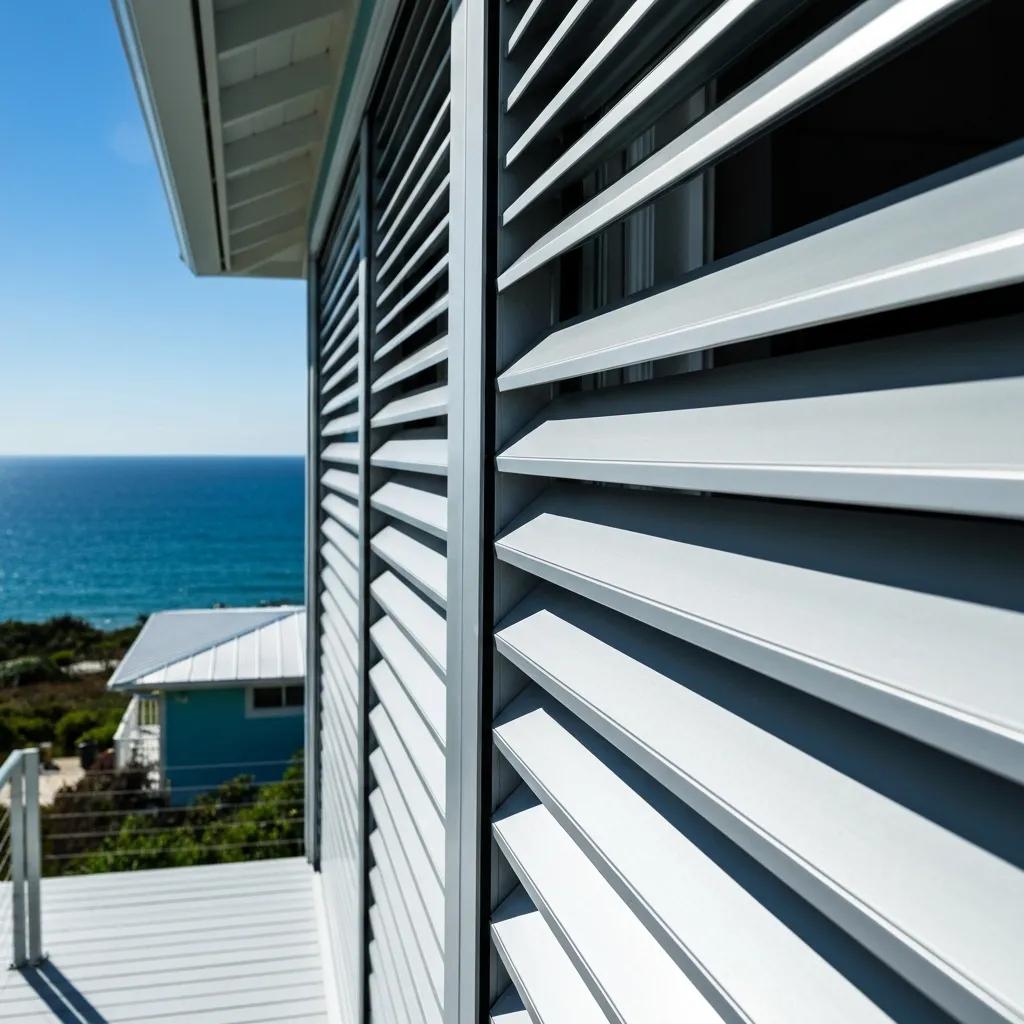
Under normal conditions, accordion shutters commonly last between 10 and 20 years. Well-specified systems that receive regular maintenance can reach 25 to 30+ years in the best cases. The basic idea is simple: powder-coated aluminum slats resist impact and stainless-steel hardware lowers corrosion risk; together these parts determine how well the system stands up to coastal wear. Lifespan depends mainly on three factors—material grade, installation quality, and maintenance frequency—so any year range should be treated as conditional, not absolute. Knowing these conditions helps set realistic expectations for replacement timing and lifetime costs. The table below compares expected lifespans across typical quality and maintenance scenarios so the difference is clear.
This comparison shows that upgrading materials and sticking to a maintenance schedule measurably extends service life and lowers long-term replacement costs. Use these ranges to inform budgeting and to decide when to bring in a professional for an assessment.
How Long Do Accordion Hurricane Shutters Typically Last?
Most accordion hurricane shutters provide reliable service for roughly 10 to 20 years before major components need replacement, with many systems reaching about 15 years with modest upkeep. Mechanical wear usually appears first at tracks, pivot points, and fasteners where friction and corrosion combine—so in salt-spray areas you’ll often see the lower end of that range without intervention. Homeowners who follow scheduled maintenance—seasonal rinsing, track cleaning, and lubrication—commonly report pushing functional life toward the 20–30-year range for higher-grade systems. Looking at age together with condition (corrosion, how smoothly they operate, and code compliance) gives a clearer timeline for replacement than age alone.
Can Proper Maintenance Extend Accordion Shutter Longevity?
Yes. Proactive maintenance can extend an accordion shutter’s useful life by many years because it prevents corrosion, cuts friction-related wear, and catches small issues before they become failures. Simple steps—freshwater rinses after salt exposure, clearing debris from tracks, and periodically lubricating locks and rollers—slow the breakdown of moving parts and protective coatings. A maintenance plan that includes an annual inspection by a qualified technician plus seasonal homeowner checks typically moves expected lifespan from the mid-teens into the mid-to-late twenties for premium systems. A small, consistent investment of time and occasional professional servicing delivers strong lifecycle ROI by postponing full replacement and keeping your storm protection reliable.
What Factors Affect the Durability and Lifespan of Accordion Shutters?
Four interrelated factors control accordion shutter durability: material and coating quality, installation and anchoring, coastal environmental exposure, and ongoing maintenance. Material choice sets the baseline resistance to impact and corrosion; installation quality determines how loads are distributed and how much stress fasteners and tracks endure. Environmental stressors—salt-laden air, intense UV, and frequent wind-driven debris—speed up paint and hardware breakdown if not mitigated. Finally, how often shutters are used and maintained dictates how quickly moving parts wear. Understanding these factors helps homeowners focus on the actions that yield the biggest longevity gains.
Key factors and practical effects:
- Higher-quality materials and finishes reduce corrosion and abrasion.
- Correct mounting and fastener selection prevent premature loosening or panel deformation.
- Coastal salt, humidity, and UV wear coatings and hardware faster than inland climates.
- Regular maintenance limits exposure to corrosive residues and trapped debris.
How Do Materials Like Aluminum and Stainless Steel Impact Shutter Longevity?
Powder-coated aluminum slats offer a lightweight, corrosion-resistant panel and a protective finish that resists chipping and oxidation when specified correctly. Stainless steel hardware—hinges, pins, fasteners, and lock parts—holds up far better than galvanized or plain steel in salt-air environments. The quality of the coating system (powder coat thickness, curing process, and UV stability) influences how quickly colors fade and how often touch-ups are needed. Premium coatings and stainless components raise initial cost but cut lifecycle maintenance and replacement frequency, making them a smart long-term value for coastal homeowners.
Powder Coating for Aluminum Shutters: Durability and Environmental Benefits
Powder coating is a dry finishing method in which a free-flowing powder is applied to metal and then cured under heat to form a durable skin. Unlike many liquid paints, powder coating doesn’t rely on solvents, so it reduces volatile organic compound (VOC) emissions. The finish offers greater resistance to fading, chipping, and scratching and typically provides a thicker, more even coat than conventional paint without runs or sags.
What Role Does Professional Installation Play in Accordion Shutter Durability?
Professional installation makes a big difference: it ensures shutters are secured with the correct fasteners, aligned properly, and anchored into sound framing so tracks and slats don’t take excessive stress during storms. Misaligned panels accelerate wear on rollers and tracks, create rattling that loosens fittings, and increase the chance of mechanical failure. Installers who know local building codes and coastal loading conditions will size anchors and spacing correctly, reducing failure risk under wind loads. Regular professional inspections also catch installation-related wear early, so quality installation is a high-leverage investment in long-term durability.
How Do Coastal Environmental Conditions Affect Accordion Shutters?
Salt spray, persistent humidity, intense UV exposure, and frequent high winds combine to speed both cosmetic and mechanical degradation of shutters near the coast. Salt crystals attack exposed metal and can find their way into small coating defects, causing pitting around fasteners and in tracks. UV breaks down polymer binders in paint, making finishes brittle and prone to flaking. Wind-driven debris raises impact stress and abrades finishes over time. Mitigations—freshwater rinsing after marine exposure, UV-stable powders, and stainless hardware—significantly reduce these impacts and help preserve reliable operation.
How Should Homeowners Maintain Accordion Shutters to Maximize Lifespan?
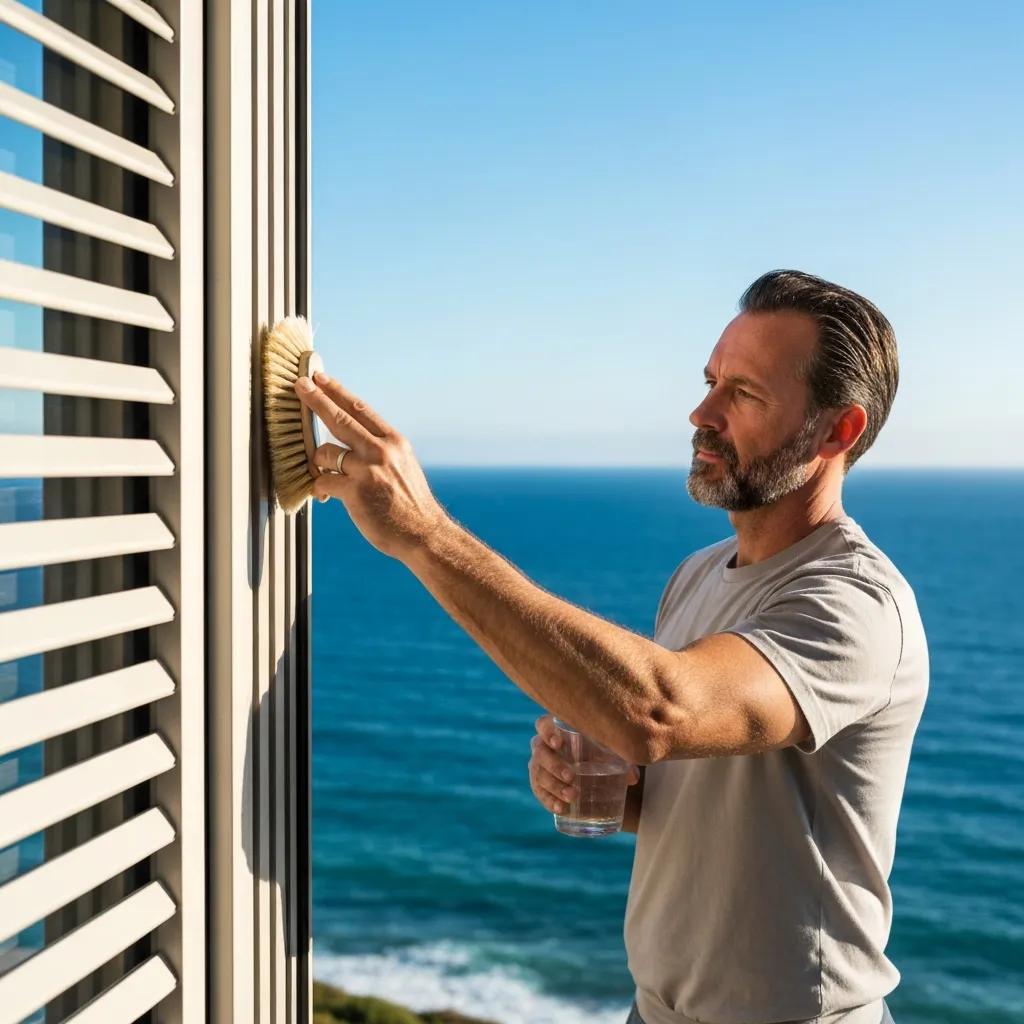
A consistent maintenance routine focused on cleaning, lubrication, inspection, and timely repairs keeps accordion shutters working smoothly and extends their service life. The goal is to remove corrosive residue, reduce friction at moving parts, and spot small problems before they become failures. Homeowners can handle seasonal checks and basic tasks, and should schedule professional inspections annually or after major storms. Below is a step-by-step plan you can follow to keep shutters performing well in NC and SC coastal conditions.
How to maintain accordion shutters:
- Rinse and clean: Use fresh water and a mild detergent to remove salt and grime at least twice a year and after heavy salt spray.
- Clear tracks and drains: Remove debris from tracks and bottom drains to prevent binding and water buildup.
- Lubricate moving parts: Spray a silicone-based lubricant on rollers, hinge pivots, and locks twice a year or after heavy exposure.
- Inspect hardware and seals: Check fasteners, locks, and seals for corrosion or looseness and tighten or replace as needed.
Keeping this schedule preserves smooth operation and prevents accelerated wear from trapped debris or seized hardware. The table below is a quick-reference showing estimated time and benefit for each task.
What Are the Best Practices for Cleaning Accordion Shutters?
Cleaning removes corrosive salt deposits and airborne grime that speed finish and hardware breakdown. Use a soft brush, mild detergent, and plenty of fresh water—avoid harsh solvents or abrasive pads that can damage powder-coat finishes. Pay special attention to tracks, hinges, and locks where debris collects; flush bottom tracks and drain holes to prevent standing water that promotes corrosion. Coastal properties should clean at least twice a year and add a rinse after storms or extended salt exposure. Regular cleaning keeps shutters looking good and makes lubrication and inspections more effective.
How and When Should You Lubricate Accordion Shutter Tracks and Locks?
Lubrication reduces friction and prevents parts from seizing, which otherwise speeds wear and can damage tracks and sliders. Use a silicone-based lubricant because it repels water, stands up to salt better than oils, and doesn’t attract dust. Apply to rollers, hinge pivots, locking cams, and the top and bottom of tracks twice a year—ideally in spring and fall—and after heavy marine exposure or contamination. Proper lubrication reduces rattling, smooths deployment, and extends component life for relatively little cost or effort.
When Should You Repair or Replace Your Accordion Shutters?
Choosing repair versus replacement depends on the extent of damage, the system’s remaining service life, and warranty coverage. Repairs are sensible for isolated issues—seized rollers, a broken lock, or a corroded fastener—when the rest of the system is structurally sound. Replacement is the better option when multiple components show advanced corrosion, slats are warped, or the system no longer meets current code wind-load requirements. Consider warranties, the system’s age, and whether repeated fixes on an aging system cost more over time than a full replacement.
What Are the Common Signs of Wear and Damage in Accordion Shutters?
Watch for both functional and visual signs of decline: difficulty opening or closing, unusual noise or rattling in wind, visible corrosion at hinges and fasteners, warped or dented slats, and locks that don’t engage smoothly. Trouble during deployment often points to worn rollers or damaged tracks; visible pitting or flaking on hardware signals advanced corrosion that can weaken anchors. Regular inspection catches these issues early so targeted repairs can restore performance. When several signs appear at once, planning for replacement is often more cost-effective than repeated repairs.
How Do Warranty Terms Affect Repair and Replacement Decisions?
Warranties shape decisions by spelling out what’s covered and what you’ll pay for out of pocket. Common warranty elements include material coverage for finishes and limited labor coverage for installation defects. Manufacturer warranties usually cover materials for a set number of years and may exclude corrosion from salt spray if maintenance was neglected, so keep purchase documents and service records to support any claim. If a failing component is covered, repair is usually the right move; if warranty has expired or excludes the damage, compare repair cost to the system’s expected remaining life to judge replacement ROI. Always ask installers for specification sheets and warranty details before work begins.
If you need a formal inspection, repair, or replacement estimate, contact American Hurricane Shutters for a professional assessment and to schedule services; the company offers free estimates via a cost calculator on its website and serves coastal North Carolina and South Carolina, including Wilmington, Myrtle Beach, Oak Island, Topsail, New Bern, and Pawleys Island. A certified inspection clarifies whether repairs or full replacement best protect your property and meet local codes.
What Are the Benefits of Choosing Long-Lasting Accordion Shutters for Coastal Homes?
Long-lasting accordion shutters give safety, help preserve property value, and lower long-term costs by offering dependable storm protection and reducing emergency repairs. Durable systems cut the risk of window failure during storms and reduce the chance of water and wind damage to the home. Economically, they lower lifetime replacement expenses and can boost buyer confidence at resale by demonstrating documented mitigation. Well-maintained, code-compliant shutters are also more likely to qualify for insurer considerations or discounts when properly documented.
Benefits list for coastal homeowners:
- Enhanced storm protection: Durable shutters deliver consistent impact and wind resistance during hurricanes and severe weather.
- Property-value retention: Long-lasting protective systems increase appeal for coastal buyers who prioritize risk mitigation.
- Lower lifecycle costs: Fewer replacements and emergency fixes reduce total cost of ownership over time.
Those benefits make the upfront investment in better materials and maintenance worthwhile for many coastal property owners. The sections that follow explain how shutters translate into security and insurance advantages in practical terms.
How Do Accordion Shutters Enhance Property Value and Security?
Accordion shutters add value by signaling to buyers that the home has built-in hurricane protection, which lowers perceived risk and can shorten time on market in coastal areas. They also add security: closed shutters protect glass from forced entry and limit interior visibility, deterring opportunistic theft while you’re away. Well-maintained shutters with documented service records are an asset in sales conversations, especially where storm protection matters to buyers. Keep specification sheets and inspection records to support the value they add.
Can Accordion Shutters Reduce Insurance Premiums for Coastal Homeowners?
Some insurers offer discounts or favorable underwriting for homes with certified hurricane protection that meets local code and wind-rating standards, so documentation matters. To pursue any available credits, gather installation certificates, wind-rating info, and maintenance records to present to your insurer. Underwriting varies, so check your policy and provide proof of code compliance and professional installation to qualify. Even modest discounts, combined with reduced risk, improve long-term affordability.
Why Choose American Hurricane Shutters for Accordion Shutter Installation and Service in NC and SC?
American Hurricane Shutters serves coastal North Carolina and South Carolina with accordion shutter solutions made from high-grade aluminum and stainless steel hardware, designed to meet or exceed Florida Building Code standards. Local knowledge of NC/SC coastal conditions and code requirements guides material selection, anchoring strategies, and maintenance advice to help maximize shutter life and performance. The company offers maintenance resources and professional services to evaluate existing systems, perform repairs, or install compliant new systems. For homeowners exploring options, American Hurricane Shutters provides free estimates via a cost calculator on its website and serves areas including Wilmington, Myrtle Beach, Oak Island, Topsail, New Bern, and Pawleys Island.
What Makes American Hurricane Shutters’ Accordion Shutters Durable and Code-Compliant?
The company’s products pair high-grade aluminum panels with stainless steel hardware—parts chosen for coastal resilience—to reduce corrosion risk and mechanical failure when properly maintained. Systems are designed to meet or exceed Florida Building Code standards, giving a recognized baseline for wind-load performance and installation practices. Homeowners should request specification sheets and installation certificates to confirm ratings and warranty details; those documents back up performance claims and any insurance requirements tied to certified protection systems.
How Can Homeowners Get a Free Estimate and Expert Support?
To get a professional inspection, estimate, or maintenance service, request a free estimate through the company’s online cost-calculator tool and review maintenance guides and blog resources for DIY care tips. For properties in Wilmington, Myrtle Beach, Oak Island, Topsail, New Bern, or Pawleys Island, scheduling a local inspection will clarify whether repair or replacement best protects your home and ensures installations match applicable coastal codes. A professional assessment provides a clear scope of work, documentation for insurers, and an actionable plan to preserve shutter performance and extend lifecycle value.
- Request an estimate: Use the free estimate tool on the company website to get a preliminary cost range.
- Schedule an inspection: Arrange an on-site evaluation to verify condition and code compliance.
- Plan maintenance: Follow the maintenance guide and schedule annual professional checks.
(Note: This article blends practical maintenance advice and technical guidance for accordion shutters with brief local service information. For professional recommendations about inspections, repairs, or replacement estimates, consult a qualified installer who understands coastal codes and conditions.)
Frequently Asked Questions
What are the signs that my accordion shutters need repair?
Look for a few clear indicators: difficulty opening or closing, strange noises or rattling in wind, visible corrosion on hinges and fasteners, dents or warping in the slats, or locks that don’t engage smoothly. If several of these appear together, replacement may be more economical than repeated repairs. Regular inspections help catch problems early and keep shutters functioning.
How can I ensure my accordion shutters comply with local building codes?
Work with installers who know the regulations in your area and ask for installation certificates and specification sheets as proof of compliance. Periodic inspections by qualified technicians can identify code-related issues that develop over time. Keep records of installations and maintenance to show authorities or insurers when needed.
What should I do if my accordion shutters are damaged during a storm?
First, assess the visible damage—bent slats, broken locks, or obvious corrosion. Minor issues may be repairable (replacement locks, lubrication), but significant damage should be evaluated by a professional. Document the damage for insurance purposes and get a repair estimate from a qualified installer.
Are there specific cleaning products I should avoid when maintaining my shutters?
Avoid harsh solvents, abrasive pads, and cleaners that could harm the powder-coated finish. Don’t use products with bleach or ammonia, as they can degrade protective coatings. Stick with mild detergent, a soft brush, and fresh water to safely preserve appearance and function.
How often should I schedule professional inspections for my accordion shutters?
We recommend a professional inspection at least once a year, and after major storms. Regular inspections identify issues before they become costly problems and help verify continued code compliance. A technician can also perform adjustments and recommend repairs to maximize lifespan.
What are the benefits of using stainless steel hardware in accordion shutters?
Stainless steel hardware resists corrosion far better than standard or galvanized steel—an important advantage in salty, moist coastal environments. That durability prevents mechanical failures, preserves anchoring strength, and reduces maintenance and replacement needs over time, making stainless hardware a smart investment for coastal homes.
Conclusion
Knowing how long accordion shutters last and how to maintain them matters for coastal homeowners who rely on consistent storm protection. Choosing quality materials, investing in proper installation, and following a proactive maintenance routine will noticeably extend shutter life and keep performance reliable. Don’t wait for visible damage to compromise safety—schedule a professional inspection or maintenance check. Explore our resources and request a free estimate to protect your home from the elements.
