
Accordion Shutters Installation Guide for Homeowners: Expert Tips for Safe and Code‚ÄëCompliant Setup
Accordion shutters are a retractable, track‚Äëmounted storm barrier that protects windows and openings from hurricane‚Äëforce winds and windborne debris. This guide walks coastal homeowners through how these systems work, why they matter for seaside properties, and practical steps for safe, code‚Äëcompliant installation and upkeep.
Homeowners often weigh DIY installation against hiring a pro, need clarity on NC and SC permit rules, and want to balance upfront cost with long‑term value. This article answers those questions with straightforward, actionable advice. You’ll learn what makes accordion shutters effective, how to prepare your home and permits, step‑by‑step installation basics, routine maintenance and troubleshooting, and the real cost and insurance considerations. We also compare alternative storm‑protection options like rolldown shutters and impact windows, and point out when professional help is the smart choice. Keywords such as accordion shutter installation guide, how to install accordion shutters, and accordion shutter maintenance checklist are used so homeowners can find the right information for coastal protection.
What Are Accordion Shutters and Why Are They Essential for Coastal Homes?
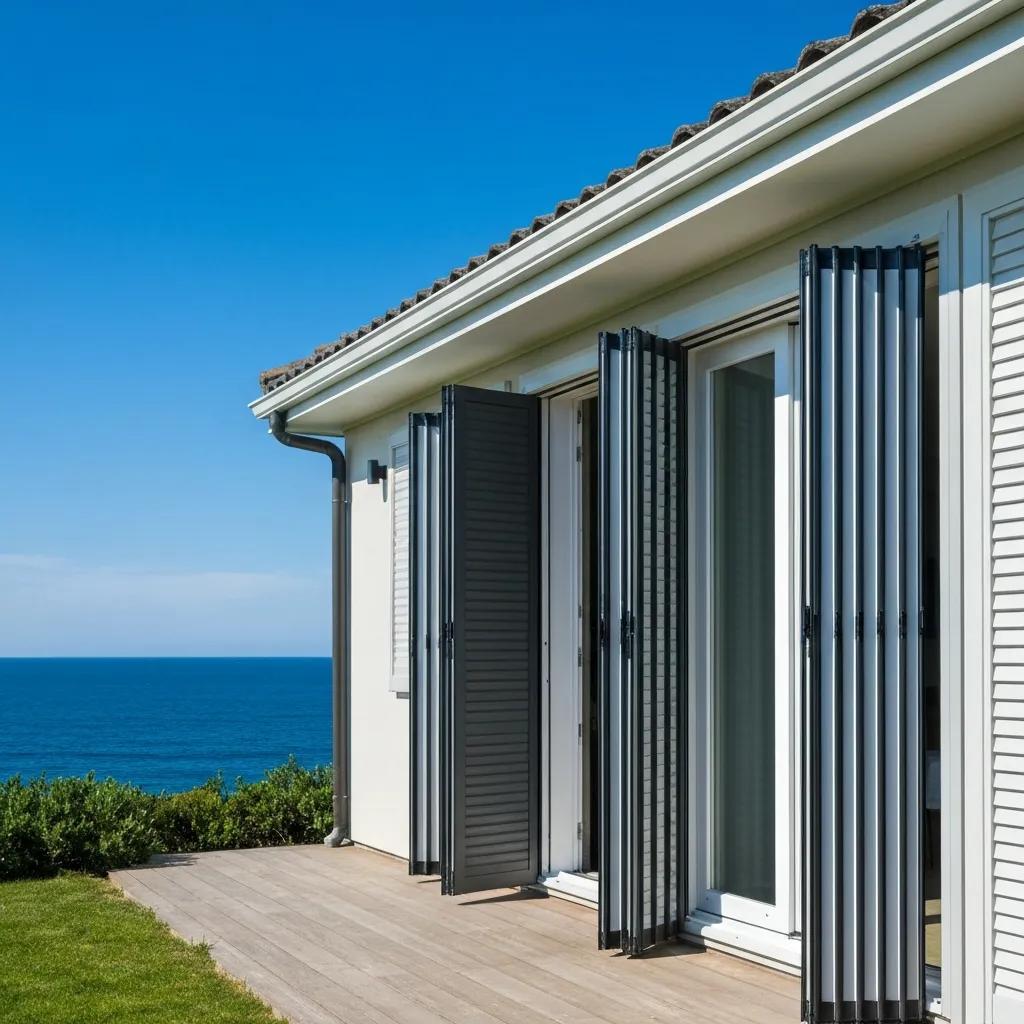
Accordion shutters are fixed or semi‚Äëpermanent panels that fold into pockets beside windows and slide on top and bottom tracks to create a continuous shield. Their design spreads wind loads into the tracks and building framing, reducing the chance of impact breaches and glass failure during hurricanes. Because coastal homes face flying debris and high design pressures, accordion shutters deliver quick deployment, reliable protection, and compatibility with rated systems required in windborne debris regions. Knowing these basics helps homeowners compare accordion shutters with other shutter types and choose the best mix of protection and usability.
These shutters rely on panel stiffness, track geometry, and secure locking hardware to resist deformation and racking under load—so construction rating and proper mounting matter. The system must remain attached under design pressure, and correct fastener selection and placement are essential to transfer loads into the structure. When comparing options, weigh rated accordion shutters against rolldown shutters, colonial shutters, and impact windows for durability, cost, and ease of use. The next section breaks components down so you can evaluate material durability and protection for coastal settings.
Hurricane Shutter Performance Under Roof Tile Impact
Study: Performance of hurricane shutters under roof tile impact — KR Gurley, 2010
What Features Make Accordion Shutters Ideal for Hurricane Protection?
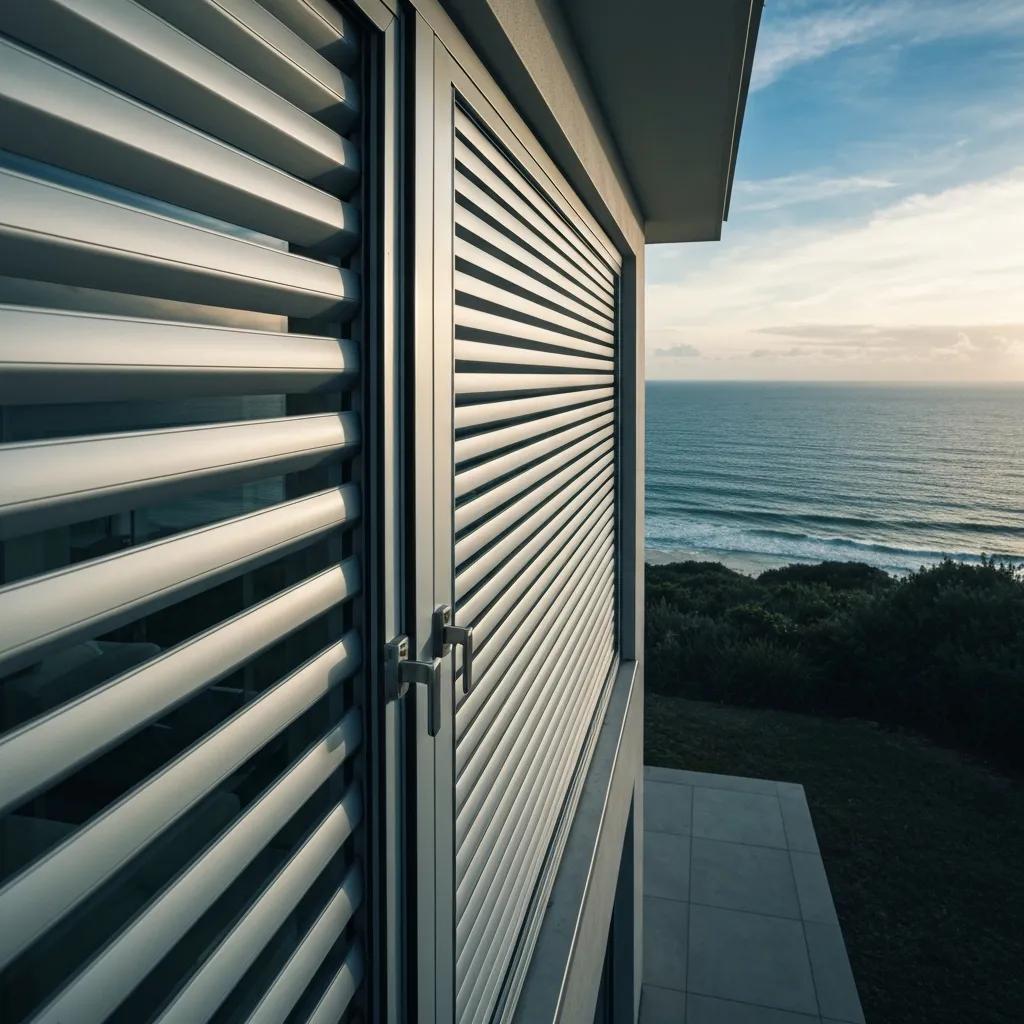
Accordion shutters shield openings through a combination of rigid panels, continuous tracks, and reliable locks that prevent inward collapse and limit deflection. Strong aluminum panels provide an impact‑resistant face while the top and bottom tracks route pressure into the building structure. Corrosion‑resistant parts and sealed fasteners help combat salt‑air damage so the system holds up through repeated exposures and storms. Panel stiffness, track support, and secure locks work together to resist debris impacts and meet or exceed code‑required design pressures—key for coastal installations.
How Do Accordion Shutters Enhance Home Security and Energy Efficiency?
Beyond storm protection, accordion shutters add a solid physical barrier when closed—deterring forced entry and protecting glass from breakage. When down, they also shade windows and reduce solar heat gain, which can lower cooling loads in summer. Insurers and buyers often value certified shutter systems because they lower risk and can earn wind‑mitigation credits or boost resale appeal. Seeing shutters as a year‑round performance upgrade—not just emergency gear—helps homeowners judge their full value.
How Do You Prepare for Accordion Shutter Installation?
Preparation starts with precise measurements, a structural check of mounting surfaces, and choosing a mount type that fits your wall and trim. Measure each opening (height, width, reveal depth) and look for obstructions like exterior lights or trim so panels and tracks sit flush and lock correctly. Identify substrate—masonry, wood, fiber cement—and plan anchors and fastener spacing; inadequate anchoring is a common cause of failure under design pressure. These prep steps cut down rework and help determine whether a rated system needs engineering paperwork or a Design Pressure Analysis.
A clear tools and permit checklist smooths the job and prevents delays. Plan staging areas and safety measures before work begins. If permits or rated‚Äësystem compliance are complicated, consider professional help for permit submissions and structural review. American Hurricane Shutters offers permit handling and custom Design Pressure Analysis services to guide homeowners through local code requirements and ensure systems meet required ratings. The next subsection lists the tools and material grades we recommend for coastal installs.
What Tools and Materials Are Needed for Installation?
Installing accordion shutters calls for a mix of common and specialty tools plus corrosion‚Äëresistant materials to ensure a lasting result. Key tools include hammer drills for masonry anchors, levels and laser lines for precise track alignment, torque‚Äëcapable drivers for consistent fastener seating, and appropriate safety gear like harnesses for elevated work. For materials, favor coastal durability: 6063‚ÄëT6 marine‚Äëgrade aluminum panels and 18‚Äë8 stainless‚Äësteel fasteners resist salt corrosion and keep the structure performing. Picking the right tools and materials cuts install time and future maintenance, and staging tools carefully prevents alignment mistakes that cause operation problems.
- Essential tools cover drilling, leveling, fastening, and safety.
- Material choices focus on marine‚Äëgrade aluminum and stainless fasteners.
- Safety equipment includes eye protection, gloves, and fall protection for elevated work.
What Local Building Codes and Permits Must Be Considered in NC and SC?
North Carolina and South Carolina reference the International Building Code (IBC) and adopt wind design provisions that are important in coastal counties, but permit details vary by county and city. If your property is in a windborne debris region (WBDR), you may need impact‑rated products or certified shutters—so confirm whether your address is in a WBDR and what wind speeds or design pressures apply. Many jurisdictions ask for product approvals, installation drawings, and sometimes a Design Pressure Analysis for rated systems. Talk with local code officials early, or hire a contractor who handles permitting and DP Analysis, to avoid permit delays.
- Check whether your property is in a windborne debris region and the applicable design pressures.
- Confirm county/city submittal requirements for product approvals and installation drawings.
- If unsure, obtain a professional DP Analysis to document compliance for permitting.
What Are the Step-by-Step Instructions for Installing Accordion Shutters?
Here’s the core installation sequence: pre‑fit and layout, secure the top track, align the bottom track, install panels, then verify locks and operation. Start by dry‑fitting panels and indexing hinge points to confirm alignment. Anchor the top track level to the header or fascia so loads transfer correctly, then set the bottom track so panels run smoothly without binding. Fasten panels with the specified corrosion‑resistant hardware, cycle the system fully, and verify lock engagement. Following this order helps the system perform as rated and prevents common failures like misaligned tracks or incorrect fastener spacing.
Below is a practical component map linking major parts to tools, tips, and estimated complexity to help plan time and decide if a pro is needed for safe, code‚Äëcompliant installation.
Correct tools and sequencing reduce rework and help the system meet its rating. The numbered list below gives compact, actionable steps to start the install.
- Measure and dry‚Äëfit: Verify dimensions and mock up panels to confirm fit.
- Install top track: Level, shim, and fasten the top track to a structural header.
- Align bottom track: Confirm the bottom track is straight, supported, and draining.
- Hang panels and index: Slide panels, line up hinges, and check consistent gaps.
- Secure fasteners: Use the specified stainless fasteners at the recommended spacing.
- Test operation and locks: Cycle panels fully, engage locks, and inspect seals.
How Do You Install Tracks, Panels, and Locking Mechanisms Correctly?
Start by installing the top track level and plumb—the top track carries most storm loads and sets the reference for the whole run. Use continuous measurement points and shims to keep level across the span, and choose anchors suitable for the substrate—masonry anchors for block, through‑bolts for solid headers. When hanging panels, index hinges so panels interlock without rubbing and maintain consistent clearances to prevent jamming. Finish by fitting the locking mechanism to manufacturer tolerances, test engagement across temperature ranges, and record fastener torque and spacing to meet rated‑system documentation.
Precise alignment and correct fasteners are often the difference between a shutter that stands up to design pressure and one that fails in a storm.
When Should You Choose Professional Installation Over DIY?
Hire a pro for second‚Äëstory or high‚Äëelevation openings, rated systems needing certification, properties with unusual framing, or when permit engineering or DP Analysis is required. Working at heights carries fall risks beyond typical DIY safe limits and may require OSHA‚Äëtrained crews and aerial lifts. Complex masonry mounts or structural header attachments benefit from experienced installers to ensure correct anchors and load paths. If you need to preserve warranty, secure insurance verification, or ensure code compliance, a certified installer lowers liability and boosts the chance the system performs as intended.
If you’re unsure about structural capacity or permit requirements, a professional assessment and installation deliver peace of mind and protect warranty and insurance benefits.
How Can Homeowners Maintain Accordion Shutters for Longevity and Performance?
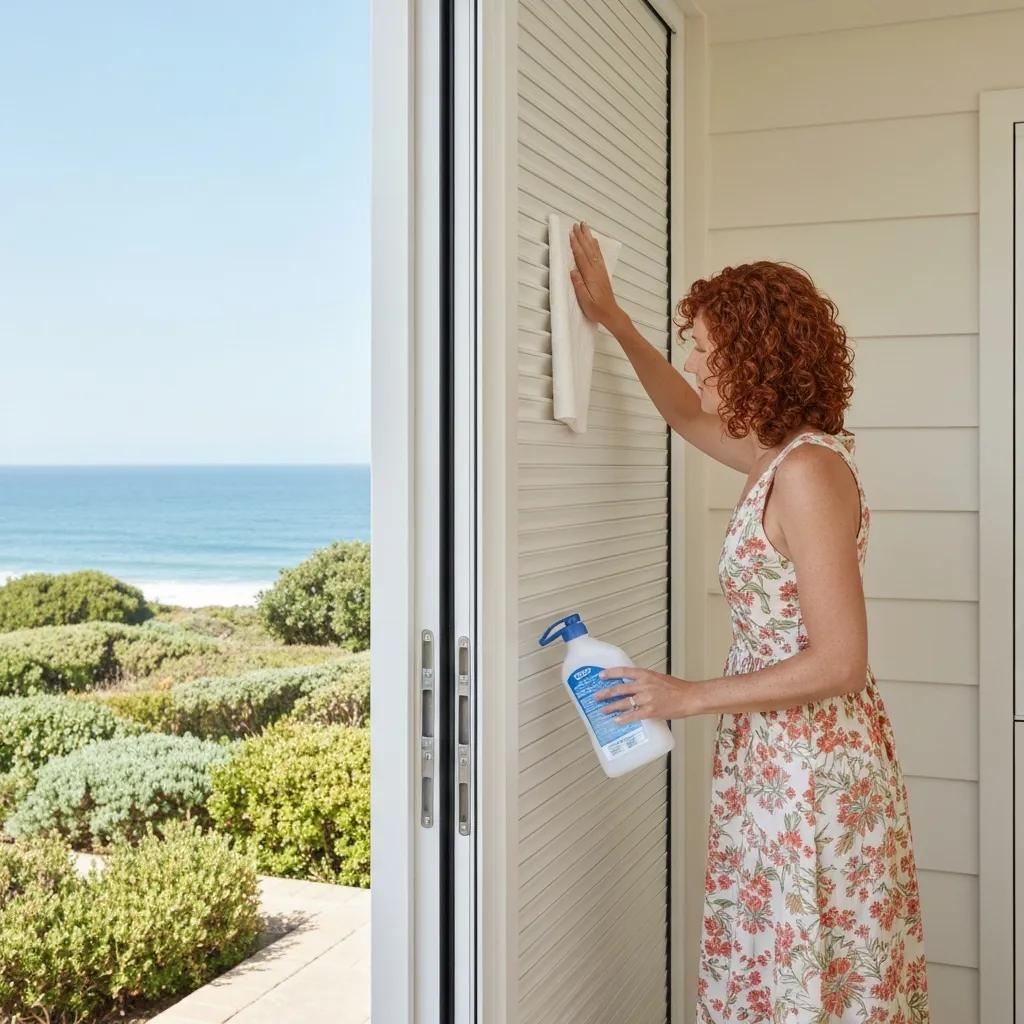
Regular maintenance preserves operation, corrosion resistance, and warranty coverage; a planned schedule prevents failures and extends service life. Inspect tracks, fasteners, and panel faces seasonally and after storms, remove salt and debris with mild soap and fresh water, and apply a silicone‚Äëbased lubricant to tracks for smooth operation. Replace corroded fasteners or worn rollers promptly and keep an inspection log to spot recurring issues before they grow. These habits reduce the chance of stuck tracks or broken parts and ensure the system is ready when a storm approaches.
Below is a maintenance schedule mapping components to recommended frequencies and actions so homeowners can plan seasonal care and long‚Äëterm upkeep.
Stick to this schedule to keep shutters operating and extend service life. The next section covers cleaning and lubrication best practices.
What Are the Best Cleaning and Lubrication Practices?
Use a mild, non‑abrasive detergent and fresh water to remove salt and airborne deposits, then rinse thoroughly so salt isn’t trapped to accelerate corrosion. Don’t use oil‑based lubricants on tracks—choose silicone‑based sprays that resist washout and won’t attract grit. Keep drainage paths clear and check track drainage during maintenance to prevent standing water that traps debris. Note cleaning dates and observations so you can detect progressive corrosion or wear patterns that signal parts replacement.
Proper cleaning and lubrication lower friction, slow wear, and help keep warranty conditions intact.
How Do You Troubleshoot Common Issues Like Stuck Tracks or Broken Components?
Typical problems include debris‚Äëclogged tracks, corroded fasteners, misaligned panels, and worn rollers. Start with a visual inspection and operational test to isolate symptoms. For stuck tracks, remove debris, flush with fresh water, and apply silicone spray; replace corroded rollers or hinges with specified 18‚Äë8 stainless parts. If panels bind from misalignment, slightly loosen fasteners, reindex the panels, and re‚Äëtorque to specs to restore clearance. If structural anchors move or fail, stop using the system and call a professional to address load‚Äëtransfer issues safely.
Know when a problem is beyond DIY—damaged framing or compromised anchors require professional repair rather than temporary fixes.
What Are the Typical Costs and Value of Installing Accordion Shutters?
Accordion shutter pricing is driven by material grade, square footage, number of openings, mount type, and permit/engineering needs; costs vary by region and project complexity. Impact‑rated systems and marine‑grade materials cost more up front but deliver greater longevity and stronger insurance mitigation potential. Labor complexity—working at heights, masonry anchors, or custom openings—raises cost, and permit and DP Analysis fees add to the total. Understanding these cost drivers helps homeowners weigh initial outlay against decades of protection and possible insurance savings.
The table below compares common cost drivers and how they typically influence price so you can see where budgets are most affected.
This side‚Äëby‚Äëside view highlights where homeowners can adjust scope to manage cost while keeping performance. Key pricing influences are summarized below.
- Material and rating (impact‚Äërated vs. non‚Äërated) have the largest effect on per‚Äësquare‚Äëfoot price.
- Mount complexity and the number of openings change labor and time required.
- Permit, engineering, and insurance documentation add to upfront expenses.
For exact pricing, request a professional quote or use the cost calculator. American Hurricane Shutters offers free estimates and a cost calculator to help homeowners compare material and mounting options and see how marine‚Äëgrade materials and a 7‚Äëyear warranty affect long‚Äëterm value. A free estimate clarifies permit needs and expected ROI before you commit.
Which Factors Influence Accordion Shutter Installation Prices?
Material choice—6063‑T6 marine‑grade aluminum versus lower‑grade alloys—impact rating, and total square footage create the biggest price differences. Labor rates vary by region and by mounting complexity—masonry work or hard‑to‑reach openings increases time and cost. Permit requirements, DP Analysis for rated systems, and any needed structural reinforcement also raise totals. Knowing these factors helps homeowners balance upfront investment against long‑term protection.
How Do Accordion Shutters Provide Insurance Discounts and Long‚ÄëTerm ROI?
Certified, impact‑rated shutters that meet wind and debris standards often qualify homeowners for wind‑mitigation credits or insurance discounts in many coastal areas because they reduce the risk of glazing and structural damage. Over 10–20 years, avoided repair costs and insurance savings can offset a meaningful portion of the initial installation, especially when shutters are well maintained. High‑quality materials and professional installation lower the chance of storm damage and maximize available insurance benefits. Factor expected lifespan and maintenance when estimating realistic ROI and insurance savings over time.
Why Choose American Hurricane Shutters for Accordion Shutter Installation in Coastal Carolina?
American Hurricane Shutters is a local, insured storm‚Äëshutter installer serving coastal North and South Carolina, including Wilmington, Myrtle Beach, Oak Island, Topsail, New Bern, and Pawleys Island. We use 6063‚ÄëT6 marine‚Äëgrade aluminum and 18‚Äë8 stainless‚Äësteel fasteners for corrosion resistance and perform custom Design Pressure Analysis to ensure rated‚Äësystem compliance. We handle permitting, employ OSHA 30 and aerial‚Äëlift trained technicians, and back our work with a 7‚Äëyear warranty. We also offer free estimates, a cost calculator, and an FAQ to support homeowners through decision making. That mix of marine‚Äëgrade materials, certified crews, permit support, and warranty coverage lowers homeowner risk and helps meet local coastal code expectations.
Our regional focus and documented material standards make American Hurricane Shutters a solid choice for homeowners who want installations engineered for the coastal environment. We simplify approvals with permit handling and DP Analysis and help homeowners pursue potential insurance mitigation credits. To compare options, request a free estimate and use the cost calculator to evaluate materials and mounting choices before you buy.
What Makes Our Materials and Installation Process Superior for Coastal Conditions?
We emphasize corrosion‚Äëresistant materials and engineered installation methods built for salt‚Äëair exposure: 6063‚ÄëT6 aluminum panels resist fatigue, and 18‚Äë8 stainless fasteners reduce galvanic corrosion at attachment points. Our technicians follow best practices for track alignment and anchoring, and we use Design Pressure Analysis to specify systems for local wind pressures at each property. These standards cut long‚Äëterm maintenance and help the system preserve protective performance through repeated exposures. Local installers familiar with coastal challenges make practical site constraints easier to manage.
How Does Our 7‚ÄëYear Warranty and Free Estimate Support Homeowners?
Our 7‚Äëyear warranty gives homeowners clear coverage that manages repair risk and protects value during the warranty period. Free estimates include on‚Äësite measurements, a cost breakdown, and permit guidance so scope and budget are clear before work begins. During a free estimate, our technicians inspect mounting surfaces, review material options, and explain permitting paths to reduce surprises during permitting and installation. That pre‚Äëinstall review combined with warranty coverage sets expectations for performance, maintenance responsibilities, and recourse if covered issues arise. Together, these services simplify decision making and provide accountability for long‚Äëterm performance.
This guide has covered accordion shutter selection, preparation, installation, maintenance, and cost—so homeowners can make informed, code‑compliant choices for coastal storm protection.
Frequently Asked Questions
What are the benefits of accordion shutters compared to other storm protection options?
Accordion shutters offer several advantages over rolldown shutters and impact windows. They’re often more affordable and quicker to install, which appeals to many homeowners. You can deploy them only when needed, and their compact retracted profile frees up exterior space. They also boost security and can improve energy efficiency, so they deliver year‑round benefits beyond storm use.
How do I know if my home is in a windborne debris region?
Check with your local building department or your state emergency management agency for the latest WBDR maps. Your insurance company may also have information on your property’s designation. Knowing your location’s classification is essential to meet local code requirements and select the right storm protection.
What maintenance tasks should I perform on my accordion shutters?
Inspect tracks, fasteners, and panels at least twice a year and after storms. Clean tracks with mild soap and water, lubricate them with silicone spray, and check fasteners for corrosion. Inspect seals and repaint panels as needed. Keeping a maintenance log helps track inspections and repairs so your shutters are always ready when needed.
Can I install accordion shutters myself, or should I hire a professional?
Some homeowners can install shutters themselves, but professional installation is wise for complex jobs or high elevations. Professionals ensure code compliance and proper anchoring—both critical for safety and performance. If your project requires a Design Pressure Analysis or you’re unsure about structural conditions, hiring a pro is the safer choice.
What should I do if my accordion shutters are not functioning properly?
Start with a visual inspection to spot debris, misalignment, or corrosion. Clear tracks, rinse with fresh water, and apply silicone spray for stuck tracks. For misaligned panels, loosen fasteners slightly, reindex panels, then re‚Äëtorque to specs. If issues involve structural anchors or framing, call a professional to avoid unsafe temporary fixes.
How can I ensure my accordion shutters meet insurance requirements?
Verify that your shutters are impact‑rated and comply with local building codes. Keep documentation of product ratings and installation details—insurers often require proof. Regular maintenance and inspections help maintain performance and eligibility for insurance credits, reducing your risk and potential repair costs.
Conclusion
Accordion shutters give coastal homeowners reliable storm protection, added security, and potential energy savings. This guide gives you the practical information to make confident choices about installation, maintenance, and code compliance. For personalized help and to explore our shutter options, request a free estimate today. Protect your home—and your peace of mind—with solutions built for coastal conditions.
