
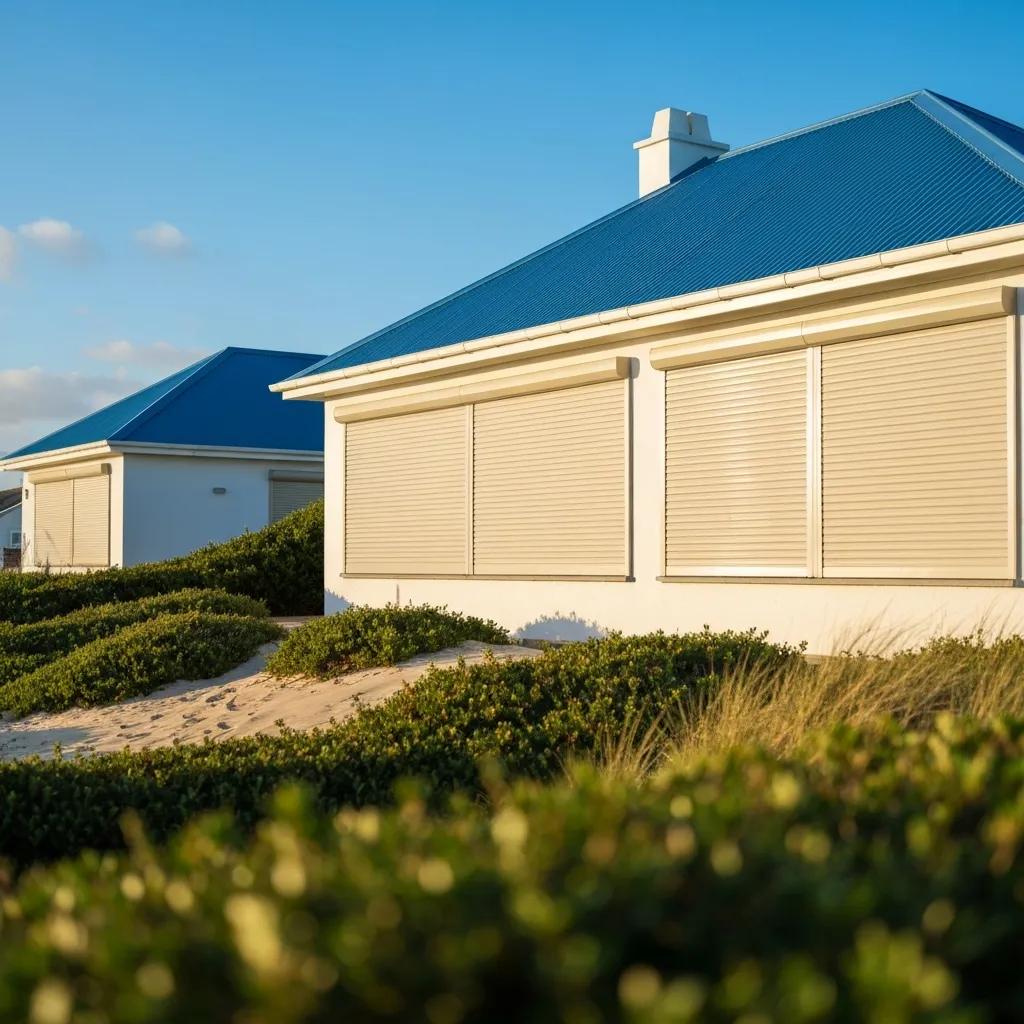
Accordion Shutter Maintenance vs Other Options — A Coastal Homeowner’s Guide
Accordion shutters are a permanently mounted, folding-panel system that runs on guided tracks to create a rigid barrier against windborne debris. Their straightforward mechanical design and on-site storage make them especially practical for coastal homeowners who deal with frequent storms and salty air. This guide explains how accordion shutters work, why they are well suited to salt‚Äëair environments, and which routine checks and care steps keep them dependable through hurricane season. Coastal properties face faster corrosion, mechanical wear, and trade-offs between protection, convenience and curb appeal; here you’ll find inspection checklists, cleaning and lubrication procedures, troubleshooting tips, and clear comparisons with other shutter types. Use the practical maintenance schedule, cost considerations, and the DIY-versus-professional decision framework below to plan inspections and repairs for homes in Wilmington, Myrtle Beach and neighboring communities.
What Are Accordion Shutters and Why Are They Ideal for Coastal Homes?
Accordion shutters are impact-rated protection made of interlocking folding panels that slide down vertical tracks and lock at each end to secure openings. Their key parts — tracks, panels, hinges and locks — work together to form a continuous barrier when closed, which is why they’re reliable for windows and large openings. They’re a permanent, space-saving choice that requires no offsite storage and can be closed quickly by hand or motor. For coastal properties, the big maintenance priorities are managing corrosion and keeping tracks clear so the system stays smooth and storm-ready.
What Defines Accordion Shutters and Their Key Features?
An accordion system is built from alternating folding panels, vertical top and bottom tracks, pivoting hinges between panels, and locking hardware that secures the assembly. Most panels are powder-coated aluminum, which balances light weight, corrosion resistance and impact strength without adding undue load to your openings. Units can be manual or motorized; motors add convenience but don’t change the basic care items. No matter the configuration, periodic checks of fasteners, track alignment and seals are essential — those components determine whether the shutters operate smoothly or bind under stress.
What Benefits Do Accordion Shutters Offer for Hurricane Protection?
- Reliable protection: When closed, accordion shutters form a continuous impact-resistant barrier that lowers the chance of glass breakage and helps secure the home.
- Quick deployment: Permanently mounted design means you can close them fast — no hauling, storing or fitting loose panels.
- Compact and unobtrusive: Stowed panels fold beside openings, saving space and keeping the exterior tidy compared with removable panel systems.
Those advantages make accordion shutters a strong choice where fast, dependable protection and permanent installation matter most. The next section shows how to keep them performing at their best with straightforward maintenance.
When you’re ready to compare products, American Hurricane Shutters offers overviews of accordion and other hurricane protection solutions, and emphasizes code-compliant installation and quality materials. Use their free estimate or the hurricane shutter cost calculator to get a tailored price and to scope installation and maintenance expenses for your property.
How Do You Maintain Accordion Shutters for Longevity and Performance?
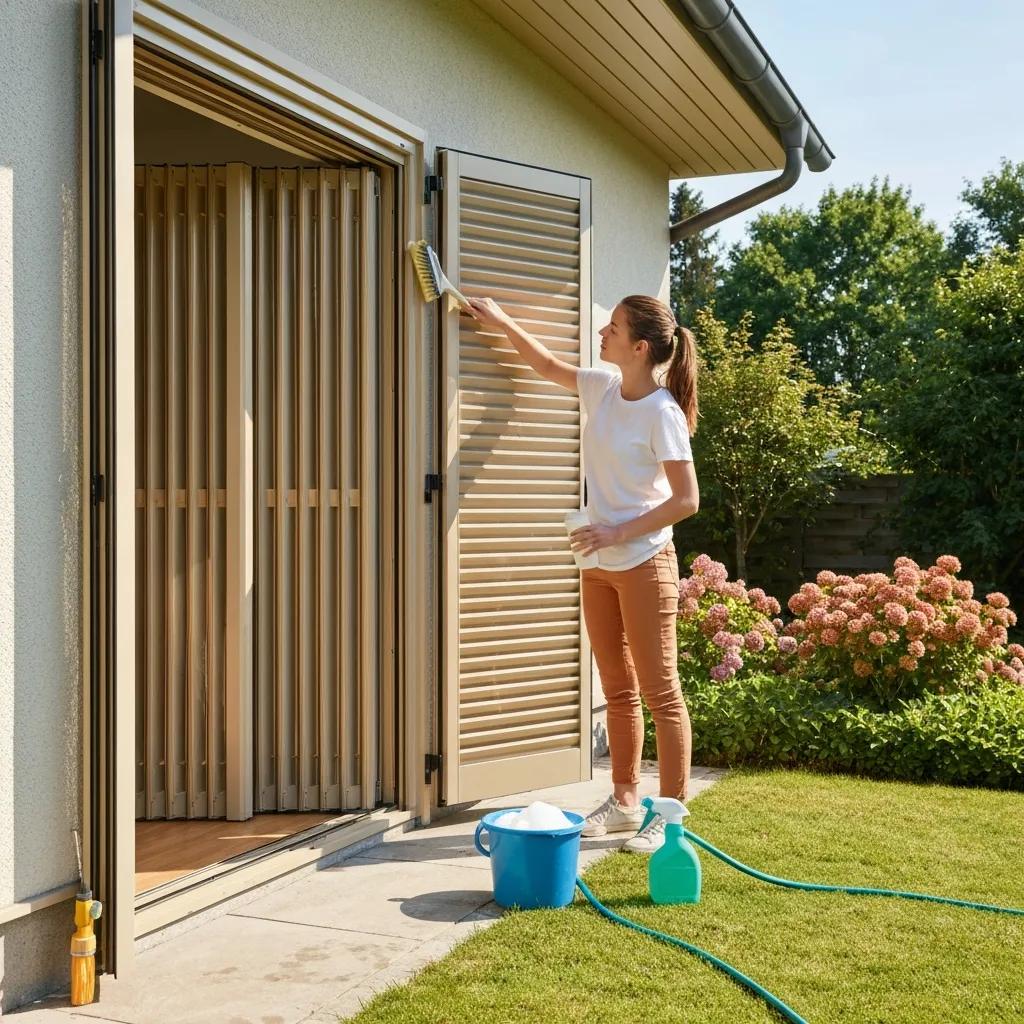
Good maintenance focuses on three things: regular cleaning to remove salt and grime, targeted lubrication of moving parts and tracks, and scheduled inspections to catch wear early. Removing corrosive salt prevents premature material damage, lubrication reduces friction that leads to fastener fatigue, and inspections catch alignment or hinge issues before they turn into jams. In salt‑air zones you’ll want a tighter schedule than inland homes. Below are practical procedures and a simple maintenance plan you can follow each year.
How Often Should You Clean Accordion Shutters and What Are the Best Methods?
For most coastal locations plan to clean shutters at least twice a year; in heavy salt exposure clean quarterly or after major storms. Use gentle, non‑abrasive methods: rinse with fresh water to wash away loose salt and dirt, use a mild soapy solution and a soft brush for stubborn spots, rinse again and dry surfaces to avoid trapped moisture. Don’t use harsh acids or abrasive pads that can damage powder coatings and expose raw metal. If conditions are especially salty, consider a corrosion inhibitor or protective wax made for powder‑coated aluminum. Regular cleaning preserves the finish and reduces track obstructions that slow deployment.
Recommended cleaning steps for accordion shutters:
- Rinse panels and tracks with fresh water to remove loose salt and debris.
- Clean with a mild detergent and a soft brush, paying attention to track grooves and hinge areas.
- Rinse thoroughly and dry exposed surfaces with a soft cloth to prevent standing moisture.
- Inspect seals and fasteners while cleaning and note any corrosion or loose hardware for repair.
These steps protect the finish and help ensure reliable operation. The following section covers lubrication and inspection practices that complement cleaning.
Regular testing and maintenance keep accordion and roll‚Äëdown shutters ready for hurricane season.
Accordion and Roll-Down Shutter Maintenance for Hurricane Preparedness
Test shutters periodically to confirm they open and close smoothly. Keep tracks clear of debris and apply appropriate lubricant to moving parts. Have shutters installed and inspected by licensed professionals to ensure they operate correctly and meet safety standards.
About This Guide, 2008
What Are the Best Practices for Lubrication and Inspection of Accordion Shutters?
Target lubrication at vertical tracks, hinge pivots, lock mechanisms and any exposed sliding surfaces. Use silicone‑ or PTFE (Teflon)‑based dry lubricants that won’t attract dirt and are safe for powder coatings. Inspect fasteners for looseness, check tracks for dents or warping that could cause binding, and look for early corrosion on hinges and hardware. Keep a simple inspection log and handle small repairs promptly. In salt‑air areas perform a functional test quarterly and inland twice a year: operate the shutters, listen for grinding or resistance, verify locks engage, and test motors if present. Regular lubrication and inspection help preserve deployment speed and reduce repair costs over time.
Below is a compact schedule that maps tasks to frequency, tools and estimated time so you can adopt a repeatable plan.
Introductory maintenance schedule table for accordion shutters:
Keeping to this schedule reduces repair frequency and keeps your shutters ready when the next storm approaches.
Consistent, scheduled maintenance is one of the easiest ways to extend the life of any storm shutter system.
Massachusetts Homeowner’s Handbook: Coastal Hazard Preparedness and Maintenance
A maintenance schedule that includes regular checks, lubrication of moving parts, and verification of fasteners will keep shutter components functioning properly. Routine care extends service life and ensures shutters perform when needed.
Massachusetts Homeowner’s Handbook To Prepare For Coastal Hazards (July 2020), E Taylor, 2020
What Common Issues Affect Accordion Shutters and How Can You Troubleshoot Them?
Most accordion shutter problems stem from three causes: salt‑related corrosion, mechanical wear of moving parts, and misalignment or damage from impacts or rough handling. Corrosion shows up as pitting, stiff hinges or seized locks; mechanical wear appears as loose fasteners, panels rubbing, or noisy operation; misalignment is visible when panels jam or won’t lock flush. Troubleshooting follows a simple order: inspect and clean first, lubricate and tighten fasteners second, and call a professional for structural damage, motor faults, or persistent alignment issues that affect safety. Use the checklist below to act quickly and avoid worsening a problem.
Common quick troubleshooting steps:
- Remove visible salt and debris and try operating the shutters again to see if obstruction was the cause.
- Apply silicone/PTFE lubricant to tracks, hinges and locks and retest operation.
- Tighten loose fasteners and gently realign panels if adjustments are minor and safe.
- If shutters remain jammed, locks fail, or motor units show electrical issues, stop DIY work and schedule a professional inspection.
These steps reduce risk and prevent homeowners from unintentionally increasing damage. When in doubt, call a certified installer for a safe, warranty‚Äëcompliant fix.
What Are Typical Wear and Tear Problems in Accordion Shutters?
Common wear issues include track groove deformation from debris or impacts, hinge fatigue from repeated use, lock wear that prevents full engagement, and dents or buckling after strong impacts. Watch for sticking during operation, scraping or grinding noises, gaps at lock points, and rust on fasteners and hinge pivots. Immediate homeowner actions are cleaning and lubrication to remove binding sources, noting hardware that should be replaced, and avoiding forceful operation that can worsen alignment. Addressing signs early lowers replacement risk and preserves impact protection.
When Should You Seek Professional Repair or Maintenance Services?
Call a professional when you see structural damage, persistent misalignment after safe DIY adjustments, motorized system faults, compromised locks that affect security, or when warranty or insurance rules require certified work. Examples: significantly bent panels, detached or bent tracks, or electrical issues with motors. Certified technicians have the tools and parts to restore performance and keep installations compliant with local codes. American Hurricane Shutters and similar qualified providers offer inspections and repairs; getting a professional estimate helps you decide whether repair or replacement is the better value while preserving warranty coverage.
How Do Accordion Shutters Compare to Other Hurricane Protection Options?
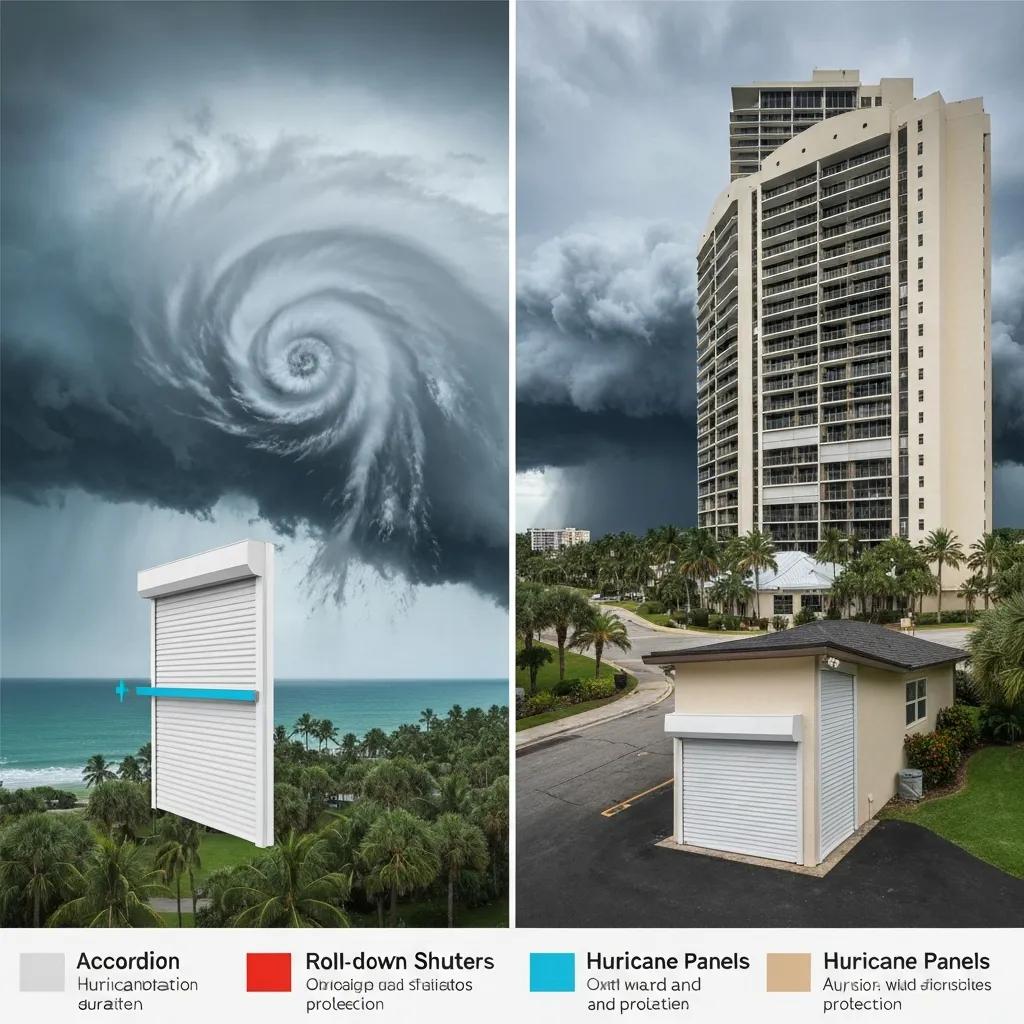
Accordion shutters score well for quick deployment and permanent installation, but every option differs by storage needs, maintenance complexity, cost and curb appeal. In short: accordion shutters offer fast on‚Äësite closure; roll‚Äëdown shutters provide motorized convenience but need more roller/motor service; removable panels are lower upfront cost but require storage and handling. The table below summarizes protection level, deployment speed, maintenance needs, storage and typical appearance for the main choices so you can match a solution to your property.
What Are the Differences Between Accordion Shutters and Roll-Up Shutters?
Accordion and roll‑down shutters differ mainly in deployment, maintenance and motorization. Accordion shutters fold to the side on vertical tracks and need no external storage, making manual closure quick and simple. Roll‑down shutters roll into a headbox and rely on a roller assembly — often motorized — which introduces additional maintenance points. Accordion care centers on tracks, hinges and locks; roll‑down systems add bearings and motor service to the checklist. Both can be motorized, but roll‑down units are often chosen for very large openings where powered operation is preferred.
How Do Accordion Shutters Compare to Bahama and Colonial Shutters in Style and Protection?
Bahama and Colonial shutters prioritize architectural character and passive ventilation while offering varying storm protection. Bahama shutters hinge at the top and provide shade and airflow; Colonial shutters hinge at the sides and can be built to meet impact ratings. Accordion shutters, by contrast, are purpose‚Äëbuilt for fast, high‚Äëlevel impact protection and quick closure, with less emphasis on ventilation. Choose based on whether you want architectural style and airflow or a permanent, high‚Äëperformance barrier that minimizes handling.
What Are the Pros and Cons of Accordion Shutters vs Hurricane Panels and Screens?
Panels and screens trade convenience and cost against storage and protection. Removable hurricane panels (aluminum or polycarbonate) can be cheaper up front but require storage and time to install. Hurricane screens keep visibility and help with insects but do not offer the same impact resistance. Accordion shutters remove the storage burden and give continuous protection, but they are a fixed investment and do require track and hardware maintenance. For large openings or properties with little storage, accordion or roll‚Äëdown options typically perform better; panels can be a practical choice for infrequent users or tight budgets.
Understanding the impact performance of steel and aluminum panels helps put these trade-offs in context for coastal properties.
Performance of Steel and Aluminum Storm Panel Shutters in Hurricanes
Steel and aluminum panels are common in hurricane regions to shield windows from windborne debris. Their ability to withstand impacts is a key factor in protecting a home’s interior and limiting repair costs after a storm.
Performance of hurricane shutters under impact by roof tiles, KR Gurley, 2010
What Are the Cost Considerations for Maintaining and Installing Accordion Shutters?
Costs fall into three buckets: ongoing maintenance, initial installation, and long‑term value from avoided damage and potential insurance savings. Routine maintenance includes cleaning supplies, lubricants, occasional replacement fasteners or hinge pins, and periodic professional inspections. These costs are generally low compared with emergency repairs after storm damage. Installation is the largest upfront expense and varies by opening size, motor options and product rating — amortize that cost over the expected service life and factor in insurance discounts and avoided repair bills to judge value. The table below outlines common maintenance cost drivers to help estimate annual budgets.
What Is the Typical Cost to Maintain Accordion Shutters Compared to Other Options?
Maintenance costs for accordion shutters are generally moderate: routine cleaning and lubrication are inexpensive homeowner tasks, while professional inspections and occasional parts replacements are periodic moderate expenses. Compared with roll‚Äëdown shutters, accordion systems often need less motor maintenance but similar track and hinge care. Compared with removable panels, accordion shutters remove storage and handling costs but require an upfront installation investment. Screens require less structural maintenance but do not provide the same level of impact protection. For a tailored comparison, use a cost calculator or request a free estimate to get numbers specific to your home.
How Does the Initial Investment in Accordion Shutters Translate to Long-Term Savings?
The long‚Äëterm savings come from avoiding storm damage, cutting emergency repair bills, and possible insurance premium reductions for impact‚Äërated systems that meet local code. Treat accordion shutters as a risk‚Äëreduction investment: spread the upfront cost across the expected lifespan to compare annualized expense against potential storm repair scenarios. Regular maintenance lowers the chance of major failures and extends life. Proper installation and documentation can also streamline insurance claims and may qualify you for discounts, improving net value over time. A free estimate or the cost calculator will turn these benefits into concrete amortized figures for planning.
For a clear view of cost responsibilities, here’s a compact DIY vs professional cost table:
How Do You Choose the Right Hurricane Protection for Your Coastal Carolina Home?
Choosing the right system means balancing exposure, budget, curb appeal, deployment speed and how much maintenance you’re willing to do. Start by rating exposure — oceanfront and barrier‑island homes face higher wind and debris loads — then check opening sizes, storage options, and whether motorized convenience is worth added upkeep. Verify local code compliance, installer credentials, and impact‑rating documentation before you buy; professional installation reduces the risk of improper fit that can void warranties or compromise protection. Finally, weigh lifecycle costs including maintenance and insurance effects to choose a solution that meets both immediate needs and long‑term risk management.
What Factors Should Influence Your Hurricane Shutter Selection?
Selection checklist summary:
- Assess exposure and property type: oceanfront, near coast, or inland.
- Confirm storage availability and your willingness to handle removable panels.
- Decide deployment preference: fast manual closure or motorized convenience.
- Evaluate maintenance willingness and long‚Äëterm budget for upkeep.
- Verify local code compliance and installer qualifications before purchase.
This checklist helps translate priorities into a practical recommendation; the next section explains why choosing a qualified local installer matters.
Why Choose American Hurricane Shutters for Installation and Maintenance?
American Hurricane Shutters offers a broad lineup — accordion, roll‑down, Colonial and Bahama shutters, hurricane screens, clear and aluminum panels, and flat polycarbonate (Lexan) options — so you can pick the right solution for your home. We provide free estimates, a hurricane shutter cost calculator to scope investment, and installations that meet or exceed common code requirements. For Coastal Carolina homeowners, our local teams combine product knowledge with installation experience to ensure correct fit, reliable performance and proper documentation for insurance. To get a tailored recommendation, request a free estimate or run the cost calculator and schedule an on‑site consultation.
Ready to move forward? Request a free estimate or use our cost calculator to align products with your budget, maintenance preferences and local code requirements — it’s the quickest way to a confident decision after reviewing the maintenance guidance in this guide.
Frequently Asked Questions
What are the signs that my accordion shutters need maintenance?
Watch for difficulty opening or closing, grinding or scraping noises, visible rust on hinges or fasteners, and gaps at the locks. Any of these signs mean it’s time for cleaning, lubrication or a closer inspection to avoid bigger repairs.
Can I install accordion shutters myself, or should I hire a professional?
Some experienced homeowners can install accordion shutters, but professional installation is usually the safer choice. Certified installers ensure proper fit, code compliance and warranty protection — all important for safety and long‑term performance. If you’re unsure, request a professional estimate.
How do accordion shutters perform in compar
