

Accordion Shutter Lifespan — What Coastal Homeowners Should Know About Durability & Maintenance
Accordion shutters are a permanent, sectional hurricane protection system that slides across windows and doors to block wind and flying debris. With the right materials, installation, and upkeep, they’ll protect your home for many years. This guide walks through expected lifespan ranges, the environmental and installation factors that speed or slow wear, practical maintenance routines, when to repair vs. replace, typical warranty coverage, and the long-term value for coastal homeowners. Living in North or South Carolina brings salt spray, high humidity, strong UV, and seasonal storms that accelerate wear — but knowing how material choices (aluminum panels, stainless hardware), proper fastening, and routine care interact gives you real control over service life and lifetime costs. You’ll get regional tips, clear maintenance steps (cleaning, lubrication, inspections), replacement indicators, cost comparisons, and straightforward next steps for evaluating your shutters.
How Long Do Accordion Hurricane Shutters Typically Last?
Typical service life for accordion hurricane shutters runs roughly 10 to 25 years, driven by material quality, installation, environment, and how often they’re maintained. Corrosion, mechanical wear, UV breakdown, and repeated use gradually affect panels, tracks, hinges, and locks — but choosing the right alloys, finishes, and fasteners and keeping up with maintenance delays major repairs. In coastal NC and SC, plan toward the lower end of that range unless the system uses higher-grade aluminum, strong powder-coat finishes, and stainless fasteners, since salt and humidity hasten finish failure and hardware corrosion. Treat lifespan as something you can manage: regular cleaning, correct lubrication, and professional inspections can move an installation from a 10–12 year outcome closer to 15–25 years. Knowing realistic service intervals helps you budget for maintenance, repairs, and eventual replacement.
What Is the Average Lifespan of Accordion Shutters?
Most residential accordion shutters average about 12–20 years, with a practical midpoint near 15 years when basic annual maintenance is performed. Systems built with higher-grade aluminum, durable powder-coat finishes, and stainless-steel fasteners often reach the top of that range. Installations that see frequent storms, rare cleaning, or lower-quality hardware commonly fall toward the lower end. For example, a shutter system that’s rinsed and inspected twice a year and installed with corrosion-resistant fasteners will typically outlast an identical but neglected system by several years. Coastal homeowners should plan conservatively and prioritize corrosion mitigation to protect that average lifespan — it makes scheduling and budgeting much simpler.
How Do Coastal Conditions Affect Accordion Shutter Longevity?
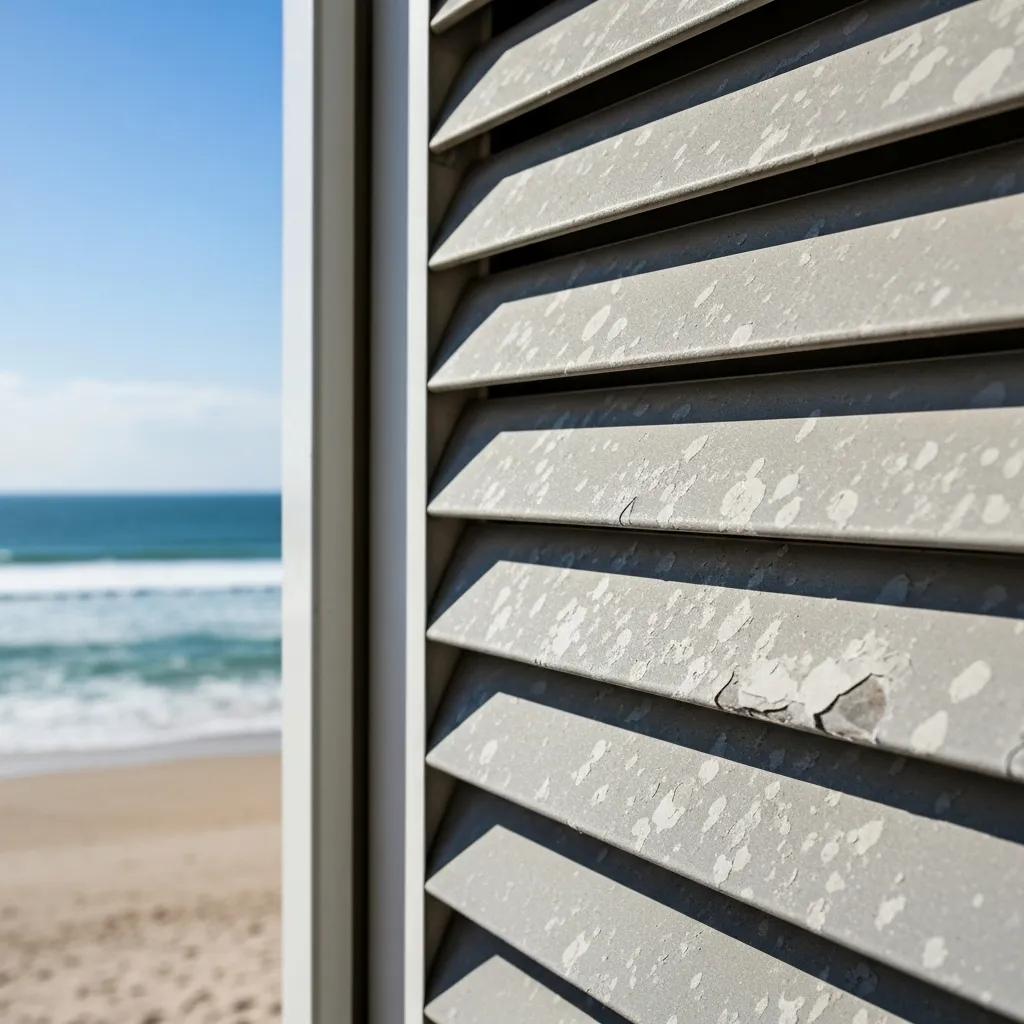
Coastal factors — salt spray, persistent humidity, strong UV, and frequent high winds — speed corrosion, break down coatings, and increase mechanical wear. Salt deposits start electrochemical processes that pit aluminum and corrode steel fasteners; humidity keeps that process active, and UV light breaks down protective powder coats, causing chalking and fading. Wind-driven debris adds impact stress to hinges, tracks, and locks, raising friction and failure risk over time. Effective mitigation includes specifying corrosion-resistant materials and finishes, using 316 stainless fasteners, rinsing salt from components regularly, and scheduling professional inspections after major storms. Understanding these mechanisms helps homeowners take targeted steps to lengthen useful life.
What Are the Key Factors Affecting Accordion Shutter Durability?
A few high-impact factors determine how long accordion shutters last: base material and finish, hardware and fastener quality, installation accuracy and anchoring, local environmental exposure, and ongoing maintenance. Material choice sets the system’s baseline resistance to corrosion and impact; installation determines whether loads are transferred safely into the structure; and maintenance interrupts the gradual wear process. Even premium components can fail early if anchors or fasteners are wrong or routine cleaning and lubrication are skipped. The sections that follow break down material choices and explain why professional installation unlocks the full life of good materials.
Below is a concise comparison showing how common component choices perform for corrosion resistance and structural strength — use it to prioritize upgrades that deliver the most lifespan improvement.
How Does Material Quality Influence Accordion Shutter Lifespan?
Material quality establishes the system’s baseline against corrosion, fatigue, and UV-driven finish failure, so it directly affects longevity and maintenance needs. Aluminum alloys differ by composition and temper — higher-grade alloys plus a strong powder-coat slow oxidation and pitting, while poor finishes let moisture and salt reach bare metal. Stainless components — especially 316 for fasteners and mounting — far outlast plated or ordinary galvanized parts, cutting fastener failures and sacrificial corrosion. Choosing impact-rated panels and reinforced frames improves resilience to debris strikes, limiting deformation that increases friction and wear. Good materials, installed correctly, form a durable system that handles coastal stressors over many seasons.
Accordion Construction Materials: Durability and Environmental Impact
This review examines materials used in accordion construction, focusing on durability, practical performance, and environmental considerations. Choices for frames, bellows, reeds, valves, and coverings affect longevity and maintenance requirements. Traditional materials like wood, leather, and steel offer tonal and aesthetic benefits but need careful upkeep and can be costly to maintain. Modern options — composites, plastics, and synthetics — reduce weight and improve resistance to moisture and climate, though they may alter feel or acoustic qualities. Emerging technologies such as advanced composites and eco-friendly materials present new opportunities for balancing performance and sustainability. The review also highlights potential for recycled and bio-based materials to lower environmental footprint while maintaining durability.
Materials in Accordion Construction: A Comprehensive Review of Traditional and Modern Approaches, G Volpatti, 2025
Why Is Professional Installation Critical for Shutter Durability?
Professional installation matters because it ensures correct anchoring, proper fastener selection, precise alignment of tracks and panels, and compliance with wind-load standards — all elements that reduce the risk of early failure. Poorly set anchors or undersized fasteners loosen under repeating wind loads; misaligned tracks increase friction and wear on hinges, causing operational trouble and breakdown. Certified installers know how to position brackets relative to structural framing and when to use 316 stainless fasteners in salt-prone areas, preserving connection strength. Professional installs often include code verification and a quality checklist that prevents common DIY errors and preserves warranty coverage. Budgeting for experienced installers is an investment in long-term reliability, not just a higher initial cost.
How Can Homeowners Maintain Accordion Shutters to Extend Their Lifespan?

Maintenance is the most effective lever a homeowner controls: regular cleaning to remove salt and debris, scheduled lubrication of moving parts, periodic inspections to catch early corrosion or loose fasteners, and timely professional service after storms. The idea is simple — interrupt the corrosion cycle and mechanical wear before small issues become structural problems. A predictable rhythm — cleaning twice a year plus pre- and post-hurricane-season checks — keeps interventions frequent enough to prevent escalation. Below are step-by-step cleaning and lubrication practices that deliver clear, measurable benefits when done consistently.
Follow this straightforward routine to remove salt buildup and protect finishes so panels and hardware keep working smoothly.
- Rinse salt deposits: Flush visible salt from panels, tracks, and fasteners with fresh water before it dries and crystallizes.
- Mild soap wash: Use a diluted, non-abrasive detergent and a soft brush to lift grime without harming the powder coat.
- Rinse thoroughly: Remove all soap residue to avoid streaks and moisture traps that can accelerate corrosion.
- Dry and inspect: Wipe high-contact areas and look for early corrosion, loose fasteners, or finish damage.
Consistent cleaning preserves protective finishes and delays corrosion. Next are the lubrication and inspection steps that complement washing.
What Are the Best Practices for Cleaning Accordion Shutters?
Cleaning focuses on removing salt, sand, and airborne pollutants that degrade finishes and create corrosive pockets. Use fresh water rinses and a mild soap solution — avoid abrasive cleaners or steel wool that strip powder-coat protection. Work top to bottom and give special attention to tracks, hinges, and lock areas where salt gathers. Rinse thoroughly to remove soap residue, then inspect seams and fasteners and note any paint blisters or discoloration so you can track changes season to season. These simple practices reduce the chemical causes of corrosion and extend the useful life of panels and hardware.
How Should You Lubricate and Inspect Accordion Shutters Regularly?
Lubrication cuts friction in tracks and hinges and slows wear on moving parts. Use a silicone spray for tracks and white lithium grease sparingly on hinge pivots — avoid heavy greases that attract grit. Inspections should cover hinge alignment, track straightness, smooth operation, locking engagement, and fastener tightness; look for rust at contact points and corrosion around screw heads. Perform these checks at least twice a year and after storms, tighten loose fasteners, and flag parts that need replacement. Keep a maintenance log with dates and observations — it supports warranty claims and helps you decide when to call a pro.
When Should You Replace Your Accordion Hurricane Shutters?
Consider replacement when structural integrity, reliable operation, or protective performance are so compromised that repairs are no longer cost-effective. Assess visible damage, recurring mechanical problems, and the expected remaining life compared to replacement cost. Key decision factors include the extent of corrosion, persistently warped or dented panels that won’t seal, frequent operational failures, and whether warranty or upgrade opportunities justify a new system. Compare cumulative repair costs to the benefits of modern materials, updated finishes, 316 stainless fasteners, and current warranty terms. The table below contrasts common repair tasks with full replacement cost drivers to help you weigh thresholds for replacement.
What Are the Common Signs That Indicate Shutter Replacement Is Needed?
Replace shutters when you see persistent warping or dents that prevent a good seal, extensive corrosion at hinges or mounting points that weakens anchoring, repeated failures despite repairs, or widespread finish failure exposing base metal. Other red flags include seized or locked mechanisms, severe misalignment that affects wind-load performance, and missing fasteners or anchor pullout from structural members. If multiple signs appear across several components — or the remaining useful life is short — replacement typically offers a safer, longer-term outcome than constant repairs. Documenting damage and its progression also helps when working with insurers or contractors.
- This list summarizes common replacement triggers so you can prioritize inspection findings.
- Separate cosmetic issues from defects that affect structural performance or weather-tightness.
- Consider replacement when repairs are frequent, costly, or only briefly restore function.
- Request a professional condition assessment to weigh repair versus replacement objectively.
When multiple operational and corrosion problems exist across the system, replacement usually delivers better long-term value and updated warranty coverage.
How Do Repair Costs Compare to Replacement Expenses?
Single repairs are often cheaper in the short term, but they can add up. Replacement requires a larger up-front investment but can lower recurring maintenance and provide longer, stronger warranties. Isolated fixes like hinge swaps or minor track work make sense when issues are limited; when corrosion or repeated failures return each season, cumulative repair costs can exceed replacement within a few years. A new system also lets you upgrade to better alloys, improved powder coats, and 316 stainless fasteners — changes that reduce future expense and may qualify you for better warranty and insurance terms. Compare the expected remaining life with repairs versus the projected life of a new system to find the most cost-effective path.
Keep detailed repair and maintenance records — they support warranty claims and demonstrate good-faith upkeep when you move from repair to replacement decisions.
What Warranty Coverage Should Homeowners Expect for Accordion Shutters?
Warranties typically separate coverage for frame, finish, and hardware, each with its own term and exclusions. Understanding those differences helps you compare offers and plan lifecycle support. Warranties reduce lifecycle risk by providing access to parts, service labor, or replacement for specified defects. Expect multi-year frame coverage against manufacturing defects, shorter finish warranties for fading or corrosion under normal use, and limited hardware coverage that may exclude storm damage or improper installation. The table below outlines typical attributes so you can read provider terms with confidence and prepare documentation for claims.
What Does a Typical Accordion Shutter Warranty Include?
A typical warranty covers separate elements: structural frame integrity, finish performance, and hardware operation, each with its own terms. Frame coverage addresses manufacturing defects that affect strength, finish warranties cover fading and corrosion under normal conditions, and hardware warranties protect against mechanical failures of hinges, locks, and rollers but often exclude storm damage or improper maintenance. Many warranties require homeowners to follow the manufacturer’s maintenance guidelines — regular cleaning and lubrication — to keep coverage valid. Keeping clear maintenance records and documenting post-storm inspections helps show compliance and supports potential claims.
How Does Warranty Support Impact Long-Term Shutter Durability?
Warranty support shifts some lifecycle risk to the provider: timely service and replacement parts prevent small defects from becoming catastrophic and effectively extend usable life when the company honors repairs. Providers with clear service processes, fast part replacement, and reasonable labor terms help homeowners avoid deferred maintenance that speeds deterioration. Warranty-backed access to certified technicians also ensures repairs meet installation standards and reduce repeat failures. When evaluating offers, value responsiveness and clarity of exclusions as much as nominal warranty length — good support reduces lifecycle cost and increases the chance of reaching top lifespan estimates.
What Are the Benefits of Investing in Long-Lasting Accordion Shutters for Coastal Homes?
Investing in long-lasting accordion shutters delivers tangible protection, security, and financial benefits. Durable shutters resist wind-driven debris and storm pressures, improve home security when closed, lower long-term maintenance and replacement expenses, and may support insurance discounts and resale value. Those benefits come from components that keep sealing, anchoring, and impact resistance intact over time. With a durable system you’ll face fewer emergency repairs, less frequent replacements, and better peace of mind during storm season. Below are the core homeowner benefits that make higher-quality materials and professional installation worth considering.
- Enhanced Storm Protection: Proper materials and anchoring resist wind loads and flying debris to protect the building envelope.
- Improved Security: Continuous panels and reliable locks are an effective deterrent when shutters are deployed.
- Lower Lifecycle Costs: Reduced repair frequency and longer service life lower total cost of ownership over decades.
- Insurance & Appraisal Benefits: Certified systems and documented installations can help support insurance discounts and add appraisal value.
How Do Durable Accordion Shutters Enhance Home Security and Storm Protection?
Durable shutters combine impact-rated panels, continuous anchoring into structural members, and secure locking systems to maintain a protective barrier during wind events. Impact-rated panels absorb and dissipate energy from debris strikes while strong anchoring spreads wind loads into the structure to reduce localized pullout. Locks and interlocks that keep working through repeated use preserve that defensive posture and lower the chance of accidental opening during a storm. Proper specification, installation, and maintenance reduce the risk of breached openings that lead to major interior damage in hurricanes.
Can Accordion Shutters Increase Home Value and Reduce Insurance Costs?
Well-specified accordion shutters can improve a home’s resilience on paper — and that can help with appraisals and insurance. Systems that meet recognized codes and come with professional installation and maintenance records make a stronger case to insurers and appraisers that the property has lower wind-related risk. Keep installation paperwork, product specs, and maintenance logs to support discount or appraisal discussions. Exact savings depend on insurers and local markets, but documented, certified protection often improves risk profiles and can translate into concrete savings and better resale positioning.
If you’re ready to evaluate options, schedule an on-site estimate or use our cost-calculator tool tailored to local conditions for the most accurate lifespan and budget projection. American Hurricane Shutters specializes in engineered accordion shutter solutions, emphasizes meeting or exceeding Florida Building Code standards, uses 316 stainless steel for installation where appropriate, and offers free estimates, a cost calculator, a maintenance guide, and project examples. Request a free estimate or run the calculator to compare repair versus replacement scenarios and plan long-term lifecycle costs for your property.
- Free estimate: An on-site assessment clarifies remaining useful life and repair needs with a documented quote.
- Cost calculator: The calculator helps compare ongoing repair costs against replacement for smarter budgeting.
- Maintenance guide: Following a provider’s maintenance recommendations supports warranty compliance and durability.
Frequently Asked Questions
What Maintenance Tasks Are Essential for Accordion Shutters?
Essential maintenance includes regular cleaning, lubrication, and inspections. Rinse salt deposits with fresh water, wash with a mild soap, and rinse again to avoid residue. Lubricate tracks and hinge pivots with silicone spray and light lithium grease as recommended. Inspect for corrosion, loose fasteners, and smooth operation at least twice a year and after storms. A routine schedule helps keep shutters ready when you need them.
How Can Homeowners Identify Quality Accordion Shutters?
Look for high-grade aluminum panels, durable powder-coat finishes, and 316 stainless steel fasteners — these components resist coastal corrosion best. Check for certifications or listings that show compliance with local building codes. Professional installation experience in coastal environments is also a key indicator: ask about past projects and how they handle salt-prone conditions to ensure long-term performance.
What Are the Risks of DIY Installation for Accordion Shutters?
DIY installation risks include improper anchoring, misaligned tracks, and incorrect fastener selection — mistakes that can lead to premature failure and unsafe performance. DIY work can also void warranties and leave you responsible for repairs. Hiring a certified installer ensures compliance with wind-load standards and preserves both function and warranty coverage.
What Should Homeowners Do After a Major Storm?
After a major storm, inspect shutters for dents, warping, loose or missing fasteners, and any corrosion. Check that locks and interlocks work properly. Clean off salt and debris and document any damage with photos. If you find problems, contact a professional for repairs and keep records to support any warranty or insurance claims.
How Do Accordion Shutters Compare to Other Hurricane Protection Options?
Accordion shutters are a permanent, easy-to-deploy solution that generally offers better aesthetics and security than temporary options like plywood. They’re quicker to close than installing boards and provide continuous protection when deployed. Although initial costs are usually higher than temporary measures, their durability and lower maintenance often make them more cost-effective over time for homeowners in hurricane-prone regions.
What Upgrades Can Enhance the Performance of Existing Accordion Shutters?
Common upgrades include replacing standard fasteners with 316 stainless steel for better corrosion resistance, applying a fresh, high-quality powder coat, and installing impact-rated panels or reinforced frames. Regular professional inspections can identify other targeted upgrades to meet current code or performance needs, extending service life and improving protection.
Conclusion
Knowing how accordion shutters age and what it takes to keep them working gives you control over protection and costs. Prioritize quality materials, professional installation, and a simple maintenance routine to extend service life and reduce repairs. Durable shutters protect your home, can improve insurance and resale outcomes, and give real peace of m
