

Accordion Shutter Inspection Checklist for Homeowners: Step-by-Step Maintenance and Safety Guide
Accordion shutters are a permanently mounted storm‚Äëprotection system made of interlocking panels that fold like an accordion to cover windows and doors. This guide walks homeowners through a practical inspection checklist to boost safety, maintain code compliance, and improve storm readiness. Coastal properties face faster corrosion and more sand and salt exposure, so a systematic inspection helps catch issues before they become failures. Keep reading for a step‚Äëby‚Äëstep checklist, common problems and DIY troubleshooting, safe cleaning and lubrication methods, a maintenance schedule to extend service life, and clear guidance on when to call a professional. The article includes printable numbered steps, decision‚Äëmaking tables that map symptoms to actions, and neutral maintenance recommendations tailored to coastal North and South Carolina. Follow this checklist to improve shutter reliability for hurricanes, reduce long‚Äëterm repair costs, and learn how to request a professional inspection or a free estimate when needed.
Why Is Regular Accordion Shutter Inspection Essential for Homeowners?
Regular inspections reduce the chance of mechanical failure during storms by confirming that each component—slats, tracks, hinges, locks and fasteners—remains intact and operable. Routine checks reveal corrosion, loose anchors, and binding movement early, lowering the risk that shutters won’t fully deploy or lock under hurricane loads. Documented inspections also help with insurance claims by showing proactive maintenance, which can affect underwriting or claims handling. Local homeowners in coastal NC and SC can schedule professional inspections from regional storm‑protection providers if a more thorough evaluation is needed.
Key homeowner benefits from scheduled inspection include improved safety, dependable readiness, regulatory compliance, and cost avoidance. These gains come from consistent checks that emphasize mounting integrity and operational reliability. The section below provides a repeatable checklist you can use before hurricane season and after major storms.
How Does Inspection Improve Hurricane Protection and Home Safety?
Inspections verify that shutters give full coverage and remain securely anchored to resist design wind loads, preventing window breaches in high winds. The process checks mechanical fit, fastener condition, and the shutter‚Äëto‚Äëframe interface for any play or separation that could lead to failure. For example, spotting a corroded header anchor during a visual check prevents loss of panel support when wind pressure peaks. Understanding these common failure modes helps you prioritize repairs to keep a continuous protective envelope around openings.
That mechanical focus also reduces safety risks inside the home—properly operating shutters are less likely to detach or create secondary hazards when deployed. Smooth movement and secure locking directly support occupant safety and property protection, which ties into insurance and resale value benefits discussed next.
What Are the Insurance and Property Value Benefits of Proper Shutter Maintenance?
Keeping dated photos, service reports, and receipts for parts or labor builds a maintenance record that demonstrates due diligence and can strengthen a homeowner’s position during claims. In some cases, documented upkeep influences premiums or eligibility for endorsements. At resale, well‑maintained hurricane protection is a tangible value add because it lowers perceived risk and future replacement costs for buyers.
Retain inspection checklists and professional reports in your property records and share them with insurers during renewals or claims when helpful. Clear documentation also speeds professional follow‚Äëups because technicians can reference prior findings and focus remediation more efficiently.
What Are the Step-by-Step Accordion Shutter Inspection Checklist Items?
Below is a practical, numbered checklist homeowners can use for a complete accordion shutter inspection. Emphasis is on coastal conditions and component‚Äëspecific checks. Use these steps at least twice a year (pre/post hurricane season) and after any major weather event.
- Deploy the shutter fully and confirm it covers the opening; check that panels are aligned and sit flush.
- Inspect slats for dents, cracks, corrosion or deformation that would prevent a tight seal.
- Remove debris from tracks and housing; inspect tracks for bends, dents or obstructions.
- Operate the shutter through its full travel, listening for scraping, grinding or sticky spots.
- Test locks, latches and fasteners to ensure secure engagement and no excessive play.
- Examine the header and mounting points for rust, loose bolts or separation from the structure.
- Photograph any defects and note location, severity and recommended next steps (monitor, repair, replace).
This checklist focuses on repeatable actions that create reliable inspection records and produce actionable findings. After these steps, compare observed issues to a troubleshooting matrix to decide what you can safely DIY and what needs a professional.
How to Visually Inspect Accordion Shutter Components for Damage and Wear?
Start by scanning slats, tracks, hinges, locks and housing for physical damage or corrosion—look for pitting and surface rust that salt air often accelerates. Check slat edges for bends that could catch during deployment and verify seals and edge closures remain intact to limit water intrusion. Inspect inside tracks for sand, paint buildup or nesting debris that can change alignment and cause binding. Take close‑up photos of suspect areas and timestamp them for future comparison and documentation.
A methodical visual pass reduces the chance of missing subtle defects that can grow under load, and the photographic record simplifies later professional assessments. Follow these visual checks with operational testing to confirm mechanical function.
How to Perform an Operational Check for Smooth Movement and Locking Function?

Operational checks confirm shutters travel smoothly and locks engage without excessive force or slippage. Fully deploy and retract the shutter once while watching for resistance, shuddering or asymmetrical movement—note if one side lags or binds. Cycle each lock and latch several times and feel for loose engagement or stripped threads; locks must capture consistently to provide rated protection. For motorized systems, listen for unusual motor noise and verify limit switches stop travel at their endpoints.
Record any operational abnormalities alongside visual findings to prioritize maintenance. Some sticking resolves with cleaning and lubrication; inconsistent locking or structural movement usually needs pro attention.
How to Assess Hardware Condition: Screws, Bolts, and Mounting Integrity?
Fasteners and mounting brackets transfer storm loads from the shutter to the building—these points are critical for rated performance. Inspect screws and bolts for corrosion and check for missing or non‑original replacements. Prefer 18‑8 stainless steel when replacing hardware. Look for movement at mounting points such as gaps, cracked framing or elongated holes that indicate shear or cyclic loading. Photograph and measure any play; minor surface rust can be treated, but structural corrosion or anchor failure requires immediate professional evaluation.
Documenting hardware condition shows maintenance diligence and helps professionals decide whether simple fastener replacement or a re‚Äëanchoring is required.
What Environmental Factors Should Homeowners Consider During Inspection?
Coastal conditions increase wear and affect inspection frequency and maintenance choices. Consider salt spray, sand abrasion, humid air and nearby vegetation when inspecting shutters. Salt air promotes pitting and can lodge in tracks, creating abrasive wear. Sand and windborne debris can deform slats or embed in channels; vegetation can trap moisture around mount points. Account for nearby construction or roof work that may raise particulate exposure and adjust inspection intervals accordingly.
Understanding these environmental drivers helps you pick proper cleaning supplies and lubricants and decide whether to shorten inspection intervals in more aggressive exposures.
What Are the Most Common Accordion Shutter Problems and How Can You Troubleshoot Them?
Common issues include sticking, corroded fasteners, dented slats or bent tracks, and locking failures. The table below maps symptoms to likely causes and recommended actions so homeowners can triage issues and choose between DIY fixes and professional repairs.
This problem‚Äësolution table helps you quickly identify causes and take the right next step.
This table gives clear, prioritized next steps to support homeowner decision‑making and safer outcomes. If you see signs of structural compromise—anchor pull‑out or extensive corrosion—stop using that shutter and get a professional inspection before relying on it again.
Which Problems Can Homeowners Fix Themselves and How?
Homeowners can safely clean tracks, remove debris, tighten loose screws, and apply appropriate lubricants. Use a soft brush and low‑pressure rinse to clear sand and salt, then apply a silicone spray sparingly to tracks and hinges to restore smooth movement without attracting grit. Replace visible non‑structural fasteners with matching stainless options; don’t reuse stripped screws and avoid over‑tightening into degraded threads. Always use stable ladders and a partner for higher‑story work, and stop immediately if you find structural issues or severe corrosion.
These DIY tasks address most common performance problems and keep shutters functional between professional inspections. When repairs involve structural components, call a certified technician.
When Should You Call a Professional for Accordion Shutter Repair or Maintenance?
Call a professional if inspection reveals structural mounting issues, extensive corrosion affecting anchor integrity, bent headers, motor failures, or shutters that won’t lock securely—conditions that compromise rated performance. Red flags include movement at mounting points, elongated bolt holes, separation between housing and structure, and cracked framing. Professionals can perform load‑path checks, Design Pressure Analysis and recommend upgrades such as 18‑8 stainless fasteners or re‑anchoring to meet code. If in doubt, choose a certified service for safety and documented repairs.
When arranging service, have photos and inspection notes ready to speed the onsite assessment and improve quote accuracy.
How Do You Clean and Lubricate Accordion Shutters for Optimal Performance?
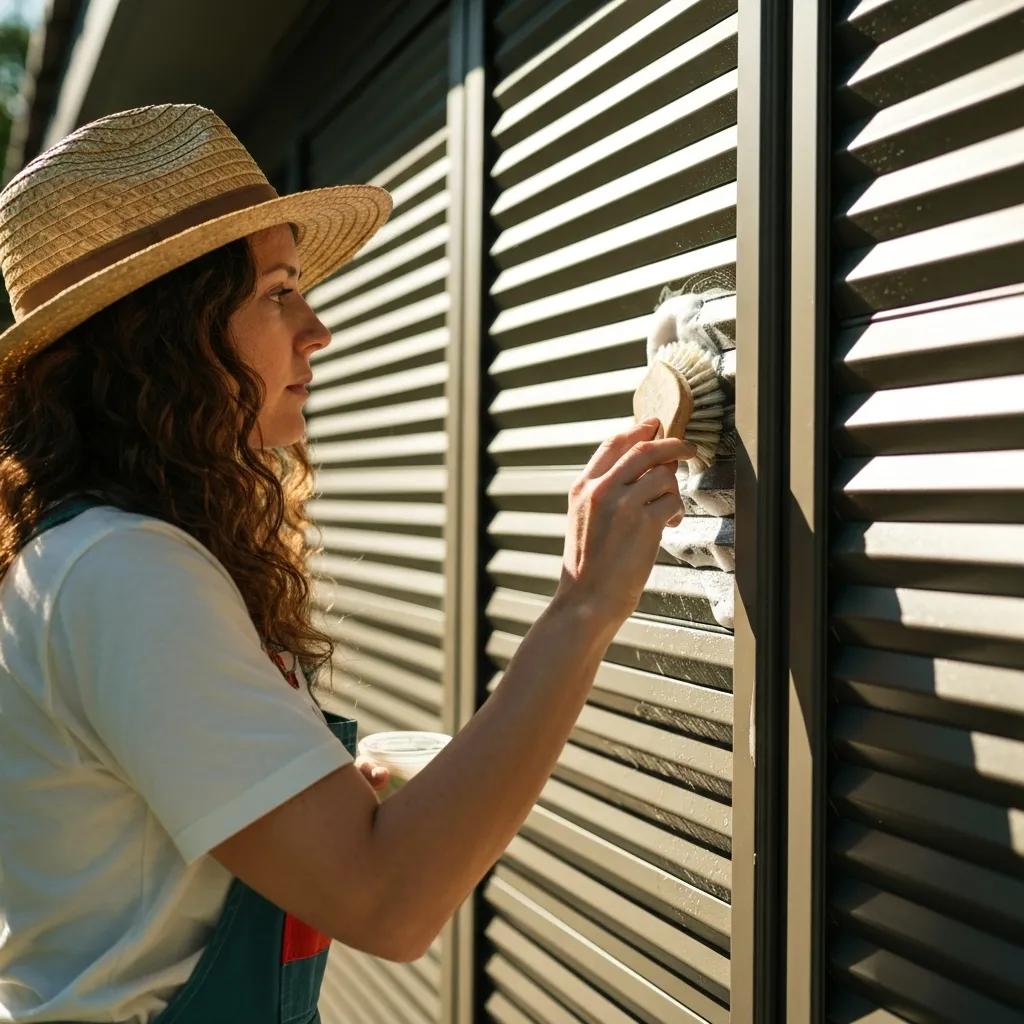
Cleaning and lubrication preserve movement and slow corrosion—use techniques suited to aluminum shutters and coastal exposure. Start with mild soap and fresh water to remove salt residue using a soft‑bristled brush; rinse thoroughly to avoid trapped salt crystals. Remove loose debris from tracks with a vacuum or brush, then dry surfaces before applying a silicone‑based lubricant to tracks and hinges; silicone resists wash‑off from rain and salt spray better than many alternatives. Avoid petroleum products on seals and abrasive pads that can scratch protective coatings.
The table below summarizes recommended cleaning materials and lubricants for each component to reduce guesswork.
This component‚Äëfocused guide helps you pick the right supplies and avoid common mistakes like over‚Äëlubrication or corrosive cleaners. After cleaning and lubrication, operate the shutter a few times to distribute product and confirm smooth operation.
What Are the Best Cleaning Materials and Methods for Accordion Shutters?
Use mild, non‚Äëabrasive cleaners such as diluted dish soap and fresh water with a soft brush or microfiber cloth to remove salt, dirt and grime. Rinse thoroughly to prevent salt crystallization in tracks and crevices, which accelerates wear. Avoid pressure washers on seals or painted finishes. For stubborn stains or bird droppings, use a gentle manufacturer‚Äërecommended cleaner sparingly and rinse well. Dry metal parts where possible before applying lubricants to reduce immediate corrosion risk.
Choosing appropriate materials preserves protective finishes and ensures lubrication performs as intended.
Which Lubricants Are Safe and Effective for Shutter Tracks and Hinges?
Silicone‑based sprays are preferred for tracks and most hinge points because they repel water and don’t attract dust like heavy greases. Use white lithium grease selectively on heavily loaded metal‑to‑metal joints, but avoid putting it in open tracks where it will collect debris. Apply lubricants sparingly and wipe away excess; cycle shutters after application to work the product into contact surfaces. Avoid solvent‑heavy or petroleum‑based lubricants on rubber seals and painted surfaces, as they can degrade those materials.
Right lubricant choice and modest application keep parts moving smoothly without increasing maintenance from accumulated grime.
How Can Homeowners Extend the Lifespan of Their Accordion Shutters?
Extend shutter life through regular inspections, timely cleaning and lubrication, prompt repair of small issues, and corrosion‑resistant replacements when needed. Use a simple maintenance calendar—biannual inspections plus checks after storms—to prevent small problems from escalating. Documenting maintenance and replacements supports insurance and resale, while upgrades like stainless fasteners or protective coatings reduce coastal corrosion. The table below lists common tasks, suggested frequency and expected benefits to help homeowners plan time and budget.
What Maintenance Practices Maximize Shutter Longevity?
Combine scheduled inspections, routine cleaning, targeted lubrication and prompt replacement of degraded parts with corrosion‑resistant materials to maximize lifespan. Keep an inspection log with dates, findings and photos to track trends—like accelerating corrosion or repeat binding at the same spot. Use 18‑8 stainless or manufacturer‑recommended fasteners for replacements and consider protective coatings where salt exposure is severe. Avoid leaving shutters partially deployed for long periods; full deployment or full retraction reduces rubbing and uneven wear.
These practices create a predictable maintenance rhythm that supports dependable operation and long‚Äëterm asset value.
How Does Regular Maintenance Impact Return on Investment and Storm Preparedness?
Regular maintenance lowers life‑cycle costs by preventing small defects from turning into catastrophic failures that require expensive replacement. It preserves rated performance during storms and creates documentation that smooths insurance interactions and can be a selling point for coastal properties. From a preparedness perspective, maintained shutters deploy reliably, reducing last‑minute emergency repairs and the risk of unprotected openings. Over a shutter’s service life, routine care significantly reduces the chance of replacement‑level damage and improves overall ROI for the homeowner.
Investing modestly in regular care therefore delivers immediate safety benefits and long‚Äëterm financial advantages.
When and How to Schedule Professional Accordion Shutter Inspection and Repair Services?
Schedule professional inspections before hurricane season, after severe storms, or whenever you find structural concerns, motor problems or compromised locks. A professional inspection typically includes a Design Pressure Analysis, fastener and anchor checks, code‑compliance verification, motor and limit‑switch assessment, and a written report with prioritized recommendations. For coastal homeowners, professionals can suggest upgrades—like stainless fasteners or re‑anchoring—to improve corrosion resistance and meet regional codes. Having photos, shutter type info and a short summary of observed symptoms speeds the onsite assessment and produces more accurate estimates.
When you’re ready, choose a local provider that documents findings clearly and offers both repair and installation options.
What Services Does American Hurricane Shutters Provide for Accordion Shutters?
American Hurricane Shutters provides inspection, maintenance, repair and installation services specifically for accordion shutters, plus free consultations and estimates. Their approach emphasizes engineered protection—Design Pressure Analysis and stainless‑steel fasteners—focused on code compliance and comprehensive defense against wind, debris and intrusion. Expect inspections to document mounting integrity, component wear and code‑related findings, followed by a clear estimate for recommended repairs or upgrades. These reports help homeowners with insurance documentation and maintenance planning.
Knowing this service scope helps you decide when DIY care is sufficient and when to call certified technicians.
How to Get a Free Estimate and Schedule Local Service in Coastal NC and SC?
To get a free estimate, gather basic property details—shutter types, approximate opening dimensions and photos of any defects—and submit them with a service request to a local storm‑protection provider for a quicker, more accurate quote. Local technicians in North and South Carolina can perform on‑site measurements, confirm Design Pressure Analysis and assess mounting conditions against regional codes. Expect the free estimate to include a walkthrough, photos and a written recommendation that separates immediate safety fixes from longer‑term upgrades. Your inspection notes and photos will speed scheduling and quoting.
Prepare a short summary of issues and preferred appointment windows to make scheduling efficient and ensure timely follow‚Äëup.
Frequently Asked Questions
What are the key benefits of using accordion shutters for storm protection?
Accordion shutters create a strong barrier against high winds and flying debris, helping protect windows and doors during storms. They deploy quickly, reduce the risk of water entry and structural damage, and can also help with insulation when closed. Well‚Äëmaintained shutters are often viewed favorably by insurers, which can lead to lower premiums or easier claims handling.
How can homeowners document their accordion shutter maintenance?
Keep a simple log with dates, inspection findings, photos and records of any repairs or parts purchased. Save invoices and service reports. This documentation supports insurance claims, helps technicians review past work and can be useful when selling the property to show consistent maintenance.
What should homeowners do if they notice rust on their accordion shutters?
Address rust promptly. Start by cleaning the area with mild soap and a soft brush to remove surface rust. For more advanced corrosion, treat with a rust‚Äëinhibiting primer and repaint with a suitable exterior paint. If rust has compromised structural components, consult a professional for assessment and potential replacement.
Are there specific cleaning techniques for different shutter materials?
Yes. For aluminum shutters use mild soap and a soft brush to avoid scratching. For vinyl, the same gentle cleaning works—avoid harsh chemicals that can degrade the material. For painted surfaces avoid abrasive cleaners to protect the finish. Always follow any manufacturer guidance for best results.
How can homeowners prepare their accordion shutters for hurricane season?
Inspect shutters a few weeks before hurricane season: check for wear, rust or mechanical issues; ensure locks and hinges work; clean tracks and apply lubricant for smooth operation. Practice deploying the shutters so you can do it quickly when needed. Document this prep for insurance records if useful.
What are the common mistakes to avoid when maintaining accordion shutters?
Avoid abrasive cleaners, neglecting lubrication, failing to document maintenance, and over‑tightening screws. Don’t ignore early signs of rust or leave shutters partially deployed for long periods, which causes uneven wear. Follow a regular maintenance schedule and manufacturer recommendations.
When is the best time to schedule a professional inspection for accordion shutters?
Schedule a professional inspection before hurricane season—late spring is ideal—and after any severe weather event. Regular inspections, at least once or twice a year, help ensure shutters are ready when needed.
How Often Should Accordion Shutters Be Inspected and Serviced?
Inspect shutters at least twice a year—before and after hurricane season—and immediately after any significant storm or impact. In high‑exposure coastal locations or near construction, consider quarterly visual checks of tracks and fasteners. Motorized systems need more frequent operational tests to ensure motors and limit switches remain reliable. Keep a calendar of inspection dates and findings to spot accelerating wear and to support insurance documentation.
Regular cadence helps ensure systems remain dependable and reduces the likelihood of unexpected failures during storms.
What Are the Signs of Shutter Wear That Require Immediate Attention?
Seek immediate attention if y
