
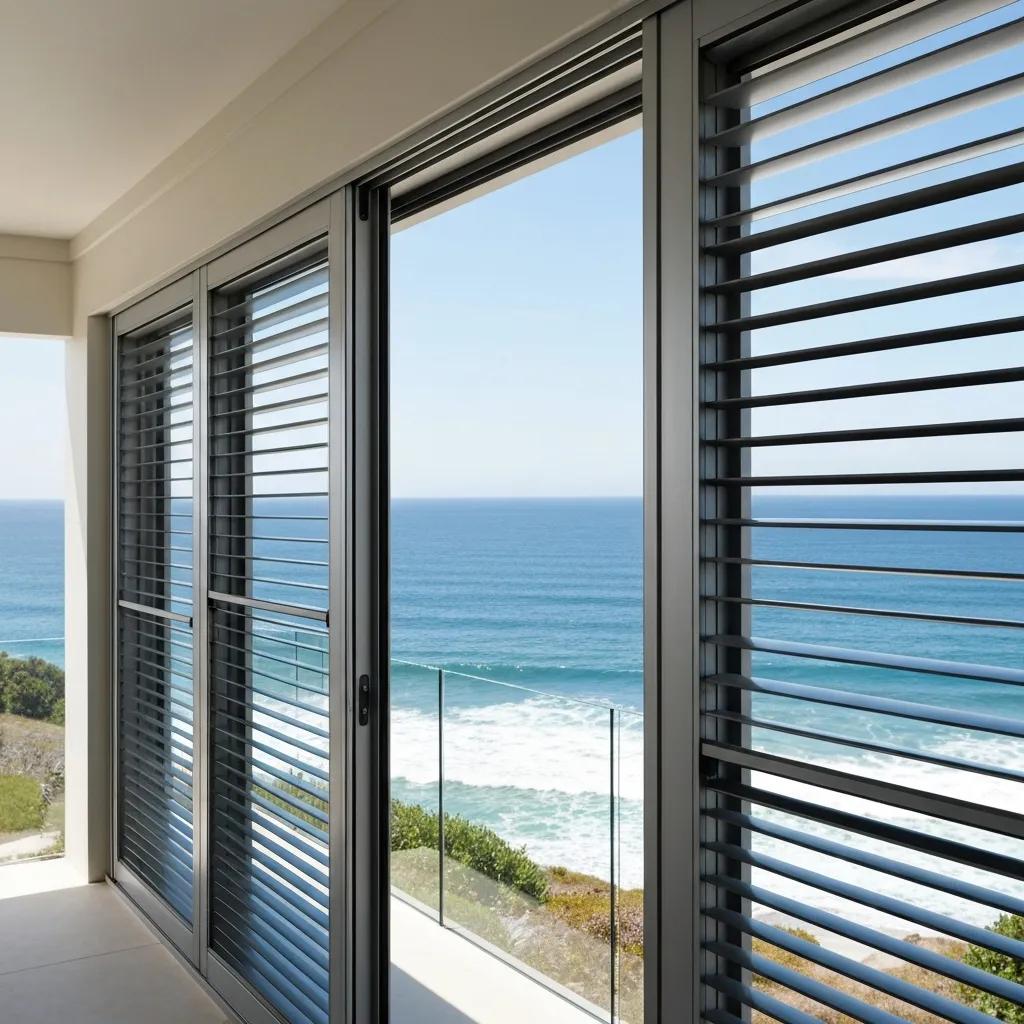
Accordion Shutters Installation: The Essential Steps to Protect Your Home from Hurricanes
Accordion shutters are permanently mounted, interlocking panels that fold neatly to the side of windows and doors so you have fast, ready hurricane protection without storing panels. When closed, they lock into top and bottom tracks and transfer wind and debris forces into the building structure, helping prevent glass breakage and structural damage. This guide walks you through what accordion shutters are, the parts that matter, and why coastal homeowners rely on them for impact resistance, fast deployment, and extra security. You’ll find prep checklists, North Carolina and South Carolina code considerations, a step‑by‑step installation sequence with safety reminders, and clear maintenance and cost guidance. Practical tables and timing estimates help homeowners, renovators, and property managers plan installations with confidence. Keywords like accordion shutters installation guide and how to install accordion shutters are used to make the technical details easy to find and follow.
What Are Accordion Shutters and Why Choose Them for Hurricane Protection?
Accordion shutters are fixed, folding panels that slide closed across an opening and lock into tracks so there’s no need to remove or store panels. Their strength comes from a continuous load path: top and bottom tracks, side guides, and interlocking blades work together to resist wind pressure and flying debris during storms. That design gives you quick deployment, dependable impact resistance, and a visible security layer — all while saving space compared with removable systems. Knowing how they work helps you compare accordion shutters with other protection options and decide where they make the most sense on your home.
Homeowners appreciate practical benefits you’ll notice right away during storm season: shutters close from inside the house, eliminate off‑site storage, and provide passive security when locked. Most systems use extruded aluminum and corrosion‑resistant hardware to withstand coastal conditions. Those material choices and component details are what to look for when shopping or preparing to install.
Accordion shutters are especially well suited for coastal homes that see frequent storms, salt spray, and repeated use. Their compact footprint works well for sliding glass doors, continuous storefronts, or any long opening where removable panels are impractical. The next section breaks down the key components so you can recognize quality features during inspection or installation.
Accordion shutters compared by feature:
- Impact Resistance: Interlocking blades and reinforced tracks absorb and spread energy from debris strikes.
- Quick Deployment: Panels fold out and close in seconds without external assembly.
- Security: Locked shutters form a visible, physical barrier that deters intrusion.
- Code Compliance: Engineered systems meet recognized design‚Äëpressure standards required by many jurisdictions.
How shutter features translate to homeowner benefits:
What Are the Key Features and Components of Accordion Shutters?
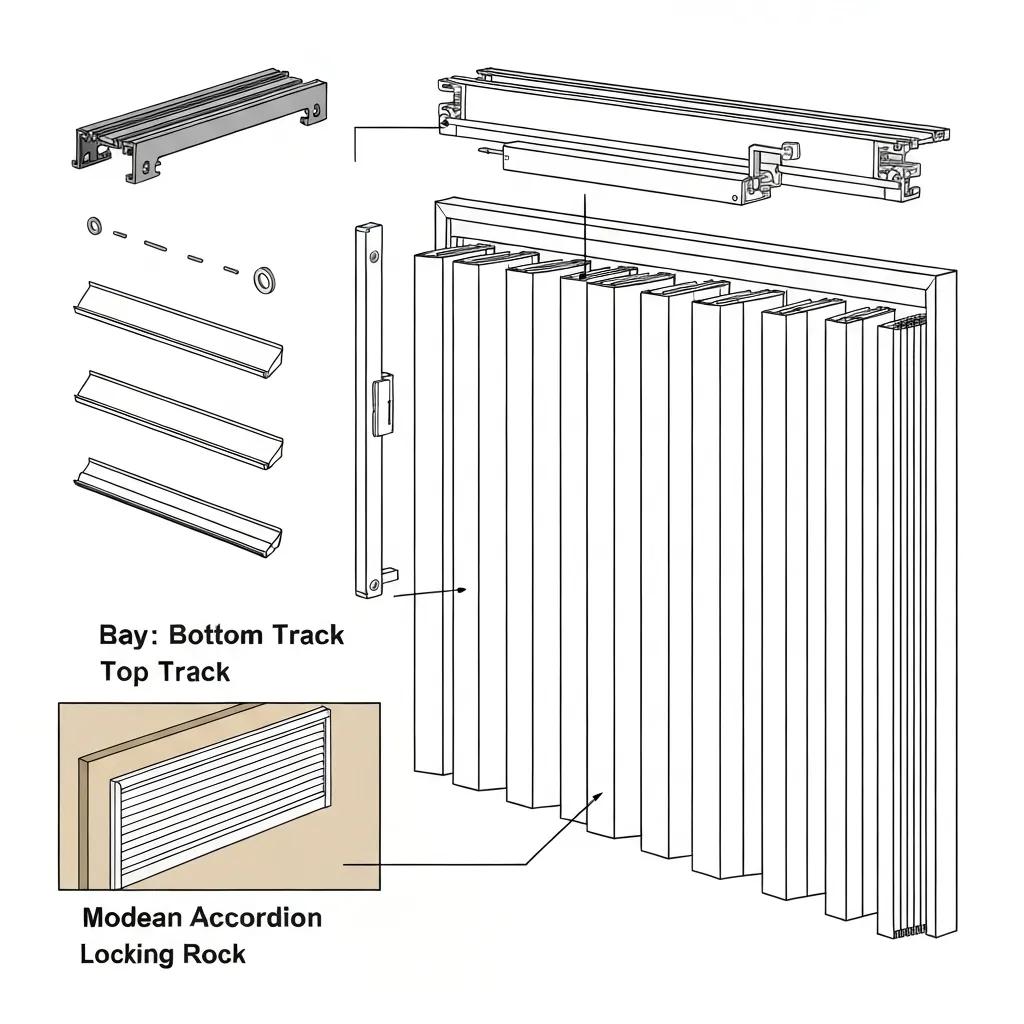
Accordion shutters are built from a handful of primary parts: the top track, bottom track, folding blades (panels), side guides or angles, mounting brackets, and the lock hardware. The top track secures the system at the header while the bottom track keeps panels aligned at the sill; blades interlock to form a continuous barrier and side angles limit lateral movement. Mounting brackets and anchors move storm loads into the building, so their type and spacing determine the system’s design‑pressure capacity. On inspection or before installation, look for extruded aluminum blades and stainless fasteners as signs of engineered durability.
These components work together during deployment and under storm loads: tracks guide blades, anchors pass forces into the substrate, and locks hold the assembly closed under tension. Familiarity with these parts helps you spot misaligned tracks, loose anchors, or other issues before they affect performance — critical when measuring openings and selecting hardware for coastal installs.
How Do Accordion Shutters Protect Coastal Homes from Storm Damage?
Accordion shutters form a rigid, continuous barrier that resists wind pressure and blocks flying debris from hitting glass and frames. Under wind loads, the shutters transfer uplift and lateral forces through tracks and anchors into the building structure, which lowers the chance of window failure and the internal pressurization that can trigger roof or wall damage. They also reduce secondary hazards: intact glass means less interior flooding and fewer broken‚Äëglass injuries, and the closed shutter layer deters opportunistic theft after a storm.
Beyond impact protection, accordion shutters help with solar control and privacy when closed and act as a visible security feature. Those protection mechanisms guide the preparation and installation choices covered next, where precise measurements and code compliance determine final performance.
How to Prepare for Accordion Shutter Installation: Tools, Measurements, and Building Codes
Good preparation ensures shutters perform as intended and pass permits and inspections. Accurate measurements set the foundation for level tracks, and structural checks confirm anchors can resist design pressures. Match tools, fasteners, and safety gear to the shutter type and substrate, and remember that local building codes in North Carolina and South Carolina can affect required anchor types, allowable design pressures, and documentation for inspections. A methodical pre‚Äëinstall routine reduces rework and helps secure approvals.
Preparation includes both equipment and paperwork: measure to the manufacturer’s tolerances, choose corrosion‑resistant fasteners, and check permit triggers with your local authority having jurisdiction (AHJ) to avoid delays. The checklist below lists the essentials for a typical installation.
Tools and materials checklist for installation preparation:
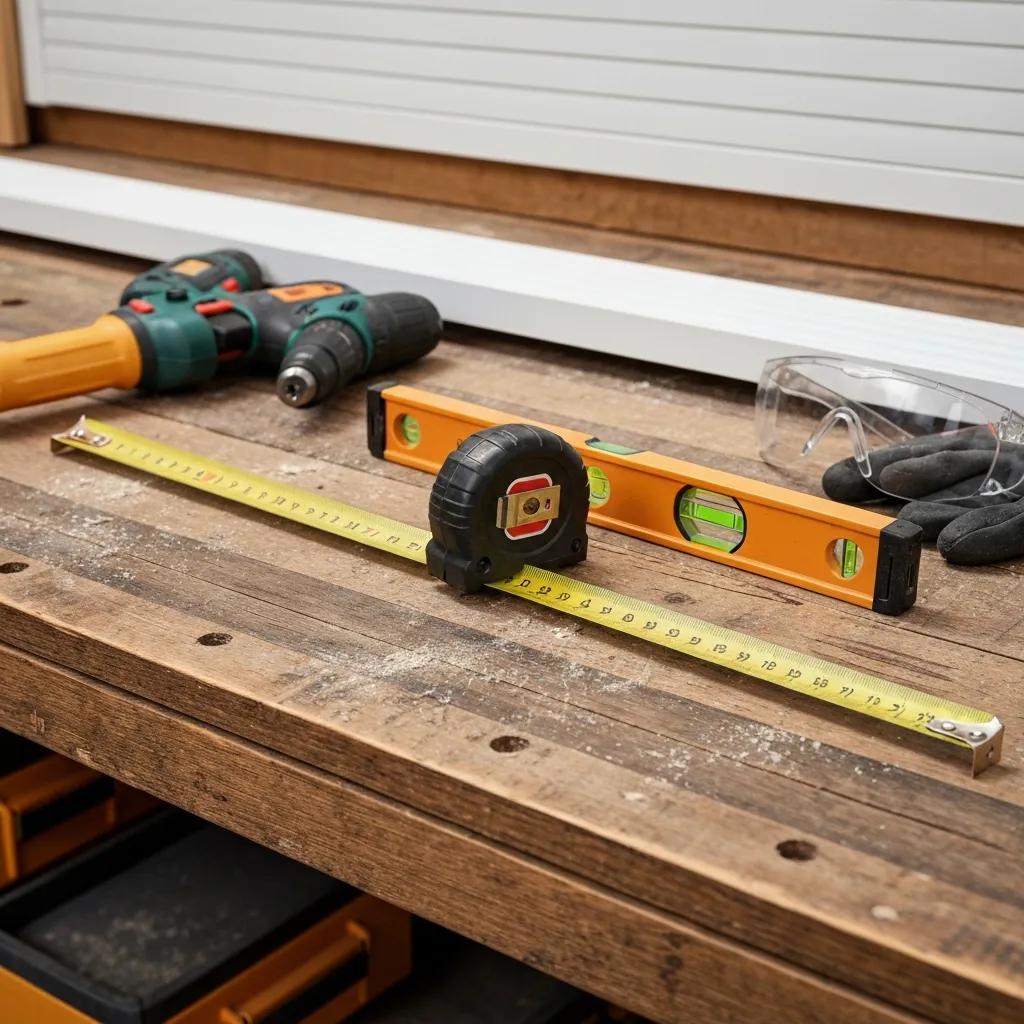
- Power drill with impact driver: For anchors and fasteners in masonry or wood.
- Level and laser level: Keeps the top track straight for smooth blade travel.
- Tape measure and marking tools: For precise clearances and anchor spacing.
- Anchors and 18-8 stainless steel fasteners: Sized to the substrate and local code.
- Safety gear: Gloves, safety glasses, and fall protection for work above grade.
The table below matches common tasks to recommended tools and safety notes so you can plan resources before you get on site.
What Tools and Materials Are Needed for Installation?
Installations typically require common carpentry and masonry tools plus shutter‑specific hardware and corrosion‑resistant fasteners. Key tools include a hammer drill for masonry anchors, a torque‑controlled impact driver for consistent fastener seating, levels for track alignment, and accurate measuring tools. Materials include extruded‑aluminum blades, top and bottom track assemblies, side guides, neoprene or foam seals, and 18‑8 stainless steel fasteners specified for coastal durability. Don’t skip personal protective equipment—safety glasses, gloves, and fall protection are essential.
Picking the right anchors and fasteners is critical because they create the continuous load path that allows the shutter to meet its design pressure. If you have doubts about substrate strength or anchor selection, consult local codes or a structural expert before starting work. Correct tool and material choices lead directly into the code items covered next.
How Do Local Building Codes in NC and SC Affect Installation Requirements?
In North Carolina and South Carolina, shutters and attachments must meet specified design pressures and provide proof of compliance for permits and inspections. Installations often reference the Florida Building Code or the International Building Code for design‚Äëpressure methodology. Permit triggers include new construction, certain structural changes, or using shutters to meet wind‚Äëborne debris requirements. Expect to provide shop drawings, product approvals, and load calculations for AHJ review; anchor details should match approved product literature to pass inspection.
Because permitting practices vary by county and municipality, confirm AHJ requirements before purchasing or installing. For complex openings or mixed substrates, a licensed installer or engineer can verify anchorage and design pressures and prevent costly rework. Solid code planning comes before the step‚Äëby‚Äëstep installation checklist below.
What Are the Step-by-Step Accordion Shutter Installation Steps?
Installation follows a straightforward sequence: verify measurements, fasten the top track, install the bottom track, position and test blades, fit locking hardware, and complete the final inspection. Each step depends on the previous—accurate measurements produce level tracks, level tracks allow smooth blade travel, and secure anchors maintain design loads during storms. Use torque‑controlled fastening and safety checks throughout to protect the continuous load path required for code compliance. The list below gives a concise onsite checklist.
Below is a numbered, concise top‚Äëlevel sequence intended as a quick reference for installers and homeowners:
- Verify opening dimensions and substrate condition against shop drawings.
- Fasten the top track level and plumb using the recommended anchors and torque values.
- Install the bottom track aligned to the top track and set anchors at specified spacing.
- Insert blades into the top track, align side guides, and close panels to check fit.
- Install locks and seals, torque fasteners to spec, and perform operational tests.
- Document anchor locations and torque values and prepare inspection‚Äëready paperwork for the AHJ.
These steps create a reliable roadmap; the next sections expand on measuring, track and blade installation, with time estimates and safety notes included.
The table below maps each primary installation phase to tools, expected time, and key safety items so crews can plan labor and equipment.
How to Measure and Mark for Accurate Shutter Placement?
Start by measuring opening width and height at multiple points—top, middle, bottom for width and left, center, right for height—to spot out‑of‑plumb conditions. Use the smallest measured width and height and follow manufacturer clearances so blades don’t bind; subtract specified clearances for blade travel rather than adding material. Mark anchor centerlines and track locations with a transferable layout line and double‑check against shop drawings to avoid misdrilled anchors. Common mistakes include taking a single measurement or ignoring substrate irregularities; a repeatable measurement routine prevents downstream alignment issues.
A careful layout speeds installation by reducing adjustments during track placement and ensures blade insertion goes smoothly. The following section explains track, blade, and locking hardware installation that relies on accurate measurement.
How to Install Tracks, Blades, and Locking Mechanisms Safely?
Begin by installing the top track level and securely anchored, using the specified anchor spacing and torque values to preserve manufacturer load paths. Then set the bottom track parallel and plumb so blades engage consistently. Insert blades one at a time into the top track and seat them into the bottom track while checking for even gaps and smooth travel; use shims where needed. Fit locking hardware per the manufacturer’s instructions, verify weather seals are continuous, and cycle the panels several times to confirm reliable operation. For safety, use two‑person lifts for wide panels, wear gloves to prevent pinch injuries, and verify anchor torque with a calibrated driver to avoid under‑ or over‑torquing.
Measure and verify after each major step to prevent rework and keep the continuous load path intact. Once installation and testing are complete, regular maintenance will keep the system functioning for years, as the next section outlines.
Can You Install Accordion Shutters Yourself? DIY vs. Professional Installation Explained
Homeowners with solid carpentry and masonry experience can handle some accordion shutter installs on straightforward openings, but complexity, code requirements, and warranty rules often make professional installation the safer choice. DIY can cut labor costs and work for a single small opening on a simple substrate if you strictly follow manufacturer instructions, use the correct anchors, and obtain required permits. However, large or irregular openings, mixed substrates, high design pressures, or products that require certified installers are strong reasons to hire a pro.
Consider the tradeoffs: DIY saves money and gives you scheduling control, while professional installers bring structural verification, warranty‚Äëbacked workmanship, and familiarity with local AHJ expectations. For multi‚Äëstory work, heavy panels, or nonstandard substrates, a licensed installer reduces risk and helps avoid insurance or resale complications tied to improper installation.
Pros and cons of DIY installation:
- ProsLower labor cost: No professional installation fees on simple openings.
Control over timing: You schedule the work.
Hands‚Äëon learning: You learn how the system operates and how to maintain it. - ConsRisk of improper anchoring: Wrong anchors can invalidate design‚Äëpressure performance.
Permit and inspection risk: Mistakes may fail AHJ inspection and require rework.
Warranty restrictions: Some manufacturers require certified installers for full warranty coverage.
Use this list to decide whether DIY suits your skills and the project’s complexity.
What Are the Pros and Cons of DIY Accordion Shutter Installation?
DIY appeals for simple openings with well‑understood substrates and when the homeowner has the right tools and skills. Benefits include lower out‑of‑pocket labor costs and the flexibility to work at your pace while learning system operation and maintenance. Risks include wrong anchor selection, incorrect torqueing or track alignment, and potential failure to meet local code requirements — any of which can reduce performance during a storm. Also check whether the product’s warranty requires certified installation to validate product approvals and design‑pressure claims.
Be realistic about skill level, tool availability, and your willingness to manage permits and inspections. If you’re unsure about substrate strength, design pressures, or complex openings, hiring a licensed installer is the safer route to ensure the system works when it matters.
When Should You Hire Professional Installation Services?
Hire a professional when openings are large, irregular, or on upper stories where fall protection and two‑person lifts add complexity; when local code or your insurer requires certified installation; or when the substrate (masonry, concrete, composite walls) needs specialized anchors or reinforcement. Professionals provide permit documentation, engineered attachment plans if required, and warranty‑backed workmanship that preserves product approvals. They can also troubleshoot tricky retrofit conditions—mixed frames, nonstandard reveals, or damaged substrates—and avoid mistakes that cause operational issues or failed inspections.
When interviewing installers, ask for experience on coastal projects, examples of anchor types they use, and confirmation they’ll supply inspection‑ready documentation showing anchor locations and torque values. Those steps lower risk and increase confidence that your shutters will meet design loads.
After choosing an installation path, plan for regular maintenance to preserve performance and extend service life — the following section covers practical upkeep.
How to Maintain Accordion Shutters for Longevity and Optimal Performance?
Routine maintenance keeps shutters operating smoothly, prevents corrosion in coastal environments, and extends service life. Key tasks include rinsing off salt and debris, lubricating moving parts with manufacturer‑approved products, checking anchors and fasteners for tightness and corrosion, and running seasonal operational tests to confirm smooth travel and secure locks. A schedule of quarterly visual checks and an annual detailed inspection helps avoid surprises before storm season and often meets warranty requirements. Regular upkeep also flags worn items — seals or locks — that should be replaced promptly.
Seasonal care reduces lifecycle costs by catching small issues early. Professional maintenance services can supplement DIY checks with torque verification, replacement of corroded hardware, and written reports useful for insurance or resale. The checklist below makes routine upkeep simple.
Routine maintenance checklist for homeowners:
- Quarterly: Rinse exterior surfaces with fresh water to remove salt and sand; visually check for loose hardware.
- Annually: Lubricate tracks and pivot points with recommended lubricants and verify anchor torque values.
- After major storms: Inspect for dents, loose anchors, or corrosion; repair or replace damaged blades right away.
- As needed: Replace worn seals, service locks, and tighten any fasteners that show movement.
What Routine Maintenance Steps Keep Shutters Durable?
Cleaning and lubrication are your first lines of defense: rinse shutters with fresh water after salt exposure, clear tracks of sand and debris, and apply approved lubricants sparingly to moving parts. Check anchors and fasteners for corrosion or looseness; tighten to manufacturer torque specs and replace compromised stainless components promptly. Inspect seals for weathering and replace ones that no longer compress evenly to keep the closure weather‑tight. Operate the shutters through several cycles to detect binding, misalignment, or unusual noises early — documenting these checks supports warranty and insurance claims if you need them later.
If maintenance tasks exceed your comfort level — torque verification at high headers or replacing corroded anchors, for example — hire a professional maintenance service that can provide a formal inspection report and repairs. Regular care directly affects expected service life, covered next.
How Long Do Accordion Shutters Typically Last with Proper Care?
With regular maintenance and corrosion‑resistant materials, accordion shutters commonly last 20 to 30 years in coastal settings. Lifespan varies with material quality, exposure to salt spray, and maintenance diligence. Systems built from extruded aluminum and fitted with 18‑8 stainless steel fasteners hold up longer than lower‑grade alternatives. Replace or upgrade when impact damage is widespread, anchors show significant corrosion, or smooth operation is lost — if repair costs approach replacement cost, a full system refresh often makes sense.
Knowing expected service life helps homeowners plan lifecycle budgets and understand the value of routine upkeep. The final section translates durability and performance into cost drivers and purchasing guidance.
What Factors Influence Accordion Shutter Installation Cost and Value?
Price depends on material grade, number of openings, opening complexity, substrate type, permit fees, and local labor rates. Premium extruded‚Äëaluminum shutters with stainless hardware cost more up front but reduce maintenance and extend service life; complex openings and reinforced anchorage add labor and material costs. Value drivers include potential insurance discounts, reduced storm repair costs, and stronger resale appeal for homes with permanent protection. Compare these long‚Äëterm benefits against upfront cost to judge ROI.
The table below maps common cost drivers to their typical effect so you can see which choices move the needle on price and value.
How Is the Cost of Accordion Shutter Installation Calculated?
Estimating cost combines per‚Äëopening material prices, linear footage for tracks, labor for mounting and finis
