
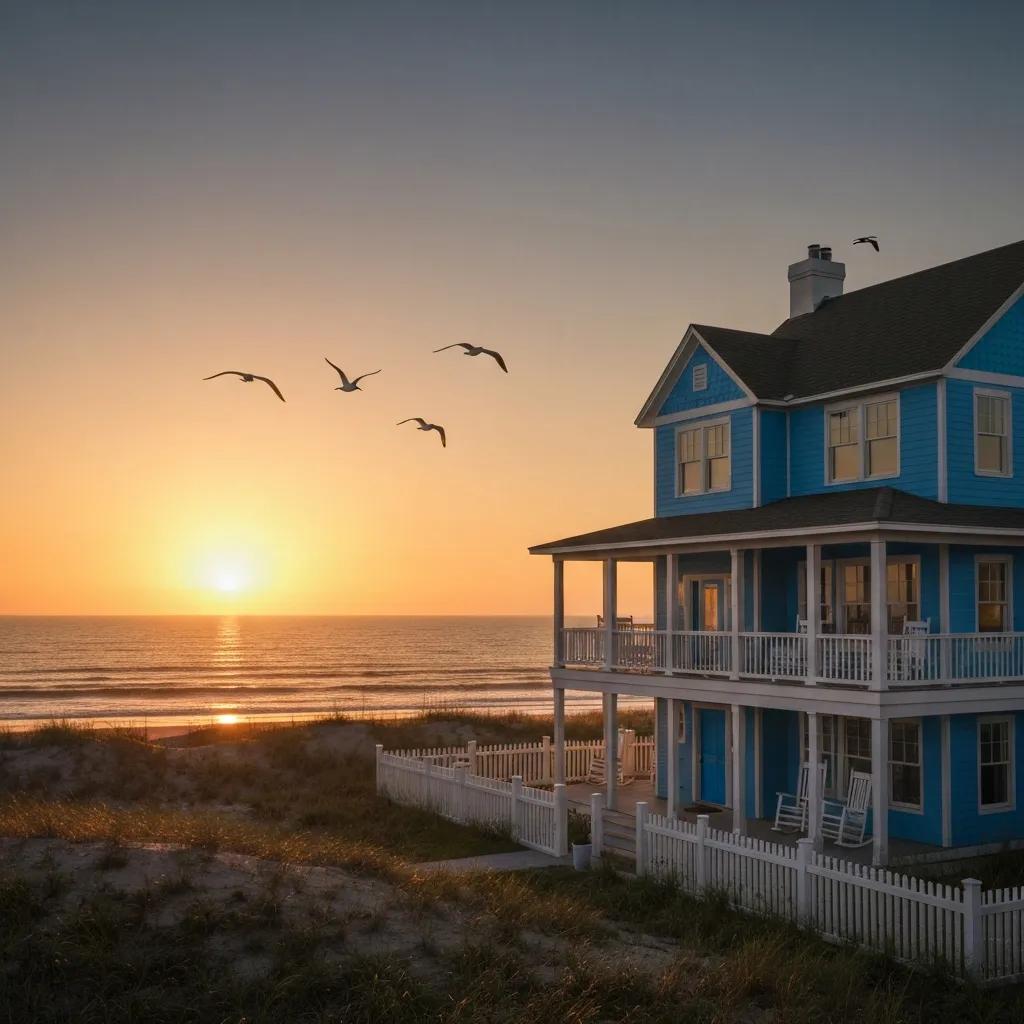
Accordion Shutters vs. Storm Panels: Which Is Easier for Coastal Carolina Homes?
Living on the Carolina coast means balancing quick, reliable hurricane protection with real-world concerns like installation, storage, and day-to-day use. This piece lays out how two common choices — permanently mounted accordion shutters and removable exterior storm panels/barriers — work in practice. We break down ease-of-use factors you care about: deployment time, how many people are needed, whether tools are required, and storage needs. You’ll get component-level details, material trade-offs (clear versus aluminum panels), realistic deployment estimates, and typical cost-per-square-foot ranges so you can match a solution to your household, mobility limits, and storage space. We also cover what each product is, how installation and routine operation differ, long-term value, buyer profiles for coastal North and South Carolina, and practical tips to cut the labor and storage burden for panels.
What Are Accordion Shutters and How Do They Simplify Hurricane Protection?
Accordion shutters are permanently mounted metal systems that slide across openings on tracks. They remove the need to find, lift, and fasten loose panels when a storm is coming. The system is simple: tracks, interlocking panels, fasteners, and locks combine so most homeowners can deploy protection alone and without tools. The benefits are immediate readiness, almost no storage footprint, and a secure, always-attached barrier that doubles as daily window protection. Knowing these pieces and benefits helps you decide whether a higher up-front investment is worth trading for less seasonal work and fewer physical demands.
Accordion shutters break down into component parts that each provide a practical user benefit.
The table shows how built-in parts translate directly to easier use. Those same components also support long-term durability and help with code compliance — topics we cover below.
What Defines Accordion Shutters and Their Key Features?
Most accordion shutters are made from extruded aluminum or other corrosion-resistant alloys and stay mounted year-round. The materials balance strength and lightness: aluminum resists coastal corrosion, while stainless components give extra durability in very salty air. Practical features that improve usability include continuous tracks for effortless movement, interlocking panels for impact resistance, and optional motorized drives for one-touch closure on big patio doors or commercial openings. Together these features mean predictable, low-effort operation compared with removable systems.
How Easy Is It to Operate and Deploy Accordion Shutters?
In most homes a single person can close accordion shutters in 30 seconds to a few minutes per opening, depending on width and whether the unit is motorized. Typical steps are simple: unlock any security bolts, slide the panels fully across until they lock, and set the secondary latch if present — no external tools for routine use. Very large or custom openings may need a helper or a motorized option, but for standard doors and windows the track-and-slide design makes accordion shutters one of the easiest permanent protection choices. That predictability lowers stress during storm prep and helps when time is short.
Coastal Homeowner Resilience: Hurricane Preparedness and Mitigation Decisions
As climate change raises storm risk, coastal homeowners play an important role in reducing damage to property and people. Without strict, enforceable retrofit rules or major insurance changes, coastal resilience will largely depend on private decisions. Research on how homeowners use structural mitigation — like shutters and panels — is limited. To help fill that gap, a pilot Coastal Homeowner Survey studied 662 respondents in New Hanover County, North Carolina, and found many homes remain minimally protected. Homeowners reported taking few mitigation actions and showing little intent to act further. The study also suggests that perceived cost alone doesn’t explain the lack of action, pointing to other barriers that affect homeowner choices.
Coastal homeowners in a changing climate, D Javeline, 2019
How Do Exterior Storm Panels Compare in Ease of Use and Installation Effort?
Exterior storm panels are removable barriers cut to fit openings and fastened when a storm approaches. They shift the work from initial installation to seasonal deployment and storage. Panels are available in aluminum, clear polycarbonate, steel, and fabric/aramid systems — each choice affects weight, visibility, and how easy they are to handle. Panels usually cost less up front, but larger openings often need multiple people, hand tools, and enough storage space to keep panels safe off-season. Comparing material types and storage approaches makes it easier to see who will manage panels well and who is better served by a permanent system.
Exterior panels present distinct material trade-offs that affect usability and suitability.
This quick table shows how material choice affects handling, appearance, and the kind of homeowner who’ll find each option workable. Clear panels keep daylight and views; aluminum balances cost and easy handling.
What Materials Are Used in Exterior Storm Panels and How Do They Affect Use?
Aluminum panels are the most common removable choice because they balance cost and weight and are manageable for two people; they are opaque and block daylight. Clear polycarbonate keeps visibility and natural light but is heavier, so handling time and the need for extra help increase. Steel panels are strong but heavy and can be harder to store and may face corrosion issues at the coast. Newer fabric and aramid systems roll up and cut storage needs, but they need specific fasteners and careful installation to match the protection of rigid panels.
Why Are Storm Panels More Labor-Intensive to Install and Store?
Storm panels must be handled each storm season — measured, aligned, fastened, then removed and stored — and those repeated cycles add labor, storage needs, and safety risks. Typical pain points include using ladders and multiple helpers for large openings, managing sharp edges, and finding dry, space-efficient storage to prevent corrosion or warping. Simple steps can reduce friction: label panels and attachment points, use storage racks, and pre-drill anchor locations to speed deployment. Knowing these recurring tasks often pushes homeowners toward permanent systems if they want less seasonal work.
Hurricane Shutter Performance: Impact Resistance and Installation Requirements
Certification testing showed a minimum clearance of 7.62 cm between the product and window glass is required for proper installation in the tested products.
Performance of hurricane shutters under impact by roof tiles, KR Gurley, 2010
What Are the Key Differences in Ease of Use Between Accordion Shutters and Storm Panels?
The main differences are clear: accordion shutters stay mounted and are usually operated by one person without tools, while storm panels are removable, often need tools and extra hands, and require storage when not in use. Comparing deployment time, manpower, and storage shows the trade-offs: shutters give fast, low-effort readiness; panels lower initial cost but add recurring labor. Think about how often you’ll deploy protection, who’s in your household, and how much storage you have when choosing. The table below gives typical deployment ranges and effort to help you decide.
How Do Deployment Time and Installation Effort Compare?
For a standard window, accordion shutters usually let one person close protection in under a few minutes — they slide on a track and lock without loose pieces. Removable aluminum panels often take several minutes per panel plus time to align and bolt into pre-set anchors. Differences grow with larger openings: motorized shutters close at the push of a button, while panels need coordinated lifting and fastening. Initial installation also differs: shutters need a professional fit once, while panels require accurate measurement and regular fit checks before each season. That’s why households with limited mobility or small teams often choose shutters despite the higher up-front cost.
What Are the Storage and Maintenance Requirements for Each Option?
Storage is a major practical difference. Accordion shutters stay in place, so off-season storage is virtually zero. Panels need dedicated, climate-protected storage and racks to avoid damage and make seasonal deployment practical. Shutter maintenance is typically low-frequency: clean the tracks, lubricate as needed, inspect seals and locks. Panels need more frequent checks: control corrosion, clean clear panels to keep visibility, and replace worn fasteners. Those recurring tasks add time and sometimes expense, so consider storage volume and maintenance when projecting long-term costs beyond per-square-foot price.
How Do Cost and Value Influence the Choice Between Accordion Shutters and Storm Panels?
Initial cost and lifecycle value differ. Removable panels usually have a lower sticker price per square foot, while accordion shutters cost more up front but can save you time and effort over the long run. Typical market ranges show shutters on the higher end per square foot, but weigh that against likely storm frequency, possible insurance savings for permanent systems, and resale appeal. Use cost calculators and free estimates to model total cost of ownership — you can include material choice, motorization, and installation labor to project long-term value. The table below gives typical ranges and notes to help with purchase decisions.
What Is the Cost Comparison Per Square Foot and Installation?
Accordion shutters sit at the higher end of per-square-foot pricing because they include permanent mounting, custom fit, and often better corrosion-resistant materials for coastal weather; that higher price is partially offset by lower labor at storm time. Panels look attractive by material price per square foot, but remember the labor of repeated installs and potential repairs or replacements over time. Opening complexity, motorization, and local labor rates all affect installed cost, so get tailored estimates that reflect your home and local codes — use available calculators and request free quotes to compare scenarios accurately.
How Does Long-Term Value and Durability Affect Overall Cost?
Long-term value includes expected lifespan, maintenance cycles, possible insurance discounts for permanent systems, and resale. Accordion shutters often beat removable panels here because they reduce repetitive labor and provide continuous protection. Regular maintenance — track cleaning and seal checks — extends shutter life. Panels can need replacement after dents, corrosion, or lost hardware. Insurance companies sometimes offer discounts for permanently installed, code-compliant protection, and integrated shutters can add resale value. Balancing material longevity, maintenance effort, and insurance/resale impacts gives a fuller cost-of-ownership picture than just up-front price.
Which Hurricane Protection Option Is Best for Different Coastal Carolina Homeowners?

Choosing between shutters and panels comes down to your profile: storm frequency, mobility, storage space, budget, and whether you want to preserve views. Frequent travelers, seniors, and owners of second homes often prefer single-person, low-effort systems like accordion shutters. Budget-focused DIYers with ample storage and only occasional storms may choose panels despite the recurring work. Property specifics — large multi-panel openings, rentals, or commercial façades — also matter and sometimes make permanent systems the safer, code-friendly option. Below are persona-based recommendations to help match needs to the right approach.
- Frequent travelers and second-home owners: Single-action protection and low maintenance reduce the risk of missing a storm.
- Seniors or limited-mobility households: One-person operation and optional motorization make deployment safer and easier.
- Budget-focused DIY homeowners: Removable aluminum panels lower up-front cost when storage and labor are manageable.
These persona guidelines help you map lifestyle and property limits to a protection strategy and point you toward local services for installs and estimates.
Who Benefits Most from Accordion Shutters?
Accordion shutters are ideal for homeowners who want fast, dependable protection without seasonal handling: seniors, single-person households, frequent travelers, and owners of high-value properties that benefit from continuous security. The permanent mounting and track operation let you close openings predictably and with little effort, and motorization further reduces physical strain for those who need it. Because shutters stay in place, they remove the need for off-season storage — a big plus for smaller homes or condos. In coastal North and South Carolina, properties with frequent storm exposure or large, often-used openings get the most operational value from shutters.
Who Should Consider Exterior Storm Panels?
Storm panels work well for homeowners with limited budgets, adequate storage, and willingness to handle seasonal installation — typically DIYers, second properties with caretakers, or homes in lower-frequency storm zones. Panels are a good choice when occasional protection suffices and when owners can store panels in a dry place to prevent corrosion and damage, or when they prefer no permanent exterior elements for views. To make panels easier to manage, label panels and mounting points, use storage racks, and keep a fastener and tool kit organized for quick deployment. If storage or household mobility is limited, removable panels become less practical versus permanent systems.
Why Choose American Hurricane Shutters for Your Hurricane Protection Needs?
American Hurricane Shutters helps coastal North and South Carolina homeowners with education-first advice, free estimates, and an online cost calculator to model options. We focus on local expertise and code-compliant installs, highlighting accordion shutters as user-friendly and panels as a more affordable, though labor-intensive, option. We clarify trade-offs, provide free estimates, and offer installation and maintenance services. For homeowners in Wilmington, Myrtle Beach, Oak Island, Topsail, New Bern, and nearby towns, we serve as a local partner who understands regional weather exposure and permitting. Getting local support for selection, measurement, and compliance lowers purchase risk and smooths installation.
How Does American Hurricane Shutters Ensure Quality and Code Compliance?
We install systems to meet or exceed applicable building codes and industry standards, taking state and regional requirements into account. Our installers perform site assessments and recommend configurations that line up with local permitting. Quality checks include verifying materials for coastal corrosion resistance, confirming anchor and fastener specs, and giving maintenance guidance to keep systems performing over time. We also educate homeowners on inspection frequency and routine tasks like track cleaning and seal checks to prolong service life and maintain compliance. Local knowledge of permitting and inspections helps homeowners avoid common compliance pitfalls.
How Can You Get a Free Estimate and Personalized Cost Calculation?
To get a personalized estimate and test scenarios, request a free estimate or try our cost calculator. It compares accordion shutters and panel options based on opening size, material, and motorization so you can see trade-offs between up-front cost and long-term labor.
- Prepare measurements and preferences: Accurate dimensions and material priorities speed the estimate process.
- Request a free estimate: A local assessment translates preferences into installable options and costs.
- Compare cost calculator scenarios: Use modeled results to weigh up-front cost versus recurring labor and long-term value.
These steps turn the information above into a practical plan for your property and household.
Frequently Asked Questions
What are the main advantages of accordion shutters over storm panels?
Accordion shutters give fast, simple protection with minimal storage needs. They stay mounted and usually open or close without tools or extra help, which is a real advantage when a storm approaches. Storm panels often need multiple people to install and require space to store when not in use. Accordion shutters also add continuous security and convenience for homeowners who value readiness and low maintenance.
How do I maintain accordion shutters and storm panels?
Accordion shutters need occasional track cleaning, lubrication, and checks of seals and locks — low-frequency tasks that keep the system working smoothly. Storm panels require more frequent inspection for corrosion (especially metal panels) and cleaning of clear panels to protect visibility. Regularly check fasteners and replace damaged parts so protection remains effective when you need it.
Can I install accordion shutters or storm panels myself?
Some homeowners install storm panels themselves, but professional installation is recommended for both systems. Accordion shutters need precise mounting to function correctly and meet codes. Panels also need accurate measurements and secure anchors to be effective. Hiring pros ensures compliance with local rules and improves safety and reliability.
What factors should I consider when choosing between accordion shutters and storm panels?
Consider your budget, how often storms threaten your area, available storage, and the physical ability of household members. Accordion shutters are best for convenience and low maintenance. Storm panels suit budget-minded homeowners who can handle seasonal installation. Also look at opening size and type — larger openings often benefit from shutters.
Are there any insurance benefits associated with installing hurricane protection systems?
Yes. Many insurers offer discounts for hurricane protection systems that meet local codes. Because accordion shutters are a permanent solution, they may qualify for larger discounts than removable panels. Check with your insurance provider to understand potential savings and any requirements for coverage — this can help offset the initial investment.
How do I ensure my hurricane protection system is compliant with local codes?
Work with professionals familiar with regional regulations for hurricane protection. Companies like American Hurricane Shutters guide you through code compliance and the permitting process. Verify that materials meet industry standards and that installation follows local permit requirements to avoid problems with inspections or future claims.
What is the typical lifespan of accordion shutters and storm panels?
Accordion shutters typically last 20–30 years with proper maintenance, especially when made from quality aluminum and stainless components suited for coastal conditions. Storm panels usually last around 10–15 years, depending on material and care; fabric and lower-grade metals tend to have shorter lifespans. Regular maintenance and proper storage will extend the life of either system.
Conclusion
Picking the right hurricane protection for Coastal Carolina comes down to how you balance ease of use, cost, and long-term value. Accordion shutters offer fast deployment and low seasonal work — a strong choice for homeowners who want readiness and convenience. Storm panels can be a budget-friendly option for hands-on DIYers who have storage and time to manage seasonal installs. Understanding the trade-offs helps you choose the solution that fits your home and household. For a personalized recommendation and free estimates, reach out to local experts today.
