
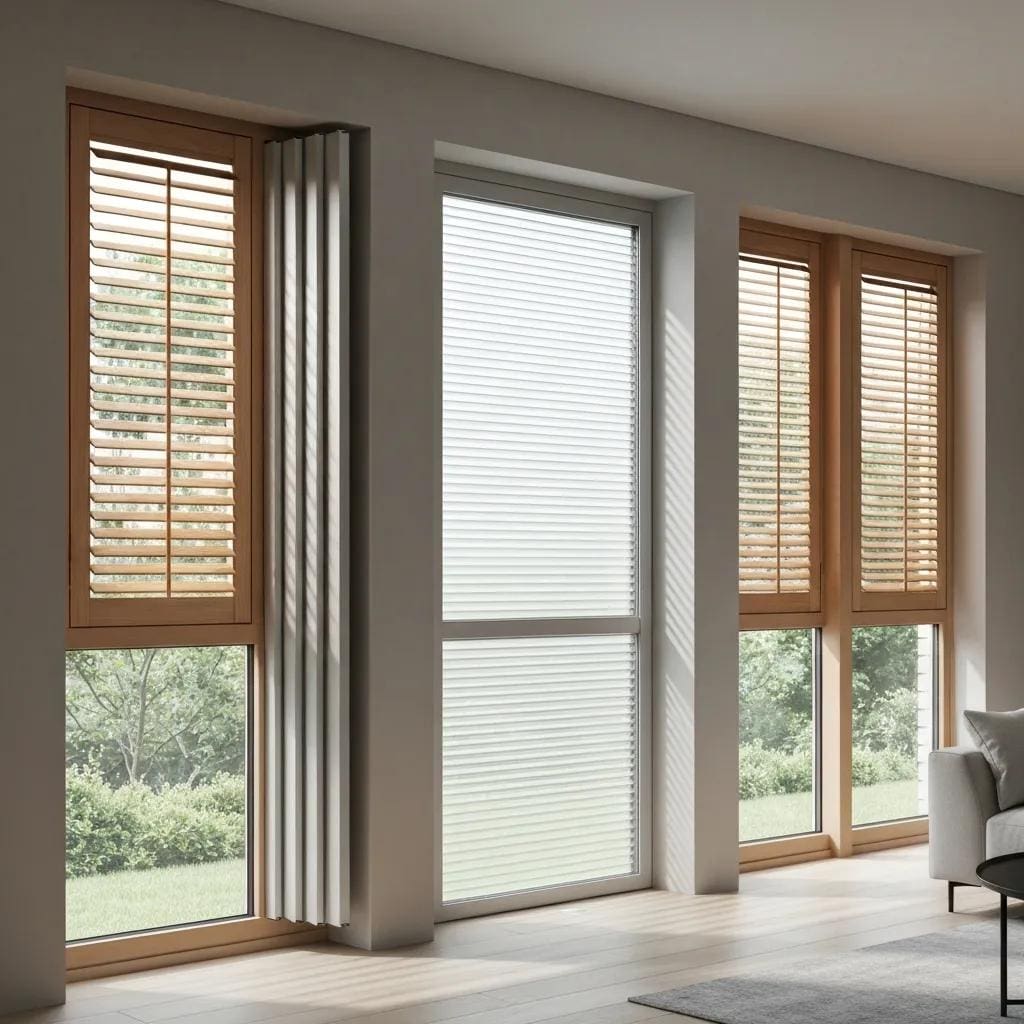
Accordion Shutter Materials: Choosing the Right Option for Durability and Storm Performance
Accordion shutters are a hinged, multi-panel hurricane protection system that fold laterally to cover openings quickly. The material you choose determines how well they resist wind, impact and coastal corrosion. This guide explains the common materials used for accordion shutters, how coatings and environmental stressors affect longevity, and how wind and impact standards measure real-world performance so you can choose with confidence. Coastal homeowners often wrestle with balancing cost, curb appeal and long-term protection; smart material choices and routine maintenance reduce lifetime costs and keep your home safer. We cover the core materials (aluminum, steel, polycarbonate), how material quality and finishes slow salt, humidity and UV damage, applicable wind and impact standards, expected lifespan and ROI, direct comparisons, and relevant building codes and installation best practices. Throughout you’ll find practical checklists, comparison guidance, and maintenance tips tailored to North and South Carolina coastal conditions so you can match budget, protection level and aesthetics to the material best for your home.
What Are the Core Materials Used in Accordion Shutters?
Accordion shutters are most commonly made from three materials—aluminum, steel and polycarbonate—each selected for a balance of strength, weight, corrosion behavior and appearance. Aluminum offers a high strength‑to‑weight ratio and solid corrosion resistance when the alloy and finish are right, making it a frequent choice for coastal homes where ease of operation matters. Steel brings superior tensile strength and forced‑entry resistance but needs galvanizing or stainless components to withstand salt air. Polycarbonate gives impact absorption and light transmission when visibility matters, though UV stability and scratch resistance must be specified. Knowing these baseline traits helps homeowners align wind resistance, impact rating and maintenance expectations with budget and style goals.
What Are the Properties and Benefits of Aluminum Accordion Shutters?
Aluminum accordion shutters are valued for being lightweight yet structurally stiff. Manufacturers typically use marine‑grade alloys and gauges sized for wind loads and easy handling. Aluminum naturally forms an oxide layer and can be anodized or powder‑coated to boost corrosion resistance—especially when paired with stainless fasteners—making it a good fit for humid, salt‑exposed locations. Under extreme loads aluminum panels tend to bend rather than puncture, which delivers predictable damage modes and simpler post‑storm repairs. Homeowners appreciate aluminum for its longevity, smooth operation and paintability, which lets you match the house without adding heavy weight. Selecting the right alloy, gauge and finish is key to getting the longest service life with the least maintenance.
How Do Steel Accordion Shutters Provide Maximum Security and Durability?

Steel accordion shutters offer the highest baseline strength and best resistance to forced entry and blunt impacts because of steel’s superior tensile properties and rigidity. In coastal settings steel needs protective systems—hot‑dip galvanizing, zinc‑rich primers and high‑quality powder finishes, or stainless steel alloys—to control corrosion and preserve structural performance. The extra weight affects anchoring and installation, so installers must plan reinforcement and use the correct fasteners to transfer wind loads into the structure safely. For homeowners who make security and long‑term structural robustness the top priorities, steel is an excellent option when combined with thorough corrosion protection and professional installation that accounts for weight and anchoring needs.
How Do Material Quality and Environmental Factors Affect Accordion Shutter Durability?
Material grade, panel gauge and coating quality set a shutter’s baseline durability, while environmental stressors—salt spray, humidity and UV exposure—determine real‑world degradation rates. Higher‑grade aluminum, properly galvanized or stainless steel, and UV‑stabilized polycarbonate each begin with different resistance profiles, but any system can underperform if finishes are poor or fasteners are incompatible. For coastal North and South Carolina properties, stainless fasteners, sacrificial coatings and inspection schedules tailored to salt exposure are critical to maintain performance and warranty compliance. Choosing the right protective measures and understanding local environmental impacts helps you plan maintenance that meaningfully extends service life and preserves wind and impact performance.
How Do Coatings and Finishes Enhance Accordion Shutter Longevity?
Finishes—powder coat, anodizing for aluminum and galvanization for steel—act as physical barriers that slow corrosion, reduce UV degradation and extend aesthetic life. Powder coat gives a durable colored finish with strong adhesion and weather resistance but can show UV chalking or abrasion in very exposed locations without appropriate topcoats. Anodizing thickens aluminum’s natural oxide layer for excellent wear resistance, though it offers a narrower color range. Galvanizing protects steel sacrificially by corroding before the base metal, and combining galvanizing with a high‑quality paint system improves protection further. Picking the right finish for salt‑laden air, specifying stainless fasteners and scheduling periodic touch‑ups will keep shutters performing and postpone major repairs.
What Impact Does Coastal Environmental Exposure Have on Shutter Materials?
Coastal exposure accelerates corrosion and material wear via salt spray, high humidity, wind‑driven debris and stronger UV levels—each stresses different material properties. Salt spray attacks ferrous metals aggressively, so galvanization, stainless components and sacrificial design elements are essential for steel systems. Aluminum resists corrosion better but still benefits from anodizing or powder coating plus stainless hardware. Polycarbonate can yellow or lose clarity under heavy UV unless UV‑stabilized grades are specified and routinely checked. Increasing inspection frequency, replacing corroded fasteners promptly and routinely rinsing salt deposits are practical steps homeowners should take to reduce coastal wear and keep shutters functional for decades.
How Is Accordion Shutter Performance Measured in Wind and Impact Resistance?
Accordion shutter performance is quantified with wind‑load metrics and impact tests that simulate velocity pressures and debris strikes; certified ratings and Design Pressure (DP) analyses translate lab results into real‑world protection levels. Wind resistance is typically expressed as DP values or equivalent wind‑speed ratings tied to specific test standards. Impact resistance is validated through programs such as Miami‑Dade or ASTM procedures that assess penetration and post‑strike load capacity. Ask manufacturers for product approvals, test reports and clear DP or wind‑speed ratings to confirm a system suits local hazards. Understanding how products are tested and certified lets you turn technical labels into reliable expectations for storm resilience, permitting and insurance.
What Are the Wind Resistance Standards for Accordion Shutters?
Wind resistance standards assign DP values and simulated wind‑speed equivalents that indicate the loads shutters can handle without failing—guidelines that inform selection and permitting. A Design Pressure analysis connects local wind speed, exposure category and opening geometry to the required DP for each opening, ensuring shutters and anchors are specified to transfer those loads safely to the structure. Certifications and product approvals from recognized testing programs show a shutter met lab conditions at stated DP or wind‑speed levels; homeowners should confirm these for code compliance and insurance reasons. Requesting documented DP analysis and referencing local building code criteria ensures shutters are engineered for your site’s wind demands.
How Do Accordion Shutters Withstand Impact from Flying Debris?
Impact testing reveals how materials behave under strike: ductile metals like aluminum deform and absorb energy, heavy‑gauge steel resists penetration and preserves a continuous barrier, and polycarbonate soaks up shock while transmitting less force to attachments. Test protocols simulate common missile sizes and velocities to validate whether panels or assemblies stay intact and attached—vital for preventing breaches during hurricanes. Attachment systems, track design and fastener quality are as important as panel strength because many failures happen at connection points. Systems with certified assemblies and robust anchoring perform best, so prioritize products with full‑system impact approvals rather than panel‑only data.
What Is the Typical Lifespan of Accordion Shutters Based on Material Type?
Expected lifespans depend on material, finish quality, exposure and maintenance. With proper care, quality shutters can provide multi‑decade service. Aluminum shutters with strong powder coats or anodizing and stainless hardware commonly last 20–30 years in moderate coastal conditions. Steel systems with galvanization and paint systems can reach 25–35 years if corrosion is controlled and fasteners are replaced when needed. UV‑stabilized polycarbonate panels typically provide 15–25 years of service depending on impact frequency and surface degradation. Lifespan estimates hinge on climate, maintenance intervals and initial coating and fastener quality, so use conservative figures for lifecycle planning and ROI in coastal settings.
Before the EAV table below, here is an explanation: the table shows expected lifespan ranges, recommended maintenance cadence and warranty/ROI notes so homeowners can compare total cost of ownership across common materials.
How Does Maintenance Influence Accordion Shutter Lifespan?
Routine maintenance—checking fasteners, lubricating tracks and hinges, rinsing salt deposits and touching up coatings—directly extends service life by preventing local corrosion and mechanical failures. Coastal properties should increase inspection frequency and replace sacrificial components before they compromise main structure elements; rinsing salt off after storms or wet spells slows coating breakdown. Lubricating moving parts and verifying anchor integrity reduce operational issues that can lead to early replacement or costly repairs. Homeowners who follow a clear maintenance checklist are more likely to reach the upper end of the lifespan ranges and retain warranty coverage.
What Are the Warranty and Return on Investment Considerations?
Warranties vary by material, finish and vendor; evaluate coverage for material defects, finish performance and installation workmanship to understand true value. When you calculate ROI include upfront costs, expected lifespan, maintenance outlays and possible insurance savings or avoided storm damage to create a realistic payback timeline. For coastal homeowners, warranties that specifically address corrosion protection or workmanship in high‑exposure conditions provide extra peace of mind. Ask for detailed warranty terms and maintenance guidance during the estimate process so expectations are clear and ROI modeling is accurate.
How Do Accordion Shutter Materials Compare: Which Is Best for Your Needs?
Choosing the right material starts by ranking priorities—budget, protection level, ease of use and curb appeal—and matching those to each material’s strengths and trade‑offs. Aluminum balances light weight with good corrosion resistance when properly finished, making it the go‑to for many homeowners who want durable, easy‑operating protection. Steel offers superior security and impact resistance but requires more corrosion management and heavier anchoring. Polycarbonate lets in light and absorbs impacts where visibility matters but needs UV‑stabilized grades for lasting clarity. Below is a straightforward attribute comparison to clarify trade‑offs.
Intro to EAV-style comparison table: the table compares each material’s strength, weight, corrosion resistance, impact resistance and cost implications to help clarify trade‑offs.
What Are the Pros and Cons of Aluminum, Steel, and Polycarbonate Shutters?
- Aluminum: lightweight operation, good corrosion resistance with proper finishes, and straightforward maintenance.
- Steel: maximum structural strength and security but needs heavier anchoring and thorough corrosion protection.
- Polycarbonate: impact absorption and transparency but requires UV‑stabilized grades and surface care to preserve clarity.
How Should Budget, Protection Level, and Aesthetics Influence Your Choice?
Start by ranking what matters most—short‑term budget, long‑term protection or curb appearance—and choose the material that best matches that hierarchy. For cost‑aware owners who still want durable coastal performance, aluminum with a robust powder coat often delivers the best balance. If maximum security and impact resistance top the list, galvanized steel with stainless fasteners is appropriate despite higher installation demands. When daylight and openness are priorities, UV‑stabilized polycarbonate provides a unique look and function. Factor in maintenance capacity and local exposure when modeling total cost of ownership, and pick the system whose lifecycle and upkeep fit your needs.
Before the next section: if you’re evaluating real installations and want tailored cost and performance modeling, American Hurricane Shutters offers engineered hurricane protection solutions and tools—including a cost calculator and free estimates—to turn these material comparisons into project‑specific recommendations. Our offerings emphasize engineered installation practices, 18‑8 stainless steel components, and Design Pressure Analysis to meet or exceed applicable building code expectations.
What Are the Building Codes and Installation Standards for Accordion Shutters?
Accordion shutters must be selected and installed to meet local building codes and recognized test standards so they perform as expected and comply with permit and insurance requirements. Key code considerations include product approvals for the required wind and impact ratings and documented Design Pressure Analysis for each opening; proper anchoring and fasteners ensure tested assemblies behave the same in the field. Professional installers who understand code requirements, load paths and site‑specific conditions are essential to turn lab results into installed performance. Request product approvals, installation details and DP analysis before purchase to confirm the chosen system meets required standards.
Why Is Professional Installation Critical for Accordion Shutter Performance?
Professional installation guarantees correct anchoring, alignment and use of specified fasteners—critical to transfer wind and impact loads to the structure as intended. Poor installation can leave shutters vulnerable at attachment points or tracks, negating material advantages and possibly voiding warranties. Installers who perform site‑specific Design Pressure Analysis and follow recommended hardware and sealing practices reduce the risk of field failures and protect both performance and warranty. For coastal properties, hire installers experienced with corrosive environments and robust anchoring strategies.
Which Building Codes Must Accordion Shutters Meet in Coastal Areas?
Homeowners should ask for documentation proving compliance with recognized approvals and testing programs that reflect local rules, including demonstrated performance for specified design pressures and impact tests. Permitting authorities and insurers often require product approvals and test reports that reference accepted standards; providing those documents during the estimate and permit process avoids surprises. Request test reports, DP analyses and evidence that installation practices replicate tested assembly conditions so you can be confident the installed shutters will perform and warranties remain valid.
- Key installation and performance considerations: match product DP ratings to site‑specific wind loads, use corrosion‑resistant fasteners, and ensure anchor locations align with structural framing.
- Essential procurement documentation: product test reports, Design Pressure Analysis for each opening, and a written installation scope that references tested assembly details.
- Regular post‑installation inspections, especially in coastal zones, help maintain code compliance and preserve performance and warranty coverage.
These actionable steps help homeowners confirm that both product selection and installation meet code and performance expectations.
Frequently Asked Questions
What Maintenance Practices Are Recommended for Accordion Shutters?
Regular maintenance is key to keeping accordion shutters working and extending their life. Inspect fasteners and tracks at least twice a year—more often in high salt exposure areas. Rinse off salt deposits after storms, lubricate moving parts and touch up coatings every few years to maintain protective barriers. Following a simple maintenance checklist will help your shutters remain reliable during severe weather.
How Do I Choose the Right Accordion Shutter Material for My Home?
Choose the material that fits your priorities: budget, protection level and appearance. Aluminum is a common choice for its light weight and corrosion resistance. Steel delivers higher security but requires more corrosion management. Polycarbonate works well where light and impact absorption are desired. Factor in local exposure and how much maintenance you’ll do when making your decision.
What Are the Cost Implications of Different Accordion Shutter Materials?
Costs vary by material and finish. Aluminum usually has a moderate upfront cost and lower long‑term maintenance due to corrosion resistance. Steel typically carries higher initial and installation costs and can require more frequent upkeep. Polycarbonate sits in the mid‑range but may add costs for UV stabilization and surface care. Evaluate both purchase price and ongoing maintenance when budgeting.
How Can I Ensure My Accordion Shutters Meet Local Building Codes?
Ask manufacturers and vendors for documentation showing their shutters meet the recognized performance standards for wind and impact resistance required in your area. Obtain product approvals and test reports, and hire installers familiar with local codes to ensure correct anchoring and installation. Post‑installation inspections will help maintain compliance over time.
What Should I Look for in a Warranty for Accordion Shutters?
Look for warranties that cover material defects, finish performance and installation workmanship. For coastal installations, seek explicit corrosion coverage and clear maintenance requirements so you know what actions preserve coverage. Get full warranty terms in writing during the purchasing process.
How Do Environmental Factors Impact the Performance of Accordion Shutters?
Environmental factors—especially on the coast—drive corrosion and material wear. Salt spray, humidity and UV exposure can shorten service life if not addressed. Steel needs effective galvanization; aluminum benefits from anodizing or powder coating; polycarbonate requires UV‑stabilized grades. Consider these factors when selecting materials and set up a maintenance plan that tackles local challenges.
Conclusion
Choosing the right accordion shutter material is a practical decision that affects durability, security and curb appeal in coastal settings. Understanding the trade‑offs between aluminum, steel and polycarbonate—and committing to proper finishes, installation and maintenance—lets you pick a system that meets your protection, aesthetic and budget goals. When you’re ready to evaluate options for your home, our engineered solutions and tools can help translate these comparisons into a clear, project‑specific recommendation.