Comparing the Benefits of Roll‑Down Hurricane Shutters: A Practical Guide for Homeowners and Businesses
Roll‑down hurricane shutters are retractable exterior systems that roll a continuous curtain of interlocking slats down over windows and doors to resist wind, impact, and water intrusion. Built from engineered slat profiles, guide rails, and either manual or motorized drives, these shutters protect openings while also offering everyday security for coastal homes and businesses. Property owners in hurricane‑prone areas look for solutions that balance protection, ease of use, code compliance, and long‑term value. This guide lays out how roll‑down systems perform on those points: what they are and how they work, their main benefits (protection, energy, noise, UV), how they stack up against other shutter types, cost drivers, installation and maintenance best practices, and clear answers to common buyer questions. We use plain technical explanations, helpful comparison tables, and local guidance for coastal North Carolina and South Carolina so you can decide whether roll‑down shutters are the right fit for your property.
What Are Roll‑Down Hurricane Shutters and How Do They Work?
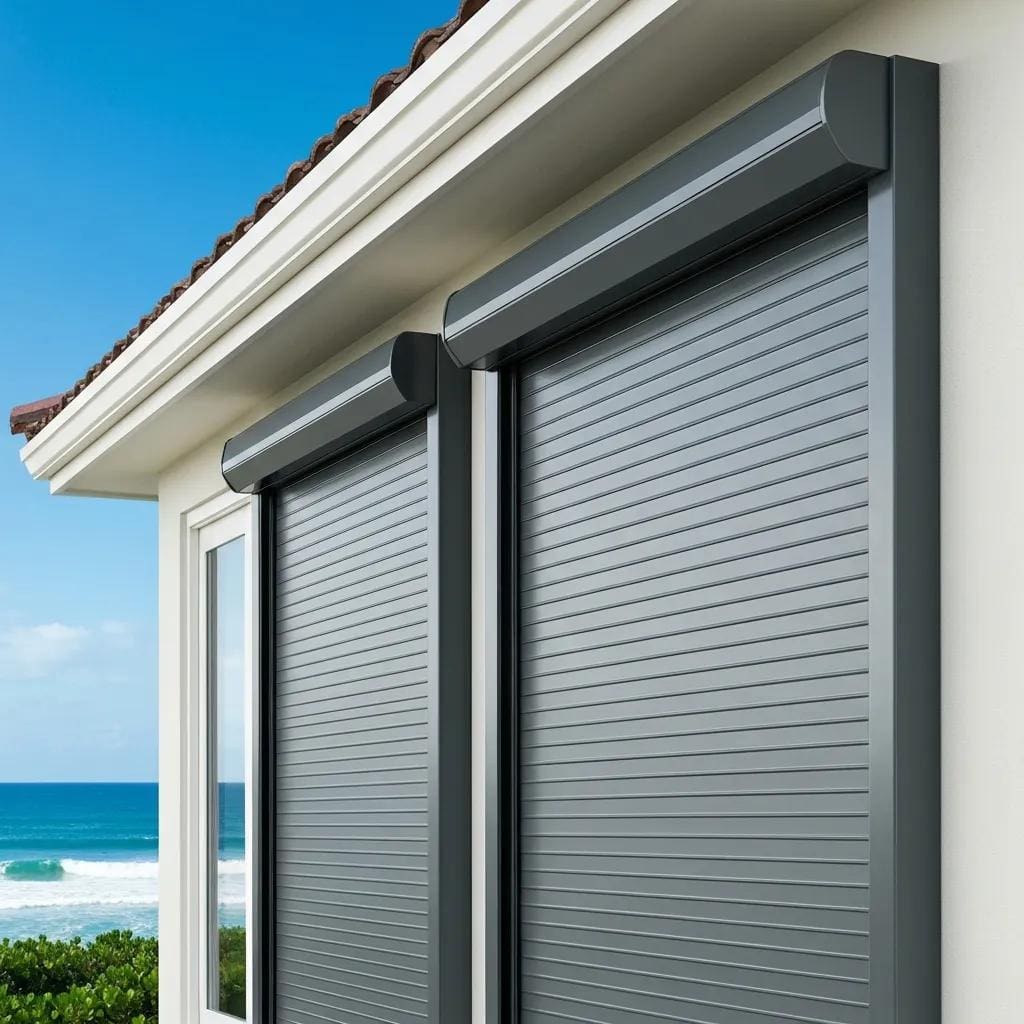
Roll‑down hurricane shutters are a curtain of interlocking slats stored in a compact housing above the opening. When lowered, the curtain runs down guide rails and locks at the sill to form a continuous, anchored barrier. The system works by absorbing and redistributing forces from wind and debris through the slats, guide rails, and anchor points—keeping impact away from glass and helping reduce wind pressures on the building. Key parts are the slat curtain, the housing (box), guide rails, motor and gearbox on motorized units, a manual crank or override, and locking hardware. Each piece affects structural performance and reliability, which is why roll‑down shutters are commonly chosen for large openings, storefronts, and windows where both security and storm protection are needed.
What Types of Roll‑Down Shutters Are Available: Manual, Motorized, and Smart Options?
Roll‑down shutters are available in three common options to match different needs and budgets: manual units, motorized units, and smart/IoT‑enabled systems. Manual shutters use a hand crank or strap; they’re generally less expensive, straightforward to operate, and work well for smaller openings or tighter budgets. Motorized systems add an electric motor and controls for remote operation, timed automation, and preset positions—useful for large openings, commercial properties, or anyone who needs fast deployment; most motorized models include a manual override for outages. Smart shutters connect to home automation platforms for centralized control, status monitoring, and weather‑triggered actions; they need some setup but offer the highest convenience. Choose based on opening size, desired automation, outage resilience, and how much convenience you want long term.
How Do Roll‑Down Shutters Provide Effective Hurricane Protection?
Roll‑down shutters protect by creating a continuous, anchored barrier that resists wind‑driven debris and lowers wind pressures on glazing and frames, reducing the chance of breach during hurricanes. Impact resistance depends on slat geometry and material strength—commonly extruded aluminum or reinforced polycarbonate—while guide rails and anchor hardware move those loads into structurally sound points around the opening. Many systems are engineered to meet regional building codes and industry standards, with tested performance for specific wind pressures and impacts; meeting those standards is important for both safety and possible insurance recognition. Because all components work together, roll‑down shutters protect windows and doors from direct strikes and from the damaging effects of pressurization, making them a strong choice for coastal properties.
What Are the Key Benefits of Roll‑Down Hurricane Shutters?
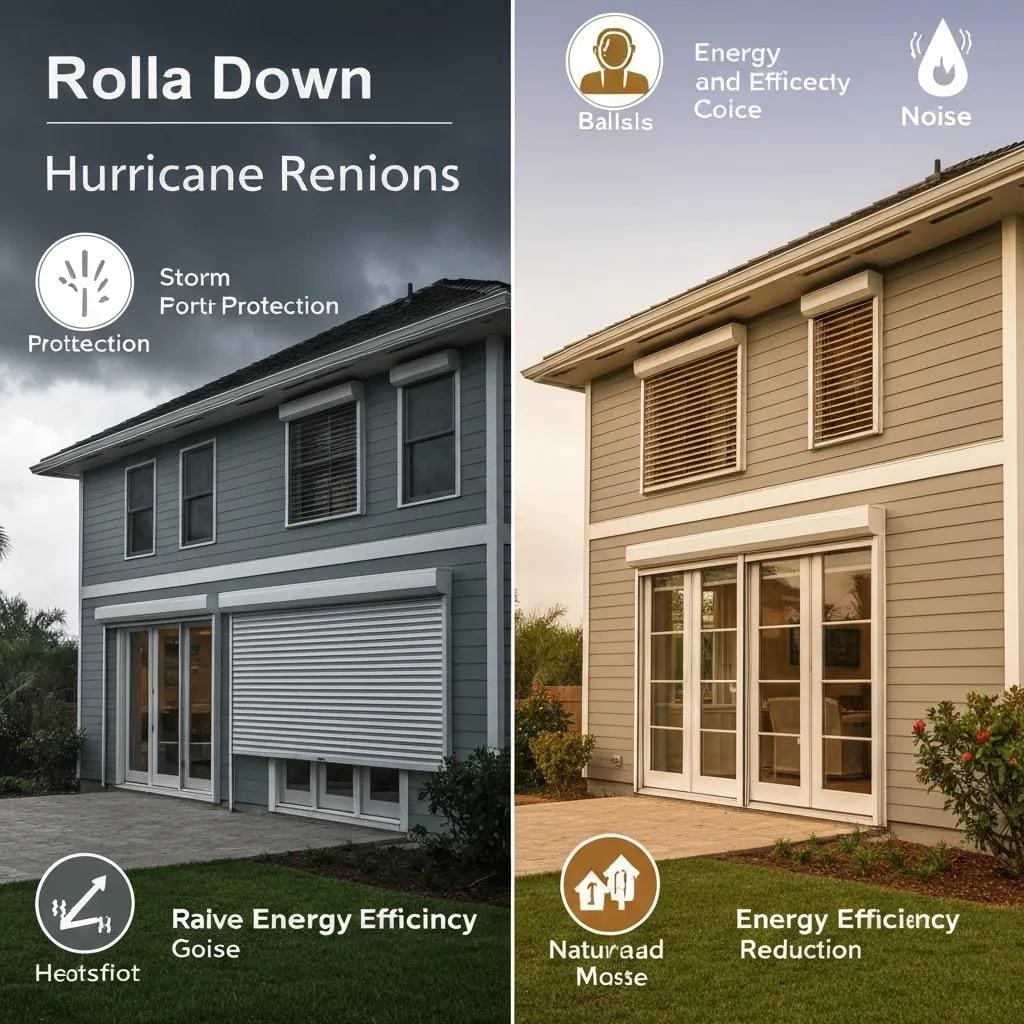
Roll‑down shutters offer more than storm protection. They add security, help with thermal performance, reduce noise, block UV, and can add convenience and resale or insurance value. Those benefits come from continuous coverage, durable materials, optional insulation or seals, and automation on motorized or smart models. Below is a focused comparison of the main value points so homeowners and businesses can quickly weigh the trade‑offs.
Primary advantages of roll‑down shutters include:
- Storm Protection: A continuous, anchored curtain lowers the risk of broken glass and limits wind pressure on openings.
- Security: Sturdy slats and locking hardware deter forced entry and provide complete coverage when closed.
- Energy Efficiency: With good seals and insulated slat options, shutters reduce heat gain and loss and ease HVAC load.
- Noise Reduction: The mass of the shutter and the air gap when closed help dampen outside noise for better interior comfort.
- UV and Furnishing Protection: Closed shutters block sunlight and UV, helping prevent fading of furniture and finishes.
This EAV table shows how each benefit translates to real value for homeowners and businesses.
This table links each benefit to practical outcomes so you can prioritize what matters most for your property and exposure.
After reviewing benefits and how systems work, many readers ask about local providers. American Hurricane Shutters is a regional example offering custom roll‑down shutters with professional installation and a focus on meeting or exceeding local building codes. We provide free estimates and a cost calculator to help homeowners across coastal North Carolina and South Carolina (including Wilmington, Oak Island, Topsail, Myrtle Beach, New Bern, and Pawleys Island) understand pricing and compliance before they commit.
How Do Roll‑Down Shutters Offer Superior Storm Protection and Security?
Roll‑down shutters combine impact‑rated slats with continuous anchoring so the curtain resists separation or failure under high winds—a common failure mode in hurricanes. System strength comes from slat stiffness, sturdy guide rails, and secure fastenings that transfer loads into the building’s framing. For security, the uninterrupted curtain and integrated locking points make unauthorized entry harder than with sectional or hinged systems. Choosing a shutter rated for your local wind loads and having it installed by pros ensures performance during real storms and aligns the installation with code requirements.
In What Ways Do Roll‑Down Shutters Improve Energy Efficiency and UV Protection?
Roll‑down shutters add an extra thermal layer that cuts direct solar heat gain in summer and limits conductive heat loss in winter, especially when slats are insulated or foam‑cored. That reduced heat transfer can lower HVAC run time and lead to measurable energy savings depending on orientation and climate. Fully closed shutters also block UV and bright sunlight, protecting fabrics, wood floors, and artwork from fading. To get the most thermal benefit, use proper perimeter seals, consider insulated slat profiles, and keep existing window treatments in place where helpful.
How Do Roll‑Down Shutters Reduce Noise and Enhance Aesthetic Appeal?
Closed roll‑down shutters help dampen sound by adding mass and creating an insulated air gap that interrupts noise from wind, rain, and traffic. Exact dB reductions vary with materials and assembly, but many homeowners notice a clear improvement—especially during storms. Visually, modern systems offer compact housings, color‑matched slats, and concealed mounts so the shutters tuck away unobtrusively when retracted. Custom finishes and design choices let shutters complement your home’s style while staying low profile when not in use.
What Convenience Features Do Motorized Roll‑Down Shutters Provide?
Motorized roll‑down shutters provide remote operation, scheduling, and group controls so you can close multiple openings with one command—useful for fast, coordinated protection before a storm. Typical conveniences include handheld remotes, wall switches, smart‑home integration for voice or app control, preset positions, and group commands. Important reliability features to confirm at purchase are manual override mechanisms and battery backups so shutters remain operable during power outages. Motorized systems are especially helpful on large openings and commercial storefronts where speed and coordination matter.
How Can Roll‑Down Shutters Increase Home Value and Lower Insurance Costs?
Roll‑down shutters can improve resale appeal and may lower insurance premiums by documenting storm readiness and code‑compliant protection for openings. Insurers often consider certified, code‑compliant installations when evaluating windstorm risk; keeping installation records, product certificates, and test reports helps you claim available discounts or credits. Those insurance and resale impacts contribute to the long‑term return on investment for quality roll‑down systems.
How Do Roll‑Down Shutters Compare to Other Hurricane Protection Options?
Roll‑down shutters differ from other shutter types and protection systems in how they deploy, how they look, and how they perform. Understanding those trade‑offs helps you pick the right solution for your property and budget. Compared with alternatives, roll‑down shutters usually give more continuous coverage and automation but can carry a higher upfront cost and require professional installation. Use the comparison table below to quickly see differences across common options and match them to opening size, visibility preference, and desired security level.
What Are the Differences Between Roll‑Down and Accordion Shutters?
The key differences are storage, operation, and continuous coverage. Roll‑down shutters retract into a housing and give full‑height continuous coverage, which suits large openings and automation; they disappear from sight when retracted and offer strong security when down. Accordion shutters fold to one side and stay visible when open; they’re usually less expensive and quick to deploy without a motor, but their seams and hinges are potential weak points compared with a continuous curtain. For wide storefronts or big patio doors, roll‑down shutters are often the better option; accordion shutters can work well for smaller or budget‑minded residential windows.
How Do Roll‑Down Shutters Compare to Colonial, Bahama, and Panel Shutters?
Colonial and Bahama shutters focus on style and daytime shading rather than full impact protection; they offer some wind resistance but typically don’t provide the continuous anchoring of roll‑down systems. Removable panel shutters can deliver impact protection at a lower cost but require storage and manual handling, which can be impractical with short storm warnings. Roll‑down shutters stand out when protection, automation, and unobtrusive storage matter most—though decorative styles still have a place where historic character or curb appeal is the priority.
What Are the Cost Factors and Investment Considerations for Roll‑Down Hurricane Shutters?
Price depends on material, motorization, opening size, installation complexity, and optional extras like insulation, battery backup, and smart integration. These choices shape the project budget and the system’s long‑term value. Material selection (extruded aluminum versus polycarbonate), whether you choose manual or motorized operation, any needed structural reinforcement or permits, and the number and size of openings are the main cost drivers. Long‑term considerations include maintenance frequency, how materials hold up in coastal conditions, and possible insurance or resale offsets that help justify the upfront expense. For precise estimates, interactive cost calculators and free on‑site estimates translate these variables into actionable budgets.
Below is a cost‑driver table with typical attributes to guide early budgeting conversations.
When you need a precise budget, American Hurricane Shutters offers a cost calculator and free estimate service to help property owners in coastal North Carolina and South Carolina evaluate options and confirm local code implications before buying.
What Is the Average Cost of Manual vs. Motorized Roll‑Down Shutters?
Costs differ notably because motorization adds motors, controls, and often electrical work. Manual roll‑down systems are typically the more budget‑friendly option for smaller openings or secondary structures, while motorized systems carry a higher upfront cost that scales with the size and number of openings. Exact pricing depends on opening dimensions, slat profile, and chosen accessories—use a cost calculator or request a free estimate for site‑specific numbers. Remember to weigh lifecycle maintenance, convenience, and possible insurance benefits—motorized systems can be cost‑effective over time for many homeowners.
How Do Long‑Term Maintenance and Durability Affect Overall Cost?
Long‑term maintenance and material durability drive lifecycle cost and replacement frequency. Higher‑quality, corrosion‑resistant materials and protective coatings reduce upkeep and expense in coastal environments. Routine care includes inspecting seals and guide rails, lubricating moving parts, checking motors on motorized units, and cleaning salt and debris from housings; following the manufacturer’s schedule reduces the chance of failure during storms. The extra upfront cost for durable materials and professional installation often pays off through lower maintenance needs and a longer service life, so total cost of ownership should guide comparisons.
What Are the Best Practices for Installation and Maintenance of Roll‑Down Hurricane Shutters?
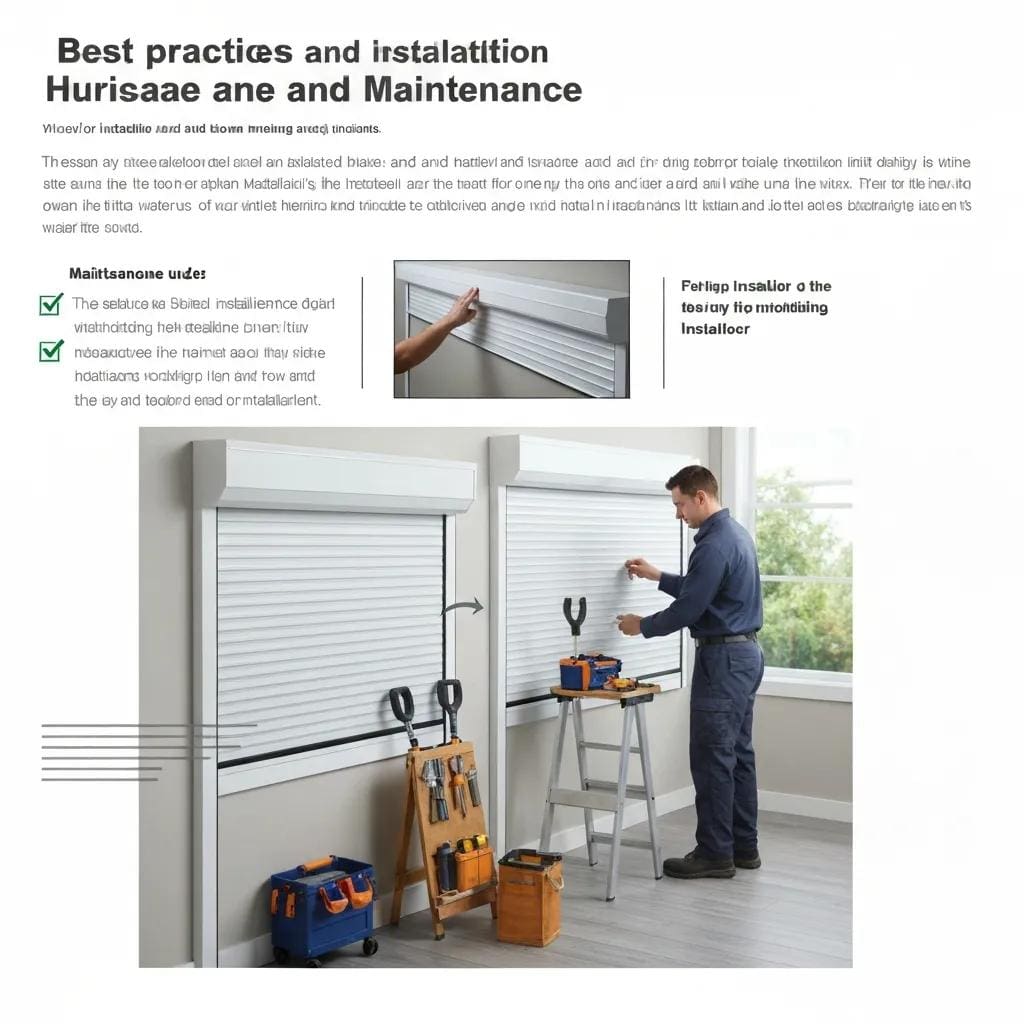
Correct installation and regular maintenance are essential so your shutters perform when they’re needed. We recommend professional installation because proper anchoring, guide‑rail alignment, and integration with flashing and seals require structural knowledge and compliance with local codes—mistakes can compromise performance and void warranties. After installation, follow a seasonal maintenance routine: clean housings and guide rails, inspect seals and fasteners, lubricate moving parts, and test manual overrides and backups. Keep installation documentation and product certifications to support insurance claims and resale. Regular checks before and after storm season keep your system ready and extend its service life.
Why Is Professional Installation Recommended for Roll‑Down Shutters?
Professional installers ensure shutters are anchored into structural members, aligned correctly, and integrated with flashing and seals to prevent water intrusion while transferring wind loads into the building. Certified installers know local code requirements and testing standards and use the proper fasteners and attachment methods for rated performance. They also handle electrical work for motorized units and calibrate controls. Hiring professionals reduces the risk of common errors—like inadequate anchoring or misaligned guide rails—that can undermine protection or void warranties. Always verify installer qualifications and request installation paperwork.
What Maintenance Steps Ensure Longevity and Optimal Performance?
A basic maintenance checklist includes cleaning housings and guide rails, lubricating moving parts on the manufacturer’s schedule, inspecting seals and fasteners for corrosion or loosening, testing motors and battery backups, and exercising manual overrides. Schedule checks at least twice a year—before hurricane season and after major storms—and address any wear or corrosion promptly with professional service. Keep records of maintenance and technician reports; they help with insurance claims and show prospective buyers you cared for the system. Early detection prevents failures when shutters must deploy.
- Clean housings and guide rails: Remove debris and salt to prevent sticking and corrosion.
- Lubricate moving parts: Use manufacturer‑recommended lubricants at scheduled intervals.
- Test motors and backups: Verify motor operation and battery backup status before storm season.
What Are Common Questions About Roll‑Down Hurricane Shutters?
Property owners often ask how roll‑down shutters compare on security, whether they work during power outages, if they’re worth the investment, and how to get estimates. Below are straightforward answers to help you decide and to point you toward the next steps: code checks, choosing a certified installer, or requesting a tailored quote.
Are Roll‑Down Shutters More Secure Than Accordion Shutters?
Yes—when properly anchored and locked, roll‑down shutters generally offer stronger resistance to forced entry than accordion shutters. The continuous curtain design eliminates multiple hinge seams that could be pried apart and usually includes integrated sill locks for improved security. Accordion shutters still provide solid protection and quicker manual deployment at a lower cost, but for maximum security and uninterrupted coverage, roll‑down systems are typically the preferred option. Consider your site’s specific risks and visibility preferences when choosing.
Are Motorized Roll‑Down Shutters Reliable During Power Outages?
Motorized shutters remain reliable during outages if they include manual overrides or battery backup systems. Manual overrides let you operate the shutters without electricity, while battery backups allow limited automatic operation during a power loss. Regular testing of manual overrides and backup batteries is important to ensure they work when you need them. Choosing systems with integrated backup options protects you from the common scenario of losing power during a storm.
Are Roll‑Down Hurricane Shutters Worth the Investment?
Roll‑down shutters are often a worthwhile investment for properties exposed to storm risk because they reduce the chance of glazing damage, can lower repair costs, improve security, and may deliver insurance or resale advantages. Whether they’re right for you depends on exposure, opening sizes, budget, and whether you value conveniences like motorization. Use a cost calculator or request a free estimate to compare upfront cost against expected benefits—reduced repair risk, energy savings, and possible insurance credits—so you can judge payback and suitability.
How Do I Get a Free Estimate for Roll‑Down Shutters from American Hurricane Shutters?
To request a free estimate, gather basic info about your property and openings—measurements or rough dimensions, photos of windows and doors, and your property location in coastal North Carolina or South Carolina. Call American Hurricane Shutters at (910) 256-1288 to schedule an on‑site assessment or to get an initial estimate using our cost calculator. During the estimate, a technician will review code requirements, compare manual and motorized options, and discuss accessories like battery backup and insulated slats; having photos and measurements speeds the process and improves quote accuracy.
When you’re ready to request an estimate, follow these simple steps:
- Gather photos and approximate opening sizes: This speeds the initial assessment.
- Note desired features: Motorized operation, battery backup, insulated slats, or specific colors/finishes.
- Call (910) 256-1288: Schedule a free site visit or use the cost calculator for a preliminary budget estimate.
American Hurricane Shutters serves coastal North Carolina and South Carolina communities—including Wilmington, Myrtle Beach, Oak Island, Topsail, New Bern, and Pawleys Island—with professional installation, code‑aware specifications, and tools to estimate costs before you commit.
If you want reliable, code‑compliant roll‑down shutters with straightforward pricing and professional installation, the practical next step is a local specialist’s free estimate and calculator‑based quote. American Hurricane Shutters offers both on‑site estimates and an interactive cost tool to help property owners plan installations that meet regional codes and resilience goals.
Frequently Asked Questions
What are the installation requirements for roll down hurricane shutters?
Installation requires attention to structural integrity and local building codes. Professional installation is recommended so shutters are correctly anchored to structural members and guide rails are properly aligned. That helps prevent water intrusion and ensures wind loads are safely transferred. Installers should also be familiar with electrical work for motorized units. Proper installation is important to get the full protective benefit and to maintain warranty coverage.
How do I maintain my roll down hurricane shutters?
Maintaining roll‑down shutters is straightforward: clean housings and guide rails to remove debris and salt, lubricate moving parts per manufacturer guidance, and inspect seals and fasteners for corrosion or looseness. Test motors on motorized systems and exercise manual overrides so everything works before storm season. Regular upkeep keeps the shutters reliable and extends their service life.
Can roll down shutters be customized for different window sizes?
Yes. Roll‑down shutters are commonly custom fabricated to fit various window sizes and shapes. Manufacturers and installers can tailor slat profiles, colors, and finishes to match your home’s look. Talk with a professional installer to choose the right options and to ensure the finished system complies with local building codes.
What is the lifespan of roll down hurricane shutters?
Lifespan varies with material, environment, and maintenance. High‑quality extruded aluminum or reinforced polycarbonate systems can last 10–20 years or more with proper care. Regular cleaning and inspections extend service life. Review manufacturer warranties for guidance on expected durability.
Are there any insurance benefits for installing roll down hurricane shutters?
Yes. Many insurers offer discounts or premium reductions for properties with code‑compliant hurricane protection systems because they lower risk. Keep installation records and product certifications to present to your insurer when seeking discounts or credits.
How do roll down shutters compare in cost to other hurricane protection options?
Roll‑down shutters usually have a higher initial cost than accordion or panel shutters, but they deliver stronger protection, greater convenience, and cleaner looks. The higher upfront investment can pay off over time through reduced repair costs, energy savings, and potential insurance discounts. Evaluate your needs and budget to decide what’s the best long‑term fit for your property.
Conclusion
Choosing roll‑down hurricane shutters gives homeowners and businesses robust storm protection, added security, and potential energy benefits. These systems protect properties during severe weather and can add long‑term value through insurance savings and improved resale appeal. Pick the right system for your needs and you’ll have greater peace of mind when hurricane season arrives. Contact American Hurricane Shutters today for a free estimate and see how our solutions can protect your property.