

How Durable Are Roll-Down Hurricane Shutters? Lifespan, Materials, and Maintenance
Roll-down hurricane shutters are a proven protection system — a rolling curtain of interlocking slats, guide rails, and a protective shutter box that shields windows and doors from wind, flying debris, and water intrusion. This guide explains how material choice, engineering, installation quality, and regular upkeep shape a shutter’s real-world lifespan. We give clear metrics — typical lifespan ranges, recommended maintenance intervals, and common testing standards — so coastal homeowners can make confident, cost-smart decisions. Salt spray and strong UV exposure accelerate wear on many properties, so durability is about storm readiness and long-term value for repairs and insurance. Below you’ll find the key factors that affect durability, a side-by-side look at aluminum, steel, and polycarbonate systems, an overview of wind and impact ratings, a practical maintenance checklist, and cost trade-offs including motorized options. Each section includes hands-on steps, comparison details, and inspection tips to help you estimate remaining service life or plan replacements.
What Materials Are Used in Roll Down Hurricane Shutters and How Do They Affect Durability?
Roll-down shutters are typically built from aluminum, steel, or polycarbonate. Each material brings different corrosion resistance, impact performance, weight, and maintenance needs. Material choice influences how well coatings hold up in salt-laden coastal air, how much load the motor or guide rails must carry, and the expected service life. Knowing the main components — slats, guide rails, shutter box, and whether the system is motorized or manual — helps you pick the solution that balances durability and practicality for your home. The next section explains why aluminum is a common coastal choice and how finishes extend service life.
How Does Aluminum Provide Corrosion Resistance and Longevity?
Aluminum resists corrosion because it naturally forms a thin oxide layer that protects the metal. That protection is improved further by specific alloys and surface finishes like anodizing or powder coating, which slow salt-related corrosion on coastal properties. Good coatings preserve appearance and reduce tiny pits that can cause slats to stick or guide rails to bind. Aluminum is also lighter than steel, which lowers stress on motors and rails and often means fewer mechanical problems over time. Those weight and corrosion advantages make aluminum a frequent choice for coastal installations, though finish care remains important — the next section compares aluminum with alternatives that trade corrosion resistance for raw strength or light transmission.
Homeowner takeaways for aluminum finish care:
- Rinse and wipe aluminum surfaces regularly to remove salt and grit.
- Check powder-coat or anodized finishes once a year for chips or wear.
- Use mild, nonabrasive cleaners — avoid harsh scouring that damages protective films.
These simple habits protect the finish and help the shutters last longer.
Corrosion of Aluminum Alloys in Coastal Environments
A study of long-term atmospheric corrosion on epoxy primer-coated aluminum alloys in coastal conditions. It shows that epoxy-based coatings significantly slow corrosion but can be weakened by ongoing salt spray and UV exposure, underscoring the need for proper finish selection and maintenance.
What Are the Durability Benefits of Steel and Polycarbonate Shutters?

Steel shutters offer high tensile strength and excellent resistance to heavy impacts, making them a good choice where maximum rigidity is required. Untreated steel will rust in coastal environments, though — so galvanizing and a quality powder coat are essential. Polycarbonate slats deliver outstanding impact resistance and let light through, but lower-grade panels can yellow or haze under prolonged UV exposure unless UV-stabilized materials are used. In short: steel trades weight and extra corrosion protection for strength; polycarbonate trades long-term UV stability for impact clarity and lower thermal mass. Knowing these trade-offs helps you match material and finish to your local climate and how you plan to use the shutters.
Coated Steel Performance in Coastal Environments
Research on zinc- and aluminum-coated steels exposed to simulated coastal conditions (sandblasting, salt spray) shows both coatings reduce corrosion and wear, though effectiveness varies by coating type and exposure level — highlighting the importance of proper protective layers on steel.
Table: Material durability properties for roll-down shutters
This comparison shows how material choices drive maintenance plans and expected longevity, which leads into typical lifespan ranges by shutter type.
How Long Do Roll Down Hurricane Shutters Typically Last?
Most roll-down shutters last somewhere between 10 and 30 years. The exact range depends on material quality, how well they were installed, local environmental exposure, whether the system is motorized, and how often you maintain it. For example, a well-finished aluminum system in a moderate coastal setting will tend toward the higher end, while untreated steel or neglected systems in heavy salt-spray areas sit nearer the low end. Key factors include coating condition, frequency of use, salt and UV exposure, and wear on motors or manual gearings. The next section breaks these influences down and offers homeowner mitigation tips, followed by a lifespan table tying specific configurations to typical ranges.
What Factors Influence the Lifespan of Roll Down Shutters?
Baseline durability comes from material choice and protective coatings. Installation alignment and correct mounting affect mechanical wear and weather sealing. Environmental stressors — salt spray, humidity, and UV — speed up corrosion and material fatigue. How often you operate shutters and the loads on motors or cranks influence moving parts, while storm impacts and delayed repairs create weak points that shorten service life. To limit risk, monitor finish condition, verify correct alignment of slats and guide rails, and fix small issues quickly before they grow. These factors form the basis of a simple evaluation homeowners can use to estimate remaining service life for a given shutter set.
Corrugated Metal Panels for Storm Shutters
An engineering paper on corrugated metal panels used as storm shutters. It covers structural design, testing methods, and results from a facility that simulated storm loading — useful background for understanding how shutter panels perform under severe conditions.
EAV table: Lifespan by shutter type and influencing factors
Use these ranges to plan inspections, budget for replacements, or decide when to call a pro. American Hurricane Shutters can perform an on-site inspection to evaluate coating condition, alignment, and motor health and recommend repair or replacement options tailored to your property.
What Are the Wind and Impact Resistance Ratings of Roll Down Hurricane Shutters?
Wind and impact resistance are measured by standardized tests that simulate cyclic wind loads and missile impacts. Those tests produce ratings used for code compliance and insurance underwriting. Typical protocols include repeated pressure cycles, large-missile impact tests, and accelerated aging to mimic years of coastal exposure; many ratings are reported as pass/fail for a specified wind speed or to a named certification program. Understanding these test protocols helps you confirm whether a product meets your local code and will perform as expected in a storm. The next section summarizes how testing is done and which certifications to request.
How Are Roll Down Shutters Tested for Hurricane-Force Winds?
Manufacturers and test labs evaluate shutters using wind-load simulations (static and cyclic pressures) and impact testing that throws standardized projectiles to mimic flying debris. Cyclic tests check for fatigue under repeated gusts; impact tests verify structural integrity after debris strikes. Both matter because a failed slat, torn guide rail, or damaged mounting can make a shutter ineffective even if parts of it survive wind loads. Test results are included in product documentation — ask manufacturers or installers for those reports so you can verify claims against your installation conditions. The following list summarizes common test methods.
List: Typical testing methods used for shutters
- Cyclic wind-load testing to simulate repeated gusts and sustained pressure cycles, checking for fatigue resistance.
- Large-missile impact testing using standardized projectiles to evaluate penetration and failure modes.
- Accelerated corrosion and UV exposure testing to assess long-term material degradation in coastal settings.
These tests form the basis for certifications you should ask to see before purchase.
Which Certifications Ensure Shutter Durability and Compliance?
Look for regional and national approvals such as Florida Building Code compliance and Miami‑Dade product approvals — these indicate a product passed strict wind and impact tests used in hurricane-prone areas. Request a product’s Notice of Acceptance or equivalent approval paperwork, and confirm the tested mounting details match the way the product will be installed on your house. Installing a product outside its certified mounting method can void the rating. Asking for test reports and checking installation methods helps you negotiate warranty terms and may qualify you for insurance discounts.
How Can You Maximize the Durability of Roll Down Hurricane Shutters Through Maintenance?
Regular maintenance is the most cost-effective way to extend shutter life and preserve certified performance. A simple, repeatable maintenance program — cleaning, lubricating moving parts, running operational tests, and repairing damage quickly — protects coatings, prevents guide-rail binding, and reduces motor strain. Monthly visual checks plus an annual professional service strikes a good balance between homeowner effort and technical inspection. Below is a practical cleaning and lubrication schedule, plus inspection intervals and signs that you should call a professional.
What Is the Recommended Cleaning and Lubrication Schedule?
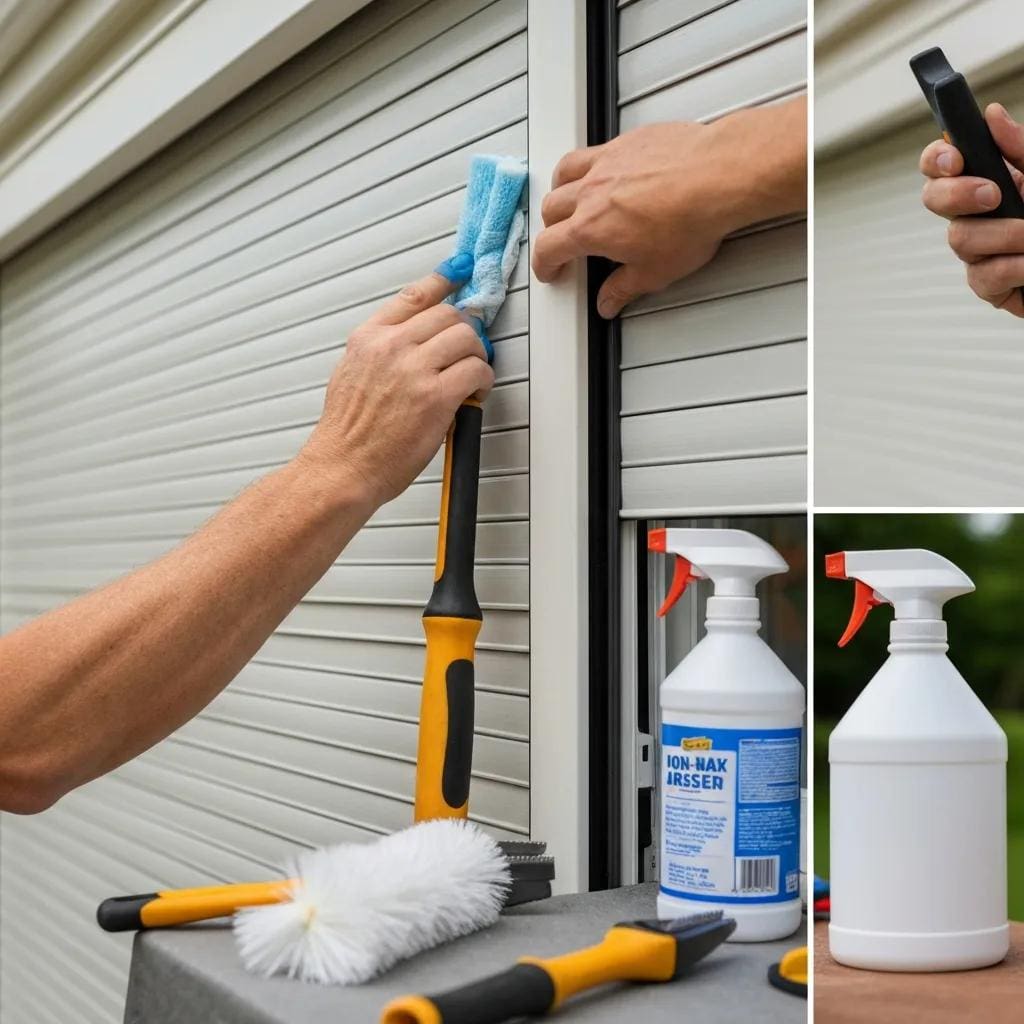
For most coastal roll-down systems we recommend: light surface cleaning monthly to remove salt, a thorough rinse and inspection quarterly, lubrication of moving parts twice a year, and a post-storm check after any severe event. Use mild, non-abrasive cleaners and fresh water rinses; apply silicone-based lubricants to guide-rail contact points and linkages. Avoid petroleum-based oils that attract dirt or soften seals. For motorized units, protect electrical components with seal-rated enclosures and follow the motor manufacturer’s service intervals for lubrication and inspection. These steps preserve finishes and mechanical clearances and help reduce wear over time.
Maintenance checklist for homeowners
- Monthly: Inspect slats and guide rails for salt buildup, chips, or misalignment; rinse with fresh water as needed.
- Twice yearly: Lubricate guide-rail contact points and mechanical linkages with recommended lubricants.
- Quarterly: Fully operate the system to listen for unusual noises or signs of binding that could indicate alignment or motor issues.
- After storms: Check for dents, missing fasteners, or seal failures and schedule repairs promptly.
This baseline DIY routine extends life between professional visits. If you want hands-on help, American Hurricane Shutters offers maintenance plans, motor diagnostics, and warranty guidance to keep your system covered and working as intended.
How Often Should You Inspect and Service Your Shutters?
Do a visual inspection monthly, run a basic operation test quarterly, and schedule a comprehensive professional service and certification check annually. Call for urgent service if you hear unusual noises, notice slow or jerky movement, see visible corrosion on fasteners, or experience any binding in slat travel — early repairs prevent bigger failures and preserve rated performance. Keep a maintenance log of inspections, repairs, and parts replaced; that record supports warranty claims and insurance reviews. Regular inspections lower long-term repair costs and help you plan replacements before the next storm season.
What Are the Cost Considerations Related to Durable Roll Down Hurricane Shutters?
Durability strongly affects lifecycle cost. Spending more up front on corrosion-resistant materials, certified products, and professional installation usually reduces maintenance and replacement expenses down the road and helps with insurance recognition. Use our total cost of ownership approach: compare purchase and installation, periodic maintenance, likely repair after impact, and expected replacement timing. The table below maps common options to upfront cost, ongoing maintenance, and durability to help you weigh ROI and make practical decisions about motorization and finishes.
EAV table: Cost vs durability for roll-down shutter options
Viewing cost through a durability lens helps identify investments that lower total ownership costs.
How Do Material Choices Affect the Cost and Durability Balance?
Material selection affects both initial price and ongoing care. Aluminum typically provides the best balance for coastal homeowners — moderate upfront cost and inherent corrosion resistance lower long-term maintenance. Steel can be pricier to protect and maintain in a salt environment, though it offers superior impact strength. Polycarbonate may reduce initial cost for transparent or high-impact needs but can require UV protection or periodic panel replacement if it yellowing occurs. Consider your local exposure to salt spray and UV when choosing material and finish to minimize total cost of ownership.
List: Key cost factors to evaluate before purchase
- Material and finish quality — determines corrosion resistance and initial price.
- Installation method and anchoring — affects rated performance and potential repair risk.
- Motorization and electrical protection — adds convenience but requires regular service.
- Local climate exposure and expected maintenance frequency — impacts lifecycle costs.
Factoring these items into your decision helps you calculate ROI and decide whether motorization or premium finishes are worth the investment.
Are Motorized Shutters More Durable and Worth the Investment?
Motorized shutters add convenience and often encourage more regular operation, which can surface small problems before they grow. That said, motors add electrical and mechanical components that need periodic servicing and can fail if exposed to salt without proper sealing. For large openings or frequent use, motorization can improve the system’s effective life by reducing manual wear and ensuring smoother, more even slat movement — but include motor maintenance and battery-backup plans in your cost estimate. For many homeowners, motorized systems are worth the extra upfront cost when paired with a maintenance plan.
Why Choose American Hurricane Shutters for Durable Roll Down Hurricane Shutter Solutions?
We specialize in engineered hurricane protection across coastal North and South Carolina. Our roll-down, accordion, colonial, and Bahama shutters, along with hurricane screens and panels, are specified for local wind zones and coastal corrosion challenges. With experience in Wilmington, Myrtle Beach, Oak Island, Topsail, New Bern, and Pawleys Island, we design and install systems that meet building codes and focus on long-term durability. We offer free estimates, professional installation, and maintenance guidance to help preserve performance and warranty value.
How Does AHS Ensure Quality Through Professional Installation and Warranty?
American Hurricane Shutters follows proven installation practices that emphasize correct mounting, certified attachment methods, and alignment checks to protect rated performance and limit mechanical wear. Professional installation reduces the risk of misalignment — a common cause of early failures. Our warranty options and maintenance plans document service intervals and address defects promptly; ask for full warranty terms that spell out coverage for coatings, motors, and hardware. We also perform post-install functional testing to verify operation under load and confirm the installed configuration matches certification paperwork.
What Local Case Studies Demonstrate the Durability of AHS Shutters?
Local installs show that the right materials, certified products, and professional installation reduce post-storm damage and lower maintenance needs. In the region, properly specified aluminum powder-coated roll-down systems required fewer repairs and held their finish longer than less-protected alternatives — proof that correct mounting and routine care matter. We emphasize post-install inspections and preventive maintenance tailored to microclimates so systems last as long as possible and remain code-compliant.
- Materials comparison: Aluminum with a quality powder coat often balances durability and cost for many coastal homes.
- Installation quality: Correct anchoring and alignment help prevent guide-rail failures.
- Maintenance outcomes: Regular inspection cycles preserve finish and reduce repair frequency.
Frequently Asked Questions
What are the advantages of motorized roll-down hurricane shutters compared to manual ones?
Motorized shutters offer simple, one-touch operation — a big plus for large openings or anyone with limited mobility. They also encourage more regular use, which can surface maintenance needs early. The trade-off is added complexity: motors and electronics need periodic service and protection from salt intrusion. If you value convenience and have large or frequently-used openings, motorization is often worth the investment when paired with a service plan.
How can I determine if my roll-down shutters are still effective?
Check for visible wear like corrosion, chipped finishes, bent slats, misaligned guide rails, or slow, noisy operation. Make sure shutters run smoothly and seals look intact. After any major weather event, do a close inspection for structural damage. If you see issues or aren’t sure, schedule a professional assessment — it’s the safest way to confirm performance before a storm.
What should I do if my roll-down shutters are damaged during a storm?
Document the damage for insurance, then assess whether the issue is cosmetic or structural. Minor dents or loose fasteners can sometimes be repaired quickly, but bent guide rails, broken motors, or large slat damage usually require professional repair or replacement. Contact a qualified installer to evaluate and restore the system so it remains protective for the next event.
Are there specific building codes I need to consider when installing hurricane shutters?
Yes. Building codes vary by area, and hurricane-prone regions often require specific wind and impact ratings. Look for products certified to meet local standards — for example, Florida Building Code or Miami‑Dade approvals where applicable — and work with an installer who understands the required mounting details to preserve those ratings.
How can I improve the energy efficiency of my roll-down hurricane shutters?
Choose insulated or reflective slats to reduce heat transfer, and make sure shutters fit tightly to window frames to limit drafts. Using shutters during hot days blocks solar gain and lowers cooling loads. Regular maintenance also keeps seals working well so you get the maximum energy-saving benefit.
What are the signs that my roll-down shutters need professional maintenance?
Schedule professional service if you hear unusual noises during operation, notice slow or jerky movement, see visible corrosion or rust, or find slats and guide rails that are misaligned. If your system hasn’t been professionally serviced in more than a year, an annual check is a good idea to keep warranties intact and performance reliable.
Conclusion
Durability matters. Choosing the right materials, keeping up with routine maintenance, and using certified products installed by experienced professionals will help your roll-down shutters protect your home for years to come. If you’d like a hands-on assessment, free estimate, or a maintenance plan tailored to your coastal property, contact American Hurricane Shutters — we’ll help you plan for safety and long-term value.