
Step-by-Step Guide to Accurately Estimating Roll Down Hurricane Shutter Costs
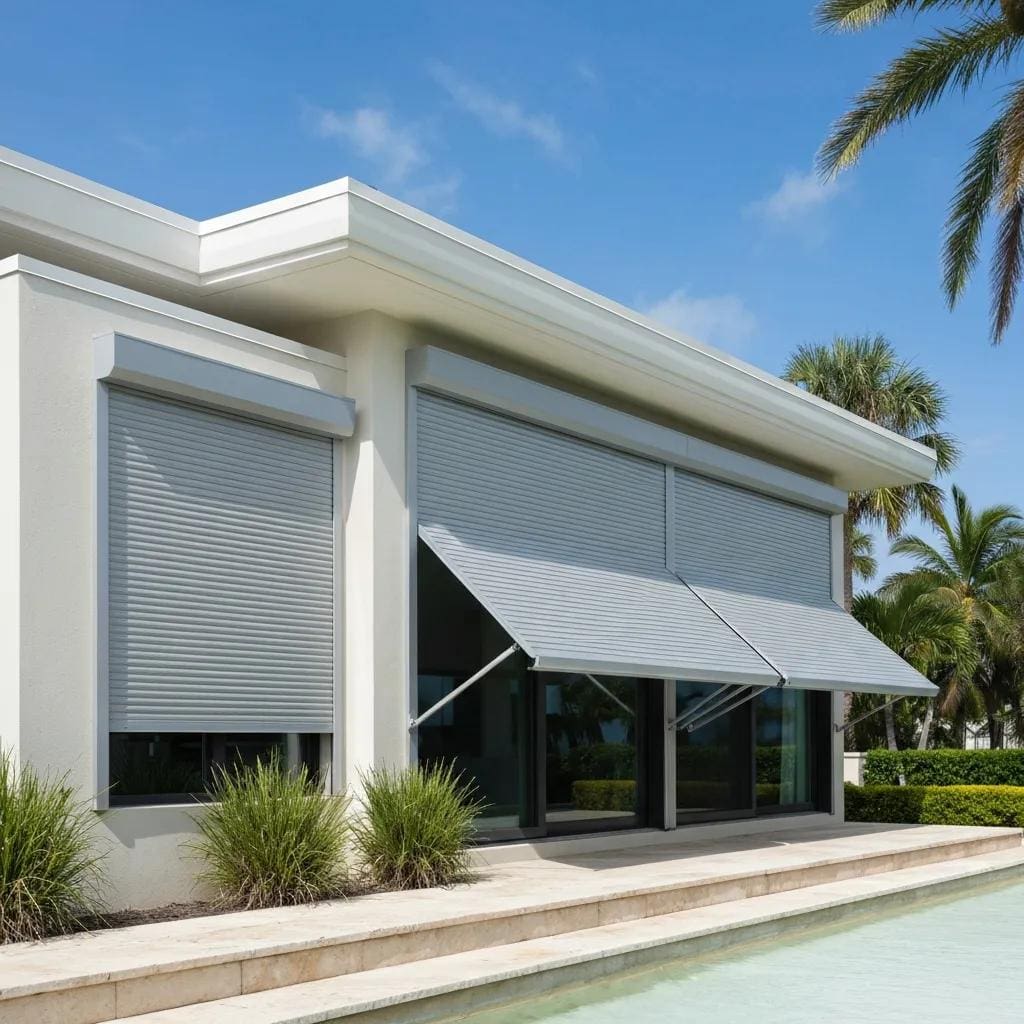
Roll down hurricane shutters are retractable exterior storm protections that unroll from a cassette and lock into side tracks to cover windows and doors. This guide shows you how to estimate their cost with confidence. You’ll get practical measurement steps, a clear look at the main cost drivers (materials, motorization, installation, permits), and a walkthrough for using a shutter cost calculator so your budget matches reality. Accurate estimates stop surprise charges, clarify the trade-offs between motorized and manual systems, and prepare you for permits and installation rules common to coastal North and South Carolina. We map a straightforward path: an overview of costs, factor-by-factor pricing, a calculator demo with an example, installation line items, comparisons with other shutter styles, and long-term ROI points. Follow the step-by-step approach below to produce consistent, defensible estimates you can share with installers or enter into an online calculator.
How Much Do Roll Down Hurricane Shutters Cost?
Prices for roll down shutters run from economical manual systems to higher-priced motorized units. Total cost depends on opening size, material grade, and installation complexity. Most suppliers price either per window or per square foot, which makes it easier to compare manual versus motorized options and to account for local labor and permit differences. Understanding per-window averages and per-square-foot breakdowns will help you normalize quotes — the sections that follow explain average per-window costs and the motorization premium so you can prepare a realistic estimate. Read the worked examples below before using a calculator so your inputs reflect real-world conditions and local requirements.
What Is the Average Cost Per Window for Roll Down Shutters?
A typical residential window (for example, a 48″ x 60″ opening) falls into a cost range driven by whether the unit is manual or motorized and by material and finish. Manual roll down shutters for a mid-size opening usually reflect standard aluminum slats and a basic cassette; premium slats, wider spans, or custom finishes raise the per-window price. For consistent estimates, measure the opening to get square footage, multiply by a local per-sq-ft rate, then add fixed components such as the cassette and end caps. Use that standardized example to compare quotes: measure, compute area, apply the per-sq-ft rate, and then include deployment options (manual crank or motor) to get an apples-to-apples number.
How Do Manual and Motorized Roll Down Shutters Differ in Cost?
Motorized shutters add a motor, switches or remotes, wiring, and possibly a backup power solution — all of which increase the upfront cost. The motorization premium is usually shown as a dollar amount or percentage over the manual unit and reflects both parts and electrical labor. Motorized systems deliver faster deployment and optional smart-home integration, which some homeowners value. Maintenance differs, too: motors need periodic electrical checks while manual systems focus on mechanical wear such as slats and tracks. Knowing motor types and control options before you use a shutter cost calculator will reveal the exact premium for automation.
This table highlights how pricing shifts between manual and motorized bases and serves as a quick reference when converting window dimensions into dollar estimates. Next, we break down the specific cost drivers you’ll enter into a calculator.
What Factors Influence Roll Down Hurricane Shutter Pricing?
Several predictable factors shape roll down shutter pricing: size and customization, material selection, motorization, installation complexity, local labor rates, and permit requirements. Size often scales costs in a linear way, but custom multi-panel spans, curved openings, or difficult mounts create surcharges because they need bespoke fabrication and extra labor. Material choice — standard aluminum versus heavier-gauge or aramid-reinforced slats — affects both price and long-term durability. Coastal North and South Carolina markets have local labor and permit differences, so include a regional adjustment when you model costs.
Introductory list: Primary cost factors that influence total price
- Size and customization: Larger or custom openings increase fabrication and labor costs.
- Material grade: Higher-grade aluminum or aramid reinforcement raises unit price and improves lifespan.
- Motorization and controls: Adding motors, remotes, or smart integration increases parts and electrical labor.
These core drivers explain most variance between basic and premium quotes. The table below breaks each factor into practical impacts you can convert into dollar or percentage adjustments in your calculator.
Use this breakdown to turn qualitative drivers into line items in your cost model. Below we show how to capture those details in a calculator so the estimate matches the site.
When choosing materials and motor options, note that American Hurricane Shutters (AHS) offers both manual and motorized roll down shutters. Using AHS product types as concrete examples lets you map manufacturer offerings to the cost factors above and ensures your calculator selections match what installers will quote.
How to Use a Roll Down Hurricane Shutter Cost Calculator for Accurate Estimates?

A cost calculator is only as good as the inputs you give it. Start with accurate, repeatable measurements and select options that reflect real installation conditions — the tool will then translate those inputs into materials, labor, and permit line items. Measure clear opening width and height, record mounting depth and cassette clearance, and note obstacles like trim, screens, or storm panels. Next, choose product attributes (manual vs motorized, material grade, finish, control type) and add installation complexity and permit assumptions so the output reflects local realities. Finally, review the line-item breakdown — materials, labor, motorization, permits — and tweak site-specific items before finalizing your estimate.
Step-by-step calculator workflow (featured-snippet style):
- Measure width, height, and clear opening depth at multiple points and note obstructions.
- Select shutter type, material grade, and motorization controls in the calculator.
- Add installation complexity, permit fees, and electrical work for motorized units.
- Review the line-item output and adjust assumptions to match local labor or permit realities.
These steps turn physical dimensions and product choices into a defensible budget. The worked example that follows shows the approach in practice.
What Measurements Are Needed for Precise Cost Calculation?
Start with the clear opening: measure inside-to-inside width and top-to-bottom height at three points (top, middle, bottom) and use the smallest measurement for a conservative estimate. Record mounting depth and any siding or trim setbacks, note whether the cassette will mount to masonry or wood, and take photos of the opening and surrounding area for installer reference — these details directly affect fabrication and installation choices. Common mistakes include using exterior widths that include trim or skipping cassette clearance; avoiding those errors reduces change orders and extra cost. Exact dimensions and clear installation notes feed straight into the calculator so the resulting estimate matches fabrication needs.
How to Interpret and Compare Cost Calculator Results?
When a calculator returns numbers, split the output into line items — materials, labor, motorization, permits, and warranty — so you can compare quotes apples-to-apples. Normalize each quote to the same material grade, motor specification, installation scope, and permit assumptions so differences reflect price rather than scope. Watch for omissions like missing permit allowances, absent electrical labor for motors, or vague warranty language — these usually show up later as added cost. Comparing normalized line items gives you a solid basis to negotiate or pick the installer who best matches your documented needs.
This process lets you test numbers with an online tool and then validate them during a site visit. The next section dives deeper into installation cost components and explains how professional installation affects both price and warranty coverage.
After a first-pass calculator estimate, refine the number and request a free, site-specific estimate from American Hurricane Shutters (AHS). AHS provides a free estimate and an online cost calculator on its site — enter your measurements and schedule a site assessment to turn an online figure into a firm installation quote. For homeowners in coastal North and South Carolina, a free site visit helps capture local code nuances and labor variations that calculators can only approximate.
What Are the Installation Costs for Roll Down Hurricane Shutters?
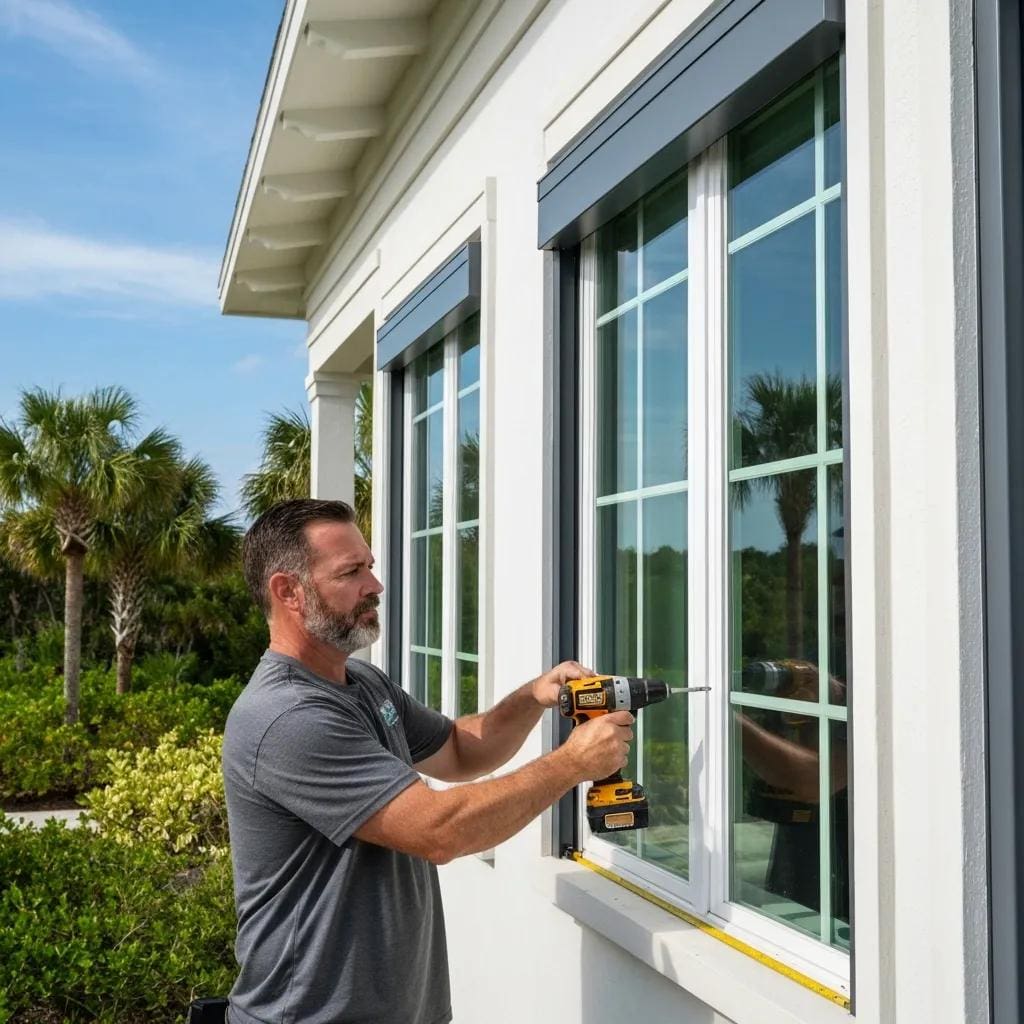
Installation expenses include labor, site preparation, electrical work for motorized systems, and permit or inspection fees — together they form the non-material portion of the final price and vary by location. Labor covers removal of trim, mounting of cassettes and tracks, flashing, sealing, and final tensioning of slats. Motorized units add a licensed electrician for wiring, switches, and any home automation integration. Site prep may require framing repairs, masonry anchors, or upgraded fasteners for a secure attachment; each corrective task increases time and cost versus a straightforward install. Knowing these installation components helps you decide when to repair existing substrates and when to budget for extra framing or anchors. The next subsection explains why professional installation can be worth the extra cost.
Introductory list: Typical installation cost components
- Labor: Crew time for mounting, alignment, and sealing.
- Electrical work: Licensed electrician time and materials for motorized units.
- Site prep: Framing, flashing, or masonry work required before mounting.
These items explain why installation estimates vary. Below we compare the benefits of professional installation versus DIY attempts.
How Does Professional Installation Impact Total Cost?
Professional installation raises the initial price but lowers risk: it ensures code-compliant attachment, preserves manufacturer warranties, and guarantees correct motor integration. Installers understand local codes and the right fasteners for different façades, reducing the chance of failure in high winds and avoiding costly retrofits. Warranties often require professional installation to stay valid, and installers can provide documentation useful for insurance. For motorized systems or complex openings, the added cost of professionals typically pays off in reliability and long-term performance.
Are There Permit or Site Preparation Fees to Consider?
Permit requirements vary by municipality and may include plan review, inspection fees, and specific hurricane protection certifications; these add to the final cost and sometimes influence which product or mounting method is chosen. Permit fees can be a modest flat amount or tied to contract value, and inspection timelines can extend the project schedule, adding indirect cost. Site preparation — repairing rotten framing, installing additional anchors, or similar work — appears as separate line items on quotes and should be documented for comparison. Ask installers to list permit and site-prep fees explicitly so your budget includes all compliance costs.
If you’re ready to move forward, contact American Hurricane Shutters at the Wilmington office or by phone to schedule a professional installation estimate and confirm permit handling in your locality. Sharing your measurements and the online calculator output before the site visit speeds quoting and helps the installer provide a transparent price.
How Do Roll Down Shutters Compare to Other Hurricane Shutter Types in Cost?
Roll down shutters typically cost more than simple panels but offer superior convenience and continuous coverage. Other types — accordion, colonial, and Bahama shutters — trade cost against aesthetics, ease of use, and permanence. Accordion shutters are often less expensive for permanent installation but lack automation and can be more visually prominent; Bahama and Colonial styles add architectural appeal but are usually manual and may require hardware upgrades that affect price. Compare per-window and per-square-foot metrics as well as lifecycle value — lower-cost options sometimes need more maintenance or have shorter useful lives, changing the long-term cost picture. The table below summarizes typical cost differentials and pros/cons to help you decide.
Use this side-by-side view to weigh budget, convenience, and curb appeal. The sections below quantify roll down versus accordion differences and compare Colonial/Bahama styles in more detail.
What Is the Price Difference Between Roll Down and Accordion Shutters?
Accordion shutters generally cost less in materials and installation complexity than motorized roll down systems because they are mechanically simpler and don’t need a cassette or motor. The main price gap is motorization and cassette fabrication: roll down units add those fixed elements, while accordion systems spread cost across full-frame panels. If you value automation and a complete seal, the roll down premium can be justified. If budget and manual deployment are acceptable, accordion shutters can be a lower-cost choice. Consider how often you’ll deploy them — frequent use favors motorized roll downs despite the higher initial cost.
How Do Colonial and Bahama Shutters Compare in Pricing?
Colonial and Bahama shutters focus on architectural style and may require custom sizing or special finishes that raise fabrication costs compared with standard roll down units. Bahama shutters may need reinforced mounting hardware to meet hurricane loads, adding to installation time and cost, while Colonial shutters often combine decorative and structural elements that affect mounting technique. If curb appeal is a priority, the extra expense can be worth it — just verify the chosen style meets local impact-resistance rules. Review per-window fabrication quotes and the full installation scope to see if style premiums fit your budget and performance goals.
What Is the Long-Term Value and ROI of Roll Down Hurricane Shutters?
Roll down shutters deliver long-term value through reduced storm-damage risk, potential insurance savings, durable product life with proper maintenance, and positive resale value in hurricane-prone markets. A lifecycle analysis should include purchase and installation, annual maintenance, expected lifespan of materials and motors, and likely insurance discounts to calculate payback and net value. Higher-grade materials and professional installation increase upfront cost but typically extend lifespan and lower maintenance; when you factor in insurance savings and avoided storm repairs, payback periods for coastal homeowners often improve. The following subsections cover maintenance and lifespan and outline how to document insurance savings for ROI calculations.
How Do Maintenance and Lifespan Affect Overall Cost?
Routine maintenance — cleaning tracks, lubricating moving parts, inspecting slats and seals, and testing motor controls — keeps shutters reliable and prevents premature failure. Annual maintenance costs are usually modest but important. Material choice affects lifespan: standard aluminum systems last many years with proper care, while aramid-reinforced or heavier-gauge slats resist fatigue and extend service life. Motor components may need occasional servicing or part replacement over time, so include periodic electrical service in lifecycle models. Estimating annual maintenance and reasonable lifespans helps translate upfront investment into a cost-per-year figure for clearer ROI comparisons.
Can Roll Down Shutters Reduce Home Insurance Premiums?
Yes — roll down shutters can qualify homeowners for insurance discounts when they meet local impact standards and you provide the insurer with product specs and proof of installation. Discount amounts vary by carrier and locality and depend on the shutter’s wind/impact rating. To claim credits, submit the manufacturer’s documentation and any required installation certification. Use conservative discount estimates when modeling payback and always confirm savings with your insurer before relying on them. Keep installation records and product paperwork to speed any future claims.
Key lists and next steps:
- Measure and document every opening carefully before using a calculator.
- Normalize quotes to the same material, motor, and installation scope.
- Include permits, site prep and electrical work in every estimate.
Those steps create defensible estimates. When you’re ready for a local, site-specific quote, American Hurricane Shutters in Wilmington offers free estimates and will review your calculator outputs during a site visit; contact them by phone or visit the Wilmington office to schedule an assessment.
- Get precise measurements and photos to support any online estimate.
- Use a cost calculator to produce a normalized estimate and then request a free site-specific estimate.
- Choose product grade and installation scope based on lifecycle cost and local code requirements.
Follow these actionable steps to generate solid cost estimates and to pick the shutter type and installer that best match your budget and performance needs.
Frequently Asked Questions
What are the benefits of using roll down hurricane shutters compared to other types?
Roll down shutters offer full coverage, fast deployment (especially when motorized), and a tight seal that reduces wind and water intrusion. They’re convenient to use, durable when properly maintained, and can increase home protection and resale value. While they can cost more up front than some alternatives, the combination of convenience, performance, and longevity makes them a compelling option for homes in hurricane-prone areas.
How can I ensure my roll down shutters are installed correctly?
Hire experienced, licensed installers who know local building codes and the correct attachment methods for your siding or masonry. Provide accurate measurements and photos before the visit, and confirm that the installer will follow manufacturer guidelines to preserve warranty coverage. Ask for written documentation of the installation and any required permits so you have a complete record for insurance or future service.
What maintenance is required for roll down hurricane shutters?
Regular maintenance keeps shutters working when you need them: clean tracks, lubricate moving parts, check slats and seals, and test motorized controls annually. Replace worn fasteners or seals promptly and schedule electrical checks for motor systems as recommended. A modest annual inspection prevents small problems from becoming costly repairs.
Can I install roll down hurricane shutters myself?
While DIY installation is possible, we generally recommend professional installation unless you have specific experience. Proper mounting, correct fasteners, and electrical work for motors are critical to performance and warranty validity. Improper installation can lead to failure in high winds and may void product warranties.
What should I consider when choosing between manual and motorized roll down shutters?
Think about convenience, frequency of use, and budget. Motorized shutters offer quick deployment with the push of a button and can integrate with home automation, but they cost more and require electrical work. Manual shutters are less expensive but need physical effort. Balance your budget against how often you’ll deploy the shutters and whether automation is worth the premium.
How do I calculate the total cost of roll down hurricane shutters?
Measure each opening, calculate square footage, and apply a per-square-foot rate appropriate to your market. Add fixed costs such as the cassette, controls, and end caps, then include installation, electrical work for motors, permit fees, and any site prep. A cost calculator streamlines this, but always get a site-specific estimate to capture local variables.
What impact do local building codes have on the cost of roll down hurricane shutters?
Local codes influence required materials, mounting methods, and permits, all of which affect cost. Stricter wind or impact requirements may force higher-grade materials or special mounting details. Check with local building officials or a knowledgeable installer to confirm code requirements and include permit and inspection fees in your budget.
Conclusion
Getting a reliable estimate for roll down hurricane shutters starts with accurate measurements and a clear understanding of the cost drivers: materials, motorization, and installation scope. Use a cost calculator to produce a normalized estimate, then confirm it with a free site-specific visit from American Hurricane Shutters. With the right measurements, a normalized quote, and professional installation, you’ll protect your home without surprises. Take the next step and use our online tools or schedule a Wilmington site visit to get a firm, transparent price.