
How to Operate Roll‑Down Hurricane Shutters During a Storm: Practical Guides for Manual and Motorized Systems
Correctly operating roll‑down hurricane shutters during a hurricane can be the difference between protecting your home and avoidable damage. This guide lays out how these shutters work, the key differences between manual and motorized systems, and clear, step‑by‑step instructions for safe deployment. You’ll find practical methods for using a hand crank or strap, operating remotes and wall switches, and the emergency manual‑override sequence for motorized units. We also include pre‑storm staging checklists, what to do while the storm is active, and safe post‑storm inspection steps. Finally, you’ll get troubleshooting workflows, a maintenance schedule, and decision points for when to call a professional so your shutters stay dependable through Carolina storm seasons.
What Are Roll Down Hurricane Shutters and How Do They Protect Your Home?
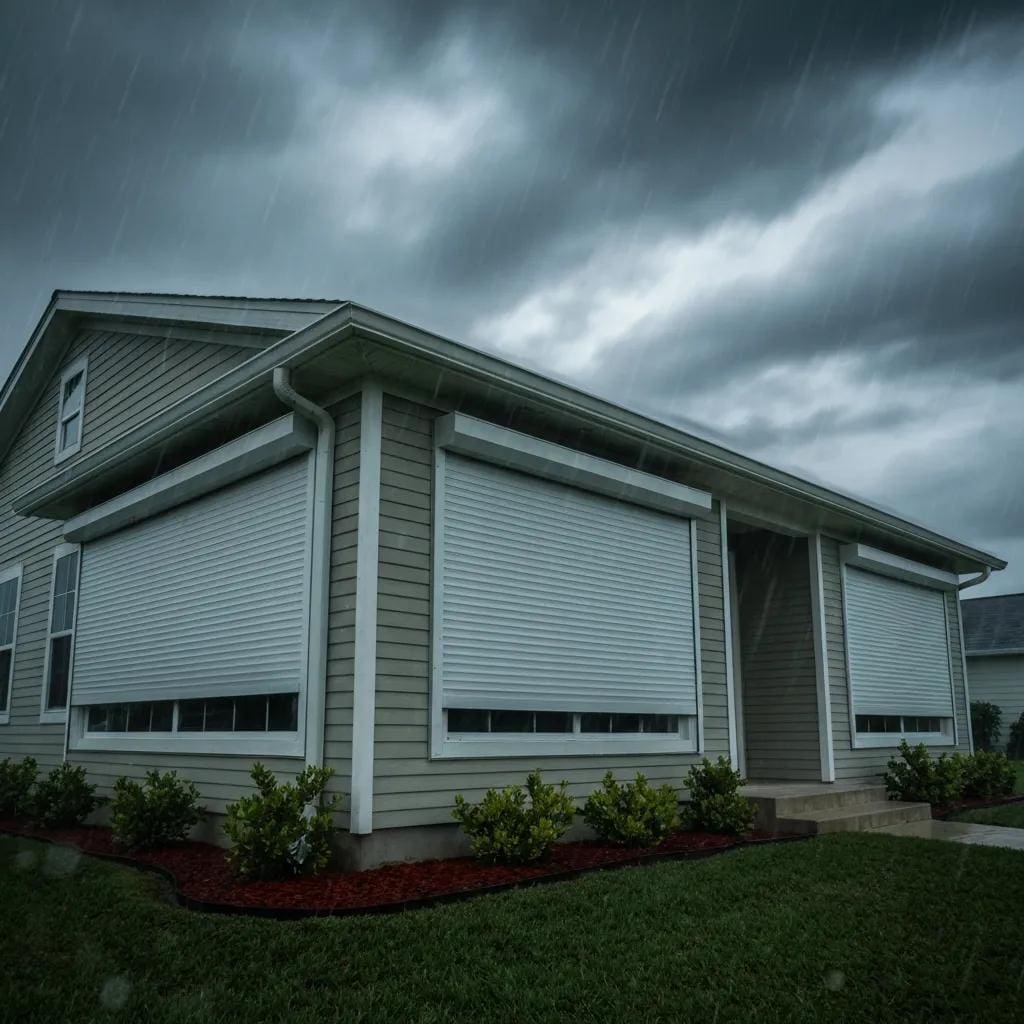
Roll‑down hurricane shutters are protective curtains stored in a housing above windows and openings that unroll down vertical tracks to cover those openings during storms. They create an impact‑resistant barrier that lowers wind pressure on glass and blocks water‑driven debris, helping prevent structural damage and interior flooding. Common materials—like extruded aluminum and corrosion‑resistant hardware—balance strength and lightness while interlocking slats spread wind loads and resist penetration from flying objects. Knowing how these components work explains why correct operation, alignment, and regular maintenance are critical for reliable performance in hurricane conditions.
Below is a concise comparison of common roll‑down options to help homeowners choose the right system for their property and preparedness plan.
This comparison highlights the trade‑offs between convenience, resiliency, and upkeep, and helps you choose the right system for coastal Carolina conditions.
For local homeowners who want professional products or help, American Hurricane Shutters (AHS Carolinas) installs both manual and motorized roll‑down systems. We offer free estimates and a cost calculator to plan installations, and our certified installers provide on‑site demonstrations so you can operate your system confidently before storm season.
What Types of Roll Down Shutters Are Available: Manual vs. Motorized?

Manual roll‑down shutters use a mechanical crank, strap, or direct pull to lower the slatted curtain into its tracks—simple, reliable, and independent of electricity. Motorized shutters use an electric motor controlled by a remote or wall switch and may include timers and safety interlocks for speed and convenience. A motorized system with battery backup gives you electric convenience while maintaining operation during power outages—often a good choice for coastal homes where outages are common. Choose based on priorities like deployment speed, outage resilience, upfront cost, and maintenance expectations.
Each choice affects installation details and your emergency plan—pick the configuration that fits how you prepare and respond to storms.
What Are the Key Components of Roll Down Hurricane Shutters?
A roll‑down system is made up of interlocking slats that form the curtain, vertical tracks that guide movement, a protective housing that stores the curtain, and either a motor or manual crank that powers deployment. Other parts include mounting brackets, end locks or latches, limit switches on motorized units, remotes or wall switches, and optional battery backups. Every component matters: tracks keep slats aligned under load, limit switches stop overtravel, and corrosion‑resistant hardware slows salt‑air wear. Familiarity with these parts makes inspections and conversations with technicians quicker and more effective.
Knowing component names also helps you follow troubleshooting and maintenance steps with confidence.
How Do You Manually Operate Roll Down Hurricane Shutters During a Storm?
Manual operation takes preparation and steady movement to avoid damage or injury. Start by clearing the area beneath the opening, checking tracks for debris, and positioning the hand crank or strap on a stable surface. Use controlled, even motion to prevent sudden catches that can stress slats and mounts—especially important when winds are high. Stand on secure footing, wear gloves to protect hands from pinch points, and use a second person for larger openings to keep the curtain level. The step‑by‑step instructions below cover common manual systems and practical safety tips.
What Are the Step‑by‑Step Instructions for Using a Hand Crank or Strap?
For a hand crank: insert the crank into the gearbox or drive socket and turn steadily in the correct direction until the shutter reaches its lower stop or latches. For strap systems: unhook and feed the strap into the drive spool per the manufacturer’s orientation, then pull evenly while guiding the curtain into the tracks to avoid misalignment. When fully lowered, engage end locks or latches and verify slats are flush and even across the opening to prevent wind intrusion.
Avoid common mistakes like over‑cranking past limits, letting the curtain bind in one track, or operating from an unstable ladder—these actions increase repair needs and safety risks.
After securing the shutter, perform a quick test lift (when safe) to confirm it can be raised later without issue.
What Safety Precautions Should You Follow When Operating Manual Shutters?
Prioritize personal safety: wear sturdy gloves, protective eyewear, and non‑slip shoes, and keep fingers clear of track pinch points. Use a stable ladder or platform for higher housings, tie off ladders when possible, and avoid operating outside in severe winds where debris or gusts can create danger.
If you meet resistance or hear unusual noises while lowering, stop and inspect for obstructions instead of forcing movement—forcing can damage slats, mounts, or create hazards. Call a certified technician if a shutter binds, shows bent slats, or fasteners appear to be failing before attempting further operation.
These precautions reduce injury risk and help preserve system integrity.
How Do You Use Motorized Roll Down Hurricane Shutters Safely and Effectively?
Motorized shutters provide fast deployment and automation, but safe, reliable use depends on understanding controls, safety interlocks, and emergency override procedures. Operate with a remote or wall switch, confirm limit settings so the motor stops correctly, and perform routine checks of remote batteries, motor sounds, and sensors to avoid surprises. Learn the manual override ahead of time so you can deploy shutters during outages. Below are practical steps for everyday motorized operation and the emergency override process to use if power is lost.
How Do You Operate Motorized Shutters Using Remote Controls and Wall Switches?
Before use, ensure the remote has fresh batteries and the wall switch is powered. Press the down/close command and watch for smooth, full travel without hesitation or uneven movement. If a remote doesn’t respond, check its battery, confirm you’re in range, and inspect tracks for new obstructions. Reprogramming may be necessary if you have multiple remotes. If your system uses timers or home automation, test schedules in calm conditions so you know how they behave before a storm. Always keep a manual crank accessible in case of motor or electrical failure—simple verification now reduces surprises when a storm approaches.
These operational checks flow into how to handle true power outages using the manual override.
What Is the Emergency Manual Override Procedure During Power Outages?
Most motorized units include an emergency manual override inside the motor housing or gearbox that lets you hand‑crank the shutter when power is out—locate and practice this before an emergency. Follow the manufacturer’s sequence: remove the cover, insert the crank or release the clutch, and turn steadily while guiding the curtain. Use two people for larger openings, don’t force the mechanism, and stop if you feel unusual resistance or hear abnormal sounds—call a certified technician in those cases.
Knowing the override steps is a practical part of pre‑storm readiness.
What Are the Most Important Safety Tips for Operating Roll Down Shutters During a Hurricane?
Safe deployment relies on preparation, conservative action during high winds, and careful post‑storm inspection. Do pre‑storm checks, stage tools and helpers, and confirm battery backups and remotes are ready to reduce last‑minute risk. While the storm is active, stay sheltered and avoid going outside; postpone any outdoor repairs until authorities say it’s safe. After the storm, wait for winds to die down before inspecting, photograph damage for insurance, and prioritize securing openings to prevent further water intrusion. The pre/during/post checklists below give short, actionable steps to keep both people and shutters safe through the event.
What Pre‑Storm Checks Should You Perform Before Deployment?
Perform a functional test of each shutter well before a forecasted storm to confirm smooth travel. Make sure remotes have fresh batteries and that any battery backups are fully charged. Clear tracks and housings of debris, visually check fasteners and mounting brackets for looseness or corrosion, and stage tools—hand crank, gloves, ladder—within easy reach. If you have multiple openings, assign roles so deployment is orderly, and create a simple deployment sequence that prioritizes large glass doors and other vulnerable openings first. These steps cut down the chance of unexpected failures when time is limited.
With pre‑storm staging complete, you’ll be ready for safe action while the storm is underway and the inspections afterward.
What Precautions Should You Take While the Storm Is Active and After It Passes?
During the storm, stay indoors away from openings and avoid exposure to flying debris. Only operate shutters from sheltered positions and do not attempt outdoor repairs until official warnings are lifted. After the storm, wait for clearance from authorities, then do a visual inspection for displaced slats, loose fasteners, or housing damage—take photos for insurance and repair planning. If shutters are displaced or jammed, document the condition and call a professional rather than attempting complex repairs yourself to avoid further damage or injury.
Safe inspection habits and clear documentation make troubleshooting and repair decisions faster and safer.
How Can You Troubleshoot Common Issues with Roll Down Hurricane Shutters?
Troubleshooting follows a safety‑first triage: check for electrical hazards, look for visible obstructions, and run simple diagnostics like testing remote batteries and gently checking tracks for debris. Common issues include shutters stuck mid‑travel, noisy operation, partial deployment, and motor power loss—each has distinct checks and step‑by‑step actions to decide whether a DIY fix is safe or a technician is needed. The diagnostic table below maps common problems to symptoms and prioritized actions to help you triage problems quickly under stress. If problems continue or there’s structural damage, contact professionals for repair or a Design Pressure Analysis to confirm the system meets local code loads.
What Are the Solutions for Stuck or Partially Deployed Shutters?
First, stop operating and visually inspect tracks for foreign objects, bent slats, or loose fasteners that could cause a bind; remove debris and realign visible slats if it’s safe. If clearing obstructions doesn’t help, use the manual override per the manufacturer’s instructions to free the curtain—watch for unusual resistance or smells that could signal motor failure. Only lubricate tracks with manufacturer‑recommended products when the shutter is fully retracted and dry; avoid household oils that attract grit. If the shutter stays stuck or shows structural damage, stop further attempts and contact a certified repair service to avoid making the problem worse.
Escalating to a technician when needed protects both safety and the shutter’s protective function.
How Do You Handle Noise Issues and Power Loss in Motorized Systems?
If a motorized shutter develops new grinding, scraping, or high‑pitched noises, stop operation immediately and inspect visible hardware and tracks for obstructions, loose screws, or bent slats. For power loss, check circuit breakers and battery backup condition before attempting a manual override; test remote batteries and the wall switch to isolate the fault. Temporary measures include clearing visible debris and using the emergency manual override, but persistent noises or electrical faults require professional service—motor replacement, gearbox repair, or rewiring may be necessary. A timely service call prevents cascading failures and helps restore reliable operation before the next storm.
When you call for professional inspection, record symptoms and recent events to give technicians a clear starting point; certified service can include Design Pressure Analysis and upgrades such as 18‑8 stainless steel hardware to reduce coastal corrosion risk.
How Do You Maintain Roll Down Hurricane Shutters for Long‑Term Performance?
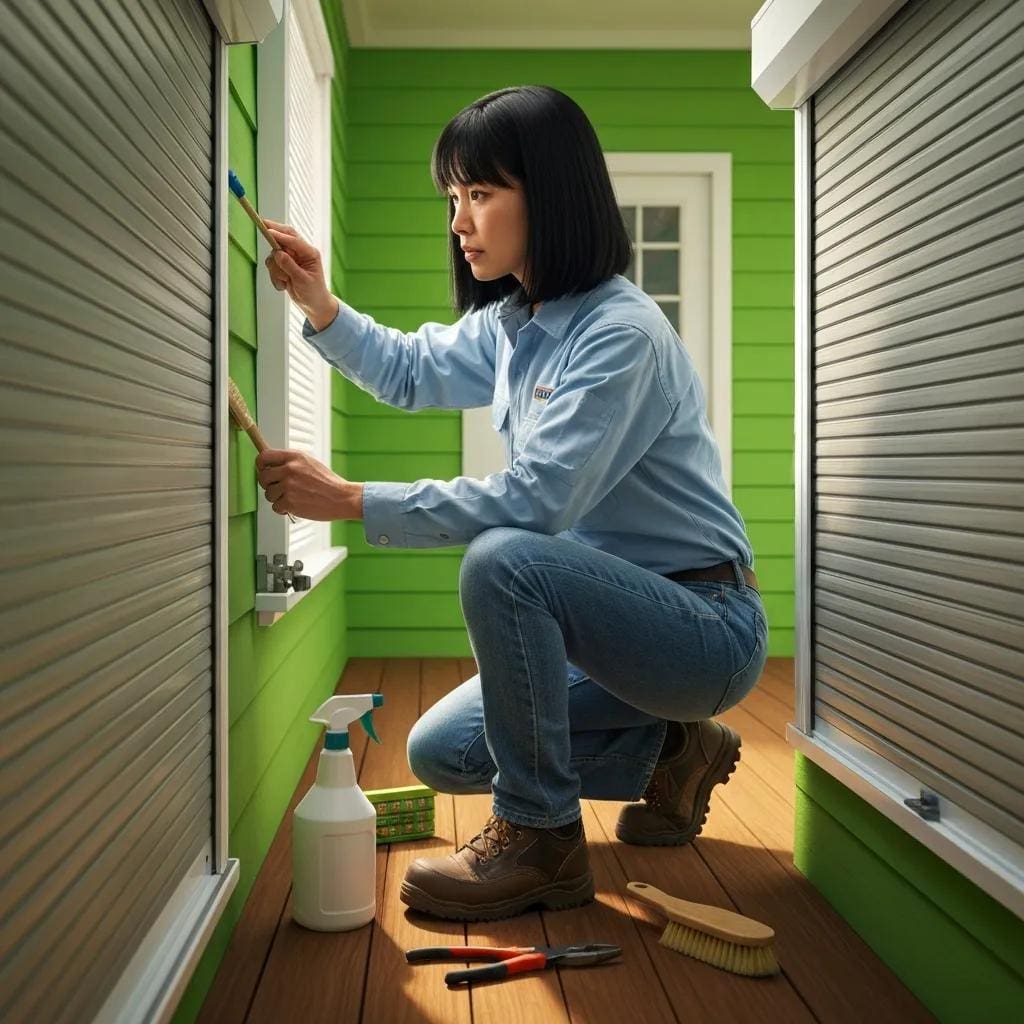
A consistent maintenance routine keeps shutters reliable and lowers storm‑time risk: monthly visual checks, quarterly track cleaning and lubrication, semiannual motor and battery inspections for motorized units, and annual professional service form a practical baseline for coastal properties. Maintenance tasks include cleaning slats and tracks, tightening fasteners, testing remotes and wall switches, and confirming limit switch settings and battery‑backup health. Pre‑season service ensures systems are ready and wear items are addressed before an event. The maintenance table below maps components to tasks and recommended frequencies for easy implementation.
What Regular Maintenance Tasks Should You Perform?
Do monthly visual inspections for bent slats, loose fasteners, and corrosion, and clean slatted surfaces with mild detergent and fresh water to remove salt residue. Quarterly, clear tracks of sand, leaves, and grit and apply a manufacturer‑recommended silicone lubricant sparingly to reduce friction—avoid petroleum‑based lubricants that attract debris. Regularly test remotes and wall switches, and cycle motorized shutters to spot early motor noise or hesitation. Keep a simple maintenance log with dates and actions to track component health and support technicians during service visits.
Routine care extends equipment life and prevents many common failure modes that show up under storm stress.
When Should You Schedule Professional Shutter Service and Repairs?
Call professionals if you experience repeated jams, persistent motor noise, visible structural damage, bent slats that affect sealing, or stiff or inoperable override mechanisms. Certified installers and repair technicians can perform a Design Pressure Analysis to confirm system capacity against local building codes and offer upgrades like 18‑8 stainless steel hardware to reduce coastal corrosion. Annual or pre‑season professional inspections catch issues that DIY checks miss and give you confidence that shutters will perform in high winds. For certified service, free estimates, or emergency repairs, contact American Hurricane Shutters (AHS Carolinas) at [email protected] or by phone at +1 (910) 256-1288 to schedule help.
Professional work complements homeowner maintenance by ensuring technical checks and hardware upgrades follow industry standards.
Frequently Asked Questions
What are the benefits of installing roll down hurricane shutters?
Roll‑down hurricane shutters offer strong protection against high winds, flying debris, and water intrusion during storms. They form a durable barrier that lowers the risk of structural damage and interior flooding. Many shutters also help with energy efficiency by adding insulation and reducing heat gain. Finally, they’re convenient—deployable quickly by hand or automatically—so you can secure your home promptly when a storm approaches.
How do I choose the right type of roll down hurricane shutters for my home?
Choosing shutters depends on budget, opening sizes, and whether you want manual or motorized operation. Motorized systems provide ease of use but should include battery backup if outages concern you. Check materials, construction quality, and wind‑load ratings to meet local building codes. Consult with a professional installer to match a system to your home and preparedness goals.
Can roll down hurricane shutters be installed on any type of window or door?
Roll‑down shutters can usually be installed on sliding doors, French doors, and standard windows, though installation varies with opening size and shape. Ensure the building structure can support the shutters and that the chosen system fits your architecture. A professional installer can recommend the best approach and ensure proper fit and function.
What should I do if my roll down hurricane shutters are stuck or not functioning properly?
First, look for visible obstructions in tracks or housing. For motorized systems, check power supply and test the remote or wall switch. If unresponsive, use the manual override if available and safe to do so—don’t force the mechanism. If the problem persists, contact a certified technician for inspection and repair to make sure shutters are safe and reliable for future storms.
How can I ensure my roll down hurricane shutters are ready for storm season?
Prepare for storm season with a pre‑season inspection: check for wear, corrosion, or damage; clean tracks and slats; and test both manual and motorized systems. Replace remote batteries and charge any battery backups. Schedule any necessary maintenance or repairs well before storms arrive, and practice operation and emergency overrides so you can deploy shutters quickly and safely when needed.
What are the common maintenance tasks for roll down hurricane shutters?
Common tasks include regular visual inspections for damage, cleaning slats and tracks, and lubricating moving parts with manufacturer‑approved products. Monthly checks should focus on slats and fasteners; quarterly work should clear debris from tracks and test motorized systems. Semiannual inspections of motors and battery backups are important for dependable performance. Keep a maintenance log to track tasks and issues over time.
Conclusion
Knowing how to operate roll‑down hurricane shutters correctly is essential to protect your home during storms. Choose the right type of shutter for your needs, follow safe operating procedures, and keep a regular maintenance routine to ensure reliable performance when it matters most. If you’d like expert help or product recommendations, contact American Hurricane Shutters—we’re here to make sure your home is ready for storm season.