
Why Roll-Down Hurricane Shutters Are One of the Best Investments for Coastal Home Protection
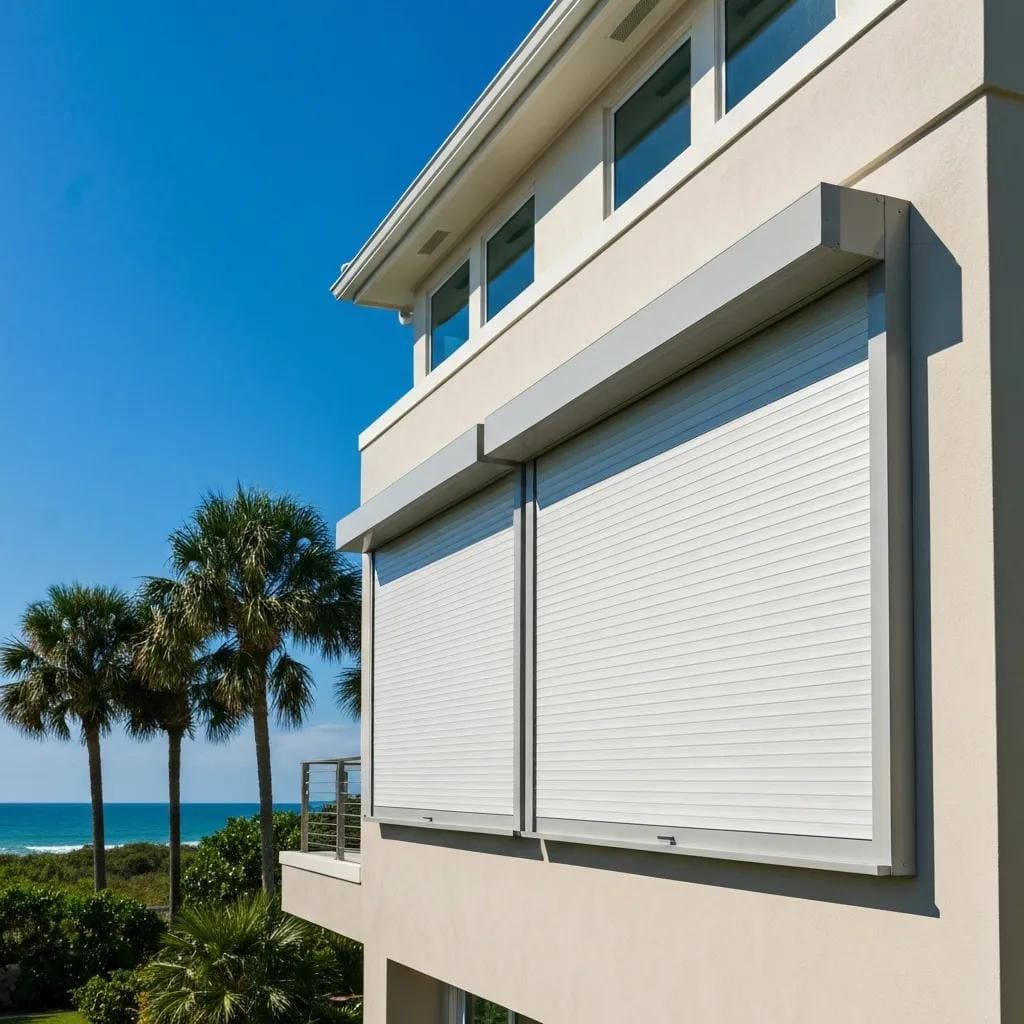
Roll-down hurricane shutters are exterior coverings that unspool from a protective housing to form a continuous shield over windows and doors. Their interlocking slats and secure mounting spread impact and wind forces across multiple anchor points, reducing the chance of broken glass, structural damage, and unwanted entry. Beyond storm defense, these systems offer year-round benefits—added security, lower cooling loads, and strong UV protection. This piece walks homeowners through how roll-down shutters work, the measurable advantages for coastal properties, and the practical choices around installation, maintenance, and cost. If you own a home in coastal North or South Carolina—Wilmington, Morehead City, or Myrtle Beach—this guide points to relevant performance ratings, code considerations, and long-term value so you can evaluate shutters as a durable investment in your home’s protection.
What Are the Top Storm-Protection Benefits of Roll-Down Hurricane Shutters?
Roll-down shutters form a continuous armored surface that resists impacts and manages wind loads, lowering the chance of breaches and the dangerous pressurization that can follow. The system—slats, housing, locks, and brackets—works together to absorb and redirect energy; stronger materials and proper anchoring improve certified impact and wind ratings. Homeowners should expect product approvals and test reports that demonstrate compliance with coastal codes and support insurance requirements. Below is a concise summary of core storm-protection benefits and a comparison of common materials and configurations to help you choose the right system. That summary leads into a closer look at how the shutters actually stand up to flying debris and meet local building codes.
Primary storm-protection advantages of roll-down shutters:
- Impact resistance: Interlocking slats and reinforced anchors lower the risk of window and door failure from debris strikes.
- Wind-load distribution: The shutter spreads wind pressure across structural fixings, reducing stress at any single point.
- Quick deployment: Manual or motorized operation lets you secure openings rapidly as conditions change.
These features explain why many coastal homeowners choose roll-down systems over temporary panels. Next we’ll compare materials and operation types so you can weigh protection against cost and installation needs.
Different materials and configurations offer distinct protection profiles; the table below compares common choices and their typical attributes.
Use this comparison to balance impact performance, installation complexity, and everyday usability. Next, we explain the mechanics behind how shutters resist high winds and debris.
How Do Roll-Down Shutters Protect Against High Winds and Flying Debris?
Roll-down shutters combine interlocking slats, a protective housing, sturdy mounting brackets, and secure locks to form a continuous face over openings. When wind-driven debris strikes, the slats and anchors absorb and spread that energy across multiple fastenings—preventing one point of failure at the glass or frame. Certified impact ratings and wind-load tests give measurable proof of performance. Material choices such as extruded aluminum add strength while resisting corrosion in coastal conditions. Knowing the parts—slats, motor, housing box, locking mechanism—helps you match a system to your exposure and code requirements.
How the slats, anchors, and housing work together leads naturally to what paperwork and certifications you should request from your installer.
Installation method and material selection strongly influence shutter performance, as shown in impact-testing studies.
Hurricane Shutter Performance: Impact Testing and Installation Methods
For track-mount installation, damage was defined as pull-out or push-through of the mounting brackets from the wall. Results indicate that shutter performance depends on installation method and shutter type.
Performance of hurricane shutters under impact by roof tiles, KR Gurley, 2010
What Makes Roll-Down Shutters Compliant with Coastal Building Codes?
Compliance depends on three things: certified test results (impact and wind), installation to manufacturer and code specifications, and documentation for permits or insurance. Coastal codes usually reference recognized standards and require product approvals showing specific wind and impact ratings. Installers should supply test reports and compliance certificates for each model. Equally important are installation practices—anchoring into structural framing, using corrosion-resistant hardware, and following spacing requirements—so the field installation reflects the conditions used in testing. Ask for documentation before you buy to confirm the shutters meet local requirements in coastal North and South Carolina and to support permitting or insurance needs.
These compliance basics also connect to how shutters serve as effective year-round security features.
How Do Roll-Down Hurricane Shutters Improve Home Security?
Roll-down shutters provide a continuous physical barrier that deters opportunistic burglars and raises the time and effort required for forced entry. Strong slats, secure locks, and reinforced anchors make common break-in methods—smashing glass or prying frames—far harder. Motorized systems can tie into alarms and automation for added monitoring. Outside of storm season, shutters offer privacy and visible deterrence for vacation homes or properties in tourist areas, giving homeowners practical, everyday security benefits. Below are the key security features and some typical year-round use cases to help you evaluate trade-offs.
Key security features:
- Visible deterrent: A closed shutter signals a secured home and discourages opportunistic theft.
- Forced-entry resistance: Locks and anchor points increase the tools and time required to breach openings.
- Smart integration: Motorized shutters can be linked to security systems to automate closure or trigger alerts.
Next we’ll describe how these features make shutters harder to bypass than many alternative covers.
In What Ways Do Roll-Down Shutters Deter Burglars and Forced Entry?
Roll-down shutters convert a single vulnerable pane of glass into a reinforced barrier anchored at multiple points. Base locks—and optional intermediate locks—add obstacles that demand time and specialized tools to defeat, which deters opportunistic intruders. Proper anchoring and corrosion-resistant hardware keep the shutter’s resistance consistent over time. Compared with panel-style or temporary covers, roll-down systems usually present a continuous armored surface that’s more difficult to bypass.
Stronger forced-entry resistance naturally leads to practical considerations for daily and seasonal use.
Material choice affects how well storm shutters perform against forced entry, with different options offering varying resistance levels.
Corrugated Metal Panels for Storm Shutters: Performance Analysis
Tests on typical storm shutter panel systems focused on performance under simulated storm conditions, examining behavior and failure modes.
Behavior of corrugated metal panels for use as storm shutters, 2009
What Are the Year-Round Security Advantages of Roll-Down Shutters?
Beyond storms, roll-down shutters give you control over privacy, light, and security—especially useful for homes left vacant during travel or seasonally rented properties. They let owners secure openings quickly and maintain the look of an occupied home. Automation adds convenience: motorized shutters can be scheduled or triggered remotely to simulate presence and deter theft without manual effort. Those everyday benefits make roll-down shutters a practical, multi-use investment for coastal homeowners.
What Energy Efficiency and UV-Protection Benefits Do Roll-Down Shutters Offer?

Roll-down shutters cut heat gain by shading glass, reflecting sunlight with light or reflective finishes, and creating an insulating air gap between the shutter and window. That combination lowers cooling demand in hot climates and limits interior fading from UV exposure. Material, color, and usage patterns affect performance—closing shutters during peak sun maximizes savings. Below is a short list of energy and UV benefits and a table of the factors that influence outcomes so homeowners can estimate potential savings and interior protection.
Energy and UV benefits include:
- Shading and reflection: Shutters block sunlight before it reaches glazing, reducing solar heat gain.
- Insulating air gap: The exterior cavity slows conductive heat transfer into the home.
- UV reduction: Closed shutters cut UV transmission that fades fabrics and finishes.
Next we explain how to get the most energy savings from your shutters.
How Do Roll-Down Shutters Reduce Heat Gain and Lower Energy Bills?
Roll-down shutters intercept solar energy at the exterior, reflecting part of the sun’s radiation and trapping a layer of air that reduces heat transfer through glass. Reflective coatings and lighter colors increase solar reflectance, while tight seals limit convective losses. Savings depend on climate, window orientation, and how often you use the shutters—consistent daytime closure on sun-facing windows gives the biggest benefits in hot coastal areas. Combine shutter use with efficient glazing and timed operation for the best results.
Those thermal advantages also help protect interiors from UV damage, which we cover next.
How Do These Shutters Protect Interiors from UV Damage?
When closed, roll-down shutters block a large share of incoming UV radiation, slowing the chemical breakdown that fades fabrics, artwork, and wood finishes. Preventing direct sun exposure extends the life of furnishings and reduces replacement costs. UV attenuation varies by material and profile, but exterior blocking from shutters is more effective than interior blinds alone. If interior preservation is a priority, shutters pair well with window films and smart lighting strategies.
With energy and UV protection explained, the next section covers acoustic and privacy benefits.
How Do Roll-Down Hurricane Shutters Reduce Noise and Improve Privacy?
Roll-down shutters improve sound insulation by adding mass, sealing edges, and creating an external cavity that helps dissipate airborne noise—useful for coastal homes near busy roads or tourist areas. Dense slats, tight seals, and secure frames all help reduce sound transmission and improve comfort. Shutters also offer flexible light control: full blackout, partial openness, or automated schedules let you manage privacy and daylight as needed. Below are the primary noise and privacy benefits and guidance on when shutters deliver the most acoustic improvement.
Primary noise and privacy benefits:
- Sound dampening: External mass and sealed interfaces cut transmitted noise from outside sources.
- Privacy control: Options range from fully opaque to ventilated slats for controlled sightlines.
- Light management: Full closure provides blackout conditions ideal for bedrooms and media rooms.
These characteristics lead into the features that most influence acoustic performance.
What Sound-Insulation Features Do Roll-Down Shutters Provide?
Sound reduction comes from shutter mass, resilient seals at the frame, and the air cavity between the shutter face and glazing; together they attenuate mid- and high-frequency noise. Options like aluminum with foam cores or denser polycarbonate profiles increase transmission loss and improve decibel reduction inside the room. Proper seals and tight mounting reduce bypass paths where sound can leak, so professional installation is key to getting the acoustic benefits homeowners want. In noisy coastal neighborhoods, choosing shutters with acoustic features yields the most noticeable improvement.
Those acoustic gains flow into light-control choices and daily privacy use.
Roll-down shutters deliver major benefits, though other manual options—like accordion shutters—remain viable for homeowners who prefer them.
Accordion Shutters: Manual Deployment for Coastal Hazard Preparedness
For homeowners already using plywood or similar temporary covers, accordion shutters offer a manually deployed, quick-to-use option that provides reliable protection against high winds and flying debris.
Massachusetts Homeowner’s Handbook To Prepare For Coastal Hazards (July 2020), E Taylor, 2020
How Can Roll-Down Shutters Help Control Light and Enhance Privacy?
Roll-down shutters give several light-control strategies: fully closed for complete blackout, partially raised for soft daylight, or slatted profiles that admit angled light while blocking sightlines. Motorized systems add timers and remote control so you can automate shade schedules for comfort, security, and preservation of furnishings. This flexibility is especially useful on ground floors, in bedrooms, and for vacation homes. Choosing between opaque and ventilated slat profiles helps you balance daylight with privacy needs.
Next: practical installation choices and why professional installation matters in coastal settings.
What Are the Key Considerations for Roll-Down Hurricane Shutter Installation?
Important installation choices include surface-mounted versus recessed housings, anchoring into structural framing, using corrosion-resistant hardware for coastal exposure, and deciding between manual or motorized operation based on convenience and budget. Correct installation ensures that the product’s certified test performance matches field performance—incorrect anchors or fasteners can undermine rated wind-load capacity. Consider warranty terms, access for maintenance, and how the shutters will integrate with home automation or security systems. The checklist and table below compare manual and motorized systems to help homeowners prepare for professional installation.
Before installation, review this checklist:
- Verify framing attachment points: Make sure anchors fasten into structural members, not just siding.
- Choose corrosion-resistant hardware: Coastal conditions require marine-grade considerations.
- Decide on operation type: Balance the upfront cost of motorization against convenience and long-term use.
These considerations lead to a comparison of manual versus motorized installations and why professional installers are recommended.
This comparison shows how installation choices affect lifespan and usability and sets up the manual vs. motorized trade-offs discussed next.
What Is the Difference Between Manual and Motorized Roll-Down Shutter Installation?
Manual roll-down systems need less electrical work and use hand-cranks or straps—making them cost-effective for smaller openings or infrequent use. Motorized systems require wiring, conduit, and motor installation plus controls and programming, but they deliver fast, consistent closure and easier operation in emergencies. Motorized units need occasional electrical and motor checks; manual units require regular inspection of slats, guides, and locks. Your decision should consider opening size, mobility needs, automation preference, and how often you’ll use the shutters.
That choice underscores why professional installation is especially important in coastal settings.
Why Is Professional Installation Recommended for Coastal Homes?
Professional installers understand structural attachment requirements, the need for corrosion-resistant hardware, and local code compliance—essential for reliable coastal performance. Certified installers provide the product approvals and test reports needed for permits and insurance. Correct installation preserves warranties and ensures anchors, brackets, and housings match rated wind-load capacities, reducing failure risk in severe weather. For homeowners in Wilmington, Morehead City, or Myrtle Beach, hiring experienced professionals is a key part of a shutter system that performs when it matters most.
These installation priorities protect both performance and long-term value. Next we break down costs and what drives price.
How Much Do Roll-Down Hurricane Shutters Cost and What Affects Their Price?
Shutter cost depends on material, opening size, motorization, installation complexity, and local labor—yielding a per-opening or per-square-foot figure that varies by project. Higher-grade materials (extruded aluminum), insulated slats, and smart controls increase product cost. Structural work—recessed housings, reinforcement, or difficult access—adds labor. Below are the main cost drivers and a table with typical ranges to help with budgeting, followed by notes on long-term value and how to use an online cost calculator for a precise estimate.
Main cost drivers:
- Material and finish: Premium alloys and coatings raise material cost.
- Motorization and controls: Motors, wiring, and smart-home integration add a premium.
- Installation complexity: Recessed housings, reinforcement, and hard-to-reach sites increase labor.
Knowing these drivers helps homeowners choose features that deliver the best lifecycle value—covered in the ROI section below.
What Factors Influence the Cost of Roll-Down Shutters?
Key factors are material grade (extruded aluminum vs. polycarbonate), number and size of openings, motorization and smart controls, mounting style, required structural reinforcement, and local labor rates in coastal North and South Carolina. Options like custom colors, insulated cores, and corrosion-resistant finishes add to material cost, while electrical work for motors increases installation time. Warranty and service plans may add upfront cost but reduce lifecycle risk. A project-specific estimate is the best way to set a realistic budget.
With cost drivers in mind, you can evaluate whether shutters are a good long-term investment.
Are Roll-Down Shutters a Worthwhile Long-Term Investment?
Roll-down shutters can pay off over time by reducing storm-damage risk, qualifying homes for insurance discounts, protecting interior finishes, and enhancing resale value in hurricane-prone areas. Their longevity depends on durable materials and professional installation that addresses corrosion and anchoring; regular maintenance extends service life. When you factor in avoided repair costs and potential insurance incentives for certified protection, many homeowners find shutters deliver positive lifecycle value. For a project-specific estimate, American Hurricane Shutters offers an online cost calculator and affordable options to help homeowners in Wilmington, Morehead City, and Myrtle Beach explore choices and request a tailored quote.
If you want a clearer picture for your home, try these next steps:
- Request a free estimate to get product and installation recommendations for your openings.
- Use the online cost calculator to model material and motorization choices for your specific windows and doors.
- Schedule professional installation with certified installers to ensure compliance and warranty protection.
Frequently Asked Questions
What maintenance is required for roll-down hurricane shutters?
Routine maintenance keeps shutters working reliably. Check tracks and housings for debris, lubricate moving parts and locks as recommended, and inspect seals for wear that can affect energy and sound performance. A professional inspection every few years catches issues early and helps ensure compliance with local codes.
Can roll-down hurricane shutters be customized for different window sizes?
Yes. Most manufacturers produce custom-fit shutters for a wide range of window and door sizes and unique architectural openings. Options include different materials, colors, and operation types (manual or motorized). Work with a professional installer to confirm the design meets aesthetic, functional, and code requirements.
How do roll-down shutters compare to other storm-protection options?
Roll-down shutters are more durable and quicker to deploy than temporary solutions like plywood. They integrate with a home’s design, provide consistent protection, and deliver year-round benefits—security, energy savings, and UV shielding—that temporary panels don’t offer. For many homeowners, the convenience and multi-use value make them a preferred choice.
What is the lifespan of roll-down hurricane shutters?
Lifespan depends on material, installation quality, and maintenance. Well-made aluminum shutters can last 20+ years; polycarbonate options may have a shorter service life depending on exposure. Regular cleaning and inspections, plus proper corrosion protection in coastal areas, will extend longevity. Manufacturer warranties also indicate expected performance.
Are roll-down hurricane shutters energy efficient?
Yes. By blocking direct sunlight and creating an insulating air gap, roll-down shutters reduce solar heat gain and can lower cooling costs—especially when used on sun-facing windows. They also cut UV exposure to interior finishes. Strategic use during peak sun hours maximizes energy benefits.
Do roll-down shutters require electrical work for installation?
Motorized shutters require electrical work for motors, switches, and any smart-home integration. Manual shutters do not need wiring and are simpler to install. Consult a certified installer to determine the correct electrical approach and to ensure compliance with local codes.
Conclusion
Roll-down hurricane shutters give coastal homeowners a proven way to reduce storm damage, improve security, and enhance year-round comfort. Properly specified and professionally installed shutters protect windows and doors during severe weather while delivering energy and privacy benefits the rest of the year. If you’d like a personalized estimate or help choosing the right system for your home, contact our team—we’ll walk you through options and next steps so you can protect your property with confidence.