
Understanding Local Hurricane Shutter Regulations in the Carolinas: Building Codes, Permits, and Compliance
Regulations for hurricane shutters along the Carolinas combine state building codes, county and city permit rules, HOA covenants, wind-load (design pressure) requirements, and impact-certification standards. Together these rules determine which products and installation methods inspectors will accept. This guide lays out how those pieces fit, why they matter for safety and insurance, and what homeowners and property managers should prepare before installing shutters on coastal properties in North and South Carolina. You’ll see how the two states differ on code approach, what permit and inspection steps commonly look like in places like Wilmington, Myrtle Beach, Oak Island, New Bern, and Pawleys Island, and how wind zones tie to product certification and anchoring. We also cover HOA approval strategies, a practical permit checklist, and side-by-side comparisons of shutter types so you can match products to local wind-speed requirements. Finally, we explain how professional installers handle design pressure analysis, material choices, and permit management to deliver compliant installations that inspectors and insurers accept.
What Are the Key Hurricane Shutter Building Codes in North Carolina and South Carolina?
State building codes set the basic standards for shutters—wind-load resistance, impact testing, and the paperwork needed for permits—while many local jurisdictions add coastal amendments that raise design pressures or inspection steps. Knowing that framework helps you pick shutters with the right design pressure (DP) ratings and certifications inspectors will accept. Codes also overlap with HOA rules, insurance mitigation programs, and local wind-speed maps, so final acceptance usually reflects several authorities. The sections below break down specific rules for each state and offer a short homeowner checklist for evaluating compliance.
How Do North Carolina Building Codes Affect Hurricane Shutter Requirements?

North Carolina’s code provides baseline wind-load and product-certification expectations, but counties and cities—especially in coastal zones—often adopt stricter local amendments. Before you apply for a permit, check whether your jurisdiction requires a DP analysis, manufacturer impact certificates, or extra anchoring details; inspectors near the shore commonly expect higher DP values. Typical homeowner steps include assembling product test reports, a DP worksheet, and clear installation drawings to avoid review delays. Understanding where state rules end and local requirements begin helps you select shutters that meet likely inspection criteria and prepares you for the permit process.
What Are South Carolina’s Hurricane Shutter Compliance Standards?
South Carolina emphasizes certified products and clear documentation, and many coastal counties require impact-rated shutters or approved product listings tied to local wind maps. Local enforcement in places like Horry and Charleston often focuses on anchorage details, corrosion-resistant fasteners, and installation methods suitable for higher wind zones—so Miami-Dade or Florida Building Code (FBC) listings can be persuasive during plan review. Collecting manufacturer test reports, installation instructions, and proposed anchoring specs before you submit a permit reduces the chance of revision requests and speeds inspections once work begins.
After you’ve reviewed the state and local code differences, many homeowners choose a local installer who knows county-level amendments and can streamline permits and inspections. American Hurricane Shutters offers local-code expertise across coastal North and South Carolina and can help interpret state versus local requirements so you pick compliant products and installation plans. To learn more or get a project estimate, start with our free estimate.
How Do Local Permits and Approvals Work for Hurricane Shutter Installation in the Carolinas?
Permit requirements for hurricane shutters usually include an application, product certification, a design-pressure or wind-load worksheet, and a final inspection. Submission formats and review timelines vary by jurisdiction. Because permits tie building codes to wind-load maps and inspector expectations, knowing the common documentation and pitfalls up front will reduce delays. Below are the typical steps homeowners should expect when applying for a shutter permit in coastal Carolina jurisdictions, followed by a quick jurisdiction lookup showing common requirements and timelines.
The permit application process typically follows a few clear steps that show product conformity and proper anchoring.
- Prepare Documentation: Gather certified product test reports, manufacturer installation instructions, and a design pressure (DP) worksheet showing required loads.
- Submit Application: File the building permit with your local department, attaching product certifications, plans, and installer details as required.
- Plan Review: Building officials review the submission for code compliance and may ask for clarifications or additional anchorage details.
- Inspection and Approval: Once installed, schedule the inspection to verify mounting, fasteners, and labeling; receive final sign-off if everything meets code.
Following these steps avoids common permit problems like missing DP documentation or vague anchorage details that lead to plan-review rejections and inspection delays.
Permit lookup: The table below summarizes typical permit requirements and timelines for representative Carolina jurisdictions so you can compare before you apply.
This quick lookup shows that while these jurisdictions all require permits and documentation, review times and specific evidence requested can vary—so early preparation is key to avoiding delays.
Managed permits: If you’d rather leave the paperwork to a pro, American Hurricane Shutters handles permit applications and coordinates inspections with local building departments to make sure documentation meets municipal standards and inspector expectations. We also offer free estimates to help you plan the next steps.
What Are the Wind Load and Impact Rating Standards for Hurricane Shutters in Coastal Carolina?
Wind-load and impact-rating standards determine the design pressure (DP) and impact resistance a shutter must meet to protect openings during storms. DP is measured in pounds per square foot (psf) and is calculated from mapped wind speeds and building geometry; impact ratings show a product’s ability to block debris and preserve the building envelope. Inspectors compare a shutter’s DP and impact certification to local wind-zone requirements when approving permits. The sections below explain how wind zones affect shutter choice and include a concise table mapping common shutter types to their typical impact and wind-rating expectations.
How Do Wind Load Zones Influence Shutter Design and Installation?
Wind-load zoning splits coastal areas into bands where higher mapped wind speeds require greater design pressures and stronger anchoring methods. That influences frame stiffness, fastener selection, and through-bolt spacing. Properties closer to the shoreline or in mapped high-wind corridors typically need higher DP values and sometimes continuous attachment methods instead of simple brackets. Anchors—such as embedded through-bolts, structural anchors, or reinforced headers—transfer DP into the building structure and align with inspector checklists. Verify local wind-zone maps during product selection so your installer can specify anchors and fasteners that meet both DP and corrosion-resistance expectations.
What Are the Certified Impact Ratings for Different Hurricane Shutter Types?
Shutter types carry different certified ratings and suit different coastal wind zones and permit conditions. Knowing common certification designations helps you match product to requirement. The table below compares common shutter types and their typical impact/wind-rating characteristics so homeowners can align expected performance with local needs.
This comparison shows how shutter types relate to their key components—anchors, fasteners, and track systems—which must match inspector expectations for the local wind zone.
How Do HOA and Community Regulations Affect Hurricane Shutter Installation in the Carolinas?
HOA and community covenants often regulate the look, permanence, and visibility of hurricane shutters, adding a separate approval layer beyond building permits. Rules commonly cover shutter color, whether systems remain permanently mounted, and how visible hardware may be when shutters are stored. Because HOAs vary, prepare a packet that pairs code-compliant specs with aesthetic options. Talking early with your HOA and submitting product photos, code references, and installation details usually speeds approval and reduces conflicts between appearance guidelines and safety needs. The sections below describe common HOA rules and practical tactics for gaining approval while keeping your home protected.
What Are Typical HOA Rules for Hurricane Shutters in North and South Carolina?
HOA rules commonly address permanence (permanent vs. removable), color and finish restrictions, and approval for visible hardware or mounted systems. Coastal HOAs often prefer shutters that blend with the façade—hidden roll-downs or architecturally integrated solutions—while some communities allow only temporary panels during storm season. Check your governing documents for specifics and submission steps. When HOAs require review, include certified product literature, installation drawings, and local code references to show your proposal meets both safety and aesthetic expectations. Preparing this material up front reduces the chance of a rejected request and helps reach a balanced outcome.
How Can Homeowners Navigate HOA Approval for Storm Protection?

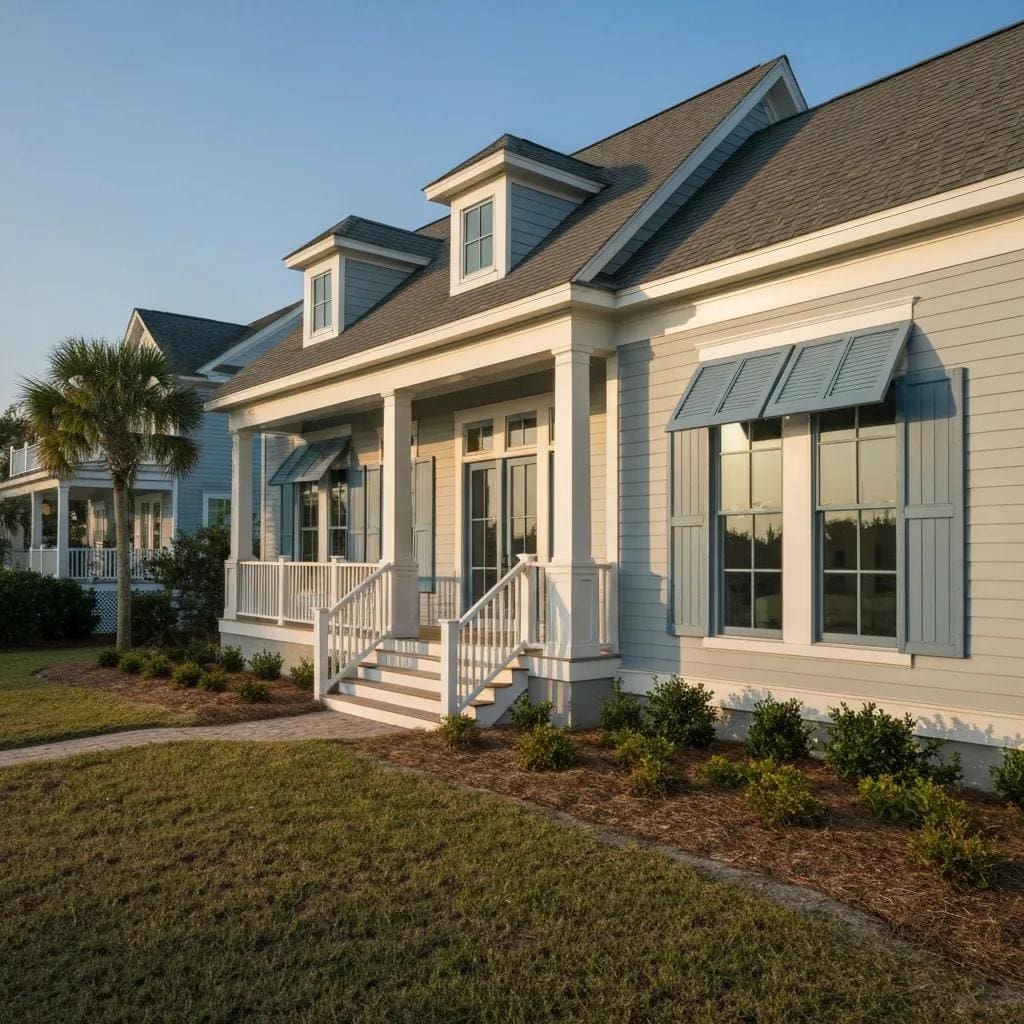
To improve approval odds, prepare a formal packet that addresses likely HOA concerns—visual impact, permanence, and code compliance—and include installation timelines and warranty details to reassure the board. A strong packet should contain product photos, color/finish samples, certified impact reports, installation drawings, and citations of applicable local codes. Offering aesthetic alternatives—like Bahama-style decorative shutters or recessed roll-downs—and volunteering to work with the HOA’s architectural committee helps align safety needs with neighborhood standards. Having a contractor involved is useful: installers can supply certified documentation and explain how marine-grade fasteners and finishes reduce visible corrosion and maintenance needs.
Steps for preparing an HOA packet:
- Assemble product literature: Include certified impact reports and manufacturer installation instructions.
- Provide visual mockups: Show how shutters will look closed and stored.
- Cite code and inspection facts: Explain how the chosen shutters meet local building code and inspector expectations.
How Does American Hurricane Shutters Ensure Code-Compliant Installation and Compliance?
American Hurricane Shutters focuses on engineered hurricane protection for homes and businesses across coastal North and South Carolina. We combine technical design, material selection, and permit management to produce installations that meet local codes. Our process centers on custom design-pressure analysis, corrosion-resistant materials—like 6063-T6 marine-grade aluminum and 18-8 stainless steel fasteners—and coordinated permit submittals and inspections with local building departments. Typical project steps include a site assessment, DP calculation tied to the local wind-zone map, product selection using certified impact ratings, and a documented installation sequence inspectors can follow. Our case examples include a high-wind attachment plan in New Hanover County, a permitted beachfront installation in Horry County, and a commercial upgrade where certified roll-downs replaced non-compliant temporary panels.
We also offer free estimates and guidance to help homeowners understand options and next steps.
What Is the Role of Custom Design Pressure Analysis in Meeting Local Codes?
Design pressure (DP) analysis translates mapped wind speeds and building geometry into the pressure values shutters and anchors must resist. A custom DP calculation ensures the chosen system meets the loads inspectors expect for the specific site. A professional DP assessment looks at wind exposure, building height, and opening size to produce DP values in psf, which guide anchorage spacing, fastener selection, and member sizing. Including a documented DP worksheet with permit submittals reduces review questions by showing the engineering basis for the chosen configuration. Using a specialist for DP analysis lowers the risk of under-sized anchors or rejected plans—especially in jurisdictions with higher coastal wind zones.
How Do Professional Installation and Marine-Grade Materials Enhance Compliance and Durability?
Professional installation and marine-grade materials address two critical parts of a compliant shutter system: attachment hardware and corrosion resistance—both essential to long-term performance and inspector approval. Specifying 6063-T6 marine-grade aluminum for structural profiles and 18-8 stainless steel for fasteners prevents premature corrosion in salt-air environments and maintains connection strength under repeated loads. Installers following certified methods ensure correct through-bolt patterns, recommended edge distances, and track alignment so the system resists the specified DP during storms. Routine maintenance—such as periodic lubrication of moving parts and checking fastener torque—helps homeowners preserve performance and keep the documentation insurers and inspectors may request.
What Are the Benefits of Installing Code-Compliant Hurricane Shutters in the Carolinas?
Code-compliant hurricane shutters provide measurable safety, insurance, and resale benefits by protecting the building envelope, reducing wind-driven debris damage, and creating documented mitigation that insurers recognize. Certified installations lower the chance of structural and contents loss and provide the paperwork insurers typically require to consider windstorm mitigation credits. Beyond safety, compliant shutters can increase marketability in coastal neighborhoods where buyers value verified protection. The points below outline how certified shutters can affect insurance premiums and resale value, followed by a benefits table with example metrics homeowners can use when evaluating options.
Insurers often offer credits or reduced deductibles when mitigation measures are documented and inspected, so certified shutters can directly influence insurance outcomes.
- Lower risk of wind and impact damage: Certified shutters reduce the likelihood of broken glass and water intrusion.
- Insurance mitigation potential: Properly documented installations are eligible for insurer review for premium credits or reduced wind deductibles.
- Resale and appraisal benefits: Verified storm protection can boost buyer confidence and marketability in coastal areas.
- Safety and continuity: Less damage means quicker recovery and fewer emergency repairs.
These advantages form the practical case for investing in compliant shutters and for keeping inspection paperwork and certifications for insurance and resale purposes.
Benefits table: The table below quantifies typical homeowner benefits and the kinds of documentation or outcomes associated with each benefit to support decision-making.
While specific insurance discounts and resale uplifts depend on local markets and insurer policies, keeping certified product documentation and inspection sign-offs is essential to capturing these benefits.
If you’re ready for a free estimate or need help navigating permits and HOA approval, contact us through the company’s contact page or our Google Business Profile to begin a site assessment and permit-readiness review.
Frequently Asked Questions
What should I consider when choosing hurricane shutters for my home?
Start with the shutter type (accordion, roll-down, panels, Bahama), then check design pressure (DP) ratings and impact certifications. Verify local building codes and HOA rules, and decide whether you’ll hire a pro or DIY the install. Consider long-term maintenance and how the system performs in severe weather; certified products and professional installation reduce risk and simplify permits.
How can I ensure my hurricane shutters meet insurance requirements?
Choose certified, code-compliant shutters and keep the paperwork: product certifications, installation reports, and inspection approvals. Share those documents with your insurer to ask about mitigation credits or deductible reductions. Regular maintenance and periodic inspections also help maintain compliance and claims confidence.
What are the costs associated with installing hurricane shutters?
Costs vary by shutter type, home size, and installation complexity. Material costs commonly range from about $15 to $50 per square foot, plus labor. Get multiple quotes from licensed installers and weigh long-term benefits—insurance savings and higher resale value often offset a portion of the initial investment.
How do I prepare for a hurricane shutter inspection?
Make sure installation is complete and functional, and gather documentation: product certifications, installation instructions, and the DP worksheet. Know local inspection requirements and consider having your installer present to answer technical questions—this usually smooths the approval process.
What are the differences between permanent and removable hurricane shutters?
Permanent shutters stay mounted year-round (roll-downs, integrated systems) and offer continuous protection and convenience. Removable options are stored when not in use and installed as storms approach; they can be less visible but require storage and labor. Choose based on aesthetics, frequency of use, and HOA rules.
Can I install hurricane shutters myself, or should I hire a professional?
DIY is possible for some systems, but hiring a professional is recommended to ensure code compliance, correct anchoring, and proper paperwork. Professionals perform DP analysis, specify appropriate materials, and navigate permitting. Improper installation can create safety hazards and may void warranties.
What are the environmental considerations for hurricane shutter materials?
In coastal environments choose materials that resist corrosion—marine-grade aluminum and stainless steel fasteners perform well in salt air. Look for energy-efficient products and, if available, manufacturers using recycled or low-impact materials. Durable materials reduce replacement frequency and lower lifetime environmental impact.
Conclusion
Knowing local hurricane shutter regulations in the Carolinas is key to protecting your property and avoiding permit headaches. Learn the applicable building codes, prepare the right permit paperwork, and work with professionals when needed to ensure a compliant installation. American Hurricane Shutters can help you through design, permitting, and installation—request a free estimate to get started and take the next step toward securing your home.