
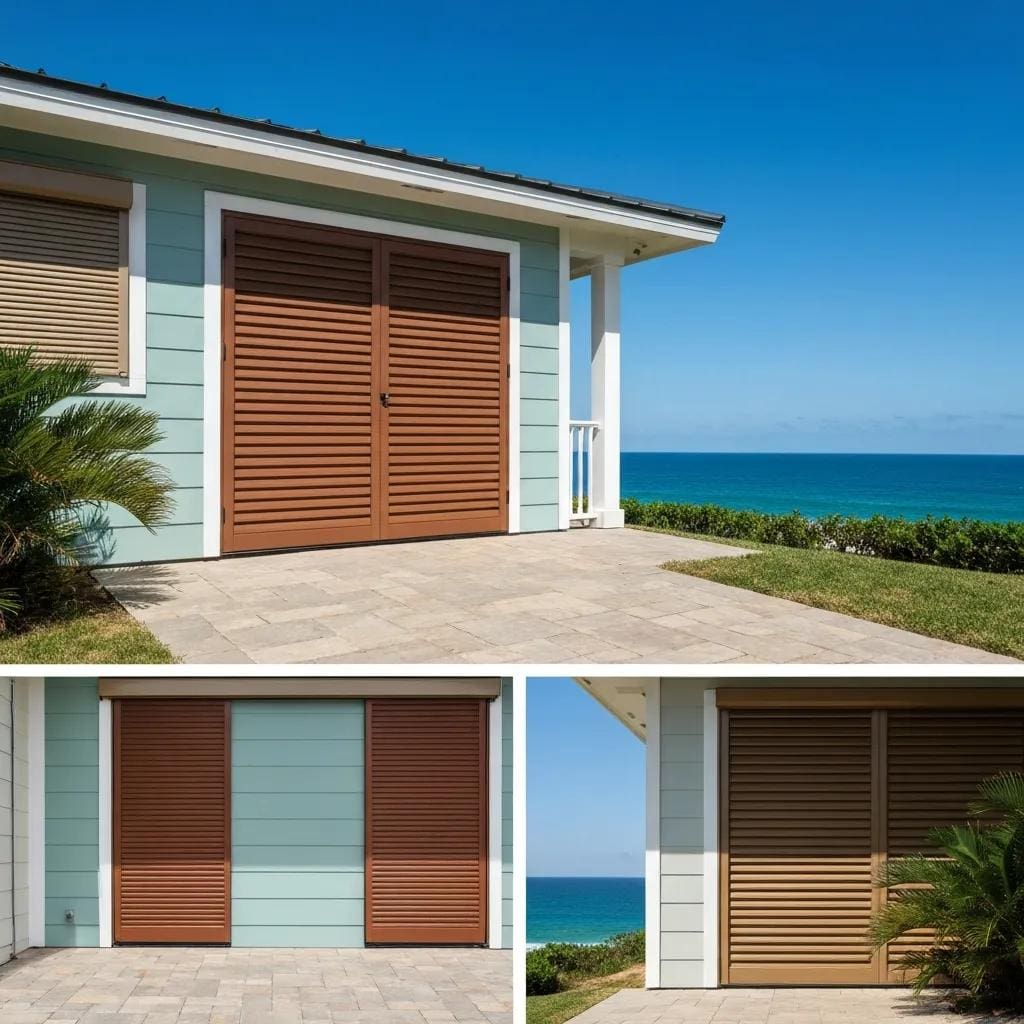
Hurricane Shutter Durability: Which Systems Last the Longest and How to Pick the Most Durable Materials
Durability for hurricane shutters isn’t just about standing up to one storm — it’s about surviving repeated wind loads, impacts, salty air and sun for many years with reasonable upkeep. This guide defines how lifespan is measured for exterior storm protection, compares the major shutter systems and materials, and offers practical selection and maintenance advice tailored to coastal North and South Carolina. You’ll discover which shutter types (for example, accordion and roll‑down) tend to last longest, why powder‑coated aluminum and UV‑stabilized polycarbonate perform better by the shore, and which installation and care choices extend service life. After a technical overview of longevity drivers, we compare shutter types and materials, then lay out seasonal and annual maintenance steps. For local installations and free, customized estimates, American Hurricane Shutters is listed as a regional provider with an online cost‑calculator and product pages to help turn this durability guidance into a working solution.
What factors determine hurricane shutter durability and lifespan?
The lifespan of a shutter depends on several interacting attributes: impact resistance, wind (Design Pressure) ratings, corrosion and UV resistance, installation quality, and maintenance frequency. Each factor contributes to common failure modes — fastener corrosion, fatigue at attachment points, gasket or seal degradation, and mechanical wear — so evaluating them together produces realistic service‑life expectations. Coastal exposure in NC and SC accelerates corrosion and UV damage, making material choice and stainless fasteners especially important. Understanding these drivers helps homeowners prioritize investments that reduce long‑term costs and failure risk.
Key durability factors to consider:
- Impact resistance (verified by missile‑level tests and certifications)
- Wind rating / Design Pressure (DP) matched to local loads
- Corrosion resistance and UV stability for coastal conditions
- Installation quality, including correct fasteners and anchorage
- Routine maintenance and post‑storm inspections
These elements interact: a high DP rating won’t help if fasteners rust, and a corrosion‑resistant material won’t perform without proper installation. With that in mind, the next section explains how impact testing and wind ratings predict long‑term performance.
How do impact resistance and wind ratings affect shutter longevity?

Impact resistance and Design Pressure (DP) ratings quantify a shutter’s structural capacity and predict how it will behave under storm loads. Impact tests show how materials absorb or deflect flying debris; DP indicates the membrane and edge loads a system can withstand without permanent deformation. Higher impact and DP ratings reduce damage frequency and limit progressive failures, so systems designed to meet or exceed local code loads tend to last longer. Look for shutters with clear DP values and impact certification to ensure reliable performance through repeated storms. Correct DP specification also lowers cyclic fatigue at connections — a common long‑term failure point in coastal installations.
Stronger ratings change maintenance needs: a robust, well‑engineered system typically needs fewer repairs but still requires periodic checks of fastener torque and seal condition. In short, testing plus proper installation determine real service life.
Why are corrosion resistance and UV protection critical for coastal shutters?
Corrosion resistance and UV protection are central to coastal shutter longevity because salt spray and strong sunlight speed up material breakdown. Salt promotes galvanic and pitting corrosion where different metals meet; UV light degrades paints, polymers and sealants, causing embrittlement and coating loss. Choosing powder‑coated aluminum, UV‑stabilized polycarbonate, and specifying 316 stainless steel fasteners reduces these risks with durable surface protection and corrosion‑resistant attachment points. In corrosive settings, protective coatings and stainless hardware can separate a 10‑year life from a 25‑year one.
Proactive material choices must be paired with ongoing inspection of coatings and gaskets; scheduled recoating or gasket replacement restores protection and prevents accelerated failure that shortens service life.
Which hurricane shutter types offer the longest lifespan?
Shutter types have different durability profiles based on materials, mounting complexity and moving parts. Permanent systems like roll‑down and accordion shutters generally provide the longest lifespans because they use engineered aluminum slats or panels, continuous tracks and strong anchorage that spread loads and reduce removable fastener points. Removable panels and fabric screens usually need more frequent replacement. The table below summarizes typical lifespan trade‑offs for common coastal shutter types.
Intro to comparison table: Use this quick comparison to weigh shutter type, construction, lifespan, maintenance needs and relative cost.
Overall, roll‑down and accordion systems commonly deliver the longest useful life when built with powder‑coated aluminum and installed with corrosion‑resistant hardware. Removable panels and fabric systems are less permanent but often cheaper up front and more flexible. Use these trade‑offs to decide by budget, opening size and how permanent you want the solution to be.
Durability pros and cons at a glance:
- Accordion shutters:Permanent, reliable protection for large openings.Simple manual operation with relatively few moving parts.Hinges and tracks are wear points and should be inspected regularly.
- Roll‑down shutters:High DP capability and continuous coverage reduce failure points.Motorized models add convenience but need periodic servicing.Tracks concentrate loads — correct installation is critical.
These comparisons explain why permanent aluminum roll‑down and accordion systems typically offer the best long‑term value for coastal homes. For tailored product information and free estimates, American Hurricane Shutters provides detailed product pages and a cost‑calculator to produce custom quotes.
How durable are accordion shutters and what materials do they use?
Accordion shutters are permanent systems made from interlocking, powder‑coated aluminum panels that fold to the side when retracted and lock across openings when closed. Their permanent mounting reduces removable panel handling, and the aluminum construction resists corrosion when properly finished. Common wear points are hinges and locking hardware. With regular care — hinge lubrication, periodic stainless fastener checks and touch‑ups to the powder coat — well‑maintained accordion shutters typically last 20–30 years. The system’s continuous anchorage spreads loads across the opening, lowering stress concentrations that can cause premature failure in removable systems.
Because they stay mounted year‑round, accordions are especially durable on large openings where repeated panel handling would otherwise speed wear.
What is the lifespan of roll‑down hurricane shutters compared to other options?
Roll‑down shutters use interlocking aluminum slats that coil into a housing above the opening and run in side guides. Their slat‑and‑track design resists high design pressures and minimizes exposed fasteners, so roll‑downs typically serve 20–30 years when built with powder‑coated aluminum and corrosion‑resistant hardware. Motorized units offer convenience but add motor and gearbox maintenance; manual crank options reduce that mechanical upkeep. Track wear and motor service are the main maintenance items that affect lifespan.
Because they can be certified to specific DP values and have continuous slats and anchorage, roll‑downs are often the most reliable long‑term choice for high‑risk coastal exposures, provided owners follow recommended inspection and motor‑service schedules.
How do materials like aluminum, steel and polycarbonate affect shutter durability?
Material choice determines impact resistance, corrosion resistance, UV stability, weight and maintenance needs — all of which shape real‑world lifespan near the coast. Aluminum offers a good balance of strength, weight and corrosion resistance (especially when powder‑coated); steel provides higher raw impact strength but needs more aggressive corrosion protection; polycarbonate delivers outstanding impact resistance and UV‑stabilized clarity for transparent panels. The table below summarizes these material trade‑offs to guide selection.
Intro to materials table: This comparison highlights how common shutter materials perform for impact resistance and coastal durability.
What are the durability advantages of aluminum vs. steel shutters?
Aluminum has a superior strength‑to‑weight ratio, good natural corrosion resistance when anodized or powder‑coated, and usually needs fewer structural supports because it’s lighter. That translates to lower maintenance, easier installation and long service life in salt‑air when coatings are maintained. Steel delivers higher raw impact strength and can be appropriate in targeted high‑impact situations, but it requires thicker coatings, careful galvanic planning and more frequent rust inspections. For most coastal residential uses, aluminum provides the best balance of durability and upkeep.
Practical guidance: choose aluminum for broad coastal applications and consider steel only where specific high‑impact protection justifies the extra maintenance.
How does polycarbonate improve impact and corrosion resistance?
Polycarbonate (Lexan) panels offer near‑unbreakable impact resistance and are immune to metal corrosion, making them ideal for transparent storm panels where visibility is desired. UV‑stabilized grades resist yellowing and embrittlement, preserving clarity and strength over time. Downsides include susceptibility to surface scratches and the need to monitor gaskets to prevent sand or salt ingress. Polycarbonate typically costs more than basic aluminum panels but provides a corrosion‑free, very impact‑resistant option for coastal homes.
Polycarbonate is a strong choice for owners who want clear protection without metal corrosion concerns.
Proper UV stabilization is key to keeping polycarbonate panels performing and looking good over time.
UV Stabilization Enhances Polycarbonate Durability
UV‑stabilized polycarbonate absorbs damaging wavelengths below roughly 370 nm at the surface layer, preventing the surface‑level yellowing and embrittlement seen in unstabilized material. Effective UV stabilizers therefore extend service life and preserve performance and appearance for polycarbonate exposed to sunlight.
How can proper maintenance extend the lifespan of hurricane shutters?

A proactive maintenance plan turns rated durability into real lifespan by addressing wear points before they fail. Regular tasks — cleaning tracks and guides, lubricating moving parts, inspecting fasteners and seals, touching up paint and servicing motors — keep small issues from becoming catastrophic. Seasonal and post‑storm checks catch corrosion, loose anchors and motor problems early and can add years to service life. The maintenance table below maps common tasks to frequency and outcomes so owners can plan effectively.
Intro to maintenance table: Below are recommended tasks by shutter type, suggested frequency, effort and the expected result for lifespan preservation.
Following these tasks consistently lowers the chance of sudden failure and preserves DP performance between professional visits. Use the simple homeowner schedule below to stay on track.
Maintenance checklist for homeowners:
- Quarterly visual inspection: Check for corrosion, loose fasteners and seal gaps.
- Quarterly cleaning: Rinse salt and debris from tracks and surfaces to reduce abrasive wear.
- Annual lubrication/service: Lubricate moving parts and arrange a professional motor tune‑up if applicable.
- Post‑storm inspection: After significant events, inspect mounts, hardware and panels for hidden damage.
What maintenance practices maximize accordion and roll‑down shutter durability?
Maximizing life for accordion and roll‑down systems means focusing on hinges and tracks. For accordions: lubricate hinges periodically, inspect hinge pins and touch up any worn powder‑coat areas to prevent metal fatigue and moisture entry. For roll‑downs: clean and lubricate guides, check slat alignment and service the motor drive as needed to reduce friction and binding. Inspect stainless fasteners and gaskets annually, and address minor corrosion quickly to avoid costly anchor or panel replacement.
These targeted steps keep operation smooth and coatings intact, reducing the risk of structural failure under repeated DP cycles.
When should professional inspections and servicing be scheduled?
Professional inspections catch issues beyond homeowner capability — verifying anchor torque, confirming DP alignment and running motor diagnostics. Schedule a qualified inspection at least once a year and always after severe storms with high winds or debris impact. Technicians can measure torque, assess fatigue at critical joints and recommend recoating or fastener replacement where corrosion has progressed. Prompt professional service after signs of binding, unusual motor noise or visible rust prevents small defects from becoming system failures.
Regular professional oversight complements homeowner maintenance and helps preserve warranties and rated performance.
Why does American Hurricane Shutters’ installation and design improve shutter durability?
When installation and engineering match local environmental loads, shutters deliver their rated longevity. American Hurricane Shutters focuses on engineered solutions that include Design Pressure analysis and corrosion‑resistant installation practices to ensure systems withstand regional wind loads and salt‑air conditions. Their local experience across coastal North and South Carolina guides product selection — for example, powder‑coated aluminum roll‑downs and accordion systems — and installation details like specifying 316 stainless steel fasteners to protect attachment points. This engineering focus reduces premature failures caused by improper anchorage or incorrect DP specification.
How does 18‑8 stainless steel installation enhance longevity?
Using 18‑8 stainless steel fasteners greatly reduces galvanic corrosion and rust‑related loosening at attachment points — common failure locations for shutters in salt‑air environments. Stainless hardware retains torque and clamping force longer than standard steel, preventing progressive loosening that leads to fatigue and movement under cyclic wind loads. That lowers water intrusion at penetrations and helps stop corrosion from spreading into surrounding materials. Specifying stainless fasteners for exterior attachment points measurably extends system life and cuts the need for corrective maintenance.
Corrosion‑resistant fasteners are therefore a key factor in maintaining both the structural and visual performance of shutter systems.
What role does Design Pressure analysis play in durable shutter performance?
Design Pressure (DP) analysis quantifies expected wind loads and determines the shutter strength, anchorage and spacing needed to resist those loads over time. A tailored DP calculation ensures the selected shutter type and mounting pattern distribute loads into the building structure without exceeding material fatigue limits. Properly engineered systems reduce cyclic stress on slats, tracks and fasteners, limiting progressive damage from repeated storms. In short, accurate DP analysis turns product ratings into dependable, long‑lasting performance by matching design to local wind climate and exposure.
Correct DP specification also informs inspection intervals and maintenance priorities, linking engineering to lifecycle management.
Shutter systems that resist windborne debris play an important role in preventing major interior damage during hurricanes.
Hurricane Shutter Performance Against Windborne Debris
Experimental and post‑storm assessments show shutter systems are crucial for preventing window breakage and subsequent interior damage during high‑wind events. This study evaluates impact resistance of different shutter materials and designs against simulated debris such as roof tiles, highlighting how design and material choices affect protective performance.
How does shutter durability affect property value and insurance savings?
Durable hurricane protection delivers clear financial benefits: lower repair and replacement costs, less downtime after storms, and potential insurance savings when shutters are certified and code‑compliant. Buyers along the NC and SC coasts value permanent, well‑documented protection that reduces perceived risk, which can improve resale appeal and support higher offers. Many insurers provide credits for certified, properly installed shutters when homeowners can supply documentation and inspection records, which may lead to premium reductions. Calculating ROI means weighing upfront cost against avoided repairs, reduced maintenance and possible insurance discounts.
This financial view helps owners prioritize which openings to protect first based on risk and return.
Can durable shutters reduce insurance premiums in coastal NC and SC?
Insurers usually require proof of certified, code‑compliant products and professional installation to offer premium credits, so keeping documentation — product specs, DP analyses and inspection reports — is essential. Durable, approved shutters with clear installation records make it easier to demonstrate lowered exposure and pursue potential discounts. Policy specifics vary by carrier, so homeowners should consult their insurer with certification and inspection documentation to explore credits. Maintaining an inspection and maintenance log improves the chances of receiving insurer recognition of reduced risk.
Good documentation directly supports the financial case for investing in long‑lasting systems.
How does long‑lasting hurricane protection increase home and business value?
Long‑lasting protection reduces expected lifecycle costs of managing storm risk and shows up as a built‑in safety feature buyers and tenants notice. Durable shutters lower maintenance budgets, shorten post‑storm downtime and provide visible proof of risk mitigation — all of which enhance marketability for coastal properties. When backed by DP reports, installation records and maintenance logs, shutters become verifiable assets listed as resilience features in property disclosures and marketing materials. For businesses, dependable shutters cut operational interruption risk, making a strong economic case for investing in higher‑durability systems up front.
If you’re ready to turn durability guidance into a tailored plan, American Hurricane Shutters offers free estimates through its product pages and online cost‑calculator and can advise on selection, installation and maintenance to maximize life and return.
Frequently Asked Questions
What are the best practices for maintaining hurricane shutters?
Stick to a regular maintenance routine: visually inspect shutters quarterly for corrosion and loose fasteners, clean tracks and surfaces to remove salt and grit, and lubricate moving parts. Arrange a professional inspection once a year and always after major storms. Following these steps keeps shutters ready and can significantly extend their useful life.
How do I choose the right hurricane shutter for my home?
Choose based on material, certified DP rating and your local environment. For coastal properties, powder‑coated aluminum and UV‑stabilized polycarbonate resist salt and sun. Permanent systems like roll‑down or accordion shutters typically offer greater longevity. Talk with a local expert to match protection, budget and openings to the best solution for your home.
What is the impact of hurricane shutters on home insurance premiums?
Durable, certified and professionally installed shutters can lead to insurance savings, but insurers usually require documentation and proof of compliance. Keep product specs, installation records and inspection reports handy, and consult your carrier to learn what discounts are available for your policy.
How often should hurricane shutters be inspected by professionals?
Schedule a professional inspection at least once a year and immediately after severe storms. Technicians can check anchor torque, confirm DP compliance and run motor diagnostics — things homeowners typically can’t verify on their own.
What are the advantages of using stainless steel fasteners in shutter installation?
Stainless steel fasteners resist corrosion in salt‑air environments and retain torque longer than standard steel, reducing the risk of loosening and fatigue at attachment points. That reliability helps prevent structural and water‑intrusion problems and lowers corrective maintenance over the long run.
Can I install hurricane shutters myself, or should I hire a professional?
Some shutters are DIY‑friendly, but professional installation is usually recommended. Pros ensure correct DP specification, proper anchorage and code compliance — all of which maximize effectiveness and longevity. Professional installs often include warranties and documentation useful for insurance.
What should I do if my hurricane shutters are damaged after a storm?
When it’s safe, document visible damage with photos, then inspect for bent panels, loose fasteners or damaged tracks. For minor issues, arrange repairs quickly; for significant damage, contact a qualified technician. Prompt action reduces the chance of further deterioration and gets your protection back in service sooner.
Conclusion
Choosing durable hurricane shutters is one of the best long‑term investments for coastal properties. Roll‑down and accordion systems typically provide the best longevity when paired with corrosion‑resistant materials and correct installation. Understanding longevity drivers — material choice, DP ratings, proper anchorage and regular maintenance — lets homeowners protect value and reduce lifecycle costs. Professional installation and documented maintenance keep shutters performing as intended. For customized recommendations and free estimates, visit American Hurricane Shutters to explore products and use the online cost‑calculator.