

Top Common Issues With Roll Down Hurricane Shutters — And How to Resolve Them
Roll-down hurricane shutters use interlocking slats that run in side tracks to protect windows and doors from wind and flying debris. Catching issues early and choosing the right repair approach preserves safety, keeps you code-compliant, and avoids larger costs down the road. This guide covers the most common mechanical and electrical faults with roll-down systems, practical DIY troubleshooting you can do safely, and clear signs that it’s time to call a professional. You’ll learn to spot jamming, motor failures, corrosion, and misalignment; follow step-by-step fixes for stuck mechanisms; diagnose motor and remote problems; and apply coastal maintenance practices to limit salt damage. Sections include diagnostic checklists, lubricant recommendations, corrosion remediation, and an annual inspection schedule tailored for coastal North and South Carolina. We also include commonly searched terms like roll down shutter maintenance, hurricane shutter troubleshooting guide, and motorized roll-down shutters so you can find the specific guidance you need and choose the best next step.
What Are the Most Common Problems With Roll Down Hurricane Shutters?
Roll-down shutters tend to show the same problems over time — issues that affect safe operation and shorten service life. The usual failure modes are mechanical jamming in the tracks, motor or electrical problems in powered units, corrosion from coastal exposure, misaligned slats or guides that cause uneven travel, noisy operation from worn parts, and faults with remotes or sensors. Knowing these categories helps you prioritize safety first — don’t force a jammed shutter, and cut power if there’s an electrical fault — because improper action can make damage worse or void warranties. Below are short descriptions and quick remedies to help you recognize symptoms and decide the next step.
Common problems and quick remedies:
- Jammed Tracks: Dirt, grit, or bent guides cause binding; clear debris and inspect tracks for dents or deformation.
- Motor Failure: No movement or intermittent travel often points to power loss, thermal cutouts, or worn motor parts; check breakers and follow reset steps.
- Salt Corrosion: Rusted fasteners and corroded slats increase friction; remove corrosion and apply marine-grade inhibitors.
- Misalignment: Uneven travel or slats catching means guide or fastener problems; realign rails and check mounting points.
- Remote/Sensor Faults: Unresponsive controls or false stops usually need fresh batteries, re-pairing, or sensor cleaning.
Spotting which category fits your issue narrows the troubleshooting path and leads to targeted cleaning, lubrication, or motor checks described below.
Why Do Roll Down Shutters Get Stuck or Jammed?
Shutters jam when debris, bent parts, or lack of lubrication raise friction between slats and tracks. Common causes are sand and salt buildup in guide channels, small objects lodged in the track, dented slats or bent guide edges from impacts, and thermal expansion that changes clearances in hot weather. Homeowners can do a visual sweep of the track and try the manual override to see whether the roller tube turns freely — but never force a stuck curtain, since that can shear slat edges or damage the roller tube. Preventing jams is mostly about regular rinsing, careful track cleaning, and using the right lubricant, which we cover in the cleaning and lubrication section below.
What Causes Motor Malfunctions in Electric Roll Down Shutters?
Motor problems are usually electrical or mechanical: power interruptions, tripped breakers, blown fuses, thermal cutouts, worn brushes or gears, or control wiring and sensor faults. Typical symptoms include total loss of motion, shutters stopping mid-travel, grinding or strained noises from an overloaded motor, or repeated thermal trips. A safe, systematic check starts with verifying power at the breaker and any inline switches, then using the manual override to rule out mechanical binding, and finally inspecting the motor housing for overheating and corroded connections. Simple control resets or re-pairing often fix communication faults; later sections show reset steps and when to call a technician.
How Can You Fix Stuck or Jammed Roll Down Hurricane Shutters?
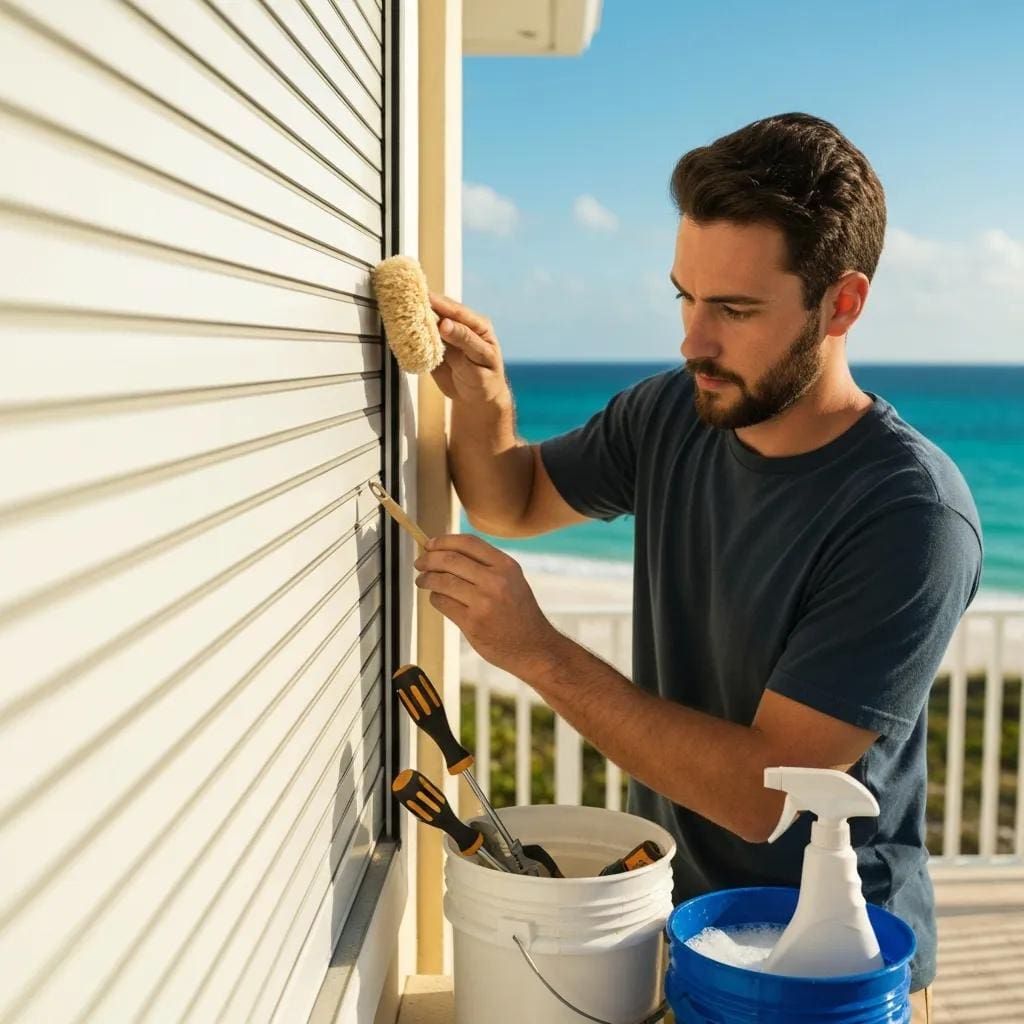
Safely addressing a jammed shutter begins with isolating power and doing non-destructive inspections so you don’t make the problem worse. Start by switching the breaker off for motorized shutters and confirm manual override operation to see whether the obstruction is mechanical or electrical. Next, inspect guide tracks and slat edges for visible debris, dents, or foreign objects; clear grit with a soft brush and rinse salt buildup with fresh water when practical. Finish with appropriate cleaning and lubrication, and only attempt gentle realignment when fasteners and guides are accessible — never force slats back into the track. The subsections below walk through cleaning, lubrication, and safe track realignment step by step.
Immediate safe steps to unjam a roll-down shutter:
- Power OFF and Verify: Switch the breaker off and confirm the motor is de-energized before touching the mechanism.
- Manual Override Test: Use the crank or manual release to check whether the curtain moves and to locate the jam.
- Visual Track Inspection: Scan the full height of the tracks for debris, dents, or trapped objects and remove what you can safely reach.
These conservative steps help avoid broken slats or a damaged roller tube and clarify whether you can continue with cleaning or need professional help.
What Are the Best Cleaning and Lubrication Practices for Smooth Operation?
Good cleaning and lubrication cut friction and slow salt-related wear so shutters run smoothly longer. Rinse tracks and slats with fresh water to remove salt and abrasive sand, then scrub tracks with a mild detergent and a soft brush to dislodge trapped particles. For lubrication, choose silicone-based sprays that leave a dry, non-greasy film and resist attracting dust; avoid motor oil or heavy grease in tracks because they collect grit and accelerate wear. Apply lubricant sparingly along guide surfaces and on slat edges where they slide, then cycle the shutter slowly to spread the product evenly and confirm smooth motion.
This table compares common track lubricants, suggested frequency, and pros/cons to help you pick the right product.
Combined with routine cleaning, the right lubricant choice cuts jamming risk and keeps shutters ready for storm season. The next subsection explains safe, minor track realignment.
How Do You Realign Misaligned Roll Down Shutter Tracks and Slats?
Minor misalignment can usually be fixed with careful adjustment of guide rails, fasteners, and slat seating — but use conservative force and know the mounting layout before you start. Support the curtain partially open and inspect fasteners along the headbox and guides for looseness; gently tighten any loose screws to see if travel improves. If a guide is slightly bent, reshape it carefully with padded tools — never hammer near the slats — and always test with the manual crank before switching back to motorized control. Replace damaged slats or badly deformed track sections rather than forcing them back into service; repeated forcing risks damaging the roller tube and leads to costlier repairs. Careful adjustment and testing restore smooth travel and reduce repeat jams.
How Do You Troubleshoot and Repair Motor and Remote Control Issues?
Troubleshooting motors and remotes follows a clear checklist: confirm power and breakers, test mechanical freedom with the manual override, check remote batteries and pairing, and inspect sensors and wiring for corrosion or loose connections. Start with the simplest fixes — reset breakers and swap batteries — because they often restore operation without invasive work. If the motor runs then stops, let it cool and check for binding; mechanical drag in the tracks commonly causes motor overload and repeated trips. For complex electrical faults or worn motor internals, use the diagnostic reset steps below and then decide if professional motor diagnostics are needed.
The diagnostic checklist below helps identify motor or control causes quickly:
- Power Check: Make sure the circuit breaker and any inline power switches are ON and the circuit is live.
- Manual Override: Use the crank to confirm the curtain moves freely and rule out mechanical binding.
- Remote and Sensor Check: Replace remote batteries and try re-pairing; clean sensor lenses of salt and debris.
- Motor Reset: Follow the manufacturer’s reset procedure or let the motor cool before trying again; stop and call a pro if it keeps tripping.
Work through these steps to separate electrical faults from mechanical binding, then use the motor reset guidance below for conservative restart attempts.
What Are the Steps to Diagnose and Reset a Faulty Shutter Motor?
Diagnosing a shutter motor should begin with simple checks and a manual override so you don’t mask a mechanical problem with an electrical reset. First, check the circuit breaker and any fused inline disconnects to confirm power. Use the manual crank to verify the curtain moves freely and that binding isn’t overloading the motor. Then locate the motor housing and follow any manufacturer-specified reset button or procedure — pressing a reset after clearing an obstruction can often recover the motor from a thermal or electronic trip. If the motor repeatedly trips its thermal protector or you smell burning, stop and schedule a professional inspection rather than attempting repeated resets.
Common motor symptoms and quick diagnostics:
If diagnostics point to internal motor damage, arrange professional motor diagnostics and repair to ensure safe, code-compliant replacement or service.
How Do You Fix Remote Control and Sensor Malfunctions?
Remote and sensor problems are often solved with simple maintenance: fresh batteries, re-pairing, cleaning sensor windows, and checking for RF interference. Swap in new batteries and follow the manufacturer’s re-pairing steps — many faults clear after a successful re-pair. Inspect sensors and photocells for salt residue, nests, or misalignment; clean lenses gently and realign sensors to their proper facing to restore reliable detection and stop functions. If nearby wireless equipment may be causing interference, test operation with those devices off. Persistent issues after these checks usually require professional electrical diagnostics.
If DIY diagnostics don’t resolve the issue, professional motor and control diagnostics are the next step. Technicians can perform electrical testing, replace worn motor parts, and safely reprogram remotes and sensors — protecting warranty coverage and lowering long-term risk.
What Causes Rust and Corrosion on Roll Down Hurricane Shutters and How Do You Prevent It?
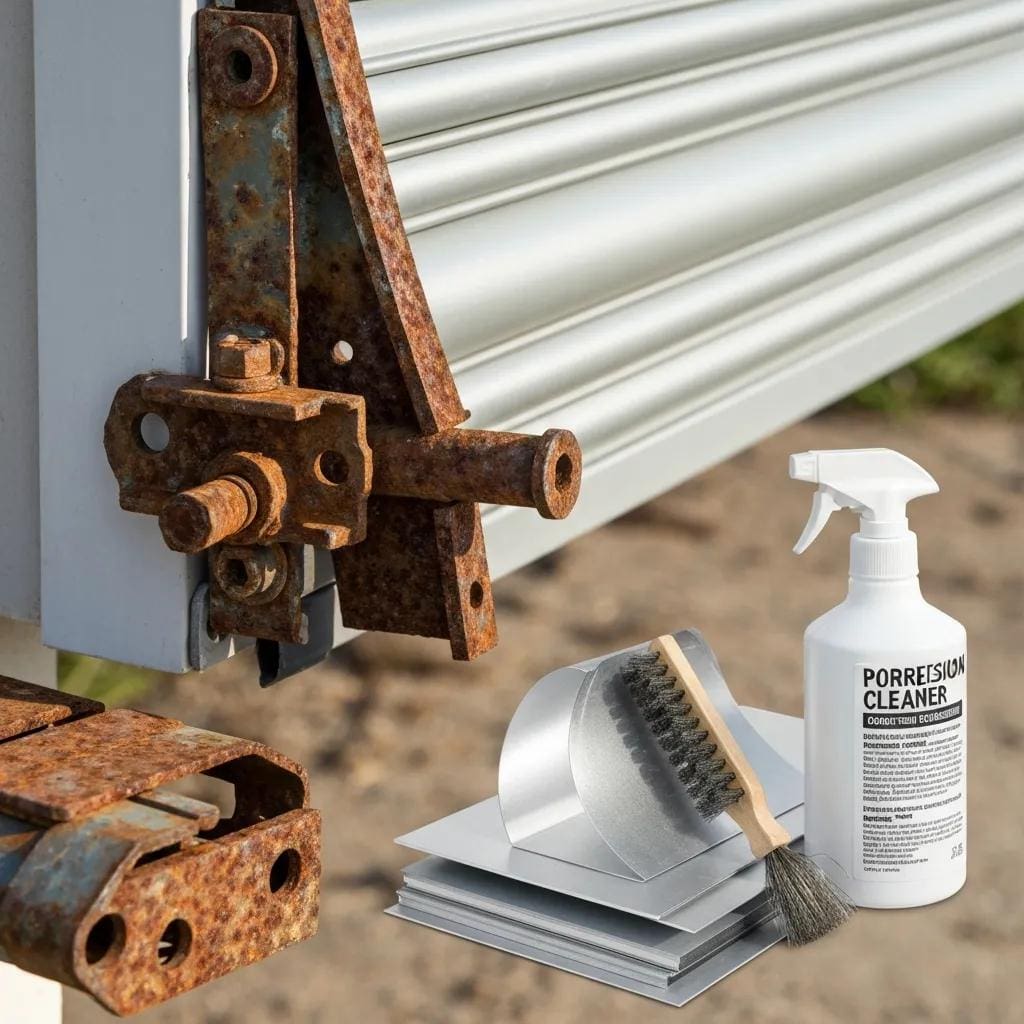
Coastal corrosion is driven by salt spray, standing water, and damage to protective coatings that expose metal to chloride ions. Aluminum slats, steel fasteners, and motor housings each have different vulnerabilities. Salt-laden air accelerates pitting and galvanic corrosion where dissimilar metals touch or where finishes are scratched. Standing water in headboxes or tracks keeps parts wet and speeds rust on fasteners and mounting points. Prevent corrosion by rinsing with fresh water, using corrosion-resistant fasteners and finishes, and repairing damaged coatings quickly to block corrosive attack.
This short EAV table maps common corrosion causes to recommended preventative actions for quick reference.
Knowing the cause-to-action link helps homeowners prioritize maintenance and choose materials and treatments that reduce long-term corrosion risk.
How Can You Remove Rust and Protect Shutters From Salt Corrosion?
Start rust removal with mechanical cleaning of loose oxidation, then follow with chemical treatment and a protective coating matched to the base material. For aluminum slats with surface staining, use a soft abrasive pad or brass brush to remove loose corrosion, then apply a marine-grade corrosion inhibitor or conversion primer before recoating with a compatible topcoat. For steel fasteners, wire-brush to bright metal, apply a rust converter, and finish with a marine-grade paint or sealant; replace severely corroded parts rather than patching. Always dry components fully, reassemble carefully, and test operation to confirm coatings haven’t trapped debris or altered clearances.
What Maintenance Practices Reduce Corrosion in Coastal Areas?
Coastal maintenance means minimizing salt contact, keeping components dry, and increasing inspection frequency compared with inland routines. Rinse shutters with fresh water after storms or heavy salt spray and schedule more frequent track cleaning and lubrication (typically 2–4 times per year depending on exposure). Use corrosion-resistant fasteners and quality finishes — aluminum parts and marine-grade coatings resist chloride attack better than untreated metals. Inspect more often so you catch early corrosion and replace affected fasteners or slats before damage reaches the roller tube or mounting points.
These preventive steps lower the chance of operation failures and lengthen service intervals; when damage exceeds routine care, professional maintenance is the next sensible step.
When Should You Call a Professional for Roll Down Shutter Repair?
Call a professional whenever electrical systems, internal motor components, structural deformation, or severe corrosion are involved — or any time safety and code compliance are in doubt. Complex jobs like motor replacement, bent roller tubes, wiring faults, major mounting damage, or shutters stuck under load require trained technicians with the right tools and safety procedures. Stop DIY attempts and call a pro if a motor keeps tripping thermally, you notice burning smells, or corrosion has undermined mounting integrity. The checklist below helps you choose a conservative, safety-first path.
Decision checklist for calling a professional:
- Electrical or motor faults: No power after breaker checks, repeated thermal trips, or unusual motor noise — call a technician.
- Structural damage: Bent roller tube, broken slats, or compromised mounting must be repaired professionally.
- Severe corrosion: Parts that have lost material or thread engagement should be replaced by a pro.
- Warranty or code concerns: Any work affecting building-code compliance should be done by a qualified installer.
For these fault types, professional service reduces risk and helps ensure repairs meet local building codes and insurance requirements.
American Hurricane Shutters provides roll-down hurricane shutters (motorized and manual), installation, maintenance, and repair services and offers free, no‑obligation estimates for homeowners considering repair or replacement. Their products meet or exceed Florida Building Code standards and favor durable materials like aluminum and Aramid fiber plus professional installation to deliver compliant, long-lasting protection for coastal properties.
How Can You Maintain Roll Down Hurricane Shutters to Avoid Common Issues?
Regular maintenance and an annual inspection reduce unexpected failures and keep shutters storm-ready. This section gives a practical cadence for cleaning, lubrication, and inspections. Seasonal checks — before and after hurricane season — are critical in coastal zones because salt and storm debris speed wear. Routine tasks include rinsing salt from slats and tracks, clearing debris from guide channels, applying silicone-based track lubricants, checking sensor alignment and remote function, and visually inspecting fasteners and seals for corrosion. The two subsections below offer a recommended task schedule and a step-by-step annual inspection you can perform safely.
Recommended maintenance tasks and frequency:
- Rinse tracks and slats: After heavy salt exposure and at least quarterly to remove corrosive salt.
- Lubricate guides: 2–4 times per year, especially before hurricane season, using silicone-based products.
- Inspect fasteners and seals: At least annually and after storms to spot looseness or corrosion.
- Test remote and sensors: Quarterly to ensure reliable operation when you need them most.
Following this schedule prevents most common operating issues and helps ensure shutters deploy reliably during storms.
What Is the Recommended Schedule for Cleaning and Lubrication?
A practical schedule balances effort with protection: rinse after storms, clean tracks quarterly, lubricate 2–4 times per year depending on exposure, and perform a full inspection annually. Before hurricane season, do a complete rinse and track cleaning, check slats for dents or damage, and apply silicone-based lubricant so shutters operate smoothly when you need them. After major storms or heavy salt events, follow up with fresh-water rinsing and re-lubrication to remove deposited chlorides. Keep a simple log of dates and actions to track wear and decide if your location needs more frequent attention.
How Do You Perform a Basic Annual Shutter Inspection?
An annual inspection checks mechanical freedom, corrosion signs, fastener security, and control reliability from headbox to sill. Start with a visual sweep of slats and tracks for dents, deep corrosion, or loose parts, then operate the shutter slowly to listen for grinding or irregular sounds that indicate binding or worn components. Tighten accessible fasteners and replace corroded hardware with corrosion-resistant alternatives. Finally, test motor function, remote pairing, and sensor alignment; record any issues and schedule professional service for anything outside basic maintenance to preserve safety and code compliance.
If you prefer professional preventive upkeep, American Hurricane Shutters offers annual maintenance services and free estimate scheduling to evaluate and service roll-down systems for coastal homes.
Frequently Asked Questions
What materials are roll-down hurricane shutters made from?
Most roll-down shutters use aluminum or steel. Aluminum is lightweight, resists rust, and is a common choice for coastal homes. Steel is heavier and stronger but needs proper coatings to resist corrosion. Some systems also use composite panels or high‑strength polymers for added durability or aesthetic reasons. Material choice affects corrosion resistance, impact performance, appearance, and long-term maintenance needs.
How do I know if my roll-down shutters need professional maintenance?
Look for persistent jamming, new grinding or squealing noises, visible corrosion that’s spreading, or electrical problems like unresponsive remotes. If your shutters haven’t been serviced in over a year or after a major storm, it’s wise to get a professional inspection. Technicians can spot issues before they become safety or code problems.
Can I install roll-down hurricane shutters myself?
Some homeowners tackle installation, but professional installation is recommended. Proper mounting, alignment, and wiring are critical for safe operation and code compliance. Poor installation can cause alignment issues, operational faults, or void warranties. Hiring a qualified installer reduces risk and ensures the system performs when you need it.
What is the lifespan of roll-down hurricane shutters?
Lifespan varies with material, maintenance, and environment. Well-maintained aluminum shutters often last 10–20 years; steel shutters can have similar ranges but may need more attention to prevent rust. Regular maintenance and high-quality initial installation significantly extend service life.
Are roll-down hurricane shutters energy efficient?
Yes. When closed, roll-down shutters add an insulating layer that can reduce heat transfer and block solar gain, helping keep interiors cooler and lowering cooling costs. They also darken rooms, which reduces heat from direct sunlight. Properly sealed shutters can contribute to overall energy savings.
What should I do if my roll-down shutters are stuck?
First, switch off power to motorized systems to avoid further damage. Inspect the tracks and slats for debris or misalignment, and use the manual override if available to see if the curtain moves. If the shutter remains stuck after basic cleaning and checks, call a professional to avoid causing damage or voiding warranties. Regular maintenance helps prevent stuck shutters.
How do I choose the right size of roll-down hurricane shutters for my windows?
Measure the window opening width and height accurately and allow space for the housing and guide tracks. Consider mounting options and any trim that may affect fit. Consulting with a professional ensures correct sizing, proper clearance, and a neat installation that provides the protection you need.
Conclusion
Regular care keeps roll-down hurricane shutters ready when storms arrive. Understanding common problems and following simple cleaning, lubrication, and inspection routines prevents many failures and improves safety. When repairs go beyond basic maintenance, American Hurricane Shutters offers professional service and maintenance tailored for coastal conditions. Contact us to schedule an inspection or get a free estimate and keep your home protected and storm-ready.