

Aesthetic Hurricane Shutters for Coastal Homes — Stylish Protection and Better Curb Appeal
Aesthetic hurricane shutters blend reliable storm protection with design choices that preserve—or even improve—your coastal home’s curb appeal. Below we explain what these shutters are, how popular styles and materials deliver both visual value and structural protection, and why custom sizing plus professional installation matter along the Carolina coast. If you’re balancing everyday priorities—views, daylight, and architectural character—with storm readiness, this guide gives clear comparisons of Bahama, Colonial, accordion, and roll-down shutters and the material trade-offs between aluminum and polycarbonate. Read on for style-fit guidance, durability notes for salt-air conditions, customization and maintenance tips, and transparent cost-estimating tools like our Hurricane Shutter Cost Calculator to generate free estimates. By the end you’ll know the style-specific benefits, how materials behave in coastal climates, what professional installation ensures for code compliance, and practical steps to estimate pricing for decorative Bahama and Colonial shutters.
What Are the Most Popular Aesthetic Hurricane Shutter Styles for Coastal Homes?
Aesthetic hurricane shutters are exterior window systems that pair storm performance with architectural character. Different operating methods and visual profiles suit a range of beach-house styles while protecting openings from windborne debris. Homeowners pick between operable and fixed designs based on sightlines, ease of use, and how much visibility they want in calm weather. Below is a short list of the top styles and a quick line on what each brings to coastal properties.
Common aesthetic shutter styles for coastal homes include:
- Bahama Shutters: A tropical, angled awning look that shades windows and closes quickly for protection.
- Colonial Shutters: A classic paired-panel design that adds symmetry and traditional curb appeal.
- Accordion Shutters: Fold-down panels that stow neatly and deploy fast for full-coverage protection.
- Roll-down Shutters: Vertical rolling panels with a low visual profile and high protection performance.
Each style balances design and function; you can choose impact-rated or decorative variants depending on protection needs. For local examples and installations across coastal North and South Carolina, American Hurricane Shutters highlights Bahama and Colonial options and offers a Hurricane Shutter Cost Calculator that converts style choices into budget-ready estimates. Next, we’ll look at how material selection changes both appearance and longevity.
How Do Bahama Shutters Enhance Coastal Home Design?
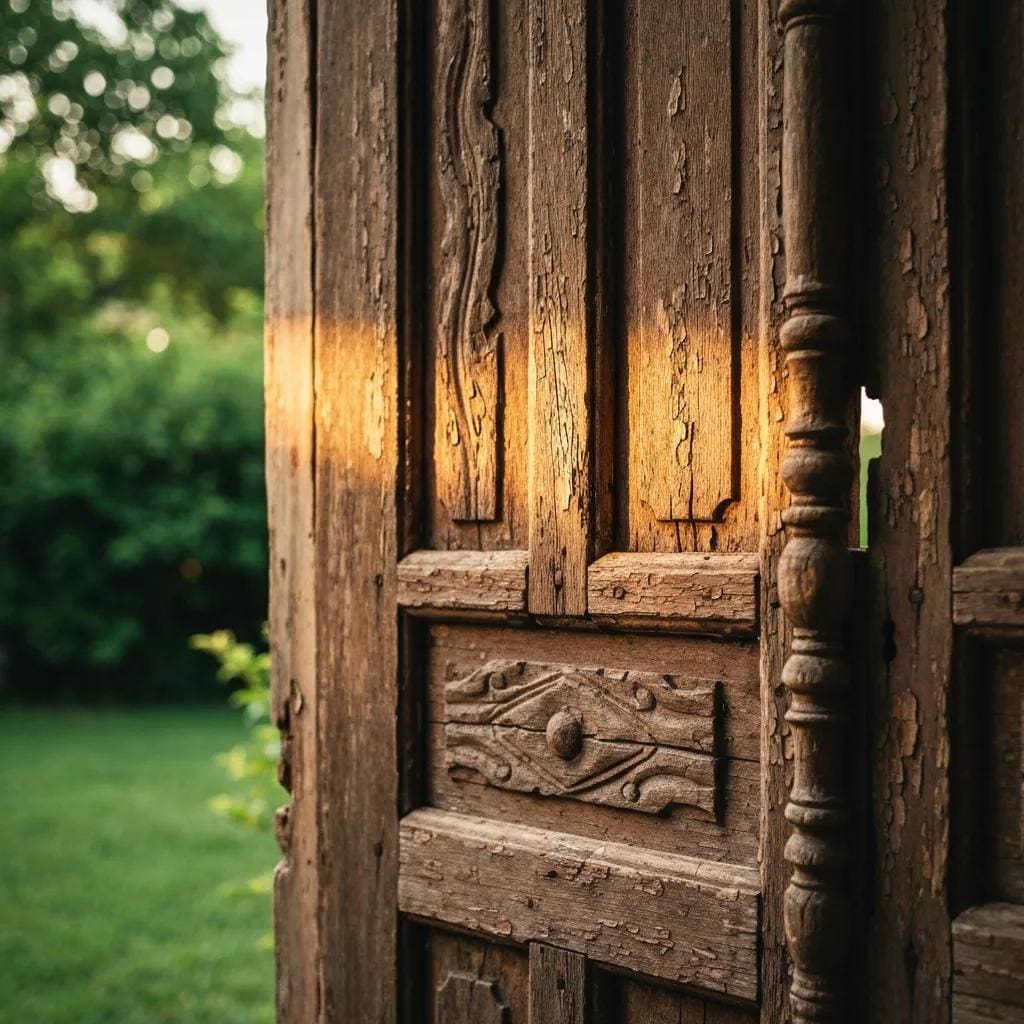
Bahama shutters hinge at the top and angle outward, creating a casual awning that suits beach cottages and contemporary coastal houses. When propped open they let in daylight and breezes; when closed they form a continuous protective plane against storms. Simple aesthetic tweaks—paint color, louver spacing, and hardware—help match local palettes and trim so the shutters read as part of the house, not an afterthought. Local project examples show how Bahama shutters soften facades, frame views, and influence daily use and emergency readiness.
That operability contrasts with Colonial shutters’ more formal profile and how they meet rated protection requirements.
What Makes Colonial Shutters a Stylish Choice for Storm Protection?
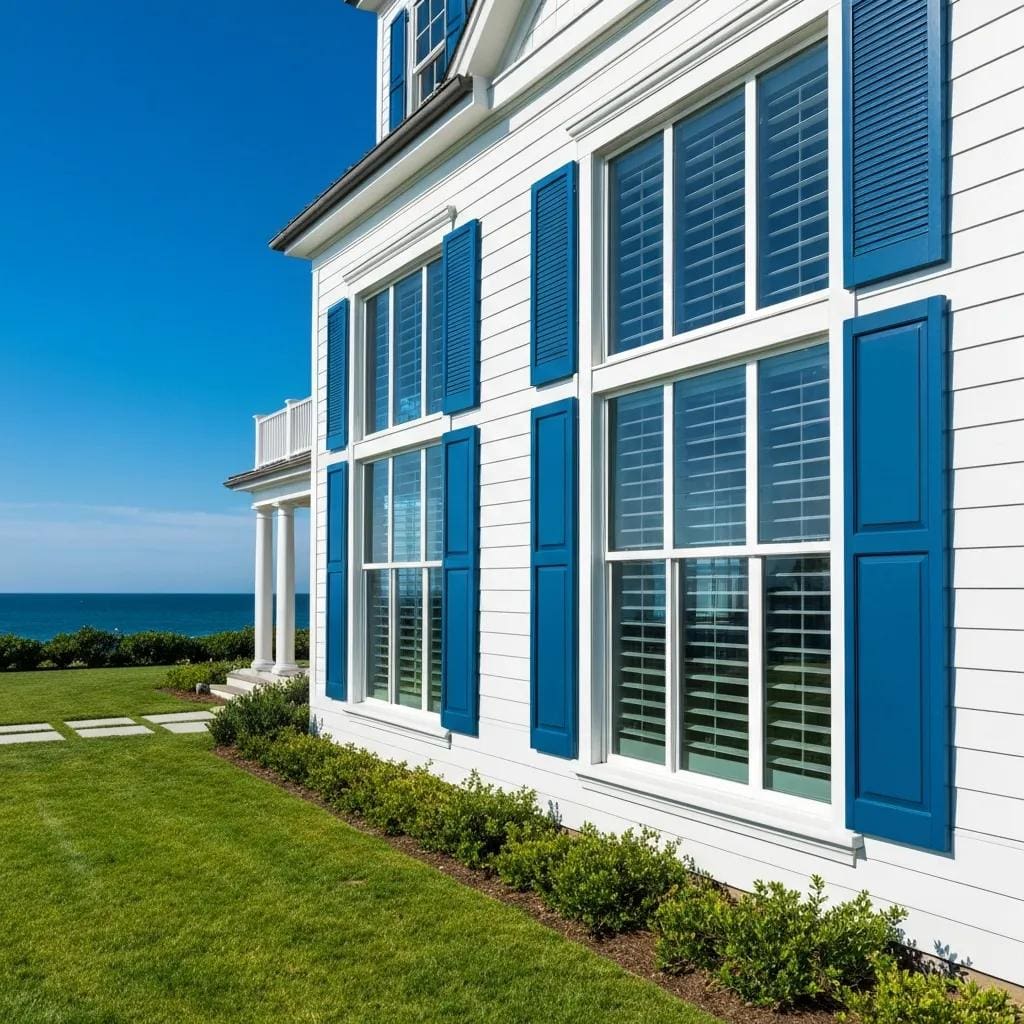
Colonial shutters deliver a traditional paired-panel look that reinforces symmetry and historic character on coastal homes. They’re available as decorative or impact-rated versions, and can be fixed or operable. Custom options—louver size, trim profiles, and hardware finishes—help them complement window casings and siding. When built from durable materials and anchored correctly, rated Colonial shutters make a strong visual statement while acting as a reliable protective barrier. Choosing them means weighing aesthetic goals against code-driven anchoring and possible installation complexity.
These style comparisons lead into how material choices affect both look and performance.
How Do Different Materials Affect the Look and Durability of Hurricane Shutters?
Material choice affects finish, weight, corrosion resistance, and visibility—key concerns for coastal homes exposed to salt and sun. Aluminum offers strength and long-term durability with low upkeep when properly coated. Polycarbonate (clear or flat) keeps views and daylight but needs UV-stable coatings to avoid yellowing and scratches. Composite or fabric screens provide lightweight options with different looks and maintenance needs. The table below compares common materials to help you prioritize view preservation, low maintenance, or maximum structural robustness for a coastal setting.
What Are the Benefits of Aluminum vs. Polycarbonate Shutters?
Aluminum and polycarbonate take different approaches: metal strength versus transparent impact resistance. Aluminum performs well where structural rigidity and long service life matter, especially if coatings resist salt corrosion. Polycarbonate—available flat or clear—keeps sightlines and daylight while still resisting impact, which is ideal for porches and bay windows where views matter. Aluminum panels are heavier and may need sturdier hardware; polycarbonate is lighter but benefits from edge protection to prevent stress cracking. Choose based on aesthetics, expected storm loads, and how much maintenance you’ll accept.
Next, we’ll look closer at how clear and flat polycarbonate preserve coastal views.
How Do Clear and Flat Polycarbonate Panels Maintain Coastal Home Views?
Clear polycarbonate performs like impact-resistant glazing: it keeps sightlines and daylight during storms while absorbing debris impacts, preserving the connection to the seascape. Flat polycarbonate offers an opaque, uniform look while still letting more light through than solid metal. UV-stable coatings, edge sealing, and correct mounting reduce distortion and extend clarity in sunny, salt-air climates. Regular rinsing and gentle cleaning help maintain transparency and performance over time.
These comparisons help you pick materials that match your visual goals and the demands of a coastal environment. Next we’ll cover how custom work ties style and fit together.
How Can Custom Hurricane Shutters Improve Both Style and Fit for Coastal Windows?
Custom shutters close the gap between off-the-shelf protection and integrated architectural design. Proper measurements match dimensions, finish, and functional features to each opening, ensuring full engagement of anchorage points, correct load transfer, and a flush aesthetic that complements window trim. Decorative choices—louvers, trim, colors, and hardware—let shutters read as intentional design elements rather than afterthoughts. The result: protection that fits your home’s style, meets code expectations, and performs predictably in storms. That’s why professional measurement and fabrication are essential.
- Proper Seal and Load Transfer: Custom fit secures anchors to framing and transfers wind loads correctly.
- Aesthetic Integration: Tailored trim and color choices ensure shutters complement window casing.
- Warranty and Code Compatibility: Rated products require specified attachment methods that rely on exact sizing.
- Reduced Retrofit Complexity: Custom pieces avoid unsightly gaps and field modifications.
Accurate sizing creates the foundation for the decorative options described next.
Why Is Custom Sizing Essential for Coastal Home Shutters?
Rated performance relies on accurate attachment points and uniform load distribution across the shutter assembly. Off-the-shelf panels can leave gaps, concentrate stresses, or place fasteners in the wrong spots—issues that reduce wind-load resistance and may void warranties. Professional measurement accounts for trim profiles, window geometry, and irregularities in stucco or siding so you get a neat visual fit and reliable structural performance. Accurate sizing also speeds installation and cuts on-site modification time, which helps scheduling and final appearance.
What Decorative Features Can Be Customized on Bahama and Colonial Shutters?
Custom decorative options include paint color, louver size and spacing, decorative cutouts, hardware finishes, and functional upgrades like gas struts or motorization. Colors can match coastal palettes—whites, soft blues, and sand tones—or provide bold contrast for a modern look. Hardware finishes such as bronze or brushed stainless influence perceived quality and corrosion resistance, while operable aids (for example, gas struts on Bahama shutters) make daily use easier. Each customization changes lead time and cost but helps create a cohesive exterior and practical functionality.
How Do Aesthetic Hurricane Shutters Impact Coastal Home Value and Curb Appeal?
Aesthetic shutters can raise perceived home value by signaling both style and resilience—qualities coastal buyers value. Thoughtful shutters create architectural cohesion, strengthen street-facing elevations, and add secondary benefits like light control and privacy. Rated shutters offer measurable safety features that resonate in storm-prone markets, while decorative shutters boost marketability when they match neighborhood tastes. Understanding buyer expectations in coastal North and South Carolina helps homeowners pick styles and colors that appeal to local demand.
Can Decorative Shutters Increase Home Security and Marketability?
Decorative shutters that meet rated specifications provide a visual deterrent and a real barrier to forced entry and windborne debris, improving both security and marketability. Even non-rated decorative shutters convey solidity and careful exterior upkeep, which shapes buyer impressions. For resale, a consistent, well-documented approach—pairing tasteful design with rated options where appropriate—gives buyers confidence and can reduce perceived risk, especially when professional installation and code compliance are proven. Weigh potential ROI against upfront costs and local buyer preferences when deciding.
What Are Coastal Homeowner Preferences for Stylish Storm Protection?
Coastal homeowners typically prefer low-maintenance materials with salt-air resistance, colors that complement sky-and-sea palettes, and options that preserve views—like clear panels or operable Bahama shutters. Traditional buyers gravitate toward Colonial symmetry and painted, wood-like finishes; contemporary owners often select streamlined roll-down systems for minimal visual impact. Seasonal residents favor straightforward operation and low upkeep. These trends guide shutter selection and whether to prioritize view preservation, historic authenticity, or maximum robustness.
Understanding how aesthetics and marketability connect explains why professional installation matters.
What Should Coastal Homeowners Know About Professional Installation of Decorative Shutters?
Professional installation guarantees rated products are anchored correctly, aligns finishes with the rest of the exterior, and addresses permit or inspection requirements tied to coastal building codes. Experienced crews identify structural attachment points, choose corrosion-resistant fasteners for salt-air exposure, and perform finishing work—paint touch-ups, sealants, and alignment checks—that protect both appearance and performance. Proper documentation and installation practices preserve warranties and support code compliance, which is especially important in areas that reference Florida Building Code standards. Expect a documented process that balances protection with curb appeal.
How Does Expert Installation Ensure Code Compliance and Visual Appeal?
Expert installers confirm shutters are fastened to appropriate structural members, use corrosion-resistant hardware, and follow rated-product instructions so performance claims remain valid. They coordinate permits when required and produce installation documentation used for inspections or future resale. Installers also align panels, adjust hardware clearances, and finish visible joins so shutters integrate cleanly with trim and siding. This professional care preserves the intended aesthetic and the structural integrity required for certified protection.
What Are the Maintenance Tips to Keep Shutters Looking Stylish Year-Round?
In coastal settings, maintenance focuses on removing salt residue, inspecting hardware, and protecting finishes to prevent corrosion and visual wear. Rinse shutters seasonally with fresh water, clean gently with non-abrasive detergent, and lubricate moving parts annually to extend service life and keep operation smooth. Check anchors and fasteners each year for stress or corrosion and touch up paint chips promptly. After major storms or for complex repairs, use professional service to restore both protective performance and curb appeal without risking warranty coverage.
- Seasonal Rinse: Rinse shutters with fresh water at least quarterly to remove salt.
- Hardware Check: Inspect and lubricate hinges, tracks, and fasteners annually.
- Finish Care: Touch up paint chips and re-seal exposed edges as needed.
- Professional Service: Schedule a professional inspection after major storms.
Following a regular maintenance routine complements correct installation and helps shutters look great for years.
How Can Homeowners Estimate Costs for Aesthetic Hurricane Shutter Options?
Estimating cost comes down to a few main drivers—style, material, window size, custom features, and installation complexity—and then modeling those choices in a structured tool. A clear cost approach turns design selections into realistic price ranges and highlights optional upgrades like motorization or premium finishes. American Hurricane Shutters offers a Hurricane Shutter Cost Calculator to generate free, style-specific estimates and to help you compare Bahama and Colonial options for coastal North and South Carolina homes. Below are step-by-step instructions and a table of cost factors to produce practical estimates before scheduling an on-site evaluation.
- Measure Windows: Record width and height for each opening; note trim depth.
- Choose Style and Material: Select Bahama, Colonial, or another style and pick aluminum or polycarbonate.
- Add Custom Features: Include paint, hardware finish, operable mechanisms, and motorization.
- Include Installation Complexity: Account for access, scaffolding, or structural reinforcements.
- Use a Calculator: Input these factors into a cost tool to get a free estimate and next-step recommendations.
These steps set clear expectations for how the calculator translates your selections into pricing scenarios and when to request a free on-site quote.
How Does the Hurricane Shutter Cost Calculator Help Choose Stylish Options?
The Hurricane Shutter Cost Calculator converts measured dimensions, chosen style, material, and optional upgrades into an estimated price range so you can compare Bahama and Colonial options side-by-side. Enter window counts and sizes, pick materials (aluminum, flat or clear polycarbonate), and add custom items like paint or motorization to see how the estimate changes. The calculator delivers a free preliminary estimate that prepares you for an on-site measurement and formal quote—an efficient way to align design preferences with realistic budgeting for coastal properties.
What Factors Influence the Price of Decorative Bahama and Colonial Shutters?
Major cost drivers include material choice, finish quality, custom sizing or decorative features, installation complexity (height and access), and any permitting or documentation required by code. Clear polycarbonate typically costs more than standard aluminum, while motorization, specialty hardware, and premium paint add extra expense. Multi-story access or structural reinforcement increases labor and equipment costs. The table below maps these factors to their typical impact so you can see how inputs affect estimates.
- Example Estimates:
Bahama, aluminum, standard finish: a lower-range option suitable for many beach houses.Colonial, clear polycarbonate, decorative trim: a higher-range solution due to material and custom trim.
Use the calculator to test combinations, then book an on-site evaluation to confirm final pricing and installation scope.
This article covered style options, material trade-offs, customization, installation best practices, maintenance, and cost estimation to help coastal homeowners choose shutters that protect while boosting curb appeal.
Frequently Asked Questions
What are the key factors to consider when choosing hurricane shutters for coastal homes?
Focus on style, material, and functionality. Match the shutters to your home’s architecture, choose materials (aluminum or polycarbonate) that suit your maintenance preferences, and confirm installation complexity and local building codes. Balance storm protection needs with daily usability and potential effects on property value and curb appeal.
How do I maintain my hurricane shutters to ensure longevity?
Regular cleaning and inspections are essential. Rinse salt and debris with fresh water—particularly after storms—inspect hardware for wear or corrosion, and lubricate moving parts annually. Touch up paint chips promptly. For major repairs or refinishing, hire a professional to preserve performance and aesthetics.
Are there any specific building codes for hurricane shutters in coastal areas?
Yes. Coastal jurisdictions often have codes that set performance and installation standards for hurricane shutters. Many reference Florida Building Code criteria. Consult local regulations and use professional installation to ensure correct anchoring and compliance with safety standards.
What is the average cost range for installing hurricane shutters?
Costs vary by style, material, window size, and installation complexity. Basic aluminum shutters commonly range from about $20 to $50 per square foot, while decorative options like clear polycarbonate or custom designs can range from $50 to $100 per square foot. Use a cost calculator for a tailored estimate based on your choices and local market factors.
How do I choose between operable and fixed hurricane shutters?
Choose operable shutters (Bahama or Colonial) if you want light and ventilation when not in use. Fixed shutters offer a permanent, lower-maintenance solution but limit visibility and airflow. Consider how often you’ll use the shutters and whether convenience or permanence matters more.
Can I install hurricane shutters myself, or should I hire a professional?
While DIY is possible for some products, we recommend professional installation. Pros ensure shutters meet local codes and manufacturer specs—critical for safety and warranty coverage—and handle complex or multi-story installations safely and efficiently.
What decorative options are available for hurricane shutters?
Shutters can be customized with paint colors, louver sizes, hardware finishes, decorative cutouts, and functional upgrades like gas struts or motorization. These options let you maintain your home’s visual character while adding effective storm protection.
Conclusion
Aesthetic hurricane shutters give coastal homes the best of both worlds: improved curb appeal and dependable storm protection. By understanding styles, materials, customization options, and installation considerations, you can make choices that fit your home’s look and your protection needs. Use tools like the Hurricane Shutter Cost Calculator to narrow options and budget confidently, then schedule an on-site evaluation to finalize details. Ready to protect and elevate your home’s exterior? Explore our range of premium hurricane shutters or contact us to get started.