
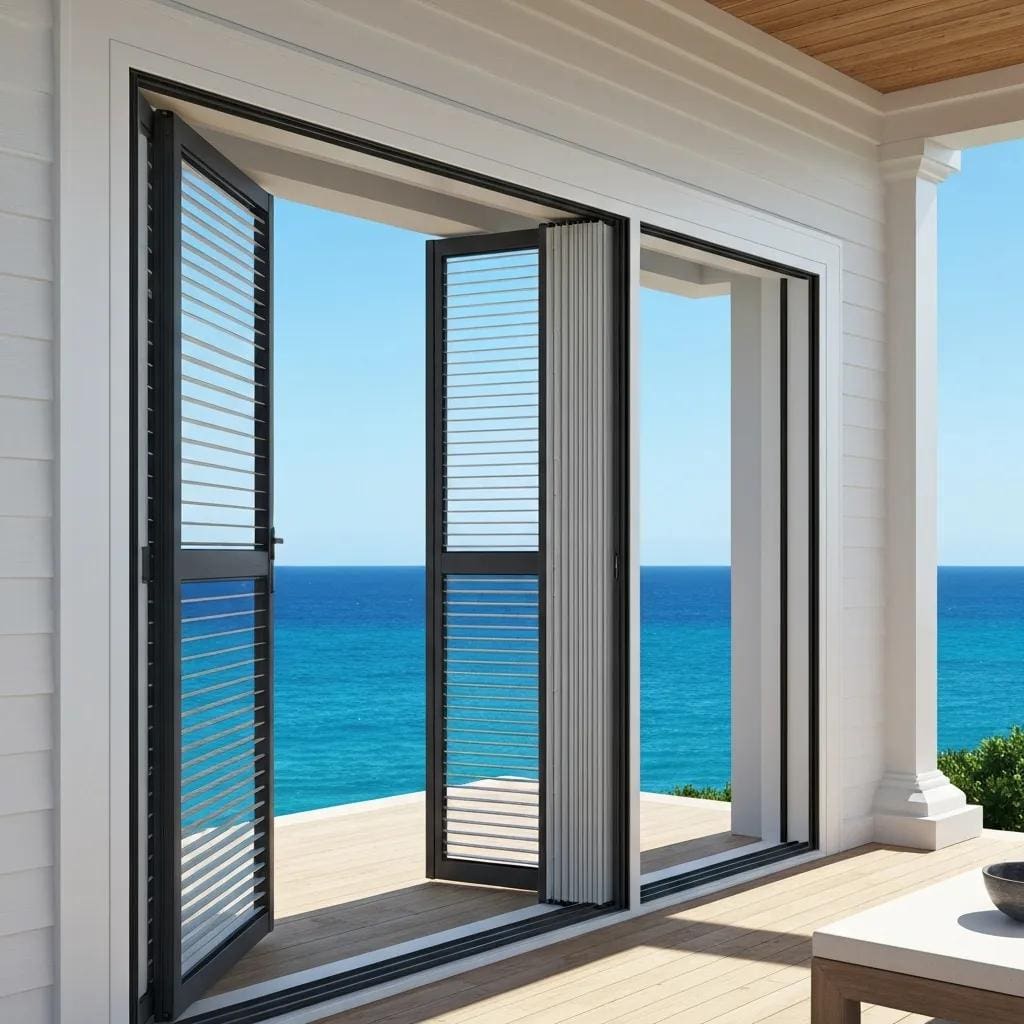
Why Accordion Shutters Are the Smart Choice for Hurricane Protection
Accordion shutters are permanently mounted, multi-panel systems that fold together like an accordion to cover windows and doors quickly and reliably. They slide on tracks and lock into place to form a continuous exterior barrier that stands up to wind pressure and flying debris while staying installed year‑round for security and weather protection. Coastal homeowners across North Carolina and South Carolina value accordion shutters for their certified impact performance, minimal storage needs, and straightforward operation. This page walks through how they work, the materials and mechanics that make them durable, the main homeowner benefits, comparisons with other options, regional cost considerations, professional installation steps for NC/SC, and practical maintenance tips. You’ll find clear comparisons, tables of attributes, checklists, and focused advice to help decide if accordion shutters are the right long‑term hurricane solution for your home.
What Are Accordion Shutters and How Do They Work?
Accordion shutters are exterior storm protection made from interlocking panels that slide horizontally on fixed head and sill tracks and lock at the ends to shield openings from wind and debris. A series of hinged panels expands to cover the opening and compresses for storage, allowing immediate deployment without off‑site storage. Because the system creates continuous support across the full width of an opening and transfers wind loads to structural attachment points, it helps meet coastal building‑code requirements. Knowing the key components and deployment steps makes it easy to see why accordion shutters are a durable, user‑friendly storm protection choice.
What Materials and Mechanisms Make Accordion Shutters Durable?
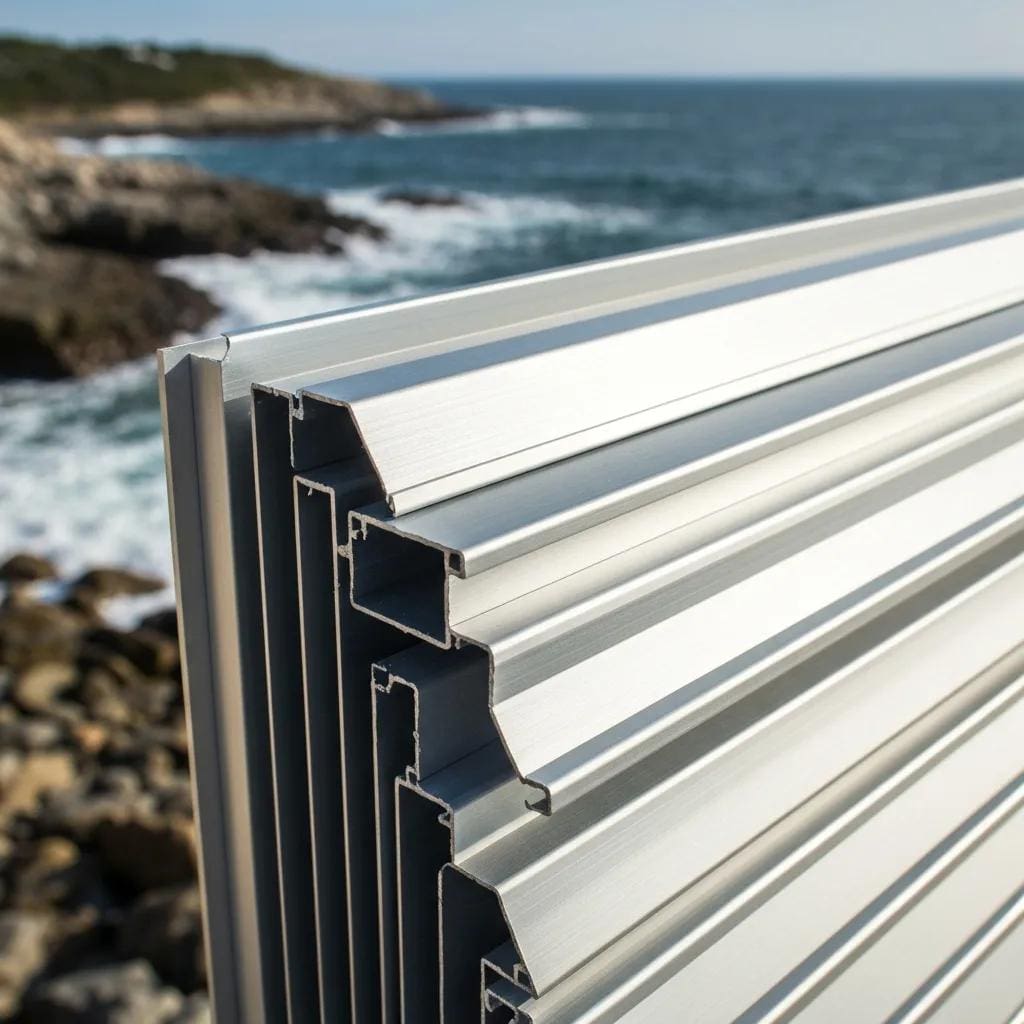
Most accordion shutters are built from marine‑grade aluminum alloys; heavy‑duty or high‑security models may include steel components for extra stiffness and impact resistance. Corrosion‑resistant coatings, anodized surfaces, or powder coats protect metal parts from salt air on coastal properties, helping maintain structural integrity and appearance. Strength comes from reinforced panel ribs, deeper guide tracks, and durable locking hardware that improve wind‑load transfer and reduce panel deflection during strong gusts. These material and mechanical choices combine to deliver long service life and lower maintenance in harsh coastal environments.
How Do Accordion Shutters Provide Effective Hurricane Protection?
Accordion shutters protect homes by forming a continuous, mechanically secured barrier that resists inward pressure from high winds and puncture from airborne debris, safeguarding glazing and the building envelope. When fastened correctly to structural framing and installed to certified details, wind loads are safely transferred into the house structure—an essential requirement for meeting local code and post‑storm inspections. Systems tested to recognized impact and load standards are also more likely to qualify for insurance incentives and municipal permits, especially in coastal North Carolina and South Carolina. Routine inspection and correct installation keep the shutters performing as intended over time.
What Are the Top Benefits of Choosing Accordion Shutters?
Accordion shutters bring together storm protection, home security, ease of use, and visual flexibility in a single, permanent solution for coastal homes. Because they stay mounted year‑round, there’s no seasonal storage, and homeowners can secure openings quickly when a storm warning arrives. Outside of hurricane season, locking mechanisms add burglary deterrence while a variety of finishes and colors let the shutters blend with your home’s exterior. Below are the primary homeowner‑focused benefits that explain why many coastal homeowners choose accordion shutters over temporary alternatives.
Accordion shutters deliver several practical homeowner benefits:
- Durable, continuous storm protection: Permanently installed panels and tracks form a rigid, impact‑resistant barrier.
- Rapid deployment: Panels slide and lock in minutes, cutting preparation time during storm alerts.
- Year‑round security and convenience: Permanent installation deters intrusion and removes seasonal storage hassles.
These advantages make accordion shutters especially well suited for coastal properties where storms and year‑round security are top priorities, and they naturally lead to questions about lifespan, warranty, and maintenance.
Benefits at a glance — attributes and outcomes:
This quick comparison shows how design features translate into everyday homeowner benefits and sets realistic expectations for performance and upkeep.
How Do Accordion Shutters Offer Superior Durability and Security?
Accordion shutters achieve structural strength through continuous panel‑to‑track engagement and multiple attachment points to the building frame, which spreads loads and reduces stress on individual pieces during high winds. Robust locking hardware and internal bolts add tamper resistance and help the system serve as a security layer year‑round. Coastal‑grade finishes and sacrificial design details limit corrosion risk in salt‑air climates, preserving operation and appearance over time. Together, these elements create a resilient system that protects openings and enhances property security.
Why Are Accordion Shutters Easy to Use and Maintain?
Accordion shutters are engineered for simple manual operation: pull the panels from their compressed position, slide them along the guides, and secure the locks at each end. Large openings typically require one or two people. Routine maintenance is straightforward—cleaning, lubricating tracks and moving parts, and checking fasteners and seals keep the system operating smoothly. Following a short seasonal checklist, especially after storms, prevents small issues from becoming costly repairs and helps preserve warranties. Their clear operation and low upkeep make accordion shutters a practical choice for homeowners who want dependable protection without complicated maintenance.
If you’re ready to move from benefits to a local solution, American Hurricane Shutters offers free estimates and a regional cost calculator to estimate installed pricing and configuration options for coastal properties. We provide educational resources, certified installation services, and maintenance guidance focused on code compliance and local building practices across coastal North Carolina and South Carolina. Requesting a free estimate delivers a site‑specific proposal that accounts for opening sizes, attachment details, and coastal‑grade finishes—pairing general benefits with regional expertise.
How Do Accordion Shutters Compare to Other Hurricane Protection Options?
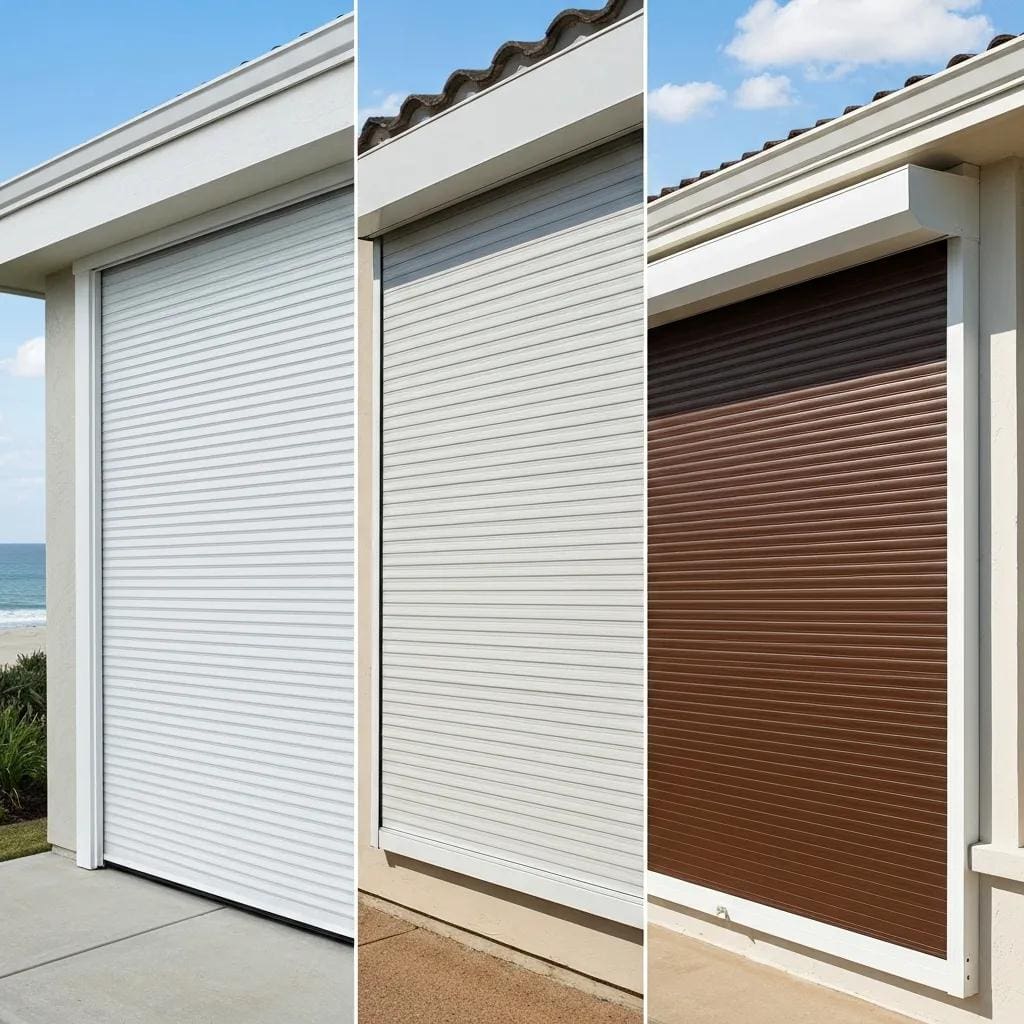
Accordion shutters balance protection, convenience, and appearance in ways that differ from roll‑down shutters, Bahama/Colonial shutters, storm panels, and hurricane screens. Comparing attributes like cost, deployment time, storage, maintenance, protection level, and aesthetics helps homeowners match a solution to their priorities. The table below summarizes core differences to support quick decision making around budget, year‑round use, and required protection level.
The table shows that accordion and roll‑down shutters generally offer the best mix of rapid deployment and continuous protection, while panels and some decorative shutters trade convenience for lower upfront cost or specific looks.
What Are the Differences Between Accordion Shutters and Roll-down Shutters?
Accordion shutters use hinged panels that slide laterally along tracks and lock mechanically, giving high rigidity with simple manual operation. Roll‑down shutters use a curtain that reels into a housing at the top of the opening and are often motorized for automated deployment. Your choice often comes down to whether you prefer automation and a sleeker hidden look (roll‑down) or the straightforward reliability and easier field repairs of an accordion system. Maintenance differs too—roll‑down motors add a service component, while accordion systems focus on tracks and hinges. Both can meet impact and wind‑load standards when specified and installed correctly.
How Do Accordion Shutters Compare to Bahama and Colonial Shutters?
Bahama and Colonial shutters often serve as both shade and decorative features, but many factory configurations aren’t engineered or certified to withstand large debris impacts unless specifically tested and reinforced. Accordion shutters are designed with certified impact resistance and continuous attachment for storm loads, making them a stronger choice in high‑wind coastal zones. Homeowners who want both shading and tested protection may explore hybrid approaches, but for code‑compliant hurricane defense, accordion shutters typically offer clearer performance assurances. In lower‑risk situations, aesthetics and shading benefits can make Bahama or Colonial shutters attractive alternatives.
What Are the Advantages of Accordion Shutters Over Storm Panels and Hurricane Screens?
Unlike removable storm panels, accordion shutters eliminate storage needs and save valuable time during storm prep by allowing immediate deployment. Hurricane screens can be lightweight and provide ventilation, but they may not reach the same tested impact resistance or meet code requirements for openings exposed to large debris. Accordion shutters commonly outperform panels and screens on lifetime convenience, ease of use, and durability through repeated storm cycles, though panels can be more budget‑friendly up front. Considering lifecycle cost and on‑site, permanent protection often makes accordion shutters the better long‑term investment for resilience‑minded coastal homeowners.
What Is the Cost of Accordion Hurricane Shutters in North and South Carolina?
Installed accordion shutter pricing depends on material choice, opening size, installation complexity, and coastal‑grade finishes. In our region, a reasonable installed range is approximately $25 to $40 per square foot, including labor; actual pricing varies with site conditions such as multi‑story access and custom color or locking options. Major cost drivers include material grade (standard aluminum versus heavy‑gauge or steel), necessary reinforcements for wide spans, and add‑ons like motorization or specialty locks. For an accurate, site‑specific figure, request a free estimate or use a provider’s cost calculator to model per‑opening pricing.
Cost breakdown — what affects price:
This overview helps homeowners prioritize which features to budget for and shows where a free estimate is most valuable for accurate pricing.
What Factors Influence the Price of Accordion Shutters?
Material selection, coastal‑rated protective coatings, and reinforcement levels drive product cost and long‑term value—marine‑grade finishes cost more up front but help avoid corrosion repairs. Labor and installation complexity—second‑story work, structural reinforcement, or unusual opening shapes—increase installation time, equipment needs, and price. Optional upgrades like enhanced locks, motorization, or exact color matching add to the ticket but can boost convenience, security, and curb appeal. Balancing initial cost against lifecycle value, homeowners should consider durable materials and certified installation as investments that reduce long‑term maintenance and replacement expenses.
How Can Homeowners Get a Free Estimate for Accordion Shutters?
To get an accurate free estimate, prepare a brief pre‑estimate packet: clear photos of each opening, rough width and height measurements, and notes about access (single‑ vs. multi‑story) or obstructions. Online cost calculators are useful for ballpark figures, but an on‑site visit gives the most precise quote because installers can verify attachment points, measure openings, and confirm permit needs. Expect an initial ballpark response and then an in‑person estimate appointment; having photos and notes ready speeds the process and improves proposal accuracy. Requesting a free estimate from a local installer ensures quotes reflect coastal NC/SC codes and environmental conditions.
Pre‑estimate checklist:
- Photos of each opening showing the surrounding frame and exterior
- Approximate width and height measurements of openings
- Notes on access (single‑story vs. multi‑story) and any obstructions
Completing these steps streamlines the estimate process and helps installers prepare accurate, site‑specific proposals.
How Is Professional Installation of Accordion Shutters Done in Coastal NC and SC?
Professional installation starts with a site assessment to confirm structural attachment points, measure openings precisely, and identify special requirements such as reinforced headers or cranes for upper‑story work. Installers confirm that attachment details meet regional code, select correct fasteners and reinforcements, and prepare mounting surfaces to ensure proper load transfer during wind events. Typical installation steps include fastening head and sill tracks, setting guide jambs, installing panel stops, aligning panels, and testing deployment and locks for smooth operation. Correct installation is essential to achieve certified performance and avoid failures in extreme weather.
Why Choose Professional Installation Over DIY for Accordion Shutters?
Professional installation reduces the risk of incorrect fasteners, improper load distribution, and code noncompliance that can void warranties or fail under high winds. Certified installers understand regional attachment details, permitting requirements, and proven installation sequences that protect both the structure and the shutter system’s long‑term performance. Professionals perform final adjustments, alignment, and testing that ensure smooth operation and reliable locking, and they provide documentation useful for insurance and permits. Hiring trained technicians saves time, improves safety during installation, and preserves manufacturer warranties tied to certified installation practices.
Which Areas in North and South Carolina Are Served by American Hurricane Shutters?
American Hurricane Shutters serves coastal communities across North Carolina and South Carolina, concentrating on towns where storm exposure and code knowledge are critical for safe installs. Example service areas include Wilmington, Oak Island, Topsail, and New Bern in North Carolina, and Myrtle Beach and Pawleys Island in South Carolina. Our local teams know permitting nuances and environmental factors unique to these coastlines and can recommend code‑compliant details and finishes that hold up in salt‑air climates. Homeowners should contact a regional provider to confirm exact service boundaries and schedule a site visit for tailored recommendations.
What to expect when you schedule service:
- Site assessment and measurements to verify attachment points.
- Proposal with product options, finish choices, and timeline.
- Scheduled installation by trained technicians with final testing and a homeowner walkthrough.
This clear service flow helps ensure installations meet local requirements and homeowner expectations for durability and operation.
How Can Homeowners Maintain Accordion Shutters to Extend Their Lifespan?
Maintenance for accordion shutters focuses on keeping parts moving smoothly and preventing corrosion—especially important in coastal areas where salt and humidity speed wear. A seasonal routine should include cleaning tracks and panels, lubricating moving parts with recommended products, tightening fasteners, and checking seals and locks for wear. Spotting damaged tracks, bent panels, or failing locks early prevents operational failures during storms and limits repair costs. A simple maintenance schedule and knowing when to call a professional preserve shutter readiness and protect your investment.
What Are the Best Practices for Cleaning and Lubricating Accordion Shutters?
Start by rinsing salt and debris off panels and tracks with fresh water, then clean with a mild, non‑abrasive detergent to remove buildup that can impede movement. Dry components to avoid trapped moisture. Lubricate guide tracks, hinges, and locks with a silicone‑based lubricant at recommended intervals to ensure smooth sliding and to resist corrosion—avoid petroleum‑based products that attract dust and can harm seals. Inspect finish coatings for chips and touch up exposed metal to reduce corrosion risk in salt‑air conditions. These steps keep shutters operating reliably and reduce the need for reactive repairs.
Maintenance checklist:
- Rinse panels and tracks with fresh water after salt exposure.
- Clean with a mild detergent and dry thoroughly.
- Lubricate moving parts with silicone‑based lubricant every 6–12 months.
- Inspect fasteners, tracks, and locks for wear and tighten as needed.
Following this checklist reduces friction, preserves finishes, and extends service life in coastal settings.
How Often Should Accordion Shutters Be Inspected and Serviced?
Accordion shutters should receive at least one professional inspection per year and seasonal homeowner checks—especially before and after the storm season—to verify fasteners, track alignment, locks, and finishes. Seasonal checks should include a deployment test, a visual inspection for corrosion or bent panels, and confirmation that locks and seals engage properly; addressing small issues promptly prevents escalation. Professional servicing every 12 months or after major storms ensures structural connections remain secure and that components meet performance expectations. Following this inspection cadence preserves warranty coverage and keeps your shutters ready for the next storm season.
- Schedule homeowner seasonal checks (pre‑ and post‑storm season).
- Arrange a professional inspection annually or after major storms.
- Address any wear or damage immediately to avoid performance loss.
Regular inspection and timely servicing keep accordion shutters dependable and protect both openings and interior spaces from storm damage.
Frequently Asked Questions
What are the key differences between accordion shutters and other types of storm protection?
Accordion shutters stand out for being permanently mounted and quick to deploy without off‑site storage. Roll‑down shutters can be motorized and offer a cleaner retracted appearance, while storm panels require seasonal setup and storage. Each solution has tradeoffs—cost, convenience, appearance, and tested protection—but accordion shutters offer a unique balance of day‑to‑day convenience and robust storm performance.
How do accordion shutters enhance home security outside of hurricane season?
Beyond storm protection, accordion shutters add a layer of security year‑round. Strong locking systems and permanent attachment discourage break‑ins and give homeowners added peace of mind. Because they’re part of the house exterior, they remove the need for temporary security measures and can improve curb appeal while keeping windows and doors protected.
What maintenance is required for accordion shutters to ensure their longevity?
Routine maintenance is simple: rinse salt and debris, lubricate moving parts, and inspect for wear or corrosion. A seasonal maintenance schedule focused on tracks, fasteners, seals, and locks will extend service life and ensure reliable deployment during storms. Address minor issues quickly to avoid bigger repairs.
Are accordion shutters suitable for all types of homes?
Accordion shutters are versatile and can be installed on single‑family homes, multi‑story residences, and some commercial properties. Suitability depends on architectural details and local code requirements, so consult a professional installer to assess structural attachment points and confirm a safe, effective installation for your property.
What should homeowners consider when choosing the color and finish for accordion shutters?
Choose a finish that complements your home and stands up to coastal conditions. Powder coating or anodized finishes improve corrosion resistance and longevity. Also check HOA rules or local regulations before finalizing color to ensure compliance while protecting appearance and performance.
How do accordion shutters impact home insurance premiums?
Installing certified accordion shutters can lower insurance premiums because they reduce the risk of storm damage. Many insurers offer discounts for tested hurricane protection systems that meet local codes. Share installation details with your insurer and ask about available credits—this proactive step can lead to meaningful savings while increasing your home’s protection.
Conclusion
Accordion shutters offer a practical, year‑round solution for hurricane protection by combining durability, ease of use, and added security. Their permanent installation removes seasonal storage and lets homeowners secure openings quickly when storms approach. Investing in accordion shutters protects your property, preserves curb appeal, and adds long‑term value. Contact us to explore options and get a free, site‑specific estimate for your coastal home.