
How Long Do Accordion Shutters Last? Lifespan Expectations and Durability Explained
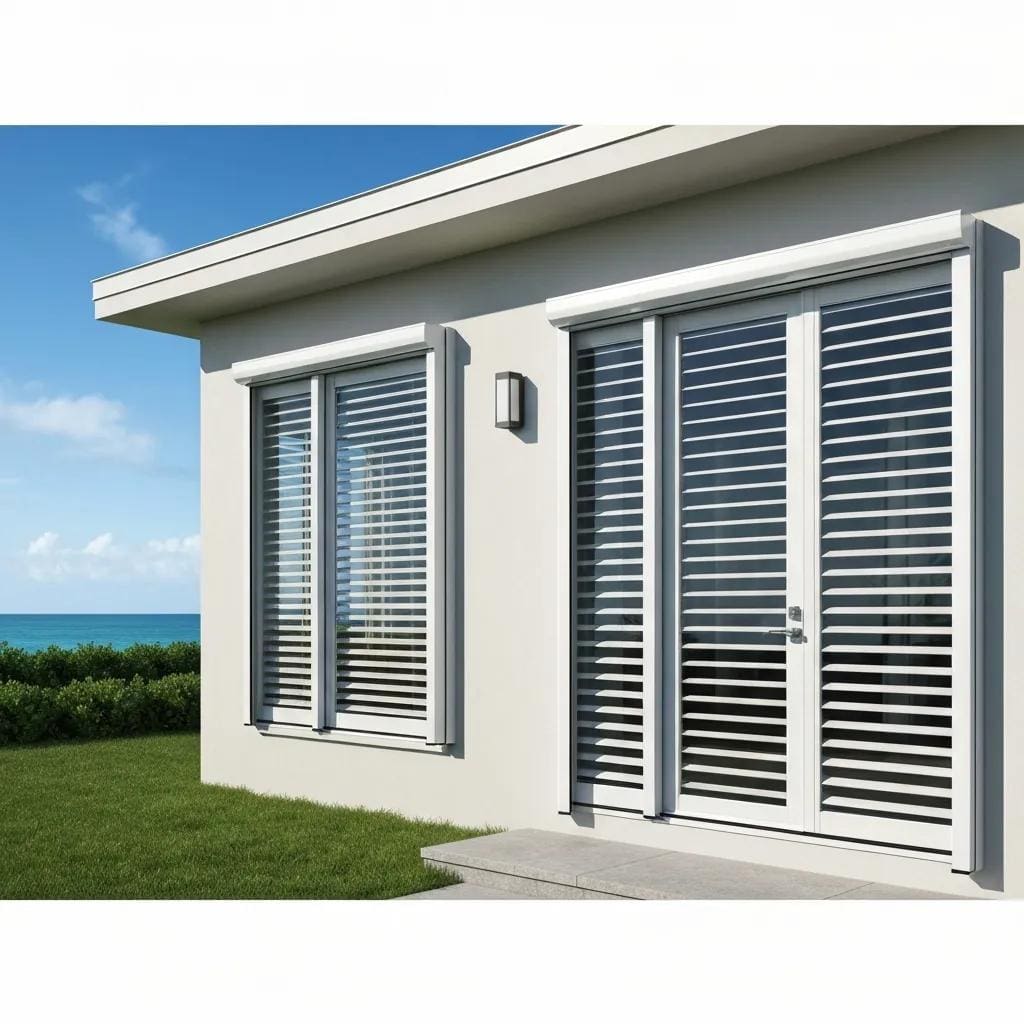
Accordion shutters slide along mounted tracks to quickly protect windows and doors from wind-driven debris and storm surge. Lifespan depends on the materials used, installation quality, environmental exposure, and how well they’re maintained. Most homeowners see 10–20 years under typical coastal conditions; choosing premium hardware and following a steady maintenance routine can push reliable service toward 20–30 years. This guide explains why those ranges vary, which materials and installation details matter, and the everyday upkeep that keeps coastal properties protected. You’ll find clear maintenance steps, inspection checklists, warranty notes, and decision rules for repair versus replacement — plus context on corrosion resistance, key components (tracks, panels, hinges, locks), and alternative storm-protection options like rolling shutters and impact windows so you can plan for the long term.
What Is the Typical Lifespan of Accordion Shutters?
Under standard conditions, accordion shutters generally last 10–20 years. Their useful life is driven by material strength, mechanical wear, and environmental exposure — all of which affect structural integrity and reliable operation. Panels, tracks, hinges, and fasteners work together mechanically; corrosion resistance and correct mounting are critical to keeping the system ready when a storm hits. Mid-tier aluminum systems most often fall in the 10–20 year window, while stainless steel hardware and better finishes can extend component life. Knowing this baseline helps homeowners plan maintenance and set realistic replacement timelines.
How Many Years Can Accordion Shutters Last With Regular Use?
With consistent, recommended maintenance, many accordion shutters reach the higher end of the range — commonly 15–25 years. Regular cleaning, lubrication, and inspections slow corrosion and mechanical wear that cause early failures. “Regular use” means deploying and stowing the shutters without forcing them, cleaning salt off surfaces at least semi-annually in coastal areas, and lubricating moving parts on schedule. Properties that keep a documented maintenance plan and promptly address small repairs avoid accelerated wear on tracks and hinges; proactive upkeep is one of the strongest predictors of multi-decade performance.
What Factors Influence Accordion Shutter Longevity?
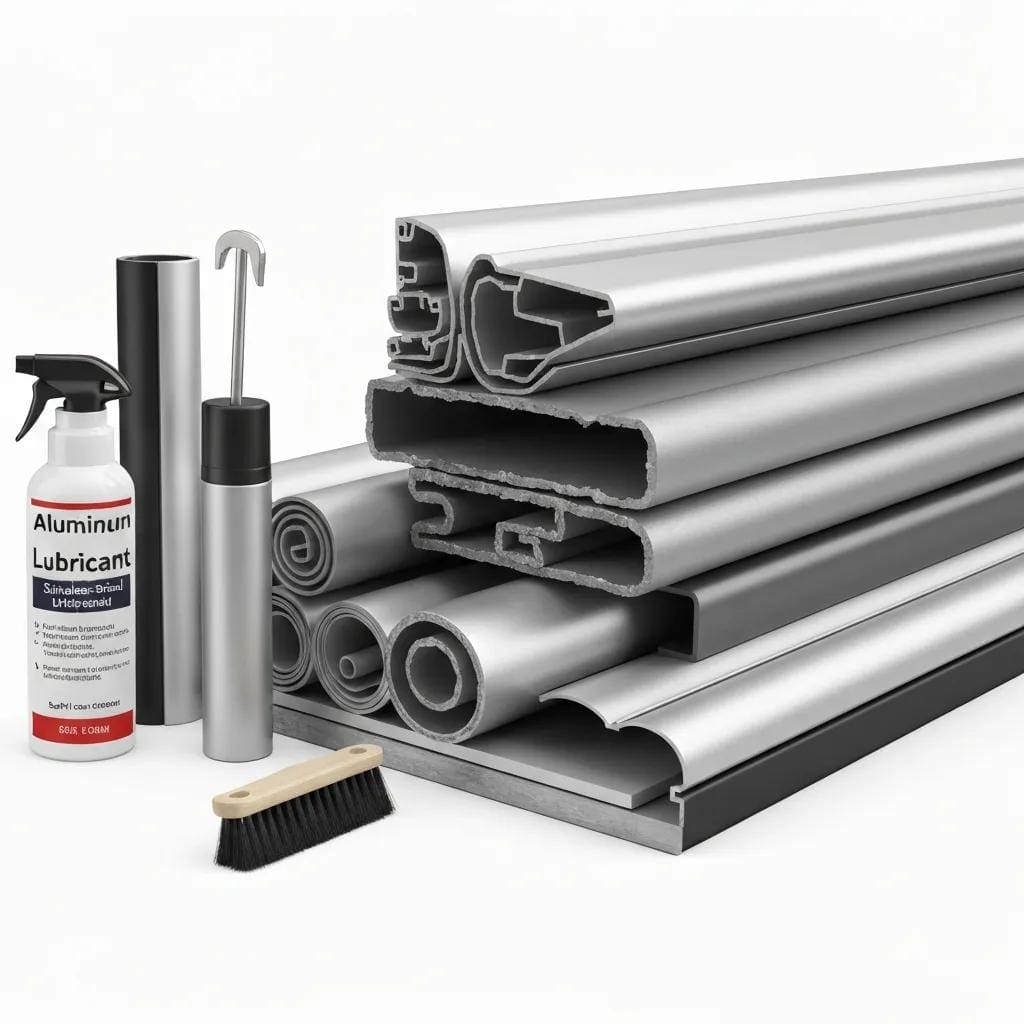
Several linked factors determine lifespan: material selection, installation quality, coastal environmental stressors, frequency of use, and how disciplined you are with maintenance. Each factor contributes to failure modes such as corrosion, misalignment, or mechanical fatigue. Material choice sets the baseline for corrosion resistance and strength; installation controls load distribution and anchoring; and environmental exposure — salt spray, UV, humidity — speeds finish breakdown and fastener corrosion. Understanding these drivers helps homeowners prioritize the interventions that extend service life and preserve protection performance.
Which Key Factors Affect Accordion Shutter Lifespan?
Material quality, proper installation, environmental exposure, and usage frequency combine to determine how long accordion shutters remain safe and operational. Tackling each area reduces common failure risks and makes replacement timing more predictable. The biggest levers are picking corrosion-resistant materials, installing to code with approved anchors, managing coastal exposure through coatings and cleaning, and increasing maintenance frequency in high-use situations. Below we compare materials, explain installation effects, describe environmental impacts, and show how use patterns wear specific parts.
How Does Material Quality Impact Accordion Shutter Durability?
Material quality controls corrosion resistance, tensile strength, and ongoing maintenance needs — all of which affect how long shutters hold up under storm loads. Aluminum alloys are common because they balance weight and strength, but corrosion resistance varies by alloy and finish; untreated or thin coatings will deteriorate faster in salt air. Stainless steel for fasteners and tracks resists chloride-driven corrosion better but costs more and requires attention to avoid issues from dissimilar metals. Powder-coat finishes and anodizing protect surfaces, slow oxidation, and reduce maintenance frequency for coastal installations.
Combining corrosion-resistant metals with durable finishes gives the best balance of strength and longevity — specifying quality finishes is especially important along the coast.
Why Is Professional Installation Important for Shutter Longevity?
Professional installation makes sure anchoring, track alignment, and load distribution meet code and structural requirements, preventing premature failures from misaligned panels or inadequate fasteners. Poor anchoring concentrates stress and can cause pull-out or frame distortion during storms, while misaligned tracks speed mechanical wear during normal operation. Installers who follow code and use approved fasteners reduce binding and uneven hinge wear. Paying for professional installation pays dividends in fewer reactive repairs and a higher chance the system reaches its expected life.
How Do Environmental Conditions Affect Accordion Shutter Lifespan?
Coastal stressors — salt spray, high humidity, UV exposure, and wind-driven debris — speed finish breakdown, corrode fasteners, and abrade moving parts unless mitigated. Chloride ions from salt promote pitting and crevice corrosion, especially at joints between dissimilar metals; UV light degrades polymer seals and coatings; and sand or debris can wear tracks and locking surfaces. Choosing appropriate materials, protective coatings, and a cleaning schedule to remove salt deposits will materially reduce these impacts.
How Does Frequency of Use Influence Shutter Wear and Tear?
Every deployment cycle causes micro‑abrasion and stress on tracks, hinges, and locks, so higher use increases mechanical wear rates and the chance of loosened fasteners and more friction. Manual systems usually show wear at tracks and hinge points; motorized setups can concentrate stress on gearboxes and motor mounts if not maintained. Commercial or rental properties that see heavy use should inspect and lubricate more often. Matching maintenance intervals to actual use keeps operation smooth and delays component replacement.
How Can You Extend the Life of Your Accordion Shutters?

Extending shutter life comes down to a structured maintenance program: regular cleaning, targeted lubrication, routine inspections, and timely professional service after storms or when wear appears. Proactive care stops small problems from becoming system failures by preserving fastener integrity, finish condition, and alignment. The guidance below gives specific cleaning steps, lubrication tips, inspection items, and triggers for calling a pro, with recommended frequencies for coastal and inland properties.
What Are the Best Practices for Accordion Shutter Cleaning?
Cleaning removes corrosive salts, dirt, and pollutants that accelerate finish and mechanical wear. For coastal routines, use mild soap, a freshwater rinse, and soft brushes to avoid abrasion. Start by rinsing with potable water to lift loose salt, then gently scrub with diluted mild soap around tracks, panel edges, and hinge areas where deposits collect. Rinse thoroughly and, when possible, dry exposed hardware to prevent trapped moisture. Use stable ladders or extension tools for safety and avoid high‑pressure washers that can drive salt into crevices or strip protective coatings.
Recommended supplies for cleaning accordion shutters:
- Mild pH‑neutral soap solution for safe surface cleaning.
- Soft‑bristled brush or microfiber cloths to avoid scratching.
- Freshwater rinse source and absorbent towels for drying.
Regular cleaning reduces corrosive buildup and supports longer service life; coastal properties should perform this at least twice a year and more often after storms.
This cadence protects finishes and mechanical parts so shutters stay operational longer.
How Should You Lubricate Accordion Shutter Tracks and Components?
Lubrication cuts friction and wear on tracks, hinges, and locks. Use silicone‑based or dry‑film lubricants rather than oil‑based products that attract dust and grit. Apply a light bead of silicone spray along tracks and pivot points, cycle the shutter a few times to spread the lubricant, and wipe away excess to avoid buildup. Target locks, sliding contact surfaces, and hinge pins, and avoid lubricants that harm polymer seals. For most homes, lubricate every 6–12 months; increase frequency in heavy‑use or highly corrosive environments.
What Should You Inspect Regularly to Prevent Shutter Damage?
Regular inspections catch early signs of wear — loose fasteners, surface corrosion, track misalignment, and stiffness — so you can repair issues before they threaten safety or void warranties. Do a quick monthly visual check for obvious corrosion, and a thorough semi‑annual inspection to test operation, examine anchor points, and confirm seals and gaskets are intact. Keep a maintenance log with dates and actions to support warranty claims and track wear trends. Spotting pitting or bent panels early lets you make targeted repairs that extend usable life.
Monthly inspection checklist highlights:
- Check for loose or missing fasteners and tighten as needed.
- Operate shutters to identify sticking, grinding, or misalignment.
- Look for surface corrosion and finish degradation at panel edges.
Documenting inspections helps preserve warranty eligibility and guides when to call a professional.
When Is Professional Maintenance Recommended?
Call a professional after major storms, when mechanical issues appear, or for an annual comprehensive inspection. Technicians can assess structural anchorage, verify code compliance, and spot wear that DIY checks might miss. Annual professional inspections are especially valuable for coastal homes where salt can undermine fasteners and seals. A professional report also provides documentation useful for warranty claims and insurance.
If you’d rather have help, homeowners in coastal North and South Carolina can contact American Hurricane Shutters for professional maintenance, a free estimate, or use their online cost calculator to compare replacement and service options.
What Does an Accordion Shutter Warranty Cover and How Does It Relate to Lifespan?
A warranty typically covers defects in materials, workmanship, and sometimes finishes; the scope and length of coverage are useful indicators of expected durability and manufacturer confidence. Warranties reduce uncertainty by promising repairs or part replacement under specific conditions, but they usually exclude damage from improper installation, neglect, or misuse. Understanding coverage and exclusions helps homeowners keep warranties valid through documented maintenance and professional inspections. Below we compare common warranty lengths, list voiding conditions, and explain how terms reflect product quality.
What Is the Typical Duration of Accordion Shutter Warranties?
Warranty lengths vary by manufacturer and product tier: materials and workmanship commonly carry 5–10 year terms, while premium finishes sometimes include finish warranties up to 20 years. Shorter warranties can signal less robust coatings or components; longer finish warranties often correlate with better real‑world longevity in corrosive environments. When judging lifespan, weigh warranty scope alongside material specs and third‑party approvals — and remember that documented maintenance is usually required to keep coverage in force.
Use warranty length and scope to inform purchase choices, but read exclusions closely since coverage is tied to correct installation and upkeep.
What Conditions Can Void Your Accordion Shutter Warranty?
Warranties are often voided by improper installation, neglected maintenance, unauthorized repairs, or damage from exposure beyond the product’s ratings. Examples include using incompatible fasteners, failing to remove corrosive deposits, or altering structural anchors without approval. To protect coverage, document professional installation, follow the manufacturer’s maintenance schedule, and get authorization before making repairs that affect structural components. Keep receipts and service records to support any legitimate claim.
How Does Warranty Reflect Product Quality and Durability?
Longer, broader warranties generally signal greater manufacturer confidence and better expected durability. Warranties that cover finish, materials, and workmanship together show an integrated focus on longevity; limited warranties that only cover parts may indicate higher maintenance expectations. When comparing offers, evaluate exclusions, required maintenance, and claims procedures to understand how warranty terms map to real‑world durability. Factor warranty alongside material choices and installation quality to estimate lifecycle costs.
American Hurricane Shutters can help interpret warranty language, perform inspections to document condition for claims, and offer services that support warranty preservation and longer service life.
When Should You Repair or Replace Your Accordion Shutters?
The repair-versus-replace decision depends on age, damage severity, safety impact, repair cost versus replacement, and warranty status — with safety and code compliance as primary guides. Weigh factors like multiple failing components, widespread corrosion, or age beyond expected lifespan against replacement benefits. The sections below list common repair signs and offer a practical rule‑of‑thumb decision process.
What Are the Common Signs That Accordion Shutters Need Repair?
Watch for visible corrosion or pitting on panels and fasteners, warped or bent panels that won’t seat properly, sticking or grinding during operation, and loose or damaged anchor points that compromise storm loads. Often operational symptoms show up before visible damage: increased force to deploy, clunking noises, or uneven movement are signs of mechanical wear that need attention. Taking quick action prevents escalation and helps preserve warranty eligibility. Short‑term fixes include cleaning, lubrication, and securing loose fasteners until professional repairs can be scheduled.
Immediate temporary actions to reduce further damage:
- Clean visible salt deposits and rinse with freshwater.
- Apply silicone lubricant to tracks to ease operation.
- Tighten loose fasteners if safe to do so and document actions.
These steps buy time before full repairs or replacement and help keep the opening protected until a professional can assess next steps.
How Do You Decide Between Repairing and Replacing Shutters?
Use a simple rule: repair when issues are isolated, the system is younger than its expected midpoint, and repair costs are clearly lower than replacement; replace when multiple components fail, corrosion is widespread, safety is compromised, or the system is near or past its expected lifespan. A single damaged hinge is often an economical repair; widespread panel corrosion or failed anchorage usually means replacement is the safer, longer‑term choice. Include warranty status, insurance considerations, and the value of upgrading to higher‑grade materials when you make the decision.
Why Choose High-Quality Accordion Shutters for Long-Term Hurricane Protection?
High-quality accordion shutters resist corrosion and mechanical failure, reduce replacement frequency and lifecycle cost, improve safety during storms, and can deter break‑ins. Investing in solid materials, durable finishes, and professional installation lowers long‑term expenses and delivers predictable performance when you need it. Systems that meet or exceed building codes offer reliable protection and peace of mind for coastal homeowners. Below we explain code compliance markers and list the concrete benefits of choosing quality systems.
How Do Accordion Shutters Meet or Exceed Florida Building Code Standards?
Accordion shutters meet or exceed Florida Building Code standards when they’re tested and approved for specific design pressures, come with manufacturer approval documentation, and are installed with the required anchoring and mounting. Those approvals show the product can withstand defined wind and impact loads. Homeowners should request product approval numbers and installation documentation that reflect applicable performance requirements. Code‑compliant systems have verified results from simulated impact and wind tests, making approvals a practical proxy for real‑world durability. Verifying approvals and hiring a professional installer supports both safety and insurance needs.
What Are the Benefits of Investing in Durable Accordion Shutters?
Durable accordion shutters reduce maintenance and replacement costs, improve storm safety, help protect property value, and can simplify insurance and mitigation credits. By choosing corrosion‑resistant materials and quality finishes, you lower the chance of mid‑life failures and keep operation smooth for decades. Durable, code‑compliant systems give reliable protection and a better long‑term return on investment. Comparing upfront cost to projected maintenance and replacement cycles reveals the true value of higher‑grade shutters.
If you’re ready to review options or schedule an inspection, American Hurricane Shutters serves coastal North and South Carolina (including Wilmington, Morehead City, and Myrtle Beach) and offers free estimates plus an online cost calculator to compare repair and replacement scenarios; the company also provides maintenance and warranty‑interpretation assistance to support long‑term protection planning.
Frequently Asked Questions
What maintenance tasks are essential for accordion shutters?
Essential tasks are regular cleaning, lubrication, and inspections. Clean every 3–6 months in coastal areas to remove salt and debris. Lubricate tracks and hinges every 6–12 months to keep things moving smoothly. Do a thorough inspection twice a year to spot loose fasteners, surface corrosion, or alignment issues so you can make timely repairs and extend service life.
Can accordion shutters be repaired if they are damaged?
Often, yes. Typical repairs include replacing hinges, tightening fasteners, or treating surface corrosion. If several components are failing or the system is near the end of its expected lifespan, replacement may be more cost‑effective. Have a professional assess the damage to determine the safest, most economical option that meets code.
How do I choose the right accordion shutter material?
Choose based on corrosion resistance, strength, and maintenance needs. Aluminum is lightweight and common, but its resistance depends on alloy and finish. Stainless steel offers superior corrosion resistance for critical hardware but costs more. Protective coatings help either material last longer. Consider how close you are to saltwater and pick materials and finishes that match that exposure.
What should I do if my accordion shutters are difficult to operate?
If shutters are hard to operate, check tracks and hinges for debris or corrosion, and apply a silicone‑based lubricant. Look for loose fasteners or misalignment. If the problem continues or operation feels unsafe, call a professional for a full inspection and repair.
Are there any specific warranties for accordion shutters?
Yes — most shutters come with warranties covering materials and workmanship, often 5–10 years, while premium finishes may carry longer finish warranties. Read the warranty details carefully; coverage usually requires proper installation and routine maintenance. Understanding warranty terms helps you protect your investment.
How can I ensure my accordion shutters comply with local building codes?
Buy products that are tested and approved for the design pressures in your area, and request manufacturer documentation and approval numbers. Use a professional installer who follows the approved anchoring and mounting procedures. Regular inspections help keep the installation compliant and ready for storms.
What are the benefits of professional installation for accordion shutters?
Professional installation ensures proper anchoring, alignment, and code compliance — which reduces the risk of premature failure. Installers can spot hidden issues during fitting and avoid common DIY mistakes. Paying for professional installation typically results in fewer repairs, better safety, and a higher likelihood that the shutters reach their expected lifespan.
Conclusion
Knowing how accordion shutters age and what keeps them working gives homeowners control over safety and long‑term value. Choosing quality materials, sticking to a simple maintenance plan, and scheduling inspections will extend service life and keep protection reliable. When in doubt, professional help ensures code compliance and preserves warranty coverage. For personalized guidance and service, contact American Hurricane Shutters today.