
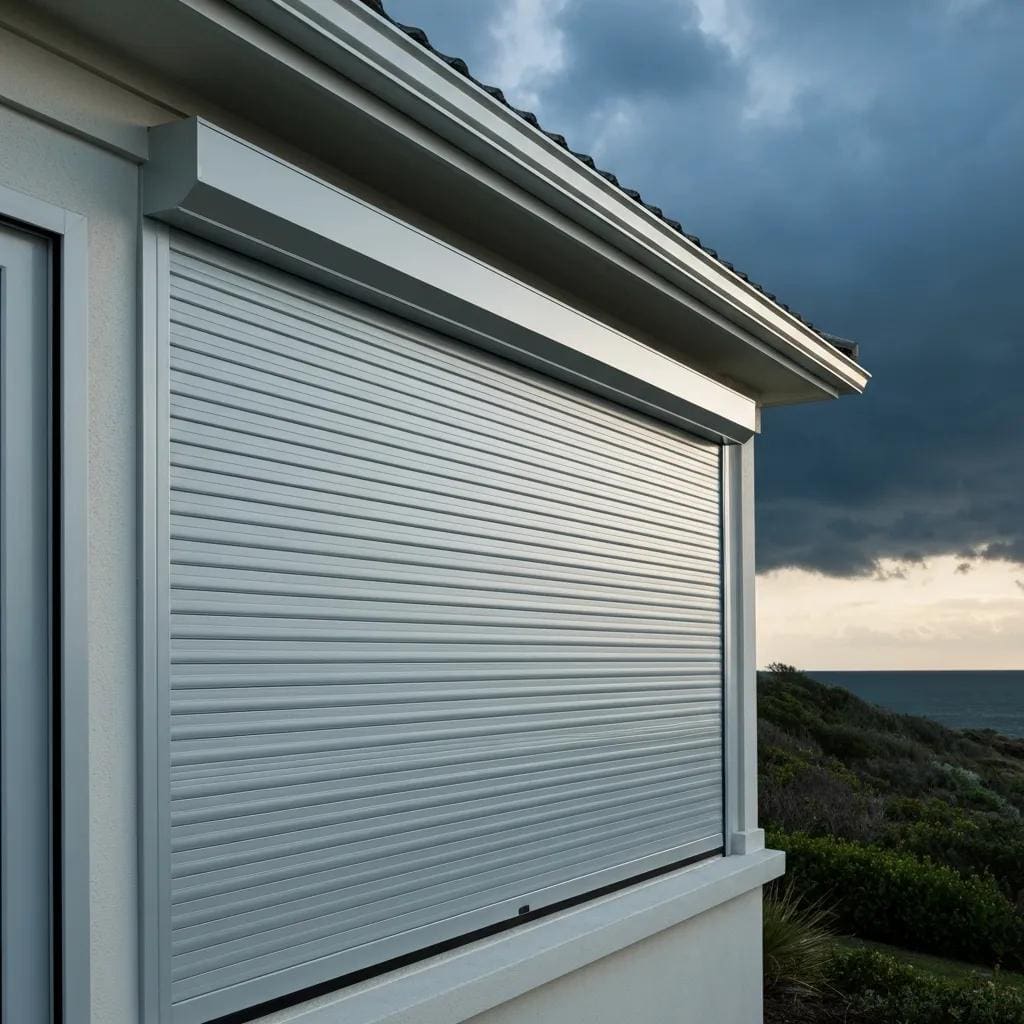
Roll Down Shutters — Customer Ratings Made Clear: A Practical Guide to Reviews, Benefits, and Buying Advice
Roll down shutters are exterior systems that unroll to cover windows and openings, combining storm protection, security, and light control in one solution. This guide breaks down roll down shutter reviews and ratings so coastal homeowners can turn customer feedback into useful buying criteria. Instead of hunting for “the best” model, use this article to check real-world performance, expected lifespan, and tradeoffs between motorized and manual operation. You’ll learn how to spot recurring complaints, what to prioritize for salt-air durability, and how operation type affects everyday satisfaction and upkeep. We compare aluminum and steel through customer-reported performance, map cost drivers to perceived value, and explain how installation practices affect long-term ratings. Finally, we outline how to request a free estimate and what post-installation support to expect from local NC and SC providers.
Why Do Customer Ratings Matter for Roll Down Shutters?
Customer ratings bundle several real-world signals—durability, installation quality, and operation reliability—into an easy snapshot that helps buyers predict likely outcomes. Ratings point to how materials perform in coastal conditions, whether motors or manual mechanisms hold up under regular use, and how installers handle fit and corrosion protection. Reading ratings closely reveals patterns: consistent noise complaints usually trace back to motor tuning or lubrication needs, while corrosion issues often originate with fastener choice or inadequate finishes. Knowing these causes helps homeowners separate one-off problems from systemic issues and focus on what actually matters for hurricane protection and daily use.
Ratings are most helpful when you filter them by topic—operation, corrosion, installation—instead of relying on a single aggregated score. Looking at review distribution and volume shows whether high or low scores reflect isolated incidents or a steady trend. That detail equips buyers to ask targeted questions of manufacturers and installers and lowers the chance of post-purchase surprises.
Ratings also give clues about compliance and warranty responsiveness: service-related comments often predict how a company handles post-storm support. That naturally leads to how engineered solutions and installation practices convert ratings into measurable homeowner benefits.
If you want reassurance tied to review signals, American Hurricane Shutters emphasizes measurable installation standards and pre-installation analysis. Ratings that praise longevity and reliable operation often line up with engineered practices—like using 18-8 stainless steel fasteners and running a Design Pressure Analysis before install. We offer free estimates and engineered solutions for coastal NC and SC homeowners to help align review signals with real technical performance.
What Key Factors Influence Roll Down Shutter Ratings?
Ratings are driven mainly by material quality, operation-type reliability, and installer workmanship—each shaping long-term performance and customer satisfaction. Material affects corrosion resistance and denting; operation type influences convenience and likely failure modes; and workmanship determines fit, sealing, and anchoring for wind loads. Warranty handling and post-sale support also sway ratings, since quick, competent service can turn an early problem into a satisfied customer. Recognizing these factors helps buyers prioritize the attributes that match common review themes.
Which factor matters most depends on your situation—coastal homes weigh corrosion resistance more heavily, while urban properties may prioritize forced-entry resistance. With that context you can compare reviews by topic and ask suppliers the right technical questions about fasteners, wind ratings, and motor backup options.
How Can Customer Reviews Help You Choose the Best Roll Down Hurricane Shutters?
Reviews become useful buying tools when you use them to verify specific performance claims, not just a star rating. Look for local reviewers with storm experience and recurring themes—quiet motors, seam leaks, or consistent praise for installers—and link those themes to engineering causes like anchoring or fastener quality. Turn reviews into a short checklist for installers: confirm wind-load ratings, ask which fasteners are used, and verify motor warranties and manual override options. That converts subjective comments into objective purchase criteria that suit your property’s risk profile.
Filter reviews by attribute—durability, noise, installation quality—then validate choices by requesting documentation (for example, a Design Pressure Analysis) and references from nearby projects.
What Do Reviews Reveal About Roll Down Shutter Durability and Performance?
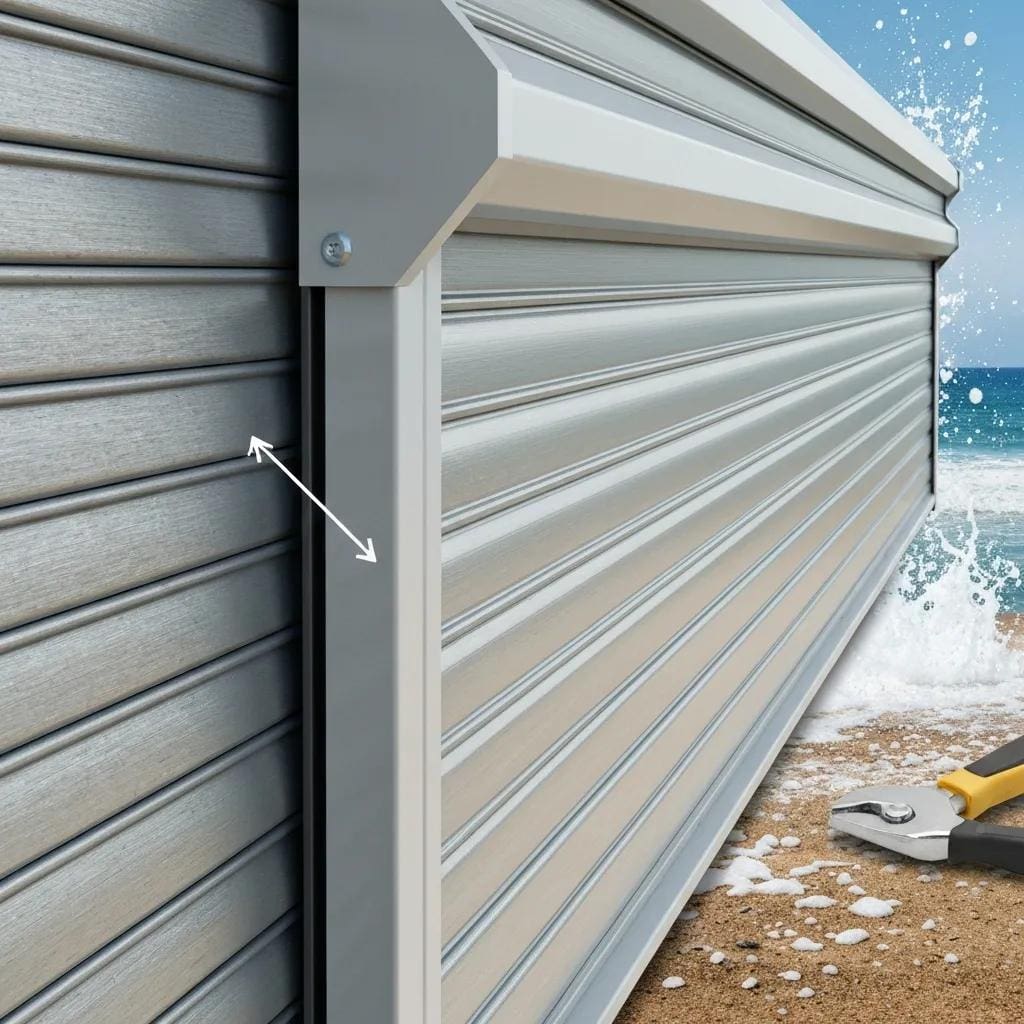
Durability and performance reviews focus on how materials resist wind, impact, and coastal corrosion, and on how components like motors and housings age with use. Customers often reference measurable features such as wind-load ratings and observed lifespans, which you can interpret against maintenance expectations. Patterns emerge: aluminum resists corrosion better but dents more easily; steel is stiffer and feels more secure but needs strong anti-corrosion coatings and premium fasteners. Reviews also point to common failure points—worn guides, motor overheating, or bad seals—that often indicate either product limits or installation shortcomings.
The table below translates customer feedback into an engineering-focused comparison of common materials to help buyers evaluate reviews and ratings.
Different materials show distinct durability traits in customer reports:
Real-world comments frequently tie back to maintenance and installation details—properly anchored, well-sealed systems outlast rushed installs. Connecting customer feedback to engineering attributes helps you ask the right questions and pick materials that suit your coastal exposure.
How Do Aluminum and Steel Roll Down Shutters Compare in Customer Ratings?
Aluminum shutters earn favorable marks for corrosion resistance and lighter operation, especially when finished with marine-grade coatings and installed with stainless fasteners—details customers call out as essential for coastal longevity. Users praise aluminum for ease of use and lower long-term corrosion costs, though dent susceptibility is a recurring complaint in impact zones. Steel scores for perceived security and rigidity; homeowners in high-wind or high-impact areas sometimes choose steel for that reason, while noting it requires proactive corrosion protection and premium fasteners to keep ratings high over time.
Choosing between aluminum and steel comes down to priorities: if salt-air resistance and easier operation matter most, aluminum is the usual pick; if you need maximum structural strength and forced-entry resistance, steel may be preferable.
What Real-World Experiences Do Coastal Customers Share About Performance?
Coastal reviewers commonly highlight two themes: active corrosion management and reliable performance during storms. Salt-air customers often mention routine rinse-and-lube maintenance and praise systems installed with corrosion-resistant hardware. Complaints typically trace to non-stainless fasteners or poor sealing that accelerate wear. Many reviewers stress that durable results reflect both correct material choice and installer standards, and they rate systems higher when installers document wind-load considerations and use engineered anchoring.
These practical accounts make it clear that, in NC and SC coastal conditions, customers value engineered installation practices and corrosion-resistant hardware almost as much as the shutter material itself.
How Do Customers Rate Manual vs. Motorized Roll Down Shutters?
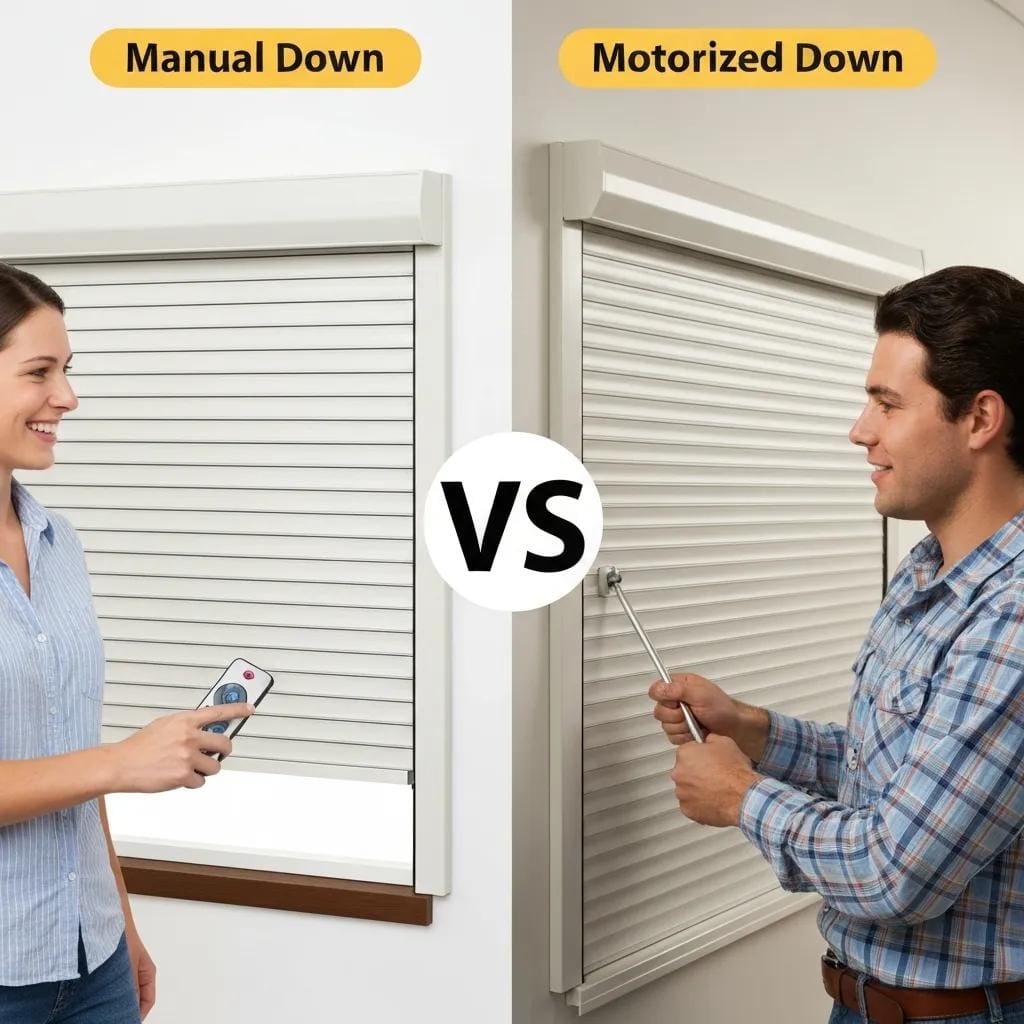
Customers judge manual and motorized shutters by ease of use, reliability, and maintenance needs, producing distinct rating trends. Motorized systems score high on convenience—especially for large openings or frequent use—but ratings drop when motors fail, are noisy, or lack a power backup. Manual shutters earn praise for simplicity and long-term reliability, though ratings can fall if physical effort or accessibility make them impractical for daily use. Many reviews recommend pairing motorized convenience with manual override features to balance ease and robustness.
Understanding these tradeoffs helps homeowners choose the operation type that fits their lifestyle and tolerance for maintenance.
What Are the Pros and Cons of Motorized Roll Down Shutters According to Users?
Motorized shutters deliver convenience—one-touch operation, integration with smart home systems, and fast deployment when weather turns—so users who value ease rate them highly. Common negative feedback centers on motor noise, occasional failures, and dependence on power without battery backup; those problems drop ratings when installers don’t address them. High-scoring motorized installs typically include manual overrides, battery backups, and scheduled motor maintenance.
- Convenience: Remote or one-touch operation boosts satisfaction for homes with many openings.
- Integration: Smart controls and timers add value reviewers appreciate.
- Failure Modes: Motor issues, noise, and lack of backup are frequent reasons for lower ratings.
Customers advise choosing motorized systems only when backed by solid warranties, accessible service, and clear manual override options to protect long-term satisfaction.
What Do Customers Say About Manual Roll Down Shutter Operation?
Manual shutters get praise for straightforward operation and long-term reliability because they avoid electrical components that can fail. Reviewers often report consistent performance and fewer repairs than motorized units, which boosts ratings for buyers prioritizing uptime. Downsides include the physical effort for large openings, possible inaccessibility for some household members, and slower deployment in urgent weather. People who value low maintenance and durability usually rate manual systems higher—provided installation ensures smooth operation and accessible crank locations.
Reviewers commonly suggest assessing opening size and household capability before choosing manual operation to match daily use with expected reliability.
What Security Features Do Roll Down Shutters Offer Based on Customer Feedback?
Reviews portray roll down shutters as multi-use systems that combine storm protection with security and privacy, and ratings often reflect how well locks and forced-entry resistance perform in practice. Positive security reviews cite robust locking systems, tight guide tolerances, and sturdy slats that resist prying. Negative security ratings usually point to poor installation, low-quality locks, or weak anchoring. Customers also praise shutters that reduce interior visibility and street noise, which adds to perceived neighborhood security.
When reading security-related reviews, confirm the locking type, ask about forced-entry testing or ratings, and ensure installations minimize gaps that could be exploited.
How Effective Are Locking Mechanisms and Forced Entry Resistance?
Reported locking mechanisms include slide bolts, hook locks, and heavier deadbolt-style anchors; customers consistently rate tamper-resistant, full-engagement locks higher. Positive forced-entry comments typically reference full-length engagement, heavy-duty brackets, and precise guide tolerances that prevent levering. Complaints point to easy-to-defeat locks or poor anchoring, which lower security ratings regardless of slat material. For higher security, reviewers recommend specifying heavy-duty lock options and confirming installation details that remove leverage points.
Customers who rate security well generally pair sturdy locks with professional installations that focus on anchoring and alignment.
What Privacy Benefits Do Customers Highlight in Their Reviews?
Privacy and daylight control appear in reviews as everyday benefits that raise satisfaction, with many homeowners valuing the ability to block sightlines and reduce glare. Customers note better sleep and less street noise when shutters are closed, which increases perceived value beyond storm protection. Some reviews mention adjustable slat positions that balance light and privacy, but full blackout setups get the highest privacy-related praise. These lifestyle gains often boost ratings when installation provides a tight seal and smooth operation.
Reviewers emphasize that privacy is an added bonus to protection and security, making shutters a practical, multi-purpose investment with measurable lifestyle value.
How Do Customers Evaluate the Cost and Value of Roll Down Shutters?
Customers weigh cost against durability, installation quality, and potential savings such as insurance discounts when rating value. Price drivers—material, motorization, and installation complexity—show up in reviews that link higher upfront cost to greater long-term satisfaction when backed by engineered installation and quality hardware. Buyers often report better lifecycle value and higher ratings when systems include pre-installation engineering or verified wind-load calculations. Understanding the common cost components and how they influence perceived ROI helps homeowners prioritize spending that most improves long-term satisfaction.
The table below maps cost factors to customer perceptions so you can see how pricing choices affect ratings.
What Pricing Factors Affect Roll Down Shutter Ratings?
Pricing items called out in reviews include premium finishes, motors and smart controls, and the cost of custom sizes or architectural integration. Unexpected add-ons or unclear scopes lower satisfaction, while transparent, engineered quotes raise ratings. Installation complexity—retrofits, oversized openings, or obstructed mounts—drives labor costs and, when not anticipated, becomes a frequent complaint in lower-rated purchases. Clear communication about these pricing drivers during the estimate phase strongly correlates with better customer ratings.
Itemized estimates that link each cost to an expected performance benefit help align price with value and reduce negative feedback.
How Do Customers Perceive the Investment in Roll Down Shutters?
Many reviewers view shutters as an investment in safety and peace of mind, citing insurance savings and stronger resale appeal as reasons for positive ratings. Satisfied customers describe a multi-year view where avoided storm damage, fewer repairs, and improved security outweigh the initial cost. By contrast, frequent maintenance or poor installation leads to regret and lower value scores. Quantifying expected lifespan, maintenance needs, and insurance impacts during the sales process helps buyers set realistic ROI expectations and improves long-term satisfaction.
Approach the purchase with a lifecycle-cost mindset—balance upfront price against expected maintenance and replacement timelines to maximize perceived value.
What Are Common Installation and Maintenance Experiences Shared by Customers?
Installation quality is a recurring theme in reviews: careful measurements, engineered anchoring, and corrosion-resistant fasteners drive higher satisfaction and fewer callbacks. Common complaints cite misaligned guides, poor sealing, and non-stainless fasteners in coastal environments. For maintenance, customers recommend regular cleaning, lubrication, and seasonal inspections to extend service life in salt-air climates. These installation and upkeep patterns show that solid engineering and simple maintenance routines improve both performance and ratings.
Understanding common installation mistakes helps homeowners select installers who follow verified engineering practices and use proper materials.
What Installation Practices Lead to Higher Customer Satisfaction?
Top-rated installers perform pre-installation assessments, verify wind-load requirements, and use corrosion-resistant hardware such as 18-8 stainless steel fasteners. Highly rated jobs include clear timeline communication, visible quality checks, and documented anchoring methods that meet code or engineering expectations. Conversely, cutting corners on fasteners or skipping proper anchoring often produces movement, rattling, or early failure—and lower ratings. Use these review patterns to vet installers and insist on documented engineering for high-wind or coastal applications.
Asking installers for proof of anchoring methods and fastener materials is a practical next step after reading installation-related reviews.
How Do Customers Maintain Roll Down Shutters for Longevity?
Customers follow seasonal maintenance routines—rinsing salt deposits, lubricating motors and guides, and checking seals—to keep shutters working and looking good. These habits show up in higher-rated reviews where homeowners mention routine checks and timely service calls that prevent small issues from growing. Maintenance frequency depends on exposure: coastal homes typically rinse and inspect more often than inland properties. Reviewers recommend annual or biannual professional checks to supplement DIY upkeep, which supports longer lifespans and fewer emergency repairs.
Consistent maintenance matched to local conditions is a recurring theme in positive reviews and a practical way to extend useful life.
How Does American Hurricane Shutters Ensure Customer Satisfaction in NC and SC?
American Hurricane Shutters delivers engineered hurricane protection for homeowners and businesses across coastal North and South Carolina, focusing on practices that align with high customer ratings—engineered installation, documented anchoring, and corrosion-resistant hardware. We perform Design Pressure Analysis to verify wind-load requirements before installation and use 18-8 stainless steel fasteners to lower corrosion complaints. We also provide educational resources and free estimates so homeowners understand expected performance. These steps match review patterns showing higher satisfaction when buyers receive clear technical explanations and documented installation plans.
Those practices link directly to what customers praise in reviews: engineered verification, quality fasteners, and transparent pre-installation information that reduce surprises.
What Do North and South Carolina Customers Say About Their Roll Down Shutters?
Local customers give higher ratings when installations reflect coastal engineering—tight seals, stainless fasteners, and verified anchoring—and when installers explain system performance during storms. Reviews from NC and SC homeowners often highlight peace of mind in hurricane season and appreciation for installers who address salt-air corrosion and maintenance. While we don’t reproduce testimonials here, review trends show that local expertise and storm-specific preparation are major drivers of positive ratings in these areas.
These local patterns reinforce why engineered analysis and coastal-grade materials are recommended to buyers in NC and SC.
How Does American Hurricane Shutters Support Customers Post-Installation?
Post-installation service that improves ratings includes prompt scheduling, seasonal maintenance guidance, and clear warranty details. American Hurricane Shutters outlines post-sale options like maintenance plans and repair scheduling to help homeowners maintain performance and extend system life. Customers rate providers higher when service is timely and when maintenance guidance addresses salt-air and motor care. Homeowners seeking a free estimate or support should expect documented maintenance options and an easy path to request service.
If you decide to move forward, American Hurricane Shutters offers a free estimate and engineering analysis intended to align installed performance with customer expectations.
Frequently Asked Questions
What are the main benefits of installing roll down shutters?
Roll down shutters deliver several benefits: stronger storm protection, improved security, and greater privacy. They shield windows from high winds and flying debris—critical for coastal homes—while also deterring intruders. Many homeowners enjoy better light control and reduced outside noise, which improves comfort. Over time, shutters can also lower repair expenses and qualify you for insurance discounts, adding measurable value.
How do I choose between manual and motorized roll down shutters?
Choose based on daily needs and household ability. Manual shutters are praised for reliability and low maintenance, a good fit if you prefer simplicity. Motorized shutters offer convenience for large openings or frequent use, but they require more service attention and benefit from battery backups and manual overrides. Consider ease of use, accessibility, and your willingness to schedule maintenance when deciding.
What maintenance is required for roll down shutters?
Regular maintenance keeps shutters performing: remove salt deposits, lubricate moving parts, and inspect seals seasonally. Coastal homes should be more vigilant about rinsing and checks. It’s also wise to schedule a professional inspection at least once a year. These steps prevent small issues from becoming major repairs and help ensure the shutters operate when you need them.
How do I know if my roll down shutters are installed correctly?
Correct installation shows up as tight seals, smooth operation, and secure anchoring sized for local wind loads. Check for even alignment and make sure guides and locks function properly. Gaps, misalignment, or difficulty operating are red flags—consult a qualified installer to verify engineering and code compliance.
What should I ask when getting a quote for roll down shutters?
Ask specific questions: what materials and finishes are used, what the warranty covers, and whether the installation includes a Design Pressure Analysis to confirm wind-load requirements. Ask what fasteners will be used—especially in coastal areas—and whether corrosion-resistant hardware is included. Clear answers help you compare scopes and avoid surprises.
Are there any specific features to look for in high-security roll down shutters?
Look for heavy-duty locking mechanisms, tamper-resistant designs, and tight-fitting guides that limit leverage. Reviewers recommend full-length engagement locks and robust brackets for better forced-entry resistance. Confirm that the installer provides proper anchoring to minimize exploitable gaps.
Are Roll Down Shutters Worth the Investment?
For homeowners who value storm protection, potential insurance savings, and added security—especially in hurricane-prone coastal areas—roll down shutters are usually worth the investment when systems are selected and installed with engineered verification. Reviews show higher long-term satisfaction when buyers receive wind-load documentation and marine-grade hardware. For properties exposed to frequent severe weather, the upfront cost is often offset by avoided damage and lower repair bills. Prioritize verified engineering and quality materials to increase the likelihood that ratings stay positive over the life of the system.
Setting clear expectations about lifecycle costs and maintenance helps ensure perceived value matches real outcomes.
How Long Do Roll Down Shutters Typically Last According to Customers?
Customer-reported lifespans typically range from about 10 to 20 years, depending on material choice, coastal exposure, maintenance, and installation quality. Lifespan improves with routine cleaning, lubrication, timely repairs, and use of corrosion-resistant fasteners and proper anchoring. Reviewers note that systems installed without marine-grade hardware in salt-air areas deteriorate faster. Following maintenance guidance and choosing engineered installs will help extend useful life.
Knowing these factors lets buyers set realistic expectations and plan maintenance that aligns with higher-rated experiences.
How Can You Get a Free Estimate for Top-Rated Roll Down Shutters?
Requesting a free estimate usually starts with basic property details so the provider can scope the job and plan an on-site review. Expect to share general location, approximate opening sizes, and preferred operation type to speed the process. After that, we typically perform an on-site assessment and a Design Pressure Analysis for coastal properties, then deliver a written proposal outlining costs and options. This step-by-step approach aligns expectations and reduces change orders that commonly lower customer ratings.
Here’s a short checklist to prepare for an accurate, engineered proposal:
- Gather basic property details: general location and the number of openings to protect.
- Take measurements or photos of windows and doors to speed the on-site review.
- Note your preferred operation type (manual or motorized) and any accessibility needs.
- Share timing constraints and any recent storm history that could affect design choices.
Having this information ready improves estimate accuracy and helps the installer prepare necessary engineering checks—steps that support better-rated outcomes.
What Information Do You Need to Request a Free Estimate?
To request an estimate, collect property details, approximate window sizes or photos, your preferred operation type, and any relevant storm history or scheduling constraints. Images and dimensions ahead of an on-site visit let the estimator prepare a more informed Design Pressure Analysis and reduce follow-up questions. Indicate whether you want motorized or manual operation so the initial scope includes appropriate equipment and backup options. Clear upfront information is consistently linked to favorable customer ratings because it leads to more accurate quotes and fewer surprises.
Preparing these items before you contact a provider helps ensure the estimate reflects real installation needs and aligns with higher-rated experiences.
How Does the Free Estimate Process Work with American Hurricane Shutters?
Our free estimate process begins with your initial contact and information gathering, moves to an on-site assessment and Design Pressure Analysis, and ends with a written proposal outlining recommended materials and installation scope. The Design Pressure Analysis verifies wind-load requirements for your property and informs material and anchoring recommendations—addressing common concerns raised in reviews. After you review the proposal, we discuss options such as motorization and corrosion-resistant hardware and schedule installation once the scope is agreed. This transparent, engineering-first approach reduces surprises that often lower customer ratings and improves long-term outcomes.
Preparing photos and measurements before requesting an estimate streamlines the process and positions you to receive a technically validated proposal.
Conclusion
Roll down shutters provide meaningful storm protection, added security, and greater privacy—especially valuable for coastal homeowners. Reading customer ratings and reviews the right way helps you make choices that match your needs and expectations. If you’d like a tailored solution and a free estimate, connect with our team. Experience the confidence that comes from engineered hurricane protection designed for your home.