
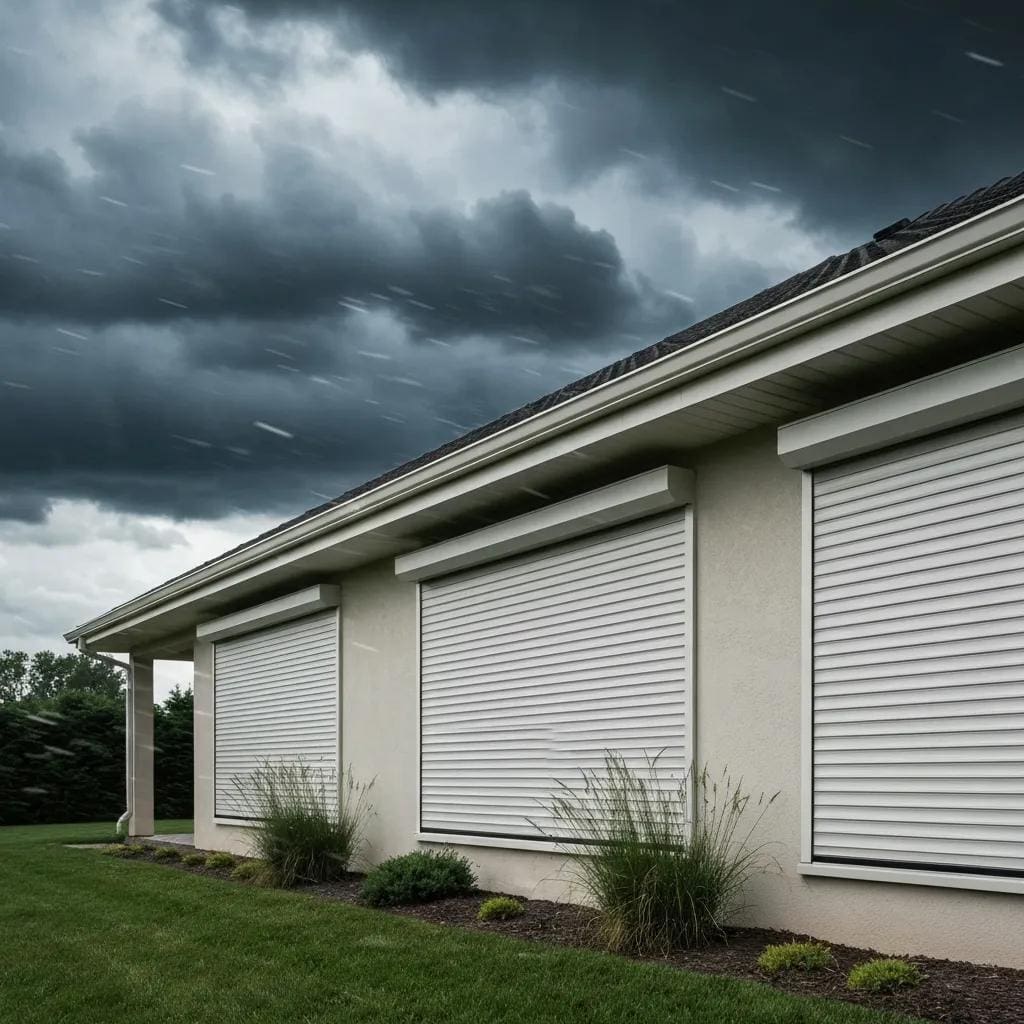
How Roll‑Down Hurricane Shutters Protect Your Home in Severe Wind Events
Roll‑down hurricane shutters are exterior systems made to cover windows and doors during storms. They form a strong, continuous barrier that helps keep wind pressure and flying debris from damaging your home’s structure and interior.
This guide walks through how roll‑down shutters work, how wind ratings and building codes apply, and which engineering features—like interlocking slats, reinforced tracks, and end‑retention systems—deliver high wind and impact resistance. You’ll learn how material choices and lab testing translate into real‑world performance, how manual and motorized systems compare, and which installation and cost factors affect long‑term value. We also cover secondary benefits—energy savings, noise reduction, and added security—and relate those to coastal conditions in North and South Carolina so you can make a well‑informed decision. Practical checklists, comparison tables, and service guidance will help you evaluate options and request professional estimates or use local cost tools. The sections that follow unpack wind resistance, impact performance, broader benefits, operational choices, installation and costs, and coastal considerations in a clear, evidence‑based way.
How do roll‑down hurricane shutters deliver superior wind resistance?
Roll‑down shutters resist wind by creating a continuous, anchored surface over an opening that counters uplift, racking, and pressure differences during severe wind events. Rigid slat profiles, reinforced side tracks, and secure fastenings transfer wind loads into the building structure so glazing and frames are less likely to fail. That load‑transfer reduces peak pressures on windows and limits interior pressurization during hurricanes. Knowing the ratings and standards that measure wind resistance helps you compare products and confirm they meet high‑velocity hurricane zone requirements. The next section explains the common ratings and code tests manufacturers and officials use to certify shutters.
What are wind resistance ratings and code standards for roll‑down shutters?
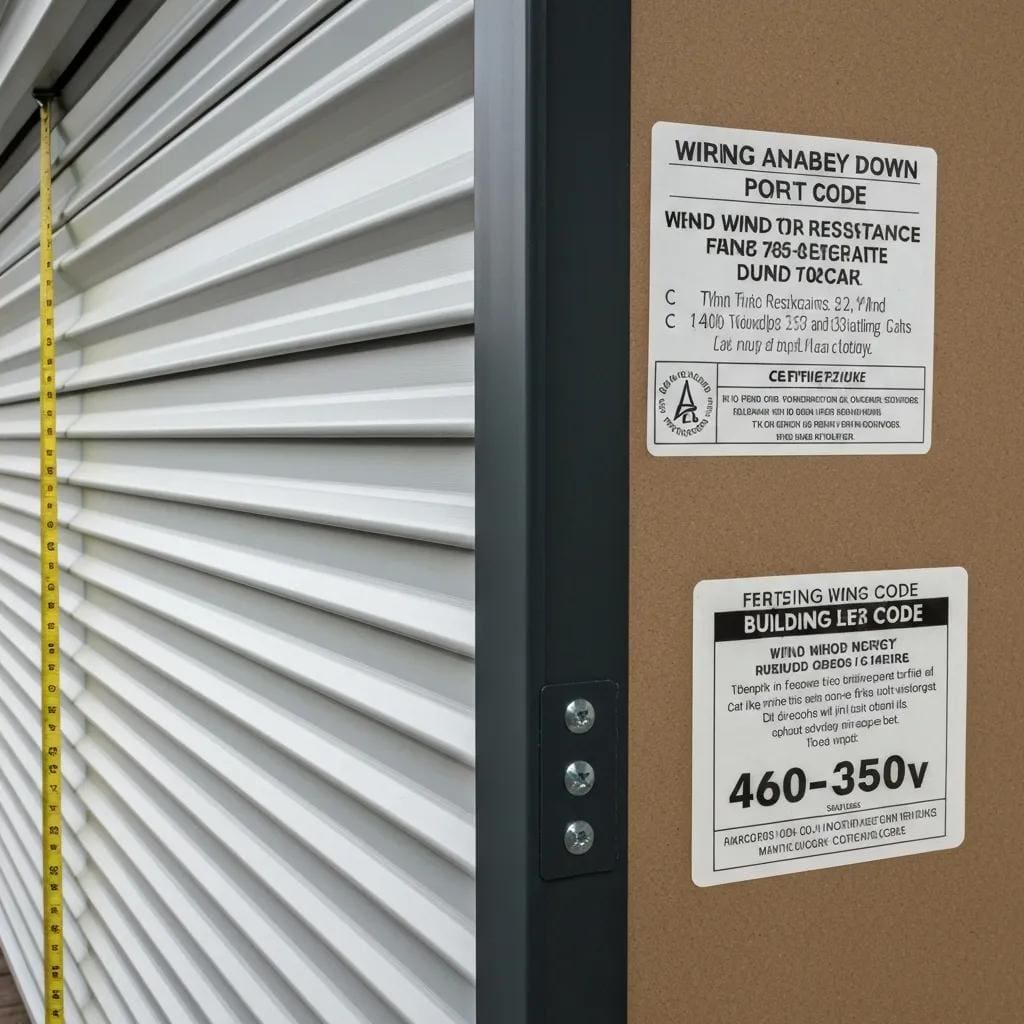
Ratings and code standards describe how shutters perform under set pressures and impact conditions. Common metrics include design pressure (DP) and the tests required for high‑velocity hurricane zones (HVHZ). DP is given in psf (or a converted wind speed) and indicates the uniform pressure the product is built to resist—higher DP means greater resistance to bending and deformation. Miami‑Dade and HVHZ protocols often require cyclic wind loading plus missile‑impact testing for coastal approvals, which can affect permits and insurance. Always ask manufacturers for documented DP ratings and full test reports, and confirm the selected shutters match your site’s wind exposure. Tracing wind‑speed claims back to DP and test methods gives meaningful assurance for coastal properties.
How can roll‑down shutters withstand winds up to 200 mph?
High wind performance comes from combining strong slat alloys, interlocking profiles, reinforced end caps, and continuous side tracks that limit lateral movement and uplift. Slats ride in precision tracks with end‑retention so concentrated wind loads get transferred into multiple anchor points on the structure, easing stress on glazing and frames. Housings—manual or motorized—are designed to resist torsion and stay aligned under repeated loading, while corrosion‑resistant finishes protect strength in salt‑air environments. Remember: lab ratings may convert to very high wind speeds, but field reliability depends on correct anchoring and professional installation. In short, installation quality is as important as the rating when judging real‑world performance.
To make wind‑rating comparisons easier, the table below summarizes common rating types and what they mean for homeowners.
Note: the comparison translates technical test categories into practical homeowner implications and permit considerations. It lists rating types, typical test values, and what each category implies at the household level.
This table shows why wind‑speed claims are most useful when backed by DP and code‑based testing. Next, we look at how shutters protect against flying debris.
What impact protection do roll‑down hurricane shutters offer against flying debris?
Roll‑down shutters form a physical shield made from engineered materials that absorb, deflect, or dissipate the energy of flying debris, greatly lowering the chance of window penetration and subsequent interior damage. Impact resistance depends on material thickness, slat geometry, anchorage strength, and performance under standardized missile‑impact tests. For homeowners, shutters rated for missile impacts significantly reduce the risk of glazing failure and wind‑driven water intrusion. Evaluating material choices, test evidence, and anchorage details is essential to ensure shutters perform in both lab tests and real storms.
Research supports shutter systems as an effective measure to reduce damage from high winds and wind‑driven rain, with a focus on preventing water ingress during severe storms.
Effectiveness of Shutter Systems in Mitigating Hurricane Damage and Rain Intrusion
Shutter systems are widely used in hurricane‑prone regions to reduce damage from high winds and windborne debris. This study measures rain intrusion and evaluates how shuttered and impact‑resistant windows reduce water entry during severe wind events.
Holistic testing to determine quantitative wind‑driven rain intrusion for shuttered and impact resistant windows, KS Vutukuru, 2020
The subsection below compares common materials and their trade‑offs for impact resistance and coastal durability.
How do aluminum and steel materials affect impact resistance?
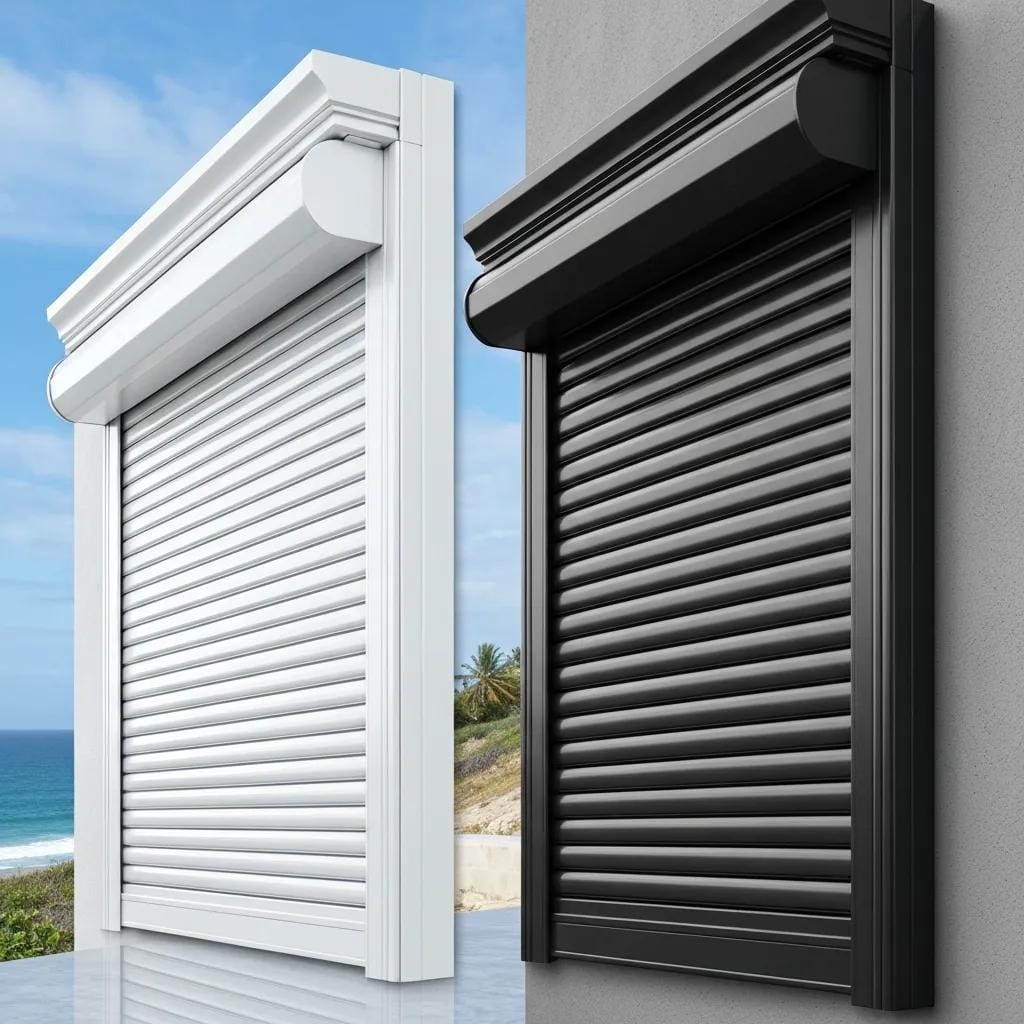
Aluminum and steel both bring strengths to shutter design. Aluminum offers a strong strength‑to‑weight ratio and good corrosion resistance when using marine‑grade alloys and protective finishes; it also keeps housings lighter and motor loads lower. Steel provides higher stiffness and yield strength for extreme loads but adds weight and requires more corrosion protection in coastal settings. Coatings, anodizing, and powder finishes extend service life near salt air. Balancing impact needs, maintenance expectations, and structural backing helps homeowners pick the right material for protection and lifecycle performance.
Codes and guidance stress that windows and glazing in tropical cyclone regions should be protected against windborne debris to reduce risk of structural and water damage.
Debris Protection Requirements for Windows and Glazing During Tropical Cyclones
Windows and other exterior glazing should be debris‑rated or protected by debris‑rated screens to guard against both large and small windborne objects. • Debris‑rated shutters or screens must be installed to protect against windborne debris during tropical cyclones.
Design of Strong Rooms in New Houses for protection during tropical cyclones — Guide for Builders, Designers, Engineers and Building Certifiers
Are roll‑down shutters tested for real‑world severe wind events?
Manufacturers test shutters in labs using standard cyclic wind loading and missile‑impact procedures that simulate key storm effects. While lab tests can’t duplicate every possible real‑world scenario, they give a consistent baseline for comparing products. Interpreting test reports means checking sample configuration, anchorage details, and whether the tested assembly matches how you’ll install the product—because installation differences can change field performance even if lab results are identical. Case studies show that installation quality, structural backing, and maintenance are often the deciding factors in whether tested performance translates to real‑world protection. Ask for test documentation, confirm installation mirrors tested conditions, and plan routine maintenance to keep protection reliable.
Studies into steel and aluminum shutter performance under debris impact underscore their role in resisting common projectiles seen in hurricane regions.
Performance of Steel and Aluminum Hurricane Shutters Under Debris Impact
This study subjected steel and aluminum panel shutters to impacts from concrete roof tiles common in hurricane regions, evaluating different shutter types and installation methods against debris impact—a key factor in severe wind events.
Performance of hurricane shutters under impact by roof tiles, KR Gurley, 2010
What are the key benefits of roll‑down hurricane shutters beyond storm protection?
Roll‑down shutters offer more than storm defense: they can improve home security, reduce cooling costs, lower noise, block UV light, and even boost property value and insurance savings. A lockable shutter deters break‑ins and protects openings when you’re away. Reflective finishes and an insulating air gap reduce solar heat gain and can cut cooling load. The added mass and separation from the window also help reduce exterior noise. These secondary benefits factor into total cost of ownership and return on investment and should be weighed alongside upfront purchase and installation costs.
The next section outlines how shutters function as a security feature and what to look for when prioritizing burglary deterrence.
How do roll‑down shutters improve home security and prevent break‑ins?
Shutters add a strong, lockable barrier that makes forced entry much harder than unprotected windows or sliding doors. Look for internal locks, tamper‑resistant housings, and solid anchorage to framing members to resist prying or leverage attacks. The visible presence of shutters also deters opportunistic burglars, and motorized systems let you close multiple openings quickly when you’re away. For security‑focused installs, specify tamper‑proof fasteners and integrated locking, and use professional installation to ensure the barrier works as intended.
Those security advantages tie directly into the energy and acoustic benefits shutters can provide.
Before we dig into energy and sound control, here are the primary non‑storm benefits homeowners typically see:
- Enhanced security: A lockable physical barrier makes forced entry more difficult and deters opportunistic crime.
- Energy savings: Shading, reflective finishes, and an insulating air gap reduce solar heat gain and lower cooling demand in warm climates.
- Noise reduction: Added mass and the air gap between shutter and window cut outside sound.
- UV control and privacy: Shutters block direct sunlight and provide privacy when closed.
These advantages make roll‑down shutters appealing year‑round, and understanding the mechanisms helps estimate likely savings and comfort improvements.
Can roll‑down shutters lower energy costs and reduce noise?
Yes. Shutters shade glazing, reflect solar radiation, and create an insulating air cavity that slows heat transfer—reducing air‑conditioning runtime in hot months. Actual energy savings depend on window type, orientation, and local climate, but correctly fitted shutters can noticeably reduce peak cooling loads and improve comfort. On the acoustic side, the shutter assembly adds mass and breaks sound paths, producing measurable reductions in typical street and wind noise. When estimating savings, consider shutter color, insulation options, and how shutters integrate with your existing window treatments.
How do manual and motorized roll‑down shutters compare?
Both manual and motorized shutters provide the same basic storm protection, but they differ in deployment speed, convenience, maintenance, and cost. Manual systems use a crank or strap, have lower upfront cost, and simpler maintenance—good for smaller openings or budget‑minded owners. Motorized systems offer fast, remote deployment, smart‑home integration, and safer, hands‑free operation when storms approach, but they add electrical requirements and higher initial cost. For motorized systems, reliability, backup power, and diagnostic features matter; manual systems trade convenience for mechanical simplicity and easier repairs.
What are the advantages of motorized roll‑down shutters?
Motorized shutters open and close quickly by remote control and can link to smart‑home or storm‑prep automation, which is valuable when time is short. Electric operation reduces physical effort and speeds up closing multiple openings. Modern motors include soft‑start/soft‑stop features that extend component life and reduce noise. Advanced systems may report motor health and travel limits to help schedule preventive maintenance and avoid failures during storms. These conveniences come with higher upfront costs and electrical work, so plan for backup power to ensure operation during outages.
When are manual roll‑down shutters the better choice?
Manual shutters are often the best fit when budget, infrequent use, or simple openings make a lower‑cost, low‑maintenance mechanical system sensible. They need no electricity and have fewer electronic failure modes, which simplifies long‑term ownership and repair. For smaller windows, secondary structures, or properties where manual deployment is acceptable, these systems deliver solid protection with a lower initial investment. If you choose manual, confirm the crank is ergonomic and have the installer demonstrate operation to ensure it’s manageable for your household.
What is the typical installation process and cost for roll‑down hurricane shutters?
Installation usually follows this sequence: site assessment, precise measurements, permitting (if required), mounting housings and tracks, anchoring to structural members, and functional testing with final adjustments and documentation. A professional installer will locate structural backing, recommend appropriate anchorage, and confirm the installed configuration mirrors the tested assembly to preserve rated performance. Cost drivers include material (aluminum vs steel), motorization, custom sizes or architectural work, and corrosion‑resistant finishes for coastal exposure. Because pricing varies by opening geometry and site complexity, many installers offer cost tools and free on‑site estimates to clarify likely investment and insurance‑saving implications; using our shutter cost calculator and requesting a free estimate will give realistic ranges for your project.
Below is a breakdown of primary cost factors, how each affects price, and typical impact to help with budgeting.
This breakdown helps you weigh upfront cost against durability and convenience. The next section explains how professional installation preserves rated performance and compliance.
How does professional installation ensure proper fit and code compliance?
Pro installers measure precisely, verify structural backing for secure anchorage, and install shutters to match the manufacturer’s tested configuration so rated performance holds up. Installers who know local codes will complete required documentation and can advise on permit submissions and evidence of compliance that affect insurance and inspections. Quality installation includes operational testing, fastener and torque checks, and homeowner training on use and maintenance. Ask for written installation records, warranty details, and maintenance recommendations so you’re confident the shutter system will perform when it matters.
What factors influence the final cost of roll‑down shutters?
Final cost depends on material and finish, motorization, total protected square footage, mounting complexity and any structural reinforcement, plus local permit and inspection fees. Coastal upgrades—like enhanced coatings and stainless hardware—raise material and labor costs but extend service life in salt air. Electrical work for motorized systems (conduit, switches, backup power) adds cost, and special shapes or retrofits require extra fabrication. Use cost calculators and get free estimates to compare configurations and evaluate total cost of ownership rather than only initial purchase price.
Next, we explain why roll‑down shutters are particularly well suited to coastal homes in our service area.
Why are roll‑down hurricane shutters a good fit for coastal homes in North and South Carolina?
Coastal homes in North and South Carolina face high wind exposure, storm surge, and frequent severe wind events—conditions where durable, tested protective systems make a real difference. Shutters rated to HVHZ‑equivalent pressures and impact resistance provide meaningful protection for vulnerable openings like large windows, sliding doors, and ocean‑facing glass. The combination of storm protection, energy savings, and added security matches priorities for coastal homeowners, where weather risk and property values are both high. Matching shutter selection to local exposure and code requirements ensures you get protection aligned with regulatory and environmental demands.
How do local weather and building codes affect shutter effectiveness?
Local weather—prevailing onshore winds, hurricane season intensity, and exposure category—determines design pressure requirements and which shutter ratings are appropriate. Coastal building codes may require HVHZ‑level products and installation methods for certain distances from the shoreline, which means stricter testing and anchorage standards. Insurance and permitting processes often reference these codes, so choosing shutters with the right documented test evidence simplifies approvals and can qualify you for premium reductions. Evaluating site exposure and consulting local code requirements helps ensure shutters are sized and rated correctly for your risk profile.
What do coastal homeowners say about their experience with roll‑down shutters?
Homeowners on the coast commonly report greater peace of mind, fewer post‑storm repairs, and more confidence leaving properties unattended after installing shutters. Many also note reduced cooling bills and quieter interiors, while stressing the importance of professional installation and routine maintenance to maintain performance. Ask for local references and choose installers who document test matches and warranty terms—those details set realistic expectations for longevity and service needs. These homeowner insights help future buyers balance protection benefits against costs and upkeep.
- Request a Free Estimate: A site assessment identifies anchorage needs and exposure specifics.
- Use a Cost Calculator: Compare materials and motorization to estimate investment and potential ROI.
- Review Test Documentation: Confirm DP and impact‑test evidence to match local code and insurance criteria.
- Key takeaways: Roll‑down shutters are engineered protection systems that, when matched to local exposure and professionally installed, deliver storm resilience plus year‑round benefits for coastal homes.
- Next action: Use our cost tools and request a free estimate to find the configuration that balances protection, convenience, and budget for your property.
Frequently Asked Questions
What maintenance is required for roll‑down hurricane shutters?
Regular maintenance keeps shutters reliable. Inspect slats, tracks, and fasteners for wear, corrosion, or damage. Clean dirt and salt buildup—especially in coastal settings—to reduce corrosion. Test manual and motorized operation periodically to ensure smooth movement. Lubricate moving parts as recommended and check electrical connections on motorized systems. A short seasonal inspection and basic upkeep go a long way toward preventing failures when you need protection most.
How do I choose the right size for my roll‑down shutters?
Accurate measurements are essential. Measure the width and height of each opening, taking into account trim, architectural features, and any obstructions. It’s best to have a professional installer verify measurements and recommend shutter types and mounting approaches. Proper sizing ensures shutters fit securely and operate correctly during severe weather.
Can roll‑down hurricane shutters be installed on existing windows?
Yes. Most roll‑down shutters can be retrofitted to existing windows if the structure can support the required mounting hardware. A professional installer can assess window frames, recommend the best attachment method, and confirm the retrofit meets local code and performance expectations.
What is the lifespan of roll‑down hurricane shutters?
Lifespan varies by material, environment, and maintenance. High‑quality aluminum systems commonly last 20 years or more with proper care; steel can offer similar longevity but may require more corrosion protection in coastal areas. Regular inspections, cleaning, and basic maintenance will extend service life. Also review manufacturer warranties for expected coverage.
Are there insurance benefits to installing roll‑down hurricane shutters?
Yes. Many insurers offer discounts for homes with certified storm protection like hurricane shutters because they reduce damage risk. Check with your insurer for specific requirements and documentation needed for credits—photographs, test reports, and installation certificates can help support savings on premiums.
How do roll‑down hurricane shutters affect home resale value?
Shutters can enhance resale appeal, particularly in hurricane‑prone markets. Buyers value added protection, energy savings, and noise reduction. When marketing a home, highlighting professionally installed, certified shutters can differentiate your property and may improve buyer confidence and price competitiveness.
Conclusion
Roll‑down hurricane shutters offer proven protection against severe wind events while delivering added security, energy savings, and noise reduction. By understanding ratings, materials, installation needs, and local exposure, you can choose shutters that fit your home and budget. Ready to secure your property? Explore our roll‑down shutter options and request a free estimate to find the right balance of protection, convenience, and value for your coastal home.