
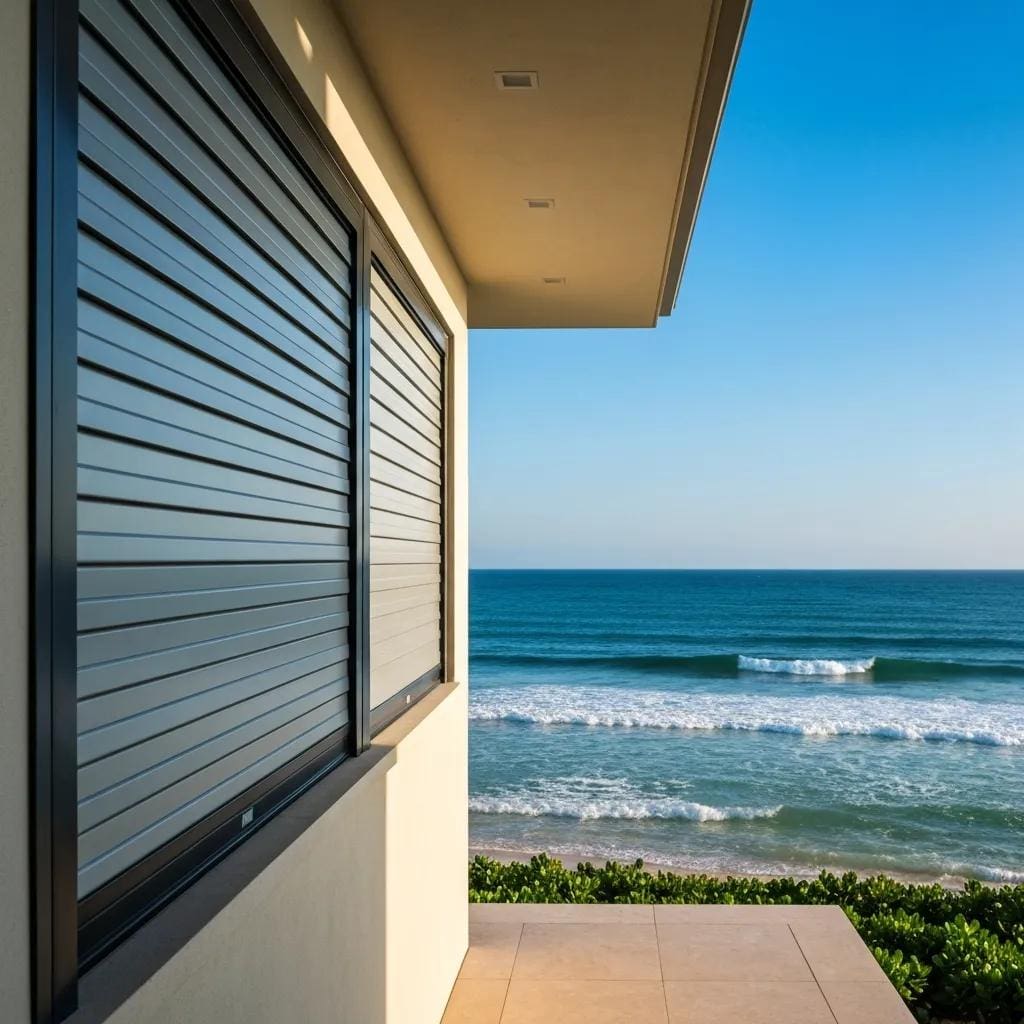
Durability Compared: Roll‑Down Shutters vs. Panels and Fabric — A Coastal Home Protection Guide
If you own a coastal property, you need storm protection that does more than look good — it must resist impact, wind pressure, salt corrosion, and years of wear without disrupting daily life. This guide defines what “durability” means for hurricane protection, compares roll‑down shutters, removable panels (aluminum and clear polycarbonate), and fabric hurricane screens, and explains how material choices, industry testing, and maintenance shape real-world performance. You’ll get the core durability metrics engineers and insurers use, the material science behind each system, practical deployment and storage trade-offs, and how lifecycle cost plus insurance incentives affect long‑term value. Our aim is to help you choose the best solution — whether for a primary residence, vacation home, or outbuilding — using measurable factors like impact resistance, wind rating, expected lifespan, and ease of use. We also note local considerations for North and South Carolina coasts and link to tools for estimating costs and confirming product approvals.
What Are the Key Durability Metrics for Hurricane Shutters?
Durability for hurricane protection refers to measurable attributes that predict how a system will behave under debris strikes and sustained wind loads. Impact resistance shows whether a system blocks or absorbs projectiles; wind load (design pressure) ratings tell you how much sustained and gust pressure the assembly can withstand; material lifespan and corrosion/UV resistance indicate how exposure shortens service life; and ease of maintenance affects whether a system will actually last as long as advertised in a coastal setting. Together these metrics influence storm performance, insurance recognition, and code compliance — so they’re the first things to compare when choosing protection.
The sections that follow break down the tests behind these metrics and show how design pressures and material longevity interact to determine real-world resilience.
Impact resistance is usually assessed with standardized missile‑impact tests that simulate debris at design velocities; results tell you whether a product prevents penetration or relies on controlled energy absorption. Wind load ratings come from design pressure calculations and code approvals and translate to allowable uplift and lateral loads on frames and fasteners. Corrosion and UV resistance depend on material selection and coatings — a key concern where salt spray accelerates degradation. Understanding these measures lets you compare systems on consistent technical ground and choose products suited to local exposure and codes.
Below is a quick reference that translates those technical labels into homeowner‑friendly decision signals.
This table helps you decide between permanent and seasonal protection and establishes the technical baseline we use to compare roll‑down shutters, panels, and fabric systems in the next sections.
How Is Impact Resistance Measured for Different Shutter Types?

Impact resistance is measured with standardized tests that launch specified projectiles at representative assemblies to mimic wind‑borne debris. Results classify systems as penetration‑resistant, energy‑absorbing, or prone to perforation. Rigid panels (aluminum, polycarbonate) act as blocking barriers and are evaluated on panel stiffness and anchor strength. Roll‑down shutters use interlocking extruded slats and reinforced tracks to spread impact forces across the frame. Fabric systems are judged on energy absorption — how the weave or laminate disperses kinetic energy and protects the glazing even without a hard face. Knowing these different failure modes matters: a textile that stretches to absorb force can prevent glass breakage even if it doesn’t feel as solid as metal.
Those testing differences translate into design implications: panels need strong anchors and proper fastener placement to avoid blowout, shutters perform best with reinforced tracks, and fabric screens depend on secure edge attachments and correct tensioning. The next subsection covers how wind‑load ratings and environmental exposure factor into long‑term durability.
What Role Do Wind Load Ratings and Material Lifespan Play in Durability?
Wind load ratings quantify the pressure an assembly must resist and are critical for code compliance and insurance documentation. A product must survive single impacts and remain structurally sound under prolonged pressure. Material lifespan depends on the inherent properties — alloy choice and finish for aluminum, toughness and UV stabilization for polycarbonate, and fiber chemistry for fabrics — plus local factors like salt spray and sunlight that speed fatigue and corrosion. Routine maintenance — cleaning, lubrication, and inspections — extends functional life and helps preserve certified ratings; neglect shortens lifespan and raises repair costs. Match rated wind loads to local code requirements and exposure, and set up maintenance plans to keep performance and insurance eligibility intact.
With these metrics in mind, you can see why certain systems, when specified and installed correctly, deliver higher long‑term resilience. Next we explain why roll‑down shutters typically lead in performance charts.
Why Are Roll-Down Hurricane Shutters Considered the Most Durable Option?
Roll‑down shutters combine material choice and mechanical design to deliver high durability. Extruded aluminum slats interlock under impact to spread forces across the assembly rather than focusing load at individual fasteners. Reinforced tracks, weather seals, and corrosion‑resistant finishes limit salt intrusion and rattle, preserving wind‑load capability over time. Motorized units add convenience and speed deployment, reducing the chance protection isn’t in place when a storm hits. Together these features let many roll‑down systems meet higher design‑pressure ratings and offer predictable service lives when paired with proper finishes and installation.
There are construction and finish options that affect corrosion resistance and tensile capacity; heavier extrusions, reinforced tracks, and factory‑applied coatings generally improve longevity and warranty expectations. If you want local availability and professional installation of durable roll‑down systems, American Hurricane Shutters offers roll‑down products and onsite service — homeowners can Get a Free Estimate to compare permanent roll‑down options across coastal North and South Carolina.
- Interlocking Extruded Slats: Spread impact forces across the shutter rather than concentrating load at single points.
- Reinforced Tracks and Anchors: Help prevent panels from blowing out and maintain alignment under high loads.
- Weather Seals and Coatings: Limit salt and UV damage that shortens service life.
When these features are combined with regular maintenance, roll‑down systems can provide decades of protection and often earn better recognition from insurers for permanent installations. The next H3 dives deeper into materials and construction details.
What Materials and Construction Features Enhance Roll-Down Shutter Durability?
Aluminum alloys are the most common roll‑down material because they balance strength, ductility, and corrosion resistance when properly alloyed and finished. Extrusion profiles let manufacturers design interlocks that spread impact loads along the slat length. Powder‑coat or anodized finishes protect surfaces from salt spray and UV fading, while stainless or plated hardware minimizes fastener corrosion. Reinforcements such as thicker slat walls, internal ribs, and stronger end plates increase stiffness and reduce permanent deformation. Quality drive components, sealed motors, and durable weather stripping also keep moisture out and operation smooth — extending useful life.
These material and hardware choices lower maintenance frequency and make repairs easier, helping systems remain within their rated service life. Knowing what to look for helps you evaluate quotes and spec sheets when comparing offers.
How Do Motorized and Manual Operations Affect Longevity and Ease of Use?
Motorized roll‑down shutters provide fast, consistent deployment and reduce the chances of delayed protection when storms approach. Modern motors often include backup power options and torque limits to prevent damage. Motorized systems introduce electrical and mechanical maintenance tasks — motor checks, seal replacements, and battery care for backups — which should be scheduled to keep them reliable. Manual systems remove electrical failure points and are mechanically simpler, but they require more effort and time to deploy, which can discourage use. Manual cranks and gearing are durable but still benefit from lubrication and periodic inspection. Choosing motorized vs. manual is a balance between convenience and additional upkeep.
Practical use matters: systems that are easy to deploy are more likely to be used consistently, protecting the property and preserving the investment. Next, we compare fabric hurricane systems and how they stack up.
How Do Fabric Hurricane Panels Compare in Strength and Visibility?
Fabric hurricane screens use engineered textiles to absorb and spread kinetic energy from debris, protecting the glazing by catching or slowing missiles rather than acting as a hard face. High‑performance fabrics combine fiber choices (polyolefins, aramid blends) with specific weaves and laminates so the material stretches and dissipates energy — often preventing glass from shattering even when the screen deforms. Fabric systems shine where visibility, airflow, and aesthetics matter: they let light and sightlines through, making them a popular choice for patios and living areas. The trade‑off is perception — they feel less like an impenetrable barrier even though certified tests show they protect glazing in many scenarios.
Fabric systems tend to be lighter and easier to store than rigid panels and usually require less labor for large openings, but they need specialized attachments and proper tensioning to meet rated performance. The next subsections cover the fibers and fabrics used and practical pros and cons for coastal installations.
What Materials Are Used in Fabric Hurricane Screens and How Do They Absorb Impact?
Typical fabric materials include high‑tenacity polypropylene, polyester blends, and aramid (Kevlar‑type) reinforcements. Each option balances weight, UV resistance, tensile strength, cost, and handling. Polypropylene is lightweight and economical, with UV treatments for moderate exposures. Aramid fibers offer superior tensile strength and energy absorption at higher cost and need protective coatings to resist UV degradation. The weave and any laminated layers control how impact energy spreads across the textile: open weaves stretch to dissipate force while laminated systems resist penetration with less stretch. Proper edge reinforcement, anchor placement, and tensioning hardware ensure loads are carried into the structure rather than concentrated on single fasteners — a must for certified performance.
Material choice directly affects protective capability and expected lifespan under coastal UV and salt conditions. The next subsection outlines practical advantages and limitations.
What Are the Benefits and Limitations of Fabric Systems in Coastal Storm Protection?
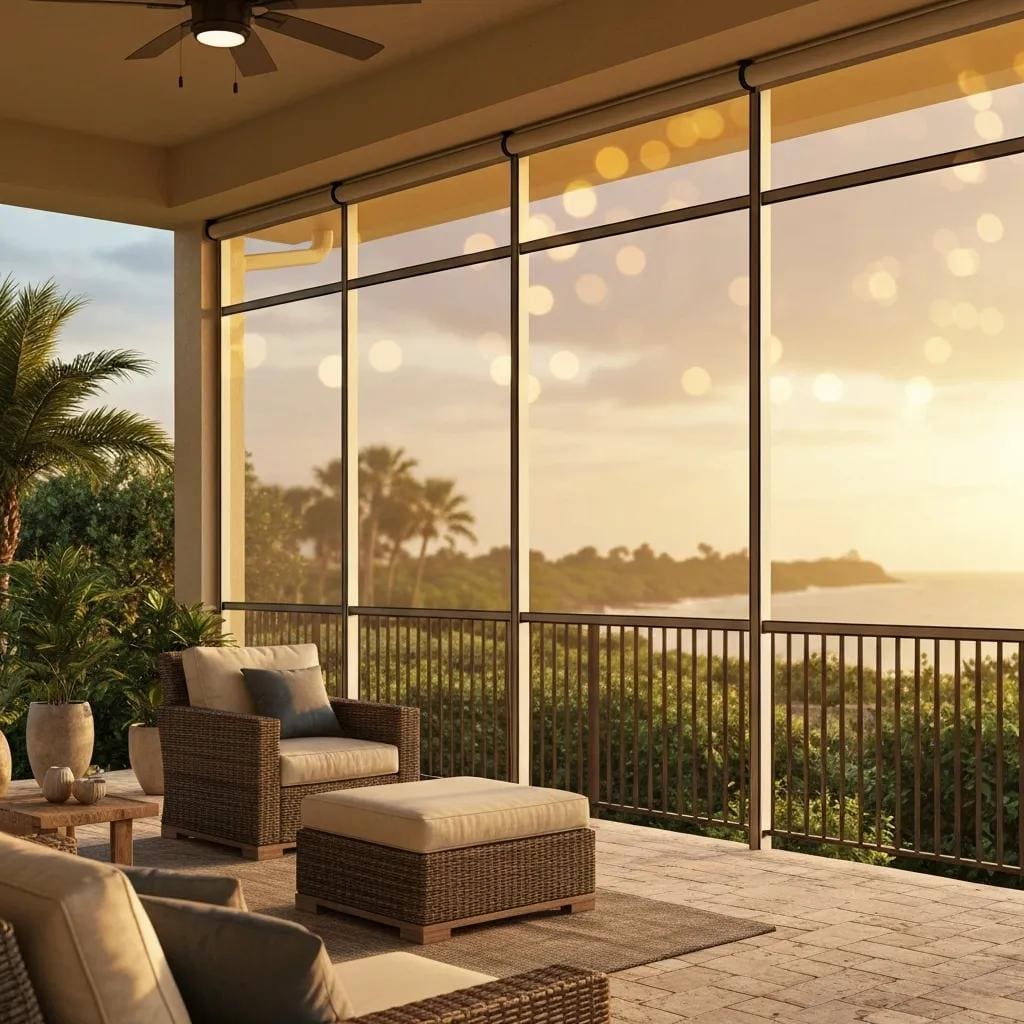
Fabric systems offer perks like low weight, minimal visual obstruction, compact storage, and relatively fast deployment for large openings — ideal for lanais, screened porches, and frequently used living spaces. They’re effective against small‑to‑moderate debris and can prevent glass failure through energy absorption. Limitations include a different look and perceived security compared with rigid panels, potential UV degradation if improperly specified, and limited effectiveness against very large, high‑energy projectiles unless premium aramid reinforcements are used. Installation must ensure secure tensioned attachments and regular inspections to catch UV or abrasion damage before it compromises performance.
Understanding these trade‑offs helps homeowners place fabric systems where their strengths — visibility and convenience — best match exposure, while reserving rigid protection for the most vulnerable openings. Next, we examine removable panels and polycarbonate options.
What Makes Hurricane Panels a Cost-Effective and Robust Protection Solution?
Removable hurricane panels — usually aluminum or clear polycarbonate — combine mechanical strength, simple installation, and lower upfront cost for homeowners who want seasonal protection or have budget limits. Aluminum panels are stiff, cut‑to‑fit, and provide a hard barrier when anchored correctly; they’re durable and resist corrosion when properly coated. Clear polycarbonate keeps visibility and transmits light while offering much greater impact toughness than glass; it deforms instead of shattering and can protect openings when correctly framed and anchored. Panels are modular and easy to store, but their effectiveness depends heavily on anchor hardware, panel thickness, and mounting method.
Panels work well for garages, secondary structures, rental homes, and owners comfortable with manual installation — they deliver protection without the complexity of motorized shutters. The next subsections compare material behavior and practical deployment/storage items to plan for.
Below is a compact overview linking panel materials to real‑world durability outcomes for homeowners.
How Do Aluminum and Clear Polycarbonate Panels Perform Against Storm Impact?
Aluminum panels act as stiff barriers that transfer load directly to anchors and framing; their success depends on panel thickness, fastener placement, and reinforced anchor points to avoid blowout. Clear polycarbonate panels absorb energy by flexing rather than shattering, protecting glazing and people even under severe impacts — but polycarbonate needs UV stabilization to keep clarity and strength over time. Failure modes differ: aluminum may dent, tear, or rip out if anchors fail; polycarbonate can flex significantly and transmit loads into the frame, so secure mounting is essential. Both materials perform well when matched with appropriate anchorage and professional installation.
Assessing mounting hardware and installation quality is as important as picking the panel material — weak anchors negate otherwise strong panels.
What Are the Deployment and Storage Considerations for Hurricane Panels?
Panels require manual handling and protected storage to prevent warping, corrosion, and accidental damage. Label panels by window location, keep fasteners and tracks organized, and use protective covers to extend lifespan. Larger panels often need two people to install, so prepare a deployment checklist that includes inspecting anchors, cleaning seating surfaces, and keeping tools accessible. Store panels in a dry, shaded area to limit UV damage for polycarbonate and surface corrosion for aluminum. A little storage planning goes a long way toward keeping panels ready season after season.
Organizing deployment and storage logistics improves readiness and preserves panel effectiveness across multiple seasons. The next section lines up all three system types so you can compare them directly.
How Do Roll-Down Shutters, Fabric Panels, and Hurricane Panels Compare Side-by-Side in Durability?
A side‑by‑side look at impact resistance, wind ratings, lifespan, ease of deployment, and cost helps homeowners match a system to priorities like permanent protection, budget, or visibility. The table below summarizes typical outcomes in homeowner terms with approximate cost ranges to guide decisions. Use the High/Medium/Low labels as relative comparisons rather than absolute guarantees — actual performance varies by product, opening type, and installation quality.
What Are the Differences in Impact Resistance, Wind Ratings, and Lifespan?
Roll‑down shutters typically score highest for combined impact and wind resistance because interlocking aluminum slats and reinforced tracks resist both projectiles and sustained pressure. Fabric systems generally rate medium for impact since they absorb kinetic energy and protect glazing, even though they aren’t rigid. Panels give strong rigid blocking when anchored correctly, but their effectiveness depends on correct fastener spacing and mounting method. Lifespans follow material and exposure: well‑finished aluminum shutters often exceed two decades, solid panels can last similarly with care, and fabric longevity depends heavily on UV protection and abrasion management.
These differences guide which system you should prioritize based on the most likely storm threats and how much you value low maintenance over time. The next subsection looks at usability and visual impact.
How Do Ease of Use, Cost, and Aesthetics Vary Among These Systems?
Motorized roll‑down shutters deliver the best user experience — fast deployment and no storage — which can justify higher upfront cost for homeowners who want permanent protection and convenience. Fabric screens win on aesthetics, light, and airflow, so they’re ideal where views and ventilation matter; they also deploy quickly. Panels are often the most budget‑friendly up front and make a clear visual statement that protection is in place, but they require storage and physical labor to install. We recommend weighing whether quick, permanent protection (favoring roll‑down) outweighs budget and visibility priorities (favoring panels or fabric) for your property and lifestyle.
Applying these trade‑offs to your home makes it easier to choose a system that protects both your house and the way you live in it. Next, we cover non‑technical factors that strongly affect lifecycle value.
What Other Factors Should Homeowners Consider Beyond Durability?
Durability is only one part of the decision. Maintenance habits, potential insurance credits, local building‑code approvals, installer quality, and access to local service all influence lifecycle cost and real performance. Regular upkeep — cleaning salt spray, lubricating tracks, replacing worn seals, and checking anchors — prevents premature failure and preserves manufacturer ratings. Insurers often offer premium reductions for approved permanent systems; you’ll need product approvals and installation records to qualify. Choosing a certified installer familiar with North Carolina and South Carolina coastal code requirements ensures correct anchorage, compliance, and easier documentation for insurance.
The following subsections explain how maintenance, insurance, and codes affect choices and then point to local service and resources if you need professional help.
How Do Maintenance, Insurance Discounts, and Local Building Codes Affect Shutter Choice?
Good maintenance keeps systems performing: preventing corrosion, keeping seals intact, and ensuring mechanical parts operate within design limits. Scheduled cleaning and inspections are simple steps that meaningfully extend service life. Insurance discounts typically require documented product approvals and professional installation; supplying wind‑load ratings and test certificates to your insurer helps secure credits that can offset installation costs over time. Local building codes in coastal North Carolina and South Carolina set design pressures and approved product lists — check approvals, test evidence, and installer credentials early to avoid retrofit headaches. These administrative steps protect your investment and simplify permitting and insurance outcomes.
Proactive maintenance and accurate documentation are cost‑effective moves that complement the material and design choices discussed earlier. The next subsection outlines professional installation and estimate options.
Why Choose American Hurricane Shutters for Professional Installation and Free Estimates?
American Hurricane Shutters installs roll‑down shutters, fabric hurricane screens, and clear and aluminum panels across coastal North and South Carolina — including Wilmington, Myrtle Beach, Oak Island, Topsail, New Bern, and Pawleys Island. We provide free estimates, a cost calculator, maintenance guides, and FAQs to help homeowners compare options and understand local requirements. Choosing a local installer who knows regional code nuances ensures the right product selection, correct anchorage, and the documentation insurers require. If you want professional installation and ongoing service in our footprint, request a free estimate and we’ll walk you through options tailored to your exposure and budget.
- Free Estimates Available: Compare permanent and seasonal options with local pricing and expert guidance.
- Maintenance Guidance Provided: Practical checklists and steps to protect materials in salt‑air environments.
- Local Service Footprint: Coverage across coastal North and South Carolina for fast post‑storm response and ongoing maintenance.
Frequently Asked Questions
What are the main differences between roll-down shutters and removable panels?
Roll‑down shutters are integrated systems that deploy quickly and reliably, using interlocking slats and reinforced tracks for high durability. They’re often motorized for convenience. Removable panels (aluminum or polycarbonate) are manually installed and stored when not in use. Both can offer strong protection, but roll‑down systems usually provide higher combined impact and wind resistance with less effort to deploy. Panels can be more budget‑friendly but require physical installation and secure storage.
How do I maintain my hurricane protection system?
Regular maintenance extends the life of any protection system. For roll‑down shutters, clean tracks, lubricate moving parts, and inspect seals. Store removable panels in a dry, shaded spot and keep fasteners organized. For fabric systems, check for tears, inspect edge reinforcements, and confirm proper tensioning. Annual inspections catch wear early and help ensure your system performs when you need it. Proper maintenance can also help you qualify for insurance discounts.
What factors influence the cost of hurricane protection systems?
Costs vary by system type (roll‑down, fabric, panels), material quality, installation complexity, and local market conditions. Roll‑down shutters tend to cost more because of mechanical components and installation complexity. Fabric systems are generally less expensive up front but may require replacement sooner depending on exposure. Installation costs rise with opening size and code requirements, and those same requirements can affect insurance premiums.
Are there insurance benefits for installing hurricane shutters?
Yes. Many insurers offer discounts for approved hurricane protection systems, especially permanent installations in high‑risk coastal areas. To qualify, you typically need documentation showing the product meets local code and testing standards and proof of professional installation. Talk with your insurance agent early to understand qualification requirements and potential savings.
How do I choose the right hurricane protection system for my home?
Start by assessing your exposure, the level of protection you want, budget, and how you use each opening. Match durability metrics — impact resistance, wind rating, lifespan — to local code demands and likely storm threats. Consider convenience: will you reliably deploy manual panels in time, or does motorized protection better fit your lifestyle? Consult local experts who can recommend options that meet codes and document approvals for insurance.
What are the environmental impacts of different hurricane protection materials?
Environmental impacts differ by material and lifecycle. Aluminum and polycarbonate are durable and recyclable, which reduces long‑term waste when handled properly. Fabrics are lightweight and easy to deploy but may have a shorter service life and recycling can be limited depending on the fiber and coatings. Consider the full lifecycle — production, durability, and end‑of‑life options — when making your choice.
Conclusion
Selecting the right hurricane protection comes down to matching protection level, convenience, and budget to your property and lifestyle. Roll‑down shutters, fabric screens, and removable panels each have strengths — from maximum impact and wind resistance to visibility and lower upfront cost. Armed with the durability metrics, local code considerations, and maintenance needs described here, you can choose a solution that protects your home and fits the way you live. Explore our product options and request a free estimate to get a tailored recommendation for your coastal property.