
Common Customer Complaints About Roll‑Down Hurricane Shutters — Causes, Troubleshooting, and When to Call a Pro
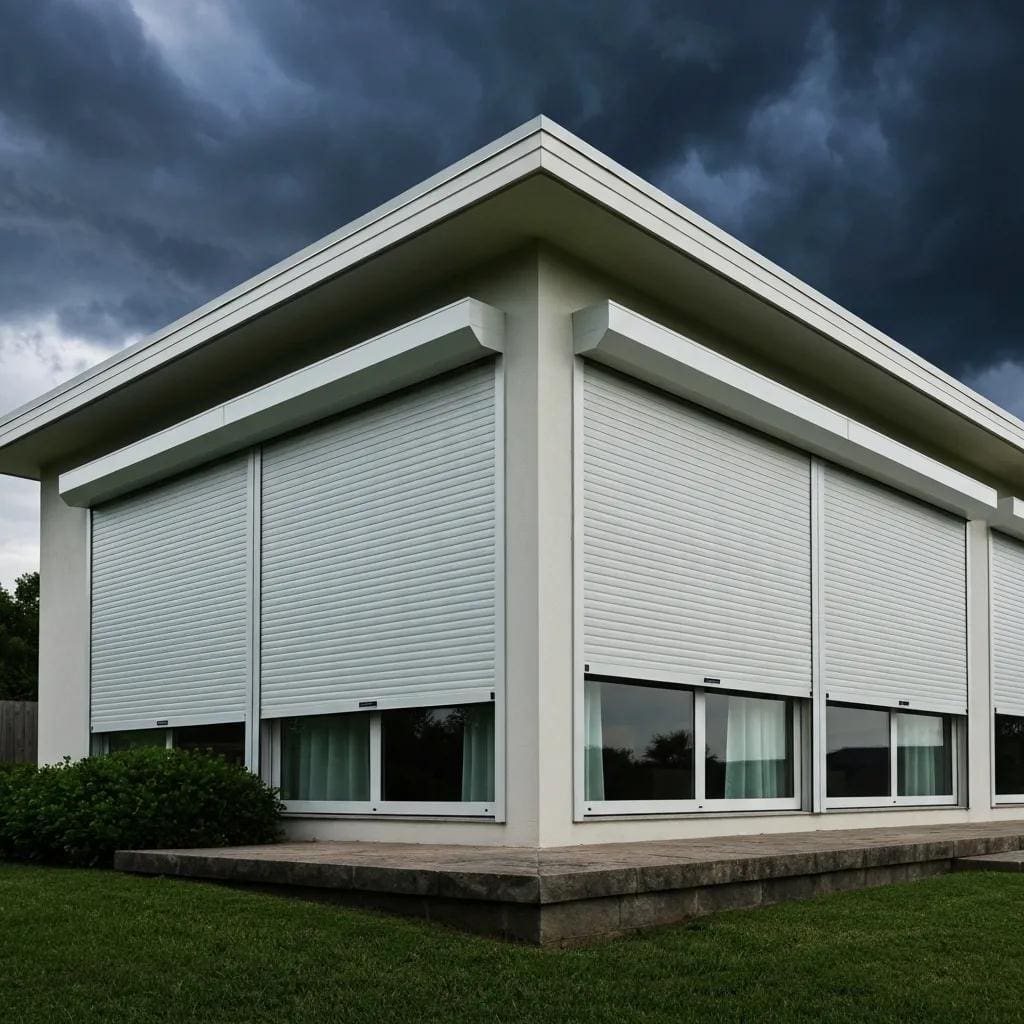
Roll‑down hurricane shutters are engineered to protect doors and windows from wind, debris, and impact. Knowing the complaints we hear most often helps you keep your shutters ready when a storm approaches. This guide covers why shutters stick or jam, common motor and electrical failures, how coastal corrosion and physical damage develop, and which installation mistakes lead to repeat problems. You’ll find step‑by‑step troubleshooting, a preventive maintenance checklist, and clear guidance on when to stop DIY work and call a technician. We link symptoms to likely causes and offer safe, practical actions you can try at home — plus straightforward criteria to help you choose repair versus replacement. First, let’s walk through the most common operational problems and an immediate action list to keep shutters working before a storm.
What Are the Most Frequent Operational Problems With Roll Down Hurricane Shutters?
Operational issues usually show up as sticking, jamming, slow or uneven travel, and slippage. Each symptom points to a mechanical or alignment problem that hurts storm readiness. These faults commonly come from debris in the tracks, bent slats or guides, missing lubrication, or worn hardware — all of which increase friction and stress motors or manual operators. Pinpointing the symptom — an intermittent catch versus a full jam, for example — narrows the likely causes and tells you which quick checks to try or when to call a pro. Below is a short list of the top operational complaints and what they typically mean.
Common operational complaints include:
- Sticking or Jamming: Shutter movement stops or catches unexpectedly during travel.
- Sluggish Movement: Panels move slowly or unevenly, a sign of friction or motor strain.
- Slippage or Misalignment: The shutter shifts out of its track or drops slightly when closed.
- Noisy Operation: Grinding, squeaking, or scraping sounds while the shutter moves.
These symptoms most often point to problems with the tracks, slats, or guides. The next section gives a quick comparison of symptoms, likely causes, and safe DIY fixes to try before calling a technician.
Use this table to match what you observe to immediate, safe actions. Next, we’ll explain how to inspect tracks and why shutters most often stick or jam.
Why Do Roll Down Shutters Stick or Jam During Use?
Shutters stick or jam when something blocks the travel path or when slats and tracks aren’t straight. The usual culprit is grit and debris that builds up in the guides — especially in coastal areas where salt and sand collect — which increases friction and creates catches. Always start a safe inspection by powering down motorized systems or locking manual units. Visually check the headbox, guides, and bottom slat for debris and use a soft‑bristled brush to clear visible dirt. If you find a bent track or deformed slat, avoid forceful straightening: document the damage and schedule a professional assessment. Removing debris and correcting minor misalignments often prevents repeated jams and keeps the motor from overloading.
How Can Sluggish Movement and Slippage Affect Shutter Performance?
Slow or uneven movement and slippage reduce storm readiness by lengthening cycle time, overworking motors or operators, and allowing gaps that weaken wind and impact resistance. Mechanically, worn guides, loose fasteners, and poor lubrication raise friction and demand more torque from motors or cranks, which speeds wear across components like slats, tracks, and brackets. You can run a timed operation test to quantify sluggishness, check for loose screws, and apply silicone lubricant to dry guide surfaces — avoid oil‑based lubricants that attract dust. If basic maintenance improves performance, keep monitoring; persistent sluggishness usually means a component needs replacing or a professional realignment is required to prevent motor failure. Properly diagnosing sluggish movement prepares you for the electrical troubleshooting steps below.
What Are the Common Electric and Motor Issues in Roll Down Hurricane Shutters?
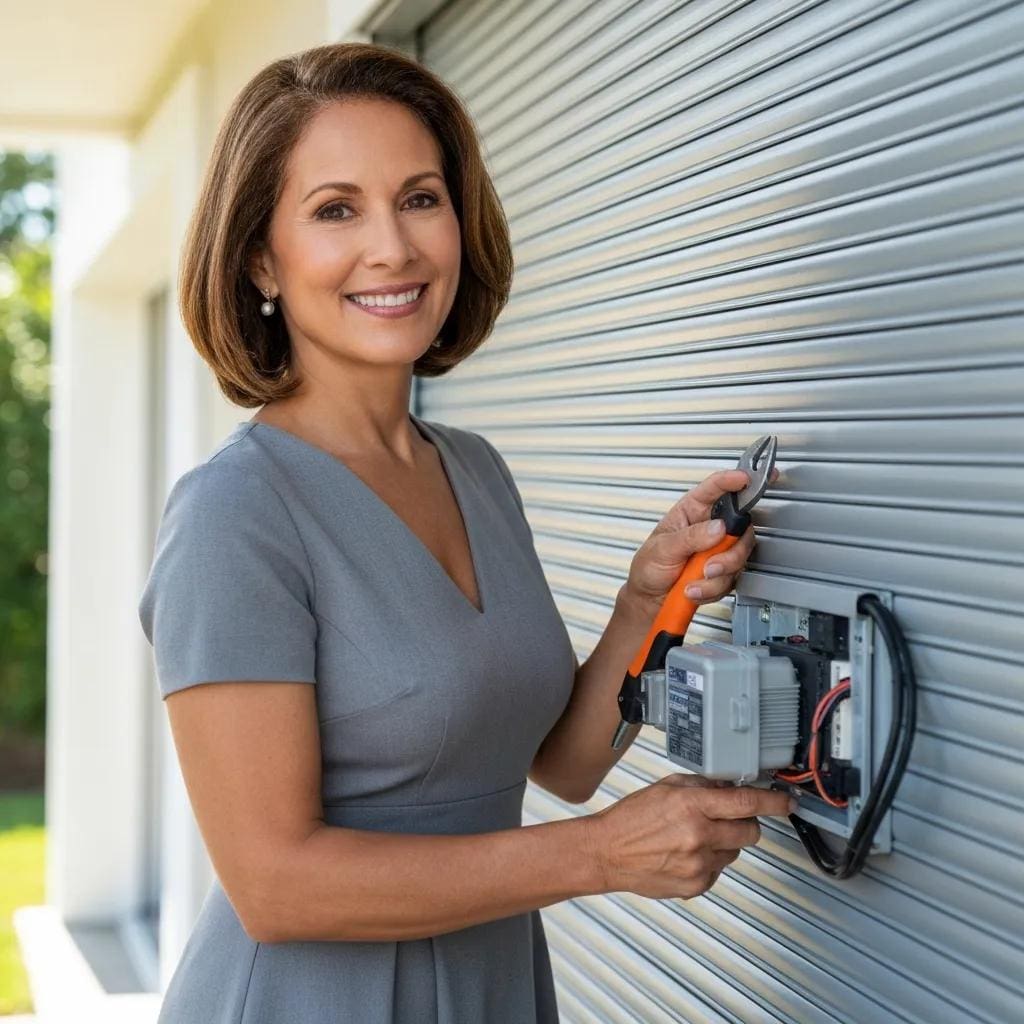
Electrical and motor problems often show as motor failure, overheating, remote control issues, or total loss of power — all of which can leave shutters unusable when you need them most. Motors fail from overload, poor ventilation, age, or repeated thermal trips; remotes and receivers can suffer from dead batteries, interference, or pairing errors. When troubleshooting, always put safety first: power down the unit, check breakers, look for unusual heat or odors at the motor, and verify any backup battery status. The table below links common electrical components to typical symptoms and the homeowner actions you can try versus professional remedies.
This matrix helps you take safe first steps and shows when professional diagnostics are the right call. Below we cover how motors fail and safe responses to overheating.
What Causes Motor Failures and Overheating in Electric Roll Down Shutters?
Motor failure and overheating usually come from sustained overload, blocked travel forcing repeated short cycles, worn bearings, or inadequate ventilation. Overheating is often obvious — a burning smell, a hot housing, or repeated thermal trips. If you notice those signs, stop operating the unit immediately, let it cool, and don’t keep restarting it. Age and lack of lubrication raise mechanical resistance, increasing electrical load, so regular maintenance that reduces friction is key to motor life. Persistent overheating requires professional service: proper motor sizing, replacement, or improved ventilation should be handled by a trained technician to protect the system.
How Do Remote Control Malfunctions Impact Shutter Operation?
Remote problems interrupt reliable operation and can cause partial travel or unexpected stops. Causes include dead batteries, signal interference, receiver faults, or incorrect programming. Try replacing batteries, testing the remote close to the receiver, and re‑pairing following the manufacturer’s steps. If the system ties into smart‑home gear or has a backup battery, confirm the receiver and backup power are healthy — low voltage often causes erratic behavior. If receiver replacement or motor‑side diagnostics are needed, contact a technician to avoid voiding warranties and to ensure safe electrical handling.
How Does Physical Damage Affect Roll Down Hurricane Shutters and What Are the Signs?
Physical damage — dents, bent tracks, and warped slats — undermines performance by creating misalignment, raising friction, and lowering impact resistance. Early signs include uneven edges, gaps when closed, rattling, and trouble engaging the bottom lock or seal; mechanically, you may see higher motor load or odd noises. Regular inspections let you catch small dents early, often enabling targeted slat replacement instead of full‑panel replacement and preserving wind resistance. The checklist below helps you judge damage severity and decide on temporary safeguards while you arrange professional repairs.
Damage recognition checklist:
- Look for dents, buckled slats, or bowed tracks during seasonal checks.
- Run the unit and listen for unusual sounds or watch for uneven travel.
- Inspect seals and edges for light or air passing through closed shutters.
Spotting physical damage early prevents escalation and makes repair planning easier.
What Are the Effects of Dents, Bent Tracks, and Damaged Slats?
Dents and bent tracks create misalignment that increases friction, accelerates slat wear, and can prevent a shutter from sealing against wind and impact. Even small dents change how slats nest and how loads transfer during high winds, which can reduce certified wind resistance and add stress to mounting brackets. Temporary measures — securing loose pieces and avoiding forced operation — can limit further damage while you arrange a professional inspection. In most cases, component replacement (slat, track, or headbox repair) is the right fix; professionals will match parts to the original wind‑rating to restore full function.
How Does Rust and Corrosion Develop on Coastal Roll Down Shutters?
Salt air speeds corrosion through electrochemical action that attacks exposed metal. Tracks, fasteners, and bottom slats — where water pools and evaporates salts — are often affected first. Corrosion starts as pitting and surface rust, then progresses to material loss that raises friction, weakens fasteners, and compromises seals. Mitigation in coastal zones includes stainless fasteners, protective coatings, and regular freshwater rinses to remove salt. If corrosion reaches the point of compromising strength, professional refurbishment or replacement of affected parts will restore safe operation.
What Installation Mistakes Lead to Common Roll Down Shutter Complaints?
Many recurring problems trace back to installation errors: wrong sizing, poor mounting surfaces, misaligned tracks, and improper hardware. These mistakes create chronic issues that are expensive to fix later. Shutters sized incorrectly can bind or leave gaps; insecure mounting allows movement that loosens hardware and degrades seals. To spot installation flaws, measure gaps, check anchor points for secure fasteners, and observe track straightness during operation. If you suspect installation defects, document what you see and request a professional re‑evaluation against manufacturer specifications.
Installation mistakes homeowners should watch for:
- Incorrect Sizing: Panels that are too small or too large for the opening.
- Improper Mounting Surface: Weak substrates or inadequate anchoring.
- Track Misalignment: Visible angles or bends that cause binding.
Finding these issues early prevents progressive damage and helps you choose between realignment, retrofit, or replacement.
How Does Incorrect Sizing and Mounting Cause Shutter Malfunctions?
When shutters are the wrong size they can leave gaps or bind against frames, reducing weather and impact protection. Poor mounting — shallow anchors or a weak substrate — lets the system move under load, which loosens components and creates uneven wear. Best practices include verifying both opening dimensions and mounting depth, checking manufacturer tolerances, and using stainless or corrosion‑resistant hardware for coastal installs. Fixes range from field adjustments and shimming to full replacement with correctly sized units installed to spec.
What Hardware Problems and Track Misalignments Should Homeowners Watch For?
Watch for stripped screws, loose fasteners, warped tracks, and incorrect track angles that permit slat rotation or binding. These problems show up as rattling, uneven travel, and increased motor load. Safe DIY checks include gently testing visible fasteners for tightness, looking for missing or corroded screws, and visually checking track straightness while the unit is powered down. Repairs like replacing anchors in damaged masonry or correcting severe track warping typically require professional tools and expertise to preserve warranty and safety ratings. Knowing which wear points to monitor reduces surprise failures and helps technicians target repairs faster.
How Can Regular Maintenance Prevent Common Roll Down Hurricane Shutter Problems?
Regular maintenance stops many common issues by keeping tracks clean, moving parts lubricated, and adjustments correct — which lowers friction, slows corrosion, and protects motor health. A simple schedule — quarterly cleanings and inspections plus seasonal deeper checks — extends service life and cuts emergency repairs, especially in NC/SC coastal areas where salt exposure is high. Maintenance should focus on the system components: inspect motors, clean tracks and slats, lubricate guides with silicone products, check fasteners, and exercise backup batteries and limit switches. Below is a practical plan homeowners can follow to reduce failures and stay storm‑ready.
Maintenance checklist:
- Inspect and clean tracks, slats, and headboxes quarterly.
- Lubricate guides and moving parts with silicone spray twice a year.
- Test motor cycles, remote pairing, and backup power systems each season.
Following this plan lowers long‑term costs and emergency callouts. Next, we explain the cleaning and lubrication steps in detail.
Before the maintenance table, here is a short explanation of its intent.
This table shows how routine tasks translate to clear benefits. Below are step‑by‑step cleaning and lubrication instructions.
What Are Essential Cleaning and Lubrication Steps for Shutter Longevity?
Start by powering down motorized units. Remove visible debris from tracks with a soft brush or a vacuum, and rinse salt deposits with fresh water on coastal installs — avoid high‑pressure washing that can force water into housings. After drying, apply a silicone‑based lubricant sparingly to guides and contact points to reduce friction; don’t use oil‑based products that attract dust. Tighten fasteners, inspect seals for wear, and record findings in a maintenance log so you can spot recurring issues over time. These routines reduce the mechanical load on motors and lower the chance of jams when storms approach.
How Does Debris Buildup and Lack of Lubrication Cause Operational Issues?
Debris and insufficient lubrication raise friction between slats and tracks, making motors draw more current and accelerating wear on bearings and limit switches — often leading to overheating or early motor failure. Even small particle build‑up creates high‑friction spots that start as intermittent sticking and can become full jams if left unchecked, especially where salt and sand are common. Quarterly inspections in high‑exposure locations catch build‑up early so you can clean before damage occurs. Keeping parts running with low friction preserves motor life and ensures reliable, fast deployment ahead of storms.
For homeowners who prefer professional support, American Hurricane Shutters offers maintenance plans, a maintenance guide, and a service request form to schedule inspections and preventive work.
When Should You Call a Professional for Roll Down Hurricane Shutter Repair and What Are Typical Costs?
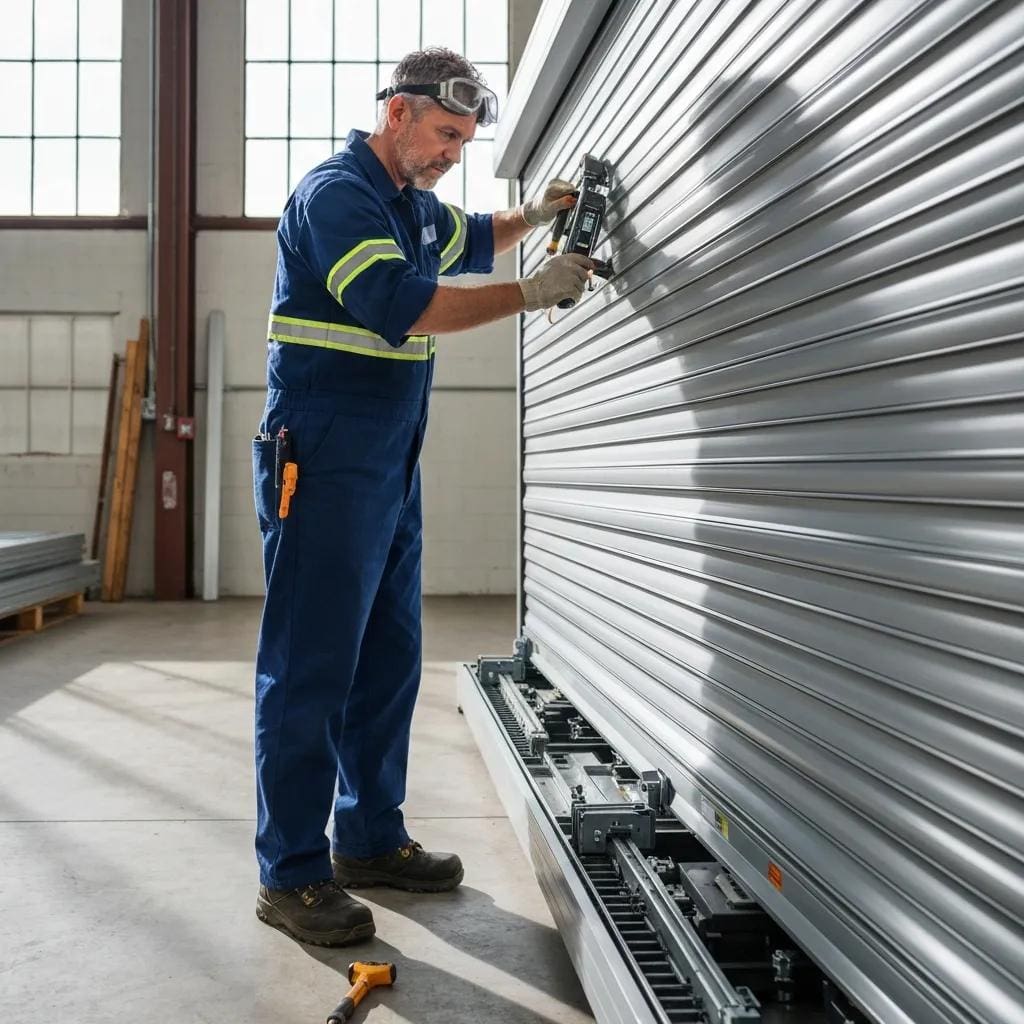
Call a professional if safety is at risk, if you have electrical or motor failures, or if there’s structural damage, heavy corrosion, or installation defects — situations that exceed safe DIY work. Pros handle motor replacements, track realignment, slat replacement, corrosion repair, and full diagnostics to restore wind resistance and electrical safety. The table below pairs common services with typical cost ranges and when each service is usually needed, so you can estimate expenses and weigh repair versus replacement.
This table helps align repair choices with likely costs. The following section explains typical repair services and what to expect during a service visit.
What Repair Services Are Available for Motor, Track, and Slat Issues?
Repairs usually start with a diagnostic visit to identify mechanical wear, electrical faults, and structural issues. From there, the scope may include motor replacement, track straightening or replacement, slat swaps, corrosion remediation, and system reprogramming. Technicians will test electrical systems, measure motor current, check limit switch settings, and verify mounting integrity before providing a written estimate and timeline. Simple jobs — like track realignment or a slat swap — can often be completed in one visit; larger repairs, motor replacements, or corrosion work may require ordering parts and scheduling follow‑ups. Always request written estimates and warranty details before authorizing work.
How Can You Estimate Repair Costs Using a Hurricane Shutter Cost Calculator?
Our cost calculator estimates repair or replacement costs by asking for key details: shutter type (motorized vs. manual), material (aluminum or steel), dimensions, visible damage, and desired warranty or turnaround. Those inputs map to labor, parts, and service categories so you get a practical range.
For better accuracy, enter measured opening sizes, note whether the unit is motorized, and mark visible corrosion or denting. Major cost drivers are motor replacement, the extent of track or slat damage, and how accessible the mounting points are. Use the calculator results to compare repair and replacement options, taking long‑term reliability and local exposure into account. After reviewing the estimate, request a free on‑site assessment to confirm scope and schedule work.
Understanding the drivers behind costs helps you make confident service choices and ties back to the maintenance and replacement planning covered earlier.
If you’re ready to act, American Hurricane Shutters provides engineered hurricane protection solutions — motorized and manual roll‑down shutters — plus free estimates, a cost calculator, and installation, repair, and maintenance services tailored to coastal North and South Carolina.
Whether you want more information, a free estimate to generate a lead, or service for existing shutters, American Hurricane Shutters specializes in engineered solutions and offers tools like a maintenance guide and a service request form to help you plan. Request a free estimate or consultation to prioritize safety and get a professional assessment for your coastal property.
Frequently Asked Questions
What are the benefits of regular maintenance for roll-down hurricane shutters?
Regular maintenance keeps shutters dependable and extends their life. Routine inspections and cleaning prevent debris buildup that can cause jamming or slow movement. Periodic lubrication lowers friction and reduces wear on motors and moving parts. A consistent maintenance schedule also helps you catch small issues early, avoiding larger repairs and ensuring your shutters are ready when a storm approaches.
How can I tell if my roll-down hurricane shutters need professional repair?
Call a professional if you see persistent issues like strange noises, failure to open or close, bent tracks, or visible corrosion. Electrical signs — a motor that overheats or remotes that won’t respond after basic troubleshooting — also require a technician. Any situation that raises safety concerns or prevents the shutter from sealing properly warrants immediate professional attention.
What types of materials are best for roll-down hurricane shutters?
Aluminum and steel are the most common materials. Aluminum is lightweight and resists rust, making it popular for homes; steel is heavier and offers higher impact resistance. For coastal installations, choose corrosion‑resistant options and stainless fasteners to improve longevity. Material selection should match your location, exposure, and protection needs.
How do I choose between repair and replacement for my shutters?
Decide based on damage extent and cost‑effectiveness. Minor issues — a bent track or a single bad motor — are often best repaired. If shutters are heavily corroded, significantly damaged, or outdated, replacement may be the smarter long‑term choice. A professional inspection can give you the facts to compare repair costs versus the value of a new system.
What should I do if my shutters are stuck or jammed?
If shutters are stuck, first cut power to avoid electrical hazards. Check the tracks for visible debris and gently remove what you can. Inspect slats and guides for obvious damage. If clearing debris doesn’t fix it, don’t force the shutter — that can cause more damage. Schedule a professional assessment for mechanical issues.
Are there any specific cleaning products I should use for maintenance?
Use mild soap and water with a soft brush or cloth for tracks and slats. For lubrication, choose a silicone‑based spray — it reduces friction without attracting dust the way oil‑based products do. Avoid harsh chemicals, abrasives, and high‑pressure washing that can force water into housings and damage components.
Conclusion
Knowing the common complaints about roll‑down hurricane shutters helps you keep them reliable and storm‑ready. Regular cleaning, proper lubrication, timely adjustments, and prompt repairs reduce downtime and extend service life. If problems persist or safety is at stake, calling a professional brings the expertise and parts needed to restore full function. Contact us for a free estimate or maintenance plan so your shutters protect your home when it matters most.