
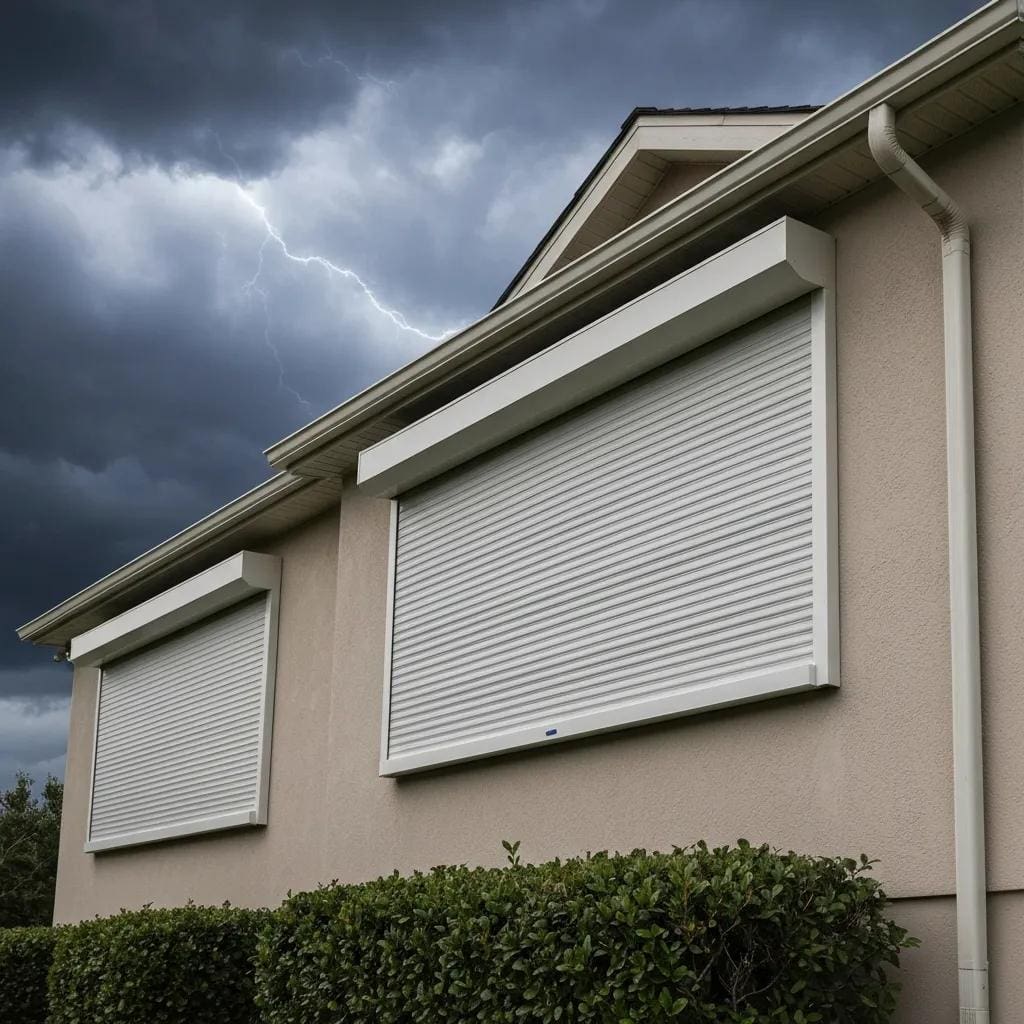
How Roll‑Down Hurricane Shutters Protect Your Home During Severe Storms
Roll‑down hurricane shutters are exterior protection systems built from interlocking slats that roll down into vertical guides to cover windows and doors. Together with anchored guide tracks and secure locks, these shutters form a rigid barrier that resists wind pressure and flying debris, helping prevent broken glass, water intrusion, and interior damage. This guide explains how roll‑down shutters work, compares materials and operation options, outlines professional installation and code considerations, and reviews costs, maintenance, and long‑term value for coastal homeowners. You’ll get practical criteria for choosing motorized versus manual systems, know what to expect during installation, learn the main cost drivers, and find the maintenance steps that keep performance reliable. We refer to terms like impact resistance, wind‑load rating, and energy efficiency to make technical trade‑offs easier to understand so you can pick shutters that meet coastal codes and daily needs. By the end, you’ll have a clear, actionable view of roll‑down shutters for storm protection, security, and preserving property value.
What Are Roll Down Hurricane Shutters and How Do They Protect Your Home?
Roll‑down hurricane shutters tuck into a slim housing above the opening and unroll into guide tracks to create a continuous protective face that absorbs impacts and redirects wind loads away from glass and frames. Their strength comes from slat tensile properties, interlocking geometry, secure anchoring to structural members, and sealed interfaces that limit water entry. These shutters act as both a debris barrier and a secondary weather seal, lowering the risk of interior flooding and glazing failure. Knowing how each component contributes makes it clear why material selection and correct installation are essential for coastal storm resilience.
Different parts play distinct protective roles; the table below summarizes common components, their key traits, and how each helps resist storm damage.
The table shows how design and material decisions directly affect protection level and longevity.
This component breakdown reinforces one point: protection is a system property. Strong slats alone won’t perform if guides, housing, and locks aren’t properly specified and installed to meet wind‑load and impact requirements.
What materials and components make up roll down hurricane shutters?
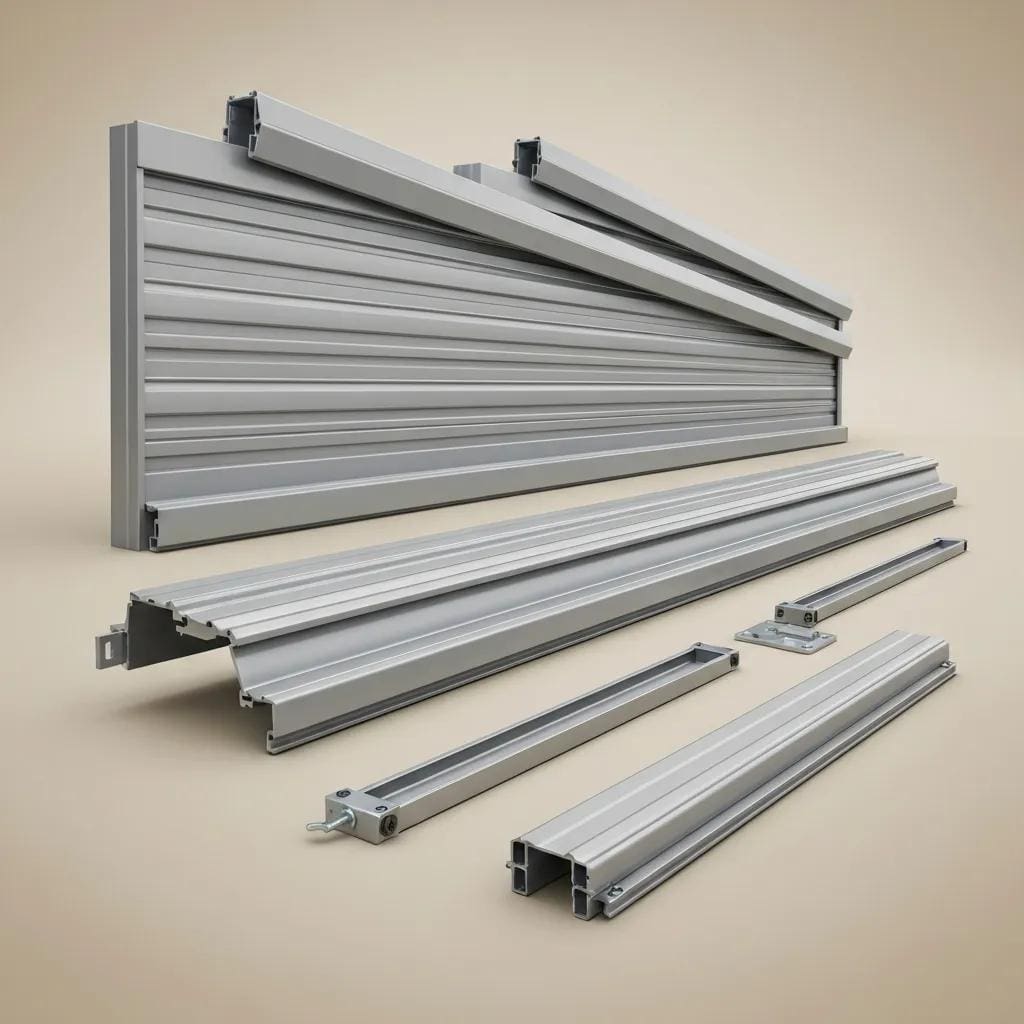
Most roll‑down shutters use aluminum slats for a balance of strength and corrosion resistance; polycarbonate options are available when you want light transmission plus impact protection. Aluminum profiles often receive polyester or anodized finishes to resist salt‑air corrosion in coastal settings, extending service life and preserving appearance. The cassette protects internal parts and routes drainage away from the opening, while guide tracks and end locks tie the shutter into the building’s framing. Drive options—motors, manual cranks, and battery backups—determine deployment speed and redundancy. The right combination depends on whether you prioritize convenience, cost, or outage resilience.
How do roll down shutters resist wind, debris, and water intrusion during storms?
Roll‑down shutters combine impact absorption, load distribution through interlocked slats, and secure attachment to structural elements so wind forces transfer into the building frame instead of the glass. Slat geometry and material strength dissipate kinetic energy from flying debris; guide tracks and end locks prevent lateral displacement under uplift and suction. Weather seals and cassette drainage reduce water tracking into the opening, and certified wind‑load ratings confirm performance for specific hurricane categories. Correct installation that ties anchors into framing and follows manufacturer fastener schedules is critical to achieve these protections.
What Are the Key Benefits of Roll Down Hurricane Shutters for Coastal Homes?
Roll‑down shutters offer layered benefits that go beyond storm defense: immediate impact and wind protection during storms, a physical deterrent to break‑ins when lowered, and reduced solar heat gain and UV exposure that protect interiors and cut cooling demand. They also quiet exterior noise when closed and can lower the frequency of window replacement by preventing glazing damage. Taken together, these advantages contribute to lifecycle value through avoided repair costs and potential energy and insurance savings.
Key benefits homeowners should weigh when comparing storm‑mitigation options:
- Stronger storm protection that helps prevent glazing failure and reduces structural repairs.
- Improved security from a solid, lockable barrier when shutters are down.
- Energy and UV reduction that lowers cooling needs and preserves interior finishes.
These benefits are interconnected: better storm protection limits interior damage and insurance claims, while energy and UV savings improve long‑term cost of ownership and resale appeal.
How do roll down shutters enhance storm protection and home security?
When closed and locked, roll‑down shutters form a continuous barrier that stops most flying debris and adds resistance against forced entry. Locks at the sill and housing resist uplift and tampering, and reinforced anchoring transfers loads into structural framing instead of the glass. Systems built and installed to rated wind loads with hardened end locks significantly reduce breakage‑related interior damage during storms and make unauthorized entry substantially harder.
How do roll down shutters improve energy efficiency and reduce UV damage?
Closed shutters shade glazing and block direct sunlight, cutting solar heat gain and reducing air‑conditioning runtime. Certain slat profiles and reflective coatings offer modest insulating benefits, producing measurable cooling‑energy savings in hot climates. The shutters also block a large portion of UV radiation, slowing fading of carpets, upholstery, and finishes. Over time, these effects lower utility bills and extend the lifespan of interior materials—real operational savings that add to the shutters’ value.
How Do Motorized and Manual Roll Down Shutters Compare for Operation and Convenience?

Motorized and manual roll‑down shutters trade off deployment speed, power dependence, upfront cost, and integration options. Motorized systems give fast, single‑button or automated closure and can link with smart‑home controls to lower shutters before a storm. Manual systems use hand cranks or push‑pull operation, are less expensive, and remain usable without electricity—an advantage during extended outages. Evaluating backup power, how often you’ll operate shutters, and the size of openings will steer your choice between convenience and resilience.
In short: motorization favors convenience and automation; manual systems prioritize outage independence and cost; hybrids deliver both where critical openings demand redundancy.
What are the advantages of motorized roll down hurricane shutters?
Motorized shutters let you close multiple openings quickly and in sync—valuable for larger properties when a storm approaches. They integrate with automation platforms for scheduled closures and remote control, which helps if you’re away. Many motor systems include battery backups or manual overrides to maintain function during short power losses, balancing convenience with resilience. Routine maintenance of motors and controls keeps operation reliable and supports manufacturer warranties.
(As a local provider, American Hurricane Shutters offers both motorized and manual roll‑down options and can advise on battery‑backup and manual‑override setups to keep you protected during outages. We provide free estimates and an online cost calculator to compare installed costs and automation choices for your openings.)
When should homeowners consider manual roll down shutters?
Manual shutters make sense when upfront budget is limited, when openings are few or small, or when you want maximum independence from electrical power—common needs for vacation homes or properties subject to long outages. Manual systems are mechanically simple, often easier to maintain, and reliable. When deciding, consider how often you’ll deploy shutters, whether family members can operate cranks for larger openings, and whether the convenience of automation justifies the extra investment.
What Is the Professional Installation Process for Roll Down Hurricane Shutters?
Professional installation starts with precise field measurements and templating so shutters are fabricated to fit each window and door. Installers mount housings and guide tracks tied into structural framing to meet tested wind‑load performance, produce engineering documentation, choose corrosion‑resistant fasteners, and verify clearances so shutters operate without binding. Final steps include repeated functional tests, homeowner orientation on use and maintenance, and documentation showing code compliance. A correct installation turns individual components into a proven system that defends the home.
Below is a practical checklist installers follow to achieve custom fit and code compliance.
- Measure and template each opening for custom fabrication and record accurate tolerances.
- Confirm structural anchoring points and use corrosion‑resistant fasteners suited to coastal conditions.
- Perform post‑installation testing, including multiple deployment cycles and manual override checks.
How do experts ensure custom fit and compliance with coastal building codes?
Installers use detailed field measurements, engineered drawings, and manufacturer performance certificates to match shutter systems to local wind‑load requirements and building codes. Documentation typically includes anchor schedules, fastener specifications, and test reports where required, and installers coordinate with permitting authorities in coastal jurisdictions. This process reduces liability and verifies the shutters will perform to their rated loads, giving homeowners confidence in both compliance and protection.
What should homeowners expect during installation and setup?
On installation day, expect installers to clear obstructions around openings, position housings and guide tracks precisely, anchor components into framing, and run several deployment tests to confirm alignment and smooth movement. They’ll demonstrate operation, explain locking and maintenance, and leave orientation materials and documentation. Timelines vary with project complexity, so clear communication about access, power needs for motorized units, and inspection expectations helps avoid surprises.
How Much Do Roll Down Hurricane Shutters Cost and What Is Their Investment Value?
Installed costs for roll‑down shutters depend on material, square footage, motorization, and customization, so prices are typically discussed on a per‑square‑foot basis to help homeowners budget. Major cost drivers include slat material (aluminum vs. polycarbonate), the number and size of openings, motorization and automation features, and retrofit complexity when working with existing frames. Consider both upfront cost and long‑term value from avoided storm damage, lower energy use, and potential insurance discounts. Using a cost calculator or requesting a free estimate translates these variables into a site‑specific price.
This cost‑driver view helps homeowners prioritize features that matter most for budget and resilience and points to the value of a tailored estimate.
(For homeowners ready to estimate their specific investment, American Hurricane Shutters provides an online cost calculator and free estimates to turn material and motorization choices into an installed price matched to your openings and retrofit needs.)
What factors influence roll down shutter installation cost?
Cost variables include slat material and finish, total square footage, number of openings, motorization and smart controls, custom arched or curved shapes, and the complexity of anchoring into existing frames. Local labor rates for coastal installations and any framing reinforcement required for higher wind ratings also affect final price. Comparing scenarios—for example, a small bedroom window versus a large patio door—helps illustrate how unit costs change with scale and features.
How do roll down shutters increase property value and reduce insurance premiums?
Professionally installed storm‑mitigation measures like roll‑down shutters can make a home more attractive to buyers and may qualify for insurance discounts where carriers reward reduced risk. Insurers and appraisers view high‑performance shutters as risk‑reducing improvements that lower expected repair costs after hurricanes, which can translate into premium reductions or easier underwriting. Keep installation certificates and compliance documentation handy to support insurance discounts and resale conversations.
How Should You Maintain Roll Down Hurricane Shutters for Longevity and Performance?
Regular maintenance preserves mechanical reliability, corrosion resistance, and seal performance, and it reduces the chance of failures when you most need protection. A seasonal cleaning and lubrication routine, plus periodic inspections for corrosion, loose fasteners, and smooth travel, catches wear early. Follow manufacturer guidance on compatible lubricants and cleaners to protect finishes and seals, and record maintenance to support warranties and insurance. Routine care lowers long‑term repair costs and keeps shutters ready for storms.
For straightforward upkeep, follow this maintenance checklist covering cleaning, lubrication, and inspection tasks.
- Clean tracks and slats seasonally: Rinse salt, dirt, and debris to prevent binding and corrosion.
- Lubricate moving parts twice yearly: Use manufacturer‑approved lubricants on bearings and guides.
- Inspect seals and fasteners: Look for gaps, loose anchors, and corrosion and address issues promptly.
What are the best practices for cleaning and lubricating roll down shutters?
Rinse salt and debris from slats and tracks with fresh water and avoid abrasive cleaners that damage protective coatings. Use light machine oil or silicone‑based lubricants recommended by the manufacturer on bearings and guide interfaces. In coastal areas, clean at least twice a year and after major storms to remove corrosive salt deposits. Proper cleaning preserves finishes and prevents grit‑driven wear; targeted lubrication keeps movement smooth and reduces motor strain.
When is professional inspection or repair recommended?
Call a pro if shutters make persistent noise, move unevenly, show visible corrosion at anchors, exhibit motor irregularities, or suffer storm damage that may have overstressed hardware. Annual or biennial professional checkups can reveal early fatigue in slats, guide wear, or cassette drainage blockages that DIY checks might miss. Repairs involving structural anchoring, motor replacement, or slat damage should be handled by qualified technicians to maintain wind‑load performance and warranty coverage.
For homeowners who prefer expert service, American Hurricane Shutters offers installation and maintenance guidance; contact us via the company email or phone listed in our business information to schedule service, request a free estimate, or discuss maintenance plans.
- Local expertise: We deliver regionally informed recommendations for coastal North and South Carolina properties.
- Engineered protection: Installations follow tested performance guidelines to meet storm‑resilience goals.
- Next steps: Call or email to schedule a no‑cost estimate or use our online cost calculator to evaluate options.
Frequently Asked Questions
1. How do I choose the right size of roll down hurricane shutters for my home?
Measure each window and door you want to protect, including framing, so shutters fit snugly and perform as intended. Manufacturers publish measuring guides, and professional installers can create templates for custom fabrication. Account for height, width, and any architectural features that affect installation—accurate measurements are essential for performance and code compliance.
2. What is the lifespan of roll down hurricane shutters?
Lifespan varies by material, environment, and maintenance. High‑quality aluminum shutters often last 20 years or more with proper care; polycarbonate options can be slightly shorter due to UV exposure. Regular cleaning, lubrication, and timely repairs extend service life. Check manufacturer warranties for specific longevity guidance and expected performance.
3. Are roll down hurricane shutters effective against all types of storms?
Roll‑down shutters are engineered to withstand high winds and flying debris typical of hurricanes and severe storms and are effective for most storm conditions, including tropical storms and heavy rain. Their real‑world performance depends on proper installation and adherence to local building codes. No system guarantees absolute safety in every scenario, so combine shutters with other preparedness measures—secure outdoor items, follow evacuation orders, and reinforce structures as advised.
4. Can roll down hurricane shutters be installed on any type of window or door?
Shutters can be fitted to most window and door types—standard, arched, sliding, and more—but some configurations require custom solutions. An installer will evaluate your openings and recommend the best approach for effective protection and proper fit. Compatibility with existing framing and architecture is key for reliable performance.
5. How do I operate motorized roll down hurricane shutters during a power outage?
Many motorized shutters include a manual override or battery backup so you can operate them during power outages. Learn your model’s emergency procedure—usually a crank or bypass switch—and test backups periodically to ensure readiness. Your installer can demonstrate and recommend the best backup configuration for your home.
6. What are the insurance benefits of installing roll down hurricane shutters?
Installing roll‑down hurricane shutters can qualify you for potential insurance discounts and improved underwriting in some areas. Insurers recognize professionally installed storm protection as a risk reduction measure. Share installation certificates and code‑compliance documentation with your carrier to explore available savings—requirements and discounts vary by provider and jurisdiction.
7. What should I do if my roll down hurricane shutters are damaged?
Assess the damage: small surface issues like scratches or light corrosion may be addressed with cleaning and protective coatings, but bent slats, compromised guides, or motor failures require professional repair or replacement. Contact a qualified shutter technician to evaluate damage and ensure repairs meet safety and wind‑load standards. Regular inspections help catch problems early and maintain effectiveness.
Conclusion
Roll‑down hurricane shutters are a practical, effective investment for coastal homeowners—delivering storm protection, improved security, and energy‑saving benefits that contribute to long‑term value. With proper material selection, professional installation, and routine maintenance, shutters reduce the risk of interior damage and can lower ownership costs over time. If you’re ready to protect your home, explore our roll‑down shutter options or contact American Hurricane Shutters for a free estimate and personalized guidance.