

Key Factors That Drive the Cost of Roll‑Down Hurricane Shutters for Your Home
Roll‑down hurricane shutters are a retractable protection system that shields windows and openings from high winds, flying debris, and water during coastal storms. This guide walks you through the primary cost drivers—material choice, operation (manual vs. motorized), installation complexity, and offsets like maintenance, insurance credits, and local mitigation grants. If you’re searching for “hurricane shutter pricing” or “cost of roll down shutters,” you’ll find practical per‑square‑foot ranges, side‑by‑side comparisons of aluminum, steel, and polycarbonate, and clear examples showing how customization and electrical work change totals. Use these sections to estimate budgets for standard windows, sliding doors, and custom openings. When you’re ready for a precise, local number, American Hurricane Shutters offers free estimates and a cost calculator to turn your inputs into a project quote.
What Are the Main Material Options for Roll‑Down Hurricane Shutters and How Do They Affect Cost?
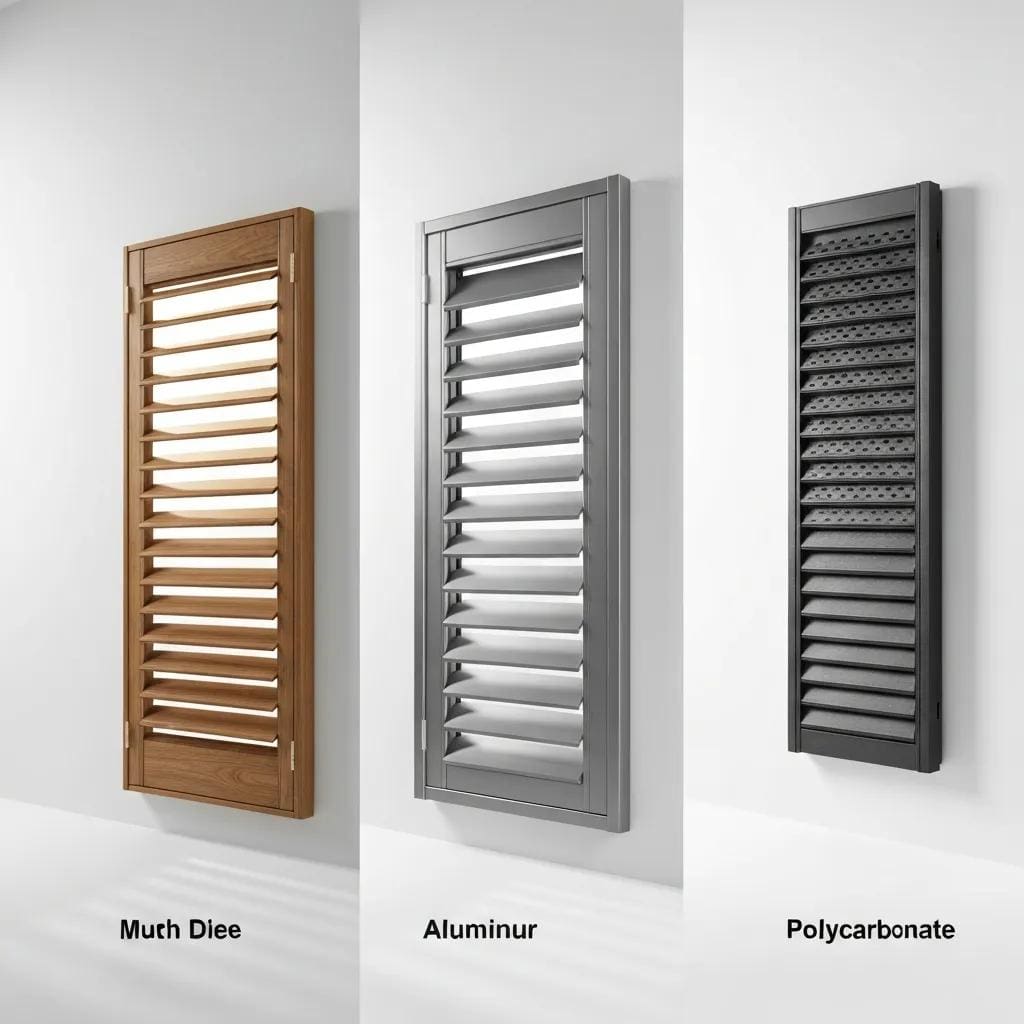
Roll‑down shutters are commonly made from aluminum, steel, or polycarbonate. Each material affects price through weight, fabrication needs, corrosion resistance, and expected lifespan. Your choice impacts both the base per‑square‑foot price and long‑term ownership costs like maintenance and replacement frequency. Knowing how these materials trade off strength, weight, and coastal durability helps you match performance goals with a realistic budget. Below we compare the options and explain which fit common coastal home situations.
How Does Aluminum Compare to Steel and Polycarbonate in Cost and Durability?
Aluminum usually lands in the mid price range because it balances corrosion resistance with light weight and simpler fabrication. It performs well on the coast when properly finished, lowers installation labor thanks to lighter guides and brackets, and seldom needs heavy structural reinforcement. Steel tends to be pricier per square foot—thicker gauges and anti‑corrosion finishes add manufacturing and handling costs, and the extra weight can increase labor and anchoring requirements. Polycarbonate prices vary: impact‑resistant grades can be comparable to or above aluminum. Polycarbonate offers translucency and strong impact performance but may need UV stabilization and periodic inspection for aging. Those trade‑offs point toward the homeowner priorities—cost, longevity, or appearance—that should guide your choice.
Because homeowner priorities differ, the next section outlines which materials work best by use case and lifecycle expectations.
What Are the Benefits of Choosing Different Shutter Materials for Your Home?
Pick a material based on upfront budget, long‑term durability, appearance, and any weight limits your structure imposes. Aluminum is a common choice for primary residences and coastal properties—moderate cost with long service life when finished correctly. Steel is best where maximum strength and security matter, though it usually requires more for coatings and anchoring; it’s a strong choice for high‑risk exposures or commercial openings. Polycarbonate fits projects where impact resistance with light transmission is desired—think enclosed patios or sunrooms—while planning ahead for UV care and potential replacement. These material strengths help set initial budget bands and identify which upgrades will affect cost most.
Different materials fall into predictable cost and maintenance categories; the table below highlights typical attributes to make comparison easier.
Material choices involve trade‑offs across cost, durability, and upkeep.
This comparison explains why aluminum is often chosen for coastal homes where corrosion resistance and light weight are important. Next, we compare operation types and how they change price and features.
How Do Manual and Motorized Roll‑Down Hurricane Shutters Differ in Price and Features?
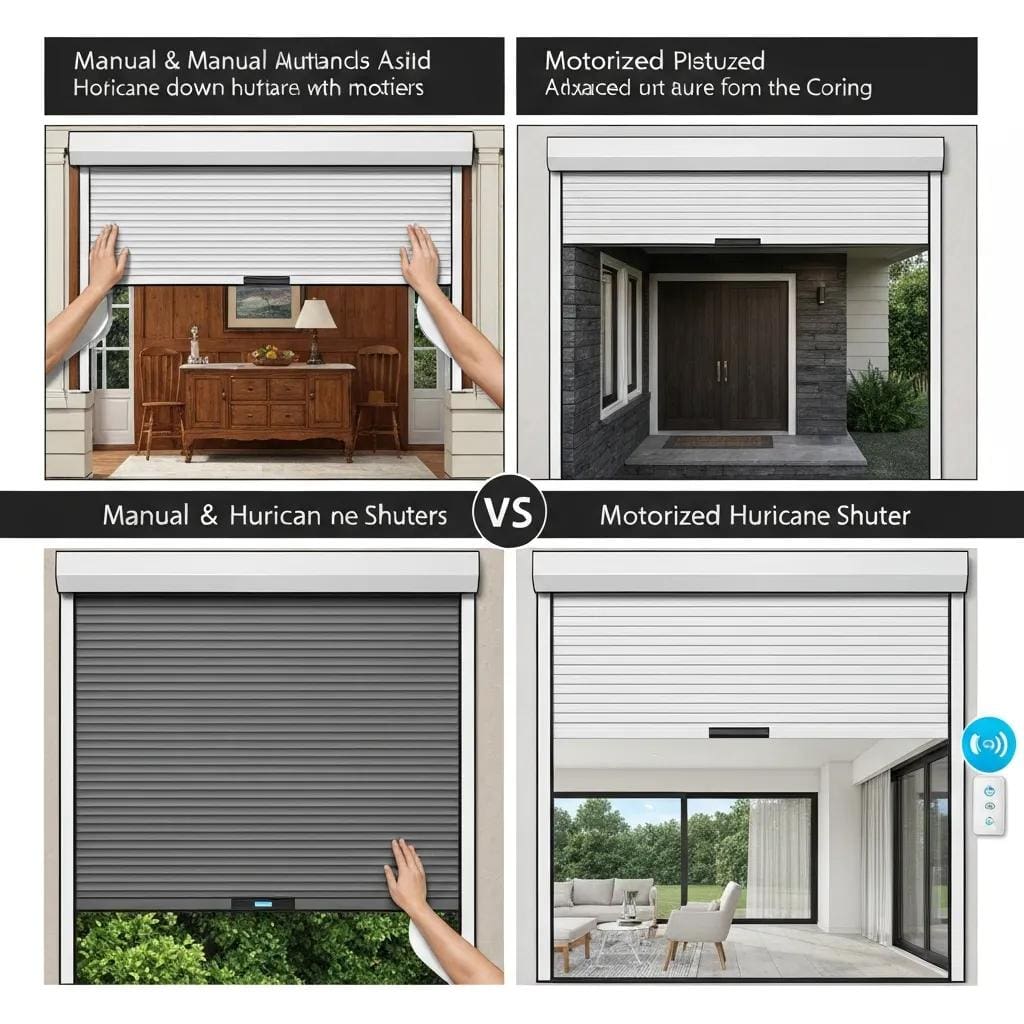
Operation type is a major cost factor. Manual systems have lower hardware and installation costs, while motorized systems add motors, controls, and often electrical work that raise the per‑square‑foot price. Motorized shutters offer faster deployment and can integrate with smart‑home systems for scheduled or remote operation—comfort and safety features many homeowners value despite the higher upfront price. The sections below break down typical cost differences and the non‑price benefits that often justify motorization.
What Is the Cost Difference Between Manual and Electric Roll‑Down Shutters?
Per‑square‑foot differences reflect motor assemblies, control modules, and required electrical work. Motorized systems usually carry a clear premium over manual units: equipment costs rise and you may need an electrician for dedicated circuits, switches, or battery backups. A simple example for a 15 sq ft window shows motorization’s effect on a single opening and how backup power expands the price gap. When deciding on motorization, weigh convenience and reduced risk against the incremental cost per opening.
Seeing the operational advantages helps you decide whether the extra cost is an investment in safety and ease or an unnecessary feature for your situation.
What Are the Added Benefits of Motorized and Smart Home Integrated Shutters?
Motorized shutters deliver several practical benefits: rapid deployment, programmable behavior, and safer handling on multi‑story openings. Smart‑home integration adds remote control, automated storm responses, and links to sensors that can close shutters when wind or weather warnings occur. For elderly or mobility‑limited homeowners, motorized systems remove the physical burden of lowering heavy shutters and reduce the chance of improper anchoring in urgent situations. Those functional gains can increase comfort, perceived property value, and sometimes insurance favorability, making motorization a strategic choice for many homes.
If motorization interests you, American Hurricane Shutters offers motorization packages and smart‑ready controls—see contact details later to compare manual vs. motorized options in your area.
How Do Size, Quantity, and Customization Influence the Total Cost of Roll‑Down Shutters?
Total project cost depends on combined square footage, the number of separate units, and custom work like specialty colors, reinforced slats, or oversized guides. Standard openings are often priced per square foot, but odd shapes, very large sliding doors, or many small openings can shift pricing to per‑unit or custom fabrication rates. Ordering multiple similar openings usually lowers the per‑unit price through economies of scale, while customization and unique finishes raise material and labor costs. Below are the key factors to help you understand how geometry and custom needs affect your final price.
How Does Window Size and Number of Openings Affect Pricing?
Window size and the count of openings determine material and fabrication effort. Contractors often use per‑square‑foot pricing for standard openings but switch to per‑unit pricing for irregular or very small windows. Large openings, like sliding doors, require heavier guides and reinforced housings, increasing material and labor compared with many standard windows. Ordering multiple similar units typically yields per‑unit discounts because fabrication and setup scale efficiently, while a single custom opening can incur higher setup and finishing charges. Comparing common scenarios—ten standard windows vs. two oversized patio doors—helps estimate how your home’s opening profile affects cost.
With size and quantity in mind, the next section covers custom features that commonly add to price.
What Custom Features Can Increase the Price of Roll‑Down Shutters?
Custom options—special paint matches, upgraded locks, reinforced slats, or decorative facades—raise base prices because they add fabrication steps, specialty materials, or extra hardware. For motorized units, battery backup systems, integrated sensors, and advanced control modules can significantly increase cost. Custom mounting for masonry or unusual frames also adds labor and materials. Budget for percentage or fixed‑dollar add‑ons for common upgrades—paint matching typically carries a finish fee, while reinforced slats mean a material premium. Prioritize upgrades that deliver measurable safety or aesthetic value to control costs while meeting performance goals.
Here are the most common customization drivers homeowners encounter:
- Paint‑matched finishes that require extra finishing steps.
- Reinforced slats or security‑grade locking hardware for added protection.
- Battery backup systems and smart controls for motorized units.
Choose customizations that align with your long‑term durability and usability goals. The next section looks at installation factors that affect labor and the total project cost.
What Installation Factors Affect the Cost of Roll‑Down Hurricane Shutters?
Installation variables—site access, local labor rates, wall and frame condition, and whether motors require electrical work—play a large role in final cost. Retrofits on older homes often need extra framing, custom anchors, or masonry work, which raises labor and may require specialty subcontractors. New construction typically simplifies installation because mounting points can be planned ahead, reducing retrofit expense. The subsections below explain how installation complexity adds labor and electrical costs and whether DIY is a safe option.
How Does Installation Complexity Impact Labor and Electrical Costs?
Complexity grows with second‑story work, scaffold needs, masonry anchors, and routing electrical conduit for motors—each increases labor and rental costs. High placements or obstructed access can double or triple install time due to scaffolding or lift rentals. For motorized systems, permits, dedicated circuits, and possible panel upgrades add permitting fees and electrician labor. Including these items in early estimates helps homeowners compare accurate bids and avoid surprises during installation.
Given those variables, the next subsection weighs professional installation against DIY installation.
Should You Choose Professional Installation or DIY for Roll‑Down Shutters?
We recommend professional installation for most homeowners—especially when shutters are motorized, heavy, or require masonry anchors. Professionals ensure correct anchoring, code compliance, and warranty adherence. DIY may work for small manual systems on ground‑level, standard frames, but it often voids manufacturer warranties and risks improper attachment that reduces protection in a storm. Pro installers also provide the documentation insurers and mitigation programs require, which matters if you seek wind‑mitigation credits or grant eligibility. In coastal North and South Carolina, choose installers familiar with local codes and mitigation paperwork to smooth insurance and permitting interactions.
American Hurricane Shutters offers professional installation with local code knowledge and documentation to support grants and insurance—contact us for a free, site‑specific estimate that accounts for permitting and electrical needs.
What Are the Average Cost Ranges for Roll‑Down Hurricane Shutters Per Square Foot?
Cost per square foot is useful for early budgeting: manual roll‑down shutters sit in a lower band, while motorized systems fall into a higher band because of motors and electrical work. Ranges change with material, access, and customization; presenting low/typical/high examples helps translate per‑square‑foot estimates into realistic project totals. The sections below show typical numeric ranges for manual and motorized systems and provide sample totals for a 15 sq ft window to make the numbers practical for installer conversations.
What Is the Typical Price Range for Manual Roll‑Down Shutters?
Manual roll‑down shutters are usually less expensive since they omit motors and electrical work. Per‑square‑foot prices vary with material, finish, and mounting complexity. For a standard 15 sq ft window, manual systems typically include fabrication and moderate installation labor, though masonry anchors or unusual shapes can raise the total. Regional labor rates in coastal North and South Carolina affect final bids, and ordering multiple openings usually reduces average per‑unit cost. Always request itemized quotes that show the per‑square‑foot breakdown so you can compare offers accurately.
The table below offers average cost ranges for manual and motorized roll‑down shutters to help with budgeting.
Use this framework for early planning; the next subsection describes motorized ranges and the components that add cost.
How Much Do Motorized Roll‑Down Shutters Usually Cost Per Square Foot?
Motorized shutters cost more per square foot because motors, control modules, and electrical infrastructure add hardware and labor. Backup power, smart modules, and more powerful motors for large openings increase prices further. Integration with home automation platforms also adds control‑module costs. When comparing bids, ask installers to break out motor, control, and electrical line items so you can see exactly how motorization affects the total price.
Knowing these per‑square‑foot bands helps you balance convenience and safety against upfront investment. The next section looks at how maintenance, insurance savings, and incentives affect long‑term cost effectiveness.
How Can Maintenance, Insurance Savings, and Local Incentives Maximize Your Investment in Roll‑Down Shutters?
Maintenance, insurance premium reductions, and local grant programs can lower the net cost of shutters over time and improve payback. Regular upkeep preserves finishes, protects motors, and keeps systems working longer. Insurers and mitigation programs sometimes offer premium credits or grants for approved storm protection—proper documentation of code‑compliant installation and installer certification is crucial to capture those benefits. Below we provide a simple maintenance checklist and explain how regional incentives and insurance savings can reduce net ownership costs.
What Maintenance Is Required to Extend the Lifespan of Roll‑Down Hurricane Shutters?
A basic maintenance plan—visual inspections, track cleaning, lubrication, and motor checks—keeps shutters reliable and prevents costly repairs. Inspect guides and slats for corrosion or deformation at least once a year, clean tracks of salt and debris after storms, and apply recommended lubricants to moving parts. For motorized systems, test electrical components, backup power or batteries, and verify control responses; schedule service checks before hurricane season to reduce deployment failures. Budget a modest annual maintenance line item to avoid accelerated replacement and to preserve warranty and insurance benefits tied to upkeep.
Keeping maintenance records also supports insurance claims and grant applications, which the next section explains.
How Do Insurance Premium Reductions and the SC Safe Home Mitigation Grant Program Affect Overall Cost?
Insurance discounts and mitigation grants—like the SC Safe Home Mitigation Grant Program—can lower effective installation costs when homeowners provide documentation that installations meet program and code requirements. Savings vary by carrier, but documented mitigation backed by installer certificates and photos often shortens payback periods via reduced premiums. Grant programs can provide financial help for qualifying improvements, though eligibility depends on specific standards and proper installer documentation. Ask your installer to supply compliance paperwork and completion photos to support grant claims and insurer discounts, improving your net cost over the system’s life.
Below is a short maintenance checklist you can follow.
- Inspect shutter slats and guides for corrosion or dents at least once per year.
- Clean tracks after storms and remove salt and debris to prevent jamming.
- Lubricate moving components and test motor functions and backup power quarterly.
Following this simple routine preserves function, extends lifespan, and helps protect eligibility for insurance credits and mitigation grants.
Get Your Free Estimate Today
After reviewing materials, motorization, sizing, installation complexity, and possible insurance or grant offsets, the most accurate way to know your cost is a site‑specific estimate that accounts for local codes and access conditions. American Hurricane Shutters specializes in storm protection across coastal North and South Carolina and offers free estimates that translate the factors above into a tailored project price. To request an estimate, call +1 (910) 256-1288 or email [email protected]; our installers document code compliance and supply the paperwork you need for insurance or mitigation programs. We’ll show how material, motorization, number of openings, and installation complexity affect your final quote so you can compare options clearly.
To speed up your estimate, gather opening dimensions, preferred materials and operation choices, and any details about home construction (masonry, frame type, or existing conduit) so the estimator can prepare an accurate, itemized proposal that reflects performance needs and available incentives.
- Prepare measurements and list the openings you want protected.
- Decide on material and whether you prefer motorized operation.
- Collect documentation for insurance or grant consideration (if applicable).
Having these items ready shortens the estimate process and results in a detailed quote that matches your priorities and budget.
Frequently Asked Questions
What factors should I consider when choosing the size of my roll‑down hurricane shutters?
Measure your windows and doors accurately and count every opening you want covered. Large openings like sliding glass doors often need heavier guides and extra structural support, which increases cost. Home layout and access also affect installation complexity and pricing. Always consult a professional to confirm fit and protection levels.
Are there any specific building codes I need to follow for installing hurricane shutters?
Yes—codes vary by locality, especially in coastal zones. Codes can dictate materials, installation methods, and performance standards. Check with local building authorities or work with installers who know regional regulations to ensure compliance. Following codes not only improves safety but can be required for insurance and grant eligibility.
How can I ensure my roll‑down hurricane shutters are properly maintained?
Set a regular inspection schedule: look for corrosion, wear, or damage at least once a year and clean tracks to prevent debris buildup. For motorized systems, test electrical components and backup power regularly and lubricate moving parts per manufacturer guidance. Keep a maintenance log to track service and protect warranties.
What are the potential insurance benefits of installing roll‑down hurricane shutters?
Installing approved storm protection can reduce insurance premiums. Many insurers offer discounts for homes with compliant systems, since they lower storm damage risk. To qualify, provide documentation of proper installation and code compliance. Regional grant programs may also offset costs, making shutters a smart financial choice over time.
Can I install roll‑down hurricane shutters myself, or should I hire a professional?
While DIY may be possible for small, simple manual systems on ground‑level openings, professional installation is generally recommended. Pros ensure correct anchoring, code compliance, and warranty protection—especially for motorized systems or installations requiring structural work. Professional documentation also helps with insurance and mitigation applications.
What are the common mistakes to avoid when purchasing roll‑down hurricane shutters?
Avoid buying without checking your home’s needs—size, material, and installation complexity matter. Don’t skip local code and insurance research, and don’t assume the cheapest quote is best. Overlooking professional installation can lead to poor fit and function. Get multiple itemized quotes, ask about warranties, and confirm the product meets your performance expectations before deciding.
Conclusion
Knowing the key factors that affect roll‑down shutter cost helps you make smart choices that protect your home. By weighing materials, operation style, and installation complexity, you can align your budget with the level of protection you want. For a tailored, site‑specific estimate, contact American Hurricane Shutters—let us help you take the next step toward securing your home with a free consultation.