
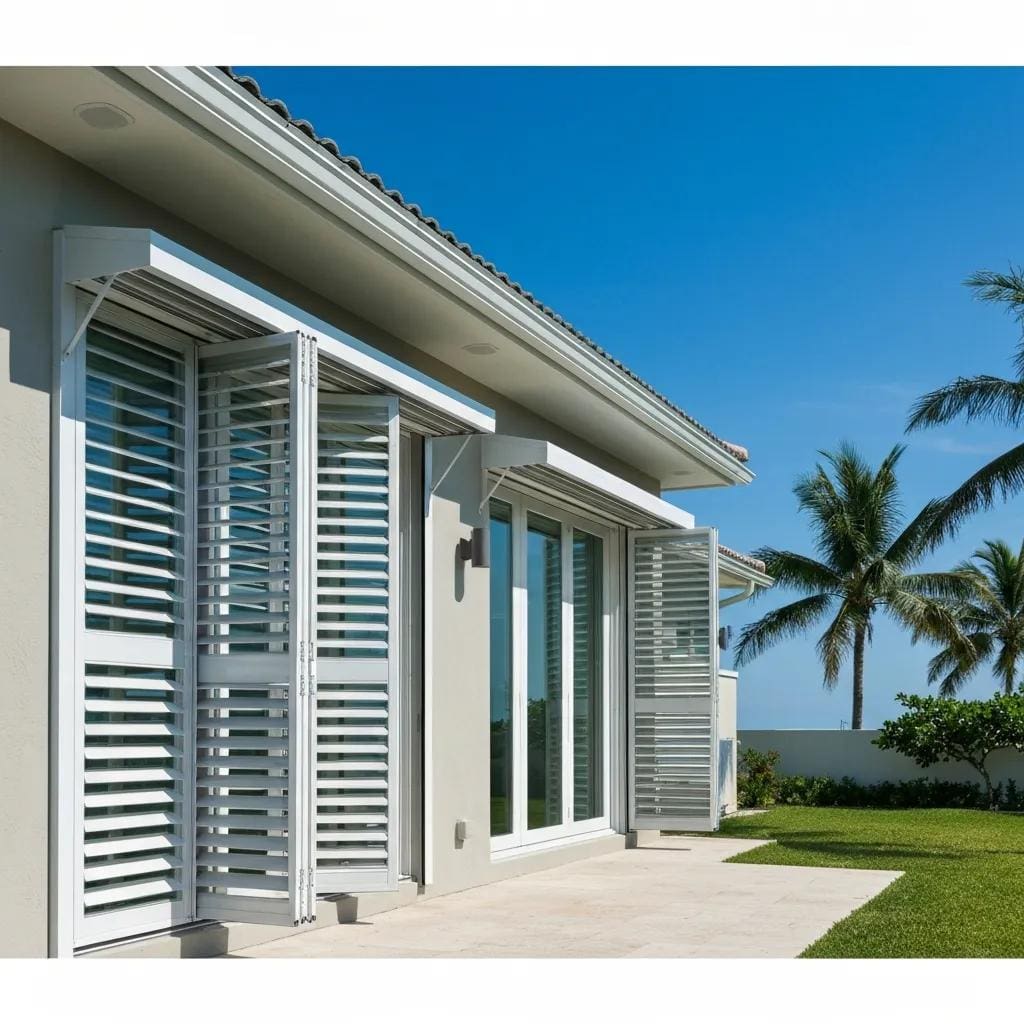
Accordion Shutters Made Simple: A Homeowner’s Guide to Operation, Maintenance, and Storm‑Ready Care
Accordion shutters fold and lock across windows and openings to protect your home from high winds, flying debris, and driving rain. Their interlocking vertical slats transfer wind forces into the header and sill, creating a continuous barrier that resists impact and helps limit water intrusion. This guide walks homeowners through how accordion shutters work, how to operate and maintain them for long service life, and how to troubleshoot common issues safely. You’ll find step‑by‑step operating directions, a practical maintenance calendar tailored for coastal conditions, quick fixes for sticking panels or damaged parts, and a cost‑focused comparison to help you choose the right option. We cover design features and materials, manual and motorized operation, installation tools and measurements, and the long‑term benefits for coastal homes. Read on for clear procedures, checklists, and conservative professional advice to help protect your property through hurricane season and beyond.
How Do Accordion Shutters Provide Effective Hurricane Protection?
Accordion shutters form a rigid, anchored barrier across openings; their interlocking slats spread wind loads into the frame while fasteners tie that load back to the structure. That load path lowers the risk of window failure and reduces water entry, protecting the building envelope and interior. Important features include impact‑rated profiles, properly anchored top and bottom guides, and corrosion‑resistant components designed for coastal air. Knowing how the system transfers force helps explain why many coastal homeowners choose accordion shutters for quick, reliable protection.
Beyond sheer strength, accordion shutters simplify deployment, which cuts down on human error when storms approach. Their continuous slat connections and fixed guides create redundancy: when one connection is stressed, adjacent parts share the load and keep the system functioning. That load‑sharing behavior is especially important during windborne‑debris impacts and directly informs choices about materials and fasteners. Understanding these mechanics leads naturally into the design features that keep shutters durable and weatherproof.
Accordion shutters also offer year‑round benefits: they deter unauthorized entry and reduce solar heat gain when closed, improving comfort and lowering cooling demand. These secondary advantages add value for coastal homes that face both strong sun and severe weather. Next, we’ll review specific materials, finishes, and fastener choices that extend service life in salty, humid environments.
What Design Features Make Accordion Shutters Durable and Weatherproof?

Long‑lasting accordion shutters start with the right materials, protective coatings, and heavy‑duty fasteners to resist wind, salt spray, and general wear. Anodized or painted aluminum slats give a lightweight, corrosion‑resistant base, while stainless steel hardware (for example, 18‑8 stainless fasteners) prevents galvanic corrosion where different metals meet. Drainage details in the top guide and bottom track help shed water so moving parts don’t sit in saltwater. Choosing components that meet regional building codes and impact testing standards helps ensure the system performs when it matters most.
Other durable details include reinforced header bars, double‑locking bottom rails, and continuous guides that prevent slat deformation under load. These reinforcements keep panels aligned and make buckling far less likely during gusts or impacts. The right material pairings and finish systems significantly extend service life in coastal climates, where salt‑laden air accelerates corrosion. Knowing which design choices matter helps homeowners prioritize features that deliver longevity and storm performance.
How Do Accordion Shutters Enhance Home Security and Energy Efficiency?
Accordion shutters add a visible, physical barrier that’s difficult to defeat when properly locked and anchored, which reduces break‑in risk and raises the effort required for forced entry. Multi‑point or bolted locking systems secure the panels into the frame and tie the shutter into the structure, improving both impact resistance and anti‑intrusion performance. When closed, shutters also lower solar heat gain and reduce drafts, contributing to modest energy savings during hot or stormy periods.
The shutter creates a thermal buffer between glass and the outside, which can reduce cooling loads in summer and limit heat loss in cooler months. That thermal benefit is incremental but recurring, and it compounds with good window performance when shutters are used regularly. Security and energy efficiency often factor into homeowner decisions alongside durability and deployment speed; next we’ll outline the exact steps to operate your shutters safely and smoothly.
What Are the Step-by-Step Instructions for Operating Accordion Shutters?
Operating accordion shutters is straightforward when you follow a consistent routine that checks tracks, aligns panels, and secures locks. Start by inspecting the top guide and bottom track for debris, confirm wheels and rollers move freely, and make sure locks are clear. Move panels across the opening with even pressure, watch for any binding, and fully engage the locking mechanism at the sill or jamb. For motorized units, do a quick visual check before using controls; for manual units, use steady, two‑handed pressure on the leading edge to avoid twisting panels.
It’s a good habit to operate shutters once a month outside of hurricane season to verify movement and catch early wear. Always clear obstructions before closing to prevent track damage. Regular, gentle use keeps rollers seated and minimizes abrasive contact between slats and guides. Below are concrete steps to follow each time you deploy or stow accordion shutters.
- Inspect tracks and guides for debris or corrosion and remove any obstructions.
- Align the lead panel and begin smooth, even movement across the opening.
- Check that wheels and rollers move freely; make small adjustments if panels bind.
- Fully engage locks and confirm multi‑point locking or bolts are secure.
- For motorized systems, follow the manufacturer’s controls and verify limit‑switch settings after movement.
Following these steps makes deployment predictable and prevents common faults caused by rushed or uneven operation. Next, we cover micro‑techniques that keep opening and closing smooth and damage‑free.
How Do You Open and Close Accordion Shutters Smoothly?
Smooth operation starts with a clear path, balanced support of the panels, and correct hand placement to avoid twisting slats or stressing rollers. Before moving panels, sweep the bottom track and inspect the top guide—small debris often causes binding. When opening, pull at the manufacturer’s recommended handholds while guiding the trailing edge; when closing, push evenly and engage the locks without forcing the panel. Monthly operation checks and minor wheel adjustments prevent misalignment and lengthen component life.
If a panel catches, stop and inspect rather than forcing it, which can damage wheels or slats. Use a silicone‑based lubricant on rollers and tracks as recommended; avoid oil‑based products that attract grit. Regular, gentle operation and correct lubrication reduce friction‑related wear and help ensure fast, reliable deployment when a storm approaches.
What Are the Differences Between Manual and Motorized Accordion Shutters?
Both manual and motorized accordion shutters protect openings, but they differ in user effort, speed, and maintenance. Manual shutters are mechanically simple and generally need only periodic lubrication and hardware checks, but they require physical effort to move. Motorized systems deliver fast, one‑button deployment—ideal for large openings or users with limited mobility—but add electrical components that require occasional servicing.
When choosing, consider opening size, who will operate the shutters, and power reliability. Motorized units with properly set limit switches and optional battery backup reduce the risk of incomplete closure. Both types benefit from corrosion‑resistant materials and correct installation; your decision balances convenience against slightly higher technical maintenance for motorized systems. Understanding these trade‑offs helps shape installation and upkeep plans, which we cover next.
How Should Homeowners Maintain Accordion Shutters for Longevity?
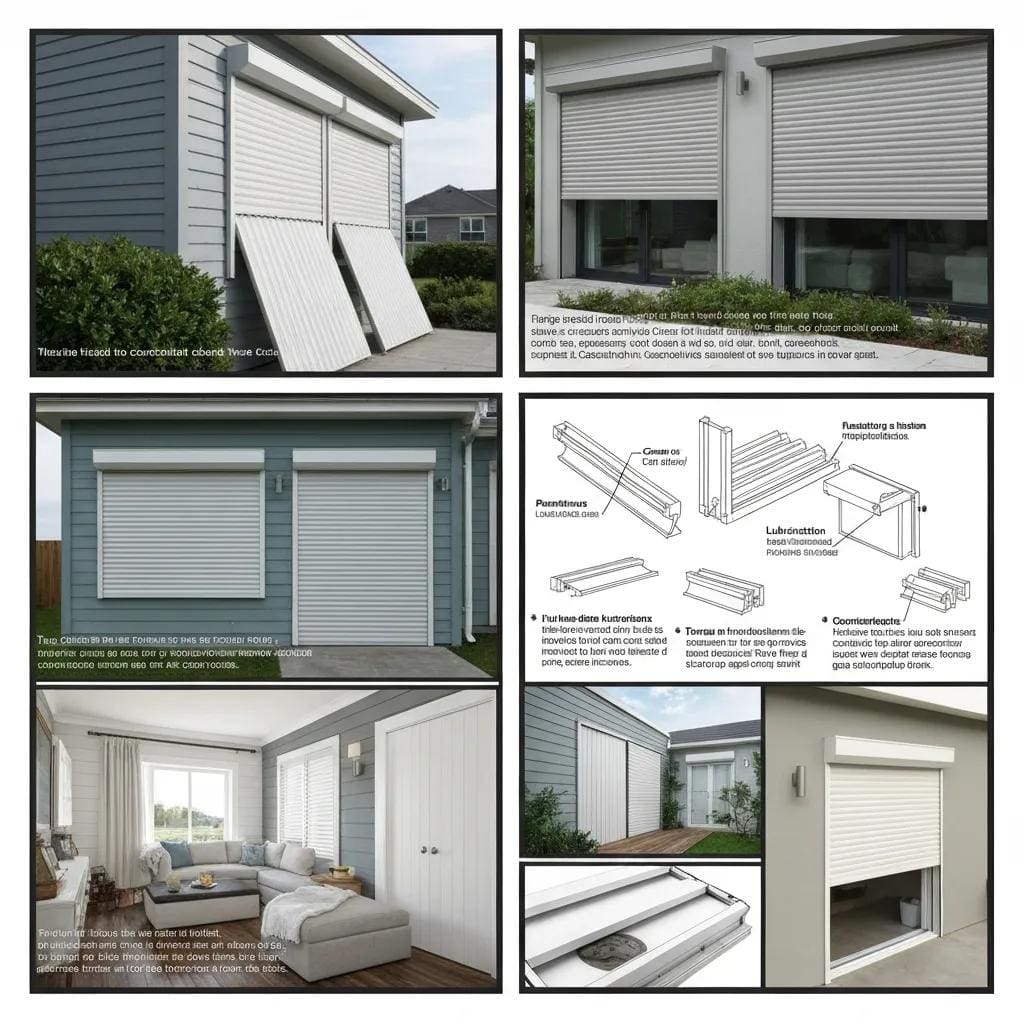
Regular maintenance keeps accordion shutters reliable and extends their service life by addressing corrosion, wear, and alignment before failures occur. A targeted maintenance calendar—timed before and after storm season—combines visual inspections, cleaning, lubrication, and hardware checks to prevent common problems. Prioritize parts exposed to salt air (rollers, fasteners, and tracks) and use corrosion‑resistant supplies to slow degradation in coastal settings. The table below maps components to inspection frequency and recommended actions.
Keep a simple maintenance log after each inspection to avoid missed tasks and to spot trends that indicate professional service is needed. Regular upkeep combines preventive care with fewer emergency repairs. The next section covers how often to clean and lubricate specifically for coastal longevity.
How Often Should You Clean and Lubricate Accordion Shutters?
Cleaning and lubrication frequency depends on exposure: coastal homes typically need more frequent attention because of salt‑air corrosion. As a baseline, plan biannual cleanings—once before hurricane season and once after—plus a quick visual check every three months; increase frequency if shutters sit in direct salt spray. Lubricate tracks and rollers at least twice a year with a silicone‑based spray to repel moisture without attracting grit, and apply a corrosion inhibitor to exposed fasteners annually.
After heavy salt exposure, rinse shutters with fresh water to remove crystalline salt and slow corrosive action. Document each cleaning and lubrication to spot accelerated wear that may require more frequent service or part replacement. A consistent schedule prevents small issues from becoming structural problems and sets the stage for best‑practice cleaning and lubrication techniques.
What Are the Best Cleaning and Lubrication Techniques for Tracks and Slats?
Use mild detergent, fresh water, and non‑abrasive tools to remove salt, pollen, and debris without harming finishes. Start with a fresh water rinse to loosen contaminants, use a soft brush and mild detergent for stubborn deposits, rinse thoroughly, and dry with a soft cloth to avoid water spots and residual salt. For lubrication, apply a silicone‑based product sparingly to rollers and guide surfaces; avoid oil‑based lubricants that collect dust and grit.
When cleaning stainless steel fasteners or 18‑8 stainless components, use cleaners that are passivation‑friendly and avoid chloride‑rich products that can cause pitting. Keeping moving parts clean and lightly lubricated maintains smooth operation and reduces stress on locks and guides. That preventive care transitions directly into common problems and safe homeowner fixes.
What Are Common Accordion Shutter Problems and How Can You Troubleshoot Them?
Typical issues include sticking panels, misalignment, worn rollers or wheels, and locking failures. Many of these have safe, step‑by‑step homeowner fixes that avoid unnecessary part replacement. Start troubleshooting with a visual inspection: find binding points, clear debris from tracks, and confirm fasteners are secure. Simple fixes include cleaning tracks, tightening loose screws, and realigning panels using adjustment slots on rollers; serious slat deformation or motor faults should be handled by a technician. Below is a quick troubleshooting checklist.
- Clear tracks of debris before operating the shutter.
- Inspect rollers and wheels for cracks or uneven wear; replace as needed.
- Verify lock engagement and clear any obstructions from latch paths.
- Use alignment screws incrementally to straighten panels—don’t force them.
These steps let homeowners resolve many minor problems safely and decide when to call a pro. The following subsections walk through fixing sticking or misaligned shutters and how to handle broken wheels or lock failures.
How Do You Fix Sticking or Misaligned Accordion Shutters?
Begin by removing the source of interference: debris, bent guide edges, or displaced wheels are common causes. Clean the track thoroughly and check wheels for flat spots; if wheels are intact but misaligned, use the adjustment screws to center the roller in the guide, making small changes and testing movement after each adjustment. Only attempt to straighten bent guides if the deformation is minor and the area is safe to access—serious damage requires professional repair to avoid jeopardizing anchors.
Always support heavy panels while making adjustments to prevent panel drop or injury, and use the correct tools to avoid stripping fasteners. After alignment, apply silicone lubricant to wheel bearings and the track to restore smooth travel and reduce the chance of repeat binding. If the shutter still sticks after these actions, see the next section for handling broken wheels and lock problems.
What Should You Do About Broken Wheels or Locking Mechanism Failures?
Broken wheels and failed locks affect safety and security and need careful diagnosis to decide between a temporary fix and full replacement. If a wheel fails, support the panel and remove the wheel assembly per manufacturer instructions; a temporary rigid support can hold the panel closed until replacement parts arrive. For lock failures, secure the panel with a temporary interior brace or bolt while arranging a repair to restore factory locking integrity.
When parts are too worn or damaged for field repair, use OEM components when possible to preserve fit and function; otherwise, hire a professional to install replacements and verify alignment and anchorage. Professional work helps ensure repairs meet code and maintain impact performance. If you need repair or maintenance help, the next section explains installation safety and whether to tackle the work yourself or hire pros.
How Can Homeowners Install Accordion Shutters Safely and Correctly?
Safe, correct installation starts with precise measurements, the right tools, and compliance with structural anchorage and local building codes. Properly sized shutters transfer wind loads into framing members using suitable anchors and continuous header attachments, so measure width, headroom, and sill clearance accurately. Site prep includes checking for obstructions, confirming structural backing where anchors will go, and understanding local high‑wind code requirements that determine anchor type and spacing. The table below lists essential tools and measurements and how they’re used to prepare for installation or a professional estimate.
Accurate tools and measurements make installation predictable and lower the risk of improper anchoring that can fail in a storm. Use this tools checklist to assemble a kit before you start or to collect specs for a professional quote. Good preparation reduces surprises and helps determine whether DIY installation is feasible; the next subsection helps you decide between DIY and pro service.
What Tools and Measurements Are Needed for Accordion Shutter Installation?
Besides a basic toolbox, you’ll need accurate tape measures, long levels, drills with the right bits, torque‑capable fasteners, and anchors appropriate for your substrate. Measure opening width at three heights and use the smallest reading to size shutters; measure headroom and sill clearance to confirm guide compatibility and roller engagement. Template anchor locations on the mounting surface and verify structural backing—missing backing often requires blocking or a different anchor choice. Accurate measurements and correct anchors prevent misfits that cause poor sealing, binding, or compromised load transfer.
Record all measurements clearly and double‑check before ordering shutters or making cuts—measurement errors are the most common cause of delays. With confirmed dimensions and tools ready, decide whether this is a manageable DIY job or one best left to professionals for guaranteed performance and code compliance.
Should You Choose DIY Installation or Professional Service?
The right choice depends on your skill level, the complexity of openings, and local code requirements. Simple, square openings with solid backing can be a reasonable DIY project for experienced homeowners. Large openings, multi‑story work, or challenging substrates usually call for professional installation. Pros ensure correct anchorage, code compliance, and adherence to manufacturer warranty terms, and they handle heavy panels and high work safely. In coastal North and South Carolina—where high‑wind codes and salt‑air demand corrosion‑resistant practices—professional installation often makes sense.
American Hurricane Shutters offers professional installation and free estimates in local service areas, including Wilmington, Myrtle Beach, Oak Island, Topsail, New Bern, and Pawleys Island. A free estimate helps you understand installation complexity and the costs of professional versus DIY work. If you hire a pro, request documentation of anchors and materials for your maintenance records and insurance needs.
What Are the Cost Factors and Benefits of Choosing Accordion Hurricane Shutters?
Costs for accordion shutters depend on material selection, opening size, motorization, and installation complexity—each affects the purchase price and lifecycle costs such as maintenance and part replacement. Aluminum slats are typically cost‑effective; stainless steel reinforcement and motorization raise material and labor costs. Complex installations (multi‑story work, structural reinforcement, difficult access) increase labor time and overall expense. The table below outlines common cost drivers and their impact so homeowners can weigh ROI and long‑term value.
Compare these attributes against your property’s exposure and any insurance incentives. Investing more upfront in corrosion‑resistant hardware and professional installation often reduces long‑term repair and replacement costs. Accordion shutters normally offer quicker manual deployment than removable panels and less mechanical complexity than some roll‑down systems, which affects convenience and lifecycle maintenance.
Below is a short comparison of accordion shutters versus other common hurricane protection options.
- Accordion vs. Roll‑down: Accordion shutters are quicker to deploy manually and generally cost less to maintain mechanically; roll‑down systems often provide automated convenience at higher cost.
- Accordion vs. Storm panels: Accordion shutters offer permanent, on‑hand protection and faster deployment compared with removable storm panels, which require storage and installation time.
- Accordion vs. Bahama/other decorative shutters: Accordion shutters protect full openings, while Bahama styles provide shade and limited protection—choose based on window function and aesthetic priorities.
These comparisons show where accordion shutters fit in terms of cost, convenience, and lifecycle value. For an accurate project estimate, try the company’s free online cost calculator and request a free estimate to compare options. American Hurricane Shutters offers local expertise, maintenance guidance, and professional support tailored to North and South Carolina coastal conditions and code requirements.
This breakdown helps homeowners see how each attribute affects total cost and long‑term value. Use these factors with local climate and insurance considerations to evaluate ROI, potential savings, and peace of mind for coastal properties.
Accordion Shelter Hardware Analysis and Solutions
This report summarizes field test findings on hardware issues observed with an accordion shelter prototype. The shelter serves as its own transport container in the closed configuration and expands for habitation—measuring about 2.4 metres high by 2.4 metres wide by 15.2 metres long when deployed. The investigation identified primary problem areas—container jacks, floor jacks, the leveling system, and the expansion system—diagnosed their causes, and proposed practical solutions to improve reliability.
Accordion Shelter Hardware Analysis, 1978
Frequently Asked Questions
What are the key benefits of installing accordion shutters beyond hurricane protection?
Accordion shutters do more than block storms. When closed they act as a visible deterrent to break‑ins, lower solar heat gain to help reduce cooling costs, and add a thermal buffer that improves indoor comfort. Those ongoing benefits—security, shade, and modest energy savings—make accordion shutters a practical, year‑round investment for coastal homeowners.
How do I choose the right size and type of accordion shutters for my home?
Start by measuring your window and door openings at several points for an accurate fit. Consider materials (aluminum for cost‑effective corrosion resistance, stainless components where salt exposure is high) and whether you prefer manual or motorized operation based on convenience and power reliability. If you’re unsure, a professional assessment will match shutters to your openings and local building codes.
What should I do if my accordion shutters are difficult to operate?
First, inspect tracks and guides for debris or corrosion that may be causing binding. Check rollers and wheels for wear and lubricate moving parts with a silicone‑based product. If misalignment is the issue, make small panel adjustments; if components are broken or the motor is faulty, contact a technician to avoid unsafe repairs.
Are accordion shutters suitable for all types of homes?
Accordion shutters can be installed on many property types—single‑family homes, condos, and commercial buildings—but suitability depends on window geometry, architectural style, and local codes. Coastal properties gain the most from their storm protection. A professional installer can confirm compatibility and ensure code compliance for your specific property.
How do accordion shutters compare to other hurricane protection options?
Accordion shutters offer permanent, on‑hand protection and are faster to deploy than removable storm panels. They typically cost less to maintain mechanically than roll‑down systems, though roll‑downs may offer automated convenience. Choice depends on budget, desired convenience, and aesthetic priorities—accordion shutters often strike a practical balance.
What maintenance tasks should I prioritize for my accordion shutters?
Focus on cleaning tracks and guides every three months (more often near the coast), lubricating wheels and rollers twice a year, inspecting locks and latches biannually, and checking slats and finishes annually. Keep a maintenance log to track work and spot trends that may require professional attention.
Conclusion
Accordion shutters deliver reliable hurricane protection while adding security and modest energy benefits year‑round. With the right materials, proper installation, and a simple maintenance routine, they’re a durable, low‑stress solution for coastal homeowners. If you’re considering shutters, explore our options and book a free estimate—let us help you keep your home storm‑ready and give you real peace of mind.