

Do Roll‑Down Hurricane Shutters Stop Flying Debris During Hurricanes?
Roll‑down hurricane shutters deploy as motorized or manual slatted barriers that slide over windows and doors to form a continuous shield against wind‑borne debris. They reduce the chance of glass breach and limit structural damage. This guide explains how roll‑down shutters work, which materials and construction details improve impact resistance, and how to read test reports so you can pick systems suited to coastal North and South Carolina. Many homeowners here worry about flying debris, rising insurance costs, and long‑term durability in salt air; this article gives evidence‑based mechanics, real‑world performance notes, and practical installation and maintenance steps to lower those risks. You’ll get clear comparisons of material trade‑offs, an explanation of standardized impact tests, case summaries, and a cost‑versus‑value framework — including insurance mitigation potential. Local considerations from Wilmington, NC to Pawleys Island, SC are included, plus actionable checklists and maintenance schedules to help you choose with confidence.
How effective are roll‑down shutters at stopping flying debris?
Roll‑down shutters protect openings by creating a continuous barrier of interlocking slats in guide rails. That construction helps absorb and spread impact energy so projectiles are far less likely to pierce glazing or rip off cladding. Laboratory and industry testing show that shutters built and installed to recognized impact standards prevent direct window breach in most test scenarios, which in turn reduces secondary damage from pressure changes and water intrusion. Real‑world effectiveness depends on material choice, slat profile, anchoring details, and professional installation—poor mounting or undersized systems will underperform despite strong component ratings. Homeowners should evaluate wind‑load ratings, impact certifications, and installer practices so lab performance becomes real storm‑time protection; the section below explains which materials typically deliver that resilience.
American Hurricane Shutters offers roll‑down systems tailored for coastal exposure and provides in‑person evaluations and installation estimates. Local availability makes it easy to see certified products, get accurate quotes, and ensure permits and installation match regional conditions.
Which materials help roll‑down shutters resist impacts?
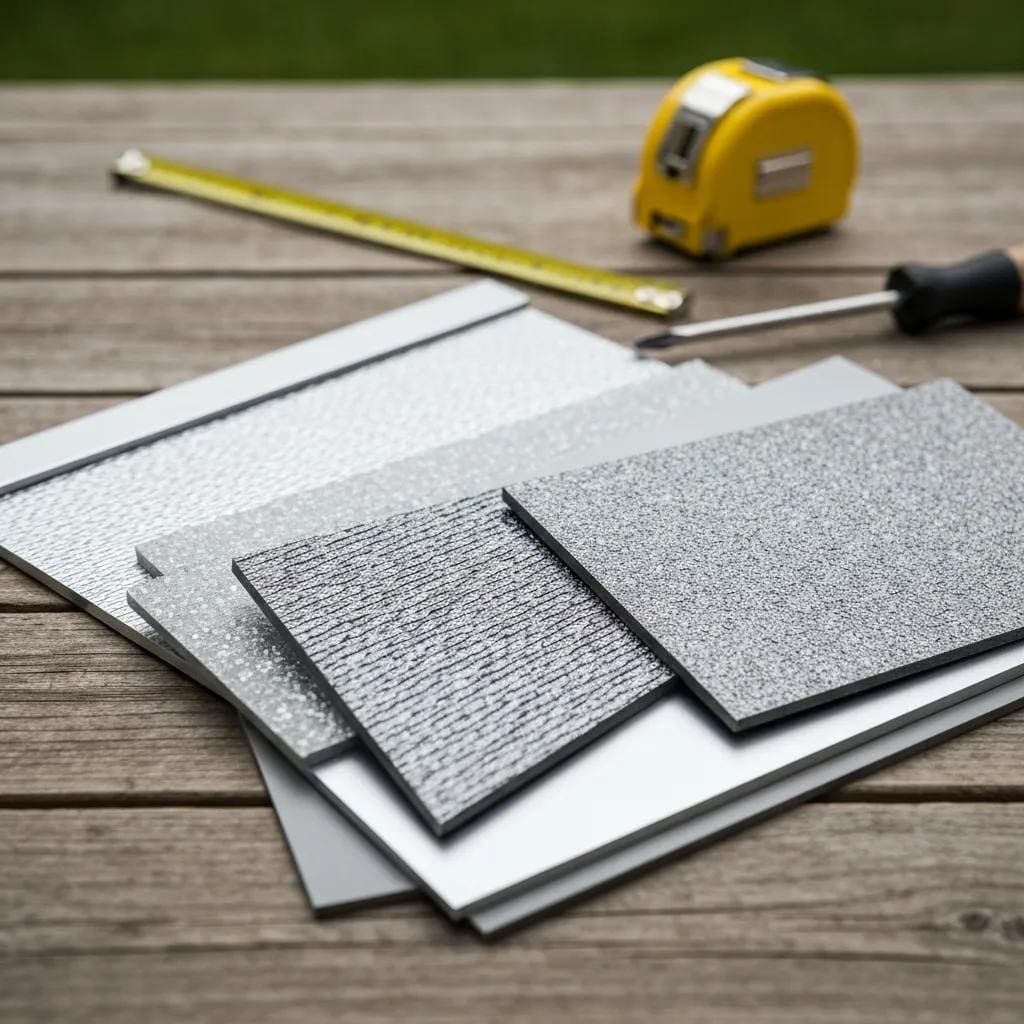
Material choice balances impact strength, weight, and corrosion resistance — the three key attributes for coastal performance. Coated aluminum alloys are common because they offer a good strength‑to‑weight ratio and resist corrosion when properly finished. Solid polycarbonate gives excellent impact toughness for transparent applications but has different UV and scratch behaviors. Steel offers very high impact strength but needs robust corrosion protection near salt water. Composite profiles can combine stiffness and toughness where needed. The table below summarizes typical properties and uses to help homeowners in NC/SC weigh options.
Each material brings trade‑offs important to coastal hurricane protection decisions.
This comparison shows why aluminum is a practical default for many coastal homes, while polycarbonate or composites may be chosen for specific impact or visibility requirements. Choosing the right material narrows your options toward certified products that perform under repeated impacts.
How do roll‑down shutters reduce property damage from debris?
Shutters prevent primary breaches that let wind‑driven water and pressure changes into the building envelope. Their slatted construction spreads impact loads across many components instead of concentrating force at a single point, and when anchors hold, shutters preserve window and door integrity. That lowers internal pressurization — a major driver of roof uplift and cascading failures — and also shields siding and trim from direct hits. These mechanisms explain why correct anchoring and professional installation are as important as material choice; the next section lists features and benefits that support reliable performance.
What are the key features and homeowner benefits of roll‑down shutters?
Roll‑down shutters use slats, guide rails, endlocks, and actuators to create a deployable barrier that provides impact resistance, security, and weather protection. Homeowner benefits include defense against wind‑borne debris, reduced risk of interior water damage, added physical security when shutters are closed, and potential energy savings from shading and added thermal resistance. When comparing systems, look for motorized operation with backup power, a mechanical manual override for redundancy, and integrated locking to resist forced entry; the following subsection compares motorized and manual drives in more detail.
American Hurricane Shutters supplies these configurations and offers consultations to match product choice with exposure and budget. For cost comparisons, try our local cost‑calculator tool to estimate whole‑house pricing and custom options.
Roll‑down shutters deliver several practical homeowner advantages beyond storm protection:
- Impact protection: A continuous mechanical barrier lowers the chance of glazing breach from debris.
- Security: Bottom‑bar locks and solid slat profiles deter forced entry when closed.
- Energy savings: Closed shutters reduce solar gain and add thermal resistance, easing cooling demand.
Together, these benefits make roll‑down systems a multifunctional investment in safety, comfort, and long‑term asset protection.
Motorized vs. manual roll‑down shutters — which is better for storms?
Motorized shutters deploy quickly from wall switches, remotes, or automation — helpful when you have little time before a storm. They can be fitted with battery backup or generator integration but add electrical components and maintenance. Manual systems use cranks or pulls and are simpler, with fewer failure modes; they’re often easier to operate when power is out. Best practice is a layered readiness approach: choose motorized units for convenience but ensure a manual override or backup power so shutters can be deployed even if the grid or a motor fails.
- Motorized advantages: Fast deployment, remote control, automation integration.
- Motorized drawbacks: Dependence on power and more complex maintenance.
- Manual advantages: Simpler mechanics, reliability, lower upkeep.
Pick the drive type that matches your priorities for convenience, redundancy, and maintenance tolerance.
What security and energy benefits do roll‑down shutters provide?
Beyond storm defense, roll‑down shutters act as a visible physical deterrent and raise the effort required to force an opening. Locking bottom bars and guided slats increase forced‑entry resistance. For energy, closed shutters create an insulating air gap and block solar radiation, reducing heat transfer through glass and improving indoor comfort — especially valuable in hot coastal climates. Exact savings depend on R‑values and local climate, but homeowners typically notice better interior comfort and incremental cooling cost reductions when shutters are used seasonally.
- Security benefit: A visible, physical barrier that increases resistance to break‑ins.
- Energy benefit: Reduced solar gain and added thermal resistance improve comfort.
- Documentation tip: Keep installation records to support insurance and resale claims.
These secondary advantages strengthen the long‑term value case for roll‑down systems.
How are roll‑down shutters tested and certified for debris impact resistance?
Standardized testing converts component performance into measurable claims homeowners can compare — for example, compliance with regional building codes and impact tests. Key standards evaluate projectile impact, cyclic loading, and wind‑load capacity to show whether a shutter will perform under specified conditions. For North and South Carolina homeowners, it’s important to know how these standards affect permitting and insurance eligibility when evaluating products and installers. The table below lists the most relevant standards and what they mean for selection and permitting.
Standards tell you what a shutter was tested to resist and give confidence in performance claims.
Which codes and standards should roll‑down shutters meet?
Jurisdictions adopt different code references; Florida and Miami‑Dade approvals are influential but aren’t automatically required in NC/SC. Look for product literature that lists the exact standards a shutter assembly meets, and check with local permitting authorities about acceptable documentation. Certification often affects insurance mitigation credits and can smooth permitting when paperwork matches local requirements. Make sure both the product and the installer provide the necessary certification and that the shutter’s wind‑load rating matches the design pressures for your exposure.
- Check product labels: Confirm the standards listed on technical data sheets.
- Confirm installer documentation: Require certification paperwork for permits.
- Local code alignment: Ask your building department which standards satisfy permits and insurance.
Following these steps turns test reports into permitted, insurable installations.
How do impact tests demonstrate shutter strength against debris?
Impact tests commonly launch prescribed projectiles — for example, two‑by‑four lumber segments — at set velocities to simulate storm debris. Acceptance criteria focus on retaining integrity and preventing breach. Tests may include single impacts and multiple‑impact cycles to evaluate resistance to repeated strikes. When you read a report, look beyond a pass/fail: check projectile mass, velocity, impact angles, and whether the assembly was tested as a fully installed system, including anchorage. Lab tests can’t reproduce every field variable, so favor systems with conservative ratings and documented installed‑system testing.
- Single vs. multiple impact: Multiple‑impact passing shows stronger resilience.
- Installed‑system testing: Tests that include anchors better predict field performance.
- Interpretation tip: Match test conditions to your local exposure for realistic expectations.
Reading test reports with this perspective helps you choose products that offer practical protection.
How do roll‑down shutters perform in real‑world hurricane debris scenarios?
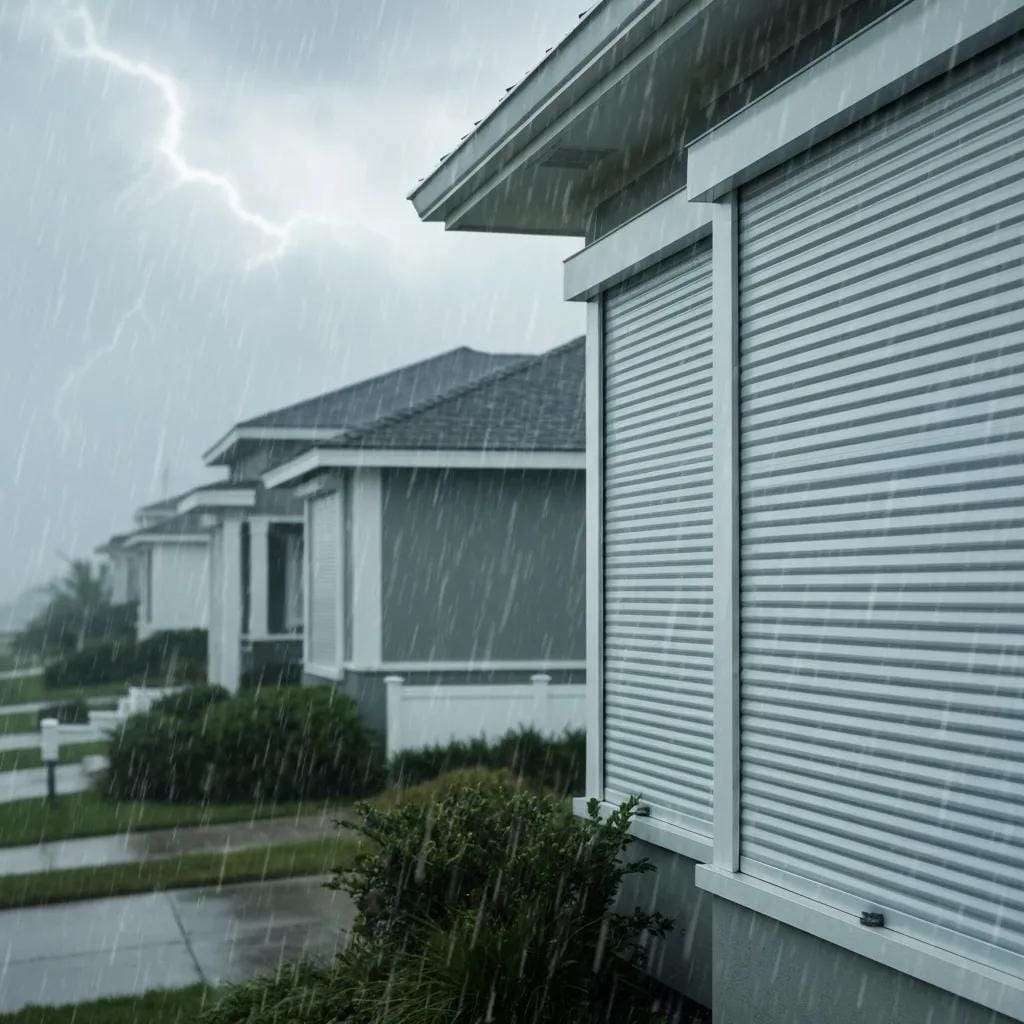
Field performance and case summaries show how shutters behave in real storms and highlight the importance of installation quality and exposure. Case studies from coastal areas commonly report that properly specified and installed roll‑down shutters prevented glazing breaches and significantly lowered repair costs. Failures usually trace to incorrect anchoring, undersized systems, or events beyond tested thresholds. Aggregated data suggest a meaningful reduction in window‑related damage where appropriate protection is used, though results vary with storm intensity and local construction. The subsections below provide representative case summaries and a statistical view to set realistic expectations.
Well‑documented incident summaries illustrate both successful protection and lessons from failures.
Which case studies show roll‑down shutters protecting coastal homes?
Several anonymized project summaries describe homes where correctly specified and professionally installed roll‑down shutters stopped direct breaches during hurricane‑force winds, limiting damage to exterior surfaces and preventing interior water intrusion. In those events homeowners avoided window replacement, drywall repair, and the secondary roof uplift that sometimes follows an initial breach. Conversely, reports of localized failure often point to loose anchors or mis‑specified materials. These examples reinforce that product selection plus qualified installation drive real‑world success.
- Success factors: Correct specification, robust anchors, and professional fitting.
- Failure modes: Undersized slats, loose anchors, and installation shortcuts.
- Practical lesson: Invest in certified products and qualified installers to realize test‑claim performance.
What do statistics show about damage reduction with roll‑down shutters?
Industry summaries and insurer reports generally find that impact‑rated shutters correlate with fewer window breaches and lower average claim sizes for windborne‑debris damage, though numbers vary by study and region. A cautious reading indicates that certified shutters meaningfully reduce glazing failure risk compared with unprotected openings, which translates into avoided repair costs and improved occupant safety. Remember that benefits depend on proper installation, local exposure, and storm severity — no system guarantees zero damage. Use statistics as a risk‑reduction estimate, not a promise.
- Headline insight: Certified protection lowers breach risk and average repair costs.
- Caveat: Outcomes depend on installation quality and storm category.
- Decision support: Treat statistics as probabilistic guidance, not an absolute guarantee.
How should homeowners choose and maintain roll‑down shutters for long‑term protection?
Choosing and maintaining shutters means following a selection checklist that pairs exposure‑appropriate performance specs with installation and upkeep practices to preserve that performance for decades. Evaluate wind‑load and impact ratings, corrosion resistance for coastal conditions, drive type and backup power, installer credentials, and warranty and maintenance options. After installation, routine inspections, lubrication, and operational tests keep shutters ready when storms arrive; the next sections cover installation choices and a recommended maintenance schedule.
A clear selection process plus regular upkeep protects performance and lowers lifecycle costs.
Which customization and installation options ensure optimal performance?
Customization — slat profile, thickness, color/finish, and automation — affects cost and durability. Thicker slats and reinforced endlocks improve impact resistance; powder‑coat finishes and anodization improve corrosion resistance. Mounting styles (face‑mount, pocket, or recessed) change load paths and appearance; installers must anchor to structural framing and confirm compatibility with local design pressures. Automation with battery backup or manual override improves readiness during rapidly changing conditions. Before installation, verify structural anchorage, review test certifications, and confirm operation under backup power.
- Customization considerations: Slat profile, finish, and mounting affect durability.
- Installation best practice: Anchor to structural framing and follow manufacturer specs.
- Integration tip: Add battery backup or manual override for deployment without grid power.
These steps align product choices with expected field performance and reduce common installation pitfalls.
What maintenance practices extend the lifespan of roll‑down shutters?
Regular maintenance preserves operation and corrosion resistance, especially in salt‑air climates. Annually inspect guide rails for debris, check endlocks and bottom‑bar locking, exercise full travel to prevent binding, and lubricate bearings and seals per manufacturer recommendations. Rinse exterior finishes with freshwater and mild detergent to remove salt deposits; repair any coating damage promptly to prevent substrate corrosion. Schedule a professional inspection every 1–2 years to catch fastener or motor wear early. Keep maintenance records to support warranty and insurance claims.
- Annual checklist: Clean, inspect, lubricate, and operate the system.
- Signs of wear: Corrosion at fasteners, motor noise, or uneven travel.
- Professional cadence: Plan a detailed inspection every 1–2 years for coastal installs.
Consistent maintenance helps ensure shutters remain ready and protective over time.
What drives the cost and value of roll‑down hurricane shutters?
Price depends on material, slat profile and thickness, motorization and automation, mounting complexity, number and size of openings, and site‑specific labor. Upfront cost should be weighed against avoided repair expenses, potential insurance mitigation credits, and the non‑monetary value of occupant safety. The table below summarizes main cost drivers with example ranges to help homeowners estimate investment for typical windows and whole‑house applications. Use this as a starting point for formal quotes from local providers.
Understanding cost drivers clarifies immediate pricing and lifecycle value.
This breakdown helps you see where costs concentrate and where design choices or scale can reduce price.
American Hurricane Shutters provides education, free estimates, and local service to homeowners in Wilmington, NC; Myrtle Beach, SC; Oak Island, NC; Topsail, NC; New Bern, NC; and Pawleys Island, SC. Request a free estimate or use our local cost‑calculator tool to model options that balance protection, convenience, and budget.
Which factors most influence roll‑down shutter pricing?
Material and slat thickness strongly affect raw material and fabrication costs; motorization adds actuator and control‑system expenses plus possible electrical work. Installation complexity — anchor reinforcement, siding modifications, or structural framing changes — increases labor and permit costs, which vary by local code in NC/SC. Custom finishes and automation also raise price, though whole‑house installs usually reduce per‑opening cost. Knowing these drivers helps you compare quotes on an apples‑to‑apples basis.
- Primary drivers: Material, motorization, and installation complexity.
- Labor & permits: Local permitting and retrofit difficulty can materially affect cost.
- Scale effect: Whole‑house installs typically lower per‑opening pricing.
Use these factors to evaluate comparable estimates and make a cost‑effective choice.
How do roll‑down shutters affect insurance and property value?
Insurers often offer mitigation credits or premium adjustments for certified, properly documented impact protection. Systems that meet recognized standards and are installed correctly may reduce claim frequency and average repair costs. To capture available credits, keep installation records, product certification documents, and invoices and present them during policy reviews. On resale, storm‑hardening upgrades with documentation can be attractive to buyers in coastal markets and support perceived property value. Preserve photos and paperwork to support insurance applications and future valuations.
- Insurance advantage: Potential premium reductions and mitigation credits for certified systems.
- Documentation best practice: Retain product certificates and installation invoices for insurer review.
- Resale value: Certified storm‑hardening can positively influence buyer perceptions in coastal areas.
Good documentation and maintenance help homeowners maximize the financial benefits of their protection investments.
Frequently Asked Questions
What is the lifespan of roll‑down hurricane shutters?
Lifespan varies with material, installation quality, and maintenance. Well‑maintained aluminum shutters commonly last 20–30 years; polycarbonate options may be slightly shorter due to UV exposure. Properly coated and maintained steel can also last decades. Regular inspections and timely repairs are key to extending service life, especially in coastal locations where salt air accelerates corrosion.
How do I know if my roll‑down shutters are properly installed?
Check for secure anchoring to structural framing, aligned slats in the guide rails, and smooth, consistent operation across the full travel. A professional installation should include code compliance verification and manufacturer‑recommended fasteners. Watch for uneven movement or loose components, and when in doubt, hire a qualified inspector to evaluate the system.
Can roll‑down hurricane shutters be customized for my home?
Yes. Custom options include slat thickness, color and finish, mounting style (face‑mount, pocket, or recessed), and operation type (motorized or manual). Automation integration and battery backup are also available. Customization can improve aesthetics and performance for specific exposure conditions — discuss options with a professional installer to find the right fit.
What maintenance is required for roll‑down hurricane shutters?
Routine maintenance includes clearing guide rails of debris, lubricating moving parts, exercising the full travel, and rinsing exterior finishes with freshwater and mild detergent to remove salt. Perform these checks annually and schedule a professional inspection every 1–2 years, especially in coastal areas. Keep a maintenance log to support warranty and insurance claims.
Are there any insurance benefits for installing roll‑down hurricane shutters?
Yes. Many insurers offer mitigation credits or premium reductions for certified roll‑down shutters that meet recognized impact standards and are installed correctly. Keep all certification documents, invoices, and installation photos to present to your insurer when seeking credits.
What should I consider when choosing a roll‑down shutter system?
Consider material type, impact resistance ratings, installation requirements, and your home’s exposure. Decide between motorized and manual operation, evaluate customization options, and review installer reputation, warranties, and maintenance commitments. Comparing these factors will help ensure long‑term performance and protection.
Conclusion
Roll‑down hurricane shutters provide meaningful protection against wind‑borne debris when you choose the right materials, certify the product, and use a qualified installer. With proper selection and regular maintenance, these systems can deliver long‑term resilience in coastal environments while lowering repair risk and improving comfort. If you’re ready to explore options, request a free estimate and see how roll‑down shutters can protect your home.