
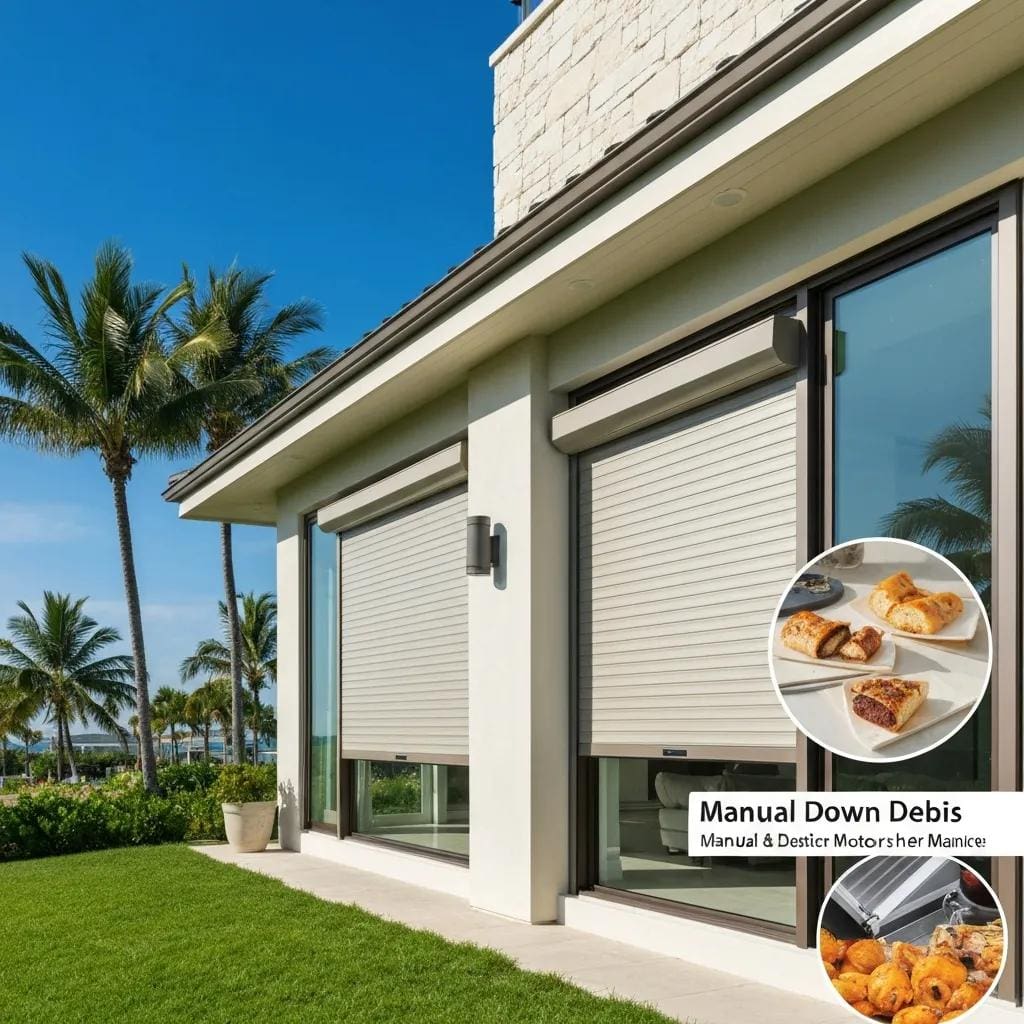
Understanding the Average Cost of Roll Down Hurricane Shutters for Your Home
Roll-down hurricane shutters—available as motorized or manual systems—sit in a compact headbox above an opening and deploy to shield windows and doors from windborne debris and storm loads. This guide lays out typical per‑square‑foot and whole‑project pricing, highlights regional cost drivers for coastal North Carolina and South Carolina, and shows how to judge value versus upfront price for residential installs. Many homeowners are unsure about budgeting, timelines, and insurance impacts when planning storm protection; this article gives clear cost ranges, installation steps, benefits, and maintenance guidance to remove that uncertainty. You’ll learn what roll‑down shutters do, how manual and motorized options compare, typical cost bands per square foot, the NC/SC factors that affect price, and practical next steps to get an accurate estimate. We also use industry terms—Design Pressure Analysis, 18‑8 stainless steel fasteners, and cost‑per‑square‑foot—so you can compare quotes and choose durable, code‑compliant protection.
What Are Roll Down Hurricane Shutters and How Do They Protect Your Home?
Roll‑down hurricane shutters are permanently mounted systems that lower a slat curtain across openings to create an impact‑resistant, wind‑load rated barrier. They combine durable slat material, reinforced guide tracks, and secure locks to resist wind pressure and flying debris—reducing broken glass, water intrusion, and structural damage. Systems operate with either a hand crank or an electric motor and are built to meet or exceed local coastal code requirements. Knowing the basic parts—headbox, slat curtain, guide tracks, and locking assembly—helps homeowners evaluate durability, maintenance needs, and expected service life. The next section compares manual and motorized options so you can balance convenience, cost, and long‑term value.
What Types of Roll Down Shutters Are Available: Manual vs. Motorized?
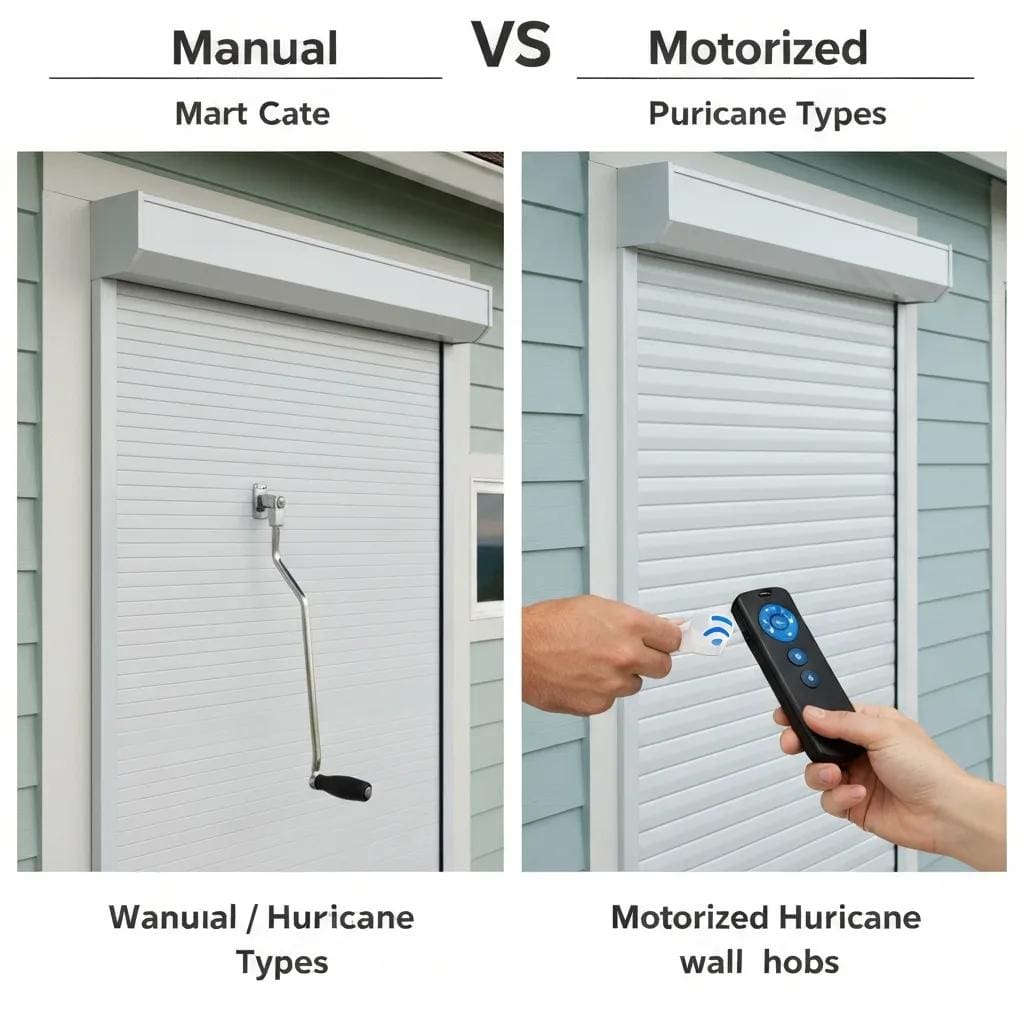
Roll‑down shutters come as manual or motorized systems, each matching different homeowner priorities for price and convenience. Manual shutters use a hand crank or removable bar and are cheaper upfront, while motorized units include a motor, switches or remotes, and sometimes backup power for hands‑free operation and faster deployment. Motorized installs add electrical work and controls, which raises initial cost but improves usability for large openings or frequent use. Both share the same core components—slats, tracks, and headbox—but maintenance differs: motors need periodic checks and electrical troubleshooting when needed, while manual systems require lubrication and mechanical inspection. Consider family needs and opening sizes to decide whether motorization’s convenience justifies the extra expense and upkeep.
How Do Roll Down Shutters Provide Storm Protection and Security?
Roll‑down shutters create a continuous, impact‑resistant surface that transfers wind loads into the building through reinforced guides and properly rated anchors. When engineered and installed to code, they resist debris impacts, prevent glass breakage, and reduce pressure differentials that cause structural uplift—lowering the chance of interior water damage. Many systems also include strong locks and tamper‑resistant features that improve home security year‑round by deterring forced entry and limiting visibility. Compliance with performance standards—such as Florida Building Code benchmarks and local wind‑load requirements—ensures shutters are rated for the design pressures that determine their protective capability. With that protection baseline in mind, the next section translates performance into estimated costs.
What Is the Average Cost of Roll Down Hurricane Shutters Per Square Foot?
Per‑square‑foot cost for roll‑down shutters depends on operation type, material, and installation complexity. Manual systems usually sit at the lower end of the scale; motorized systems carry a premium for motors and electrical work. Base per‑square‑foot ranges cover materials, fabrication, and basic installation; final quotes add custom finishes, engineering, and site specifics. Sample project estimates show how per‑square‑foot pricing scales to whole‑home numbers, and the table below offers a quick comparison to help you read contractor quotes. After reviewing price bands, use an online cost calculator for a ballpark budget and follow up with a free on‑site estimate for final pricing.
Different installation types typically fall into distinct per‑square‑foot ranges.
This table shows manual systems are the more budget‑friendly route while motorized options can multiply per‑square‑foot costs depending on controls and electrical scope. The following paragraphs explain typical ranges and how installation factors convert per‑square‑foot rates into total project estimates.
How Much Do Manual Roll Down Shutters Cost Per Square Foot?
Manual roll‑down shutters commonly range from $25 to $50 per square foot. That pricing reflects aluminum slat fabrication, standard guide tracks, and simpler installs without electrical work. For example, a home with 10 average windows (about 200 sq ft total) could expect material and installation in the low‑to‑mid four‑figure range; customization or difficult access can raise that. Manual systems are straightforward to maintain—periodic lubrication and track cleaning—so total lifecycle cost can compare favorably to cheaper, less durable alternatives. When reviewing quotes, confirm impact ratings and anchoring meet local code so a lower upfront price doesn’t mean lower performance.
What Is the Price Range for Motorized Roll Down Shutters?
Motorized roll‑down shutters typically cost $50 to $150 per square foot because they add motors, controls, and possibly backup power and wiring at each opening. The higher end reflects premium motors, home‑automation integration, and heavy‑gauge materials for very large openings; added costs include conduit, breakers, and licensed electrician time. Motorized systems deliver fast deployment and ease of use—especially valuable for multi‑story homes or residents with mobility concerns—improving readiness when storms approach. Factor in electrical inspection fees and any smart‑control integration when comparing motorized bids to manual options.
How Does Installation Affect the Total Cost of Roll Down Shutters?
Installation influences total cost through labor rates, structural reinforcement needs, permits, and access complexity. Experienced installers include site survey findings, fabrication tolerances, and expected on‑site time when preparing quotes. Jobs needing header reinforcement, custom framing, or access equipment (scaffolding, lifts) increase labor hours and cost. Permit and inspection fees in coastal jurisdictions, plus required engineering documentation for higher design pressures, add to budgets but ensure code compliance and reliable performance. Ask for itemized quotes that list anchoring hardware, flashing, and waterproofing so you don’t face surprise add‑ons. With installation drivers clear, the next section covers regional factors that most influence pricing in NC and SC coastal areas.
Which Factors Influence the Cost of Roll Down Hurricane Shutters in NC and SC?
Regional and product factors combine to set final pricing for roll‑down shutter installs: material choice, customization, wind‑load requirements, permitting, and local labor availability. Coastal properties often sit in higher wind‑load zones, which raises engineering scope and may require thicker slats, reinforced guides, and certified anchorage—each adding cost. Custom work—arched openings, curved tracks, or color matching—also increases fabrication time and expense. The table below gives a concise view of the main cost drivers homeowners see when comparing bids across the region.
Code‑driven engineering and specialized customization are often the biggest contributors to higher quotes in coastal NC/SC. In many cases, premium materials and engineered solutions deliver better long‑term value despite higher upfront cost.
Certain premium features raise price but provide measurable benefits: a Design Pressure Analysis confirms shutters meet required wind‑loads, and corrosion‑resistant hardware—like 18‑8 stainless steel fasteners—improves longevity in salty coastal air. Calling out these elements helps explain higher‑end pricing while keeping focus on performance and durability.
How Do Material Quality and Customization Affect Pricing?
Material choice and customization affect both upfront cost and long‑term value. Aluminum is common for its balance of strength, weight, and corrosion resistance; steel or thicker gauges cost more but can boost impact resistance. Custom colors, powder coating, and bespoke headbox or track profiles add fabrication time and expense but improve curb appeal and resale value. Options such as insulated slats, integrated sensors, or automated controls increase material and electronics costs. When comparing bids, weigh warranty coverage and corrosion‑resistant hardware—especially in salt‑air areas—against cheaper alternatives to estimate total cost of ownership.
What Role Does Location and Building Code Compliance Play in Cost?
Location sets required Design Pressure (DP) ratings, permit and inspection rules, and exposure factors that raise engineering and installation scope. Coastal counties in NC and SC may require documented DP analysis or stamped engineering for high‑wind zones, which adds design fees and sometimes material upgrades to meet those pressures. Inspection schedules and permit fees vary by city and can affect scheduling and contractor availability—impacting labor costs and lead times. Verify that bids include necessary engineering documentation so you can compare apples‑to‑apples proposals across providers and avoid scope creep.
What Are the Key Benefits of Investing in Roll Down Hurricane Shutters?
Roll‑down hurricane shutters deliver core benefits—storm protection and improved security—plus secondary gains like energy savings, UV protection, and potential insurance discounts that together strengthen home resilience and long‑term value. By preventing glass breakage and reducing wind‑driven water intrusion, shutters cut repair costs and downtime after storms. Secondary perks—reduced solar heat gain, quieter interiors, and UV protection for finishes—improve comfort and durability. The table below links these benefits to measurable homeowner outcomes so you can weigh protection against investment.
While exact savings vary, performance‑rated shutters provide a mix of protective and economic benefits that often justify the investment for coastal homeowners. The next sections break down security, energy, and insurance impacts in more detail.
How Do Roll Down Shutters Improve Home Security and Storm Protection?
Roll‑down shutters act as a strong physical barrier that deters intrusion and shields glazing from direct impact. Slat interlocks and secure locking hardware resist forced entry attempts and serve as a visible deterrent, while during storms the curtain and guides distribute wind loads into the structure to prevent catastrophic glazing failure. That dual role—security and storm protection—gives shutters year‑round value beyond seasonal use. For best results, pair quality hardware with professional installation and corrosion‑resistant fasteners, and always verify performance ratings and anchorage details when evaluating claims.
What Energy Efficiency and Insurance Savings Can Homeowners Expect?
Closed roll‑down shutters reduce solar heat gain by shading windows, which lowers cooling demand and improves interior comfort in hot months—savings depend on window orientation, glazing, and local climate. Insurers may offer premium reductions where shutters demonstrably lower wind and impact risk, but discounts vary by carrier and typically require documentation such as installation certificates or performance ratings. Simple calculations—like reduced peak cooling loads for east‑ or west‑facing windows—illustrate potential energy savings, while policy verification is needed to realize insurance benefits. Keep installation paperwork and performance labels handy to present to your insurer when requesting credits.
How Is the Installation Process for Roll Down Hurricane Shutters Conducted and Priced?
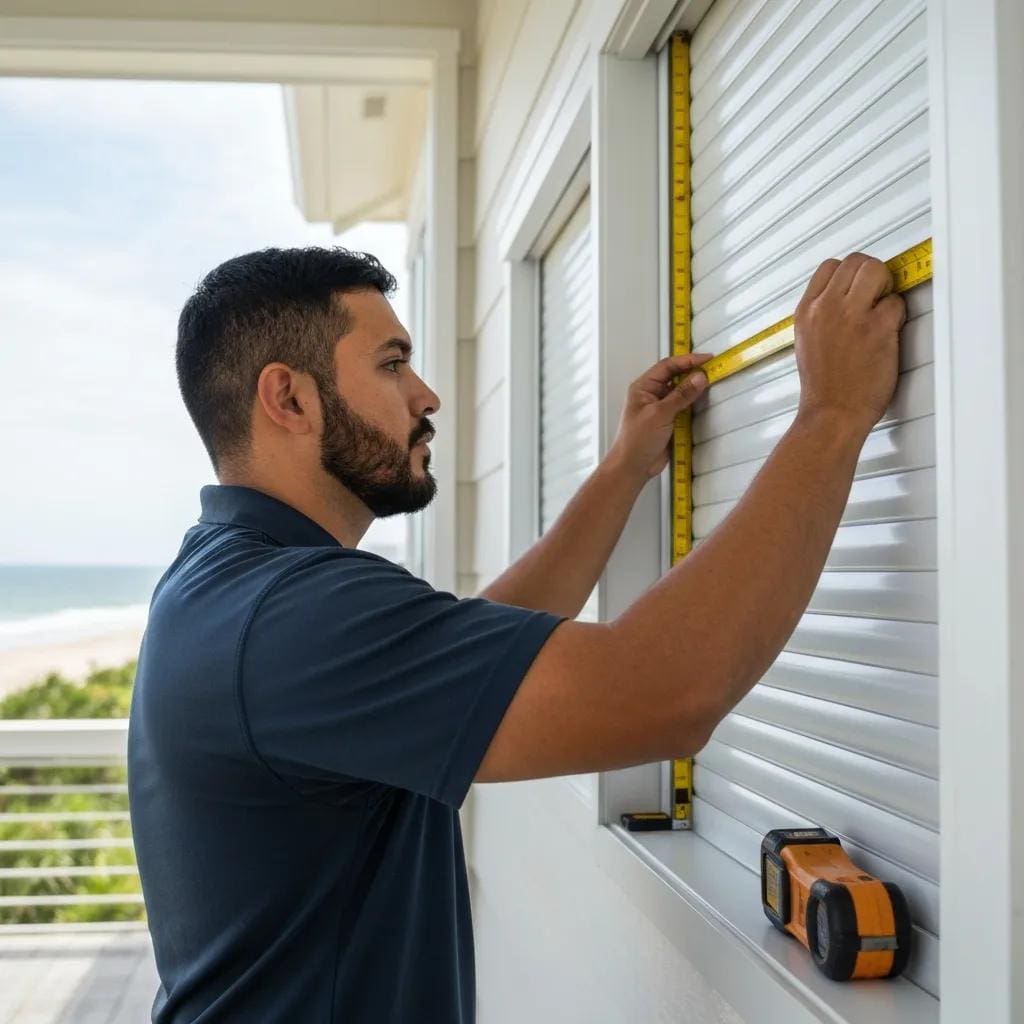
Professional installation follows a clear workflow: site survey, measurements, fabrication, installation, electrical hookup (for motorized systems), and final inspection. Clear expectations at each phase help control cost and schedule. Accurate site surveys reveal custom needs, structural reinforcement, and access issues that affect fabrication specs and install hours. Fabrication lead times depend on customization and materials; on‑site work varies by scope and weather. Motorized systems require licensed electrical work for safe, code‑compliant integration. The list below outlines the standard installation steps so homeowners know what to expect from first contact to final review.
- Site survey and measurements: Detailed inspection of openings and framing for engineering input.
- Fabrication and pre-install preparation: Custom cutting, powder-coating, and motor assembly as required.
- On-site installation and adjustments: Mounting boxes, guides, anchoring, and weatherproofing.
- Electrical hookup and testing (if motorized): Wiring, switches, and functionality verification by licensed electrician.
- Final inspection and homeowner orientation: Ensure performance, hand over documentation, and instruct homeowner on operation.
This workflow clarifies responsibilities and timing so you can fairly compare contractor timelines and included services. The next subsection covers labor‑cost expectations and sample scenarios by project size.
What Steps Are Involved in Professional Roll Down Shutter Installation?
Professional installation starts with a thorough site survey documenting opening sizes, framing condition, and anchorage needs, followed by precise measurements used for shop drawings and fabrication. Fabrication happens off‑site to spec—cut‑to‑size slats, headboxes, and finishes—while installers prepare mounting points and gather hardware before arrival. On site, crews mount headboxes, install guide tracks, anchor hardware into structure, and integrate electrical components for motorized units, then calibrate and test operation. Final inspection confirms code compliance and functionality, and installers provide homeowner training and maintenance instructions. These steps deliver consistent performance and long‑term durability.
How Much Does Installation Labor Typically Cost Per Hour?
Labor rates vary by region and job complexity, but homeowners can expect ballpark hourly ranges; straightforward installs with experienced crews are faster and more cost‑effective than complex retrofits that require reinforcement or special access equipment. Quotes typically combine per‑hour labor with fixed fabrication costs. Complexity—arched openings, second‑story access, or intricate electrical routing—increases hours and labor cost, while coordinated scheduling for multiple openings can create efficiencies. When comparing bids, ask for itemized labor hours and how installers account for potential access or reinforcement issues to make an apples‑to‑apples comparison.
How Should Homeowners Maintain Roll Down Hurricane Shutters for Longevity?
Routine maintenance keeps roll‑down shutters working reliably and preserves protective performance—especially in coastal environments where salt air accelerates wear. A simple maintenance schedule includes monthly visual checks of slats, guides, and locks; seasonal lubrication of moving parts; an annual professional tune‑up for motors on electric systems; and prompt repair of dents or damaged slats to prevent binding. The checklist below outlines recommended tasks and intervals so homeowners can plan maintenance and avoid costly failures.
- Monthly: Visual inspection of slats and tracks; clear debris and rinse salt buildup.
- Quarterly: Operate shutters through full cycles to check for binding; test locking mechanisms.
- Annually: Professional service for lubrication, motor inspection, and fastening checks.
- After storms: Inspect for dents, misalignment, or damage and schedule repairs as needed.
Following this checklist extends service life and keeps warranties valid, reducing the chance of emergency repairs. The next subsection covers best practices and lifespan expectations.
What Are the Best Practices for Maintaining Roll Down Shutters?
Best practices start with regular visual inspections and full‑cycle operation checks to spot early signs of wear—noisy motors, misaligned tracks, or loose fasteners. Rinse tracks and slats to remove salt and debris, and use manufacturer‑recommended lubricants on moving parts to prevent binding; avoid harsh abrasives that harm finishes. For motorized systems, periodically check electrical connections and backup power sources, and schedule an annual professional tune‑up to test motor torque and limit settings. Address dents or paint damage quickly to avoid corrosion, and keep installation paperwork and performance ratings for insurance and resale documentation. These steps preserve performance and lower lifecycle costs.
How Long Do Roll Down Hurricane Shutters Typically Last With Proper Care?
With proper maintenance, roll‑down shutters commonly last 15–20 years or more. Lifespan depends on material quality, coastal exposure, frequency of use, and maintenance diligence. Aluminum systems in salt‑air environments need careful cleaning and corrosion‑resistant fasteners—like higher‑grade stainless steel—to reach the upper end of that range. Motorized components may need replacement or refurbishment sooner depending on duty cycle and upkeep. When deciding to repair or replace, weigh the extent of structural or motor damage against remaining expected life and the cost of modern upgrades that improve performance.
Where Can You Get a Free Estimate and Use a Cost Calculator for Roll Down Shutters?
For accurate local pricing start with our online cost calculator for a ballpark estimate, then schedule a free on‑site visit to capture job‑specific details like framing condition and engineering needs. The calculator converts per‑square‑foot bands into project totals based on your number of openings and chosen operation type, while a free on‑site estimate gives the permit‑ready scope. The next section explains how free estimates work and what to expect during the booking and survey process.
How Does American Hurricane Shutters Provide Free Estimates and Local Expertise?
We provide free on‑site estimates and an online cost estimator so coastal homeowners in North Carolina and South Carolina understand likely price ranges before scheduling a visit. During a free estimate a trained estimator measures openings, reviews preferred operation (manual vs. motorized), verifies local code and design‑pressure requirements, and explains product options and timelines. We serve coastal markets such as Wilmington, Morehead City, Myrtle Beach, Oak Island, Topsail, New Bern, and Pawleys Island—areas where wind‑load considerations often drive specific engineering. Homeowners receive a transparent, itemized proposal and can request documentation about performance ratings, hardware like 18‑8 stainless steel fasteners, and paperwork insurers require.
How to Use the Online Cost Calculator for Quick Pricing Estimates?
To use the cost calculator, gather basic inputs—number and dimensions of openings, preferred operation (manual or motorized), and material or finish choices—so the tool returns a realistic cost range. Accurate dimensions for windows and doors improve estimates; the calculator applies per‑square‑foot bands and common installation allowances to present a budget range and suggested next steps. Treat results as ballpark guidance and schedule a free on‑site estimate to finalize pricing, confirm structural conditions, and obtain permit‑ready documentation. Coastal NC/SC homeowners ready to move forward should request a local evaluation to ensure engineered compliance and receive a final, binding quote.
For homeowners along coastal North Carolina and South Carolina, using the cost calculator and scheduling a free estimate are the quickest ways to move from planning to protection—especially when factoring in design pressure and corrosion‑resistant hardware.
Frequently Asked Questions
What are the maintenance requirements for roll down hurricane shutters?
Regular maintenance keeps shutters reliable. Perform monthly visual checks for debris and salt, lubricate moving parts seasonally, and schedule an annual professional service—especially for motorized systems—to inspect motors and critical components. After storms, inspect for dents or misalignment and arrange repairs if needed. A steady maintenance routine prevents larger failures and helps preserve warranties.
How do I choose between manual and motorized roll down shutters?
Choice depends on budget, convenience, and usage. Manual shutters cost less upfront and require minimal electrical maintenance—good for smaller openings or infrequent use. Motorized shutters cost more but offer fast, hands‑free deployment and are ideal for large openings, multi‑story homes, or those who want automation. Consider how often you’ll operate them, accessibility, and whether you want smart‑home integration when deciding.
What should I expect during the installation process of roll down shutters?
Expect a site survey, precise measurements, off‑site fabrication, on‑site mounting of headboxes and guides, anchoring, and weatherproofing. If motorized, licensed electrical hookup and testing are included. The installer should walk you through operation, hand over documentation, and confirm code compliance at the end of the job.
Can roll down hurricane shutters help reduce energy costs?
Yes. When closed, shutters reduce solar heat gain and can lower cooling demand—especially on east‑ and west‑facing windows—leading to noticeable energy savings in hot climates. Some shutter options also add insulation value, improving efficiency further.
What are the insurance benefits of installing roll down hurricane shutters?
Shutters can qualify homeowners for insurance discounts because they reduce the risk of wind and impact damage. Discounts vary by carrier and usually require documentation of the installation and performance ratings. Check with your insurer and keep installation paperwork handy to pursue any available credits.
How do I ensure my roll down shutters comply with local building codes?
Work with licensed contractors familiar with local codes. Verify that shutters meet required Design Pressure (DP) ratings, request engineering reports or stamped drawings when needed, and keep installation certificates for inspections and insurance. Consult local building authorities if you’re unsure about specific requirements.
What factors can affect the lifespan of roll down hurricane shutters?
Lifespan depends on material quality, coastal exposure, frequency of use, and maintenance. Corrosion‑resistant materials and fasteners, regular cleaning, and timely repairs extend life. Motorized components may need attention sooner than passive hardware, so factor service history into replacement decisions.
Conclusion
Roll‑down hurricane shutters offer reliable storm protection, year‑round security, and potential energy and insurance benefits—making them a smart investment for coastal homes. Understanding costs, installation steps, and maintenance needs helps you make an informed choice that fits your home and budget. For a tailored plan and accurate pricing, schedule a free estimate with a local expert today and protect your home and family with code‑compliant, durable shutters.