
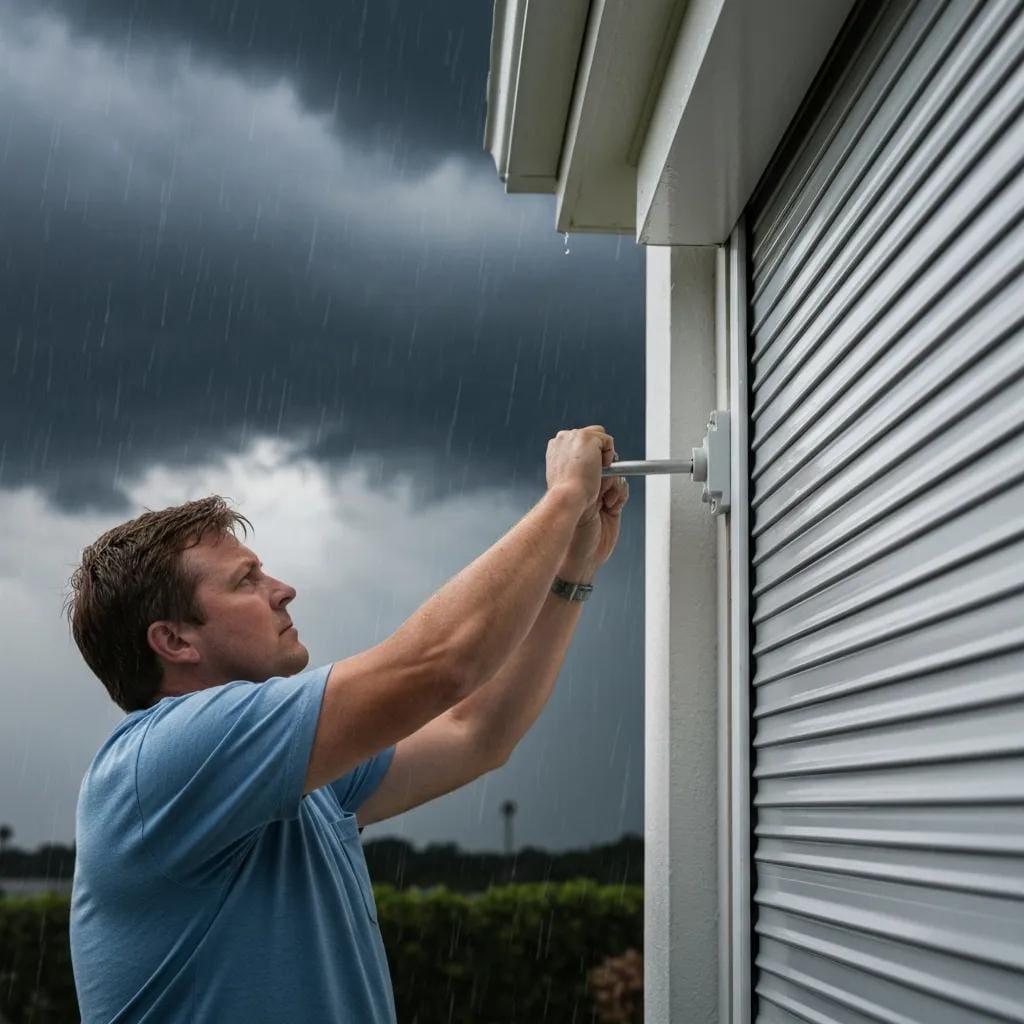
Operating Roll Down Hurricane Shutters During a Storm: A Step-by-Step Guide for Homeowners
Using roll-down hurricane shutters the right way during a storm keeps people safer and reduces damage to your home by blocking wind-driven debris and limiting window breaches. This guide walks you through how roll-down shutters work, how to deploy them safely—whether manual or motorized—and what to do in emergencies like power outages or jams so you can act quickly and confidently. We also point you to resources like our free estimates and explain routine maintenance that keeps shutters reliable year after year. The steps and tips that follow focus on practical safety: identify slats, tracks, housings, motors, and cranks; learn the correct sequence to lower and lock; and know when to stop and call a pro. Advice is tailored for coastal North and South Carolina homeowners — including Wilmington, Myrtle Beach, Oak Island, Topsail, New Bern, and Pawleys Island.
How Do Roll Down Hurricane Shutters Work and What Are Their Key Components?
Roll-down shutters protect doors and windows by lowering interlocking slats from a top housing into vertical tracks, creating a continuous barrier that resists wind and impacts. The main parts are the slats that form the face, the vertical tracks that guide them, the housing that stores the shutter when open, and the power source—either a manual crank or an electric motor. Locks and weather seals finish the system. Knowing these parts helps you diagnose problems quickly—for example, debris in a track often causes jams, and a worn seal can let water in. Below we outline differences between manual and motorized systems and the components every homeowner should recognize before a storm.
What Are the Differences Between Manual and Motorized Roll Down Shutters?
Manual shutters use a hand crank or pull action and are simple and reliable during power outages because they don’t depend on electricity. Motorized shutters use an electric motor with a remote or wall switch for faster, one-person deployment, but they need a manual override or battery backup if power fails. Your choice depends on property size, how often you’ll deploy shutters, and how comfortable you are with maintenance—manual systems favor simplicity for smaller or remote homes, while motorized systems suit larger houses or homeowners who need quick single‑person operation. Knowing the trade-offs helps you plan inspections and mark override locations before a storm.
What Are the Essential Parts of Roll Down Shutters Every Homeowner Should Know?
Key parts to recognize are slats (the horizontal elements that take impact), tracks (vertical guides), housing (the top box), the crank or motor (power source), remote or wall switch, locking hardware, and weather seals. Basic maintenance tips: lubricate tracks sparingly to avoid buildup, check slat interlocks for dents, and test locks long before hurricane season. Spotting a noisy motor, a dented slat, or a sticky lock lets you address issues early and avoid last-minute problems when a storm is approaching.
The parts work together: slats slide in tracks, the motor or crank spools slats into the housing, and locks secure the bottom rail to resist uplift. Understanding that assembly helps you run quick pre-storm checks and choose the right response when a component doesn’t behave as expected.
This comparison shows how manual, motorized, and battery-backup options match different homeowner priorities and which systems suit coastal NC/SC properties.
What Are the Step-by-Step Instructions for Manual Operation of Roll Down Hurricane Shutters?

Manual deployment is reliable when you follow a safety-first sequence: prepare, insert the crank properly, lower the shutter with control, and secure the locks. Start with a quick inspection—clear debris, set ladders on steady ground, and have a second person ready for wider or heavier shutters. Follow these steps to lower manual shutters safely during storm conditions.
- Clear the area of people and loose objects.
- Insert the crank into the designated socket and make sure it’s seated.
- Turn the crank slowly and steadily, lowering the slats while watching alignment in the tracks.
- Pause periodically to confirm slats are seating fully and no obstructions appear.
- Engage bottom locks or pins and perform a visual pull test to confirm the shutter is secure.
After lowering each shutter, walk the perimeter to make sure locks are engaged and there are no gaps—an unsecured bottom rail reduces impact resistance and increases uplift risk. The next section lists pre-storm items to keep on hand and why they matter.
How Should You Prepare Your Manual Shutters Before a Storm?
Preparation includes a quick inspection and gathering tools like the crank, gloves, flashlight, and a step ladder, plus clearing tracks of debris to prevent jams. Check for dents or bent slats that could catch in the guides and verify that bottom locks operate smoothly; repair or lubricate parts well before a storm. Keep a labeled checklist or a small storm kit next to the shutter so everyone knows where the crank and safety gear are stored. These steps reduce deployment time and lower the chance of emergency repairs in dangerous conditions.
Practicing this checklist makes deployment second nature and reduces stress when a storm approaches.
How Do You Safely Engage the Manual Crank to Deploy Shutters?
Anchor yourself with a stable stance, insert the crank fully, and use smooth, controlled turns rather than quick jerks. For larger shutters, work with a partner—one person cranks while the other guides the bottom rail into the tracks to prevent skewing, pinched fingers, or slat damage. Watch for gusts; in strong winds limit time outside and work from the sheltered side of the opening when possible. Proper technique prevents sudden drops and helps preserve the gearbox and slats over time.
How Do You Secure and Lock Manual Shutters During a Storm?
When lowered, engage all bottom locks, pins, or slide bolts and confirm the bottom rail sits flush with no lateral movement. Do a pull test on the bottom rail to verify engagement and inspect each side for gaps where wind-driven debris could enter. For severe storms, consider supplemental fasteners on critical openings—additional bolts or pins can notably improve uplift resistance when used properly. After locking, move to a safe interior location and continue following official weather advisories.
How Do You Operate Motorized Roll Down Hurricane Shutters During a Storm?
Motorized shutters add speed and convenience: a press of the remote or wall switch lowers slats into the tracks using an electric motor and built-in limit settings that stop travel at fully open or closed. Before a storm, run a test cycle to confirm the motor responds, limits are set correctly, and remotes have fresh batteries—these checks catch problems before conditions make outdoor work dangerous. During severe weather, prefer local control and disable scheduled automation that could run shutters unexpectedly. The sections below explain remote/wall switch operation and best practices for smart-home setups in storms.
How Do You Use the Remote or Wall Switch to Deploy Motorized Shutters?
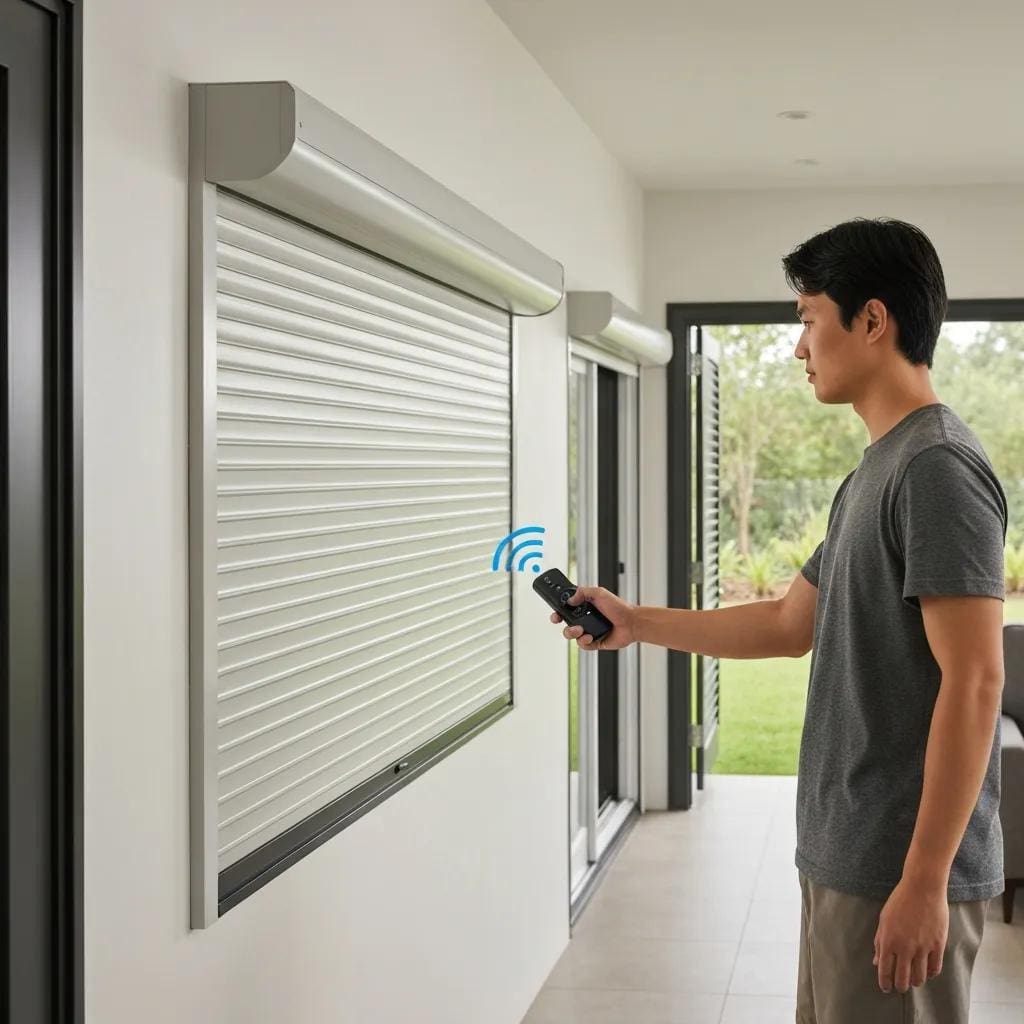
Most remotes and wall switches use one press for full close, a press to stop mid-travel, and another press to open. Learn the exact button sequence for your system. If a shutter hesitates, stop attempts and check power: confirm the breaker, inspect the motor housing once it’s safe, and replace weak remote batteries. For multi‑channel remotes, make sure you’re on the correct channel to avoid partial deployment. Clear controls reduce confusion and speed action when seconds matter.
Can Motorized Shutters Integrate with Smart Home Systems?
Yes—motorized shutters can connect to Wi‑Fi hubs, smart-home controllers, or proprietary apps for remote monitoring and automation, which is useful for frequent storms. But networked automation introduces risk if power or internet fail, so set systems to local-only control during alerts and make manual overrides easy to find. We recommend disabling scheduled automation during hurricane season and posting clear instructions for manual override to prevent accidental operation in dangerous conditions. Smart integration is helpful when paired with conservative safety defaults.
If you notice motor hesitation, repeated faults, or want an upgrade, contact a professional for assessment or installation to minimize risk and keep systems storm-ready. For estimates or service, our free calculator and service teams are available.
What Are the Emergency Procedures for Operating Roll Down Shutters During a Power Outage?
Power outages are common in hurricanes. The priority is finding the manual override promptly and lowering shutters safely without taking unnecessary risks. Typical emergency steps are: locate the labeled override, engage the manual crank or disconnect the motor coupling per the manufacturer’s instructions, and lower shutters with controlled motion—ideally with a partner. Work from the sheltered side of openings during heavy wind and rain, and avoid ladders in strong gusts. If deployment is unsafe, prioritize life safety—shelter indoors and wait for conditions to improve. The next sections explain how to find overrides and how to deploy safely when power is out.
How Do You Locate and Use the Manual Override for Motorized Shutters?
Manual overrides are often inside the shutter housing, behind an access plate, or at a marked access port—label these spots during installation for quick access. To use the override, remove the cover, insert the manual crank into the coupling, and lower the shutter with steady, controlled turns exactly as you would with a manual system. If the coupling is stiff or resists, stop and reassess—forcing components can cause structural damage that weakens protection. Familiarize yourself with override locations and procedures before storm season so you can act quickly if power fails.
What Are the Safe Steps for Manual Deployment When Power Is Out?
When the power is out, crank shutters using a steady rhythm with one person guiding the bottom rail and the other turning the crank to keep the shutter aligned and prevent binding. Use a flashlight and gloves for grip and visibility and avoid standing directly in the windward path of loose panels. If wind conditions make outdoor work unsafe—sustained high gusts or heavy flying debris—don’t attempt deployment; shelter inside an interior safe room away from windows. Remember: protect people first, property second.
How Should You Retract Roll Down Hurricane Shutters Safely After a Storm?
After the storm passes, retract shutters only after a careful inspection to avoid making damage worse and to document problems for insurance or repair. Start with a visual survey from a safe spot: look for dents, bent slats, water in the housing, and foreign objects in the tracks before unlocking and raising shutters. The sections below cover what to check and the correct retraction steps for both manual and motorized systems.
What Should You Inspect Before Retracting Your Shutters?
Check slats for dents or cracks, look for debris in tracks, and verify locks and seals are intact. Photograph any damage for insurance and service assessment. Small dents or lodged debris can often be cleared carefully once it’s safe, but structural damage, track deformation, or water inside housings should be documented and left for a professional to evaluate. Use your phone to capture time‑stamped photos of each opening for claims or service calls—this protects you and helps the technician diagnose problems faster.
How Do You Retract Manual and Motorized Shutters Correctly?
For motorized shutters, run a slow, full-open cycle and listen for unusual noises that could signal misaligned tracks or damaged gears; stop and investigate odd sounds. For manual shutters, crank steadily and keep the bottom rail centered while a partner guides the shutter into the housing to avoid skewing or pinching slats. After full retraction, confirm the housing closes properly, slats nest with no gaps, and motors or gearboxes show no obvious leaks or damage. If anything looks off, schedule a professional inspection instead of risking further operation.
What Are Common Operational Issues and How Can You Troubleshoot Them?
Common problems include motors not responding, remotes failing, shutters jamming on debris, and limit-setting issues. Use a simple triage: start with power and battery checks, then confirm the tracks are clear before attempting manual operation. The troubleshooting table below lists likely causes and immediate fixes, and when to call a technician.
How Do You Fix Motor Problems and Remote Control Failures?
Begin with basic checks: verify the breaker and power source, swap remote batteries, and try a spare remote or wall switch to isolate the problem. If the motor hums but the shutter won’t move, avoid repeated power cycling and inspect for mechanical obstruction in the track—persistent humming often indicates a jammed drivetrain or stripped gearing. Use the manual override to lower the shutter safely as a temporary workaround, but recurring motor failures usually need professional repair or replacement. If repairs involve wiring or sealed motor housings, call a trained technician.
What Should You Do If Your Shutters Jam or Encounter Obstructions?
If a shutter jams, stop trying to force movement and inspect the tracks from both sides when it’s safe. Common causes are debris, bent slats, or a misaligned bottom rail. Remove material with glove-protected hands, a soft brush, or compressed air, then test movement gently—never insert tools into moving slats or pry aggressively. If the obstruction is structural (bent slat, deformed track) or can’t be cleared safely, stop and request professional service to avoid injury or more damage. Proper unjamming preserves the shutter’s mechanical integrity and helps avoid costly replacements.
- Regular Maintenance Tasks: Inspect seals, clear tracks, and test operation monthly.
- Emergency Items to Keep Ready: Manual crank, flashlight, gloves, and a contact plan for a helper.
- When to Call a Pro: Structural damage, recurring motor failures, or any electrical faults.
These checks and quick fixes give you a practical toolkit to keep roll-down shutters working and to know when to bring in a professional.
For help choosing, installing, or servicing hurricane protection, use our free estimate tool or contact our local team for service and advice.
Frequently Asked Questions
What maintenance is required for roll down hurricane shutters?
Keep slats, tracks, and locks clean and operational. Clear debris from tracks, lubricate moving parts sparingly, and inspect for bent slats or worn seals. Do a quick check monthly—especially before hurricane season—and keep a maintenance log to track repairs and replacements.
How can I ensure my shutters are ready for a storm?
Run a pre-storm inspection: verify slats, tracks, and locks work; clear debris; confirm the crank or remote is accessible and has fresh batteries. Have a checklist and practice deployment so the process is fast and safe when weather turns.
What should I do if my shutters are damaged after a storm?
From a safe distance, document damage with photos—look for bent slats, broken tracks, or compromised locks. Don’t operate damaged shutters. Contact a professional for assessment and repairs to avoid making the damage worse and to support any insurance claim.
Are there any safety tips for operating shutters during high winds?
If winds are severe, don’t attempt deployment. If you must operate shutters, do so from the sheltered side, use a partner for large panels, maintain a stable stance, wear gloves, and limit time outside. Always prioritize personal safety over property protection.
Can I install roll down hurricane shutters myself?
Some homeowners can manage DIY installation, but professional installation ensures shutters are mounted correctly, aligned, and operate safely. Improper installation can cause operational issues and reduce protection—if you attempt DIY, follow the manufacturer’s instructions closely and consider consulting a pro for critical steps.
What are the benefits of battery backup for motorized shutters?
Battery backup lets you operate motorized shutters when power is out, which is common in storms. It offers convenience and faster deployment without manual effort, but batteries need regular maintenance to remain reliable—otherwise the backup can fail when you need it most.
How do I choose the right type of roll down shutters for my home?
Consider opening size, budget, and how often you’ll use shutters. Manual shutters are cost-effective and reliable during outages; motorized options add speed and convenience. For frequent storms or larger homes, battery-backup motorized systems are often worth the investment. Talk with a professional to match a system to your home and needs.
Conclusion
Correctly operating roll-down hurricane shutters during a storm protects your home and family. Learn the components, practice the deployment steps for manual and motorized systems, and keep up with routine maintenance so your shutters perform when it matters. If you need guidance, estimates, or service, contact our team — we serve coastal North and South Carolina and can help make your home storm-ready.