

Best Materials for Durable Hurricane Shutters: Your Complete Coastal Carolina Protection Guide
Hurricane shutters are engineered storm-protection systems built to take impact and high wind loads while keeping people and property safe. Choosing durable materials is the difference between a shutter that performs when it matters and one that becomes a maintenance headache. This guide breaks down the material properties you should watch—impact and tensile strength, corrosion resistance, UV stability, and hardware quality—and shows how those factors affect performance, upkeep, insurance, and resale value in Coastal North Carolina and Coastal South Carolina. We compare aluminum, polycarbonate, aramid fabrics, and stainless-steel hardware for strength, weight, corrosion resistance, and common use-cases so you can match protection goals to curb appeal. Expect clear checklists, side-by-side comparisons, and practical steps to help you pick the right shutter material for your home and local wind zone.
Why Does Material Choice Matter for Durable Hurricane Shutters?
The material you choose determines how well shutters absorb impact, resist wind pressure, and hold up to salt-air corrosion — all of which drive real-world performance during storms and long-term durability. Strong, impact-resistant materials resist penetration from debris; corrosion-resistant finishes and marine-grade hardware keep mounting points secure in coastal environments. Together these traits improve safety and lower lifecycle costs. Material choice also affects maintenance cadence, how finishes age, and whether a product is eligible for local building approvals. Understanding these core attributes helps you match a shutter system to exposure, opening size, and aesthetic priorities — the next section explains the specific properties to evaluate.
What Key Properties Make a Material Durable Against Hurricanes?
Durable shutter materials share several measurable traits: tensile strength, impact resistance, corrosion resistance, UV stability, and ductility. Tensile strength tells you how much load a material can carry before failing; impact resistance shows how well it absorbs and spreads the energy of flying debris. Corrosion resistance and UV stability matter most on the coast, where salt and sun accelerate wear and threaten fasteners and frames. Finally, the right balance of strength and flexibility helps materials resist damage without cracking. These technical attributes also determine which systems can meet local code approvals — read on to see how codes influence material selection.
How Do Building Codes Influence Material Selection for Coastal Homes?
Building codes establish minimum performance requirements — impact testing, product approvals, and wind-load ratings — that protect occupants and simplify permitting. Many manufacturers design products to Florida Building Code or Miami-Dade standards as a benchmark; those approvals make it easier to secure local permits and demonstrate predictable storm performance. North and South Carolina jurisdictions may reference similar tests or ask for product documentation, so always request test reports and approval certificates during selection. With code requirements in mind, it’s easier to compare common shutter materials, starting with aluminum.
What Are the Benefits and Types of Aluminum Hurricane Shutters?
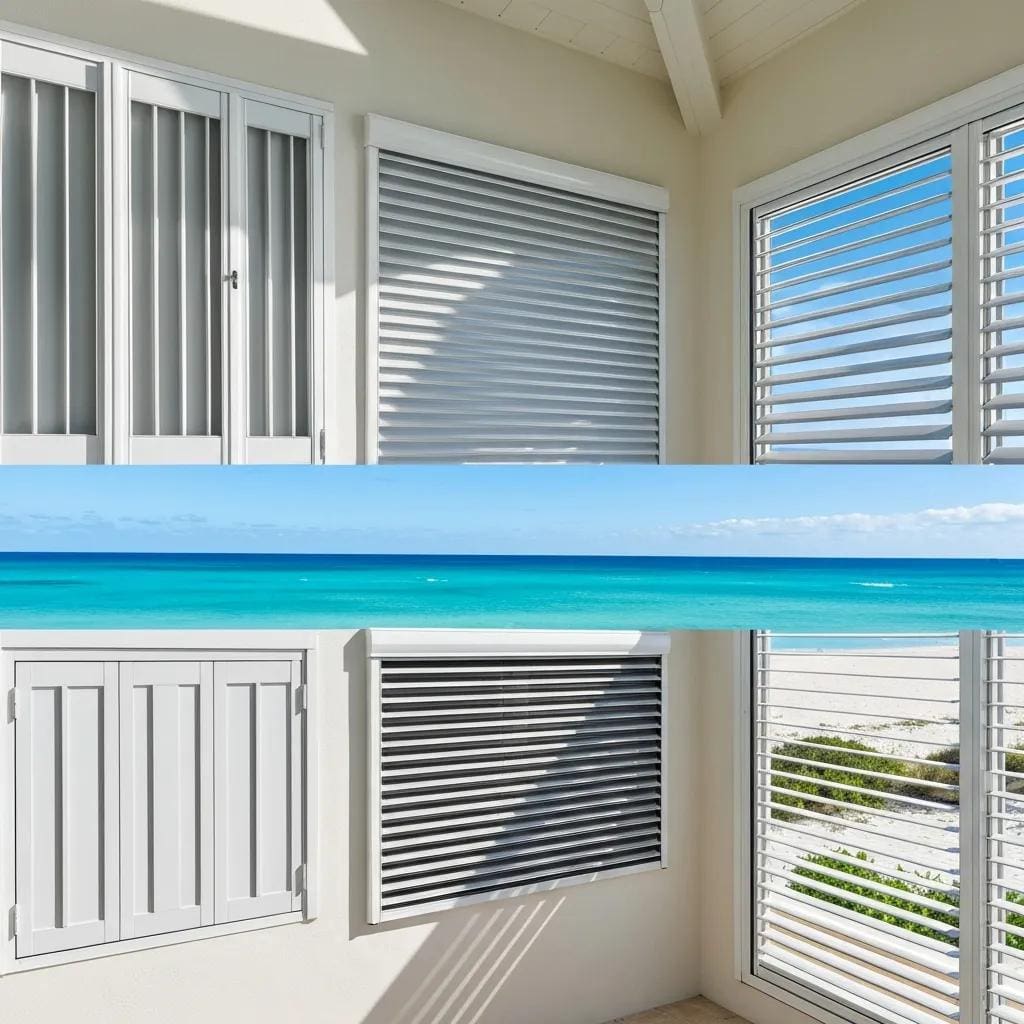
Aluminum is a go-to material for residential hurricane shutters because it’s lightweight, naturally corrosion-resistant, and takes powder-coated finishes well. That combination gives a favorable strength-to-weight ratio and a wide range of styles — accordion, roll-down, colonial, and Bahama — plus options for automation. The way aluminum is made matters: extruded sections are thicker and stronger, while roll-formed profiles are lighter and more budget-friendly. Pair aluminum panels with stainless-steel hardware and good seals to avoid corrosion at attachment points and keep maintenance low.
Aluminum varieties differ mainly by section thickness and production method, which affect strength and price. The table below summarizes how to choose.
In short: extruded aluminum delivers maximum strength; roll-formed is easier on the budget. Next, we unpack the trade-offs between these two manufacturing methods to help you decide by use-case.
How Do Extruded and Roll-Formed Aluminum Differ in Strength and Cost?
Extruded aluminum is pushed through a die to create thicker, more uniform cross-sections — that equals greater rigidity and better resistance to bending and impact at the cost of higher material price. Roll-formed aluminum is made by shaping thinner sheets into profiles, which keeps weight and cost down while still giving solid performance for many residential openings. Your choice should reflect opening width and required wind-load rating: pick extruded for wide spans and higher pressures, and roll-formed for smaller windows and doors where cost matters. Factor lifecycle value too — stronger aluminum can reduce replacements and repairs over time.
Which Aluminum Shutter Styles Use This Material?
Aluminum shows up across most shutter styles because it balances strength, weight, and finish options. Accordion and roll-down shutters use aluminum panels and tracks so they can be automated or stowed with minimal visual impact. Colonial and Bahama shutters use aluminum slats and frames for a durable, paint-matched look without excessive heft. When choosing a style, weigh daily usability, visibility, and whether you want permanent or deployable protection. Next, we’ll look at clear solutions where visibility is a priority.
How Does Polycarbonate Provide Clear and Strong Hurricane Protection?
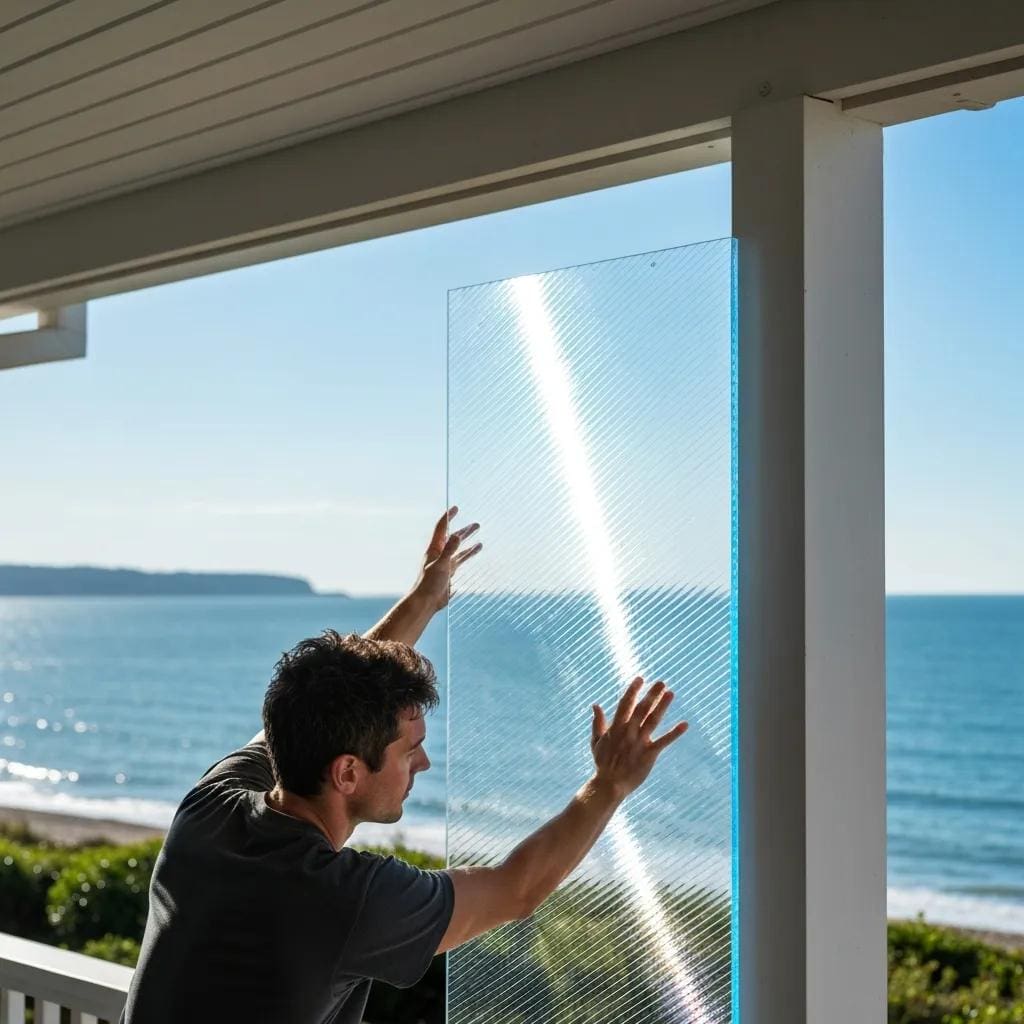
Polycarbonate panels are transparent storm panels that combine toughness with optical clarity — a good choice when you want daylight and views to continue during a storm. Polycarbonate’s polymer structure absorbs and spreads impact forces, and laminated or multi-layer constructions increase protection. UV-stable coatings help prevent yellowing and extend service life in strong coastal sun. Lighter than glass and far less likely to shatter, polycarbonate is ideal where preserving visibility matters — but you must choose the right panel thickness and mounting system for high-wind areas.
What Makes Polycarbonate Panels Impact-Resistant and UV-Protected?
Polycarbonate resists shattering because its polymer chains yield and absorb energy instead of breaking apart. When laminated or layered, panels dissipate debris forces across the surface. UV-stable grades or protective coatings block long-term photodegradation that can discolor or weaken the material. For coastal installations, panel thickness and robust edge fastenings determine wind-load performance, so always specify certified mountings and gauges appropriate for your location.
Where Are Clear and Flat Polycarbonate Panels Best Applied?
Clear polycarbonate panels work well where protection must coexist with sightlines — porches, sunrooms, storefronts, and frequently used living areas. They keep spaces from feeling isolated during a storm while offering significantly better impact resistance than glass. Trade-offs include higher upfront material costs versus plain aluminum and the need for strong edge sealing and anchors in severe wind zones. For homeowners who want transparent protection with professional installation and proper framing, polycarbonate can deliver both safety and curb appeal. To compare options and pricing, try our free estimate and cost calculator.
American Hurricane Shutters installs clear polycarbonate systems and provides free estimates plus a cost calculator so you can compare transparent-panel options against other materials.
Why Choose Aramid Fabric for Lightweight, High-Strength Hurricane Screens?
Aramid fabrics (performance fibers similar to Kevlar) give a high strength-to-weight ratio that’s perfect when rigid panels won’t work or when storage and sightlines matter. Aramid is flexible yet strong — it absorbs and spreads impact loads across anchor points instead of relying on thickness. Because these screens roll or fold away, they’re a smart choice for large patios, sliding-door openings, and irregular spans where heavy panels are impractical or intrusive. Proper anchoring, tensioning, and storage are essential to get the full benefit of aramid systems.
What Are the Advantages of Aramid in Hurricane Screen Protection?
Aramid hurricane screens are lightweight, easy to deploy, and unobtrusive when stowed. They can cover very large openings without heavy framing, often cutting installation time and complexity. When storms aren’t a concern, they preserve sightlines and airflow — a big plus for porches and outdoor living spaces. Keep in mind that these systems rely on secure anchors and correct tensioning, so installation quality makes a major difference in performance.
How Does Aramid Fabric Perform in Large Openings and Storm Conditions?
Properly installed aramid screens transfer impact loads to perimeter frames and anchors; their effectiveness depends on a continuous, tensioned load path and professional-grade attachment details. Under blunt impacts, aramid can stop penetration and stay intact, though puncture resistance varies by weave and fabric spec. In the highest wind zones or where codes require certified rigid products, aramid may be used with secondary barriers or only where it’s specifically rated. Experienced installers who understand anchoring, edge details, and tensioning will maximize performance and reduce failure modes.
What Role Does Stainless Steel Play in Enhancing Shutter Durability?
Stainless steel fasteners, tracks, hinges, and anchors are critical in salt-air environments because they resist corrosion that would otherwise weaken connections. Using higher-grade stainless reduces the risk of seized hardware, galling, and loss of preload in anchor bolts. Correct grade selection and isolation techniques also limit galvanic corrosion when hardware meets aluminum or other dissimilar metals. The table below lists recommended grades and maintenance guidance for common components.
Specifying 316-grade stainless for exposed components gives the best balance of corrosion resistance and low maintenance in Coastal Carolina. The next section explains why that matters for overall system integrity.
Why Are Stainless Steel Components Essential for Structural Integrity?
Corrosion at connection points can loosen fasteners, reduce clamp force, and ultimately cause system failure under wind loads. Marine-grade stainless (for example, 316) contains molybdenum, which helps resist pitting and crevice corrosion common in salt-air environments. Regular inspection and cleaning remove salt deposits and extend service life, but choosing the right grade from the start dramatically reduces risk.
How Does Steel Hardware Complement Other Shutter Materials?
Hardware carries shear and tensile loads from panels into the house structure, so compatibility with panel materials and finishes is essential to avoid galvanic issues and maintain long-term function. Isolation methods — non-conductive washers, protective coatings, and proper paint or powder-coat interfaces — lower electrochemical potential between dissimilar metals and protect anchors. Choosing stainless tracks, anchors, and fasteners creates a secure load path that enhances aluminum panels, polycarbonate glazing, and aramid screens alike.
How to Choose the Best Hurricane Shutter Material for Your Coastal Carolina Home?
Start with a short decision checklist that assesses exposure, opening size, aesthetics, maintenance tolerance, and code requirements. Confirm your wind zone and any local mandates, then weigh visibility needs, budget, and whether openings are large or irregular. Professional installation preserves designed performance through correct anchoring and documentation for permits and insurance — use the checklist below to narrow your options before requesting quotes.
Homeowners can use this short decision checklist to narrow choices before requesting professional quotes.
- Assess Exposure and Code: Confirm wind zone and local code requirements for impact and wind-load ratings.
- Identify Opening Type: Use rigid panels (aluminum or polycarbonate) for small-to-medium openings; consider aramid for very large or irregular openings.
- Prioritize Corrosion Resistance: Choose powder-coated aluminum and 316 stainless-steel hardware in salt-air environments.
- Balance Aesthetics and Use: Decide whether visibility (polycarbonate) or low-profile appearance (folding/accordion shutters) is most important.
- Request Certified Details: Ask for product approvals, test reports, and installation documentation with any estimate.
This checklist will help you create a short list of systems to discuss with vendors. Next, learn which factors should guide material selection.
What Factors Should Homeowners Consider When Selecting Materials?
Prioritize wind-load ratings, corrosion exposure, opening geometry, lifecycle cost, and maintenance expectations — these items determine whether a system will protect your home and stay serviceable. Even the strongest material will fail if it isn’t properly anchored, so hardware and mounting details are just as important as panel choice. Budget and desired appearance influence whether you pick extruded aluminum, polycarbonate, or aramid screens. Also consider insurance incentives and resale value when evaluating lifecycle costs.
How Can Professional Installation Impact Material Performance and Longevity?
Professional installers ensure correct anchor spacing, seals, track alignment, and documentation — all essential to meet design performance during storms. Installers control tolerances, use appropriate fasteners and isolation techniques to prevent galvanic corrosion, and provide the paperwork often required for permits and insurance discounts. Poor installation can negate the benefits of premium materials, so investing in a qualified installer is a wise safeguard.
How Does American Hurricane Shutters Ensure Quality and Compliance in Materials?
At American Hurricane Shutters we focus on certified materials, experienced installation, and decision tools that make local choices easier. Our product mix includes powder-coated aluminum, aramid fabrics, polycarbonate panels, and marine-grade stainless hardware — all specified to meet or exceed commonly used benchmarks like Florida Building Code where applicable. We offer free estimates and a cost calculator so homeowners can compare options, certifications, and pricing before committing. Our process emphasizes documentation for permits and potential insurance benefits, plus customization to fit your home’s needs.
What Standards Do Our Materials Meet or Exceed?
We select products designed to meet Florida Building Code benchmarks and common impact and wind-load test criteria. Homeowners should request product approvals and test reports as part of the estimate process to confirm local compliance. Having that documentation helps with permitting and can make it easier to qualify for insurance discounts. We include approval information and maintenance expectations with our proposals so you know exactly what you’re getting.
How Can You Get a Free Estimate for Durable Hurricane Shutters?
To get a free estimate, provide basic information about your openings, exposure level, and material preferences so we can model options in the cost calculator and prepare an itemized proposal. The estimate process usually includes an on-site evaluation or detailed measurements, product recommendations tied to local code requirements, and a written quote that lists materials, hardware grades, and installation scope. Using the cost calculator alongside the estimate helps you compare lifecycle costs and insurance implications for different approaches.
What Are the Comparative Pros and Cons of Hurricane Shutter Materials?
Comparing materials by durability, cost, aesthetics, and maintenance helps you choose the right system: aluminum balances cost and durability, polycarbonate gives transparency with strong impact resistance, aramid covers very large openings with minimal framing, and stainless-steel hardware secures everything against coastal corrosion. The table below serves as a quick reference for typical attributes and best uses.
Use this comparison to prioritize by exposure and use-case. The next section outlines trade-offs and persona-based recommendations for Coastal Carolina homeowners.
How Do Aluminum, Polycarbonate, Aramid, and Steel Compare on Durability and Cost?
Aluminum usually offers the best combination of upfront cost, durability, and finish options — roll-formed for tighter budgets, extruded for higher performance. Polycarbonate costs more but gives transparency and superior impact absorption versus glass. Aramid systems can be cost-effective for very large openings by reducing framing needs, though their durability depends on anchoring and fabric specification. Stainless steel hardware raises initial cost but cuts long-term maintenance risk in salt-air areas; view hardware as an investment in system longevity. These trade-offs will guide your choice based on budget, exposure, and intended use.
Which Materials Offer the Best Balance of Protection, Aesthetics, and Value?
For many Coastal Carolina homeowners, powder-coated roll-formed aluminum paired with 316 stainless-steel hardware hits a strong value point: affordable, durable, and low-maintenance. If visibility and daylighting matter most, UV-stable polycarbonate with 316 hardware preserves clarity and anchoring. For maximum protection on large spans, extruded aluminum or properly specified aramid systems with certified anchoring are the way to go. Consider your priorities: lifecycle value for long-term owners, curb appeal for sellers, or quick deployment for seasonal needs.
- Budget-Conscious: Powder-coated roll-formed aluminum with 316 hardware balances cost and durability.
- Aesthetic-Focused: Clear polycarbonate panels for visibility paired with corrosion-resistant hardware.
- Max-Protection: Extruded aluminum panels and certified fasteners for the highest wind-load performance.
- Large-Opening Need: Aramid fabric screens with professional anchoring for wide spans.
These persona-based recommendations reflect Coastal Carolina realities — salt-air corrosion, local code requirements, and wind-zone exposure — and give practical starting points for choosing the right shutter material.
Frequently Asked Questions
What is the lifespan of different hurricane shutter materials?
Lifespan varies with material and environment. Properly finished aluminum shutters can last 20–30 years with regular upkeep. Polycarbonate panels generally last 10–20 years depending on UV exposure and thickness. Aramid fabric screens typically last 5–10 years, influenced by exposure and storage practices. Marine-grade stainless-steel hardware, when inspected and maintained, can last many decades and is often the longest-lived component.
How do I maintain my hurricane shutters for longevity?
Regular maintenance extends service life. Clean aluminum with mild soap and water to protect powder-coating. Use non-abrasive cleaners on polycarbonate to avoid scratches. Inspect aramid fabrics for wear and store them properly when not in use. Check stainless-steel components for signs of corrosion, clean salt deposits, and lubricate moving parts as recommended. Follow manufacturer maintenance guidelines for the best results.
Can I install hurricane shutters myself, or should I hire a professional?
Some homeowners can handle basic DIY installs, but we strongly recommend professional installation. Pros ensure compliance with local codes and manufacturer specs, handle complex openings, and document work for permits and insurance. Professional installers also reduce the risk of improper anchoring or seal failures that can negate a product’s rated performance.
What are the insurance implications of installing hurricane shutters?
Installing certified hurricane shutters can lead to insurance discounts because they lower the risk of storm damage. Discount criteria vary by insurer — some require specific product approvals or installation documentation — so check with your provider and keep test reports and permits to help secure any available savings.
Are there any aesthetic options available for hurricane shutters?
Yes — shutters come in many styles and finishes. Aluminum can be powder-coated in a wide palette to match your home. Polycarbonate panels maintain transparency and daylighting. Aramid screens come in several colors and weaves to minimize visual impact. Styles include colonial, roll-down, accordion, and Bahama, so you can protect your home without sacrificing curb appeal.
What should I consider when choosing between different shutter materials?
Consider wind-load ratings, corrosion exposure, aesthetics, maintenance commitments, and opening size. Match material choice to your local environment and expected debris threats. Factor in lifecycle costs: higher upfront expense can mean lower maintenance and longer service life. Request product approvals and installation details during quotes to make an informed decision.
Conclusion
Picking the right materials for hurricane shutters protects your home and reduces long-term headaches. Understanding the strengths of aluminum, polycarbonate, aramid fabrics, and stainless-steel hardware helps you balance protection, looks, and cost. Use a structured checklist, insist on certified products, and hire professional installers to make sure systems perform when you need them most. For personalized guidance and a free estimate, reach out to local experts today.