

How Your Window Size Affects Accordion Shutter Pricing — A Clear, Practical Guide
We wrote this guide to help homeowners understand hurricane protection options, get accurate budgets with free estimates, and support existing customers with clear service information. Accordion shutters are a permanently mounted, hinged folding system that rolls out from head tracks to protect glass from wind-driven debris. This article breaks down how installers price accordion shutters—putting window size front and center—while also explaining how material choices, operating style, and installation complexity change the final number. You’ll find worked examples to compare quotes, learn the basic cost components and how price-per-square-foot is calculated, see how coastal-grade materials affect lifecycle cost, and decide when motorization or custom finishes make financial sense. We also cover local considerations for coastal North Carolina and South Carolina, simple measurement steps you can use with a cost calculator, and how to get a personalized estimate or free consultation. If you’re researching accordion shutter cost calculators, average costs, or the cost to install per window, this guide turns your measurements into realistic budgets.
What Are the Core Components of Accordion Shutter Pricing?
Accordion shutter pricing usually starts with a base $/sq ft for material and fabrication, then adds separate line items for hardware, installation labor, permits, and any custom work. That base scales with the window area, while fixed or semi-fixed fees (like tracks, locks, or shipping) are added per opening or per project. Knowing these components helps you convert a measured width and height into a practical budget before a pro comes out to verify.
Accordion shutter pricing typically includes these line items:
- Material & Panels: Primary aluminum panels and end caps priced by square foot.
- Tracks & Hardware: Tracks, hinges, fasteners, and seals billed as fixed or per-opening charges.
- Labor & Installation: Measured in crew-hours per opening and adjusted for accessibility.
- Customization & Finishes: Powder-coating, keyed locks, and special shapes added as options.
- Permits & Inspections: Local permit fees and any required code verification.
These parts fit a simple estimating formula: (Window Area × Base $/sq ft) + Fixed Hardware + Installation Labor + Permit/Customization Fees — we’ll show numeric examples next so you can see how price-per-square-foot turns into a real quote.
Quick intro to the main price buckets and typical effects:
This table highlights the major cost buckets and explains why area-based pricing often needs per-opening adjustments—especially for very small or oddly shaped windows.
How Is Accordion Shutter Price Per Square Foot Calculated?
Price-per-square-foot converts your measured window dimensions into a standard unit cost so you can compare bids. Measure width and height in feet (convert inches), multiply width × height for square footage, then multiply that area by the quoted base $/sq ft. Add fixed hardware and labor allowances to get a subtotal. For example: a 4′ × 3′ window is 12 sq ft; at a hypothetical $20 per sq ft the material subtotal is $240 before hardware and labor. Vendors may round to the nearest half-panel or enforce a minimum per opening, so expect small adjustments on narrow windows. Regional factors—like coastal corrosion-resistant finishes or material price swings—can change the base $/sq ft, so ask vendors for the per-square-foot breakdown when comparing estimates.
Following this method prepares you to enter accurate inputs into a cost estimator and to check vendor math for consistency.
Why Does Window Size and Customization Affect Accordion Shutter Cost?
Window size changes the amount of material and the number of panels, tracks, and fasteners required. Large openings often need heavier-gauge aluminum or reinforcement, which raises both material and labor. Custom shapes—arched tops, bay windows, or continuous multi-panel runs—need shop fabrication and on-site adjustments, adding time and cost compared with standard rectangular openings. Very small windows can be more expensive per square foot because minimum hardware and travel time are spread over less material. Knowing how scale and customization add complexity helps you decide whether to standardize openings or budget for custom work across a project.
Since size and customization affect both materials and labor, next we look at how material grade choices for coastal climates shift baseline costs and long-term value.
How Does Material Quality Influence Accordion Shutter Pricing?
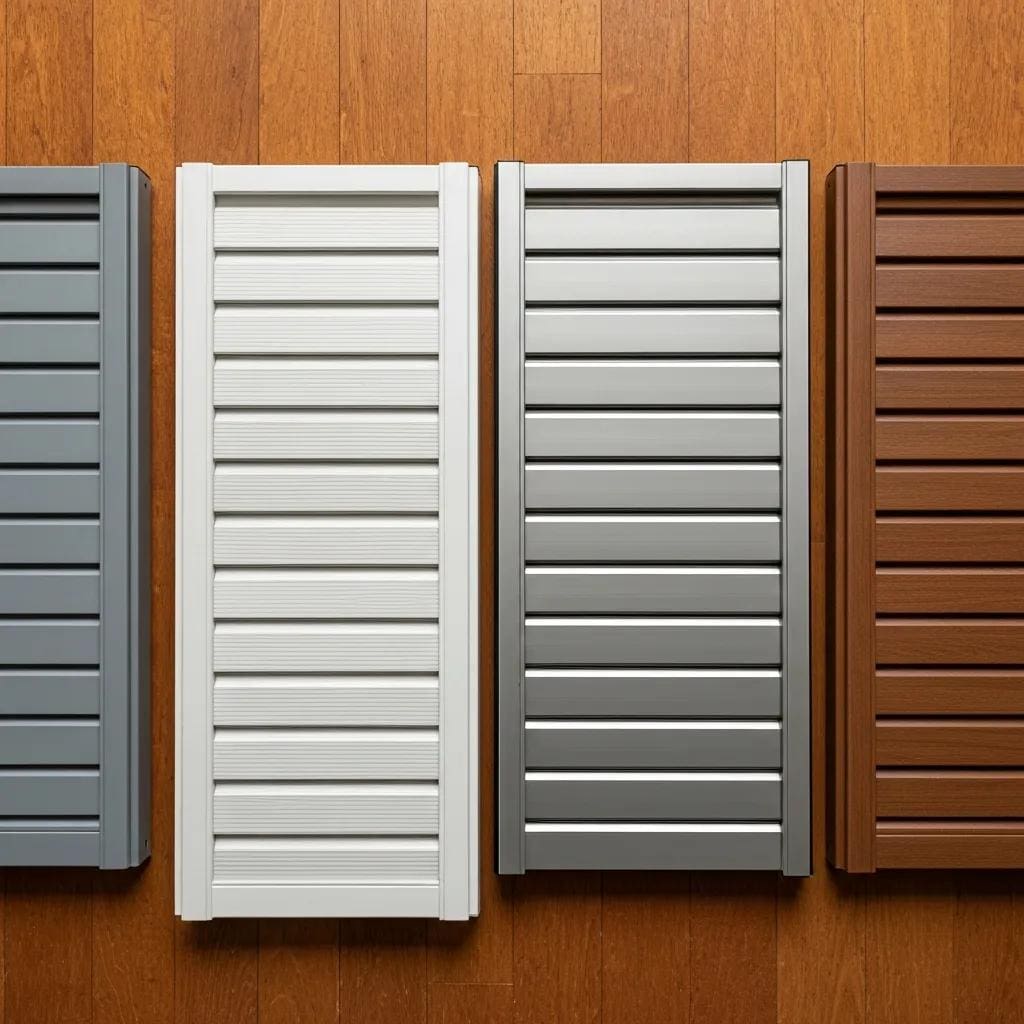
Material quality affects upfront cost and long-term value—especially near the coast where salt air speeds corrosion. Higher-gauge aluminum, corrosion-resistant finishes, and stainless hardware increase initial cost but lower maintenance and replacement risk, improving total cost of ownership for beachfront properties. Upgrading to marine-grade components can add roughly 10–30% to material costs but often cuts mid-life maintenance and re-coating expenses, making the investment worthwhile in high-exposure locations. The sections below list common materials and show how gauge and finish choices change durability and price so you can match specifications to site conditions.
Before the comparison table, consider these coastal NC/SC material tips:
- Use corrosion-resistant finishes and stainless fasteners on exposed elevations.
- Choose higher aluminum gauges for large spans to prevent bowing.
- Include weather seals and drainage details to limit salt and moisture intrusion.
These choices balance higher upfront cost against lower long-term service needs—critical for Wilmington, Myrtle Beach, and nearby coastal markets.
This table shows how choosing higher-grade materials raises initial cost but lowers corrosion-driven maintenance and replacement risk—vital for coastal installations.
What Types of Materials Are Used in Accordion Shutters?
Accordion shutters typically use extruded aluminum panels for the curtain, aluminum or stainless tracks, galvanized or stainless fasteners, and powder-coated finishes to resist corrosion. For coastal North Carolina and South Carolina we recommend marine-grade powder coats and stainless hardware to withstand salt exposure and frequent storms. Weather seals and reinforced top rails protect water resistance and long-term performance; these parts affect initial price and warranty terms. Choose panel gauge, finish, and hardware based on exposure, budget, and expected lifespan so cost aligns with service life.
These material choices feed directly into lifecycle comparisons and show how higher upfront spend can save money over time.
How Do Material Choices Affect Durability and Price?
Higher-gauge aluminum and better finishes raise upfront cost but lower maintenance needs and the chance of replacement, improving life-cycle economics—especially for coastal homes. For example, upgrading to a heavier gauge or marine-grade finish usually increases material cost by a discernible percentage while extending service life and cutting annual maintenance estimates. Insurers and appraisers sometimes favor documented, code-compliant, corrosion-resistant installations, which can reduce long-term ownership costs when insurance adjustments are considered. Balancing immediate budget limits against future maintenance helps homeowners choose the right material spec; next we’ll review how installation and labor influence the installed price.
What Installation and Labor Costs Affect Accordion Shutter Pricing?
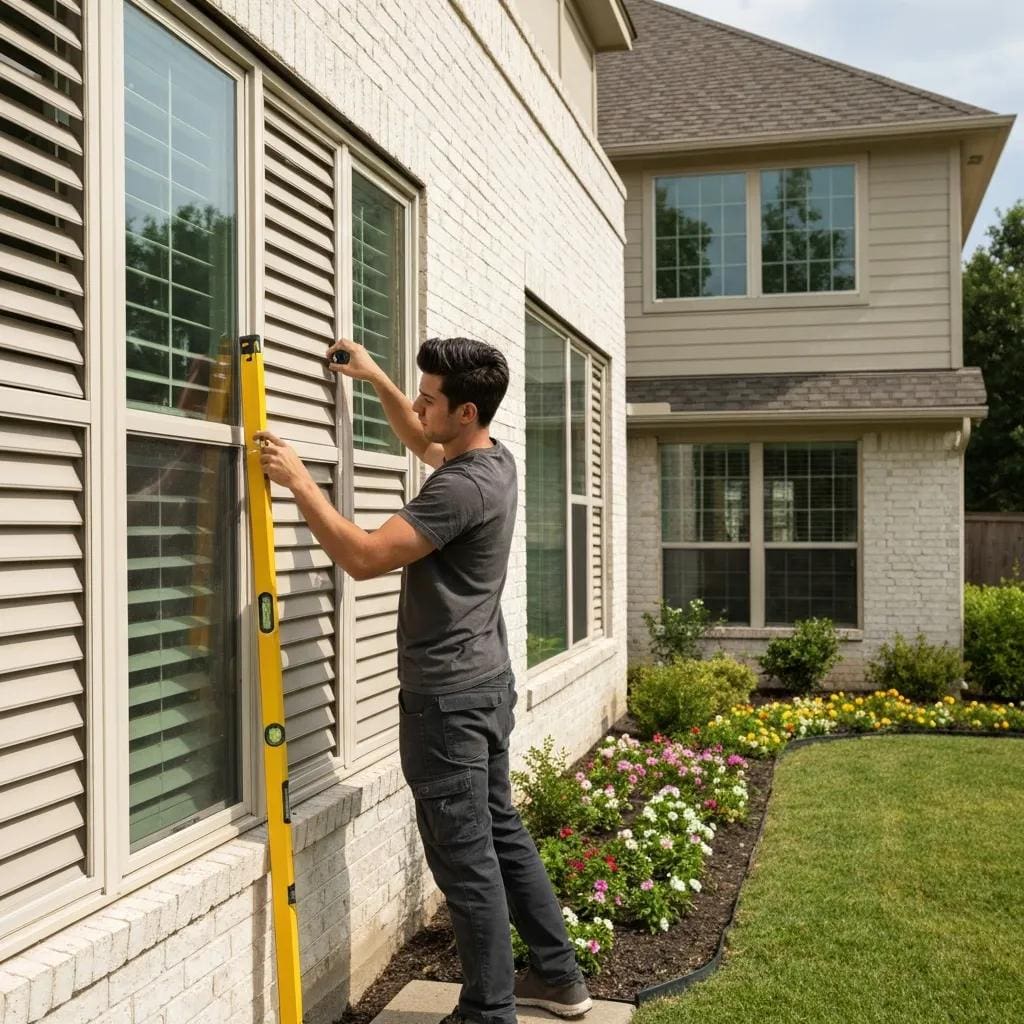
Installation and labor are a significant part of the final price and vary with site access, number of openings, the need for structural reinforcement, and local labor rates. Labor is driven by crew-hours per opening, mounting conditions (masonry vs. vinyl), efficiency gained from multiple adjacent openings, and any travel or mobilization charges. Permit processing and inspections—especially where coastal hurricane codes apply—add administrative time and fees that should appear in quotes. Below are the most common installation cost drivers you’ll see on a professional estimate.
Common installation and labor drivers:
- Accessibility and height of openings—these increase safety equipment and time.
- Number of openings and repetition—bulk installs lower per-window labor.
- Structural reinforcement or framing changes for large spans.
- Local permit fees and required inspections specific to coastal NC/SC.
Knowing these drivers helps explain why two quotes for the same product can differ. The table below lists typical labor-related invoice items installers include.
This table clarifies how installers itemize work and why compliance and labor can materially affect total installed cost.
What Factors Determine Professional Installation Costs?
Professional installation cost depends on site access, number of openings, whether lifts or scaffolding are required, reinforcement for oversized openings, and the crew’s experience with hurricane-rated systems. Labor-hours scale with complexity: a single-story home with many standard windows typically costs less per opening than a multi-story property requiring safety measures and lifts. Installers also allow for weather delays, on-site adjustments for out-of-square openings, and time for permit-related visits. These realities make choosing a reputable, code-aware installer worthwhile—and explain why bundling many openings often reduces the per-window labor charge.
Understanding these items helps you compare itemized quotes and spot where savings or overruns might occur.
Should You Choose DIY or Professional Installation for Accordion Shutters?
DIY can save money on small, simple openings but often sacrifices safety, warranty coverage, and code compliance for hurricane-rated systems—so professional installation is the recommended route for most coastal homeowners. Professional installers fasten to rated structural members, verify code compliance, and document work in ways insurers and building officials accept, which preserves warranties and can support insurance discounts. If you have a multi-story house, large or custom openings, or local rules requiring certified installers, choose pros. A very experienced homeowner with simple openings might consider DIY only after confirming warranty and code implications. For most people, the extra upfront labor cost is worth the risk reduction and documented compliance professionals provide.
That assessment leads into how operation choices and optional features further change cost and value.
How Do Operation Types and Additional Features Impact Accordion Shutter Prices?
Operation type—manual versus motorized—and add-ons like keyed locks, custom powder-coat colors, and automation modules change both the upfront price and maintenance profile. Motorization requires a motor, wiring, controls, and sometimes licensed electrical work, typically raising installed cost by a noticeable percentage while improving convenience. Decorative finishes and security hardware add fixed costs and are priced per opening or per project; powder-coating to match trim lines improves curb appeal but costs more. Below are common extras that influence price and ongoing maintenance.
Common additional features and their purpose:
- Motorization: Automated operation for convenience and accessibility.
- Powder-coated custom colors: Better aesthetics and added corrosion protection.
- Keyed locks and security hardware: Increased forced-entry resistance.
- Automation modules: Integrates shutters with home automation and scheduling.
Knowing these options helps you prioritize features that add real value without overspending on marginal upgrades.
The table shows how operation type and add-ons change installed price and when motorization or automation delivers practical benefits relative to cost.
What Are the Price Differences Between Manual and Motorized Accordion Shutters?
Motorized systems raise the installed cost because of the motor, controls, and potential electrician time—differences can range from a moderate percentage up to a substantial premium depending on complexity and integration. Manual systems are mechanically simpler, cheaper to buy, and easier to maintain, while motorized units offer faster deployment, improved access for older users, and better integration with home automation. Motor maintenance includes occasional servicing and eventual motor replacement; manual systems mainly need hinge and track lubrication. If you want rapid, automated closure for frequent use, motorization can be worth the cost; otherwise manual systems are typically the more budget-friendly choice.
This comparison leads into how custom features and finishes add incremental costs beyond operation type.
How Do Custom Features and Finishes Influence Final Pricing?
Custom finishes, special colors, keyed locks, and decorative trim increase price through added fabrication time and parts. They usually add a fixed per-opening premium or a percentage markup on base material. Powder-coating to match a color requires extra shop time and curing; keyed locks and reinforced hardware add materials and installation minutes. Homeowners balancing curb appeal and resale value should weigh aesthetic upgrades versus functional needs: a tasteful powder coat often improves perceived value and may be recouped at resale, while rare customizations can add cost without broad market appeal. Prioritizing a short list of meaningful upgrades—color match, a robust lock, and a durable finish—gives predictable long-term satisfaction without overspending.
Those feature choices also affect lifecycle costs and long-term value calculations, which we cover next.
How Can You Maximize Long-Term Value and Savings from Accordion Shutters?
Maximize long-term value by choosing materials and finishes matched to exposure, keeping a regular maintenance schedule, documenting code-compliant installations for potential insurance discounts, and selecting features that lower replacement risk. Routine care—lubricating tracks, inspecting seals, and repairing hardware promptly—extends service life and keeps shutters storm-ready. Financing or staging installations across multiple openings can spread costs while still capturing insurance and resale benefits. Below is a compact maintenance checklist to protect value and minimize total cost of ownership.
Maintenance checklist for long-term reliability:
- Inspect and lubricate tracks and hinges annually and after major storms.
- Check powder-coated finishes and touch up chips to prevent localized corrosion.
- Test locks, weather seals, and deployment operation before hurricane season.
- Schedule professional servicing if motorized components show irregular performance.
These simple actions reduce premature failure risk and strengthen documented durability when talking with insurers or potential buyers.
This table links practical actions to measurable benefits and helps homeowners prioritize investments that deliver the best long-term savings.
What Is the Expected Lifespan and Maintenance Cost of Accordion Shutters?
Expected lifespans depend on material and exposure: standard aluminum systems in protected areas often last 20–30 years with modest maintenance. In coastal settings with higher salt exposure, heavy gauge and marine-grade finishes help achieve similar lifespans. Annual maintenance costs are generally small—basic supplies and occasional labor for inspection and lubrication—but deferred care speeds deterioration and raises mid-life repair costs. Expect modest yearly upkeep and occasional component replacement rather than full-system swaps; keep service records to support warranties and insurance conversations. Regular checks before and after storm season preserve performance and lower lifetime ownership costs.
Knowing lifespan and maintenance helps you understand how shutters impact insurance and property value in coastal markets.
How Do Accordion Shutters Affect Insurance Premiums and Property Value?
Accordion shutters that meet applicable hurricane codes and are professionally documented often qualify homeowners for insurance premium reductions or credits because they lower the risk of glazing failure and interior damage. Lenders and appraisers may view code-compliant, documented shutter installations as value-adding improvements in hurricane-prone coastal areas, which can improve resale appeal. Exact discounts depend on insurer rules and local regulations, so present installation records, product ratings, and inspection reports when discussing policy adjustments. A documented, professionally installed system is the practical way to protect your home and pursue potential insurance savings.
If you want precise discount estimates, a consultation and written proposal make it easier to translate product and installation choices into insurer-recognized documentation.
How Can You Get a Personalized Accordion Shutter Price Estimate Based on Your Window Size?
A personalized estimate begins with accurate measurements and your choices for materials and features. Using a structured cost calculator or requesting a free estimate converts those inputs into a line-item proposal that reflects local labor, materials, and code needs. American Hurricane Shutters offers a Hurricane Shutter Cost Estimator/Calculator and free estimates/consultations for coastal North Carolina and South Carolina to turn your window width and height into a practical budget. The calculator asks for width, height, material grade, operation type, and desired features, then returns a per-opening breakdown and a project total range so you can compare scenarios. The next section explains the typical 3–4 step calculator workflow so you can prepare accurate measurement inputs and understand outputs.
Use this process to get calculator results that match installer assumptions and to make your free on-site estimate more accurate.
How Does the Accordion Shutter Cost Calculator Work?
A typical calculator needs a few inputs—window width and height, material choice (standard vs. marine-grade), operation type (manual or motorized), and optional features like powder coat color or keyed locks—and applies a base $/sq ft plus fixed hardware and labor factors to estimate per-opening and project totals. Results usually come back as a range to reflect local labor and permit variability, and many calculators provide a downloadable per-window breakdown. Steps are simple: (1) Enter dimensions for each opening, (2) choose material and operation options, (3) review the per-opening breakdown and project summary, and (4) request a free professional measurement or consultation to finalize a binding quote. Precise measurements and realistic feature choices produce the most useful outputs and reduce surprises at the formal estimate stage.
This stepwise flow aligns homeowner inputs with installer assumptions and speeds conversion to a free on-site estimate.
What Are the Benefits of Getting a Free Estimate and Consultation?
A free estimate and consultation delivers an accurate, site-specific quote, verifies code compliance and mounting opportunities, identifies any structural reinforcement needs, and creates professionally documented proposals useful for insurance and financing. A local team will confirm out-of-square openings, recommend the right material grade for your exposure, and show how operation and finish choices change price so you can compare options side-by-side. Providers familiar with coastal North Carolina and South Carolina can also advise on permits and inspection workflows for Wilmington, Morehead City, Myrtle Beach, Oak Island, Topsail, New Bern, and Pawleys Island. Requesting a no-cost consultation is the recommended next step to turn calculator estimates into a final installable scope and schedule.
To prepare, gather measurement notes, take photos of each opening, and list your priorities—durability, budget, and aesthetics—so a free consultation produces a targeted, actionable quote aligned with your goals.
Frequently Asked Questions
1. What is the average lifespan of accordion shutters?
Life expectancy depends on material and exposure. Standard aluminum shutters often last 20–30 years in protected locations with basic maintenance. In coastal areas, heavy-gauge panels and marine-grade finishes help achieve similar lifespans. Regular checks and maintenance are key to long-term performance in storms.
2. How do I maintain my accordion shutters for longevity?
Keep shutters reliable by following a simple routine: inspect and lubricate tracks and hinges yearly, watch powder-coated finishes for chips, and test locks and seals before hurricane season. Fix small issues quickly—repairing hardware or replacing seals prevents larger problems later.
3. Are there insurance benefits for installing accordion shutters?
Yes—code-compliant, professionally documented shutters can qualify for insurance credits or premium reductions because they lower storm-related risk. Present installation records and inspection reports to your insurer when asking about discounts.
4. What should I consider when choosing between manual and motorized accordion shutters?
Consider convenience, budget, and how often you’ll use the shutters. Motorized systems cost more upfront for the motor, wiring, and controls but offer easier operation and faster deployment; manual systems are cheaper and simpler to maintain. Think about accessibility needs and frequency of use when deciding.
5. How do I accurately measure my windows for accordion shutters?
Measure width and height in feet, convert inches when needed, and take measurements at multiple points to catch irregularities—use the smallest measurement for fit. Record dimensions clearly for accurate quotes and fewer surprises at installation.
6. What are the common customization options for accordion shutters?
Popular custom options include powder-coated finishes in many colors, keyed locks for extra security, and custom shapes to fit unique windows. These add cost but can improve curb appeal and functionality. Prioritize changes that provide lasting benefit.
7. How can I get a personalized estimate for accordion shutters?
Gather accurate window measurements and decide on materials and features, then use a cost calculator or request a free consultation. That process yields a detailed, line-item proposal reflecting local labor and material costs tailored to your project.
Conclusion
Knowing the factors that affect accordion shutter pricing helps you budget wisely and protect your home. By weighing window size, material quality, and installation complexity, you can plan an installation that meets both safety and value goals. The next step is to request a personalized estimate so you get tailored advice and an accurate price for your situation. Contact us to secure your home with confidence.