

Accordion Shutter Styles: Find the Right Option for Your Home
Accordion shutters are permanently mounted, side-sliding panels that fold and stack to protect doors and windows from wind, flying debris, and impact — yet they retract fully for everyday use. This guide walks through how accordion shutters work, the parts that make them effective, and which styles and configurations suit common coastal needs. You’ll learn the security and storm-protection benefits, how shutters affect comfort and energy use, what to expect from installation, basic maintenance routines, and the cost factors that determine value. We also compare related options like roll‑down and Bahama shutters, highlight coastal material choices for North and South Carolina, and explain how tools such as free estimates and cost calculators help you make a confident purchase decision.
What Are Accordion Shutters and How Do They Work?
Accordion shutters are permanently installed, interlocking panels that slide in side tracks and fold neatly to the side when not needed. Each section hinges vertically and rides on a head rail so, when closed, the assembly becomes a continuous barrier across the opening. That barrier resists wind loads and shields glazing from impact by transferring forces into the head rail, side tracks, and building structure through the fasteners. Because of that load path, both material selection and installation quality are critical to performance. Knowing this basic behavior makes it easier to compare accordion shutters with roll‑down shutters, removable storm panels, and impact‑rated windows when choosing protection for different openings.
What Are the Main Components of Accordion Shutters?
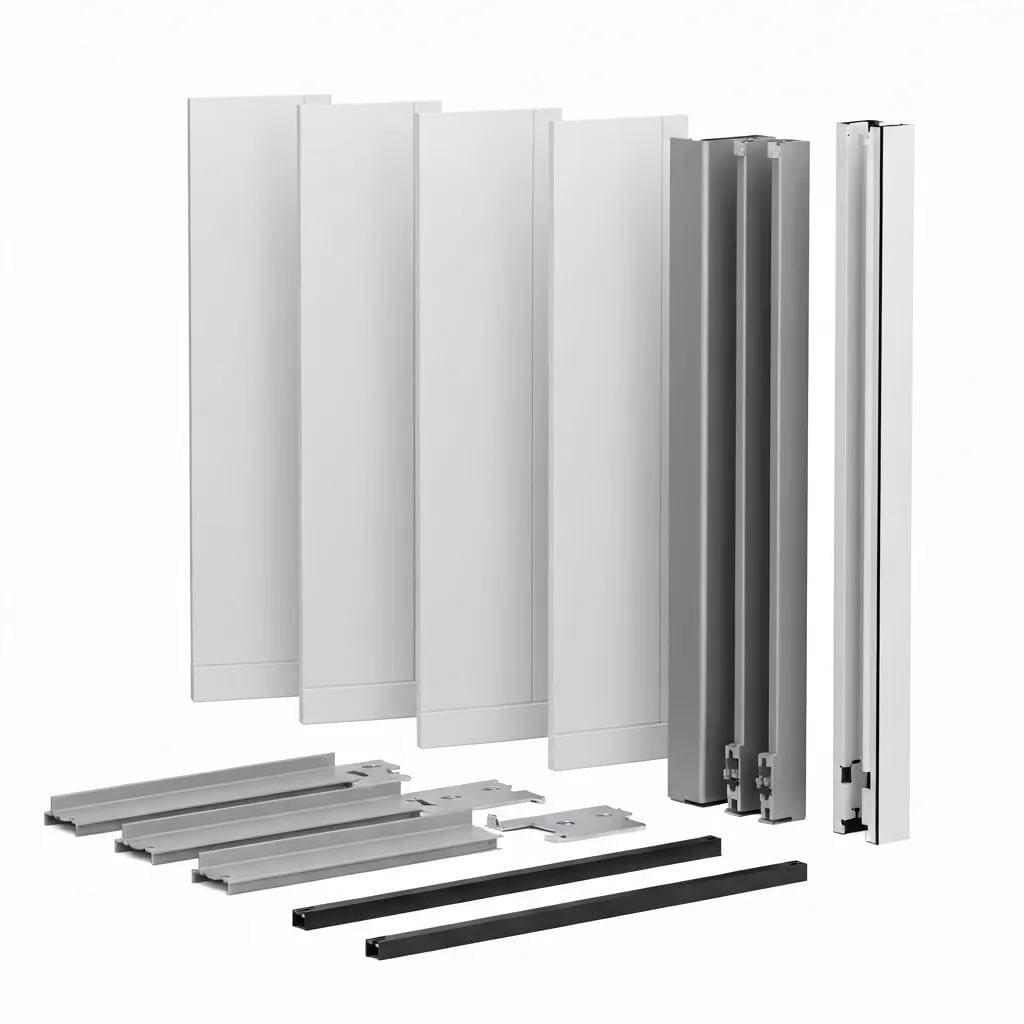
The main parts are the blades (panel sections), vertical hinges, side tracks, the head rail, locks, and the fasteners that attach the system to the opening. Blades interlock and fold to form a single face while the head rail and side tracks guide movement and move wind loads into the building. Material choice matters: coastal installs commonly specify 6063‑T6 marine‑grade aluminum for extrusions and 316 stainless‑steel fasteners to resist salt‑air corrosion and galvanic wear. Properly specified components reduce maintenance and extend service life — an important consideration for homes in Wilmington, Myrtle Beach, Oak Island, Topsail, New Bern, and Pawleys Island.
How Do Accordion Shutters Provide Storm Protection?
Accordion shutters create a continuous physical barrier that absorbs and redirects wind pressure, blocks debris, and limits direct impacts to window glazing. When anchors and attachments are engineered to local design pressures, the panels move lateral loads into the surrounding frame and fasteners, lowering the chance of catastrophic glazing failure. Performing a pressure analysis during design ensures the system meets local codes and wind ratings — essential in coastal NC and SC where hurricane‑level loads are possible. Choosing shutters rated for the correct design pressure and having a professional pressure analysis performed aligns protection with the actual storm exposure at your address.
Studies show accordion shutters can meaningfully reduce wind‑driven rain intrusion, underscoring their role in limiting storm damage.
Accordion Shutter Performance in High Winds
Measured reductions in wind‑driven rain intrusion in the referenced study ranged roughly from 6–14%. The research suggests that installing hurricane shutters can lower water intrusion during wind events.
What Are the Key Benefits of Accordion Shutters for Your Home?
Accordion shutters combine fast deployment, permanent attachment, and strong protection to deliver practical value for coastal properties. They provide high wind‑load resistance and impact deflection while staying straightforward to operate — preserving curb appeal and everyday convenience compared with removable panels. Other homeowner benefits include added burglary deterrence, sun and heat control, reduced outside noise, and potential long‑term savings through avoided storm repairs and possible insurance advantages. Below we break those benefits into clear, homeowner‑focused categories.
Accordion shutters deliver several core benefits:
- Storm Protection: A continuous barrier that resists wind loads and debris to minimize glazing failure.
- Security: Lockable panels act as a physical deterrent and offer structural resistance to forced entry.
- Comfort & Efficiency: Shading and a small air gap reduce solar heat gain and can lower cooling demand.
These advantages make accordion shutters a versatile mitigation measure for coastal homes. Compare them with roll‑down shutters or impact‑rated glass in situations where automation, sightlines, or a different aesthetic are priorities.
Intro to comparison table: The table below summarizes key protective benefits, measurable attributes to ask about, and what homeowners can expect in real terms.
Use these attributes as focused questions when getting quotes. Many homeowners then request a free estimate or run different scenarios through a cost calculator to compare coverage, warranties, and local service availability before deciding.
When you’re ready to move from research to pricing, American Hurricane Shutters (AHS Carolinas) offers free estimates and an online cost calculator to model layouts and materials. Their local team points to a leading 7‑year warranty as a helpful comparison metric. That next step ties the protective benefits above to real price data and warranty terms so you can assess true value in your area.
Which Accordion Shutter Styles and Customization Options Are Available?
Accordion shutters come in a variety of styles, finishes, and stacking arrangements so you can match architectural goals and functional needs. Options include standard flat blades for a low‑profile look, reinforced or impact‑rated panels for higher loads, and decorative profiles that echo traditional shutters while providing protection. Customization covers manual versus motorized operation, single‑side or split stacking, coastal‑rated powder‑coat colors, and engineered pressure analysis for code compliance. Those choices let homeowners balance aesthetics, ease of use, and protection for everything from small bedroom windows to large multi‑panel sliding doors.
What Color and Finish Options Suit Different Home Styles?
Choose finishes that balance style with durability in salt‑air conditions — coastal‑grade powder coats are a common specification. Traditional coastal homes often pair neutral or historic wood tones with shaker or paneled profiles, while contemporary designs favor monochrome aluminum finishes that blend with frames. Because finish longevity matters near the ocean, specify a high‑durability powder coat compatible with marine‑grade aluminum to reduce premature chalking or corrosion. Work with a supplier who offers color matching and coastal‑rated finishes so the shutters complement your home and stand up to the climate.
How Do Stacking Configurations Affect Usability and Appearance?
Stacking determines where the folded panels sit when open and affects sightlines, operation, and usable clear opening. Common choices are one‑sided stacking (all panels stack on a single jamb) and split stacking (panels split evenly on both sides). Split stacks preserve a centered sightline; one‑sided stacks free up one jamb for unobstructed use. For very wide openings, designers may recommend multi‑panel divisions or motorized drives to ease operation and manage stack width. Discuss stacking early in the measure and design phase so the daily use and look you want are achieved at installation.
Intro to styles table: The table below compares common style/configuration choices and their best residential use cases.
Match style to how often you’ll deploy the shutters and how much unobstructed opening you need. Coastal‑rated materials like 6063‑T6 aluminum and 316 stainless‑steel fasteners are commonly available from experienced local fabricators.
How Is Accordion Shutter Installation Done and What Should Homeowners Expect?
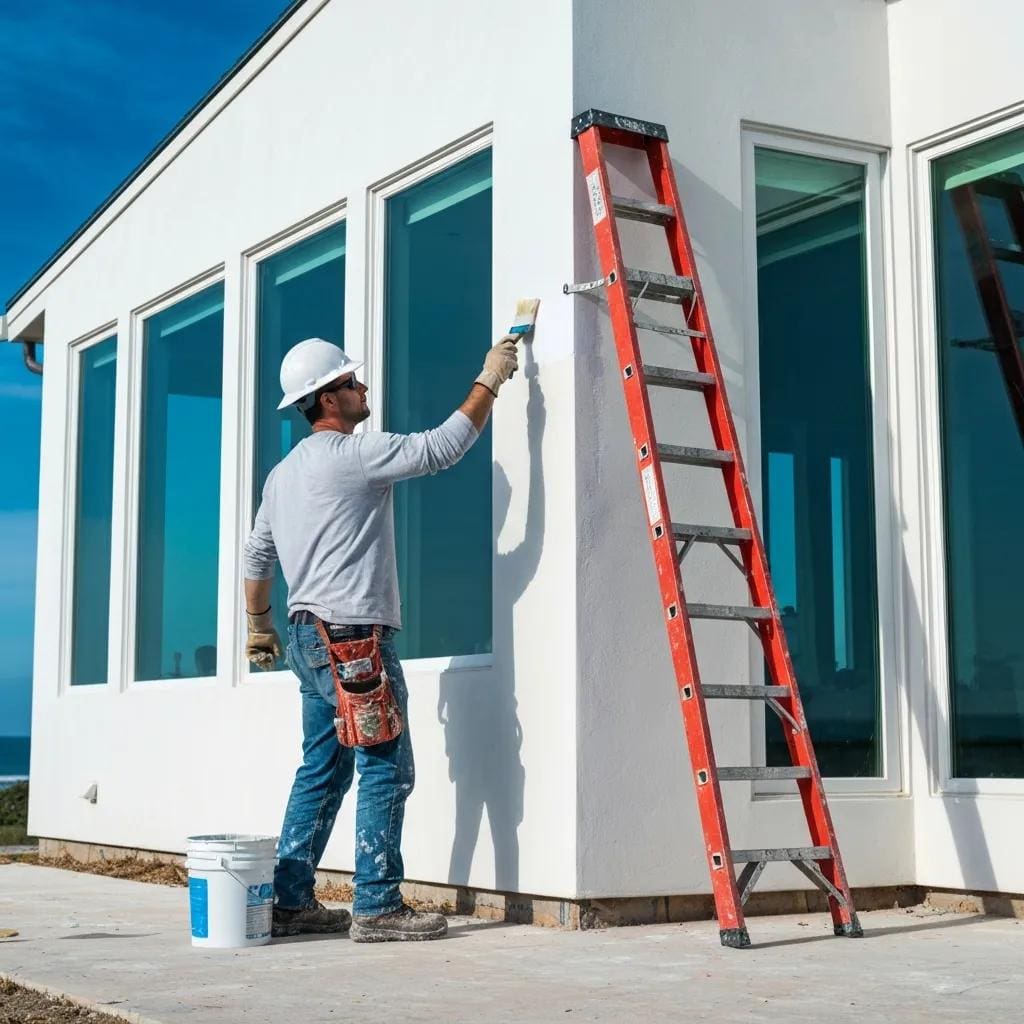
Installation starts with a site survey and precise measurements, followed by shop fabrication, field mounting of head rails and tracks, fastening into the structure, and final adjustment and inspection. Correct installation ensures the system transfers wind loads as designed, operates smoothly, and meets any local permitting requirements. Permitting and code interpretations can vary across North and South Carolina, so reputable installers typically manage required documentation and pressure analysis reports for you. Expect a clear timeline from measurement to completion and a hands‑on demonstration at handover.
Why Choose Professional Installation by Certified Technicians?
Certified technicians reduce safety risks, ensure correct anchorage, and protect warranty coverage — they’re trained to handle tricky site conditions. Ask whether crews have OSHA‑30 and aerial‑lift training to confirm they understand elevated work and roofline mounting. Certified teams also document attachments and provide as‑installed drawings or pressure analysis reports useful for permitting and insurance. Choosing qualified installers minimizes retrofit surprises and helps ensure long‑term performance and warranty validity.
What Are the Typical Steps and Requirements for Installation?
Typical steps include site survey and measurement, engineering and pressure analysis, fabrication to spec, on‑site mounting of rails and panels, system adjustment, and final inspection with homeowner orientation. Homeowner prep usually means clearing the work area, ensuring safe access to mounting points, and confirming any needed permits are in place. Most straightforward openings take a one‑ to two‑day install after fabrication; timelines vary with complexity. Clear communication about structural conditions and existing trim helps prevent delays and cost surprises.
Intro to installation steps list: For clarity, here are the common installation stages homeowners encounter.
- Site Survey & Measurement: Precise dimensions and access assessment to determine fabrication specs.
- Engineering & Pressure Analysis: Design verification to meet local wind and building‑code requirements.
- Fabrication & Finish: Shop production using specified materials and coastal‑grade finishes.
- Mounting & Adjustment: On‑site installation of head rails, tracks, fasteners, and hardware.
- Inspection & Handover: Final tuning, homeowner demonstration, and documentation for warranty.
A well‑managed installation reduces long‑term maintenance and helps ensure the shutters deliver the protective benefits described earlier; always ask prospective installers for credentials and examples of similar coastal projects.
What Maintenance Is Needed to Ensure Accordion Shutter Longevity?
Routine maintenance keeps accordion shutters operating reliably and preserves corrosion resistance in coastal environments. A seasonal checklist — cleaning tracks and panels, lubricating hinges and rollers, inspecting fasteners and seals, and testing locks and deployment — is the most effective preventive approach. Watch for signs like track misalignment, noisy operation, or finish wear so small issues can be repaired before they compromise protection. Regular upkeep also supports warranty terms and helps protect your investment.
How Often Should Accordion Shutters Be Cleaned and Lubricated?
For coastal homes, perform a visual inspection and basic cleaning at least twice a year — ideally before and after hurricane season — and lubricate moving parts annually or as needed. Rinse powder‑coat finishes with fresh water to remove salt residue and wipe tracks to prevent debris buildup that can bind the system. Use manufacturer‑recommended lubricants on pivots and rollers to keep deployment smooth without attracting grit. Scheduling maintenance as a short seasonal task helps ensure shutters are ready when storms approach and extends component life.
What Are Common Issues and How Can They Be Prevented?
Common problems include corroded fasteners, track wear or misalignment, hinge binding, and finish degradation from UV and salt exposure. Preventive steps center on choosing marine‑grade materials, performing routine cleaning, and promptly tightening or replacing compromised fasteners. Specifying 6063‑T6 aluminum and 316 stainless‑steel fasteners reduces corrosion risk up front, and seasonal checks catch alignment problems before they worsen. If you see structural damage or persistent misalignment, schedule professional adjustment or repair to avoid failure during a storm. Early action keeps shutters ready when protection is needed most.
Intro to maintenance checklist: The following checklist summarizes simple homeowner tasks that preserve performance.
- Inspect tracks and fasteners for corrosion or looseness.
- Rinse and clean panels to remove salt deposits and dirt.
- Lubricate hinges and rollers with non‑attracting lubricants.
- Test locks and deployment; schedule professional service for adjustments.
Following this checklist regularly keeps shutters reliable and reduces the chance of unexpected failures at critical times.
How Much Do Accordion Shutters Cost and What Is Their Value?
Costs for accordion shutters depend on opening size, material grade, stacking configuration, motorization, and installation complexity, so precise estimates come from accurate measurements and a cost calculator. Primary cost drivers include square footage, number of openings, any retrofit work, finish choice, and whether a motorized system is chosen. Long‑term value comes from avoided storm repairs, possible insurance premium reductions when installation is documented, and improved marketability for protected coastal properties. Compare upfront cost to probable avoided damage and insurance outcomes to evaluate the investment.
What Factors Influence the Cost of Accordion Shutters?
Key cost factors are material specification (marine‑grade alloy versus standard), opening geometry and size, stacking and operation choices, need for engineered attachments or pressure analysis, and whether you add motorization. Difficult access, required structural reinforcement, or permit‑related engineering raise labor and fabrication costs. Selecting coastal‑grade materials and quality fasteners lowers lifecycle replacement costs, while accurate site measurement reduces retrofit surprises that increase final pricing. A cost calculator or free estimate will show which factors matter most for your property.
Intro to cost factor table: The table below shows common cost drivers, how they affect price, and typical mitigation tips for homeowners.
Use this breakdown to spot where savings are practical and where spending preserves long‑term value. For exact pricing, use a cost calculator or request a free, site‑specific estimate.
How Do Accordion Shutters Provide Long-Term Value and Insurance Savings?
Accordion shutters deliver long‑term value by reducing the chance of window and structural damage in storms, which lowers repair costs and minimizes downtime for rental or seasonal properties. Many insurers recognize professionally installed, code‑compliant protection and may offer premium adjustments when installation documentation, pressure analysis, and product specs are provided. Saving installation details and warranty information helps with insurance conversations — documented attachments, materials used, and warranty terms let underwriters assess risk more accurately. Using a cost calculator and getting a free estimate helps you weigh the upfront cost against potential avoided losses and insurance benefits.
Knowing how windstorms affect building systems clarifies why robust shutter systems are a valuable protective measure.
Windstorm Damage to Houses and Infrastructure
Windstorms are a leading cause of severe damage to houses and infrastructure. Investigations show the roof and its connections are especially vulnerable, highlighting the need to study load sharing and structural response in timber‑framed systems to better understand overall performance.
Final business call to action: If you want a site‑specific estimate or to model configurations and pricing for your coastal property, American Hurricane Shutters (AHS Carolinas) offers free estimates, a cost calculator tool, and local service across Wilmington, Myrtle Beach, Oak Island, Topsail, New Bern, and Pawleys Island. Installations use coastal‑rated materials like 6063‑T6 marine‑grade aluminum and 316 stainless‑steel fasteners, include custom pressure analysis for wind‑load compliance, and are performed by certified technicians with OSHA‑30 and aerial‑lift training; ask about their local 7‑year warranty when scheduling a survey. For many homeowners, engineered design, coastal materials, and documented installation provide the most reliable path to long‑term protection and value.
Frequently Asked Questions
What are the differences between accordion shutters and other types of storm protection?
Accordion shutters are permanently mounted and fold open for daily use, offering quick deployment and a built‑in look that integrates with the house. Roll‑down shutters are often motorized and sit in a cassette above the opening, and they can be more expensive but offer automated convenience. Storm panels are removable, lower cost, and require storage. Each solution has tradeoffs — accordion shutters balance ease of use, strong protection, and a discreet appearance for many homeowners.
Can accordion shutters be customized for unique window shapes?
Yes. Manufacturers and experienced installers can customize accordion systems for many nonstandard openings, including arched or angled windows. Custom options include specific blade profiles, tailored stacking arrangements, and finish choices that match the home’s style. Discuss unique shapes with a professional installer to ensure both fit and performance.
How do I choose the right color for my accordion shutters?
Pick a color that complements your home while withstanding coastal exposure. Powder‑coat finishes rated for salt‑air and UV resistance are recommended. Neutral tones or colors that match trim and window frames preserve curb appeal. Ask suppliers about high‑durability coatings and color‑matching services to ensure longevity and the look you want.
What is the expected lifespan of accordion shutters?
Lifespan depends on material quality, installation, and maintenance. Systems built with marine‑grade aluminum and stainless‑steel fasteners often exceed 20 years with proper care. Regular cleaning and lubrication, plus timely repairs, are essential to prevent corrosion and mechanical wear. Local climate and exposure will influence longevity, so plan maintenance accordingly.
Are accordion shutters suitable for all types of homes?
Accordion shutters are versatile and work well on many home types—single‑family, multi‑family, and some commercial properties—especially in coastal areas prone to storms. Specific design and installation needs vary by architecture and local codes, so consult a certified installer to confirm compatibility and to design a system that meets both aesthetic and performance goals.
What should I do if my accordion shutters are damaged?
Address damage quickly to preserve protection. Start with a visual inspection for misalignment, corrosion, or broken parts. Minor fixes like tightening fasteners or lubricating hinges can often be handled at home. For significant damage or structural concerns, contact a professional installer or repair service so the system is restored correctly and remains reliable in future storms.
How can I ensure my accordion shutters comply with local building codes?
Work with certified installers familiar with local code requirements and wind‑load rules for your area. Installers should provide documentation — pressure analysis reports, product specifications, and installation details — to demonstrate compliance. You can also check with local building authorities if you need confirmation that the chosen shutters meet required standards.
Conclusion
Accordion shutters are a practical, long‑lasting way to protect coastal homes — combining everyday convenience with strong storm resistance. With the right materials, stacking choices, and professional installation, they can improve safety, comfort, and the long‑term value of your property. For a personalized estimate or to explore options for your home, contact American Hurricane Shutters and let our local team help you plan the right solution.