

How to Clean Roll‑Down Hurricane Shutters: Step‑by‑Step Maintenance Guide for Coastal Homes
Roll‑down hurricane shutters protect windows and doors from wind, flying debris, and driving rain. Left unchecked, salt, sand and grime can seize moving parts, damage finishes, and shorten the life of the system. This guide shows practical, safe cleaning and maintenance steps to keep slats, tracks, seals and motors working smoothly—especially for homes along the North and South Carolina coast. You’ll find why cleaning matters in coastal conditions, which products and tools are safe to use, a clear step‑by‑step workflow for slats and tracks, suggested cleaning schedules, and guidance on when to call a pro. The article also includes checklists and product guidance so you can confidently handle DIY upkeep or engage professional service when needed. (Keywords like hurricane shutter maintenance, cleaning hurricane shutters, and silicone lubricant for shutters are woven in to help you locate the right steps.)
Why Is Regular Cleaning Essential for Roll Down Hurricane Shutters?
Regular cleaning removes salt, sand and debris that speed corrosion, block guides, and increase strain on motors—helping shutters operate reliably and safely. Coastal exposure accelerates oxidation on metal parts, while abrasive particles in tracks wear slat edges and felt strips. Routine cleaning is a simple, preventive step to avoid mechanical failure and costly repairs. Cleaning also keeps shutters looking their best and can help maintain warranty coverage. Key benefits include:
- Stops salt‑related corrosion that weakens fasteners and guide rails.
- Keeps slats, guides and motors moving smoothly to reduce wear and motor load.
- Protects factory finishes and appearance, lowering repainting or replacement needs.
Removing corrosive deposits prevents parts from seizing and lowers the torque required to cycle shutters—directly extending service life. Those mechanical benefits set the stage for how cleaning preserves performance and why coastal homes need a tailored maintenance rhythm.
How Does Cleaning Extend the Lifespan and Functionality of Roll Down Shutters?
Cleaning removes abrasive and corrosive material before it damages moving parts and protective coatings. Salt crystals and wind‑blown sand act like micro‑abrasives in tracks and between slat seams, increasing friction and accelerating wear on felt strips, seals and rollers. Clearing those deposits reduces the torque motors must deliver, helps prevent slat misalignment and jamming, and limits bent profiles. Regular cleaning combined with proper lubrication preserves aluminum surfaces and stainless steel fasteners so shutters stay reliable and need fewer part replacements.
Fewer abrasive forces mean smoother cycling and fewer motor strain events. That improved operation highlights the importance of understanding coastal environmental factors that determine how often and how thoroughly you should clean.
What Coastal Environmental Factors Affect Shutter Maintenance?
Coastal homes face salt spray, high humidity, strong UV exposure and wind‑driven sand—each speeds component degradation if not managed. Salt encourages electrochemical corrosion and can migrate into housings and motors; humidity speeds oxidation; UV weakens polymer seals and carrier strips; and sand abrades finishes and sliding surfaces. Seasonal storms can deposit debris and concentrated salt that require immediate inspection and targeted cleaning.
Homes along the North and South Carolina shorelines generally need a higher maintenance cadence than inland properties. The techniques and products that limit water ingress and neutralize salt residues are explained next to give practical, safe cleaning guidance.
What Are the Best Tools and Safe Cleaning Products for Roll Down Shutters?
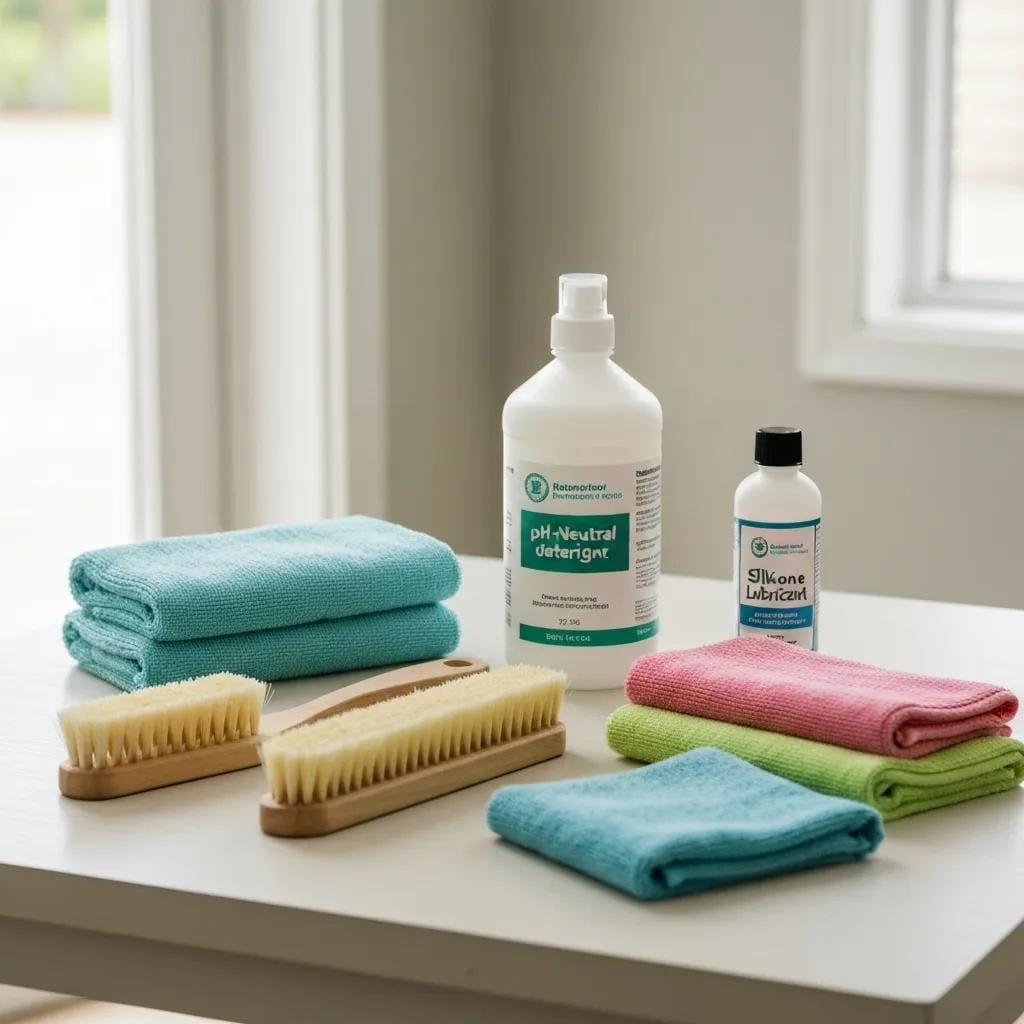
Use the right tools and gentle cleaners to protect finishes and moving parts while removing salt and grime. Prioritize pH‑neutral cleaners, soft brushes and silicone lubricants made for exterior hardware. A mild detergent diluted in warm water lifts salt without stripping anodized or painted finishes, and silicone sprays lubricate guides without attracting dust the way petroleum products do. Bring soft nylon brushes, microfiber cloths and a vacuum with a brush attachment for loose debris—and avoid abrasive pads or solvent cleaners that damage protective coatings. Assemble these essentials before you begin:
- Soft nylon brush and medium‑density microfiber cloths for slat cleaning.
- pH‑neutral detergent (e.g., mild dish soap diluted in warm water) for surfaces.
- Light silicone spray lubricant for guides and seals—use sparingly to limit buildup.
These choices minimize mechanical abrasion while removing corrosive residues. Below are safe cleaner recommendations and dilution guidance to follow.
Which Mild Soaps and Detergents Are Safe for Aluminum and Stainless Steel Shutters?
Safe cleaners are pH‑neutral detergents—mild dish soap or automotive car‑wash liquids diluted in warm water—because they remove salt and organic grime without attacking metal finishes. A practical mix is 1–2 teaspoons of mild dish soap per gallon of warm water. Avoid acidic or strongly alkaline concentrates, bleach and solvent degreasers that can dull anodized coatings or strip paint. After cleaning, rinse thoroughly with fresh water to remove detergent residue that could trap salt, and dry to prevent pooling inside housings.
These mild solutions protect aluminum slats and 18‑8 stainless fasteners, which hold up when kept free of salt and grit. Next, learn which physical tools will remove abrasive materials without scratching surfaces.
What Cleaning Tools Help Remove Salt, Sand, and Debris Without Damage?
Use gentle agitation and debris removal tools: a vacuum with a brush attachment pulls loose sand from housings and tracks, soft nylon brushes dislodge baked‑on salt without scratching, and microfiber cloths absorb moisture without linting. Rinse with a garden hose on a gentle spray—do not blast housings or motor compartments with concentrated jets. After washing, dry with a soft microfiber to prevent water pooling. Clean or replace brushes and cloths after use so you don’t reintroduce abrasive particles on the next cleaning.
These tools reduce mechanical wear and keep tracks and slats smooth, allowing effective application of silicone lubricant where needed. The next section walks through the exact step‑by‑step process to prepare, clean and lubricate shutters safely.
This quick comparison helps you pick cleaners and lubricants that work without harming finishes or moving parts. With the right supplies on hand, move on to the practical How‑To steps below.
What Is the Step-by-Step Process to Clean Roll Down Hurricane Shutter Slats and Tracks?
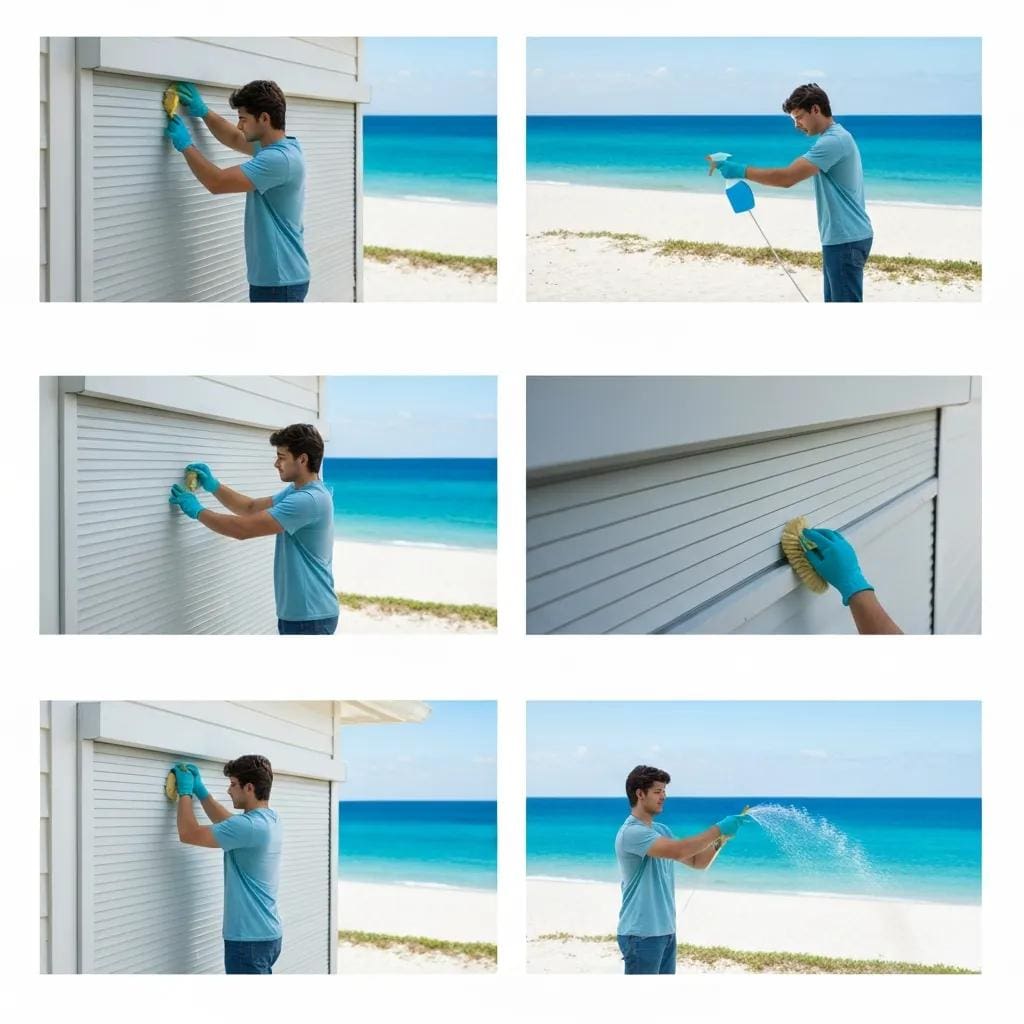
A safe, effective workflow goes: prepare and inspect, clear loose debris, wash slats gently, clean tracks, lubricate, dry and test operation. Start with a safety check, remove large debris, give the system a low‑pressure rinse, clean slat faces with mild detergent and soft tools, clear and wash tracks, apply silicone lubricant sparingly, then cycle the shutter a few times to distribute lubricant. Each step avoids forcing water into housings or motors and limits abrasion on edges and seals. Follow this concise How‑To outline for routine maintenance.
Run through these numbered steps during a standard cleaning session:
- Inspect and secure: Look for loose or damaged parts, disconnect power on motorized systems, and clear the area.
- Rinse and remove debris: Use a gentle hose rinse and vacuum or soft brush to remove sand and salt from housings and tracks.
- Wash slats: Clean slat faces with diluted pH‑neutral soap and a soft brush, rinsing often to remove loosened salt.
- Clean tracks and lubricate: Remove trapped debris from tracks, dry thoroughly, apply a light silicone spray and cycle the shutters 2–3 times to spread lubricant.
Completing these steps lowers the risk of jamming and increases component life. The table below summarizes tools and expected time for each step so you can plan your session.
Expect a single‑session maintenance window of roughly 45–75 minutes depending on shutter size and exposure. With the process set, the next section covers pre‑cleaning preparation and rinsing.
How Do You Prepare and Rinse Shutters Before Cleaning?
Preparation starts with safety: disconnect electrical power for motorized shutters, remove obstacles from the shutter path, and visually inspect for damage that could worsen during cleaning. Keep children and pets clear of the work area and make sure any ladders are stable. If you find bent slats or exposed wiring, pause and call a professional. For rinsing, use a garden hose on a gentle lateral spray to wash loose salt and sand away from housings and seals—avoid aiming water directly into housing seams or motor openings to reduce the risk of water ingress. Proper prep keeps contaminants from being driven deeper into mechanisms and sets you up for safe slat and track cleaning.
Good preparation reduces the need for aggressive cleaning and helps protect motors and housings.
How Should You Clean Exterior and Interior Shutter Slats Safely?
Clean slats from top to bottom and along each slat’s length to avoid pushing debris into housings and to protect finishes. Use diluted pH‑neutral soap with a soft brush or microfiber—work gently in the slat direction, rinse frequently, and avoid aggressive sideways scrubbing that can lift finishes or force water into seams. For motorized shutters keep power off and don’t submerge housings; for manual systems secure the shutter against unexpected movement. After washing, dry slats with a microfiber towel to prevent pooling and inspect felt strips and seals for trapped debris or damage.
This careful approach preserves finishes and prevents water ingress so track cleaning and lubrication can be done effectively.
How Do You Clean and Lubricate Shutter Tracks for Smooth Operation?
Start track work by removing bulk debris with a vacuum and a small soft brush to dislodge packed sand or leaves, then wipe with soapy water to remove salt film. Dry tracks thoroughly—use microfiber towels and gentle compressed air if available—before applying lubricant. Spray a light silicone lubricant along guide faces and inside tracks where sliders contact metal, then cycle the shutter two to three times to distribute the lubricant and seat seals. Wipe away excess lubricant to reduce dust and sand attraction.
Running the shutters after lubrication confirms smooth operation and will show any remaining friction points that need repeat cleaning or professional attention.
How Often Should You Clean and Maintain Roll Down Hurricane Shutters in Coastal Areas?
Cleaning frequency depends on exposure: baseline twice‑yearly maintenance for low‑exposure homes, quarterly for properties within about three miles of the shore, and immediate post‑storm inspections and cleaning as needed. Salt spray and wind‑driven sand accelerate corrosion and abrasive wear, so beach‑facing and barrier‑island homes generally require a more conservative cadence. Use seasonal scheduling—pre‑season inspection before hurricane season and post‑season cleanup—to combine routine care with storm readiness. The table below offers a simple schedule based on exposure to help homeowners plan maintenance.
Following a schedule tied to exposure helps keep shutters reliable during storms and reduces motor strain and component replacement. With cadence set, the next section explains the recommended cleaning timetable in more detail.
What Is the Recommended Cleaning Schedule to Prevent Corrosion and Salt Buildup?
Balance practicality and protection: inspect and rinse quarterly for most coastal homes, move to monthly visual checks for beachfront properties, and always perform a thorough cleaning before and after hurricane season. After storms, prioritize inspections for visible corrosion, debris inside housings, and abnormal sounds or operation when cycling. Any sign of seizing or unusual noise calls for immediate cleaning or a professional check. Seasonal maintenance is also a good time to check seals, felt strips and fasteners—early indicators of salt‑related wear. Following this cadence lowers the chance of emergency failures and helps protect warranty coverage.
These schedules reflect materials behavior: aluminum slats and 18‑8 stainless fasteners resist corrosion when salt deposits are regularly removed—so frequency should match environmental risk.
What Are the Risks of Neglecting Regular Cleaning and Lubrication?
Skipping regular cleaning and lubrication increases friction in tracks, overloads motors, misaligns slats, accelerates fastener corrosion and can lead to component failure or full replacement. Early mechanical signs—sticking, grinding noises or slower cycles—mean maintenance is overdue and small issues may become costly repairs. Left unchecked, corrosion can penetrate protective layers and weaken structural parts; in severe cases housings can trap water that damages motors or electrical components. Preventive cleaning and timely lubrication are far cheaper than replacing motors, tracks or entire shutter assemblies.
Understanding these risks makes it easier to stick to a maintenance plan or decide when professional inspection and repair are justified.
What Should You Avoid When Cleaning Roll Down Hurricane Shutters?
Avoid practices that damage finishes or internal components: do not use pressure washers, harsh solvents or abrasive tools. High‑pressure jets can bend slats, force water into housings and motors, and strip protective coatings. Solvents and strong acids or alkalis remove anodizing or paint and degrade polymer seals and felt strips, leaving metal exposed to rapid corrosion. Abrasive wire brushes and steel wool scratch surfaces and speed fatigue in moving parts. Instead, choose gentle rinsing, pH‑neutral cleaners and non‑abrasive brushes to protect both performance and appearance.
- Do not use pressure washers or high‑pressure spray lines on housings or seams.
- Avoid solvent‑based cleaners, bleach or acidic washes that strip protective coatings.
- Skip wire brushes, steel wool and metal scrapers that scratch and damage finishes.
Following these prohibitions preserves finishes and reduces corrosion risk. The next subsections explain the damage mechanisms so you can see why these practices are harmful.
Why Are Pressure Washers and Harsh Chemicals Harmful to Shutters?
Pressure washers concentrate force that can bend thin slat profiles, dislodge seals and drive water past brushes into housings and motors—creating corrosion and electrical risks. Harsh chemicals—strong acids, alkalis or solvent degreasers—can remove anodized or painted layers and degrade polymer seals and felt strips, exposing bare metal to salt and moisture. Over time these mechanical and chemical insults speed fatigue, raise friction in moving parts and shorten the shutter system’s useful life. Avoiding these treatments preserves protective systems and reduces the need for part replacement.
Knowing these mechanisms clarifies why the gentler methods in this guide are the safer choice and why professional care is sometimes preferable.
Which Abrasive Tools and Cleaners Can Cause Corrosion or Scratches?
Abrasive tools like wire brushes, steel wool and heavy scrub pads create micro‑scratches that trap salt and promote faster corrosion. Abrasive cleaners with grit can remove surface treatments and thin metal edges over time. Solvent‑based strippers and paint removers can attack stainless steel passivation layers and reduce corrosion resistance. Use soft nylon brushes, non‑scratching sponges and pH‑neutral detergents instead to remove contaminants without compromising finishes. These substitutions limit mechanical and chemical damage and keep shutters working smoothly longer.
This guidance reduces the chance of accidental damage during DIY maintenance and helps you decide when specialized tools or a professional service are required.
When Should You Call a Professional for Roll Down Hurricane Shutter Cleaning and Maintenance?
Call a professional if you see motor failures, visible corrosion on fasteners or tracks, bent or damaged slats, or if you simply lack time or safe access for DIY maintenance. Professionals can inspect, mitigate corrosion and handle complex repairs safely. After severe storms, technicians can find hidden damage inside housings or electrical systems that might compromise operation later. Trained crews can also recommend preventive upgrades and ensure maintenance follows warranty requirements. Common triggers for calling a specialist include:
- Motor stalls, unusual noises, or failure to fully raise or lower the shutter.
- Visible corrosion or compromised fasteners and guide rails.
- Bent slats, torn seals, or water ingress into housings after a storm.
Professional cleaning and inspections add preventive protection and solve issues beyond routine DIY care. For coastal homeowners who prefer expert support, American Hurricane Shutters offers regionally focused services and engineered solutions.
What Are the Benefits of Professional Cleaning Services from American Hurricane Shutters?
American Hurricane Shutters serves homeowners and businesses across coastal North and South Carolina with engineered hurricane protection and quality installations. Our technicians use corrosion‑resistant fasteners and proven installation practices to reduce failure points. A professional visit usually includes a full inspection, targeted corrosion mitigation, track cleaning and controlled lubrication following industry best practices. Those services complement DIY care by handling diagnostics, safe motor service and any component replacement that requires experience and tools.
Our regional focus means technicians understand local salt, sand and storm risks and can tailor maintenance to your property’s exposure. The next section explains how to request service or an estimate.
How Can You Schedule a Free Estimate or Maintenance Service?
To schedule an appointment or request a free estimate, use the company website contact form or our Google Business Profile to send basic property details and describe any issues. Have information ready such as number of shutter units, whether systems are motorized, and recent storm exposure so technicians can prepare for an accurate inspection. Expect a site visit that includes a visual and operational assessment, a recommended maintenance plan, and a written cost estimate for any repairs or cleaning. This step connects homeowners with expert support when DIY maintenance isn’t enough.
Using our free estimate option is a practical next step for properties with significant exposure or for homeowners who prefer certified maintenance to protect their investment.
Frequently Asked Questions
1. How can I tell if my roll down hurricane shutters need professional maintenance?
Call a professional if you notice motor stalls, strange noises, or if shutters fail to fully raise or lower. Visible corrosion on fasteners or tracks, bent slats, or water inside housings after a storm are also clear signs that expert attention is needed. Regular inspections help catch these issues early so repairs are simpler and less costly.
2. What are the signs of corrosion on hurricane shutters?
Look for rust spots, discoloration, flaking paint or pitting on metal parts. Rough surface textures on aluminum or stainless components, failing fasteners, or trapped moisture in the housing are critical indicators that corrosion is present and should be addressed promptly.
3. Can I use any type of lubricant on my hurricane shutters?
No. Use a silicone‑based lubricant formulated for exterior hardware. Silicone lubricants don’t attract dust and debris like petroleum‑based products, and they provide light, long‑lasting lubrication for guides and seals. The wrong lubricant can build up and impair shutter function.
4. How do I prepare my shutters for a storm?
Before a storm, clean and clear shutters of debris, inspect for bent slats or loose fasteners, and correct any issues that would prevent quick deployment. Confirm motor power and operation for motorized systems, and secure any loose items around your home that could become projectiles.
5. What should I do if my shutters get stuck during operation?
If shutters get stuck, first check tracks and slats for visible debris. If the obstruction isn’t obvious, inspect the motor and electrical connections (with power off). Do not force the shutters, as that can cause more damage. If you can’t resolve the problem safely, contact a professional for inspection and repair.
6. Are there any specific cleaning products I should avoid?
Yes. Avoid harsh chemicals, acidic cleaners and abrasive tools. Bleach, solvent cleaners and high‑pressure washers can strip protective coatings and damage metal surfaces. Instead, choose pH‑neutral detergents and soft brushes for safe, effective cleaning.
7. How can I extend the lifespan of my roll down hurricane shutters?
Extend lifespan with regular cleaning, timely lubrication and frequent inspections based on coastal exposure. Address wear promptly, operate shutters correctly, and avoid forcing them when they bind. A consistent maintenance schedule and prompt professional help when needed will keep your shutters protecting your home longer.
Conclusion
Routine maintenance is one of the simplest ways to keep roll‑down hurricane shutters reliable and extend their service life—especially on the coast. Follow the safe cleaning practices and schedules in this guide to prevent corrosion, reduce motor strain and avoid expensive repairs. If you’d rather have a pro handle it, reach out to a regional expert for inspection and service. Ready to protect your home? Explore our services or request a free estimate to get started.