
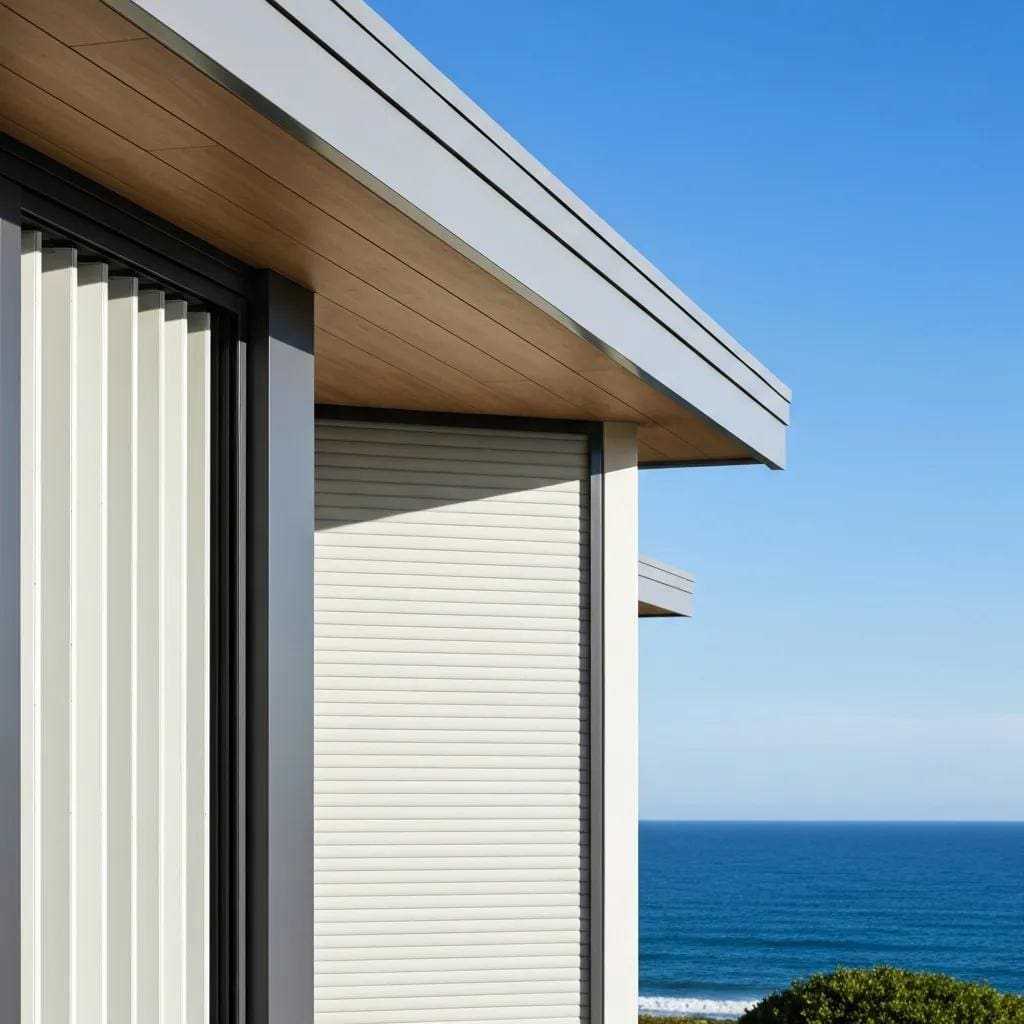
Accordion Shutters for Modern Coastal Homes — Style You’ll Love, Protection You Can Rely On
Accordion shutters blend clean, contemporary design with engineered storm protection to safeguard coastal homes without sacrificing curb appeal. This guide explains what modern accordion hurricane shutters are, how slim profiles and durable materials balance looks with impact resistance, and why architects and homeowners specify them for contemporary facades. Many owners must meet building-code protection requirements while keeping a simple, modern exterior—well-designed shutters and professional installation solve both. Read on to learn key features and materials, how shutters integrate with minimalist and coastal contemporary architecture, recent advances like motorization and smart controls, plus practical guidance on professional installation and upkeep. We also compare common shutter types, match features to homeowner benefits, and explain how correct installation and code compliance protect long-term value. Throughout, you’ll see terms like accordion shutter designs, slim-profile accordion shutters, motorized accordion shutters, and impact-resistant accordion shutters used to help evaluate options for properties across coastal North and South Carolina and similar climates.
What modern accordion hurricane shutters are — and the features that matter
Modern accordion hurricane shutters are folding panels that store at the side of openings and are typically made from powder-coated aluminum with corrosion-resistant fasteners. They fold on frame rails, stow neatly at the window or door side, and allow quick deployment while keeping views clear when not in use. Engineered panels, reinforced anchoring, and configurable profiles let these shutters meet impact and wind-load requirements while maintaining slim visual lines suited to contemporary architecture. Common features include manual or motorized operation, impact-rated panels, color-matched finishes, and storage designs that reduce visual bulk on the facade. Below is a quick-reference table summarizing common accordion shutter variants and their primary attributes to help with selection.
Each variant balances sightlines, protection level, and operation method differently; understanding those trade-offs helps homeowners pick the right mix of style and performance.
How accordion shutters blend design and storm protection
Accordion shutters marry sleek looks with structural performance through narrow folding panels, concealed or color-matched hardware, and compact storage that keeps the facade uncluttered when shutters are open. Designers preserve a minimal aesthetic by using narrow rails and powder-coated finishes that tie into window frames, creating visual continuity while keeping strength where it counts. Reinforced stiles and hidden fasteners deliver impact resistance without bulk, and careful mounting—recessed or pocketed where possible—reduces the shutters’ visual footprint. Those design choices let homeowners retain contemporary curb appeal while meeting safety and wind-load expectations.
Materials and finishes for contemporary accordion shutters

Contemporary accordion shutters are usually fabricated from powder-coated aluminum with corrosion-resistant stainless-steel fasteners and frame components to withstand coastal conditions. Powder-coating offers durable color and a smooth finish that complements modern exteriors, while 316 stainless components reduce the risk of galvanic corrosion and secure anchor integrity. Color options run from classic neutrals—white, charcoal, sand—to custom-matched hues that coordinate with exterior palettes; many manufacturers can match architectural paint codes. Material choices affect maintenance and lifespan: aluminum panels with robust finishes minimize upkeep, and specifying stainless fasteners improves long-term performance in salt-air environments.
These material and finish choices help shutters pair visually with different modern styles and can contribute to a home’s perceived value.
How accordion shutters support contemporary home architecture
Accordion shutters suit modern architecture by offering unobtrusive protection that respects clean lines, large glazing, and minimal ornamentation. Slim profiles and side-stow behavior preserve geometric facades and don’t interrupt horizontal or vertical lines, maintaining the architect’s intent while adding engineered safety. For coastal modern homes, shutters can be color-coordinated with metal trims or window frames so they blend function with refined aesthetics. Below are practical strategies for integrating accordion shutters into modern projects.
- Slim-profile shutters maintain minimalist facades with narrow rails and low visual bulk.
- Color-matched finishes help shutters harmonize with trim or siding for a cohesive exterior.
- Flush or recessed storage keeps shutters out of sight when not deployed, preserving facade rhythm.
These integration strategies show how shutters can enhance both form and function, supporting curb appeal and potential value gains discussed next.
Best accordion shutter styles for contemporary homes
The best styles emphasize slim profiles, discreet storage, and finishes that complement architectural materials to keep the exterior cohesive. Slim-profile accordion shutters are ideal for minimalist exteriors because they reduce sightlines and preserve glazing; flush-mounted storage or recessed pockets hide hardware and prevent visual interruptions. For transitional or coastal contemporary homes, color-matched panels work well with natural materials like wood or fiber cement siding, creating a unified look that feels intentional rather than retrofit. Panel widths and rail configurations should also align with window proportions to preserve scale and balance.
Choosing the right style leads naturally to how these choices affect curb appeal and resale value in coastal markets.
How accordion shutters boost curb appeal and protect home value
Accordion shutters improve curb appeal when protective elements are integrated thoughtfully into a home’s design language. A well-matched finish and concealed storage can look like a deliberate upgrade rather than an afterthought, and homes that combine modern design with certified hurricane protection often attract buyers who value both style and resilience. On the financial side, certified protection and properly documented installation can affect underwriting and insurance—potentially lowering premiums—so homeowners should check details with their carrier. Presenting protection as part of the design package, not just an add-on, supports resale positioning and expands buyer appeal in coastal areas.
That value-oriented view connects to the functional innovations that make accordion shutters both practical and attractive.
Functional benefits and recent innovations in accordion shutters
Accordion shutters deliver three main benefits: engineered impact and wind-load protection, quick deployment for storm readiness, and the option to add convenience features like motorization and smart controls. Reinforced panels, continuous rails, and strong anchoring give predictable performance under tested loads, while folding mechanics let you close large openings quickly without complex assembly. Recent innovations include motorized drives for effortless operation, smart-home integration for scheduled or remote control, and slimmer profiles that reduce visual impact without losing strength. The table below links common features to homeowner benefits so you can see how technical attributes translate into everyday value.
Seeing these feature-to-benefit relationships makes it easier to prioritize options—like motorization or impact ratings—when specifying shutters for a modern home.
How motorized and smart features improve shutter operation
Motorized and smart-home features let shutters be operated remotely, on a schedule, or automatically in response to a weather event—reducing reaction time and simplifying everyday use. Motorization removes the physical strain of handling large or high panels and supports programmed routines that close shutters on wind alerts or at set times. Smart integration can link shutters to weather services or home automation hubs so protection is proactive instead of reactive. Always consider power-fail measures—such as manual overrides—so shutters remain operable in every condition.
Those operational advantages lead into the structural reasons shutters meet impact and code standards, which is essential for lasting performance.
What makes accordion shutters impact-resistant and code-compliant?
Accordion shutters meet impact resistance and code requirements through material choice, fastening systems, and adherence to testing and design-pressure analysis that confirm performance under load. Strong panels, continuous framing rails, and 316 stainless steel fasteners maintain anchorage during high winds and impacts. Design-pressure analysis calculates site-specific wind loads and guides fabrication and mounting details. Meeting regional codes—such as referenced industry practices—requires validated test reports and installation methods that align with permitted design pressures. Use a short checklist of code-related attributes to confirm compliance during specification and installation.
With those technical elements in place, the next step is ensuring a professional installation workflow so the products perform as intended on the house.
Professional installation workflow for modern accordion shutters

Professional installation follows a clear workflow: accurate site measurement, design-pressure analysis, precise fabrication, anchored installation, and final inspection. A thorough site assessment documents mounting conditions and facade details that affect shutter choice and informs the design-pressure analysis used to set fabrication tolerances and fastener requirements. Fabrication produces shutters rated to the specified pressures and finishes, and experienced installers use corrosion-resistant fasteners and alignment checks to ensure code-conforming performance. Post-installation inspection, operational testing, and customer training complete the process and confirm durability.
- Conduct a site measurement and document mounting conditions for each opening.
- Perform a Design Pressure Analysis to determine required wind-load ratings.
- Fabricate panels and rails to match approved pressure and finish specifications.
- Install shutters using corrosion-resistant fasteners and alignment protocols.
- Complete inspection, operational testing, and customer handover.
Note: American Hurricane Shutters performs site measurement, Design Pressure Analysis, fabrication, and installation by experienced installers, and offers inspection and customer handover as part of its professional workflow. For homeowners seeking a custom estimate, the company provides aCost Calculatorfor free estimates and encourages requests for a consultation or quote.
Steps in American Hurricane Shutters’ installation process
Our installation follows a straightforward sequence: site measurement, Design Pressure Analysis, fabrication, installation by experienced technicians, and a final inspection with customer handover. Site measurement records opening sizes and substrate conditions to inform engineering requirements. Design Pressure Analysis determines local wind loads and sets fabrication and anchoring criteria to meet or exceed applicable code demands. Fabrication produces powder-coated aluminum panels and components sized to the analysis, and professional installers complete the job using quality fasteners and alignment methods before conducting the final inspection and owner training.
Why professional installation matters for shutter performance
Professional installation matters because improper anchoring, wrong fasteners, or misaligned rails can sharply reduce shutter performance and compromise safety in storms. Experienced installers translate design-pressure data into the right anchors and fasteners—such as specified 316 stainless steel—appropriate for the substrate and exposure, and they follow alignment and sealing practices that preserve wind-load transfer. Professional installation also produces documentation needed for code verification and can affect insurance reviews by proving compliant installation and testing. Hiring qualified installers minimizes failure points and protects your investment in engineered protection systems.
Maintenance to keep accordion shutters looking and working their best
Routine maintenance keeps accordion shutters operating smoothly and preserves their appearance, especially in coastal environments where salt and wind speed wear. A simple schedule includes seasonal rinses and post-storm inspections, lubrication of moving parts, fastener checks for corrosion or loosening, and operational tests to confirm smooth deployment and stowage. Address minor issues early—clean tracks, touch up scratched finishes—to prevent faster deterioration and keep warranties intact. Below is a practical maintenance checklist homeowners can follow to preserve style and performance.
- Rinse and clean panels and tracks after heavy salt exposure to prevent buildup.
- Inspect fasteners, seals, and rails annually for corrosion, wear, or loosening.
- Lubricate moving parts and test deployment before hurricane season each year.
- Schedule professional inspection if any alignment or anchoring concerns arise.
Following this checklist supports longevity and reliability while minimizing the need for major repairs. The section below answers common homeowner care questions.
How homeowners can keep accordion shutters working long-term
Homeowners can keep shutters in top condition with simple tasks: regular cleaning, checking anchorage points, lubricating moving parts, and testing operation before storm season. Rinse with fresh water and a mild detergent to remove salt residue; pay attention to tracks and hinge areas so folding mechanisms remain free-moving. Use manufacturer-recommended lubricants on pivot points and rails to avoid stiffness, and tighten or replace corroded fasteners as needed to preserve anchorage. If you suspect anchorage failure or complex issues, contact a professional installer promptly to ensure safety and code compliance.
Routine homeowner maintenance lowers repair costs and helps preserve warranty coverage. Below are frequently asked maintenance questions and short answers.
Common maintenance questions about accordion shutters
Homeowners often ask about lifespan, warranty expectations, cleaning, and when to call for professional service; clear answers help set realistic maintenance plans. Lifespan depends on material quality and exposure—powder-coated aluminum paired with stainless fasteners offers the best durability when maintained. Cleaning means rinsing with fresh water, clearing debris from tracks, and avoiding abrasive cleaners that damage coatings. For structural concerns—loose anchors, alignment problems, or damaged panels—schedule a professional inspection to assess repairs and keep performance code-compliant.
Why choose American Hurricane Shutters for stylish accordion solutions?
American Hurricane Shutters offers engineered accordion shutter solutions with local service across coastal North and South Carolina—Wilmington, Myrtle Beach, Oak Island, Topsail—and combines regional experience with professional installation. We focus on powder-coated aluminum accordion shutters that fold and stow at window sides, use 316 stainless steel fasteners where specified, and perform Design Pressure Analysis to ensure products meet or exceed applicable code requirements. Prospective customers can get free estimates via our Cost Calculator and request a consultation or quote; installations are completed by experienced technicians who provide inspection and handover. These practical offerings make us a reliable choice for homeowners who want both style and engineered hurricane protection.
What sets American Hurricane Shutters apart for modern homes?
Our advantage is local coastal expertise paired with technical processes—like Design Pressure Analysis and corrosion-resistant 316 stainless steel fasteners—that support long-term performance in marine environments. Our products center on powder-coated aluminum accordion shutters that fold and stow at window sides to preserve modern facades while delivering tested protection. The free estimate process, powered by the Cost Calculator, simplifies planning, and our experienced installers handle fabrication, installation, and final inspection to confirm operational readiness. These practical features address both the aesthetic and functional priorities of modern coastal homeowners.
Can accordion shutters from American Hurricane Shutters lower insurance premiums?
Certified hurricane protection and professionally documented installation can affect underwriting. Accordion shutters installed to validated design pressures, along with documented Design Pressure Analysis and inspection, give homeowners clear mitigation evidence to share with insurers. When shutters meet or exceed applicable building-code requirements and installation is well documented, insurers may factor the reduced exposure into premium evaluations; homeowners should consult their insurer for specific discount policies. Providing installation records and compliance information helps insurers assess risk and can support discussions about premium considerations.
This explanation clarifies how certified protection ties into insurance reviews while recommending direct contact with your carrier for exact savings details.
Frequently Asked Questions
What are the advantages of motorized accordion shutters over manual ones?
Motorized accordion shutters add convenience and speed. You can operate them remotely—handy for large or hard-to-reach openings—and program automatic closure on weather alerts or schedules. Motorization reduces physical effort and ensures shutters are deployed quickly when time matters, offering added safety and peace of mind in hurricane-prone areas.
How do accordion shutters affect energy efficiency in homes?
Accordion shutters can boost energy efficiency by adding an extra insulating layer when closed. They help reduce heat transfer—keeping interiors cooler in summer and warmer in winter—which can lower HVAC costs. Shutters also block sunlight and UV, protecting interior finishes and furnishings. Used strategically, they contribute to a more comfortable, energy-efficient home.
What is the typical lifespan of accordion shutters?
Lifespan depends on materials and exposure. High-quality powder-coated aluminum shutters with proper maintenance can last 20 years or more. Coastal salt, humidity, and storm exposure affect durability, so regular cleaning and inspections are important. Check manufacturer warranties and maintenance recommendations for specific guidance.
Can accordion shutters be customized to fit unique window shapes?
Yes—accordion shutters are often custom-fabricated for unusual openings. Many manufacturers accommodate arched or irregular shapes so shutters provide effective protection while preserving the home’s architectural look. Work with your supplier to confirm design options and code compliance for custom installations.
What are the maintenance requirements for accordion shutters?
Maintenance is straightforward: rinse panels and tracks to remove salt and debris, inspect fasteners and seals annually, lubricate moving parts, and test operation before hurricane season. For alignment issues, damaged panels, or suspected anchor problems, call a professional to keep protection effective and code-compliant.
How do accordion shutters compare to other hurricane protection options?
Accordion shutters offer a permanent, attractive solution compared with temporary plywood and are often easier to deploy than some roll-down systems. They combine style with functionality, provide durable protection when properly installed, and typically require less ongoing setup than temporary options—making them a popular choice for many homeowners in storm-prone regions.
Are accordion shutters suitable for all types of homes?
Accordion shutters are versatile and work well with many home styles—especially modern and coastal designs—because of their slim profiles and customization options. Suitability depends on window size, shape, and local code requirements, so a professional assessment will determine the best shutter solution for each home.
Conclusion
Choosing accordion shutters lets modern homeowners protect their property without sacrificing design. With options like motorization and impact-rated panels, these systems deliver a practical balance of safety and style. Proper specification and professional installation preserve performance and value, giving you confidence when storms approach. Explore our premium accordion shutter options today to find the right fit for your home.