
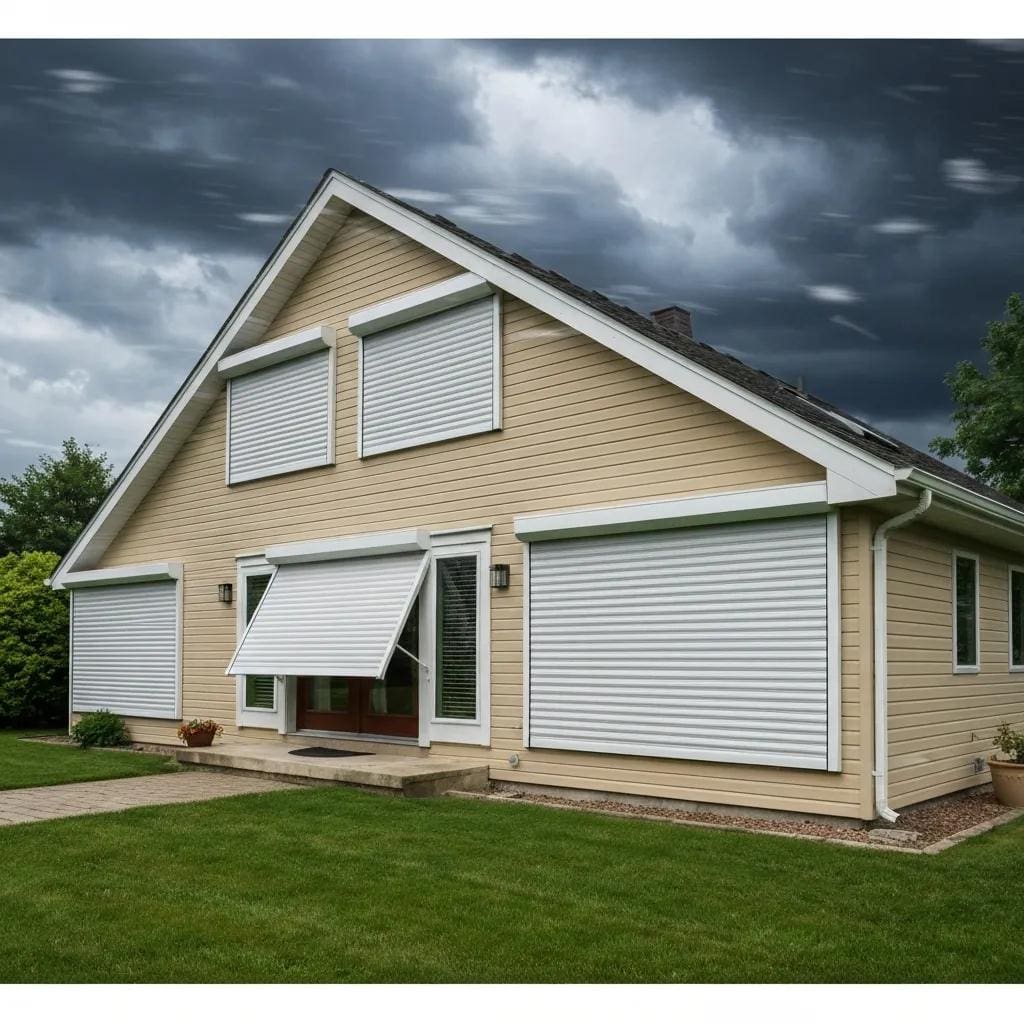
How Accordion Shutters Can Affect Your Home Insurance Costs and Coverage Choices in the Carolinas
Accordion shutters are permanently mounted protection for windows and doors that help keep wind and flying debris out during hurricanes—cutting a home’s exposure to storm damage. This piece walks through how accordion shutters work, why insurers recognize them, and how coastal homeowners in North Carolina and South Carolina can turn protection into real premium savings and policy advantages. You’ll find the exact features inspectors and insurers look for, common discount ranges, how accordion shutters compare with other systems, and practical steps to document and claim credits. We also cover cost‑vs‑savings examples and payback math so you can judge ROI, plus inspection‑ready checklists to help qualify for wind mitigation credits. Finally, we explain why professional installation and clear documentation improve the chance your insurer will honor credits—and where to get an estimate or use a cost calculator to firm up your numbers. Keywords like accordion shutters insurance savings, wind mitigation inspection, and coastal property storm protection discounts are included to help NC/SC homeowners find these answers.
How Do Accordion Shutters Provide Hurricane Protection and Influence Insurance Discounts?
Accordion shutters create a continuous, anchored barrier over openings that resists wind loads and deflects debris, helping prevent penetration and the secondary interior damage that drives many claims. Insurers view that lower exposure as reduced expected loss, which can translate into lower wind‑portion premiums or wind mitigation credits after verification. Because shutters lower the chance of glazing failure and water intrusion—events insurers model when pricing policies—understanding the tested and mechanical attributes that earn recognition is important for homeowners who want both protection and financial return.
What Features Make Accordion Shutters Effective for Storm Protection?
Accordion shutters rely on a handful of proven design features to protect openings in extreme winds: impact‑rated aluminum panels, continuous top and bottom tracks, secure locks, and sturdy mounting hardware. Together these parts transfer wind loads into the house framing instead of depending on single fasteners, which reduces the risk of penetration and keeps the enclosure intact. Routine upkeep—like lubricating tracks and checking fasteners—keeps performance consistent and helps when an inspector evaluates the system.
Below is a short features list that inspectors and insurers commonly check.
- Impact‑rated panels and visible manufacturer labels showing tested performance to accepted standards.
- Continuous top and bottom tracks with reinforced rails to spread loads and prevent bowing.
- Corrosion‑resistant fasteners and documented anchoring into structural framing to show long‑term reliability.
Those items line up with insurer expectations: systems with certified impact resistance and proven attachment methods are more likely to qualify for credits and premium recognition. That leads into why insurers offer discounts for such mitigation.
Why Do Insurance Companies Offer Discounts for Accordion Shutters?
Insurers set premiums by estimating probable losses; physical mitigation that demonstrably reduces that risk lowers expected loss and therefore the premium. Accordion shutters can cut the probability of expensive wind claims by preventing window failures and limiting interior water damage. When evidence validates the protection, insurers translate that reduced risk into wind mitigation credits or policy discounts. Insurers usually require proof—inspection reports, manufacturer labels, and installation invoices—and credits can vary by rating level and attachment method. For example, a carrier that models fewer claims for homes with impact‑rated openings may apply a percentage discount to the wind portion of a policy once documentation confirms the protection.
- Risk Reduction: Shutters lower the chance of glazing failure and water intrusion.
- Quantifiable Impact: Insurers use inspection evidence to turn mitigation into percent discounts.
- Verification Requirement: Documentation and inspection reports are normally required to confirm installed features.
Knowing this actuarial logic helps homeowners concentrate documentation on the exact items insurers need when evaluating premiums and credits.
What Are Wind Mitigation Credits and How Do Accordion Shutters Qualify?
Wind mitigation credits are insurer or state‑encouraged premium reductions for homes that include verified features reducing windstorm vulnerability—things like impact‑rated openings, stronger roof‑to‑wall connections, and continuous load paths. Accordion shutters can qualify when they meet impact‑rating standards, are installed to manufacturer specifications, and are properly documented for inspection. Qualification usually requires a certified wind mitigation inspection that records shutter ratings, attachment methods, and supporting evidence like invoices and manufacturer spec sheets. Because credits depend on local programs and insurer rules, following a clear checklist and providing thorough documentation significantly improves the odds of earning discounts.
What Is a Wind Mitigation Inspection and Why Is It Important?
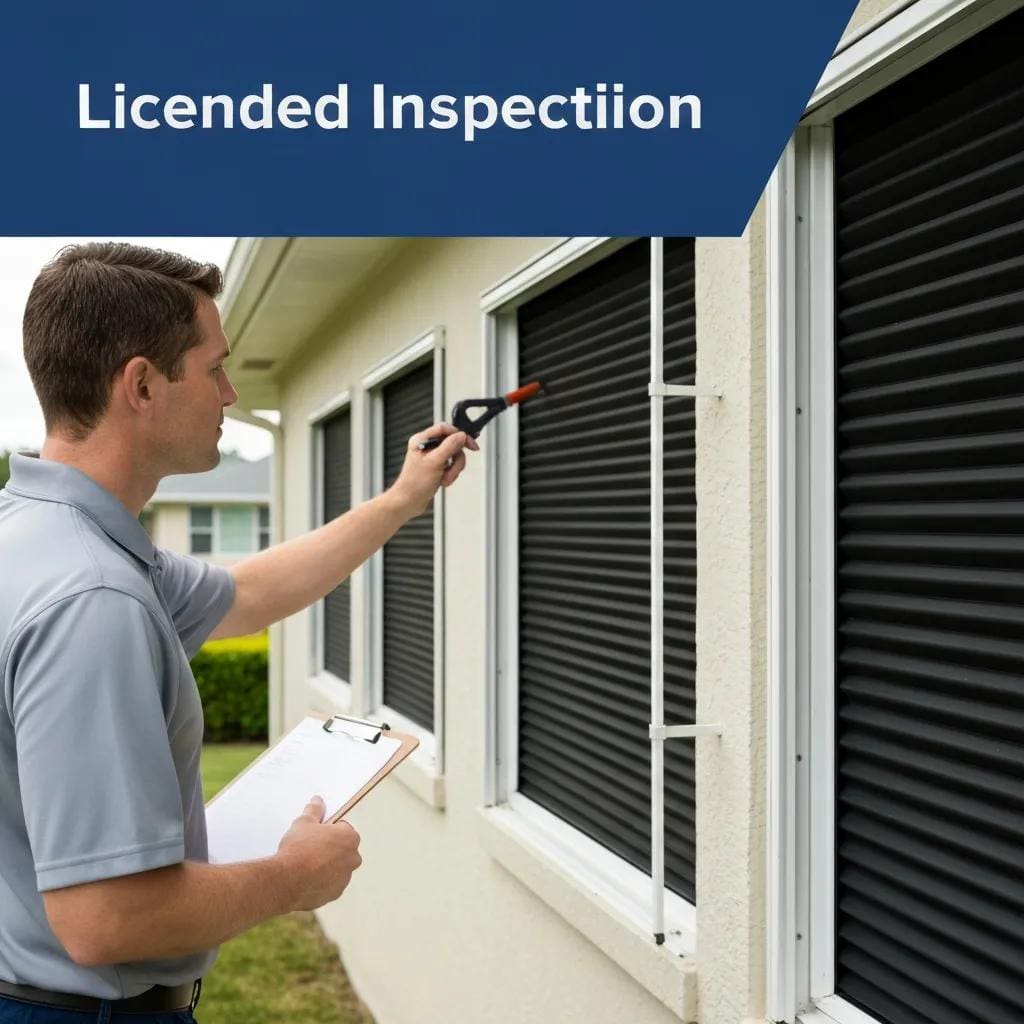
A wind mitigation inspection is a focused evaluation—typically done by a licensed inspector—that documents hurricane‑resistant features on a property for insurance purposes. The inspector checks roof shape and covering, roof‑to‑wall connections, opening protections like accordion shutters, and other elements that create a continuous load path. Inspectors deliver a formal report or certificate insurers accept to calculate credits or apply discounts. Scheduling the inspection after installation but before your policy renewal is key so you can submit the documentation and capture savings on the next billing cycle.
- The inspection covers roof attachments, overhangs, anchors, and opening protection.
- Certified inspectors note labels, fastener spacing, and attachment types insurers typically require.
- Timing matters: inspections completed and documented before renewal give the best chance of immediate premium adjustments.
Putting together a clean, inspector‑ready packet is the next step for homeowners seeking credits, which brings us to the specific shutter attributes inspectors verify.
Which Accordion Shutter Features Are Verified During Wind Mitigation Inspections?
Inspectors look for measurable, verifiable features that show impact resistance and correct attachment for accordion shutters. Typical items include manufacturer impact‑rating labels, continuous top/bottom tracks, fastener type and spacing, anchoring into structural framing, and photos of key connections. Inspectors also expect installation invoices or certificates that list the product model and confirm professional installation per manufacturer instructions. The short table below summarizes common inspection‑verified features and the documents inspectors accept.
Delivering this checklist‑style evidence helps insurers accept the mitigation during underwriting or at renewal, and homeowners who prepare these items avoid delays when claiming credits. Many homeowners find it useful to work with installers who provide inspection‑ready paperwork.
For help compiling inspection documentation and ensuring installations meet common insurer expectations, American Hurricane Shutters can prepare inspector‑ready paperwork and offer free estimates to homeowners in Wilmington, NC and nearby coastal communities. Our local experience with NC/SC wind mitigation norms helps align installations with what inspectors typically check.
How Much Can Homeowners Save on Insurance Premiums with Accordion Shutters?

Accordion shutters can deliver meaningful savings on the wind portion of homeowners insurance, though reductions vary widely by carrier, municipality, and each home’s baseline risk. Coastal homeowners in North Carolina and South Carolina commonly see wind‑related discounts that range from modest percentages up to larger reductions when combined with other mitigation measures. Savings depend on verified shutter ratings, deductible structure, and insurer‑specific credit programs—so treat exact percentages as ranges rather than guarantees. The table below compares typical discount ranges, installation complexity, and verification needs for accordion, roll‑down, and panel systems.
This comparison shows accordion shutters are often recognized by insurers while striking a balance between installation effort and demonstrable protection. Actual savings will depend on rating level, other mitigation measures, and your insurer’s credit rules.
What Are Typical Insurance Premium Reductions for Accordion Shutters in NC and SC?
Local programs and insurer practices in North Carolina and South Carolina affect the percentage reductions homeowners can expect once shutters are documented. In many coastal jurisdictions, inspections that verify impact‑rated openings and proper attachment can produce single‑digit up to low‑double‑digit percentage reductions on the wind portion of a policy. Variability comes from local building codes, insurer underwriting models, and deductible choices; some insurers offer larger credits where state or municipal incentives are strong. Homeowners should get an inspection report and present it at renewal to turn documented protection into measurable savings.
- Range Example: Typical reductions commonly fall between 5% and 20% on the wind portion, depending on circumstances.
- Variability Factors: Municipal codes, insurer credit structures, and combined mitigation measures affect outcomes.
- Practical Step: Get a wind mitigation inspection and submit the documentation at renewal to capture credits.
Always confirm potential savings with your carrier—credits are applied at the insurer’s discretion after they review inspection evidence.
How Do Accordion Shutters Compare to Other Hurricane Shutter Types for Insurance Savings?
Accordion shutters hit a practical middle ground for insurer recognition: they’re permanently mounted (insurers favor permanency), relatively straightforward to verify, and usually carry manufacturer labels inspectors accept. Roll‑down shutters often offer higher discount potential because of stronger certified ratings and automated features, while removable panel systems may earn smaller credits unless professionally installed and documented. Homeowners should weigh installation complexity, maintenance needs, and the ease of producing verification documents when choosing a system for both protection and insurance recognition.
- Accordion shutters: permanently mounted and inspector‑friendly—good balance of cost and credit.
- Roll‑down shutters: often higher rated and may yield larger credits, but cost more and require extra documentation.
- Panel systems: lower upfront cost but may need more documentation to satisfy insurers.
Choosing the right system depends on upfront investment, expected insurance savings, and how you’ll use and maintain the shutters on your coastal property.
How Do Accordion Shutters Affect Your Home Insurance Coverage and Deductible Options?
Installing accordion shutters can change policy options by making a home more attractive to underwriters and by qualifying it for certain endorsements or more favorable deductible conversations tied to windstorm protection. In coastal zones where windstorm exclusions or separate wind deductibles are common, documented mitigation may help when negotiating deductible amounts or pursuing endorsements that were otherwise unavailable. Insurers may still require a windstorm deductible expressed as a percentage of dwelling limit, but documented mitigation can reduce the effective cost by lowering premiums and showing reduced risk.
Can Accordion Shutters Influence Deductible Amounts and Policy Terms?
Shutters seldom eliminate windstorm deductibles outright, but documented mitigation can alter the math by reducing the premium base a percentage deductible applies to or by persuading an underwriter to offer alternative terms. Underwriting decisions vary, and insurers usually require proof that shutters are impact‑rated, correctly installed, and maintained. When discussing terms, present your inspection report and ask the underwriter how mitigation affects both premium and deductible choices to find the most favorable combination.
- Wind deductibles are often percentage‑based, but mitigation can lower the premium they apply to.
- Documented mitigation can support underwriting conversations seeking better terms.
- Policy language and insurer discretion ultimately determine available deductible adjustments.
This underwriting nuance highlights the value of clear documentation and early conversations with your insurer about how mitigation changes perceived risk.
What Coverage Options Should Coastal Homeowners Consider with Accordion Shutters?
Coastal homeowners should evaluate coverages that interact with mitigation measures: windstorm/hurricane endorsements, replacement‑cost dwelling limits, ordinance & law coverage, and contents protection against water intrusion. Accordion shutters mainly protect the building envelope, so make sure dwelling limits reflect full replacement cost and consider endorsements that cover code‑required rebuilds. Also align installation timing and documentation with your renewal date so you capture benefits when your policy is reviewed.
- Windstorm/Hurricane Endorsements: Check how shutter documentation affects eligibility for endorsements.
- Replacement Cost: Confirm dwelling limits are adequate so mitigation doesn’t leave you underinsured.
- Ordinance & Law: Consider coverage that helps with code upgrades after a covered loss.
Asking these coverage questions helps pair your mitigation investment with the right policy structure.
What Is the Cost of Installing Accordion Shutters Compared to Long-Term Insurance Savings?
Installation costs for accordion shutters vary with home size, number of openings, and material grade. The key financial question is how the upfront investment converts into annual insurance savings and payback years. A simple payback calculation—upfront cost divided by annual insurance savings—gives an estimate of years to recover the investment. Influencing factors include local premium levels, the percent discount awarded by insurers, and whether you qualify for combined credits (roof, openings, continuous load path). The table below shows example scenarios to illustrate payback for North Carolina and South Carolina homeowners.
These examples show payback improves with larger verified credits and higher local premiums. Run your own numbers using your current premium and the inspection‑verified credits you expect.
How Does the Upfront Cost of Accordion Shutters Translate Into Insurance Savings?
Apply this simple formula: Payback Years = Upfront Installed Cost ÷ Annual Insurance Savings. For example, a $10,000 install that reduces premiums by $750 a year yields roughly 13.3 years to payback. Variables like local premium levels, whether the credit applies only to the wind portion, and the shutters’ service life all affect the result. Also factor in non‑insurance benefits—fewer claims, better protection, and possible value retention—when judging total ROI.
- A clear formula makes quick comparisons easy.
- Higher verified credits and higher premiums shorten payback.
- Remember lifecycle costs and maintenance when assessing long‑term value.
If you want to quantify your specific ROI, American Hurricane Shutters offers a cost calculator and free estimate to convert local premium figures and measured openings into a personalized payback analysis. Getting an installer’s estimate after your initial calculation helps validate assumptions with real pricing and inspection‑ready documentation.
What Is the Estimated Annual Insurance Savings for Accordion Shutter Owners?
Estimated annual savings for accordion shutter owners usually fall into region‑specific percentage ranges; turning that into dollars depends on your current premium. For many coastal homeowners, a 5–15% reduction on the wind portion can mean hundreds to a few thousand dollars a year, depending on dwelling limits and policy terms. Variation comes from insurer formulas, deductible structure, and whether other mitigation measures are in place. The most accurate estimates come from combining a wind mitigation inspection with insurer‑specific discount tables and applying the credit to your current premium.
- Percent Ranges: Typical reductions often range from 5% to 20% on the wind portion, depending on verification.
- Dollar Examples: On a $3,000 annual premium, a 10% wind credit could save about $300 a year.
- Next Steps: Get a wind mitigation inspection and use a cost calculator to estimate your personalized savings.
Using inspection evidence plus installer estimates lets homeowners and insurers compute realistic annual savings and refine payback timelines.
Why Choose American Hurricane Shutters for Accordion Shutter Installation and Insurance Benefits?
American Hurricane Shutters serves coastal North Carolina and South Carolina from Wilmington, NC, and focuses on professionally installed accordion shutters that meet common insurer and inspector expectations—manufacturer labels, clear installation documentation, and code‑compliant attachment methods. Our local experience with NC/SC wind mitigation practices helps homeowners secure applicable insurance credits. For ROI analysis, we offer free estimates and a cost calculator that convert local premiums and opening counts into payback scenarios—tools designed to help you make an informed decision.
How Does Professional Installation Ensure Insurance Qualification?
Professional installation matters because inspectors and insurers expect correct anchoring, consistent fastener patterns, and adherence to manufacturer instructions—details that are simpler to document when a qualified installer performs and certifies the work. Installers supply detailed invoices, photos of anchorage points, and product model numbers that inspectors accept as evidence. Proper installation reduces the chance of inspector rejection from nonstandard attachment or undocumented on‑site changes and raises the odds that shutters will be recognized in underwriting and credits applied without dispute.
- Correct anchoring and visible labeling are essential for inspector acceptance.
- Installer‑provided documentation cuts down on follow‑up requests from insurers.
- Professional installs reduce the risk of installation‑related performance problems.
Those installation assurances feed directly into the documentation insurers require to grant credits and support your case at renewal.
What Free Tools and Estimates Does American Hurricane Shutters Offer for Accordion Shutters?
American Hurricane Shutters provides a free estimate service and an interactive cost calculator so homeowners can estimate installation costs and projected insurance savings before committing. The calculator helps translate local premium levels and the number of openings into potential annual savings and estimated payback years, giving you an evidence‑based way to weigh protection against cost.
- Free estimates provide an installer‑verified scope for accurate pricing.
- The cost calculator converts premiums and expected credits into payback timelines.
- Installer‑provided inspection‑ready documentation helps qualify for credits.
Pairing a cost estimate with a wind mitigation inspection gives you the best chance to secure insurer recognition and realize measurable insurance savings.
Accordion Shutter Wind Resistance: A Quantitative Study
This study reported the accordion shutter performed between 6–14% for the wind angles measured.
Hurricane Mitigation Features and Home Prices: Visible vs. Hidden
Examples of visible mitigation features include roof shape and the presence of hurricane shutters.
Coastal Homeowners and Climate Change: Mitigation Decisions
Without strict, enforceable regulations that require retrofitting existing homes, coastal resilience will largely reflect private decisions by many homeowners. Research remains limited on structural vulnerabilities among U.S. coastal homes and the mitigation measures owners choose. Studies on disaster preparedness often overlook homeowners’ choices as consumers of structural mitigation products, even though such measures are among the most cost‑effective ways to reduce losses.
Frequently Asked Questions
What are the maintenance requirements for accordion shutters?
Accordion shutters need routine maintenance to stay reliable. Periodically clear tracks of debris, lubricate moving parts, and check locks and fasteners. Inspect panels after storms for dents or damage. Keeping a simple maintenance log—dates, actions, and photos—helps you track upkeep and can be useful when showing insurers the system is cared for. Regular maintenance preserves performance and supports any insurance‑credit claims.
How do I choose the right type of accordion shutters for my home?
Choosing the right accordion shutters depends on window sizes, the protection level you want, and your budget. Look for impact‑rated products that meet local building codes and manufacturer specs. Consider ease of use—manual vs. motorized—and how the shutters will look on your home. A professional installer can assess openings, recommend models that meet insurer requirements, and balance aesthetics with performance.
Can I install accordion shutters myself, or should I hire a professional?
While DIY installation is possible for some panel systems, we strongly recommend a professional for accordion shutters. Proper mounting, anchor placement, and documentation matter for both performance and insurance recognition. Insurers often prefer documented professional installs when awarding credits. Pros also provide inspection‑ready paperwork and reduce the risk of mistakes that could affect performance during a storm.
What documentation do I need to provide to my insurer for accordion shutters?
To pursue insurance discounts, gather a wind mitigation inspection report that verifies impact ratings and installation quality, manufacturer labels or spec sheets, the installer’s invoice, and photos of anchors and fasteners. Keeping these documents organized—digital copies and printed backups—speeds the underwriting review at renewal and helps avoid follow‑up requests.
Are there any local regulations or codes I need to be aware of when installing accordion shutters?
Yes. Local building departments have requirements for impact resistance and installation methods that affect both safety and credit eligibility. Check with your municipality before buying or installing shutters to ensure compliance. Some jurisdictions also offer incentives or clearer paths to credits for approved systems, so local rules matter for both safety and potential savings.
How do accordion shutters affect my home’s resale value?
Accordion shutters can boost resale appeal in hurricane‑exposed markets. Buyers often value visible storm protection that lowers perceived risk and insurance costs. Documented wind mitigation features can differentiate your listing and may support a stronger price in competitive coastal markets, especially for buyers focused on safety and long‑term operating costs.
Conclusion
Accordion shutters offer clear storm protection and, when properly installed and documented, can lead to measurable insurance savings through wind mitigation credits. Understand the features insurers prioritize, prepare inspection‑ready documentation, and schedule a wind mitigation inspection before renewal to maximize the chance of credits. If you’d like help estimating costs and savings, request a free estimate or use our cost calculator to see how accordion shutters could protect your home and improve your insurance position.