
Accordion Shutters vs. Impact Windows: Which Is the Smarter Spend for Hurricane Protection?
If you own a coastal home and are weighing accordion shutters against impact windows, you need a clear, numbers-first comparison that separates upfront cost from long-term value. This guide explains what each product is, how materials and installation choices drive price, and where each option delivers the best return for homeowners across coastal North and South Carolina. You’ll find typical per-square-foot and per-window ranges, the main cost drivers to watch, installation complexity and maintenance expectations, and how insurance and energy savings change lifecycle costs. We also cover protection performance, curb appeal, and everyday convenience so you can match features to your budget and lifestyle. Finally, we offer localized decision points for Coastal Carolina properties and practical next steps—like using our cost calculator or requesting a free estimate—to get tailored pricing.
What Are Accordion Shutters and How Do They Affect Hurricane Protection Costs?
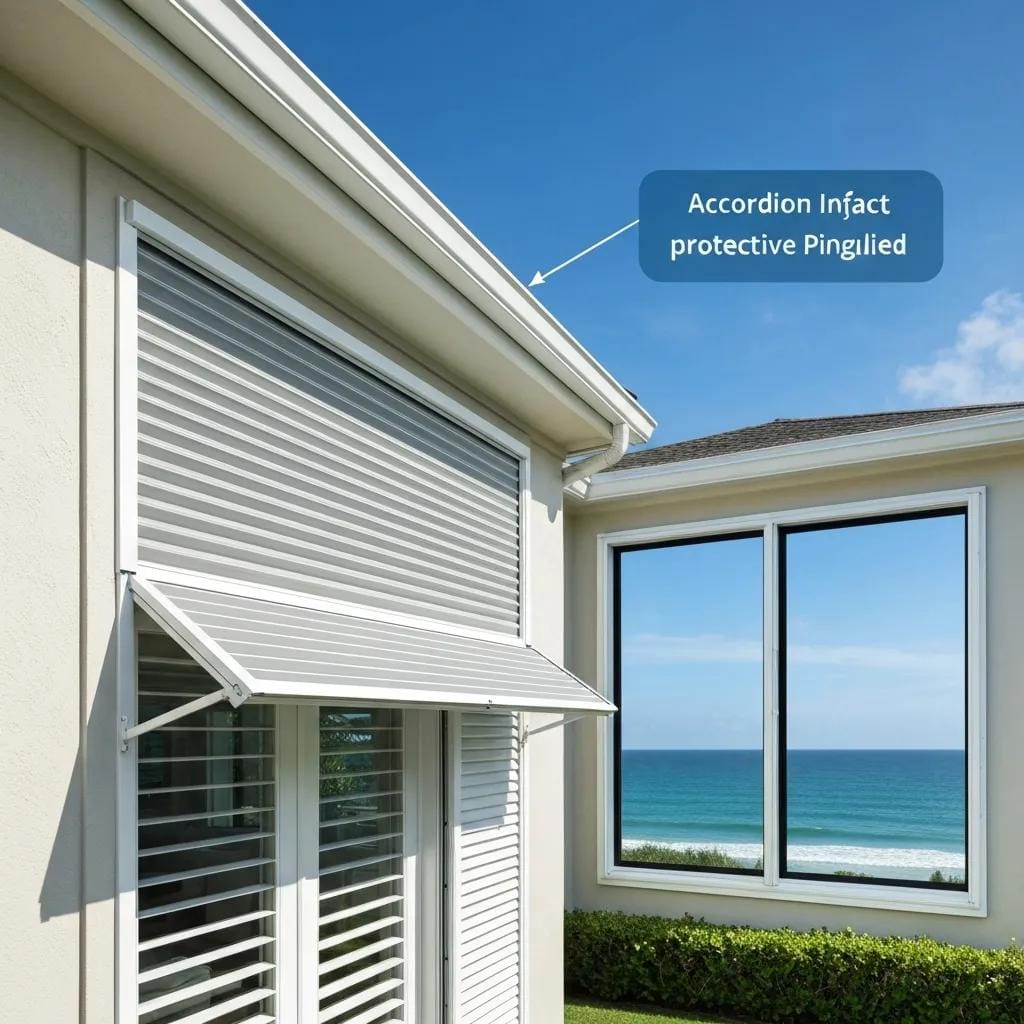
Accordion shutters are permanently mounted aluminum panels that fold along tracks to shield windows and doors during storms. When installed correctly, they spread wind and impact loads through the tracks and anchors, deploy quickly, and require little storage. The biggest cost drivers are material grade, corrosion-resistant hardware, motorization, and how complicated the openings are—each one raises manufacturing and labor costs. Knowing these drivers helps homeowners estimate per-square-foot pricing and decide whether shutters are the right, cost-effective choice for their home. The following section breaks down common materials, hardware, and feature choices that determine performance and price.
Most accordion shutters are made from corrosion-resistant aluminum with hardware selected for coastal conditions. Tracks, hinges, and locking pins are the parts you rely on for durability—and each one affects price. Motorized systems add convenience but increase the upfront bill because of motors, controls, and electrical work; manual systems reduce initial cost but need physical deployment. Specialty finishes, curved panels for bay windows, and complex anchoring on masonry or stucco also raise costs. Understanding how these elements combine leads naturally into a clearer look at per-square-foot pricing and the cost drivers homeowners should expect.
What Materials and Features Define Accordion Shutters?
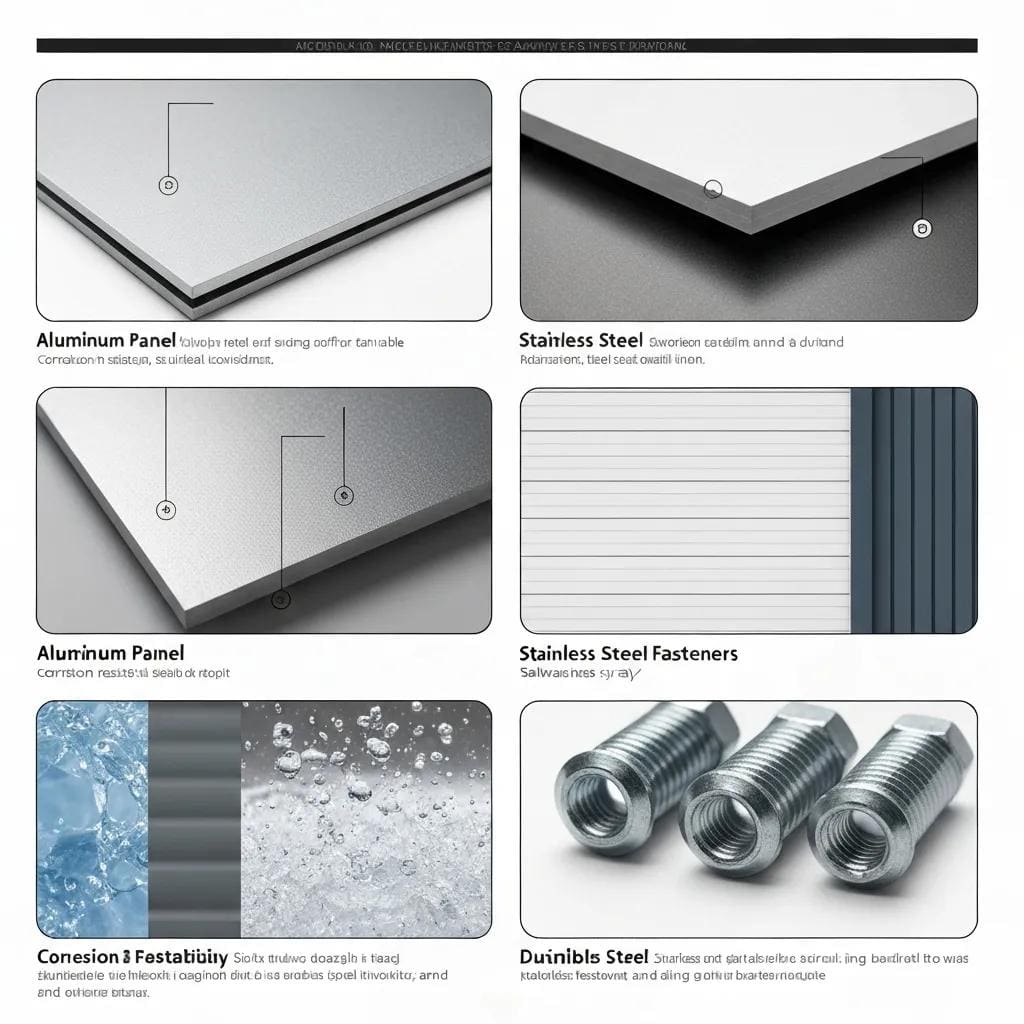
Accordion shutters commonly use extruded aluminum panels with stainless-steel or coated fasteners to resist salt air and corrosion. Choosing higher-grade aluminum or tougher finishes increases manufacturing cost but reduces long-term maintenance like repainting. Motorization adds electrical components, controls, and professional wiring—an added premium that can be worth it for large openings or frequent use. Custom sizes, specialty finishes, and screen or security integrations push prices higher too, especially for irregular or high-elevation installs. Thinking about these trade-offs—initial price versus ongoing resilience—sets up the per-square-foot cost breakdown that follows.
How Much Do Accordion Shutters Cost Per Square Foot and What Influences Pricing?
Estimate accordion-shutter pricing by factoring in opening size, finish, fastener type, motorization, and installation complexity. Straightforward, larger openings usually get a lower per-square-foot rate because fabrication and labor scale more efficiently than highly customized or multi-level work. Motorized units, premium anodized finishes, and the need for special brackets or anchors on older facades push the price up. Local permitting, site access, and any structural reinforcement required also increase labor hours and total cost. After you review these drivers, use a local cost calculator or request a free estimate to get pricing tailored to your specific openings.
This table shows how a few discrete choices add up to your final accordion‑shutter price, and it sets you up to compare these inputs with impact‑window costs in the next section.
When you’re ready for local, personalized numbers, American Hurricane Shutters offers free estimates and an online cost calculator tool to turn these ranges into an actionable budget for homes across coastal North and South Carolina.
What Are Impact Windows and How Do Their Costs Compare for Hurricane Protection?
Impact windows are laminated‑glass window systems built to withstand windborne debris and pressure swings, giving you always‑on protection without deployment. They pair laminated glass (usually with a PVB interlayer) with reinforced frames—vinyl, aluminum, or fiberglass—to deliver impact resistance and better thermal performance. Impact windows usually carry a higher upfront cost than deployable shutters because they replace the existing window, require glass fabrication, precise glazing, and sometimes frame adjustments. Their upside is continuous protection, improved energy efficiency, quieter interiors, and potential resale value—factors that matter in long‑term cost calculations. The next section explains materials and the ancillary benefits that make impact windows an investment to consider.
Impact units use laminated glass—two or more glass plies bonded with a PVB interlayer—so the pane stays intact even when struck. Frame choices (aluminum, vinyl, fiberglass) influence cost, weight, and insulation. Laminated glass also reduces noise and improves security by resisting forced entry compared with single‑pane glazing; double‑pane laminated units add energy savings through insulated cavities. These performance benefits can affect insurance discounts and home value, so factor them into your lifecycle cost analysis. The following subsection breaks down price ranges and the main factors that affect impact‑window quotes.
What Materials and Benefits Do Impact Windows Offer?
Impact windows use laminated glass with a PVB interlayer to keep glass intact after impact, improving occupant safety and reducing the chance of structural breach. Frame options—aluminum, vinyl, or fiberglass—affect upfront cost and thermal performance; insulated frames boost energy savings over time. Other benefits include noticeable noise reduction, passive storm protection without homeowner action, and potential boosts to resale value and insurance eligibility. Choosing higher‑spec glass (for example, double‑pane laminated units) increases the initial cost but typically yields stronger long‑term ROI through lower energy bills and fewer storm repairs. With those benefits in mind, homeowners can review the specific price drivers for impact‑window estimates.
How Much Do Impact Windows Cost and What Factors Affect Their Price?
Impact‑window pricing depends on window size and style, glass spec (single laminated vs. double‑pane laminated), frame material, and whether the job is a retrofit or new construction. Retrofits often cost more in labor because installers remove existing frames, adjust openings, and ensure watertight seals—steps that a material‑only quote won’t include. Large picture windows or specialty shapes require custom fabrication, which raises per‑unit costs compared with standard double‑hung or casement units. Energy‑saving coatings, insulated frames, and premium hardware raise upfront price but contribute to lifecycle savings. The table below summarizes typical impact‑window cost factors and their usual influence.
Use this table to compare the elements that determine impact‑window price with the factors that drive shutter costs in the previous section.
How Do Accordion Shutters and Impact Windows Compare in Upfront and Long-Term Costs?
In short: accordion shutters usually have a lower upfront cost per protected opening, while impact windows often produce greater long‑term savings through energy efficiency and lower maintenance. Shutters are typically priced by the square foot and avoid glazing replacement, so they’re often the cheaper route for whole‑home coverage. Impact windows replace glass and frames, which raises initial cost but can pay off over time through lower heating and cooling bills and fewer storm‑related repairs. The key long‑term factors are expected lifespan, maintenance needs, insurance discounts, and energy performance—areas where impact windows often close the gap on their higher upfront price. The sections below quantify typical upfront ranges, compare installation complexity, and outline lifecycle financial considerations so you get a practical ROI picture.
What Is the Average Upfront Investment for Accordion Shutters vs. Impact Windows?
Typical comparisons put accordion shutters at a lower starting point per square foot than impact windows for comparable openings—making shutters a budget‑friendly option when upfront cost is the priority. Impact windows generally cost more per opening because of glass fabrication and frame replacement, and custom window shapes widen that gap. The difference narrows with high‑end shutters (motorized, specialty finishes) and when impact windows include strong insulation and long service life. Consider your renovation timeline, how long you’ll keep the property, and whether you value passive, always‑on protection enough to pay a higher upfront price.
This table clarifies typical upfront spending and leads into how installation complexity affects labor and permit costs.
If installation credentials matter to you, American Hurricane Shutters installs engineered hurricane protection with corrosion‑resistant 18‑8 stainless‑steel fasteners; request a professional estimate to see how these standards influence your total cost.
How Do Installation Costs and Complexity Differ Between Accordion Shutters and Impact Windows?
Installation complexity accounts for a large portion of total price. Shutters mount to existing openings using anchors and tracks, so installation is usually quicker and less disruptive than full window replacement. Impact windows often require removing old frames, making structural adjustments, and carefully sealing to meet performance specs—tasks that take more time and specialized crews. Multi‑story work or poor access raises shutter labor costs, too. Because labor is a major invoice item, ask for itemized estimates that separate materials from labor so you can see where the costs are concentrated.
What Are the Long-Term Cost Considerations Including Maintenance and Insurance Savings?
Long‑term costs hinge on lifespan, maintenance frequency, and insurance impacts. Well‑kept accordion shutters need periodic lubrication and occasional repainting to resist coastal wear; impact windows usually require less routine upkeep beyond seal checks and occasional hardware service. Impact windows can deliver measurable energy savings that lower utility bills, and both solutions may qualify you for insurance discounts—an important factor along the coast. Insurance savings and fewer storm repairs can materially change lifecycle cost calculations, especially if you plan to stay in the home for many years. Run a lifecycle comparison that includes conservative estimates for insurance reductions and energy savings when weighing total cost of ownership.
Beyond Cost: How Do Protection, Aesthetics, and Convenience Influence Your Choice?
Price is only one part of the decision. Protection level, curb appeal, and everyday convenience also shape the right choice for your home. Protection covers wind and debris resistance plus security; aesthetics look at how shutters or impact glass affect your exterior lines and view; convenience includes deployment speed, storm‑time noise, and daily impacts on light and sightlines. These non‑financial factors often sway homeowners: some prefer the passive protection and preserved views of impact windows despite the higher cost, while others choose shutters for lower upfront spend and flexible, whole‑home coverage. The sections below compare technical protection metrics and lifestyle tradeoffs so you can match the product to your priorities.
How Do Accordion Shutters and Impact Windows Compare in Wind Resistance and Security?
Both options can meet building‑code performance requirements, but they perform differently in real‑world failure modes. Impact windows are a permanent barrier that resists debris impact and forced entry, while shutters provide a strong barrier when deployed but are not a permanent glazing replacement. Wind‑resistance is driven by systems engineered and installed to regional codes; correct installation is essential for predictable performance. Security also differs: impact glass is always present and deters opportunistic entry, whereas shutters can be locked but must be closed to work. These distinctions help you choose between passive protection and deployable barriers based on your risk tolerance.
What Are the Aesthetic and Convenience Differences Between Accordion Shutters and Impact Windows?
Impact windows keep your home’s lines and views because they replace existing glazing with resilient laminated glass. Accordion shutters remain visible on the exterior and can change curb appeal unless they’re carefully matched to the architecture. Convenience is another big difference: impact windows require no action during storms, while shutters need to be deployed—either manually or with a motorized system (which adds cost). Impact windows also reduce exterior noise and retain daylighting; shutters block light and views when closed and can darken interiors. Decide whether you value passive, always‑on protection and unobstructed views or prefer the cost flexibility and deployability of shutters.
What Should Coastal Carolina Homeowners Consider When Choosing Between Accordion Shutters and Impact Windows?
Coastal Carolina homeowners should use a short decision checklist that ties budget, property type, renovation timeline, and long‑term goals to product attributes. Important local factors include exposure to storm surge and wind‑driven debris, applicable building‑code requirements for loans or insurance, and how long you plan to keep the property. Matching those local realities to performance and cost helps you choose a solution that balances resilience and financial sense. The next section gives scenario‑based recommendations to translate these considerations into a clear choice for common homeowner profiles.
Homeowner scenarios that make the choice easier:
- Budget‑limited homeowner: Accordion shutters provide lower upfront cost and can protect the whole house quickly.
- Long‑term owner seeking energy savings: Impact windows are an investment that delivers passive protection and utility savings over time.
- Renovation project: Use impact windows on main elevations for aesthetics and efficiency, and shutters on secondary openings to control costs.
Which Budget and Home Factors Affect the Best Hurricane Protection Choice?
Your budget, how long you’ll own the home, the house’s architecture, and retrofit complexity should guide the decision. Short‑term owners or those who need fast, whole‑home coverage often favor accordion shutters for their lower initial cost and scalable installs. Homeowners planning to stay put and who want energy and noise benefits will often recoup impact‑window costs over time. Irregular window shapes, historic facades, or tight eaves can make one option more practical than the other; in many cases a hybrid approach is the best balance. Use these rules to evaluate quotes and performance data so you select the most cost‑effective, durable solution for your situation.
Why Choose American Hurricane Shutters for Accordion Shutters and Expert Installation?
American Hurricane Shutters offers free estimates, clear information on hurricane protection options, engineered installs using 18‑8 stainless‑steel fasteners, Florida Building Code awareness, and local service across coastal NC and SC—plus an online cost calculator to help you plan. Those points reflect our focus on transparent pricing and local compliance, helping homeowners understand both upfront cost and long‑term value. Request a free estimate or try the cost calculator to turn general ranges into precise, site‑specific budgets. If installation quality and code adherence matter to you, our local team will walk you through the options and pricing.
What Are the Most Common Questions About Accordion Shutters vs. Impact Windows Costs?
Below are concise answers to the questions homeowners ask most often. These short responses highlight whether shutters are cheaper, what each option typically costs, and the main tradeoffs—so you can take next steps like getting an estimate or running a cost calculation for your home.
Are Accordion Shutters More Budget-Friendly Than Impact Windows?
Generally, yes. Accordion shutters usually cost less upfront on a per‑square‑foot basis because they avoid glazing fabrication and frame replacement. The price gap narrows for motorized shutters and widens for high‑spec impact windows. If minimizing immediate outlay is your priority, shutters are often the cheaper route; if you want passive, always‑on protection and long‑term energy savings, impact windows are worth considering despite a higher upfront cost. Key deciding factors are your ownership timeline, need for continuous protection, and appetite for energy savings.
How Much Do Accordion Shutters and Impact Windows Typically Cost?
Accordion shutters typically start at a lower per‑square‑foot range than impact windows, which tend to be higher per opening because of glass and frame replacement. Exact numbers depend on size, materials, motorization, and retrofit complexity. Local conditions—site access, permitting, and code requirements in coastal North and South Carolina—also affect final bids. Use a cost calculator or request a free estimate to convert these general ranges into site‑specific figures for your home.
What Are the Benefits and Drawbacks of Accordion Shutters Compared to Impact Windows?
Quick comparison of the main pros and cons.
- Accordion Shutters — Benefits:Lower upfront cost for many standard openings.Fast installation and deployable protection.Scalable for whole‑home coverage on a budget.
- Accordion Shutters — Drawbacks:Visible on the exterior and can change curb appeal when closed.Require deployment unless motorized.Motorization adds significant cost.
- Impact Windows — Benefits:Passive, always‑on protection with energy efficiency gains.Improved noise reduction and potential resale uplift.Greater everyday security thanks to permanent laminated glass.
- Impact Windows — Drawbacks:Higher upfront cost per opening and more complex retrofits.Longer installation and possible interior trim work.Custom shapes or high‑performance glass increase expense.
- Next step: Measure windows and openings and prioritize which elevations need protection first.
- Estimate strategy: Request itemized quotes that separate materials and labor so you can see where costs concentrate.
- Local compliance: Confirm proposals reference the applicable building‑code standards for Coastal Carolina.
Frequently Asked Questions
1. What are the main differences in installation time between accordion shutters and impact windows?
Installation time differs: accordion shutters typically install faster since they mount to existing openings with anchors and tracks. Impact windows usually take longer because installers remove old frames, make any needed structural adjustments, and carefully seal the opening. If you need fast protection before storm season, factor installation time into your schedule.
2. How do insurance savings differ between accordion shutters and impact windows?
Insurance discounts vary. Impact windows often qualify for larger, more predictable insurance savings because they’re permanent and reduce risk year‑round. Accordion shutters can also earn discounts, but those savings are sometimes less consistent because shutters must be deployed to provide protection. Talk with your insurer to understand how each option affects your premiums.
3. Are there any aesthetic considerations when choosing between accordion shutters and impact windows?
Yes. Impact windows preserve the home’s lines and views since they replace the glazing, while accordion shutters are visible on the exterior and can change curb appeal when closed. Consider how each option fits your home’s style and whether you prioritize an unobstructed view or a visible, deployable barrier.
4. What maintenance requirements should homeowners expect for accordion shutters versus impact windows?
Accordion shutters need periodic lubrication and may require repainting to protect against coastal corrosion. Impact windows generally need less routine maintenance—mainly periodic seal inspections and occasional hardware service. If low maintenance matters, impact windows often have the edge.
5. How do energy efficiency benefits compare between accordion shutters and impact windows?
Impact windows typically provide stronger energy‑efficiency benefits thanks to insulated frames and laminated, double‑pane options that reduce heat transfer. Accordion shutters offer limited insulation when closed but don’t integrate with the building envelope the way impact windows do. For long‑term energy savings, impact windows are usually the better choice.
6. Can homeowners combine both accordion shutters and impact windows for optimal protection?
Absolutely. Many homeowners use impact windows on primary elevations for continuous protection and aesthetics, while installing accordion shutters on secondary openings to control costs. This hybrid approach balances upfront expense with protection and curb appeal.
7. What local factors should homeowners consider when choosing between these options in Coastal Carolina?
Local factors include applicable building codes, exposure to storm surge and wind‑driven debris, your property’s architectural style, and how long you plan to own the home. Also consider local permitting, insurance requirements, and the availability of qualified installers. These local details often tip the balance between shutters, impact windows, or a mixed approach.
Conclusion
Choosing between accordion shutters and impact windows means balancing upfront cost against long‑term benefits like energy savings and lower maintenance. Both options deliver essential hurricane protection, but each fits different priorities and budgets. Understand the tradeoffs, get itemized quotes, and use our online cost calculator or request a free estimate to get site‑specific pricing. When you’re ready, our local team can help you pick the solution that makes the most sense for your Coastal Carolina home.