
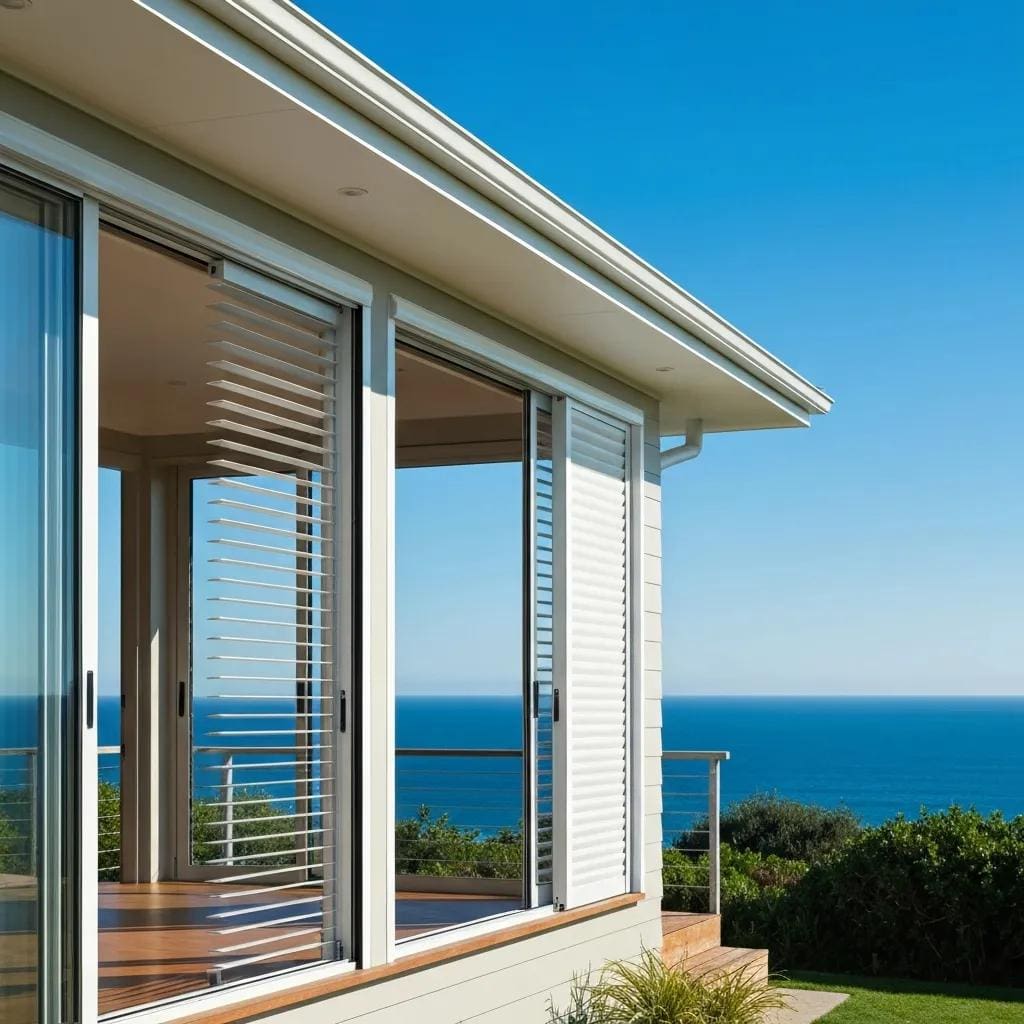
DIY Accordion Shutters Installation Tips for Homeowners: Step-by-Step Guide to Secure Your Coastal Home
Installing accordion shutters yourself is a practical way for coastal homeowners to get durable, code-aware storm protection while keeping material and labor costs down. This guide walks you through preparation, precise measuring, step-by-step installation, safety and code notes for North and South Carolina shorelines, plus ongoing maintenance and troubleshooting to keep your shutters working year after year. Accordion shutters use hinged aluminum panels that run in top and bottom tracks to form a continuous barrier against wind-driven debris. When installed correctly they improve safety and can help protect insurance savings. Inside you’ll find checklists for tools and measurements, numbered installation steps for tracks, panels and locks, local code guidance, a DIY vs. professional comparison, and a maintenance plan to extend shutter life. Read on for targeted, practical tips that emphasize accurate measurement, secure anchoring, and when it’s smart to call a pro so your coastal North or South Carolina home stays protected.
DIY Accordion Shutters for Coastal Home Storm Protection
Permanently installed shutters are required by the homeowner when hurricane warnings are issued. Accordion shutters are a type of hurricane protection with hinged aluminum panels that ride on top and bottom tracks to form a continuous barrier against wind-driven debris, and when installed correctly they enhance property safety and can help reduce insurance premiums.
Coastal Homes: Critical Design and Construction Issues, TP McAllister, 2002
How Do I Prepare for DIY Accordion Shutter Installation?
Preparation starts with confirming opening dimensions, checking the condition of window and door frames, and matching anchor types to your siding or masonry—these steps cut down on rework and make the system weather-resistant. Know the main components (top track, bottom track, panels and locking hardware) so you can plan anchor spacing and fastener lengths before you begin. Good prep also includes a safety plan for ladders and two-person lifts and a clear materials checklist so the job flows from mounting to final operation testing. The sections below list the tools you’ll need and explain how to measure precisely so panels and tracks fit without binding.
What Tools and Materials Are Needed for Accordion Shutter Installation?
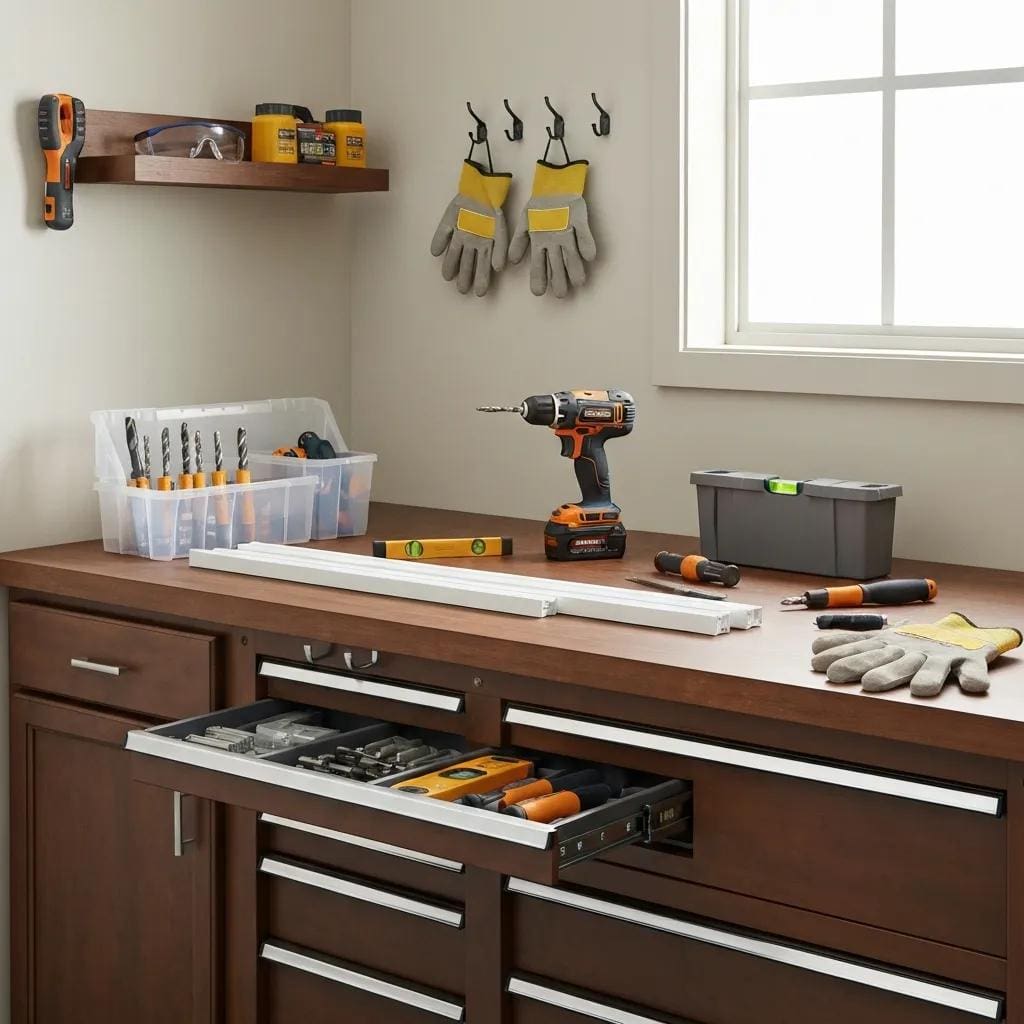
Gathering the right tools and supplies before you start helps you work safely and efficiently. A high-torque drill with masonry and metal bits makes the holes for anchors and self-tapping fasteners, while a reliable level and shims let you align tracks precisely—both affect long-term performance. Safety gear (gloves, eye protection, a stable ladder) keeps you and helpers protected during panel handling and overhead work. Below are the core items and why each matters to simplify shopping and staging.
- A high-torque cordless drill with 1/4″ to 3/8″ bits: for pilot holes and driving screws.
- Hammer drill and masonry bits (for concrete or brick): to set expansion anchors and through-bolts.
- 4-foot level, shims, and a tape measure: to make sure top and bottom tracks are plumb and parallel.
- Safety gear (work gloves, safety glasses, ladder stabilizer): to reduce injury risk during lifts and drilling.
Collecting these tools up front removes delays and reduces the chance of choosing the wrong fasteners during anchoring. Using the right equipment helps anchors seat properly and keeps tracks aligned during panel installation—next, we cover the accurate measurement steps that follow from good tool selection.
The table below links each supply to its primary purpose and a recommended specification so you can match equipment to local coastal conditions.
How Do I Measure Correctly for Accordion Shutters?
Accurate measurement prevents fit problems and ensures the top and bottom tracks install plumb and parallel—critical for smooth panel operation. Measure opening width at three heights (top, middle, bottom) and record the smallest inside‑to‑inside dimension to avoid binding from out‑of‑square frames. Measure opening height at two or more points (left and right) and note sill or threshold obstructions that affect track placement. Finally, apply the manufacturer’s recommended clearances for track housing and panel overlap before ordering or cutting panels; confirming these allowances ahead of time saves returns and delays. These measurements feed directly into track alignment and anchor placement during mounting.
What Are the Step-by-Step Accordion Hurricane Shutter Installation Steps?
Follow this order: mount and level the top track, secure the bottom track, insert and align the first panel, add the remaining panels, then install locks and seals to stop water intrusion and rattling. Each step depends on correct anchor selection and torque, and you should verify that tracks remain parallel under load—attention here determines whether the system folds smoothly and withstands storm forces. The sections below break these phases into practical actions you can follow at home, including anchor spacing, panel engagement, and sealing techniques for long‑term performance.
How Do I Mount the Top and Bottom Tracks for Accordion Shutters?
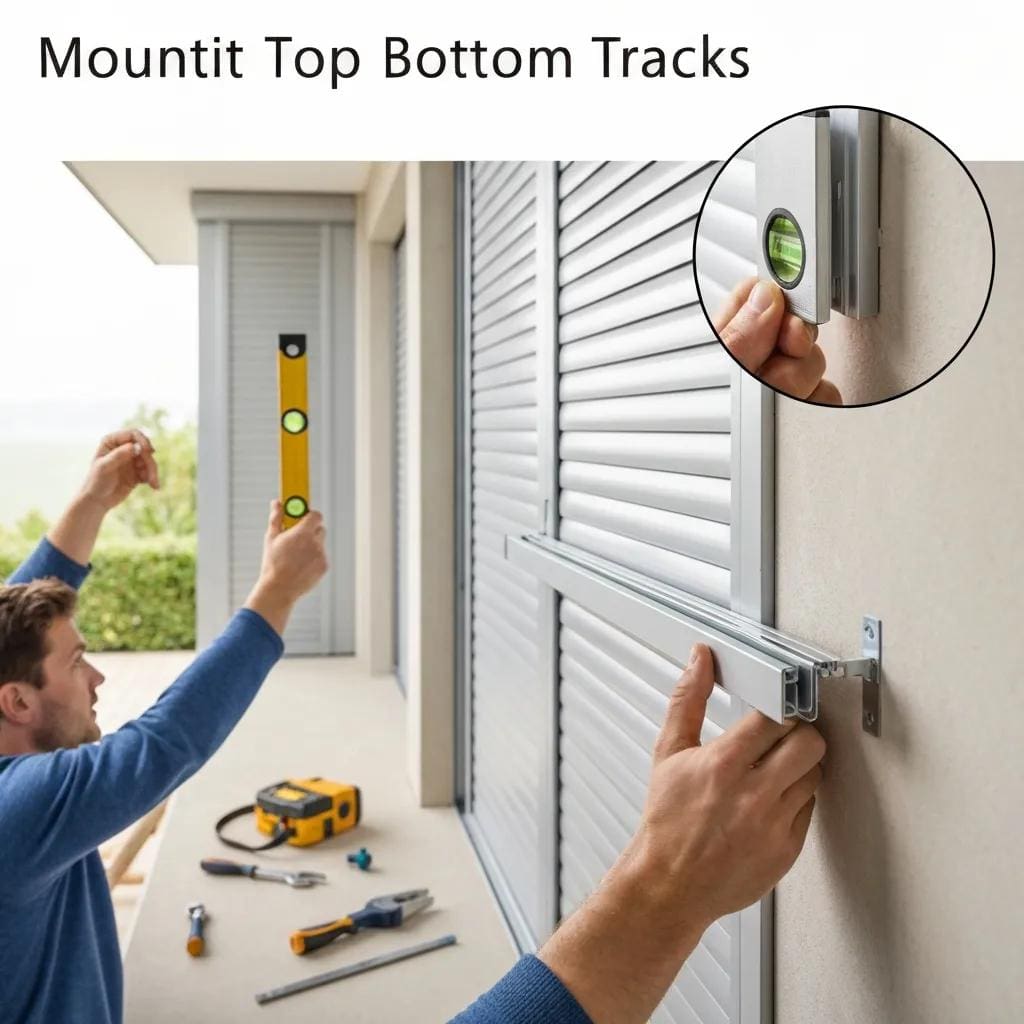
Start by marking the top track line with a plumb line or laser and confirm level across the full span—the top track is your vertical reference, so accuracy is essential. Pick anchors for the substrate—expansion anchors for masonry, stainless self‑tapping screws into structural wood or blocking—and space anchors per the manufacturer’s guidance to spread wind loads. Use shims to correct minor out‑of‑square conditions and tighten fasteners incrementally in a staggered pattern to avoid track distortion; torque values vary by anchor but make sure anchors are seated firmly without crushing trim. If the sill or threshold is uneven, pack beneath the bottom track with non‑compressible shims and seal the joint to keep water out. Correct track mounting ensures panels will align and operate reliably; next is attaching the panels.
Testing Hurricane Shutters: Construction and Attachment Methods
The development of a testing facility for storm shutter panels and methods of construction and attachment as recommended by the manufacturer.
Performance of hurricane shutters under impact by roof tiles, KR Gurley, 2010
How Do I Attach Accordion Shutter Panels Securely?
Fit the first panel into the hinge point carefully so it engages the top track rollers or lip and sits flush in the bottom channel—this initial alignment sets the travel path for all other panels. Check that folding and unfolding are smooth and watch for rubbing or binding at hinges; small tweaks to track or panel spacing usually fix these without re‑drilling. Secure any panel‑to‑frame brackets per the spec, but don’t over‑tighten fasteners (this can warp panels or restrict movement). Maintain consistent panel spacing to avoid wind noise. Finish with an operational test—fold and lock panels under several alignment conditions to confirm everything is secure before installing locks and seals.
Corrugated Metal Panels for Storm Shutters: Construction and Attachment
The development of a testing facility for storm shutter panels and methods of construction and attachment as recommended by the manufacturer.
Behavior of corrugated metal panels for use as storm shutters, 2009
How Do I Install Locking Mechanisms and Seal the Shutters?
Choose locks that are easy to reach and fit squarely to prevent binding; properly installed locks secure panels against wind uplift and give a clear closure routine. Weathersealing at vertical seams and sill transitions keeps water out and reduces rattle—use exterior‑grade sealants compatible with aluminum and masonry, apply beads sparingly, and tool them smooth for a clean look. Torque lock fasteners to the manufacturer’s specs and cycle each lock several times to confirm engagement and ease of use. After installing locks and seals, run a full‑function test and recheck anchors for proper seating to finish the installation.
How Can I Ensure Safety and Compliance During Installation?
Safety and code compliance go together on coastal installs: PPE and safe lifting protect people, while keeping product certifications and installation records supports building‑code and insurance requirements. Accordion shutters are engineered hurricane protection that, when specified and installed per instructions, can meet or exceed Florida Building Code standards and other coastal requirements. Request manufacturer test documentation and keep installation records for inspections or insurance. The following sections cover essential PPE, safe handling and ladder tips, and how to verify certification and permit needs for sites in North and South Carolina.
What Safety Precautions Should Homeowners Take When Installing Shutters?
Use personal protective equipment—gloves, safety glasses and hearing protection—when drilling or handling metal panels, and always use two‑person lifts for larger panels to control weight and balance. Practice secure ladder setup with a stabilizer and level footing, and avoid work during high winds or wet conditions that make falls more likely and handling more dangerous. Have a second person spot when working above ground and keep a clear zone below to protect people and landscaping from falling tools or debris. Following these rules helps the job proceed safely and prevents weather‑ or injury‑related delays—this ties directly into code and insurance concerns described below.
How Do Accordion Shutters Meet Coastal Building Codes in NC and SC?
Accordion shutters are an accepted form of storm protection and often meet the impact and performance standards required in coastal areas; many products are tested to Florida Building Code levels and come with documentation showing impact resistance and design pressures. Always request manufacturer certifications and installation instructions that match local permit rules, and confirm whether your jurisdiction requires engineered drawings or third‑party inspection. Coastal requirements can vary between North and South Carolina municipalities, so keep product paperwork and installation records handy for permit reviews and insurance verification. Following the manufacturer’s instructions and keeping documentation ensures both safety and compliance—if anything is unclear, get a professional assessment.
What Are the Benefits of Installing Accordion Shutters Yourself?
DIY installation offers real benefits: lower out‑of‑pocket cost by saving labor, tighter control over how anchors and seals are set, and the satisfaction of installing storm protection that can greatly reduce wind and debris damage when done right. Accordion shutters deliver impact resistance through continuous panels anchored into the structure, and proper installation preserves the engineered performance that reduces damage risk during hurricanes and tropical storms. Documenting a compliant installation may also help when discussing insurance premiums with your carrier—properly installed permanent shutters are often recognized in mitigation programs. The table and brief comparison below cover protection, cost, lifespan and insurance impacts for DIY versus professional installation to help you choose the best path.
This comparison shows well‑planned DIY work can match professional performance, but homeowners must be disciplined about anchors, precise measurements and documentation. Consider whether you want full control or prefer the reassurance of certified installation.
For homeowners who want parts, product options, or installation help, American Hurricane Shutters serves coastal North and South Carolina communities including Wilmington, Myrtle Beach, Oak Island, Topsail, New Bern, and Pawleys Island. We specialize in accordion shutters built for durability, ease of use and code compliance, and we offer free estimates and a cost calculator to help you budget for DIY purchases or professional installation. If you need product selections, parts supply, or help confirming code compliance, American Hurricane Shutters can provide tailored estimates and guidance for local coastal conditions.
How Do Accordion Shutters Protect Your Home from Storms and Debris?
Accordion shutters protect glass and openings by forming a continuous metal barrier anchored into the structure, preventing penetration from windborne debris and reducing pressure changes on the building envelope. The system transfers loads into the top and bottom tracks and into the anchors, so correct anchor spacing and substrate selection determine how well storm loads move into the structure. Impact resistance depends on panel gauge, hinge strength and anchor integrity—using recommended fasteners and torque values preserves the shutters’ engineered performance. Proper seals and lock installation also reduce water intrusion and wind rattle, completing the protection system.
Can DIY Installation Save Money and Lower Insurance Premiums?
DIY installation can save on labor costs if you have the right tools and understand substrate anchoring; buying materials only often costs less per opening than full turnkey labor. Insurance premium impacts vary by carrier, but documented, compliant installations that meet recognized code standards increase the chance of mitigation credits or discounts—keep manufacturer certifications and installation photos to support claims. Factor in professional warranties and potential rework costs: if a DIY job needs correction, repair expenses can reduce initial savings. If you want a middle ground, get a free estimate and use the cost calculator to compare material‑only vs. full‑service options and forecast long‑term value.
How Do I Maintain and Troubleshoot Accordion Shutters After Installation?
Routine maintenance keeps shutters functioning and preserves impact performance by preventing corrosion, lubricating moving parts, and ensuring anchors stay tight. A quarterly and annual inspection schedule catches wear points before they fail. Troubleshooting targets symptoms—binding, loose anchors, noisy operation—and traces them to likely causes like misaligned tracks, missing shims, or corroded fasteners; simple fixes often restore function, but know when to call a pro. The table below lists common issues, likely causes, and quick fixes or when to escalate so you can triage maintenance efficiently.
What Routine Maintenance Tips Keep Accordion Shutters Durable?
Set a maintenance schedule: inspect anchors and fasteners quarterly, lubricate moving parts annually, and rinse panels and tracks after coastal storms or heavy salt exposure to prevent corrosion. Use non‑abrasive cleaners and fresh water to remove salt residue, and apply a light lubricant made for exterior aluminum hinges and rollers to keep travel smooth without trapping grit. Check seals and weatherstrips for gaps and reapply exterior‑grade sealant where joints show cracking to stop water intrusion and noise. Keeping a maintenance log with dates, observations and replaced fasteners supports warranties and insurance documentation and speeds future troubleshooting.
How Do I Troubleshoot Common Accordion Shutter Issues?
If panels bind, first clear debris from the tracks, then verify the top and bottom tracks remain parallel and re‑shim if necessary—these fixes solve most problems. For loose anchors, tighten to the recommended torque and swap corroded anchors for stainless replacements; if the substrate shows spalling or structural damage, stop and call a professional to avoid unsafe load paths. Locks that won’t engage usually need strike realignment or worn hardware replacement; if several locks fail, suspect panel warp or poor anchoring and request an expert inspection. Work methodically—inspect, identify cause, apply a fix, and document—to keep repairs efficient and prevent repeat issues.
When Should I Consider Professional Installation Instead of DIY?
Hire a pro when you find compromised or rotted framing, very large openings or multi‑story installs, permit or code requirements that need engineered drawings, or when insurer documentation must be certified by a licensed installer. Professionals bring specialized equipment and experience that speed complex installs, reduce structural risk, and provide warranty‑backed workmanship that simplifies insurance verification. If your project needs structural remediation, difficult access, or a documented compliance path, scheduling a professional is the safer choice. The sections below list clear red flags that mean call an expert and explain how to request a free estimate or book installation.
What Installation Challenges Require Expert Assistance?
Call a professional if you see structural problems like deteriorated window framing, openings larger than typical residential sizes, or work at height without safe staging—these issues raise safety and load‑transfer concerns beyond normal DIY scope. Permit‑triggering work (engineered uplift calculations or sealed drawings required by the local authority) also calls for a pro who can provide necessary documentation and manage inspections. Complex substrates—thick stucco over masonry or multi‑layer cladding where anchor selection is tricky—benefit from professional evaluation to ensure long‑term anchor performance. Spotting these red flags early avoids unsafe installs and often saves time and money compared with fixing a failed DIY attempt.
How Can I Schedule Professional Installation or Get a Free Estimate?
To get professional help, gather accurate measurements, describe the substrate, and take photos of the openings to share with contractors so estimates are consistent and accurate; this speeds quoting and cuts down on surprises. American Hurricane Shutters offers free estimates and a cost calculator to help homeowners compare materials‑only purchases with full professional installation; providing measurements and noting special conditions (trim, sill type, existing damage) produces quicker, more accurate quotes. Expect a pro visit to check attachment points, verify substrate condition, and discuss permit needs if required; clear documentation from the company supports insurance conversations and provides a compliance record. Use your measurements and photos to request an estimate, and pick a provider that supplies product certification and installation documentation to meet local code and insurer requirements.
Frequently Asked Questions
What are the key differences between DIY and professional installation of accordion shutters?
DIY installation saves on labor and gives you direct control over the work, but it requires the right tools and an understanding of anchoring and alignment. Professional installation adds a warranty, faster turnaround in complex situations, and assurance of code compliance. Pros handle tricky conditions more safely and often document the install for insurance—so weigh cost savings against the value of certification and peace of mind.
How do I know if my home is suitable for accordion shutters?
Check that window and door frames are sound and free of rot, and that openings are reasonably square. Look at the surrounding wall condition and substrate type to determine anchor options. If you live in a high‑risk coastal area, accordion shutters are an effective protection method; when in doubt, have a professional evaluate framing and substrate before ordering panels.
What maintenance is required for accordion shutters after installation?
Regular maintenance keeps shutters reliable: inspect anchors quarterly, lubricate moving parts annually, and clean panels and tracks after storms or heavy salt exposure. Watch for loose fasteners, corrosion, and misalignment. A maintenance log with dates and any repairs helps support warranties and insurance claims.
Can I install accordion shutters on non-standard window sizes?
Yes — most manufacturers offer custom sizes to fit non‑standard openings. Provide accurate measurements and consult the manufacturer or an installer to ensure proper fit and operation. Custom work may cost more, but it delivers the same protection and appearance as standard units.
What should I do if I encounter issues with my accordion shutters?
Start with a basic inspection: clear debris from tracks, tighten loose anchors, and realign misbehaving locks. Many issues are simple fixes, but if you see structural problems or repeated failures, call a professional. Keep a record of problems and repairs to help with troubleshooting and warranty claims.
Are there any specific building codes I need to be aware of for accordion shutters?
Yes — codes vary by locality, especially in coastal zones where storm protection is mandatory. In North and South Carolina, check local requirements for impact resistance and installation standards. Always request manufacturer certifications and installation instructions that match permit rules, and consult your local building office or a licensed installer if you’re unsure.
Conclusion
Installing accordion shutters yourself can save money and give you reliable, long‑term storm protection when the work is planned and executed carefully. Follow the measurement, anchoring, safety and maintenance guidance in this guide to achieve a durable, professional‑quality result. If you prefer expert help or want product options, American Hurricane Shutters offers resources, free estimates and a cost calculator to guide your decision. Protecting your coastal home starts with the right plan—let us help you make it simple and secure.