
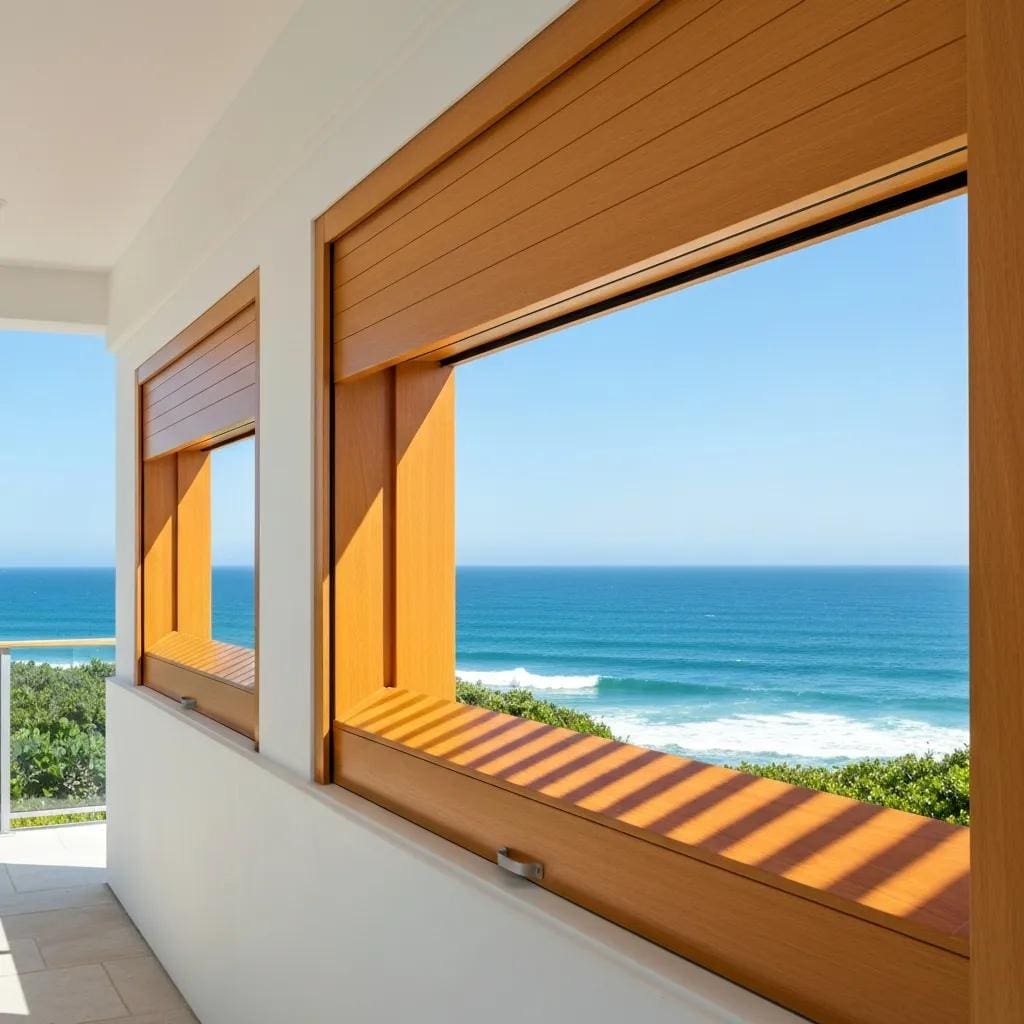
How to Choose the Best Roll Down Shutters for Your Home: Complete Buying Guide for Coastal Carolina Homeowners
Roll down shutters are a retractable exterior storm-protection system made of interlocking slats that sit in a roller box and glide down guide rails to cover windows and doors. They form a continuous barrier that helps resist wind pressure and flying debris, improves home security, and reduces heat transfer — giving coastal homeowners vital storm protection and everyday energy and noise benefits. Coastal Carolina properties face frequent tropical storms, wind-driven debris, and salt-air corrosion, and those conditions affect material and installation choices. This guide walks you through components, materials, operation types, protection standards, energy and acoustic benefits, cost drivers, and maintenance so you can decide with confidence. If you live near Wilmington, Morehead City, Myrtle Beach or nearby towns, American Hurricane Shutters offers local consultations and free estimates to match the right roll down shutter system to your property. Keep reading for clear comparisons of aluminum, steel, and polycarbonate, motorized versus manual operation, impact- and code-considerations, installation expectations, and an FAQ to answer common buying questions.
What Are Roll Down Shutters and Why Are They Essential for Your Home?
Roll down shutters are a roller-shutter system that covers windows and doors with interlocking slats that roll into a housing box at the top of the opening. They provide storm protection, added security, and thermal advantages. The curtain slides inside guide rails and locks at the sill or with end locks to form a rigid barrier that resists wind loads and debris during coastal storms. Homeowners pick roll down shutters for three practical reasons: to protect glass from impact, deter intruders with a strong physical barrier, and improve energy efficiency by cutting solar heat gain. Knowing the parts and real-world benefits will help you prioritize what matters most for your home — the next section explains the mechanical components so you can compare quality and durability between products.
What Are Roll Down Shutters and How Do They Work?
A roll down shutter system includes a housing box (roller box), interlocking slats, guide rails, end locks, and either a manual crank or an electric motor with optional battery backup. These parts work together to store and deploy the curtain smoothly. When lowered, the slats lock into the guides and transfer wind loads back to the building through the anchors, so the anchoring method and fastener quality directly affect performance in high winds. Motorized systems use a tubular motor inside the roller tube for remote operation, while manual systems use a hand crank or strap; both can include anti-lift devices and keyed locks for extra security. Understanding the housing, slats, guides, motor, and backup options makes it easier to compare specs and installation practices when reviewing vendors or quotes.
What Are the Key Benefits of Roll Down Shutters for Security and Storm Protection?
Roll down shutters provide impact protection, burglary deterrence, insulation, and noise reduction by combining weight, locking hardware, and a continuous sealed barrier over openings. Impact protection comes from slat thickness and profile absorbing or deflecting debris strikes, while anti-lift features and reinforced guides increase resistance to forced entry — giving security benefits beyond storm season. Insulation and noise reduction come from the slat assembly and the air gap between shutter and window, which can lower HVAC runtime and soften exterior noise. Fewer broken windows after storms, quieter interiors, and more consistent indoor temperatures make roll down shutters a practical investment for coastal homes dealing with both weather and safety concerns.
Which Materials Are Best for Roll Down Shutters? Aluminum, Steel, or Polycarbonate?
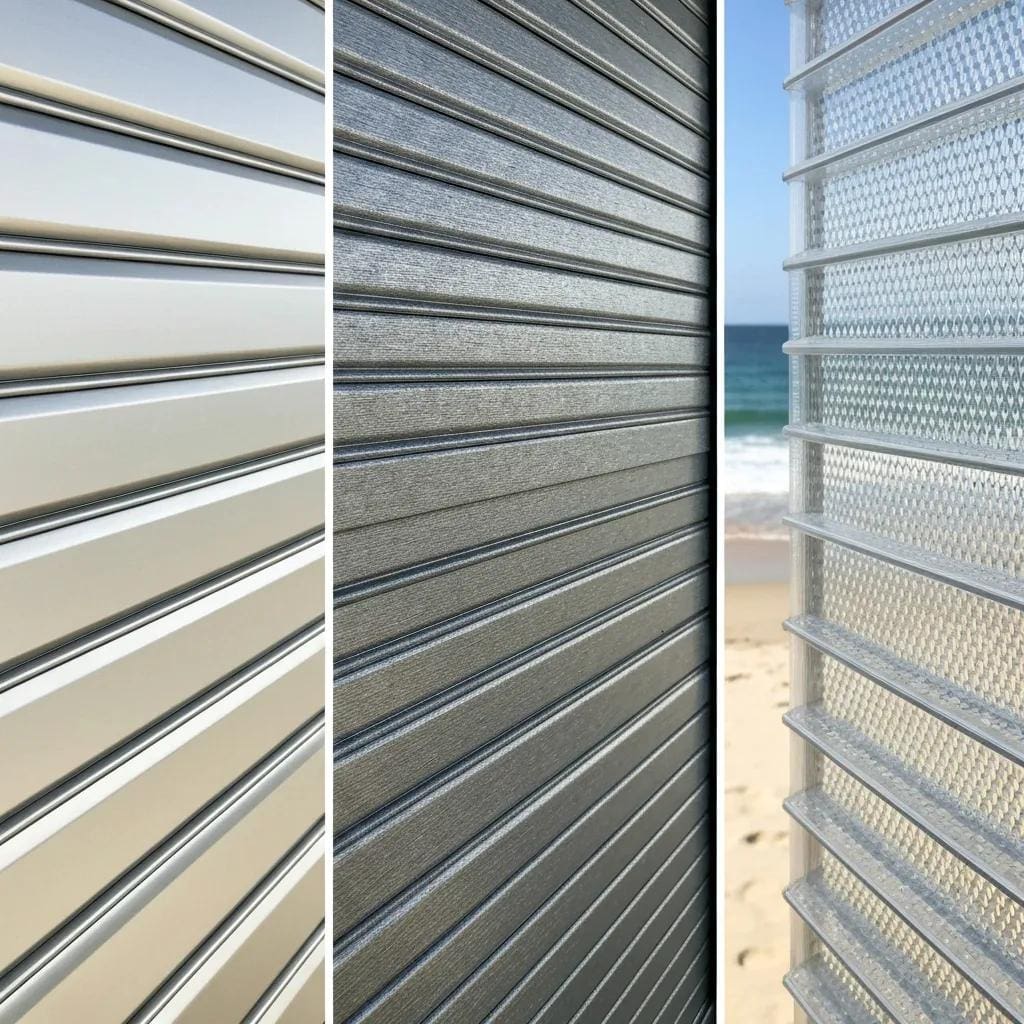
Picking the right material is a balance of durability, corrosion resistance in salt air, weight, security, and cost. Coastal conditions generally favor materials that resist corrosion and keep their structural strength over time. Aluminum is commonly recommended for coastal homes because it resists corrosion, is lighter for easier manual operation, and strikes a good balance of strength and price. Steel gives the highest security and impact resistance but needs corrosion mitigation near the ocean. Polycarbonate lets light through and resists shattering but offers lower security than metal options. The table below compares these materials across key attributes so you can match material choice to priorities like coastal durability, security, and budget.
Materials behave differently in seaside conditions — review the table to identify the best fit for your home’s exposure and use.
This comparison shows aluminum is usually the best compromise for most coastal homeowners, steel is chosen when maximum security is required, and polycarbonate fits where light and visibility are priorities while still offering debris resistance.
What Are the Advantages and Disadvantages of Aluminum Roll Down Shutters?
Aluminum shutters are popular because they offer good corrosion resistance, are relatively lightweight, and perform well against wind when engineered correctly — making them a strong choice for coastal North and South Carolina. Their weight makes manual operation easier and reduces strain on motors when motorized; modern powder coats or anodized finishes help them resist salt-air corrosion. Trade-offs include slightly less brute-force impact resistance compared with heavy-gauge steel and the potential for cosmetic dents under extreme impact. Still, correct design-pressure engineering and proper anchoring address many of those concerns. For most residential coastal installs, aluminum balances protection, longevity, and cost in a way that fits common homeowner needs.
How Do Steel and Polycarbonate Shutters Compare in Durability and Security?
Steel shutters deliver the best security and impact resistance thanks to heavier gauge material and stiffness, which helps against forced entry and large debris strikes — but they’re heavier and require corrosion control near the ocean. Polycarbonate shutters are lightweight, let light in, and resist shattering; they’re ideal where daylighting matters and where you want debris protection without complete visual blockage. Use cases vary: steel suits commercial or high-security residential needs, aluminum works for most coastal homes, and polycarbonate makes sense for openings where maintaining light is important. Your priority — security, coastal longevity, or visibility — should guide the choice.
How Do Operation Types Affect Your Choice? Manual, Motorized, or Smart Home Integration?
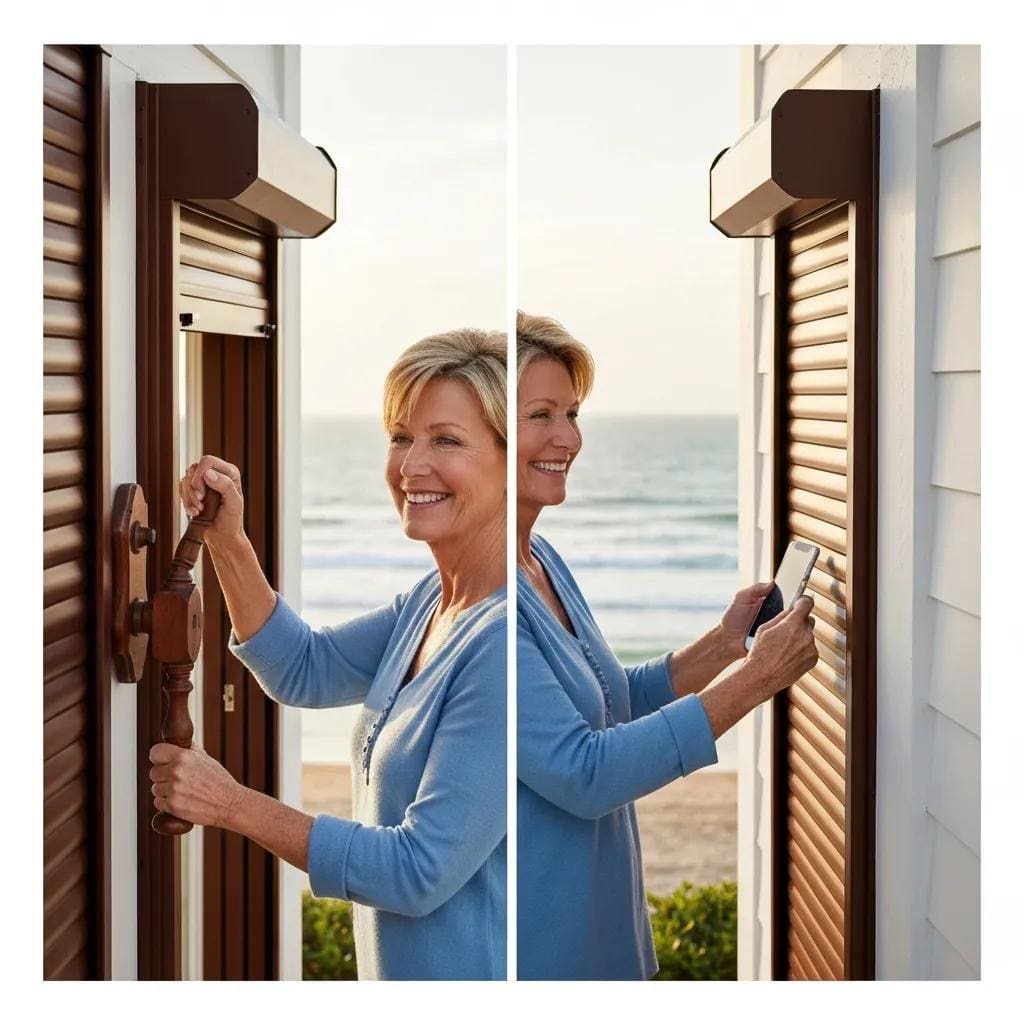
Operation type affects convenience, power needs, maintenance, and cost. Think about household size, how many openings you need to protect, and whether grid power is reliable during storms. Manual shutters cost less up front and are simpler to maintain but can be hard to operate across many or large openings. Motorized systems give fast, remote deployment and group control but need power and periodic motor service. Smart-home integration adds automation, scheduling, and weather-triggered deployment — great for absentee homeowners — but must include reliable backups for outages. The sections below compare manual and motorized options and explain how smart features can help while noting the need for backup power and manual overrides.
What Are the Benefits of Manual vs. Motorized Roll Down Shutters?
Manual shutters have a lower initial cost, fewer electronic parts to fail, and are a straightforward solution for a handful of small openings — a practical pick for budget-conscious homeowners. Motorized systems add convenience with remote control, grouping, and quick deployment, which matters when you have many windows or large doors. They do rely on electricity and need occasional motor maintenance, so battery backup or a manual override is important in storm-prone areas to ensure deployment if grid power goes out. Balancing installation cost, everyday convenience, and contingency planning will help you choose the right operation type for your home.
(Below is an overview table summarizing trade-offs between operation styles and typical maintenance or power needs.)
This table shows manual systems are simple and economical, motorized systems improve speed and convenience but need power planning, and smart integration adds automation while increasing backup and cybersecurity considerations.
How Does Smart Home Integration Enhance Roll Down Shutter Functionality?
Smart integration lets shutters be scheduled, grouped, and triggered by weather alerts or sensors so they can deploy automatically when wind thresholds or storm warnings occur — valuable for people who travel or want hands-free protection. Voice control and home automation platforms add daily convenience, and coordinating shutters with lighting or HVAC can improve energy use. Because these systems depend on network connectivity and power, secure setups and battery backups are essential, and you should always plan for a manual override. When done right, smart features reduce human error and speed responses to sudden weather events while requiring attention to reliability and security.
What Protection Levels Should You Look for in Roll Down Shutters?
Protection depends on impact resistance testing, wind-load (design pressure) values, and security hardware. Ask for documented testing and engineered installation to make sure systems will perform in coastal storms. Look for products tested to recognized impact standards and installations supported by a site-specific Design Pressure Analysis that matches local wind-load requirements — that’s how product specs become real-world protection. Security hardware like reinforced guide rails, anti-lift devices, keyed locks, and appropriate slat thickness also affects resistance to forced entry and debris. The next sections explain how to verify code compliance and which ratings and features matter most when you compare systems.
How Do Roll Down Shutters Meet Florida Building Code and Miami-Dade HVHZ Standards?
Florida Building Code and Miami-Dade HVHZ standards are jurisdiction-specific, but their testing and certification models set clear benchmarks for impact resistance and wind-load performance. For coastal Carolina use, ask manufacturers and installers for equivalent test reports or certification evidence. Request product test reports, certification letters, and a site-specific Design Pressure Analysis so you can confirm whether a product and installation meet your location’s wind-load and impact expectations. Local installers who provide engineered installation plans and paperwork can translate those standards into on-site decisions, ensuring anchors and fasteners are sized to handle calculated loads. Verifying these documents before you buy reduces risk and helps ensure compliance with permitting requirements.
What Security Features and Impact Resistance Ratings Matter Most?
Important features include slat profile and thickness, end locks, reinforced guide rails, anti-lift mechanisms, and tested impact ratings that show how well a product withstands debris strikes and forced-entry attempts. Impact-rating acronyms and test methods describe the size and energy of objects used in tests; higher ratings generally mean better protection from wind-borne debris. For coastal homes, prioritize tested impact resistance and engineered anchoring, and consider extras like keyed locks and reinforced guides to improve day-to-day security. Evaluate both product hardware and the installation details to get a clear picture of real-world performance.
How Do Energy Efficiency and Noise Reduction Influence Your Roll Down Shutter Choice?
Roll down shutters affect thermal comfort and acoustic performance by adding mass, creating an insulating air gap, and blocking direct solar gain — all of which can lower HVAC runtime and make indoor spaces quieter. Insulation benefits come from reflective finishes, slat design, and sealed guide interfaces that reduce convection and radiation through windows. Noise reduction depends on shutter mass, seals, and how tightly the shutter fits the opening; heavier slats and good seals deliver better dB attenuation for busy streets or windy coastal conditions. The sections below explain how shutters help with insulation and what to expect for noise reduction.
How Do Roll Down Shutters Improve Home Insulation and Lower Energy Bills?
Shutters improve insulation by creating a barrier that reduces conductive and radiative heat transfer through glazing and by forming an enclosed air space that slows convective heat movement — especially helpful on west- and south-facing windows. In practice, homeowners often see smaller peak cooling loads in summer and steadier indoor temperatures, which can translate to seasonal energy savings depending on climate, window area, and HVAC efficiency. Savings vary by home, but choosing shutters with reflective coatings and tight seals maximizes thermal benefit. Weigh energy performance alongside storm protection to understand the overall return on investment.
Can Roll Down Shutters Reduce External Noise Effectively?
Yes — shutters can reduce external noise by adding mass and creating sealed boundaries that interrupt sound paths. Effectiveness depends on slat construction, guide seals, and overall airtightness. Typical systems noticeably reduce street noise, wind-driven sand and rain sounds, and moderate outdoor activity; extreme noise sources may need upgraded glazing or additional insulation for larger dB reductions. For coastal homes near busy roads or active beach areas, combining shutters with upgraded windows or secondary seals gives the best acoustic results. Knowing realistic expectations helps you choose the right profile and any needed supplements.
What Are the Cost Factors and Installation Considerations for Roll Down Shutters?
Price is driven by material, total opening size and quantity, motorization, customization (colors, finishes), installation complexity, and required engineering such as design pressure calculations. Accurate estimates require on-site measurements and evaluation of the mounting substrate and anchoring needs. Professional installation matters for performance because correct anchors, fasteners, and workmanship are critical in coastal conditions where corrosion-resistant anchors and engineered attachments make a difference. Below is a concise breakdown of common cost factors and their typical impact on a project budget, followed by what to expect from a professional install and why engineered methods matter.
Major cost drivers influence final price in predictable ways — use this checklist to prepare for estimates and know what to ask prospective installers.
Understanding these drivers helps you compare quotes and prioritize features. When in doubt, request itemized estimates that separate materials, labor, and engineering so you can evaluate trade-offs clearly.
What Influences the Cost of Roll Down Shutters and How to Calculate It?
Estimate cost by adding up total protected square footage, selecting material and operation type, including motorization and battery backup if needed, then factoring installation complexity and any required engineered design documents. Gather accurate window measurements and ask for itemized quotes that list unit prices, labor rates, and site-specific engineering like a Design Pressure Analysis. Get multiple written estimates to spot outliers and confirm whether installers include corrosion-resistant fasteners, anchoring details, and warranty terms. Preparing this information ensures comparable proposals and fewer surprises during installation.
Why Is Professional Installation Important and What Should You Expect?
Professional installation ensures shutters perform to their rated wind-loads and impact standards because trained installers translate design pressure calculations into correct anchor selection, fastener spacing, and attachment points that transfer loads safely into the building. Expect a site assessment, material and operation recommendations, a written installation plan, and documentation such as a design pressure analysis and hardware specifications. In coastal areas, using corrosion-resistant fasteners like stainless steel and proper sealing methods is critical. DIY attempts often miss these engineered details, so hiring an experienced local installer reduces the risk of failure in a storm and helps with permitting and insurance requirements.
(Note: American Hurricane Shutters offers on-site consultations, engineered installation guidance including Design Pressure Analysis, and corrosion-resistant anchoring approaches as part of their service; contact them for a free estimate and site-specific evaluation.)
Why Choose American Hurricane Shutters for Your Roll Down Shutter Needs in Coastal Carolina?
Local expertise matters because wind-load profiles, salt-air exposure, and permitting rules vary across Wilmington, Morehead City, Myrtle Beach, Oak Island, Topsail, New Bern, and Pawleys Island. American Hurricane Shutters focuses on these coastal markets and provides tailored consultations to match product selection and engineered installation to local conditions. The company emphasizes engineering best practices — including performing a Design Pressure Analysis and specifying corrosion-resistant hardware such as 18-8 stainless steel fasteners — to improve long-term durability in salt air. They offer free estimates and itemized proposals so homeowners have a clear plan before committing, and local presence helps streamline permitting and post-installation support. This engineering-focused, local approach helps you verify product testing and installation paperwork and reduces the risk of installer error in critical anchoring and load-transfer details.
How Does American Hurricane Shutters Ensure Quality and Code Compliance?
American Hurricane Shutters follows engineering-based practices — like conducting a Design Pressure Analysis for each job and specifying corrosion-resistant hardware — to make sure installations meet expected load demands and local code expectations for coastal properties. Homeowners should request design-pressure paperwork and product test reports; installers who provide these documents show a commitment to verifiable performance instead of vague claims. Emphasizing stainless-steel anchoring and engineered attachments lowers the risk of corrosion-related failures and aligns installation with what insurers and building officials expect for storm protection. Asking for these specific documents helps you confirm quality and code-awareness.
What Free Services and Support Does American Hurricane Shutters Offer?
To make decisions easier, American Hurricane Shutters provides free estimates and on-site consultations so homeowners can review options, get accurate measurements, and receive itemized proposals matched to their property’s exposure and opening geometry. Their local service area across coastal North and South Carolina allows practical guidance on material selection, motorization, and engineered anchoring that reflects local conditions. Request a no-cost consultation to discuss design-pressure needs, installation approach, and cost drivers — this step translates technical requirements into options you can understand and compare.
What Are the Most Common Questions About Roll Down Shutters?
Homeowners often ask which configuration works best for coastal homes, whether shutters are a good value, what price ranges to expect, and what maintenance they require in salt air. Short answers below address each concern and point you toward site-specific pricing. These responses clarify typical expectations, highlight the documentation to request from installers, and help you make an informed purchase. For personalized cost estimates and engineered recommendations, American Hurricane Shutters offers free consultations and will provide site-specific documentation during the quoting process.
What Are the Best Roll Down Shutters for Coastal Homes?
For most coastal homes, aluminum roll down shutters with reinforced guides, anti-lift features, and the option to motorize with battery backup are the best overall choice — they balance corrosion resistance, weight, cost, and performance. If maximum security or commercial-grade protection is your priority, consider steel profiles but insist on corrosion mitigation and an inspection plan. Polycarbonate is a practical choice where daylighting matters while still offering debris resistance. Always verify performance by requesting product test reports, a Design Pressure Analysis, and installation details before you buy.
Are Roll Down Shutters Worth the Investment?
In coastal zones, roll down shutters are often worth the investment because they lower the likelihood of costly window replacements after storms, can reduce insurance exposure in some cases, and add energy and noise benefits that improve daily life. ROI depends on storm frequency, local insurance incentives, and how much you value non-financial benefits like peace of mind. For homes with repeated storm exposure or high window replacement costs, shutters often pay off — especially when professionally engineered installation reduces the risk of failure.
How Much Do Roll Down Hurricane Shutters Cost on Average?
Costs vary widely based on material, operation type, and installation complexity. Expect prices to reflect material choice (aluminum vs. steel vs. polycarbonate), total protected square footage, and whether motorization and battery backup are included. Request itemized estimates and use the cost calculator to narrow ranges for your project. When collecting quotes, compare unit prices, labor, and engineering fees separately so you can see how each factor affects the final price. Use free consultations to get accurate, site-specific pricing instead of relying on general ranges.
What Maintenance Is Required to Keep Roll Down Shutters Durable?
For coastal installs, regular maintenance includes seasonal cleaning to remove salt deposits, lubricating guide rails and moving parts, inspecting seals and anti-lift hardware, testing motors and battery backups, and checking anchors and fasteners for corrosion. Do a quick inspection after major storms and schedule professional service if you notice sticking, unusual noises, or visible corrosion. For many homeowners, a twice-yearly maintenance check plus prompt professional attention when issues arise is enough to preserve performance and protect the investment.
- Seasonal Cleaning: Rinse salt and debris from slats and guides to prevent corrosion and abrasion.
- Lubrication: Apply manufacturer-recommended lubricants to moving parts and guide interfaces for smooth operation.
- Functional Tests: Operate motors and manual systems periodically and verify battery backups.
- Inspection: Check anchors, fasteners, and seals for corrosion or wear and call a professional if you find problems.
These simple maintenance steps help ensure shutters remain effective in coastal conditions. If you’re unsure, request professional service during a free consultation to develop a tailored maintenance plan.
Frequently Asked Questions
1. How do I determine the right size of roll down shutters for my windows?
Measure the width and height of each window or opening you want to cover, and note any trim, overhangs, or architectural details that affect fit. Decide whether the installation will be inside or outside the frame, since that changes dimensions. A professional installer can confirm measurements and advise on the best mounting approach to ensure proper fit and performance.
2. What is the lifespan of roll down shutters?
Lifespan depends on material, maintenance, and environment. Well-maintained aluminum shutters typically last 20–30 years; steel shutters can last similarly if properly protected from corrosion. Polycarbonate is durable but may show scratches or UV wear sooner. Regular cleaning and inspections extend service life and keep systems operating reliably.
3. Are roll down shutters energy-efficient?
Yes. Roll down shutters create an insulating barrier that reduces heat transfer, helping keep your home cooler in summer and warmer in winter. That lowers HVAC workload and can reduce energy bills. Reflective finishes enhance the effect by minimizing solar heat gain, making shutters a smart option for energy-conscious homeowners.
4. Can I install roll down shutters myself?
While some homeowners attempt DIY installation, we generally recommend professional installation. Correct anchoring, fastener selection, and engineered attachment are critical to meeting wind-load and impact performance, and professionals provide the documentation needed for permits and insurance. A poor DIY install can compromise performance and durability.
5. How do I maintain my roll down shutters?
Maintain shutters by cleaning slats and guides to remove salt and debris, lubricating moving parts, and inspecting seals and hardware for wear or corrosion. Perform maintenance at least twice a year and after severe weather. If you notice sticking, unusual noises, or corrosion, call a professional to address issues and extend the shutters’ life.
6. What are the best practices for securing roll down shutters during a storm?
Make sure shutters are fully deployed and locked. Confirm all locking mechanisms are engaged and that seals are snug against the frame to keep wind and debris out. For motorized systems, verify the battery backup is charged before storm season. Inspect your shutters regularly so they’re ready when a storm approaches.
7. Do roll down shutters come with warranties?
Most manufacturers offer warranties that vary by length and coverage. Warranties commonly cover defects in materials and workmanship; some extend to motors or specific hardware. Read warranty terms carefully and keep documentation so you can use coverage if needed.
Conclusion
Roll down shutters give coastal homeowners meaningful protection from storms, improved security, and energy and noise benefits. By understanding materials, operation types, and installation considerations, you can choose the system that fits your needs and budget. If you’d like a site-specific recommendation, request a free consultation to explore tailored options for your home — it’s the easiest way to take the first step toward protecting your property.