
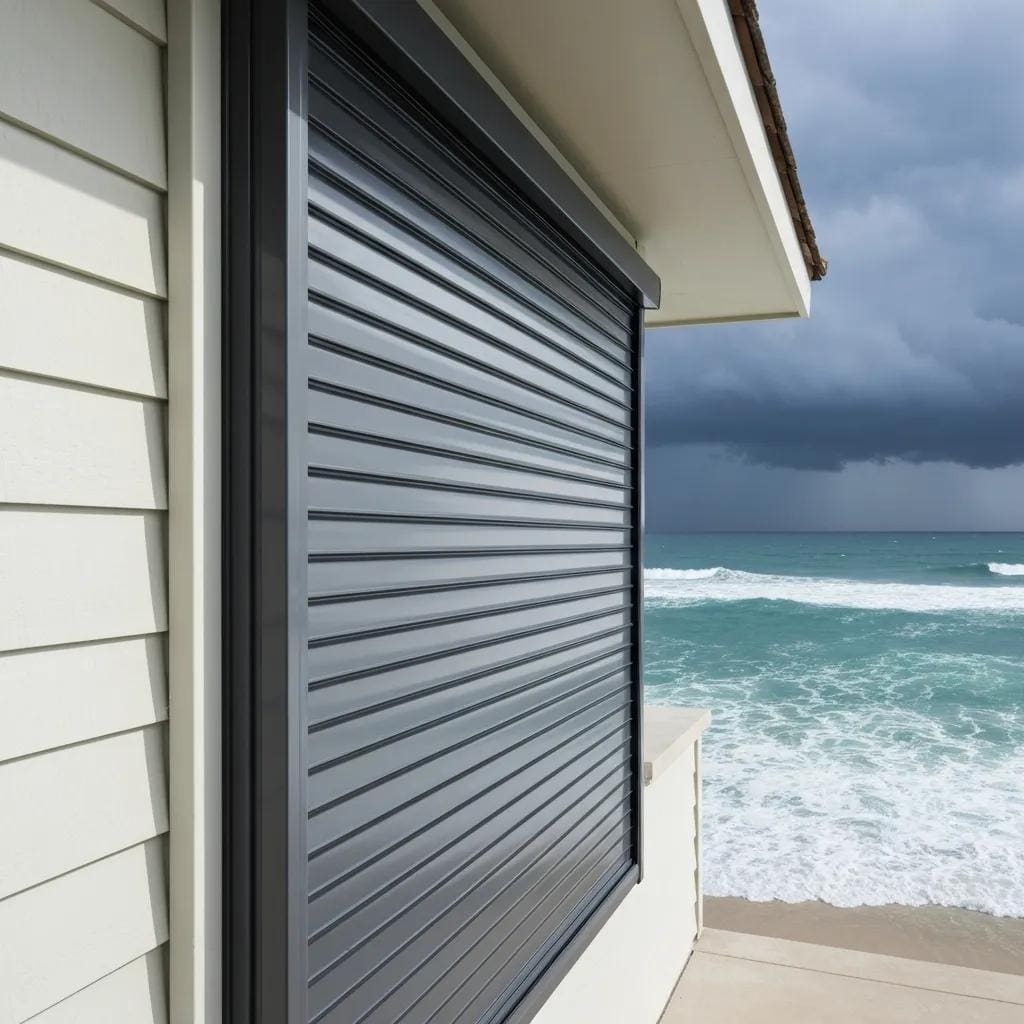
Accordion Shutters: The Complete Hurricane-Protection Guide — Costs, Benefits & Installation
Accordion shutters are permanently mounted, multi-panel systems that slide along fixed tracks to cover windows and doors and form a rigid barrier against wind-driven debris and storm pressures. They work by channeling impact and wind loads through continuous top and bottom tracks and reinforced panel leaves, giving immediate physical protection and lowering structural risk during hurricanes. In coastal North and South Carolina, these shutters are a practical choice for homeowners and businesses who want year-round readiness, fast manual deployment, and outstanding corrosion resistance when specified with marine-grade aluminum and stainless fasteners. This guide breaks down typical costs for the Coastal Carolinas, the main benefits (storm protection, security, energy and noise improvements), the professional installation process and code considerations, and the maintenance needed to maximize service life. You’ll also find impartial comparisons to roll-down, colonial, and panel shutters and real local experiences from American Hurricane Shutters. Read on to learn how installation works, how to use our cost calculator, and when to request a professional Design Pressure Analysis and permitting support.
How Much Do Accordion Hurricane Shutters Cost in the Coastal Carolinas?
Accordion shutter pricing along the coast depends mostly on material grade, opening size, number of openings, and whether the project requires a Design Pressure (DP) analysis for code compliance. Installations that specify marine-grade materials and corrosion-resistant fasteners cost more up front but typically save on maintenance and replacement over time in salt-air environments. Local price drivers include removal of existing trim, structural reinforcement for large or unusual openings, permit and DP documentation, and extra labor for sliders or commercial storefronts. Understanding these drivers helps homeowners set realistic budgets and decide when to move from an online estimate to a site visit that includes a DP analysis to meet local wind-load rules.
What Factors Influence Accordion Shutter Pricing?

The main cost factors are material choice, opening dimensions and count, installation complexity, and local code and DP requirements. Specifying marine-grade 6063‑T6 aluminum and 18‑8 stainless fasteners raises material costs but extends service life in coastal climates; larger or nonstandard openings need custom panels and more labor; and permitting or an engineered DP analysis adds professional fees but ensures compliance. Rush orders, tight delivery windows, or emergency installations can also increase price. Together, these elements determine the final installed cost and help you weigh short-term savings against long-term durability.
- Higher material grade and corrosion protection increase upfront cost but lower life-cycle expenses.
- Number and size of openings scale fabrication and labor — larger openings have outsized impact.
- Permits, DP analysis, and any structural reinforcement raise upfront fees but reduce compliance risk.
Keeping these trade-offs in mind prepares homeowners to move from a rough estimate to a firm, on-site quote.
Different cost drivers affect the final price in specific ways:
This table makes clear which choices move the price needle and sets up the next section on turning those factors into a calculator estimate.
How Can You Estimate Accordion Shutter Costs Using Our Calculator?
Our cost calculator converts the factors above into a ballpark estimate by asking for window and door dimensions, number of openings, preferred material grade, and whether a DP analysis is required. For example, entering a typical coastal home scenario—ten standard windows with marine-grade materials selected—returns an estimated total that accounts for fabrication, installation labor, and permit documentation, and flags items that typically need on-site verification. Calculator results set expectations but are not a substitute for a site visit: structural conditions and local code nuances materially affect final pricing. After using the tool, schedule a free on-site estimate so we can confirm permit needs and provide a precise quote.
- Provide dimensions: Measure each opening and enter width and height for every window and door.
- Select materials: Choose marine-grade aluminum and stainless hardware for coastal corrosion resistance.
- Indicate complexity: Note sliders, arches, or commercial storefronts that increase fabrication and labor.
For local support in the Coastal Carolinas, American Hurricane Shutters offers free estimates and a calculator, serving Wilmington, Myrtle Beach, Oak Island, Topsail, New Bern, Pawleys Island and nearby communities. We also provide financing options and emergency installation services for urgent storm prep — call or email to request a site visit and a custom Design Pressure Analysis for permitting and exact pricing.
What Are the Key Benefits of Accordion Hurricane Shutters for Homes and Businesses?
Accordion shutters deliver engineered hurricane protection by forming a continuous barrier that resists wind pressures and debris impact. As a permanently mounted system, they offer quick deployment and everyday convenience. Interlocking panel leaves ride in continuous top and bottom tracks, transferring wind loads into the building structure and reducing the concentrated failure points you see with removable panels. Beyond storm protection, accordion shutters add a security layer when locked, reduce solar heat gain when closed, and help dampen exterior noise — tangible benefits for both homes and commercial properties. Understanding how they work helps owners compare shutter types and prioritize features for coastal durability.
Key benefits that improve protection and daily usability include:
- Storm protection: Continuous tracks and reinforced panels resist wind-borne debris and meet design-pressure requirements.
- Security: Locking hardware and fixed tracks create a strong deterrent to forced entry.
- Energy & noise reduction: Closed shutters reduce air infiltration, solar gain, and ambient noise for better comfort.
Below is a quick mapping of each benefit to how it’s delivered and the expected outcome so you can compare performance objectively.
With these links between mechanism and outcome in mind, the next section dives deeper into storm and security performance details.
How Do Accordion Shutters Provide Superior Storm and Security Protection?
Accordion shutters resist wind forces by using continuous tracks and panel leaves that spread loads into the structure, which reduces stress concentrations on fasteners and trim. Properly placed anchor points and heavy-duty locking mechanisms — specified with corrosion-resistant hardware — preserve integrity during sustained wind events, and the interlock design helps prevent panel separation on impact. For security, the same tracks and locks form a physical barrier against intrusion, with optional reinforcement available for larger commercial openings. That’s why correct installation and a Design Pressure Analysis are essential for both safety and code compliance in the Carolinas.
These structural advantages also extend to secondary gains like energy savings and noise reduction, which depend on fit, sealing, and material choice.
Can Accordion Shutters Improve Energy Efficiency and Noise Reduction?
Closed accordion shutters create an extra layer that limits direct solar gain and reduces air infiltration, lowering HVAC cycling and improving indoor comfort in hot, humid coastal climates. The air cavity between the shutter and window offers modest insulation, and reflective finishes can reduce peak interior temperatures on sun-exposed façades. For noise control, shutters absorb and block some exterior sounds, improving indoor acoustics for homes near busy roads or in windy areas. Proper fit and sealed tracks maximize those benefits; pairing shutters with efficient windows yields the most consistent results.
These performance gains underscore the importance of correct installation and ongoing maintenance, which we outline next.
How Is Professional Accordion Shutter Installation Done in North and South Carolina?

Professional installation starts with a site assessment and a Design Pressure Analysis to determine the product specifications required to meet local wind-load standards. From there we take precise measurements, fabricate panels to spec, and securely mount the system to the building structure. Installers fit continuous top and bottom tracks, attach panel leaves, set anchorages and locking hardware, and test operation to ensure smooth deployment and secure latching. After installation we provide the documentation needed for permitting, register warranties, and walk customers through deployment and maintenance. In coastal NC and SC, correct fastener selection and code adherence are critical for safety and long-term performance.
What Are the Steps in the Accordion Shutter Installation Process?
A professional install follows clear phases: assessment and measurement, fabrication to custom tolerances, track installation, panel attachment and alignment, and final inspection with customer training. Measurements use templates or laser verification to prevent binding; fabrication follows specified material grades and stainless hardware; and track mounting transfers wind loads into the structure through reinforced anchor points. Installers run repeated deployment tests and fine-tune alignment for smooth operation. Final steps include warranty registration and a homeowner walkthrough so you know how to operate and care for your system.
- Assessment & measurement: Confirm opening sizes and locate structural anchorage points.
- Fabrication: Build panels to measured tolerances using specified coastal-grade materials.
- Mounting & testing: Install tracks, attach panels, and run operational checks.
- Inspection & walkthrough: Complete documentation, register warranties, and train the homeowner.
These phases set expectations, including permit processing and local code checks described below.
How Do Local Building Codes Affect Accordion Shutter Installation?
Local codes in North and South Carolina require design-pressure and wind-load documentation that shape product selection, anchor spacing, and permit submittals. A Design Pressure Analysis converts local wind maps and exposure categories into a specific performance target for your shutters. Certain commercial projects or high-exposure coastal zones may require engineered drawings or third-party verification, and inspections ensure compliance with approved plans. Installers who know local code nuances streamline permitting and reduce the risk of rework; underspecified or poorly documented systems risk failed inspections and unsafe performance in storms.
American Hurricane Shutters includes a DP analysis with every professional estimate, employs OSHA‑30 certified technicians for safe on-site work, and offers emergency installation services while ensuring the documentation needed for permitting is complete.
How Do Accordion Shutters Compare to Other Hurricane Shutter Types?
Accordion shutters give permanent, instantly deployable protection and sit on the façade year-round, unlike other types that focus on automation, storage, or seasonal attachment. Compared with roll-down shutters, accordion systems are manual but provide immediate coverage without motors; compared with removable panel systems, they remove the storage and handling burden; compared with colonial or Bahama styles, they usually offer more continuous coverage and—when engineered—higher impact performance. Across all types, material selection, corrosion resistance, and anchorage determine coastal suitability, so comparisons should reflect real exposure and code requirements.
Use the quick comparison below to weigh common criteria.
This overview highlights trade-offs and leads into a closer look at accordion vs. roll-down systems.
What Are the Differences Between Accordion and Roll-Down Shutters?
Accordion shutters ride fixed tracks and need no motors, delivering simple, very fast manual deployment; roll-down shutters can be automated and stow in a housing when not in use. Maintenance differs: roll-down systems have motors, drums and guides that require periodic service, while accordion systems focus on track lubrication and panel alignment. Cost varies by automation and materials—adding motorization increases upfront and maintenance costs, whereas accordion systems favor ruggedness and immediate readiness. For homeowners who value a year-round, low-mechanic solution in coastal settings, accordion shutters are often the preferred choice.
Those operational differences shape specific use recommendations, which we compare next with colonial and panel options.
How Do Accordion Shutters Compare to Colonial and Panel Shutters?
Accordion systems eliminate panel storage and the risk of improper installation during last-minute storm prep — common drawbacks of removable panels. Colonial and Bahama styles add architectural character and shading but deliver variable protection depending on anchorage and deployment; they generally don’t match the continuous coverage or DP rating of engineered accordion systems. For commercial sites or homes with many openings that require quick, repeated deployment, accordion shutters balance convenience and consistent protective performance.
Picking a shutter type should weigh aesthetics, how often you’ll deploy them, automation preferences, and coastal corrosion resistance — all factors that affect both initial and lifecycle costs.
How Do You Maintain Accordion Shutters for Longevity and Optimal Performance?
Regular maintenance preserves function and corrosion resistance, especially in salt-air coastal environments where salt and humidity speed wear. A practical schedule includes quarterly rinsing to remove salt, semi‑annual lubrication of tracks and locks, and an annual inspection of fasteners and panel alignment. Recording maintenance supports warranty claims and helps technicians spot early issues like track deformation or corroded fasteners. Consistent upkeep keeps shutters deployable under stress and extends the life of marine-grade components.
What Are the Best Cleaning and Lubrication Practices for Accordion Shutters?
Start by rinsing salt spray off shutter surfaces with fresh water and a mild detergent; avoid harsh abrasives that can damage factory finishes, particularly after storms or prolonged exposure. Lubricate tracks and locking mechanisms with a manufacturer‑recommended, salt‑resistant lubricant and wipe away excess to prevent grit buildup. Inspect 18‑8 stainless fasteners and panel leaves for galling or corrosion, tightening or replacing hardware as needed. Keep a maintenance log with service dates and parts replaced to protect warranty coverage and guide future upkeep.
- Rinse salt deposits quarterly and after major storms.
- Lubricate moving parts semi‑annually using corrosion‑resistant products.
- Inspect fasteners, tracks, and panels annually and after severe weather.
These simple routines reduce corrosion risk and keep systems ready when you need them, which ties into expected lifespan considerations below.
How Long Do Accordion Shutters Typically Last in Coastal Environments?
Lifespan varies with material grade, maintenance, and exposure. Systems built with marine‑grade 6063‑T6 aluminum and 18‑8 stainless fasteners commonly last 20 years or more when maintained to recommended schedules. Regular cleaning, lubrication, and timely replacement of worn hardware keep shutters performing for many seasons; conversely, poor maintenance and inferior materials hasten deterioration in salt-air climates. Signs that service or replacement is needed include persistent track binding, visible fastener corrosion, and panel deformation that affects sealing and locking.
Routine care and prompt repairs extend working life and generally justify the upfront investment in higher‑grade materials for coastal installations.
What Do Customers Say About Accordion Shutters Installed by American Hurricane Shutters?
Local customers consistently praise professional installation, the use of corrosion‑resistant materials, and quick, responsive service during emergencies — factors that support long-term satisfaction in coastal settings. Our project galleries and case studies showcase installations in Wilmington, Myrtle Beach, and Oak Island, across both residential and commercial properties, and demonstrate how properly specified accordion systems integrate with different building types. Reviews often highlight solid workmanship, clear communication through permitting and scheduling, and the reassurance of a documented warranty.
Which Local Case Studies Highlight Accordion Shutter Durability and Satisfaction?
Case-study summaries feature properties in Wilmington, Myrtle Beach, and Oak Island that needed coastal-grade protection and code-compliant installs; projects typically included custom-fit panels, continuous track mounting, and a DP analysis to meet local wind-load requirements. Each narrative covers the problem (coastal exposure and code demands), the solution (marine-grade accordion shutters with stainless fasteners and correctly specified anchorage), and the outcome (documented installation with warranty registration). Full case studies and photos are available in our project portfolio for homeowners who want to compare similar work before requesting an estimate.
How Do Customer Reviews Reflect the Quality and Service Experience?
Review themes emphasize workmanship, transparent communication around scheduling and permitting, and responsiveness for emergency services. Many customers mention confidence in the marine‑grade materials used and value the company’s seven‑year installation warranty. Prospective clients should review aggregated feedback and project galleries to confirm fit for their property and prepare questions for an on‑site estimate and DP analysis.
Service quality, material choices, and warranty terms together shape long-term satisfaction and are important when selecting an installer for accordion shutter systems.
Frequently Asked Questions
1. What maintenance is required for accordion shutters?
Regular upkeep keeps shutters reliable, especially on the coast. We recommend quarterly rinses to remove salt, semi‑annual lubrication of tracks and locks, and an annual inspection of fasteners and panel alignment. Keeping a maintenance log supports warranty claims and helps spot issues early so your shutters are always ready when a storm approaches.
2. How do accordion shutters perform in terms of energy efficiency?
Closed accordion shutters add an insulating layer that cuts direct solar gain and reduces air infiltration, which can lower HVAC cycling in hot, humid climates. The air cavity between shutter and window provides modest insulation, and reflective finishes help on sun‑exposed façades. For best results, pair shutters with energy‑efficient windows and ensure a proper fit and sealing.
3. Are accordion shutters suitable for commercial properties?
Yes. Accordion shutters are well suited to commercial sites in hurricane-prone coastal areas. Their sturdy design provides reliable storm protection and security, and fast deployment minimizes business downtime. With marine‑grade materials and professional installation, they’re a durable, long‑term investment for protecting assets.
4. What are the differences between accordion shutters and removable panel shutters?
Accordion shutters are permanently mounted and deploy quickly without storage or handling, while removable panels must be stored and manually installed before a storm. Panels can be less expensive initially but add logistical burden and potential installation errors during urgent prep. Accordion systems offer consistent protection and easier operation over time.
5. How do I choose the right material for accordion shutters?
For coastal installations, choose marine‑grade materials for longevity. We recommend 6063‑T6 aluminum panels with 18‑8 stainless steel fasteners. Consider local salt exposure and wind‑load requirements and confirm materials meet building codes and the DP rating needed for your property.
6. Can accordion shutters be automated?
Accordion shutters are primarily manual, but some manufacturers and custom solutions offer motorization. Automated systems add convenience but increase initial cost and maintenance needs. Discuss your priorities with a professional to determine whether motorization is a practical choice for your property.
7. What should I expect during the installation process of accordion shutters?
Expect a site assessment and Design Pressure Analysis to set specifications, precise measurements, custom fabrication, track mounting, panel installation, and thorough testing. The installer will complete required documentation, register warranties, and walk you through operation and maintenance so you’re prepared long after the job is finished.
Conclusion
Accordion shutters offer dependable hurricane protection, added security, and useful energy and noise benefits for homes and businesses along the coast. When specified with marine‑grade materials, installed to DP requirements, and maintained regularly, they’re a durable investment for coastal properties. If you’re considering accordion shutters, contact American Hurricane Shutters for a free estimate and a Design Pressure Analysis to determine the right solution for your home or business.