

Accordion Shutters vs. Other Options — Which Is Best for Carolina Storms? Your Complete Guide
Every hurricane season coastal homeowners face the same question: should you choose permanent or temporary storm protection to best balance wind resistance, ease of use, and long‑term value? This guide walks through accordion shutters and how they stack up against rolldown shutters, Bahama and colonial styles, hurricane screens, and removable panels—with a practical focus on North and South Carolina coastlines. You’ll learn what accordion shutters are, which technical details matter in salty environments, and how different systems perform on sliding glass doors, lanais, and large openings. We’ll also cover local code and wind‑load considerations, real‑world deployment differences, and cost versus lifetime value so you can decide with confidence. Finally, see how a local, certified installer approaches material selection, custom pressure analysis, and warranty support to move from evaluation to an accurate estimate.
What Are Accordion Shutters and What Benefits Do They Offer for Storm Protection?
Accordion shutters are permanently mounted, folding aluminum panels that slide across openings and lock to form a continuous, rigid barrier against wind and flying debris. They ride in tracks at the head and sill and fold neatly to each side when not in use, giving fast protection without the need for storage. Their mechanical simplicity means a single person can often secure several openings quickly—critical when a storm is approaching. Because they’re fixed in place, accordion shutters also add year‑round security and reduce the recurring labor and risk of temporary boarding, which helps lower long‑term maintenance for coastal homes.
Their mix of permanence and quick operation makes accordion shutters a natural place to start when considering corrosion‑resistant materials and local installation standards.
What Features Make Accordion Shutters Ideal for Coastal Homes?
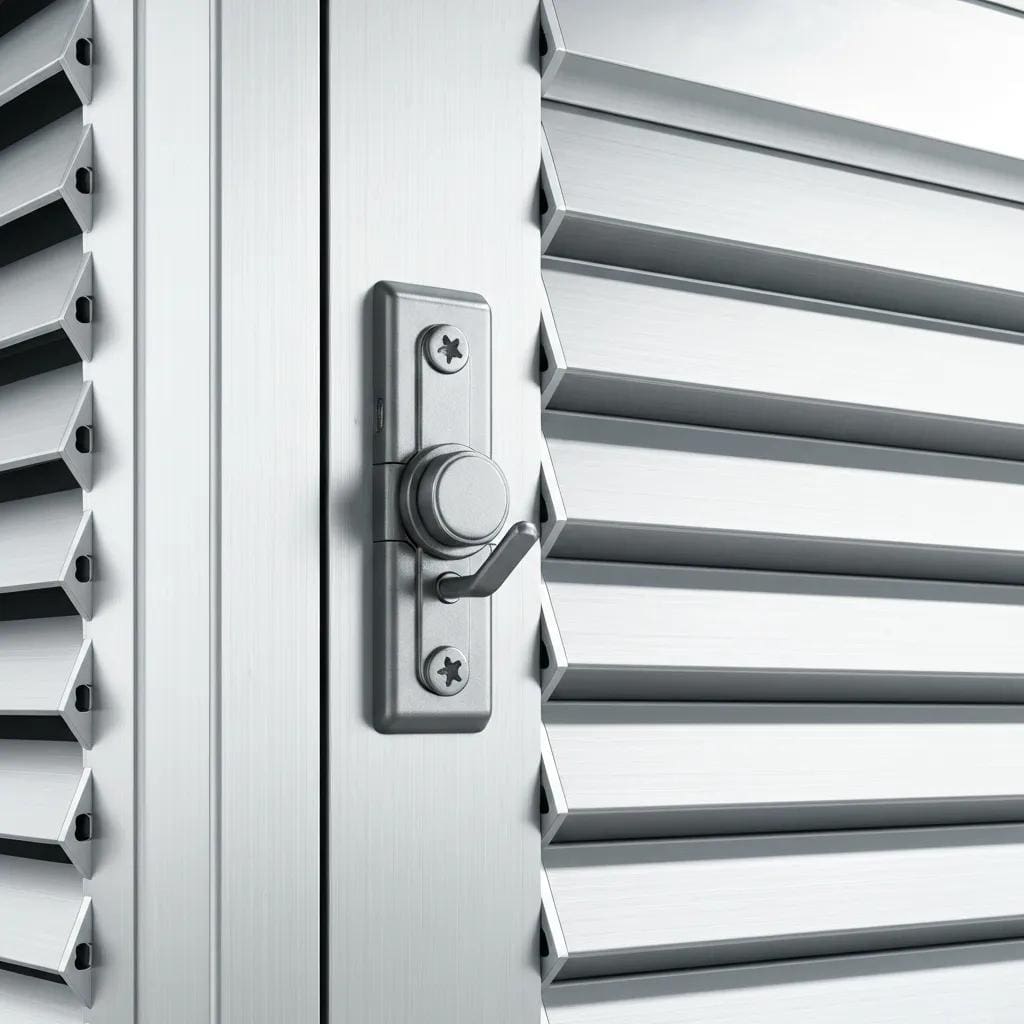
Accordion shutters built for coastal use focus on corrosion‑resistant alloys, durable locking hardware, and installation details that resist salt spray and wind‑driven rain. Marine‑grade aluminum like 6063‑T6 gives the needed strength and corrosion resistance, while 18‑8 stainless fasteners reduce galvanic corrosion at attachment points. Permanent mounting lowers the chance of improper installation in an emergency, and integrated locks improve security while creating a continuous load path for wind forces. Together these features cut maintenance cycles and keep shutters looking and performing well in salty air—important for homeowners in Wilmington, Myrtle Beach, Oak Island, Topsail, New Bern, and Pawleys Island.
Those material and mounting benefits help you evaluate accordion shutters against other rated options—the next decision many homeowners face.
What Are the Pros and Cons of Accordion Hurricane Shutters?
Accordion shutters strike a strong balance between performance and convenience: they’re durable, fast to deploy, and don’t require seasonal storage, but they carry visual and cost trade-offs. On the plus side, rated accordion systems deliver reliable impact resistance, constant readiness, and minimal effort to secure openings compared with removable panels. They double as a year‑round security feature and generally lower storm‑event labor. On the downside, accordion shutters are a permanent architectural element that may affect curb appeal for some homes, and their upfront cost is typically higher than seasonal panels—though lifecycle costs often favor permanent systems.
Balancing these pros and cons leads naturally to comparing accordion shutters across the full range of available hurricane protection options.
How Do Other Hurricane Shutter Types Compare to Accordion Shutters?
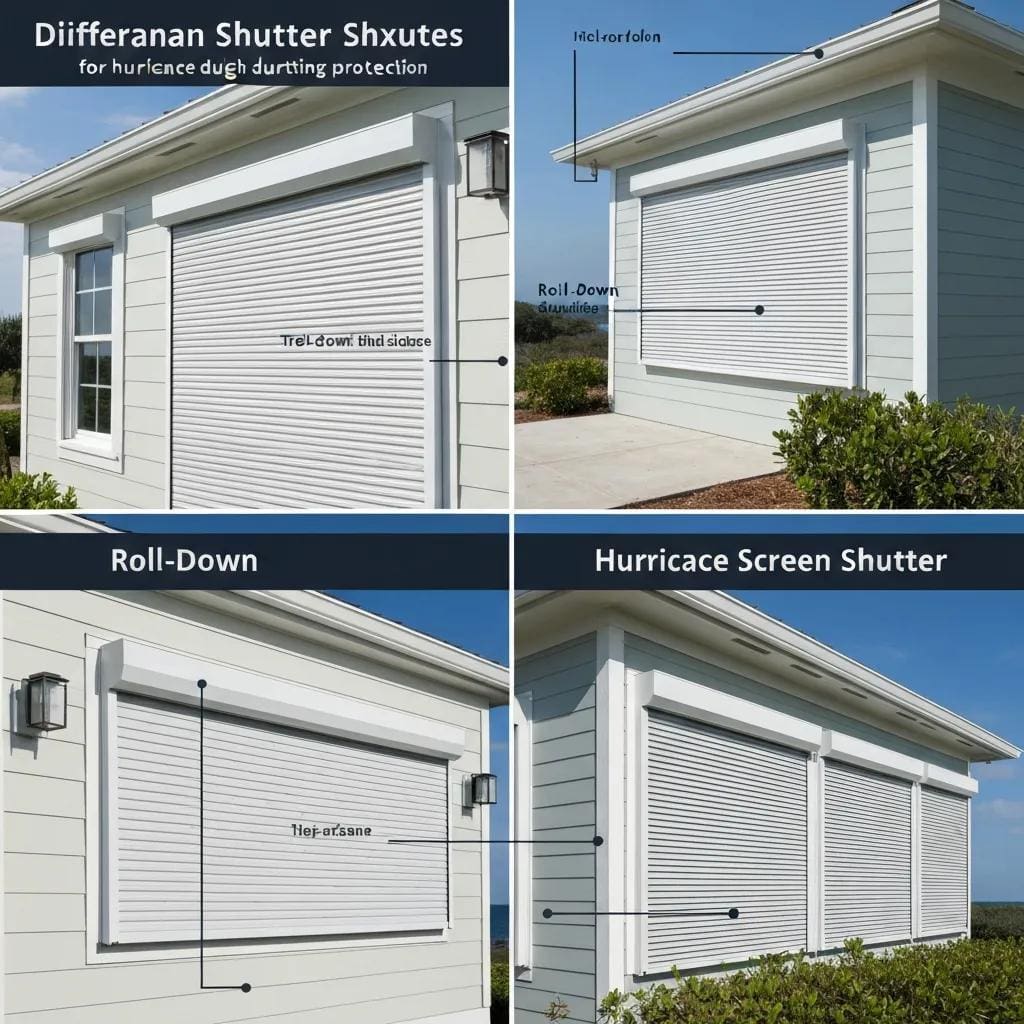
Compare shutter types by operation, protection level, aesthetic fit, and suitability for specific openings—each solution has trade‑offs that define its best use. Rolldown systems deploy vertically and can be motorized for convenience, offering high wind‑load resistance and tight sealing when rated. Bahama and colonial shutters add architectural character and can offer protection when built to rated standards. Hurricane screens and panels are practical for very large openings and lanais where rigid shutters may be impractical, though they differ in light transmission and deployment effort. The table below summarizes basic operation and typical use cases to help homeowners narrow their choices.
What Are the Key Benefits and Drawbacks of Rolldown Shutters?
Rolldown shutters shine for automated convenience and tight sealing. Motorized models reduce manual labor and can integrate with smart‑home systems for quick closure, and when properly rated they often deliver top wind‑load and impact resistance. Their continuous curtain design also helps limit air and water intrusion. The trade‑off is complexity: motors, tracks, and electronics need regular service, and a power loss can complicate operation unless a manual override or backup power is available. For coastal homeowners who value automation and insulation benefits, rolldown systems are an excellent choice—provided you plan for maintenance and redundancy.
Comparing rolldown to simpler permanent systems like accordion shutters highlights the balance between automation and long‑term service requirements.
How Do Bahama and Colonial Shutters Differ in Style and Storm Protection?
Bahama and colonial shutters are first and foremost architectural features that can also provide protection when manufactured to rated standards. Bahama shutters mount above windows on angled arms to provide shade and quick cover for lighter storms; rated Bahama systems can meet wind‑load requirements. Colonial shutters mimic paired panels that close over openings—decorative versions emphasize curb appeal, while rated colonial shutters use reinforced frames and fasteners for impact resistance. Choose decorative shutters for style, and opt for rated variants when code or risk levels require certified protection.
Knowing these differences helps homeowners decide when decorative shutters will meet aesthetic goals and when rated solutions are necessary for safety and compliance.
When Are Hurricane Screens and Panels the Best Choice?
Hurricane screens and removable panels are strongest where very large openings, light transmission, or seasonal flexibility take priority—think pool cages, lanais, and open porches. Screens preserve views and airflow while offering debris deflection, making them useful for living spaces where visibility matters. Removable panels (aluminum or polycarbonate) offer a lower initial cost and flexible coverage but require storage and manual installation, which can be labor‑intensive when a storm is imminent. For homeowners balancing cost and openness, screens and panels are practical options—especially when permanent rigid shutters aren’t feasible.
These deployment and functional differences lead into a detailed comparison of protection, operation, and cost.
How Do Accordion Shutters Compare to Other Options on Protection, Ease of Use, and Cost?
A direct comparison across protection, deployment effort, and cost helps homeowners align priorities with product choices: some systems prioritize wind‑load performance, others favor affordability or light transmission. Accordion shutters typically deliver high durability and quick manual deployment with no storage needs, offering strong protection when rated and correctly installed. Rolldown shutters often lead in wind‑load performance and sealing—especially when motorized—while panels vary depending on material thickness. The table below outlines protection, deployment effort, typical per‑square‑foot cost ranges, and maintenance expectations to aid financial and performance planning.
As you compare, two practical questions recur: which systems meet required wind loads, and how does deployment affect household readiness?
Which Shutters Provide the Best Wind Load and Impact Resistance?
For maximum wind‑load and impact resistance, rated rolldown systems and professionally engineered accordion shutters typically rank highest because of continuous curtain or panel engagement and engineered anchorage. Manufacturers test products to specific wind speeds and impact standards, and certified installations with custom pressure analysis are essential to realize rated performance. Panels can reach high ratings if they’re made from thick materials and properly anchored, but removable panels depend on correct homeowner installation. Screens offer limited rigid resistance and are better suited to debris deflection on large openings rather than replacing rated shutters.
Meeting local code and installing to tested specifications is the logical next step for securing rated protection.
How Do Deployment and Operation Differ Between Accordion, Rolldown, and Panels?
Accordion shutters deploy laterally along fixed tracks and fold to the sides in seconds with minimal effort, removing storage and staging tasks before a storm. Rolldown shutters move vertically and can be motorized for one‑touch closure, offering convenience but adding complexity around power, motor maintenance, and manual overrides. Panels are removable and must be stored safely; installation usually requires two people and more time, a disadvantage on short notice. Those operational differences shape emergency planning: accordion and rolldown systems reduce labor under time pressure, while panels require advance staging and storage logistics.
Understanding deployment trade‑offs clarifies the cost implications and total cost of ownership over time.
What Is the Cost Difference Between Accordion Shutters and Other Types?
Upfront cost depends on material quality, ratings, and installation complexity. Accordion shutters typically fall into a mid‑to‑high per‑square‑foot range because of permanent mounting and durable materials, while rolldown systems sit at the higher end due to motorization and seals. Removable panels tend to have the lowest initial cost but add storage and replacement costs over time; screens occupy the low‑to‑mid range with a different lifecycle profile. Insurance mitigation credits and reduced replacement risk can improve the lifecycle ROI of rated permanent systems. Use cost estimates alongside lifespan and maintenance expectations to evaluate true value.
Using a cost calculator and getting a local estimate that includes custom pressure analysis makes these comparisons actionable for your specific home.
What Factors Should Homeowners Consider When Choosing Hurricane Shutters in the Carolinas?
Choose a system that matches product capabilities to local building codes, opening types, and homeowner priorities—while factoring in installation quality and warranty terms. Key considerations include local wind‑load requirements, opening size and type (sliders, windows, lanais), aesthetic goals, preference for seasonal versus permanent protection, and maintenance capacity. Coastal properties especially demand corrosion‑resistant materials and design details that maintain structural integrity in salt air. Professional custom design and certified installation help ensure the selected system meets code and delivers expected wind resistance.
The table below maps product suitability to common Carolina conditions so homeowners can match solutions to typical scenarios.
How Do Local Building Codes and Wind Load Requirements Affect Shutter Choice?
Coastal building codes in North and South Carolina reference wind‑load standards that determine when rated shutters are required for specific exposures and zones. Compliance typically requires documented pressure analysis and tested systems. Properties in higher exposure categories or with large expanses of glazing often need rated solutions verified for mapped wind speeds. Permits and inspections may ask for product certification and professional installation records to qualify for code compliance and insurance credits. Engaging a qualified installer early ensures your recommendation will meet permit and insurance criteria.
With code compliance top of mind, professional installation and proper documentation become essential to secure protection and potential coverage benefits.
Why Is Professional Installation and Custom Design Important for Storm Shutters?
Professional installation ensures fasteners, anchorage, and load paths are executed correctly so rated performance is achieved during a storm—improper attachment is the most common failure point in severe weather. Custom pressure analysis tailors the product and anchorage to each opening’s geometry and exposure, avoiding under‑ or over‑engineering while meeting code. Certified technicians provide installation records that factor into warranty validity and insurance mitigation credits. Choosing an installer who follows certified procedures reduces on‑site errors and preserves long‑term value.
Understanding the importance of installation quality leads directly to evaluating how local providers demonstrate their value to coastal homeowners.
Why Choose American Hurricane Shutters for Accordion and Other Storm Protection Solutions?
American Hurricane Shutters (AHS Carolinas) positions itself as a local, insured installer serving coastal North and South Carolina with a focus on material quality, certified installation, and responsive service. The company highlights reinforced materials—6063‑T6 marine‑grade aluminum and 18‑8 stainless fasteners—and provides custom pressure analysis to ensure code adherence for each project. Technicians are trained and certified for aerial lift work and OSHA safety standards, and the company offers a local‑leading seven‑year warranty, free, no‑obligation estimates, and a cost calculator to help homeowners plan. This local expertise, corrosion‑resistant materials, and documented installation practices combine to deliver strong performance and peace of mind for coastal properties.
After comparing technical attributes, homeowners ready for an appraisal or estimate can follow a simple process to receive a tailored plan and cost estimate from the local installer.
What Unique Benefits Does American Hurricane Shutters Offer for Coastal Homeowners?
AHS Carolinas emphasizes fast local response, corrosion‑resistant component selection, and certified workmanship as its differentiators for the Carolina coast. Marine‑grade aluminum and stainless fasteners reduce long‑term corrosion risk, while custom pressure analysis helps ensure installations meet local wind‑load requirements and building codes. Certified technicians install to industry standards, and the company backs work with a seven‑year warranty and service options for new installs and existing shutter maintenance. These attributes align with homeowner priorities for longevity, code compliance, and dependable emergency readiness.
Those benefits provide a clear path from product selection to installation and ongoing service you can rely on during storm season.
How Can Homeowners Get a Free Estimate and Expert Consultation?
To prepare for a free, no‑obligation estimate, gather basic measurements of windows, doors, and lanais and note your exposure (oceanfront, near marsh, inland). During the consultation expect a professional evaluation that includes custom pressure analysis recommendations and material options tailored to local code and corrosion concerns. AHS offers a cost calculator and on‑site assessments to produce an itemized estimate; homeowners can also review warranty coverage and maintenance plans during the appointment. Existing customers can request maintenance or repairs through the same process to keep previously installed systems performing as intended.
Being ready with measurements and documentation streamlines permitting and helps you capture potential insurance mitigation credits once installations are complete.
What Are the Most Common Questions About Accordion Shutters vs. Other Options?
Homeowners frequently ask focused questions about deployment, value, and suitability for large openings. Quick, practical answers help narrow decisions. Accordion and rolldown shutters differ mainly in deployment and automation: accordion systems often represent the best single‑person, permanent option for many windows and doors. For very large lanais or pool enclosures, screens preserve views and airflow while panels offer a budget‑friendly but labor‑intensive alternative. Below are short, actionable answers to common buyer questions with clear next steps.
These concise answers deliver clarity for common concerns and point you to the right next step.
What Are the Main Differences Between Accordion and Rolldown Shutters?
Accordion shutters are manual folding panels that slide laterally and are ideal for fast, single‑person deployment without storage needs. Rolldown shutters retract vertically and can be motorized for one‑touch operation. Accordion systems are simple, durable, and mechanically straightforward; rolldown products provide better sealing and automation but require more maintenance for motors and tracks. Both can meet high wind‑load and impact standards when properly rated and installed, so your choice often comes down to preferring automation versus mechanical simplicity.
This direct comparison helps homeowners weigh convenience against complexity when choosing a permanent shutter system.
Are Accordion Shutters Worth the Investment for Coastal Homes?
Yes—accordion shutters are often worth the investment when viewed over multiple years. They offer permanent readiness, strong protection when rated, and lower seasonal labor compared with panels. Durable materials and fixed installation reduce recurring costs and the risk of improper setup in emergencies, and rated systems can qualify you for insurance mitigation discounts that improve lifecycle ROI. If you prioritize immediate deployability and minimal storage needs, accordion shutters provide clear long‑term value.
That said, consider aesthetic impact and your initial budget as part of a full lifecycle assessment before deciding.
How Do Hurricane Screens Compare to Accordion Shutters for Large Openings?
Hurricane screens outperform rigid shutters for very large openings when visibility, airflow, and light transmission are priorities; they preserve living space continuity while offering some debris protection, but they are not a substitute for rigid impact‑rated barriers. Accordion shutters give a permanent, rigid barrier suited to windows and doors, while screens are tailored for lanais, pool enclosures, and areas where keeping the view and ventilation matters most. Your priority—continuous protection and security versus preserving views and ventilation—will determine the best choice.
These trade‑offs guide which system best matches functional and aesthetic priorities for large coastal openings.
Frequently Asked Questions
1. How do I maintain accordion shutters to ensure their longevity?
Maintenance is straightforward. Inspect tracks and fasteners regularly for corrosion or wear, especially near the coast. Clean panels and tracks with mild soap and water to remove salt and debris, and lubricate moving parts and locks periodically for smooth operation. Check deployment before hurricane season to confirm everything works and locks securely. These simple steps will extend the life and reliability of your shutters.
2. Can accordion shutters be customized for different window sizes?
Yes. Accordion shutters can be custom‑fabricated to fit a wide range of windows and doors. Manufacturers and certified installers tailor height, width, and finish to match your openings and home aesthetics. Share accurate dimensions during your consultation so the installer can recommend the best configuration for protection and curb appeal.
3. What is the typical installation process for accordion shutters?
Installation starts with a consultation and accurate measurements. A certified installer prepares materials and verifies compliance with local building codes. Shutters are mounted on top and bottom tracks so they slide and fold easily; a typical installation takes a few hours depending on the number and complexity of openings. The technician will demonstrate operation and confirm the system functions correctly before leaving.
4. Are accordion shutters effective against flying debris during storms?
Yes. When properly rated and installed, accordion shutters form a continuous, rigid barrier that withstands high winds and impacts from projectiles. Marine‑grade materials improve durability and corrosion resistance, making them particularly effective for coastal properties. Proper installation and certification give homeowners confidence the shutters will protect windows and doors during severe weather.
5. How do I choose between accordion shutters and other types of storm protection?
Base your choice on ease of deployment, protection level, budget, and whether you want permanent or temporary coverage. Accordion shutters provide quick manual deployment for regular use; rolldown shutters offer automation but require more maintenance. Panels are cost‑effective seasonally but need storage and labor. Consult a local installer to review your priorities and the openings you need to protect so you can select the best option.
6. What are the insurance benefits of installing accordion shutters?
Installing rated accordion shutters can qualify you for insurance discounts. Many insurers offer credits for storm protection systems that meet local codes and have documented, certified installation. Check with your insurance provider for specific requirements and potential savings—proper documentation often helps secure the discount.
7. How do accordion shutters impact the resale value of a home?
Accordion shutters can boost resale value in hurricane‑prone coastal markets. Buyers appreciate built‑in storm protection that reduces future prep time and replacement risk. Homes with reliable, rated storm protection and documentation of professional installation often attract more interest and may command higher prices. Long‑term maintenance and insurance savings are additional selling points.
Conclusion
Accordion shutters offer a practical mix of durability, speed, and long‑term value that makes them an excellent storm‑protection choice for many coastal homes. Their quick deployment, permanent installation, and low seasonal labor needs enhance security and readiness during hurricane season. By weighing the benefits against aesthetics and budget, you can choose the system that best matches your safety and design goals. Contact us for a free estimate and expert consultation tailored to your home.